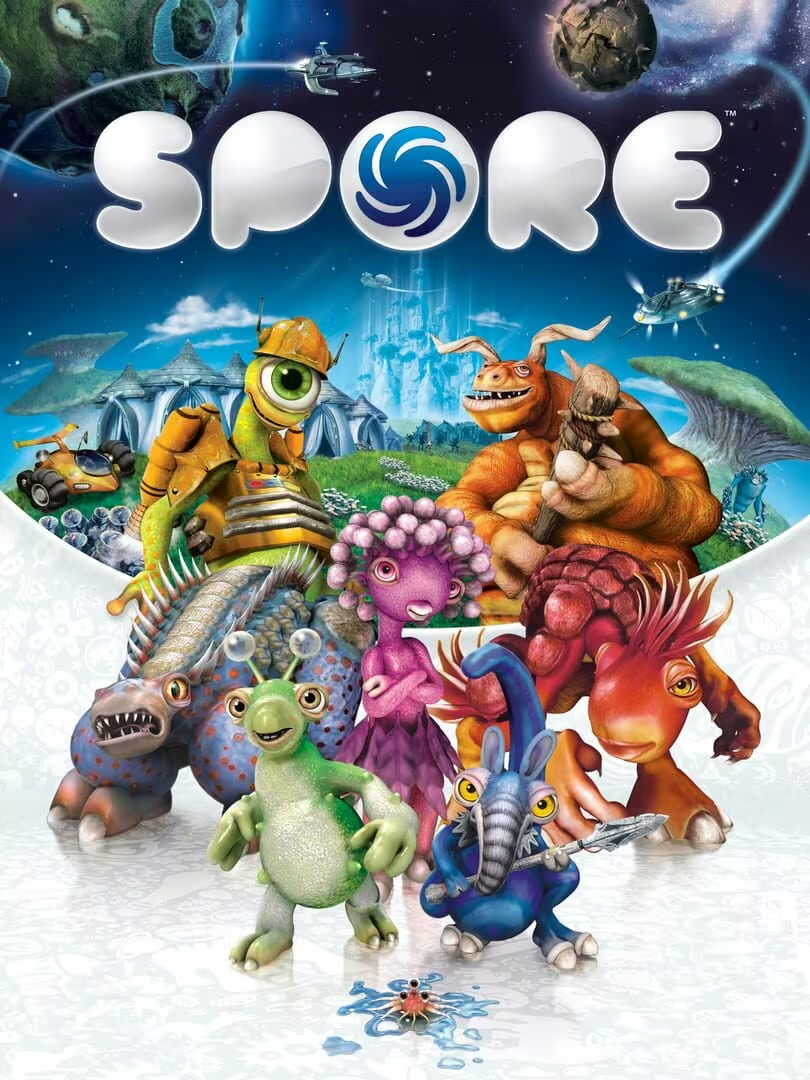
SPORE™ Creepy & Cute Parts Pack Thumbnail

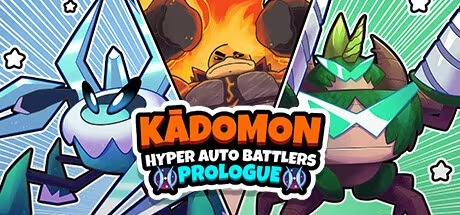
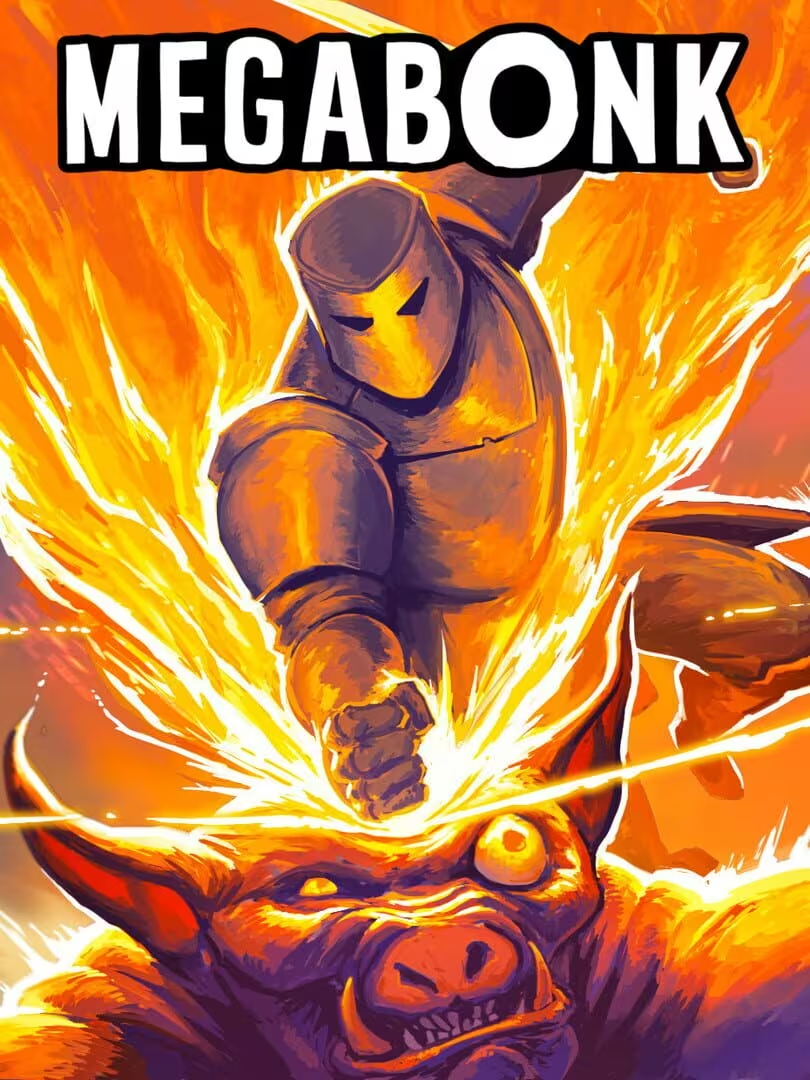
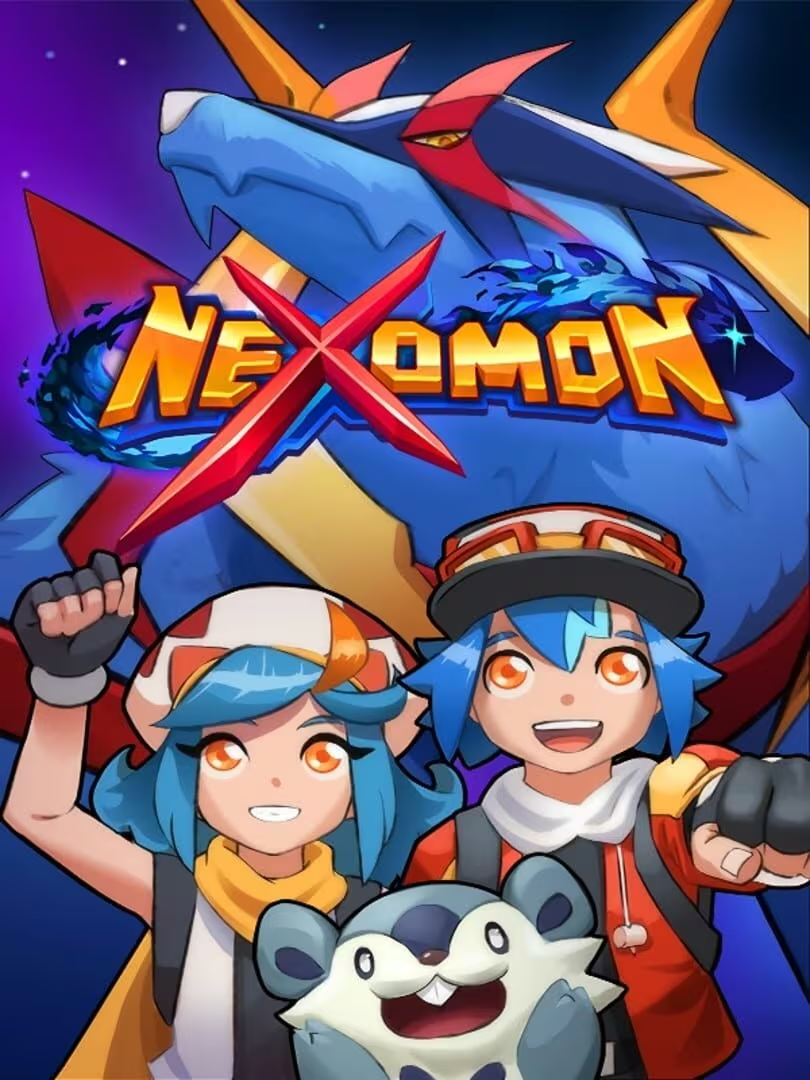
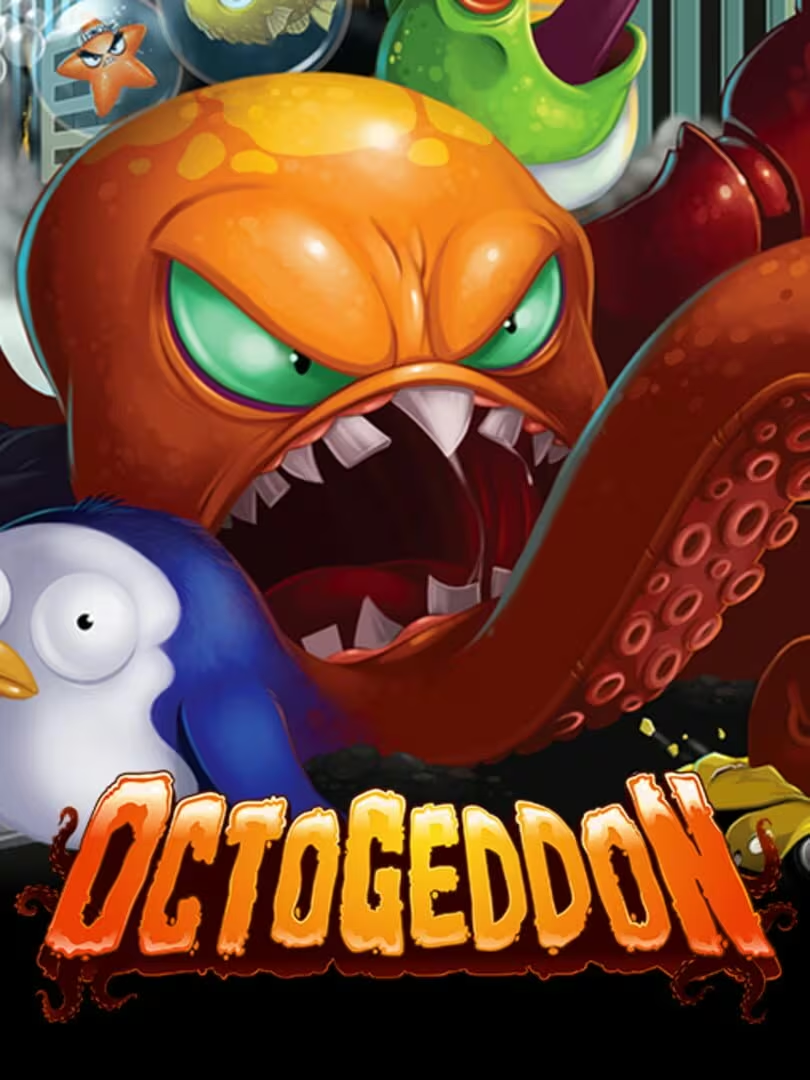
SPORE™ Creepy & Cute Parts Pack similar games & best alternatives

SPORE™ Creepy & Cute Parts Pack

PC (Microsoft Windows) • 2008

Related articles

Quick resume

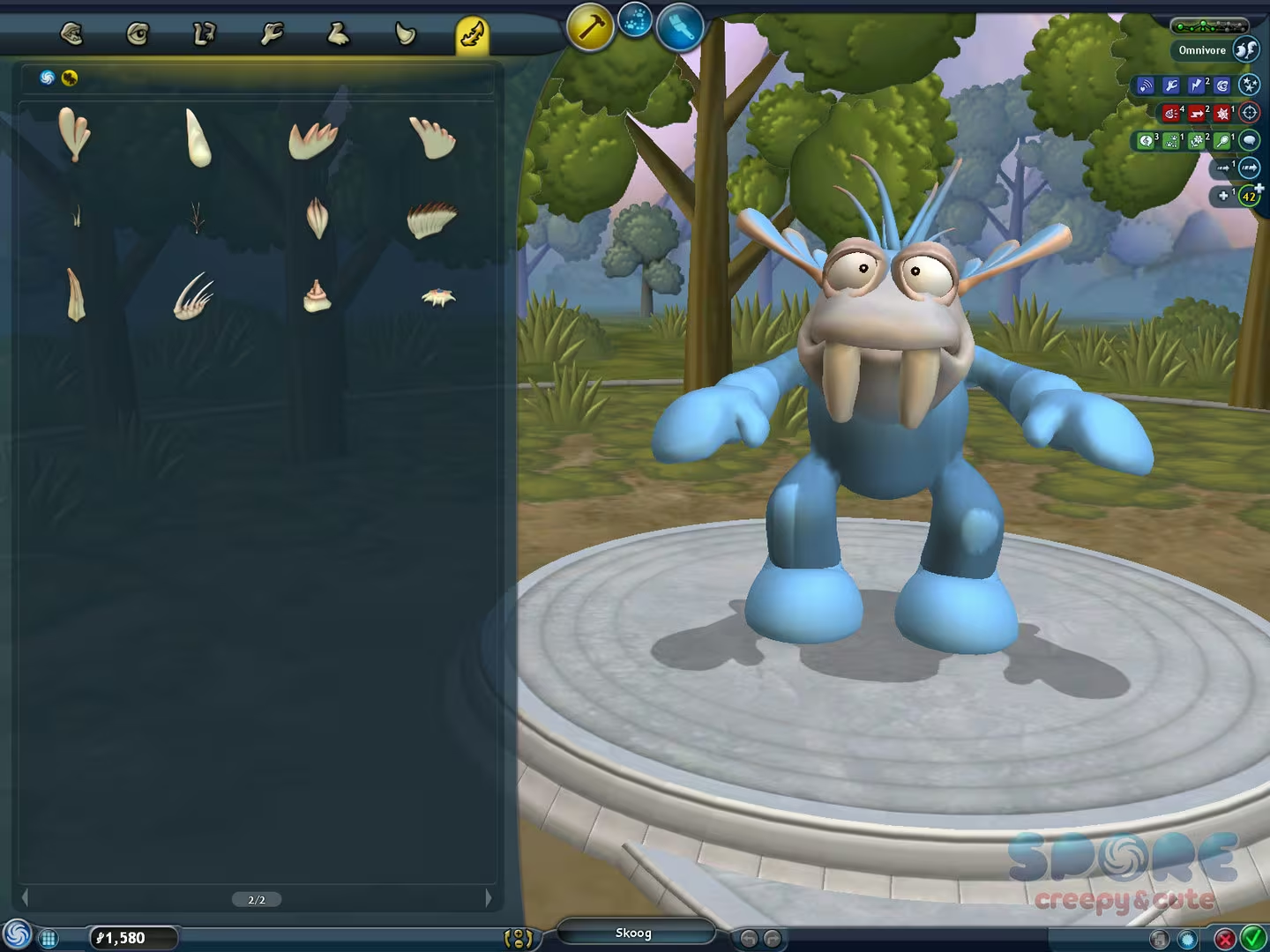
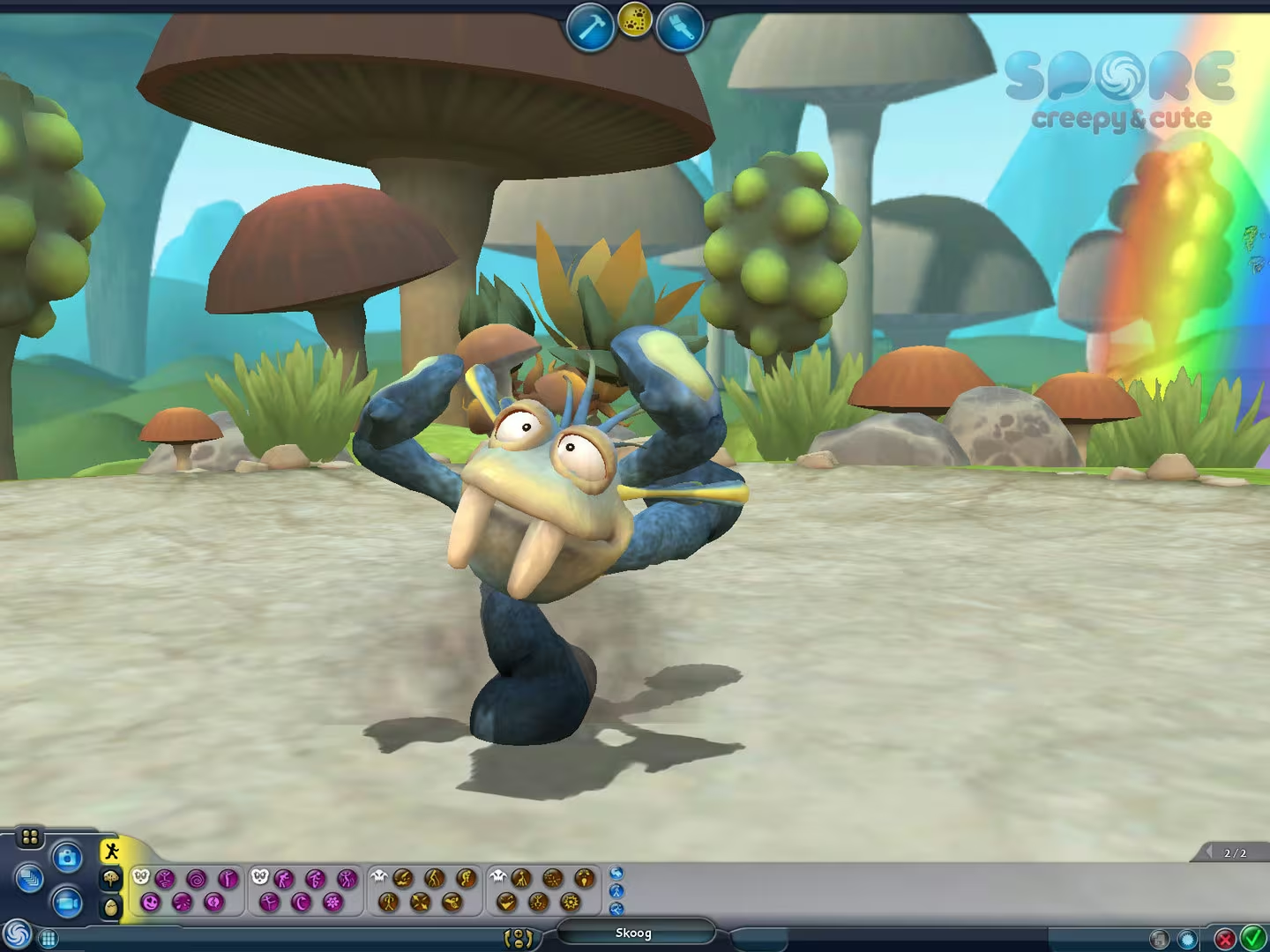
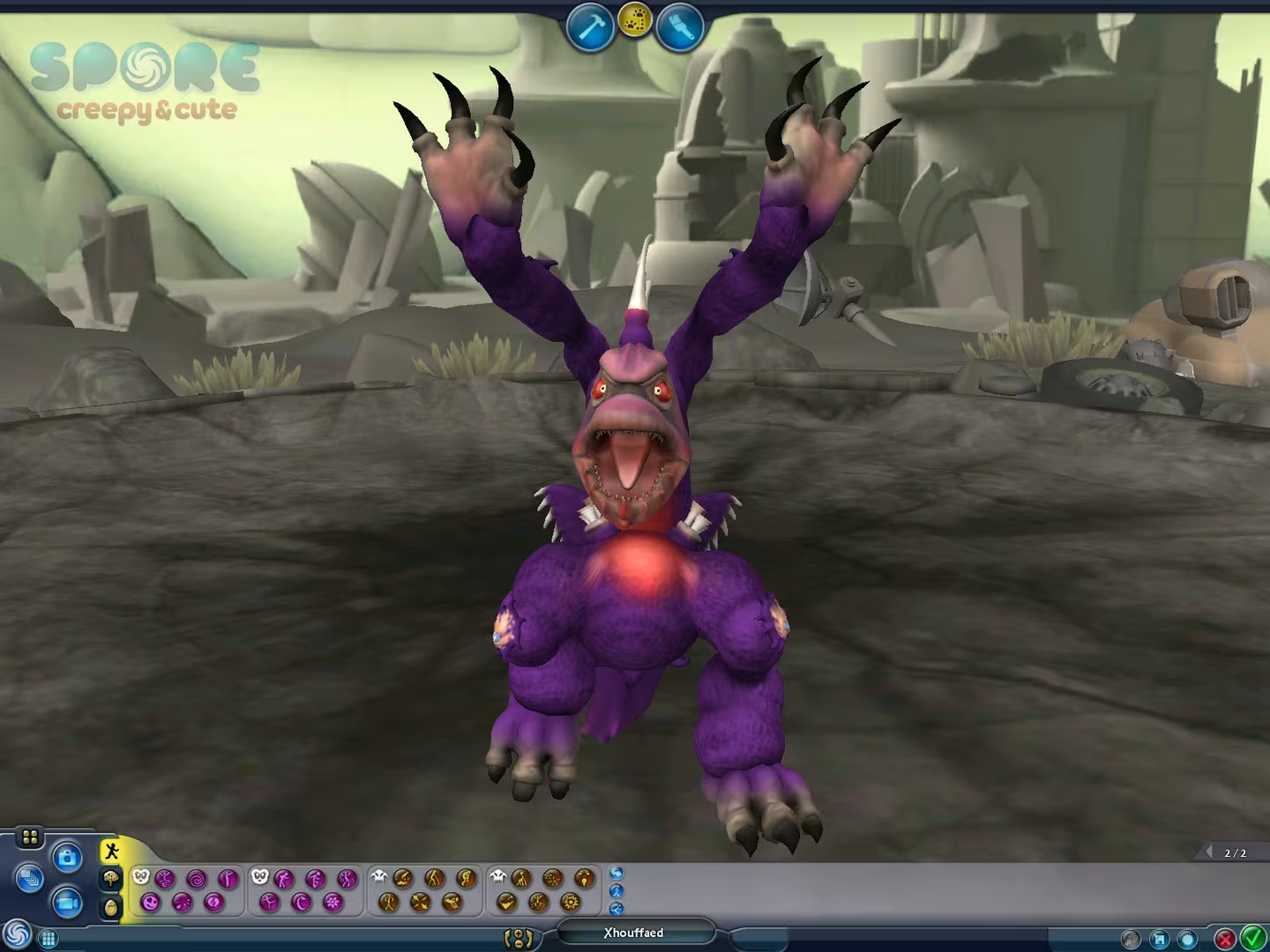
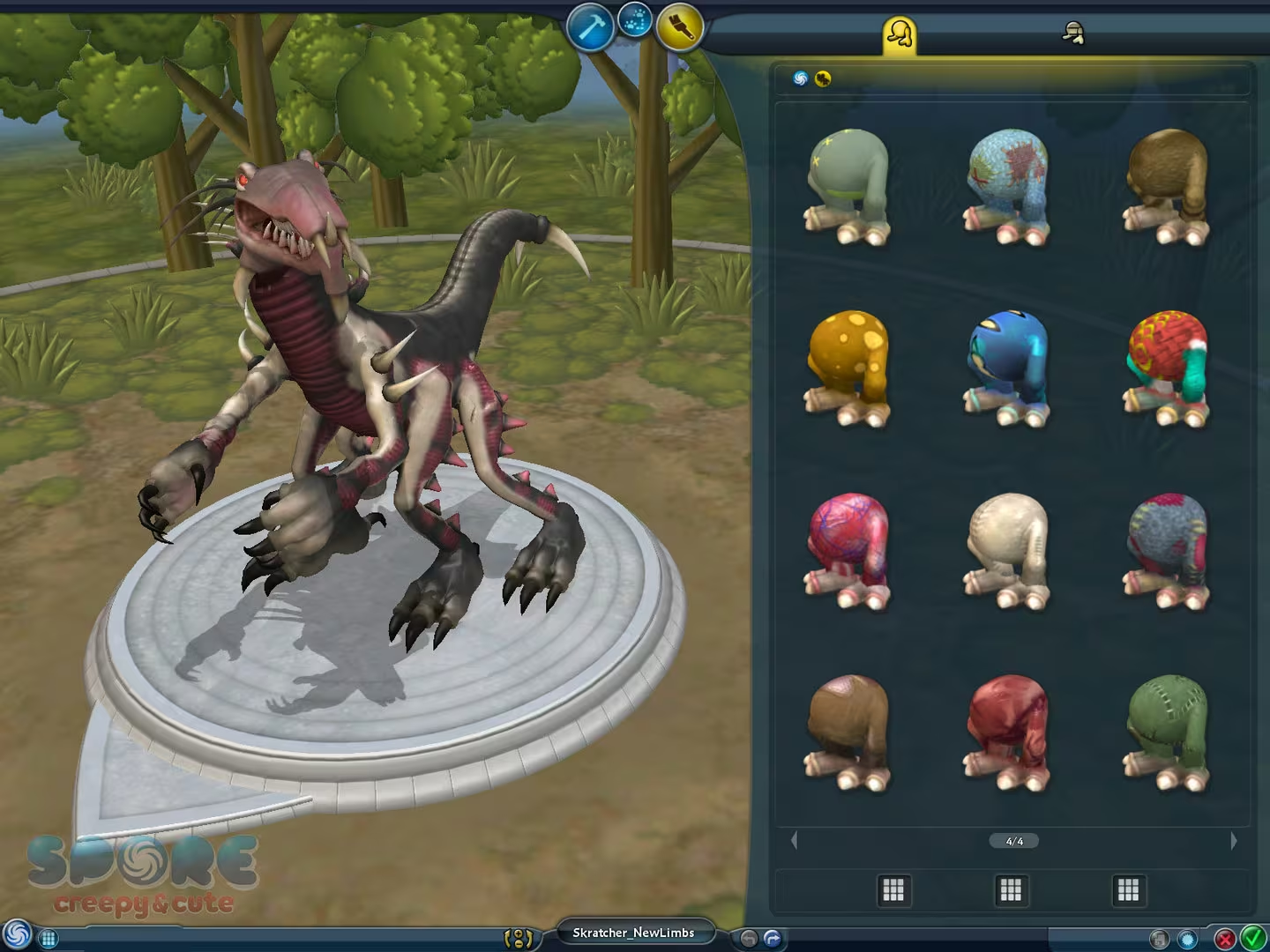
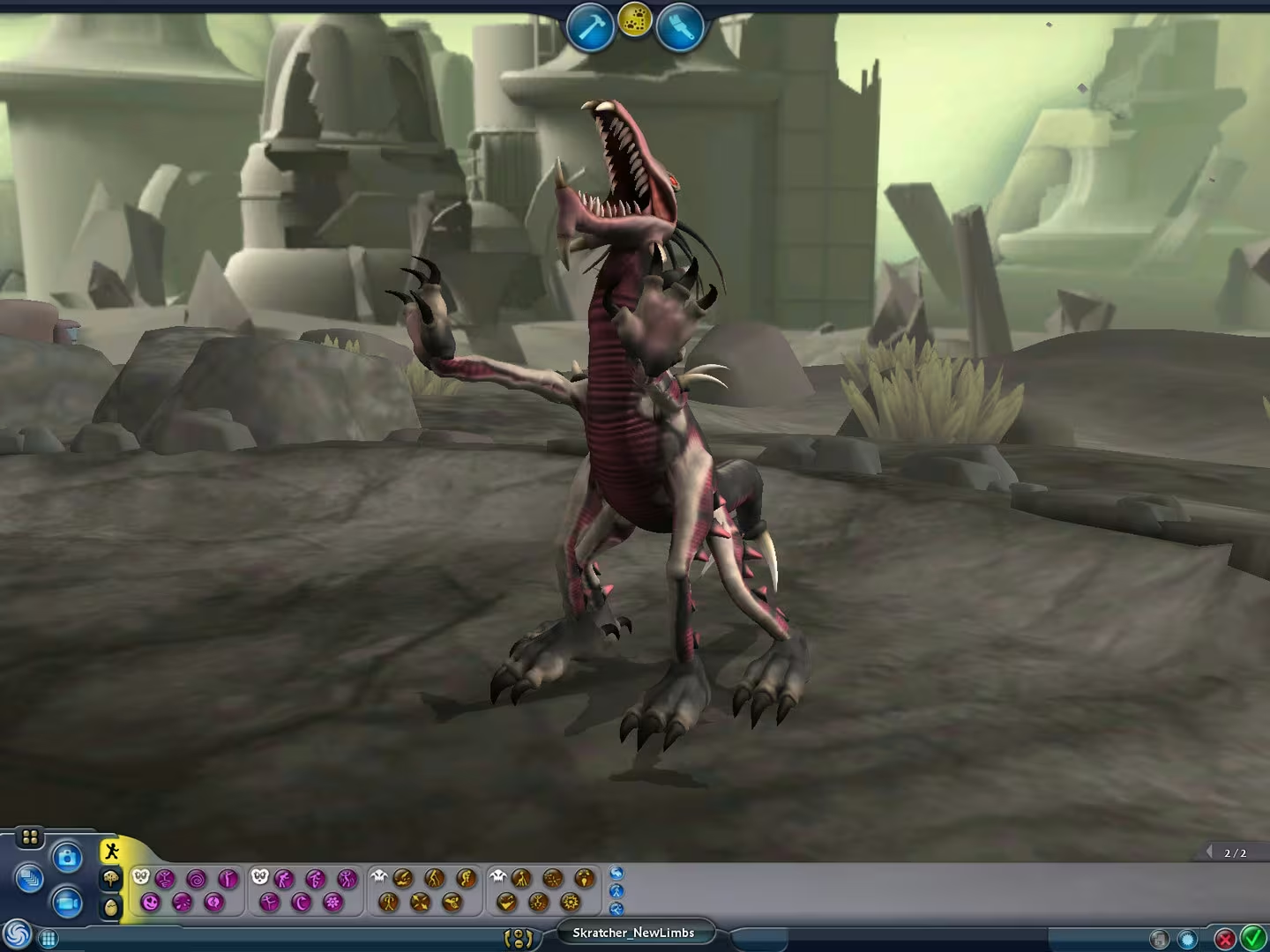
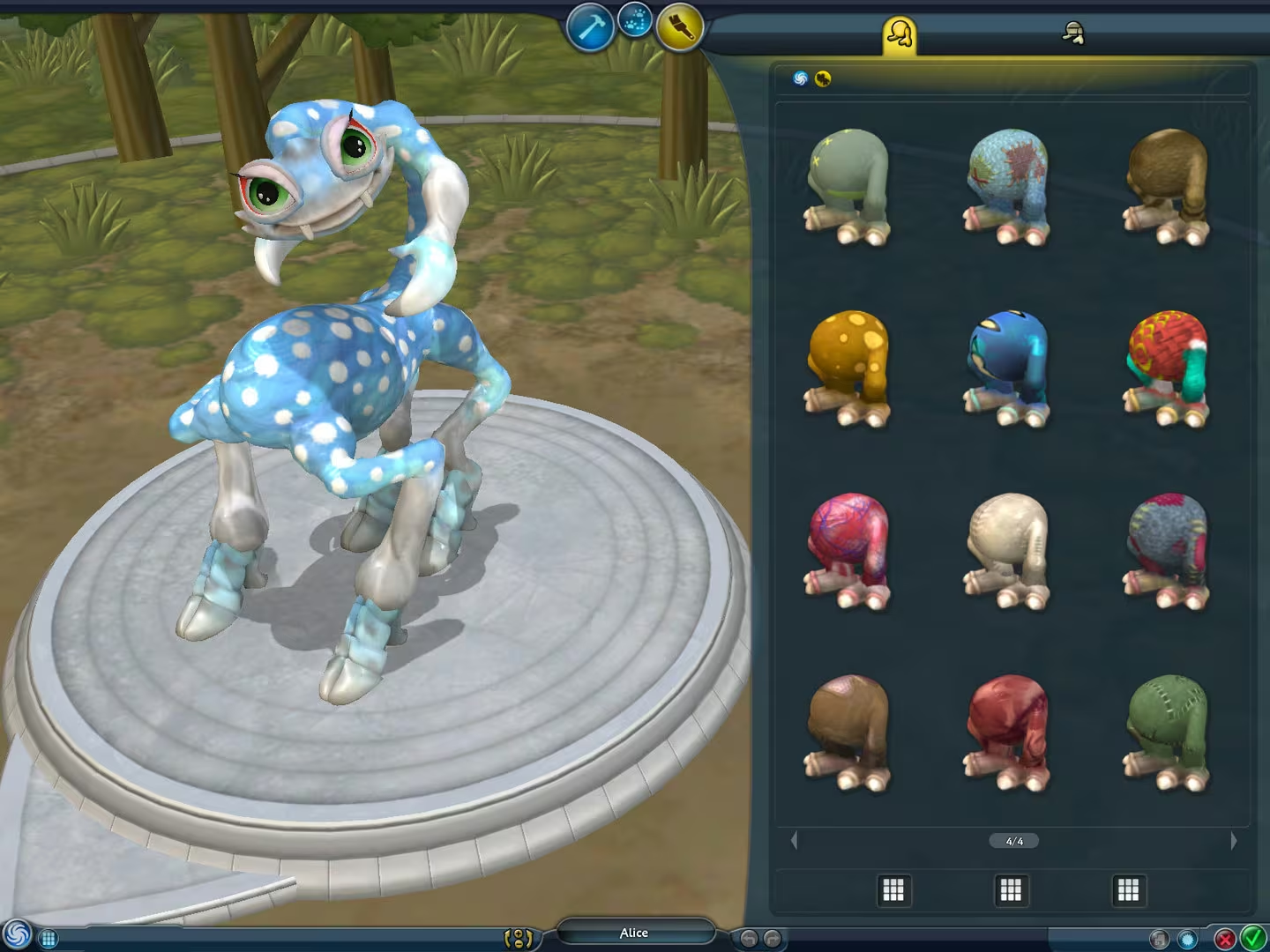
Add horror and humor to your universe. Make grotesque beasts or cuddly critters, then watch them do the robot, zombie walk, break dance and more! Includes over 100 new items. 60 New parts 48 New paint options 24 New animations

Global score

89/100

Genres

Simulator

Similar games

    Pros

    • Extensive creative freedom and customization
    • Unique multi-stage gameplay blending genres
    • Engaging and imaginative creature creation
    • Long-term replayability and exploration
    • Family-friendly and accessible

    Cons

    • Overpriced dlc content
    • Game crashes reported by some users
    • Limited multiplayer or social features
    • Repetitive gameplay in later stages
    • Confusing separate installation for dlc

    Analysis

    Less representative of its motivational profile, with noticeable differences. Motivations that often define this kind of title include Fellowship, Cooperation, Leadership, Violence. Here, the score leans higher than usual among comparable games on Expression. It leans lower than usual among comparable games on Value, Thrill.

    How to use the graph
    Similar games map

    Each dot is a game. They are arranged from the same motivation profile as in the “Motivations” section below. Closer dots usually mean more similar reasons to play (exploration, competition, relaxation, etc.)—not that one game is “better” than another.

    • Larger dot with a light outline: the game you are viewing.
    • Colour: groups of games with comparable motivation patterns (statistical clusters).
    • Hover a dot to see the game name; click to open its page.
    • Scroll or double-click the chart to zoom out and see more games.

    Why don’t the axes read like a score? This view uses t-SNE: it only keeps who is close to whom. The scales are not “good to bad” or hours played—they separate groups on the map. Read distance between dots, not the axis numbers.

    Motivations

    • Autonomy
      4

      "Players have extensive freedom to create and customize creatures, worlds, and civilizations with many options and editors."

    • Competence
      2

      "Players engage in creative challenges and evolving gameplay stages, though some parts are repetitive and less skill-demanding."

    • Competition
      -3

      "Focus is on personal creativity and progression rather than direct competition or ranked modes."

    • Continuation
      3

      "Many players report long playtimes and habitual return to the game for creative expression and exploration."

    • Cooperation
      -4

      "Gameplay is primarily single-player focused with minimal cooperative or team-based mechanics."

    • Creativity
      5

      "Core motivation is creative freedom with powerful editors and many new parts for unique creature and world creation."

    • Domination
      -4

      "Interactions are balanced and cooperative rather than focused on exerting control or superiority over others."

    • Escapism
      4

      "Players use the game as a relaxing and imaginative escape, immersing in creation and evolution."

    • Expectation
      -4

      "Players engage voluntarily driven by intrinsic interest and creativity rather than obligation or pressure."

    • Experimenting
      4

      "The game encourages trying new creature designs, strategies, and exploring different evolutionary paths."

    • Exploration
      4

      "Players explore vast galaxies, planets, and ecosystems, discovering new content and player creations."

    • Expression
      5

      "Strong emphasis on self-expression through detailed customization of creatures, colors, and animations."

    • Fantasy
      4

      "The game features imaginative and fictional evolution, alien creatures, and fantastical worlds."

    • Fellowship
      -3

      "Limited social features; mostly a solitary experience with minimal community interaction."

    • Growth
      3

      "Players develop skills in creativity and game mechanics, progressing through evolutionary stages."

    • Health
      -4

      "Primarily sedentary gameplay with no physical activity or health-related mechanics."

    • Idle
      -3

      "Requires focused attention on creation and gameplay rather than casual or background play."

    • Intimacy
      -4

      "Social interactions are minimal and surface-level, with little emotional or close relationship building."

    • Leadership
      -3

      "No significant leadership roles; gameplay is individual without managing or directing others."

    • Progression
      4

      "Players accumulate parts, upgrades, and evolve their creatures and civilizations through stages."

    • Relaxation
      4

      "Many players find the game calming and enjoyable, balancing creativity with light challenge."

    • Sensation
      3

      "Visual and auditory elements provide enjoyable sensory stimulation, though not intense or extreme."

    • Status
      -3

      "Achievements and creations are mostly personal with limited social recognition or status seeking."

    • Story
      2

      "The game has a loose narrative through evolutionary stages but is mostly open-ended and player-driven."

    • Strategy
      2

      "Some strategic elements in later stages but early gameplay and creation are more open and experimental."

    • Thrill
      -2

      "Gameplay is generally low-risk and relaxing rather than suspenseful or thrilling."

    • Value
      -2

      "Many users feel the DLC is overpriced for the content, recommending purchase only on sale."

    • Violence
      1

      "Some combat elements exist but are secondary to creation and evolution; not focused on destruction."

    • Survival
      1

      "Survival elements appear in early stages but overall gameplay is forgiving and exploratory."

    Last update: 29/04/2026