STATIONflow Thumbnail

STATIONflow similar games & best alternatives

STATIONflow

PC (Microsoft Windows), Mac, Linux • 2020

Related articles

Quick resume

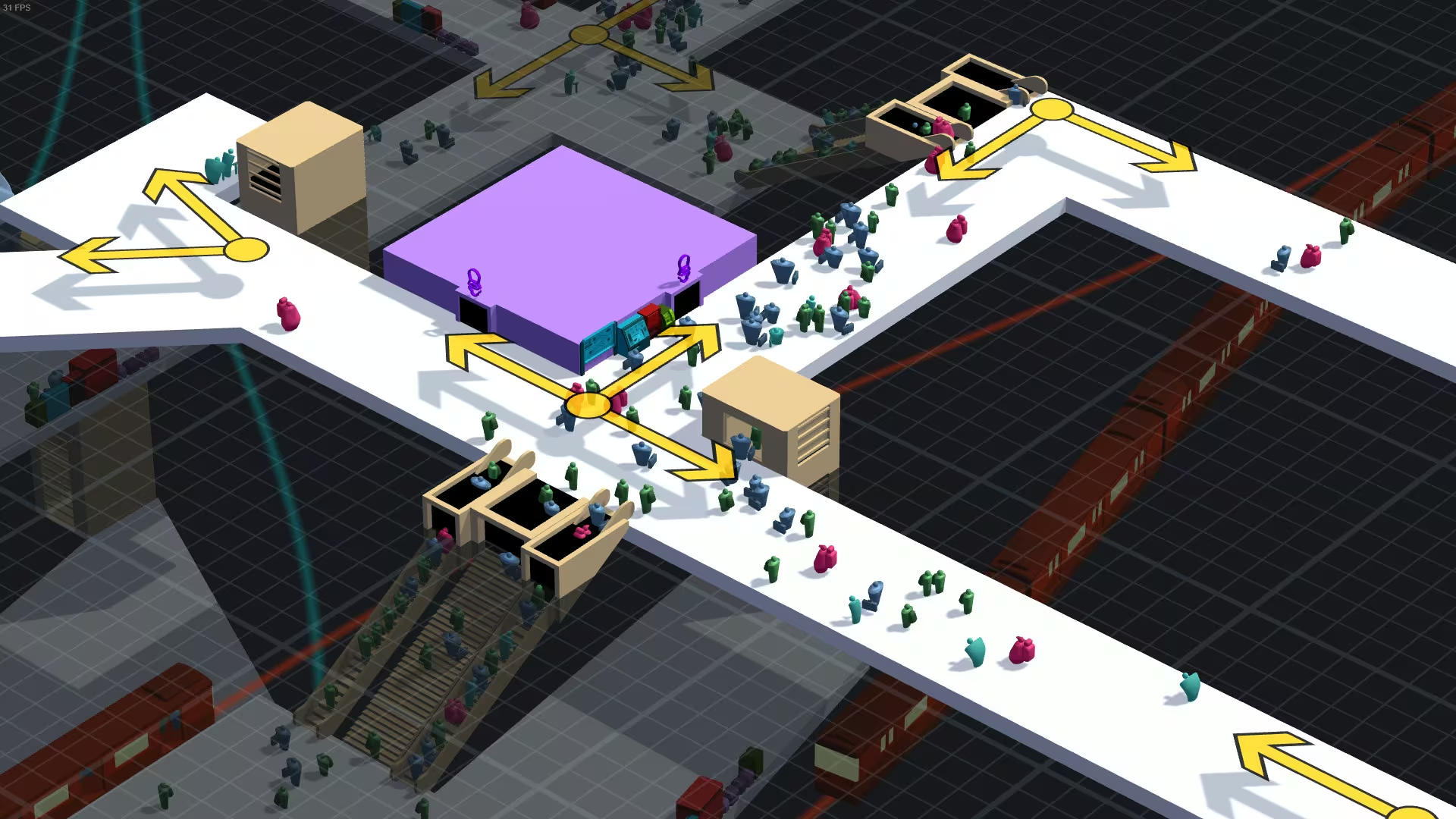
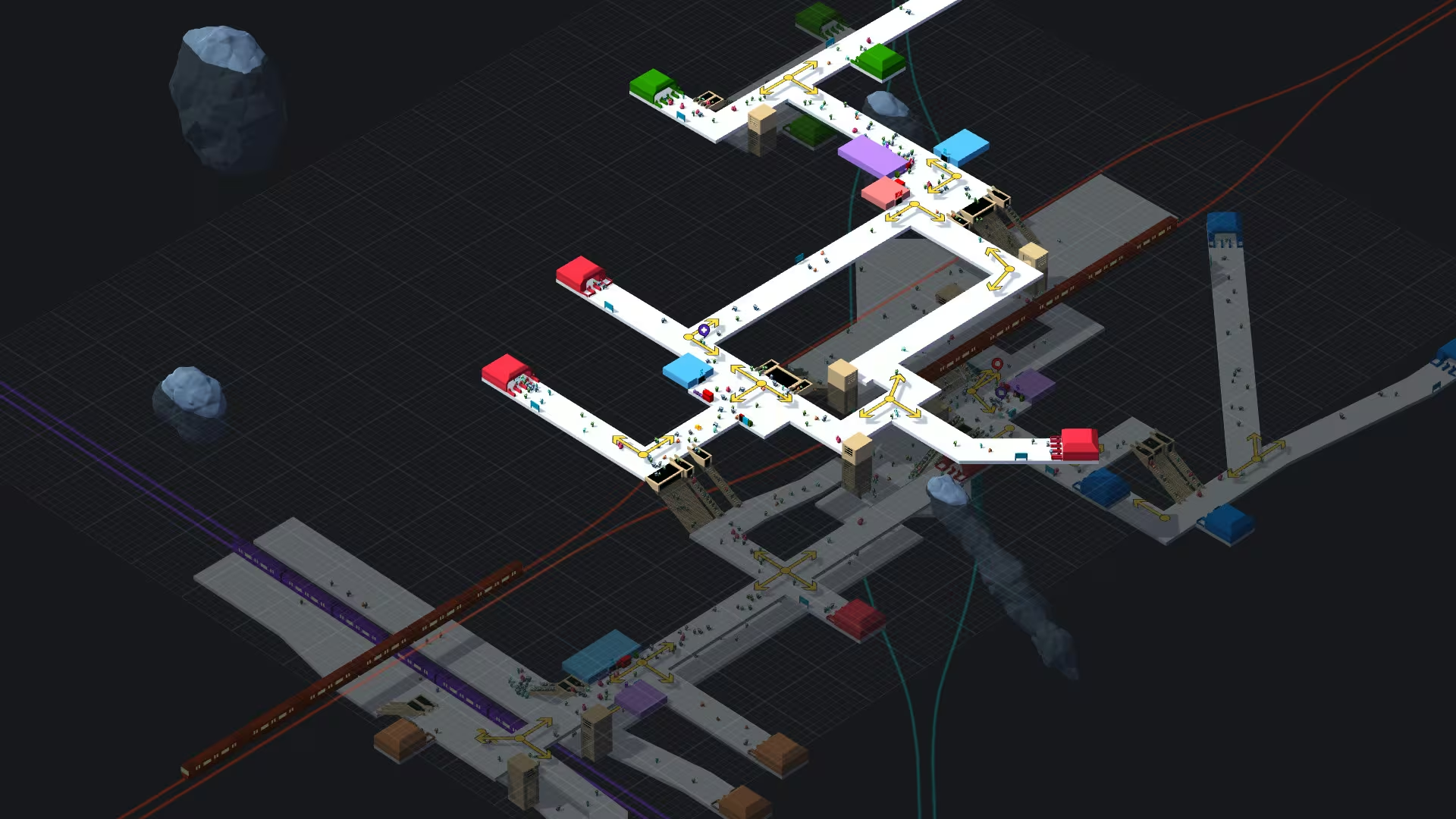
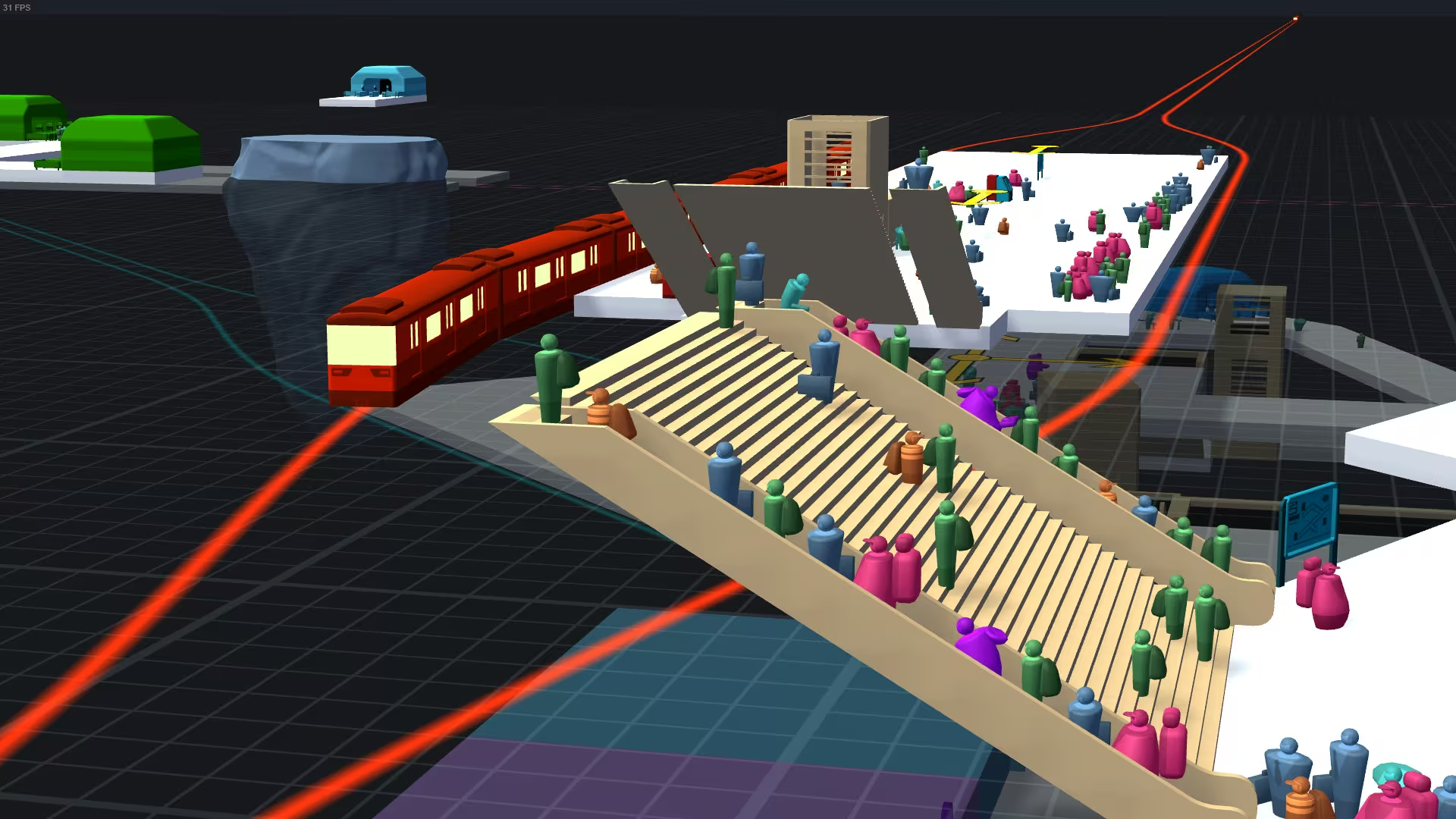
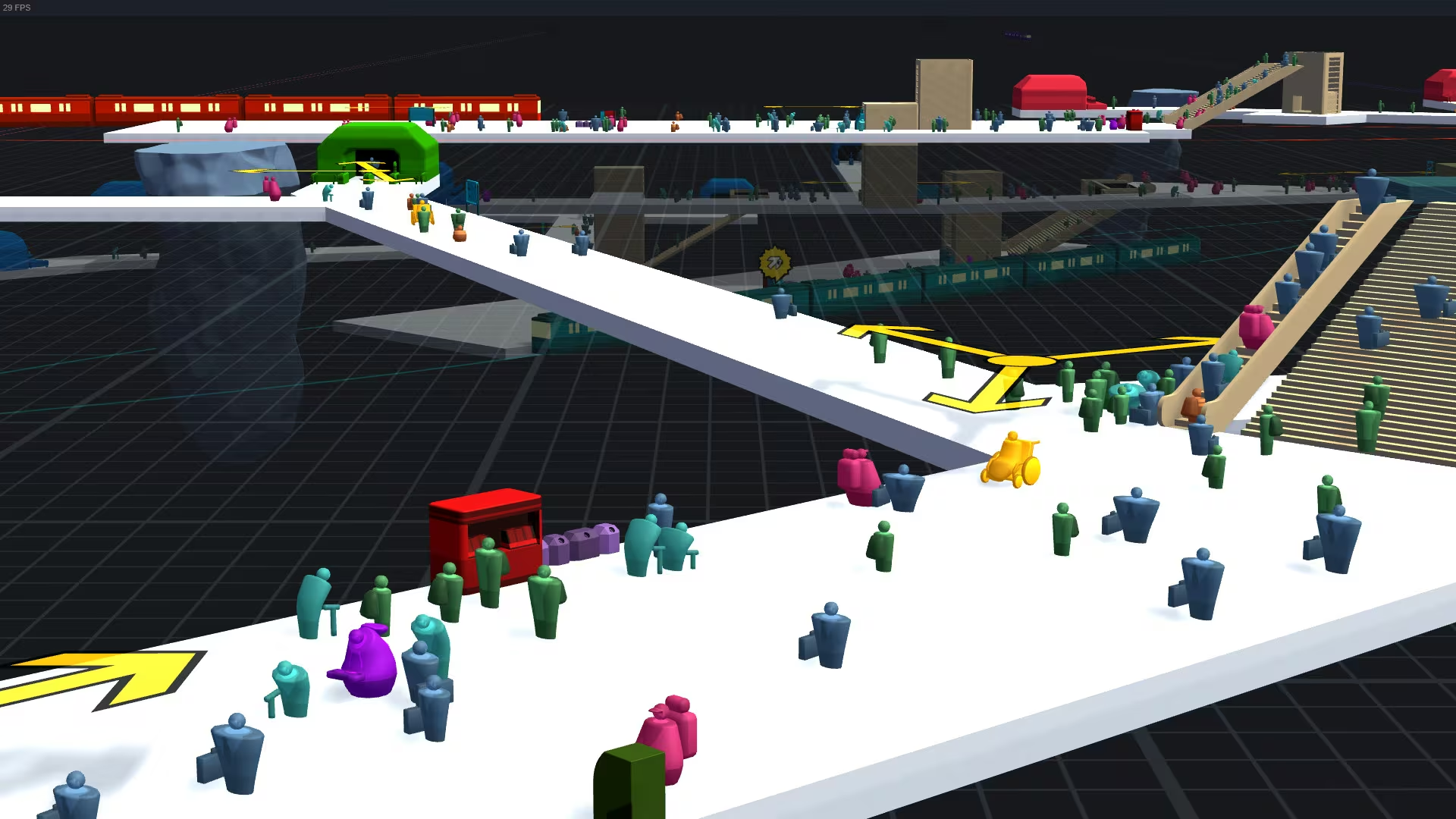
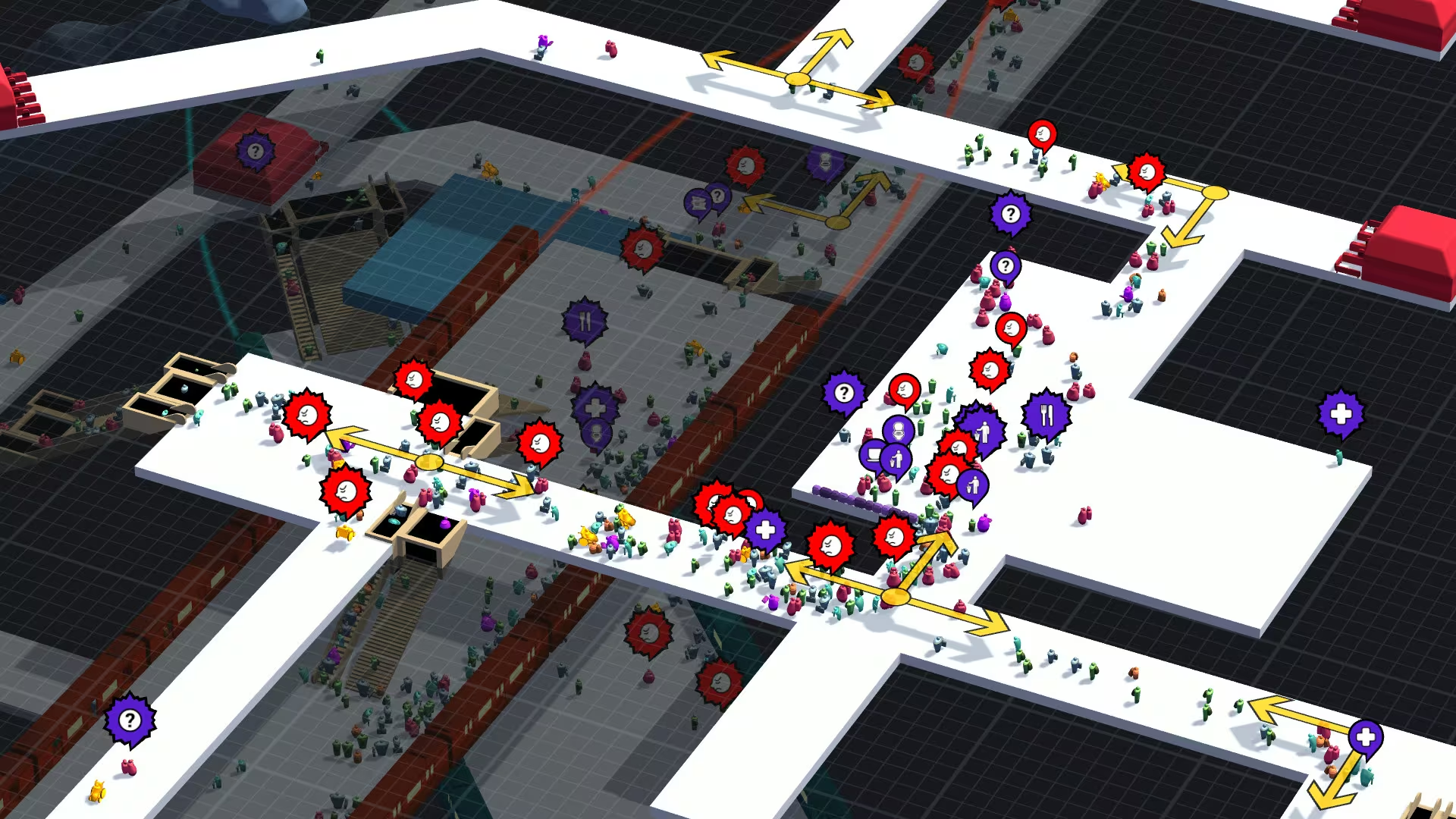
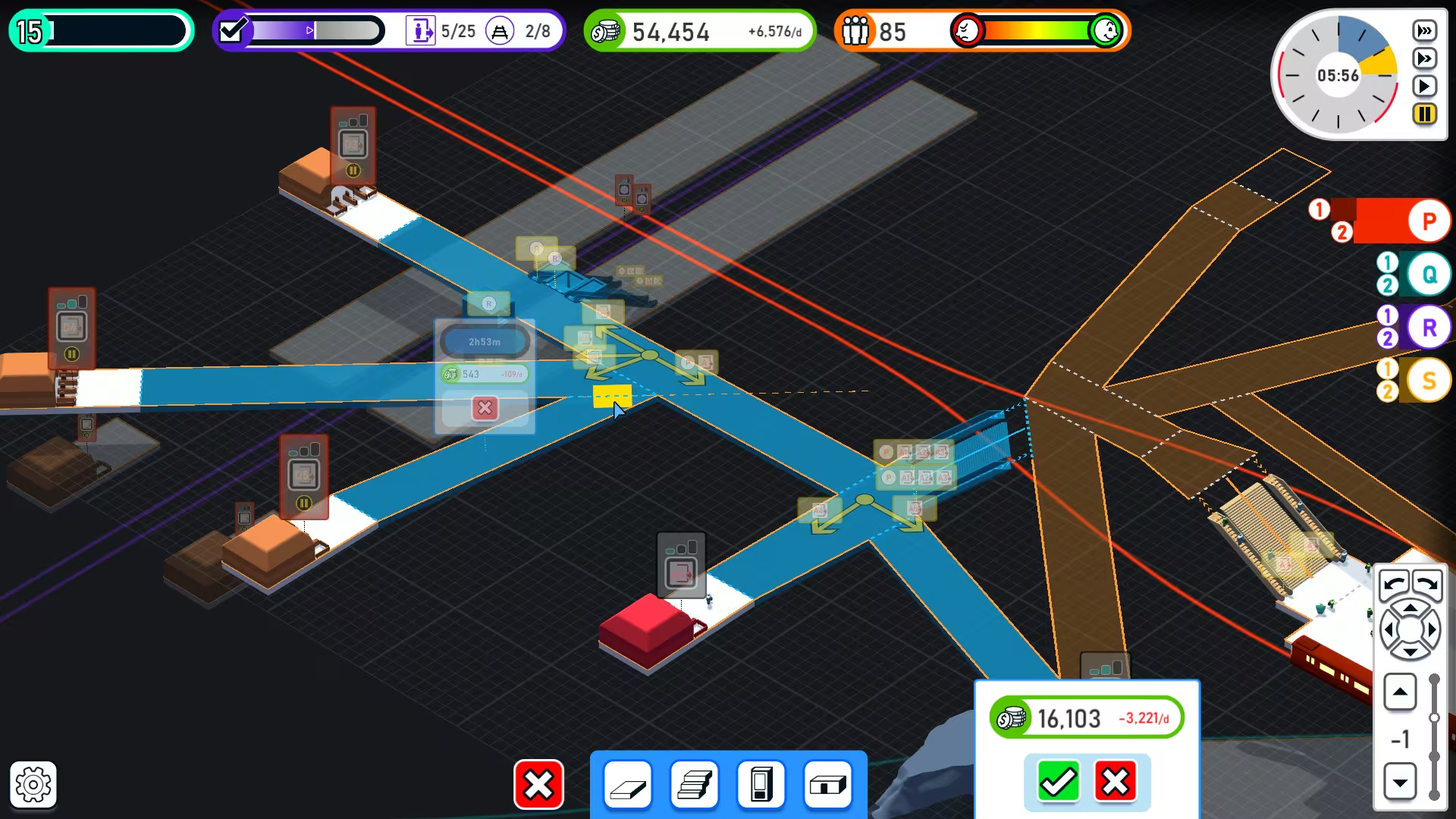
STATIONflow is a game about controlling the flow of thousands of passengers by building and managing an efficient underground train station.

Global score

86/100

Genres

Simulator, Strategy

Similar games

    Pros

    • Deep and challenging logistics gameplay
    • Creative freedom in station design
    • Engaging progression and unlocks
    • Relaxing yet mentally stimulating
    • Intuitive building tools and ui

    Cons

    • Performance issues with large passenger counts
    • Passenger ai sometimes confusing or buggy
    • Tedious sign updating in large stations
    • Limited maps and replay variety
    • Lack of multiplayer or social features

    Analysis

    A very typical example of its motivational profile. Motivations that often define this kind of title include Fantasy, Violence, Story, Thrill. Here, the score leans higher than usual among comparable games on Expression. It leans lower than usual among comparable games on Story, Leadership.

    How to use the graph
    Similar games map

    Each dot is a game. They are arranged from the same motivation profile as in the “Motivations” section below. Closer dots usually mean more similar reasons to play (exploration, competition, relaxation, etc.)—not that one game is “better” than another.

    • Larger dot with a light outline: the game you are viewing.
    • Colour: groups of games with comparable motivation patterns (statistical clusters).
    • Hover a dot to see the game name; click to open its page.
    • Scroll or double-click the chart to zoom out and see more games.

    Why don’t the axes read like a score? This view uses t-SNE: it only keeps who is close to whom. The scales are not “good to bad” or hours played—they separate groups on the map. Read distance between dots, not the axis numbers.

    Motivations

    • Autonomy
      4

      "Players have high control over station layout, signage, and routing decisions, enabling creative problem solving and personal freedom in design."

    • Competence
      4

      "The game challenges players with complex logistics and increasing difficulty, requiring skillful planning and optimization to succeed."

    • Competition
      -4

      "Focus is on personal station management and optimization without competitive or ranked multiplayer elements."

    • Continuation
      4

      "Players report long play sessions, habitual engagement, and desire to improve and optimize stations over many hours."

    • Cooperation
      -5

      "Single-player experience focused on individual management without cooperative multiplayer or teamwork."

    • Creativity
      4

      "Strong emphasis on creative station design, layout customization, and problem solving with building tools."

    • Domination
      -5

      "No evidence of exerting control over others; interactions are individual and non-confrontational."

    • Escapism
      3

      "Players use the game as a relaxing and absorbing distraction, engaging in a zen-like experience managing complex systems."

    • Expectation
      -4

      "Players engage voluntarily out of intrinsic interest and enjoyment rather than obligation or external pressure."

    • Experimenting
      4

      "Players experiment with layouts, signage, and solutions to optimize passenger flow and solve new challenges."

    • Exploration
      1

      "Limited exploration within fixed maps; some curiosity-driven discovery of new platforms and station expansions."

    • Expression
      3

      "Players express themselves through unique station designs and signage placement, though cosmetic customization is minimal."

    • Fantasy
      -3

      "Game simulates realistic metro station management and passenger behavior without fictional or fantastical elements."

    • Fellowship
      -4

      "Minimal social connection; primarily a solo experience with little community interaction in gameplay."

    • Growth
      4

      "Players develop skills in logistics, planning, and optimization, learning through trial and error and increasing complexity."

    • Health
      -5

      "No physical activity involved; sedentary gameplay typical of simulation games."

    • Idle
      -3

      "Requires focused attention to manage complex systems; not designed for passive or background play."

    • Intimacy
      -5

      "No evidence of forming close relationships or emotional sharing within gameplay."

    • Leadership
      -5

      "No leadership or group management roles; single-player focused on personal station control."

    • Progression
      4

      "Clear progression through unlocking new platforms, entrances, amenities, and passenger types."

    • Relaxation
      3

      "Players experience a zen-like flow state balancing challenge and skill, with satisfying problem solving."

    • Sensation
      1

      "Visuals are minimalist and clean, providing moderate sensory stimulation without intense excitement."

    • Status
      -5

      "No social recognition or status systems; achievements are personal and not publicly ranked."

    • Story
      -5

      "No narrative or plot; gameplay is context-free station management and logistics."

    • Strategy
      4

      "Strong mental challenge requiring planning, problem solving, and strategic layout decisions."

    • Thrill
      -3

      "Gameplay is more about steady management than suspense or risk; low emotional tension."

    • Value
      4

      "Players report high enjoyment and replay value for the price, especially on sale."

    • Violence
      -5

      "No combat or destructive elements; focus on constructive building and management."

    • Survival
      -4

      "No threat or failure conditions typical of survival; challenges are logistical rather than life-threatening."

    Last update: 29/04/2026