Supreme Ruler 1936 Thumbnail

Supreme Ruler 1936 similar games & best alternatives

Supreme Ruler 1936

PC (Microsoft Windows) • 2014

Related articles

Quick resume

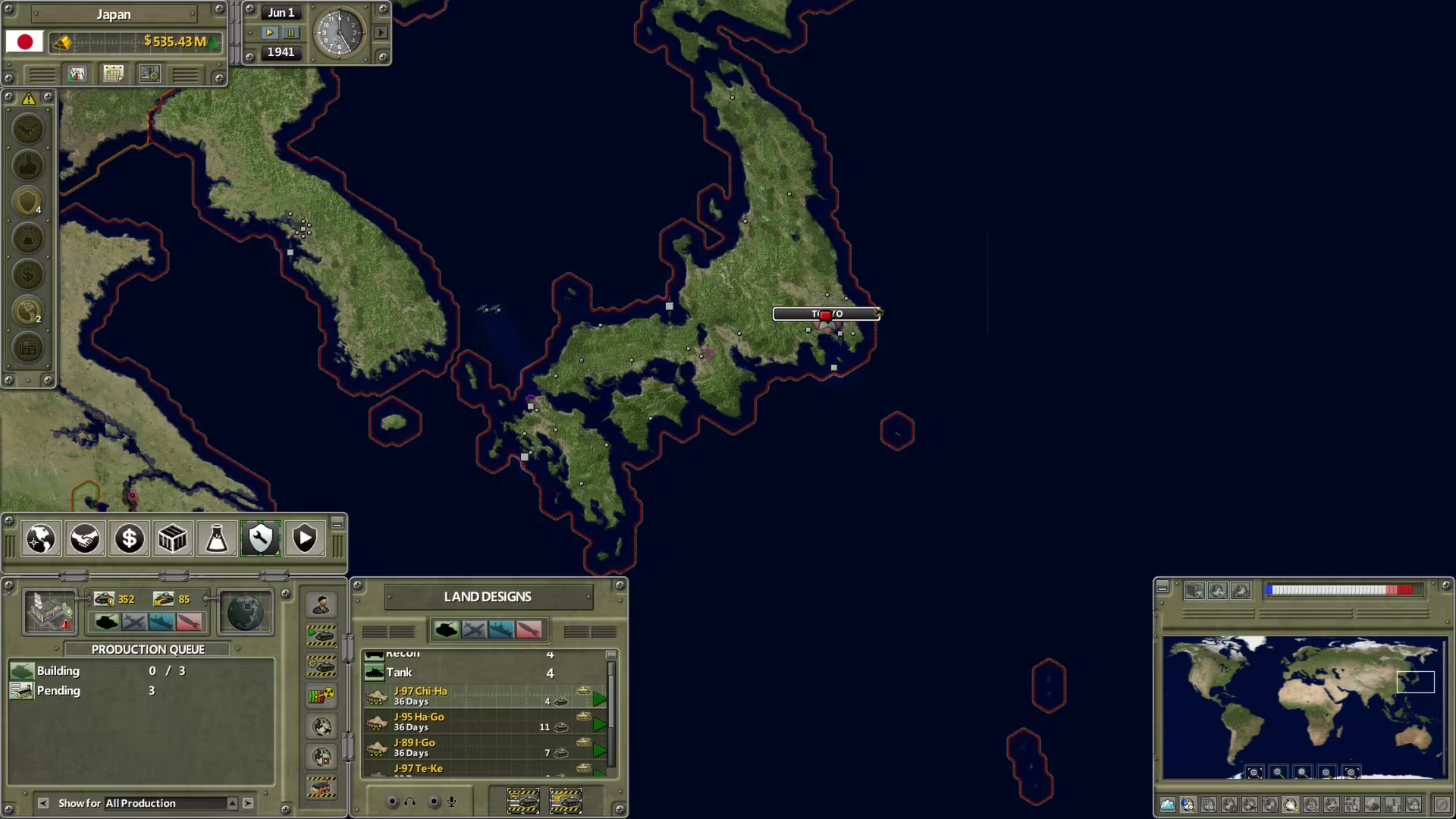
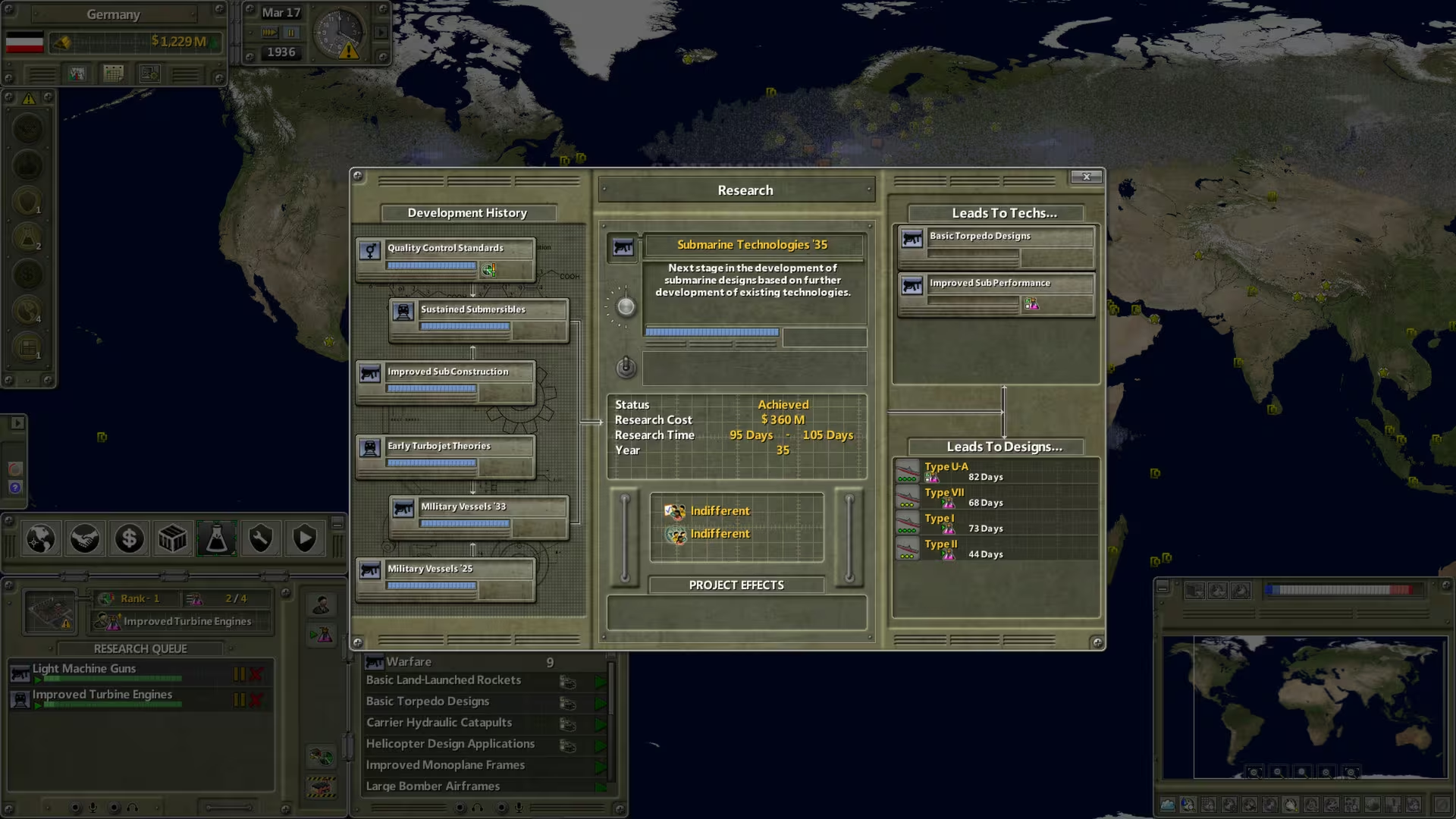
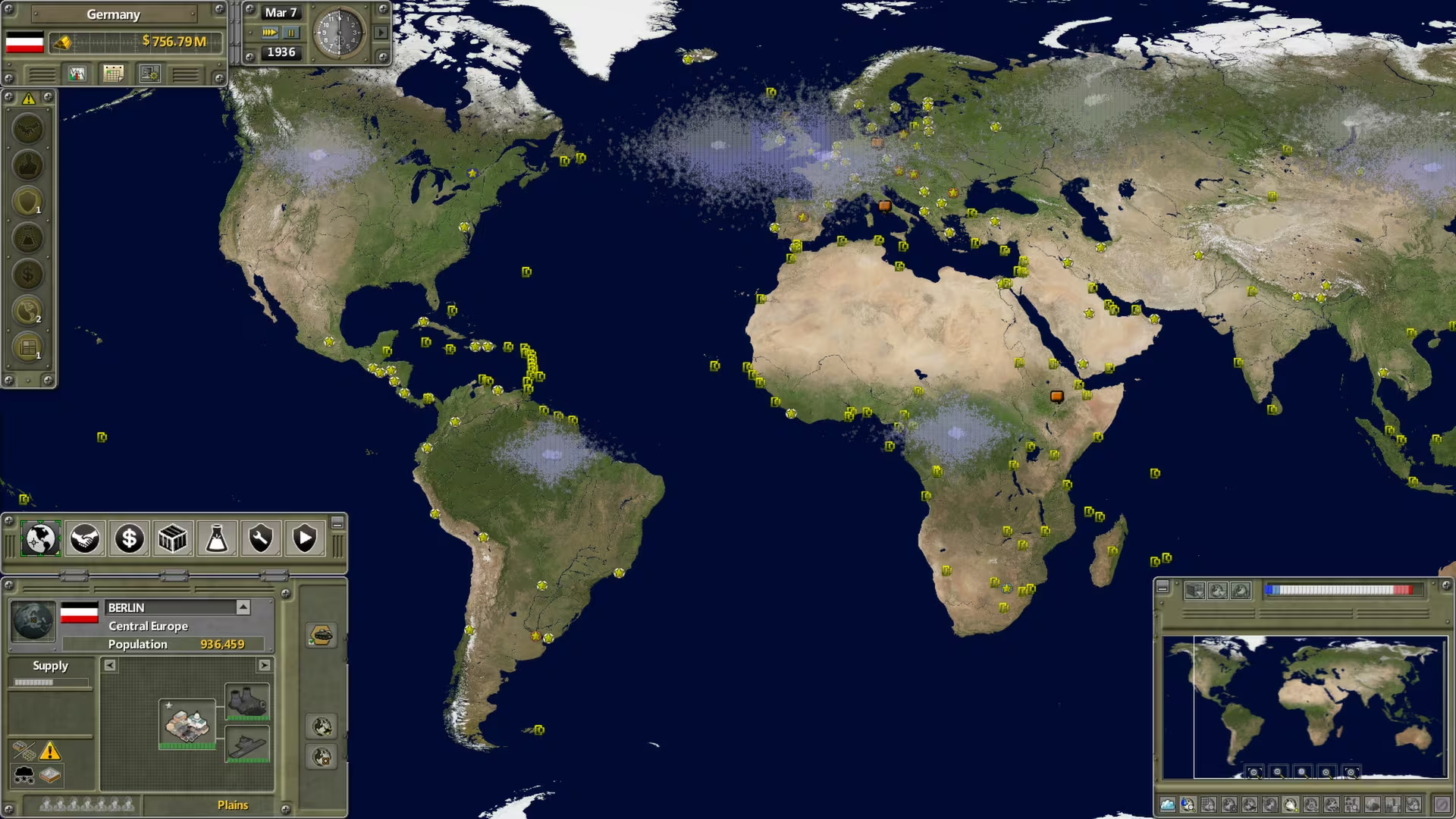
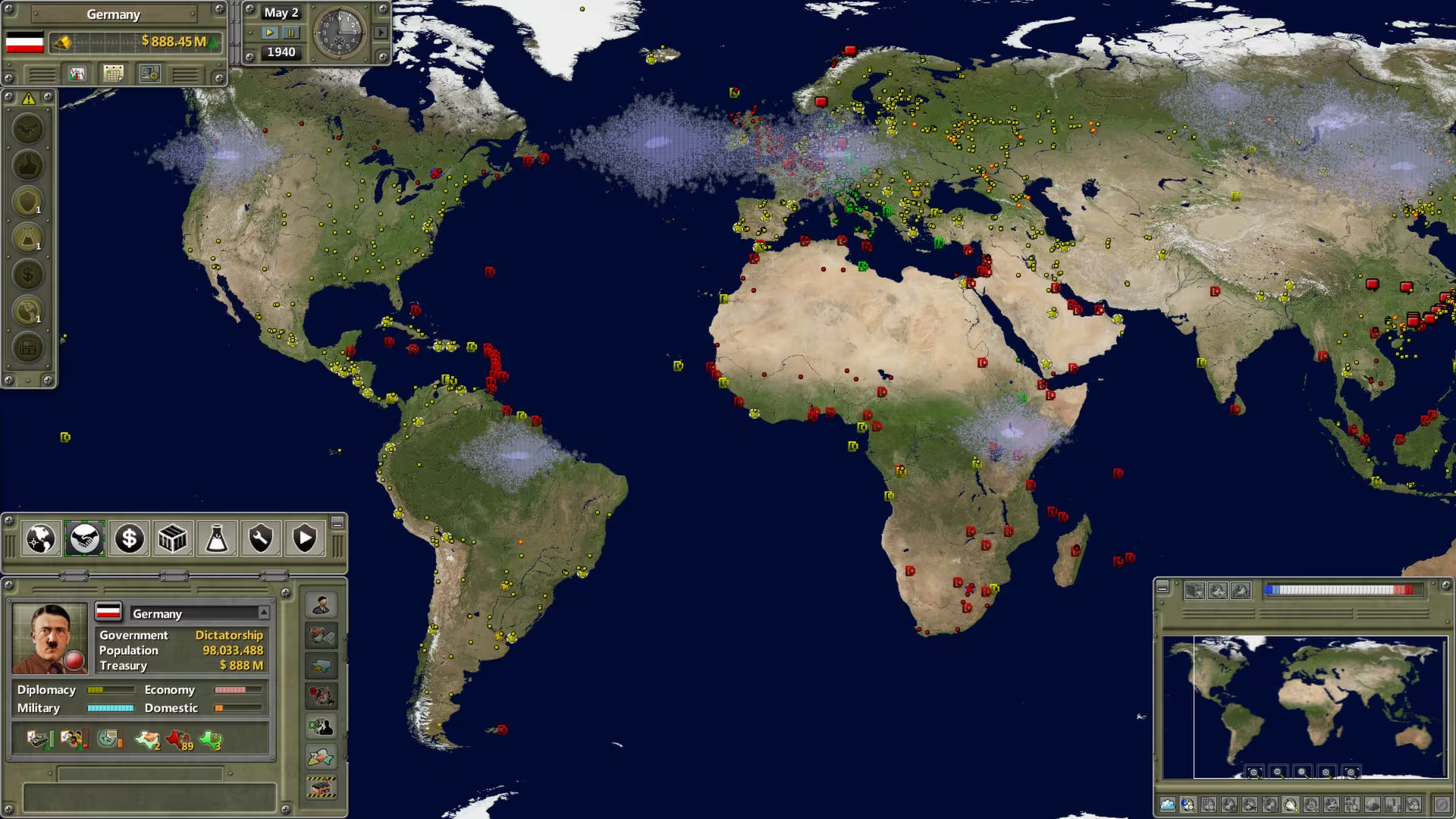
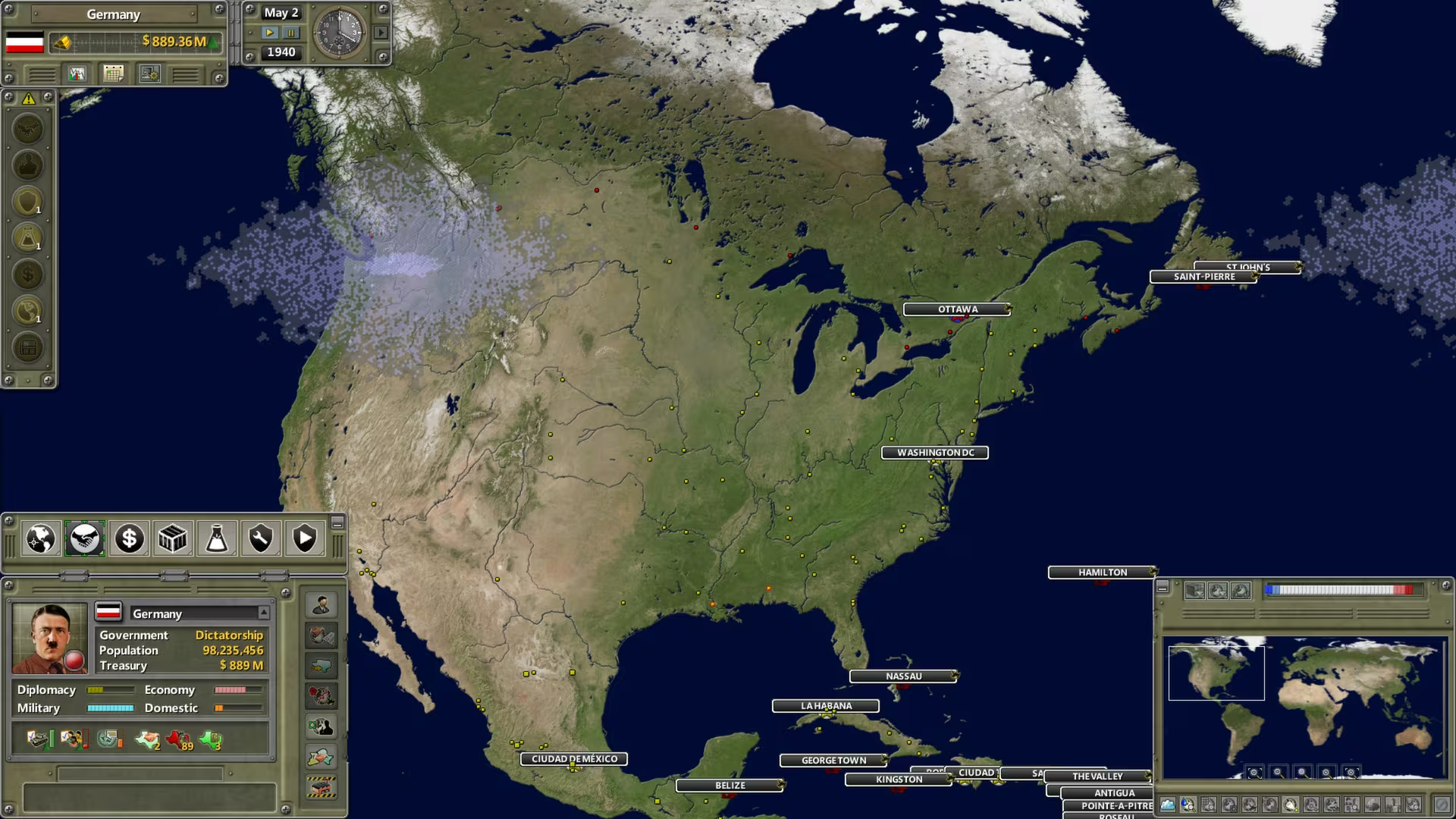
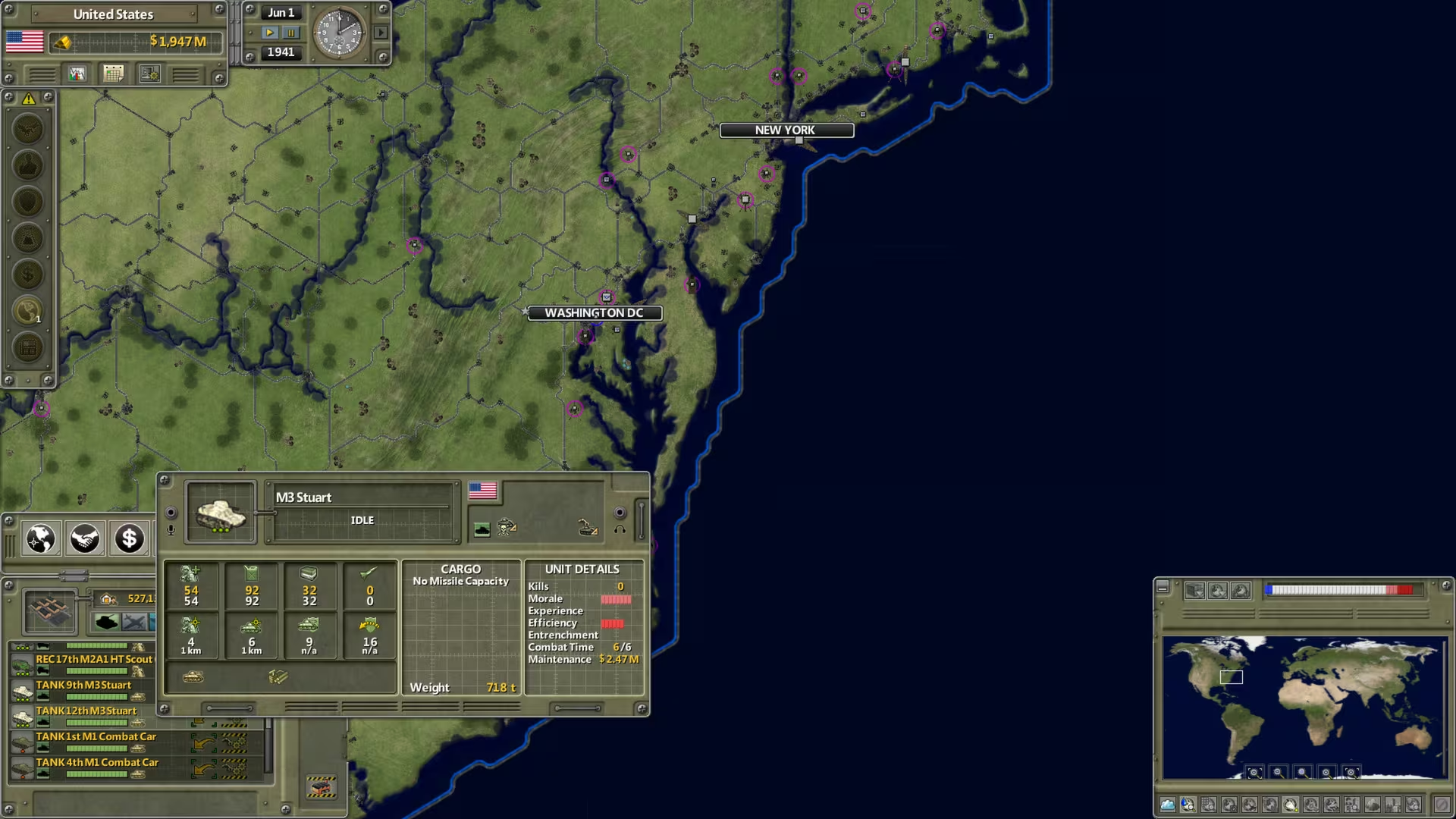
Real-Time Strategy Game. Guide your nation through the most violent era in modern history. Play massive campaigns as one of the principal nations, set-piece scenarios of famous battles, or set your own victory condition and play as any nation in the world in Sandbox mode.

Global score

74/100

Genres

Indie, Simulator, Strategy

Similar games

    Pros

    • Deep and complex strategic gameplay
    • High replayability with many countries and scenarios
    • Active developer support and modding community
    • Multiplayer mode for competitive play
    • Historical and alternate history immersion

    Cons

    • Steep learning curve and poor tutorial
    • Bugs and ai weaknesses
    • Clunky user interface
    • Performance issues with large games
    • Limited diplomacy and naval combat depth

    Analysis

    Broadly representative of its motivational profile, with a few distinct shifts. Motivations that often define this kind of title include Competition, Fellowship, Domination, Status. Here, the score leans higher than usual among comparable games on Story, Leadership. It leans lower than usual among comparable games on Intimacy.

    How to use the graph
    Similar games map

    Each dot is a game. They are arranged from the same motivation profile as in the “Motivations” section below. Closer dots usually mean more similar reasons to play (exploration, competition, relaxation, etc.)—not that one game is “better” than another.

    • Larger dot with a light outline: the game you are viewing.
    • Colour: groups of games with comparable motivation patterns (statistical clusters).
    • Hover a dot to see the game name; click to open its page.
    • Scroll or double-click the chart to zoom out and see more games.

    Why don’t the axes read like a score? This view uses t-SNE: it only keeps who is close to whom. The scales are not “good to bad” or hours played—they separate groups on the map. Read distance between dots, not the axis numbers.

    Motivations

    • Autonomy
      4

      "Players have extensive control over nation management, military, economy, diplomacy, and technology research, with options to delegate to AI but encouraged to direct actions."

    • Competence
      4

      "Game is complex and challenging, requiring skill in managing multiple systems and strategic decisions; players report a steep learning curve and rewarding mastery."

    • Competition
      3

      "Includes multiplayer with real-time competition against other players; also single-player with AI opponents, but multiplayer is highlighted as a strong feature."

    • Continuation
      4

      "Players report hundreds of hours played, with addictive gameplay and long sessions; some mention time-consuming micromanagement but still engaging."

    • Cooperation
      2

      "Diplomacy and alliances are part of gameplay; multiplayer involves interaction with others, though cooperation is less emphasized than competition and individual control."

    • Creativity
      3

      "Players can mod the game, customize strategies, and choose any country to play with different approaches; some customization of units and policies."

    • Domination
      3

      "Game encourages world domination and exerting control over other nations; players describe conquering and managing vast empires."

    • Escapism
      4

      "Players use the game as a complex strategic escape, immersing in alternate history and global conquest scenarios."

    • Expectation
      -3

      "Players engage voluntarily out of interest and enjoyment, not obligation; some frustration with bugs but overall intrinsic motivation."

    • Experimenting
      4

      "High experimentation with different countries, strategies, and modding; players explore many gameplay angles and scenarios."

    • Exploration
      2

      "Exploration is more abstract via strategic decisions and diplomacy rather than physical map discovery; some curiosity-driven play."

    • Expression
      2

      "Some expression through modding and customizing gameplay experience; limited cosmetic or avatar personalization."

    • Fantasy
      3

      "Players engage in alternate history and grand strategy fiction, including improbable scenarios and extended timelines beyond WWII."

    • Fellowship
      2

      "Community and multiplayer interactions exist, with some social engagement; however, much gameplay is solo or limited social connection."

    • Growth
      3

      "Players learn complex systems and improve strategic skills over time; steep learning curve encourages personal development."

    • Health
      -5

      "No physical activity involved; game promotes sedentary play."

    • Idle
      -3

      "Requires sustained attention and micromanagement; not suited for casual or background play."

    • Intimacy
      -4

      "Limited to surface-level social interactions; no evidence of close relationships or emotional sharing."

    • Leadership
      4

      "Players lead nations, manage groups, and make authoritative decisions; leadership is central to gameplay."

    • Progression
      4

      "Strong emphasis on accumulating resources, technology, military units, and territorial control."

    • Relaxation
      -2

      "Game can be tense and challenging with sustained pressure; some players find it stressful rather than relaxing."

    • Sensation
      1

      "Visuals are functional but not highly stimulating; some players appreciate the detailed combat animations but sensory input is moderate."

    • Status
      1

      "Some recognition within community and multiplayer; not a major focus on social status or popularity."

    • Story
      3

      "Historical events and scenarios are integrated, with narrative elements influencing gameplay; players can alter history."

    • Strategy
      5

      "Core gameplay is deep strategic planning, problem solving, and complex decision making."

    • Thrill
      2

      "Some suspense and excitement from warfare and diplomacy; not a primary motivation but present."

    • Value
      3

      "Players feel the game offers good value for time invested, especially given depth and replayability."

    • Violence
      3

      "Combat and military conquest are central; players engage in destruction and warfare."

    • Survival
      3

      "Players manage resources and military to avoid defeat and maintain national survival."

    Last update: 29/04/2026