Tabletop Simulator Thumbnail

Tabletop Simulator similar games & best alternatives
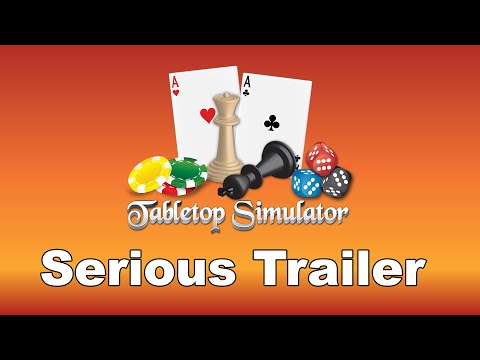
Tabletop Simulator

Mac, SteamVR, PC (Microsoft Windows), Linux • 2015

Related articles

Quick resume

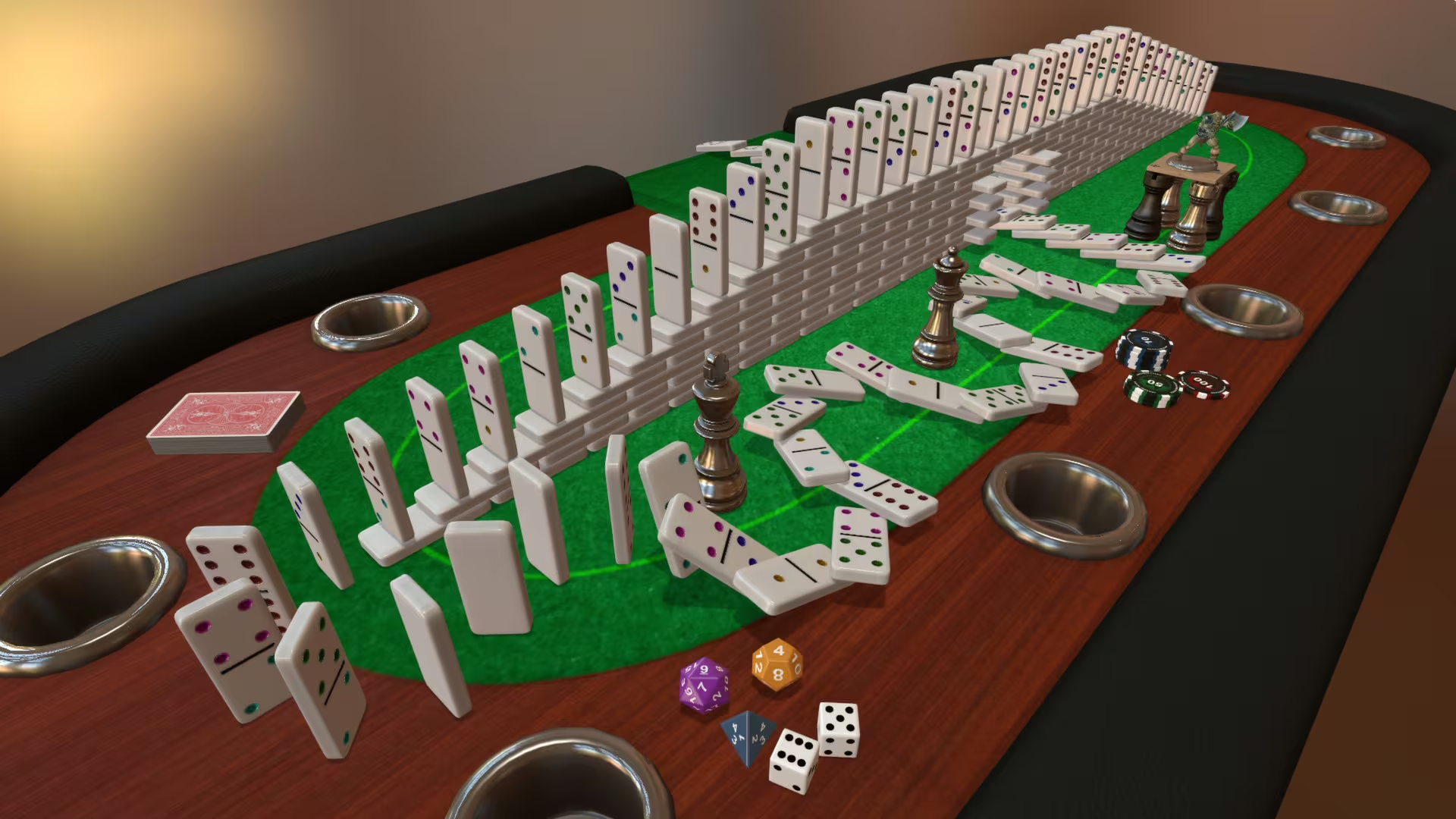
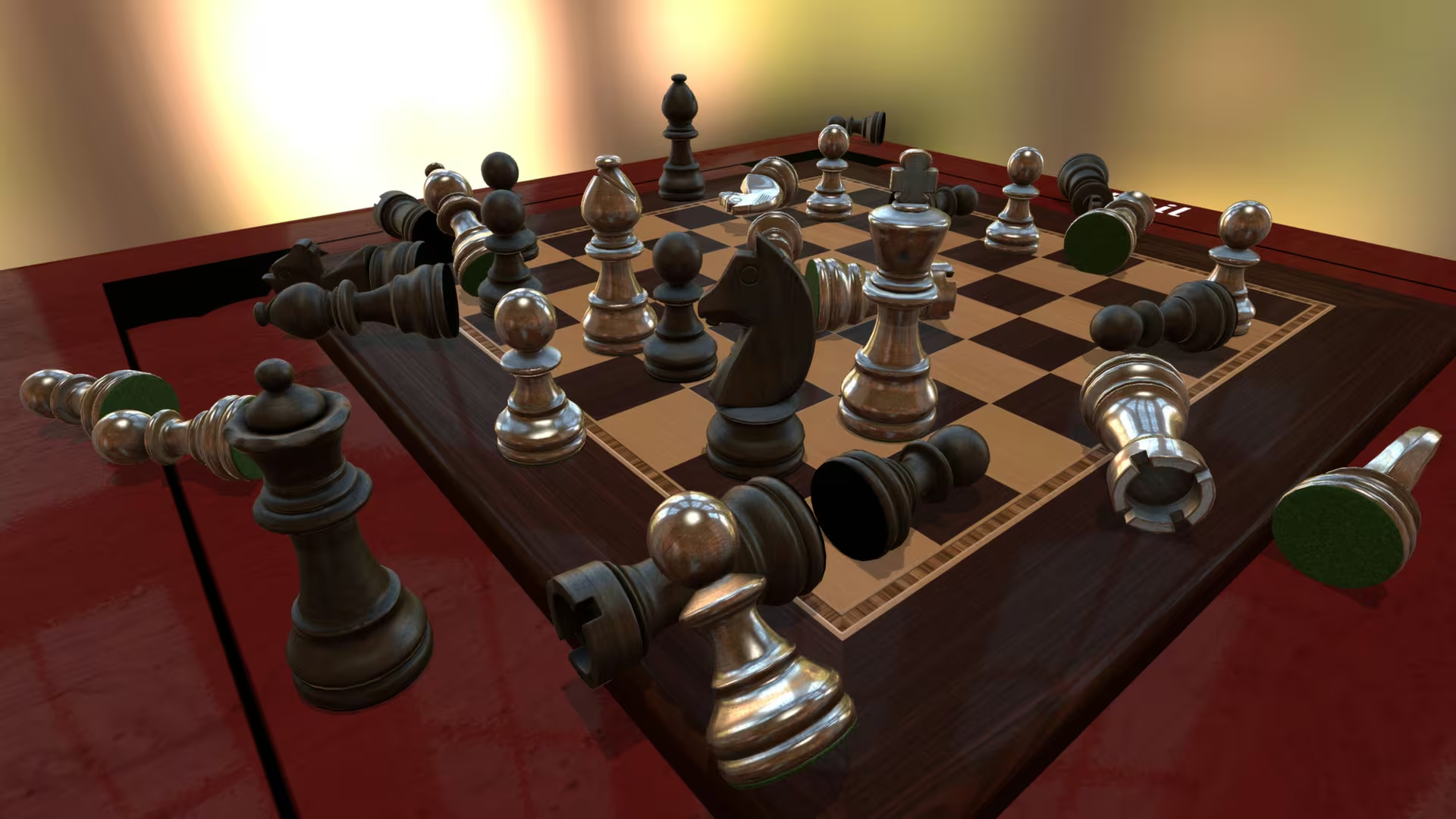
Tabletop Simulator is the only simulator where you can let your aggression out by flipping the table! There are no rules to follow: just you, a physics sandbox, and your friends. Make your own online board games or play the thousands of community created mods. Unlimited gaming possibilities!

Global score

96/100

Genres

Casual, Indie, Role-playing (RPG), Simulator, Strategy, Card & Board Game

Pros

  • Massive variety of board and card games
  • Highly customizable and moddable
  • Strong social and community features
  • Enables remote play with friends
  • Excellent value for price

Cons

  • Occasional trolling and griefing
  • Steep learning curve for controls and scripting
  • Some physics and ui clunkiness
  • Paid dlcs can be costly
  • Limited official language support

Motivations

  • Autonomy
    5

    "Players have full freedom to create, modify, and play any tabletop game they want, with no enforced rules or restrictions."

  • Competence
    3

    "Players engage in skillful manipulation of game pieces and learn various games, though some tasks can be repetitive or scripted."

  • Competition
    2

    "Competitive play exists through multiplayer matches and tournaments, but many players focus on casual or cooperative play."

  • Continuation
    4

    "Many users report long play sessions and habitual use, with thousands of hours logged and frequent return to the game."

  • Cooperation
    4

    "Strong emphasis on playing with friends or community members cooperatively in board games and RPGs."

  • Creativity
    5

    "Extensive modding, custom game creation, scripting, and environment customization enable high creativity."

  • Domination
    -2

    "While some trolling and griefing occur, the community and host controls promote balanced and respectful interactions."

  • Escapism
    4

    "Players use the game to connect with distant friends, escape social isolation, and immerse in diverse tabletop experiences."

  • Expectation
    -4

    "Players engage voluntarily out of intrinsic interest and social desire, not out of obligation or pressure."

  • Experimenting
    4

    "Players frequently try new games, mods, and custom content, exploring a vast variety of tabletop experiences."

  • Exploration
    3

    "Users discover new games, mods, and community content regularly, driven by curiosity and variety."

  • Expression
    4

    "Customization of tables, pieces, avatars, and game environments supports player self-expression."

  • Fantasy
    3

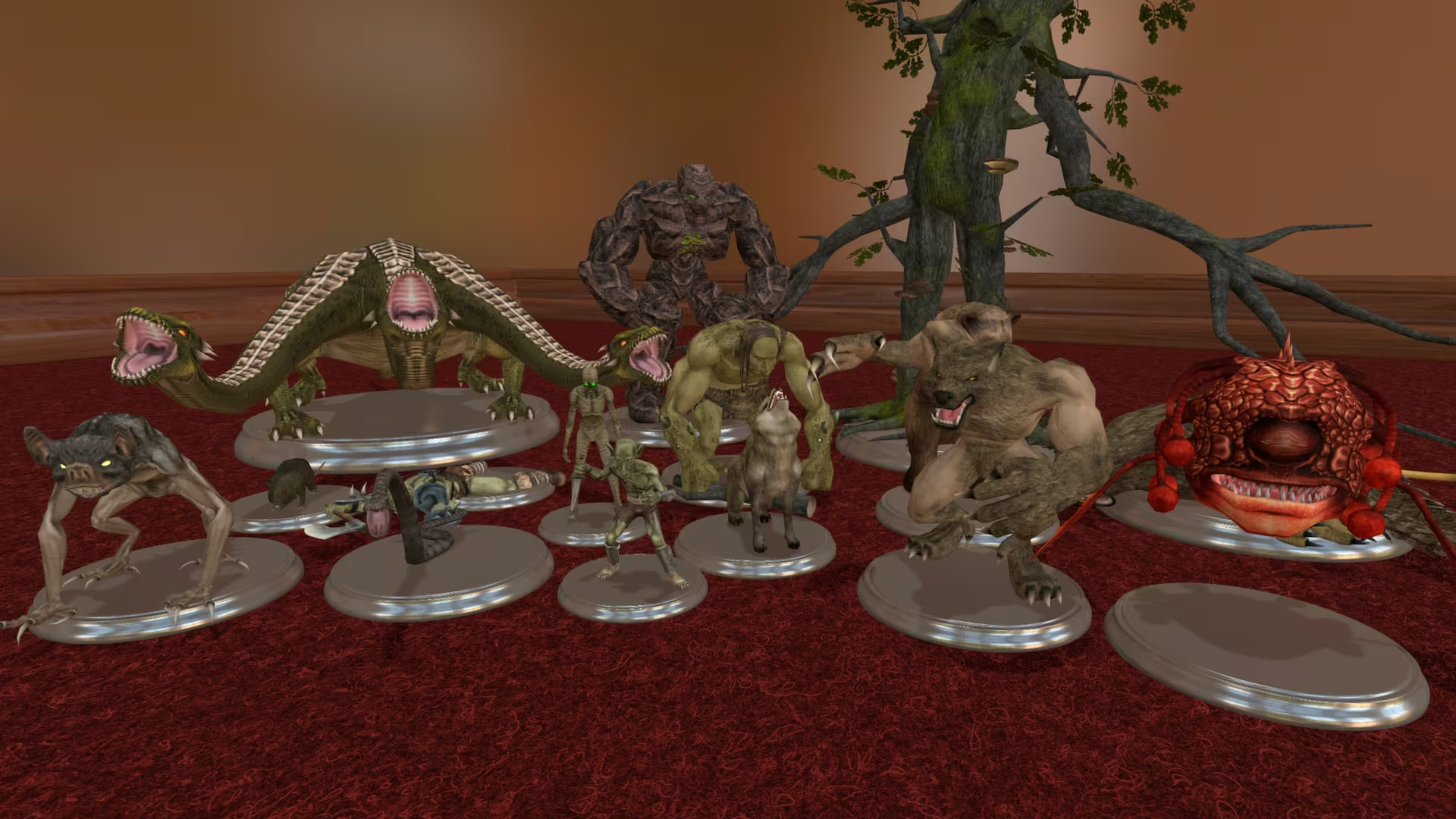
    "Supports imaginative roleplaying and fantasy games like D&D, though also realistic board games."

  • Fellowship
    5

    "Strong community presence, social interaction, and group identity through shared gaming experiences."

  • Growth
    3

    "Players learn new games, rules, and skills, often with community support and teaching."

  • Health
    -5

    "Primarily sedentary gameplay with no physical activity or health-related features."

  • Idle
    -3

    "Requires active attention and interaction; not typically used for idle or background play."

  • Intimacy
    3

    "Players form friendships and social bonds through cooperative play and community engagement."

  • Leadership
    2

    "Hosts and DMs often lead sessions, but many players participate equally in collaborative play."

  • Progression
    2

    "Some games involve item collection and upgrades, but overall progression depends on the specific game played."

  • Relaxation
    3

    "Many players find the game relaxing and enjoyable, though some sessions can be tense or competitive."

  • Sensation
    1

    "Visual and auditory stimuli are moderate; focus is on gameplay rather than sensory excitement."

  • Status
    1

    "Some recognition through community reputation and hosting, but generally low emphasis on status."

  • Story
    2

    "Supports narrative RPGs and story-driven games, but many games are context-free or abstract."

  • Strategy
    4

    "Many games require strategic thinking, planning, and problem solving."

  • Thrill
    2

    "Some suspense and excitement in competitive or cooperative games, but mostly controlled environments."

  • Value
    5

    "Exceptional value for money, offering access to thousands of games and content for a low price."

  • Violence
    -1

    "Some games involve combat, but the overall environment is more constructive and social."

  • Survival
    -3

    "Generally low-risk, stable conditions without survival or failure avoidance mechanics."

Similar games

    Last update: 06/03/2026