The Coin Game Thumbnail

The Coin Game similar games & best alternatives
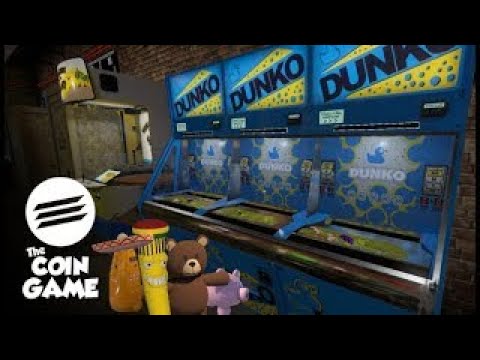
The Coin Game

PC (Microsoft Windows), Xbox Series X|S, PlayStation 5 • 2026

Related articles

Quick resume

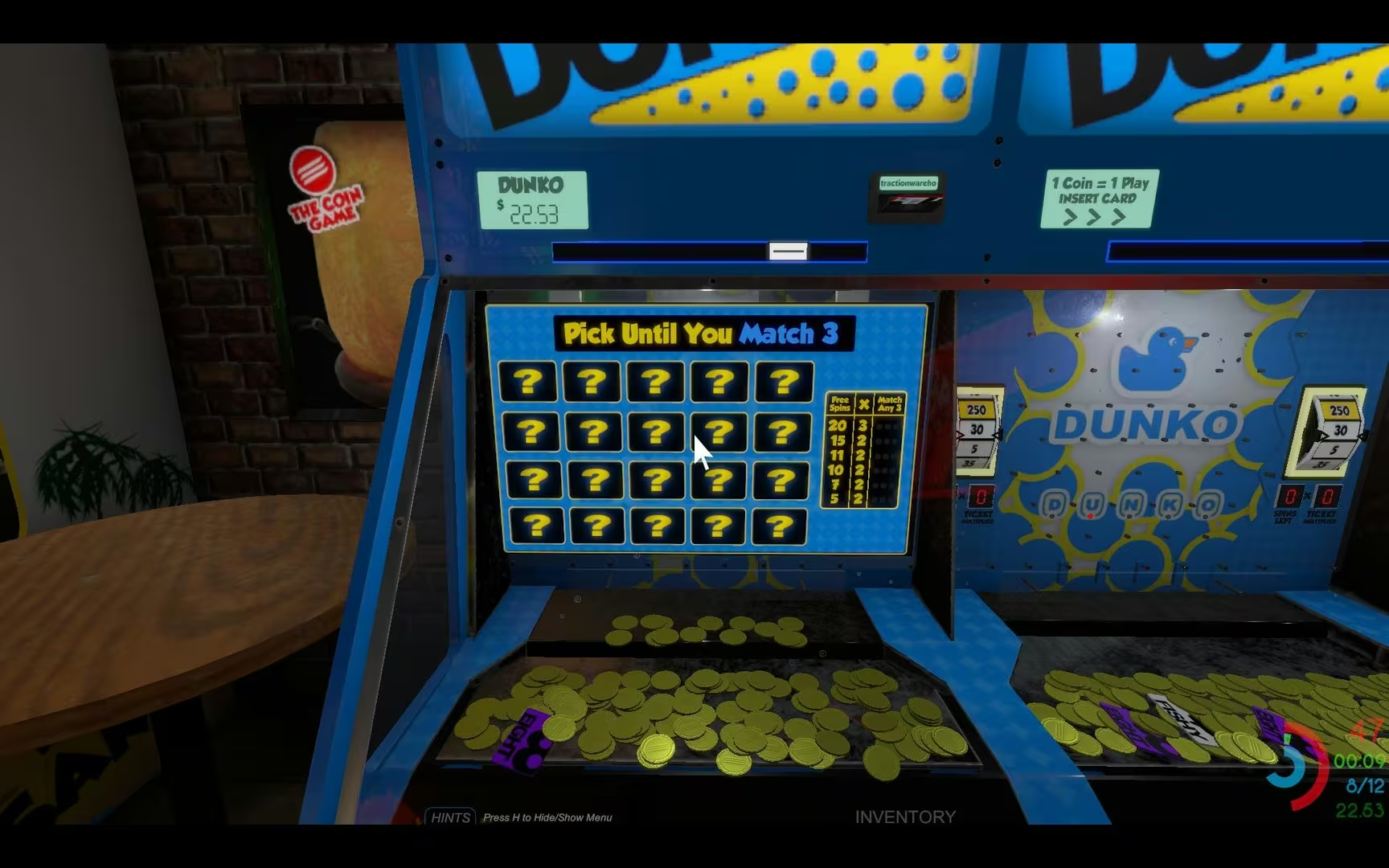
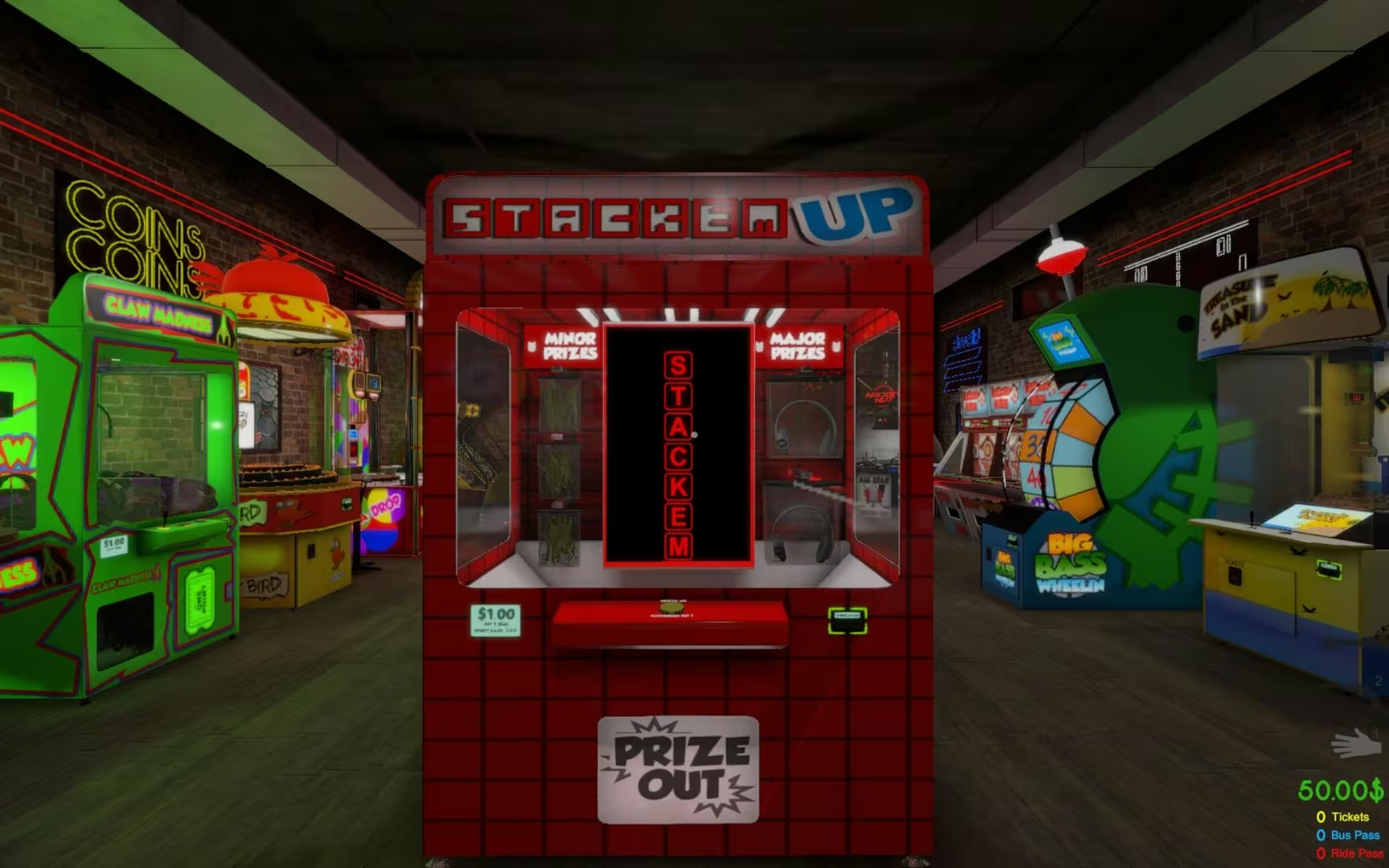
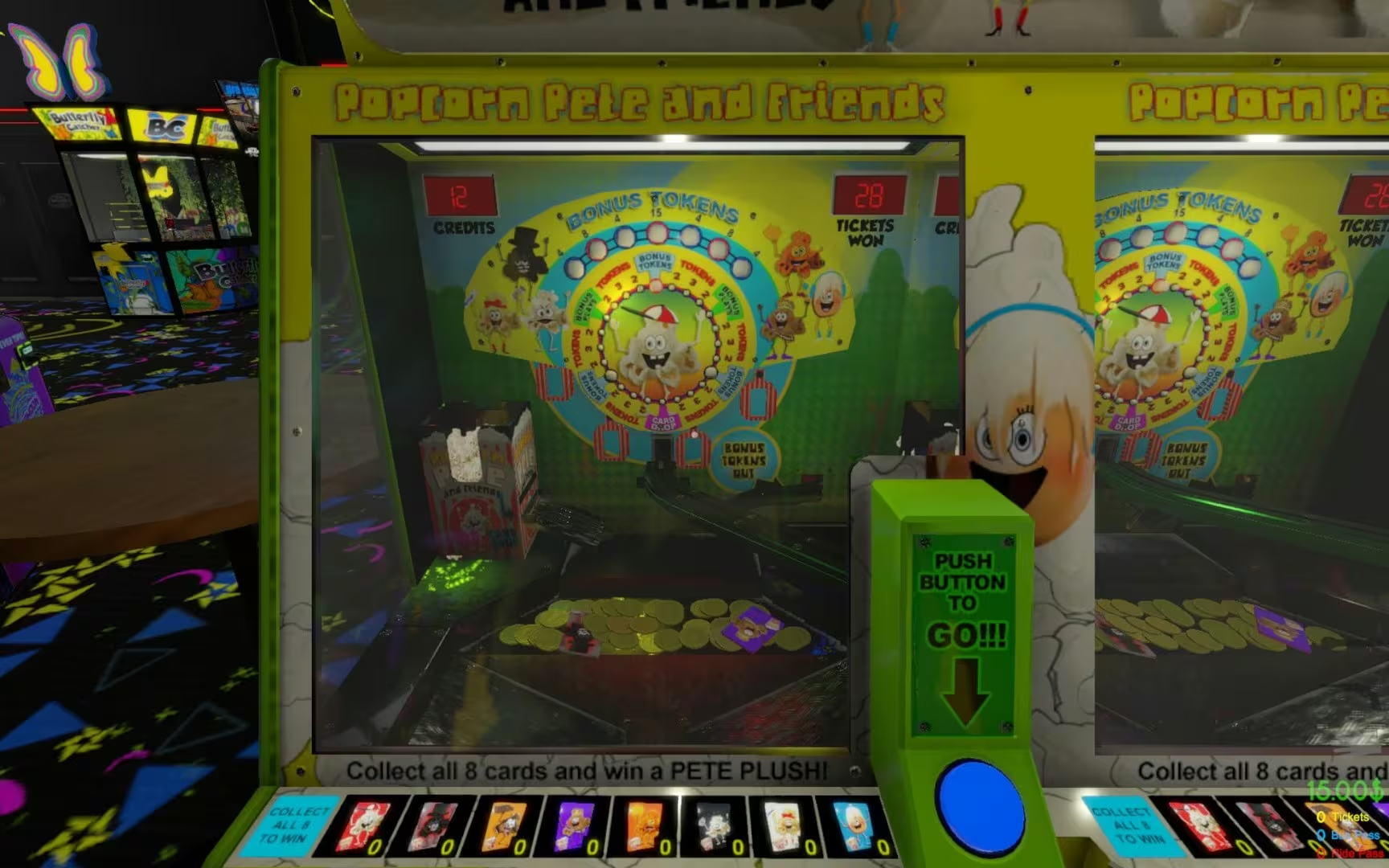
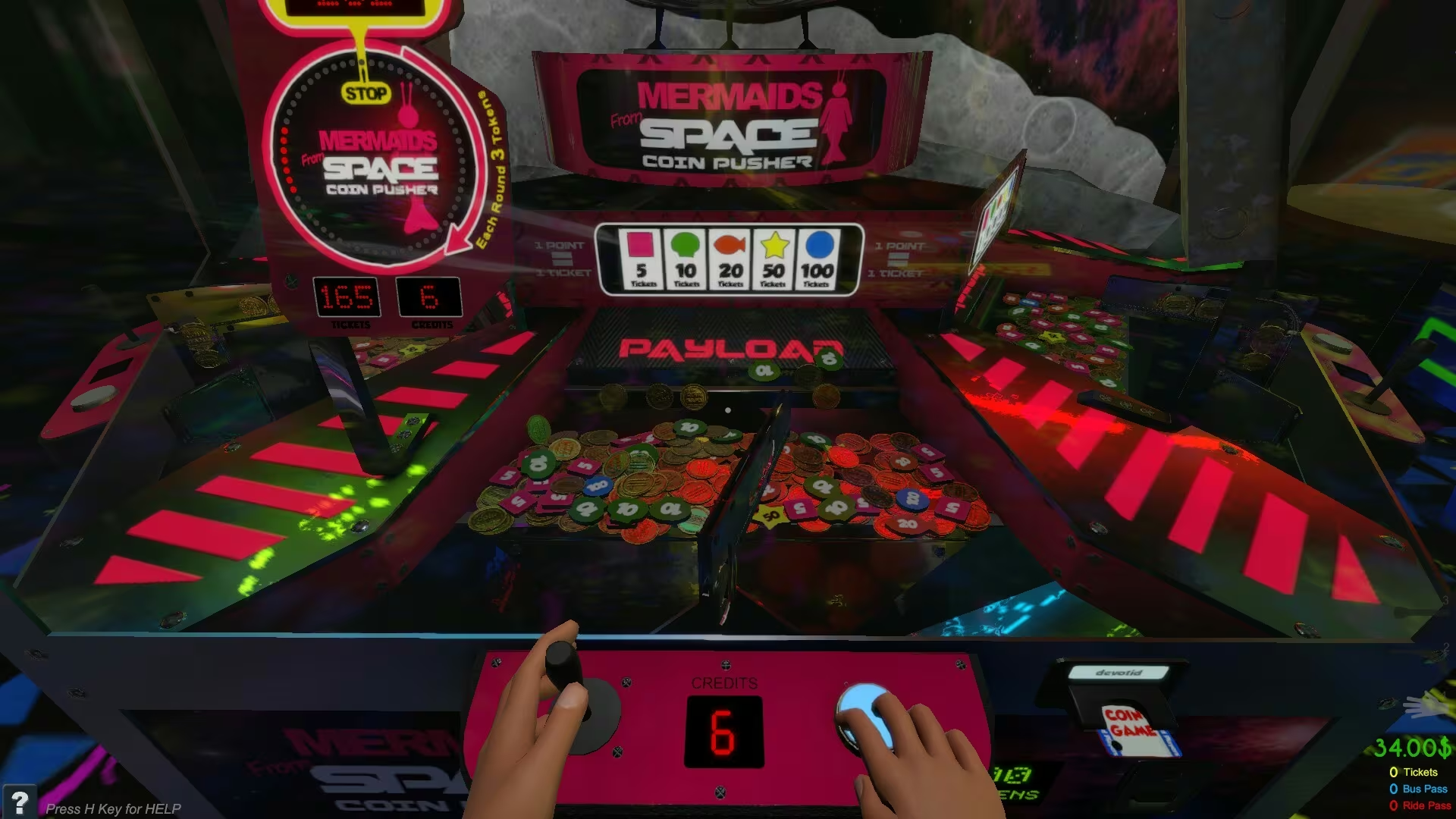
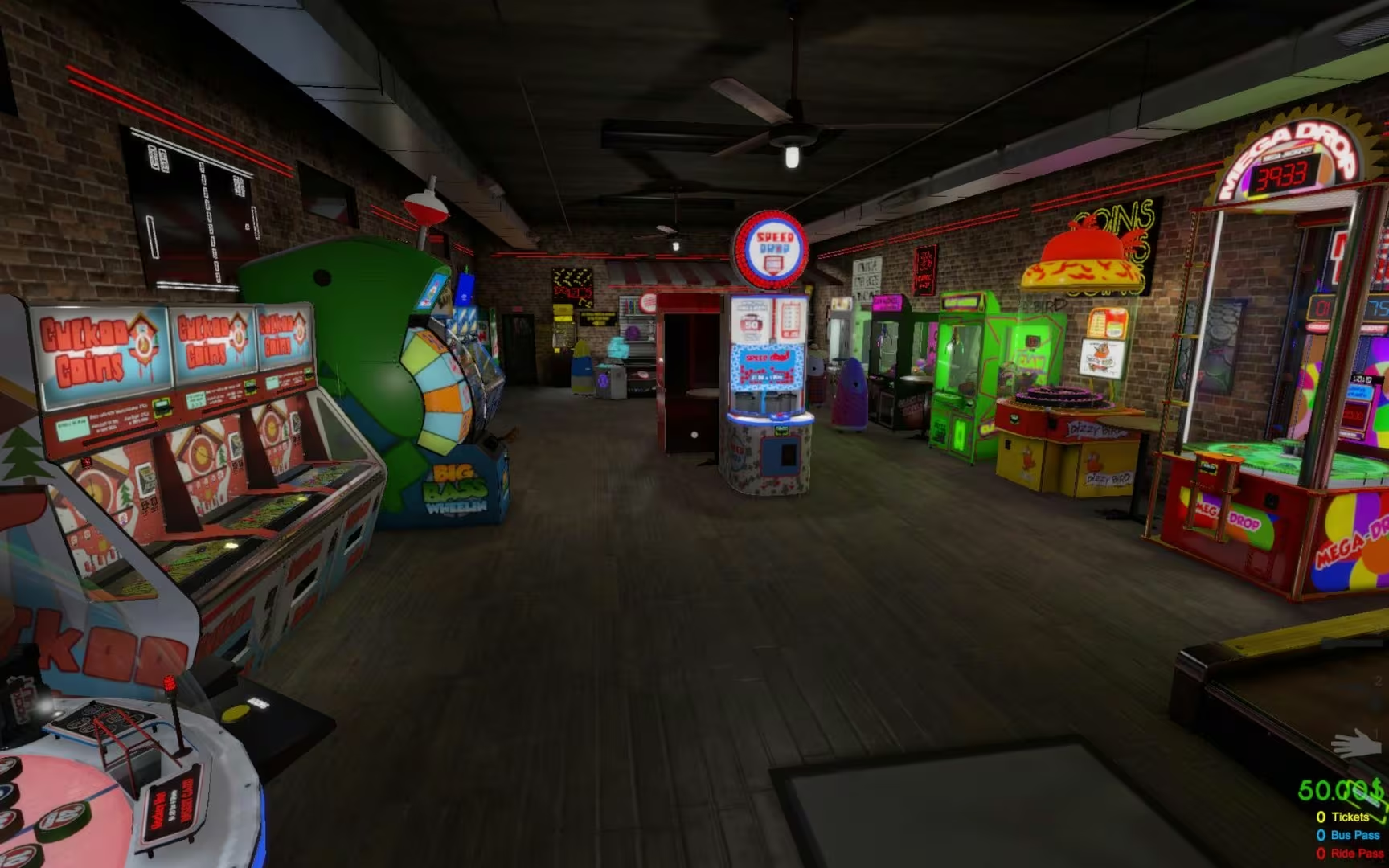
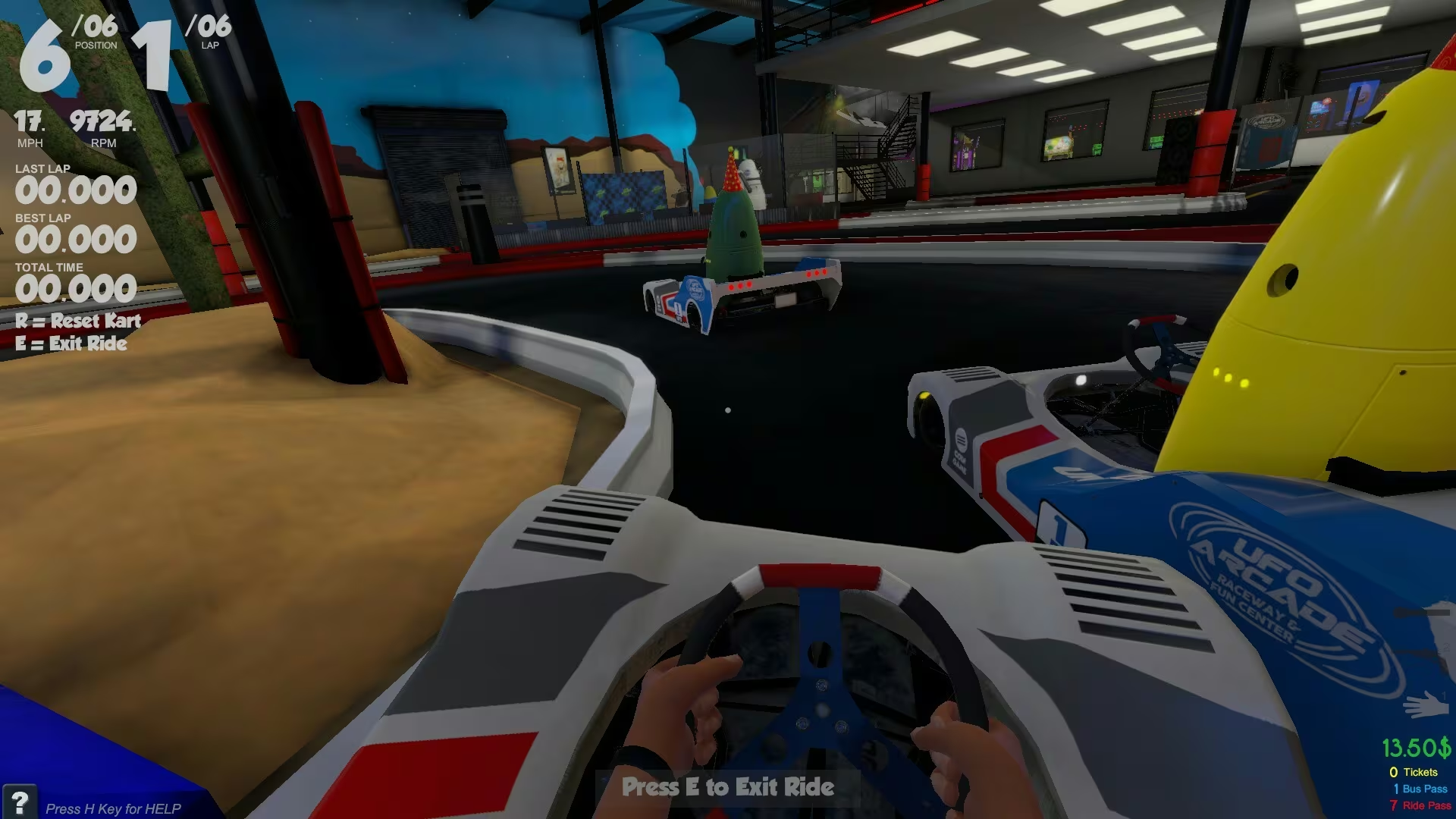
A collection of ticket redemption arcades with realistic physics, a carnival, goofy robots, open world design, a global ranking system and silly prizes. Featuring 50+ modern inspired arcade machines and a pawn shop to keep money in your pocket. The Coin Game is made by a solo developer.

Global score

94/100

Genres

Adventure, Casual, Indie, Simulator, Early Access

Similar games

    Pros

    • Extensive variety of arcade games and activities
    • Strong nostalgic and immersive atmosphere
    • Open world exploration with multiple locations
    • Active solo developer with ongoing updates
    • Good value for price and replayability

    Cons

    • Some bugs and janky controls reported
    • Sparse social and cooperative features
    • Survival mode can be repetitive or grindy
    • Graphics and sound are functional but not outstanding
    • Large map can feel empty or slow to traverse

    Analysis

    Less representative of its motivational profile, with noticeable differences. Motivations that often define this kind of title include Competition, Status, Story, Expression. It leans lower than usual among comparable games on Violence, Fellowship, Strategy.

    How to use the graph
    Similar games map

    Each dot is a game. They are arranged from the same motivation profile as in the “Motivations” section below. Closer dots usually mean more similar reasons to play (exploration, competition, relaxation, etc.)—not that one game is “better” than another.

    • Larger dot with a light outline: the game you are viewing.
    • Colour: groups of games with comparable motivation patterns (statistical clusters).
    • Hover a dot to see the game name; click to open its page.
    • Scroll or double-click the chart to zoom out and see more games.

    Why don’t the axes read like a score? This view uses t-SNE: it only keeps who is close to whom. The scales are not “good to bad” or hours played—they separate groups on the map. Read distance between dots, not the axis numbers.

    Motivations

    • Autonomy
      4

      "Players have freedom to explore an open world, choose activities, and decide how to spend money and time."

    • Competence
      2

      "Arcade games require some skill and offer feedback, but many activities are repetitive or luck-based."

    • Competition
      1

      "Leaderboards exist and some players compete for high scores, but many play casually without comparison."

    • Continuation
      4

      "Many players report long playtimes, habitual return, and addictive gameplay loops."

    • Cooperation
      -4

      "Game is primarily single-player with limited or no cooperative gameplay."

    • Creativity
      2

      "Players can customize their home with prizes and arrange items, but core gameplay uses predefined machines."

    • Domination
      -5

      "Interactions are balanced and respectful; no evidence of exerting control or superiority over others."

    • Escapism
      5

      "Strong escapism as players relive nostalgic arcade experiences and immerse in a surreal robot-populated world."

    • Expectation
      -4

      "Players engage voluntarily out of intrinsic interest and nostalgia, not obligation or pressure."

    • Experimenting
      3

      "Players explore many different arcade games and locations, trying various activities and strategies."

    • Exploration
      3

      "Open world with multiple arcades, carnival, mall, and other areas encourages discovery."

    • Expression
      2

      "Players personalize their home with collected prizes, expressing individuality within limits."

    • Fantasy
      3

      "Imaginative setting with robots as townsfolk and surreal atmosphere blends nostalgia with fiction."

    • Fellowship
      -3

      "Mostly solo play with minimal social interaction; community exists outside game but limited ingame."

    • Growth
      2

      "Players develop skills in arcade games and learn survival mechanics, though some tasks are routine."

    • Health
      -3

      "Sedentary gameplay with some physical activity simulated but no real exercise or rehab."

    • Idle
      -3

      "Requires active attention and engagement; not designed for background or idle play."

    • Intimacy
      -4

      "No evidence of forming close relationships or emotional sharing within the game."

    • Leadership
      -5

      "No leadership or authoritative roles; gameplay is individual and self-directed."

    • Progression
      4

      "Players accumulate money, tickets, prizes, and unlock vehicles, showing clear progression."

    • Relaxation
      4

      "Many players find the game chill, relaxing, and a good way to unwind and enter flow states."

    • Sensation
      2

      "Visuals and sounds provide moderate sensory stimulation; arcade machines offer satisfying feedback."

    • Status
      1

      "Leaderboards provide some recognition, but social status is limited and not a major focus."

    • Story
      -2

      "Minimal story or lore; game focuses more on atmosphere and gameplay than narrative."

    • Strategy
      1

      "Some planning and decision-making in managing money and choosing games, but mostly straightforward."

    • Thrill
      2

      "Some thrill from jackpots and winning, but overall low risk and controlled environment."

    • Value
      5

      "Players perceive high value for price with extensive content and replayability."

    • Violence
      -5

      "No combat or destructive gameplay; focus on constructive and playful activities."

    • Survival
      2

      "Survival mode involves managing hunger, money, and time to avoid failure, adding challenge."

    Last update: 29/04/2026