The Procession to Calvary Thumbnail

The Procession to Calvary similar games & best alternatives

The Procession to Calvary

PC (Microsoft Windows), Mac, iOS, PlayStation 4, Xbox One, Android, Nintendo Switch, Linux • 2020

Related articles

Quick resume

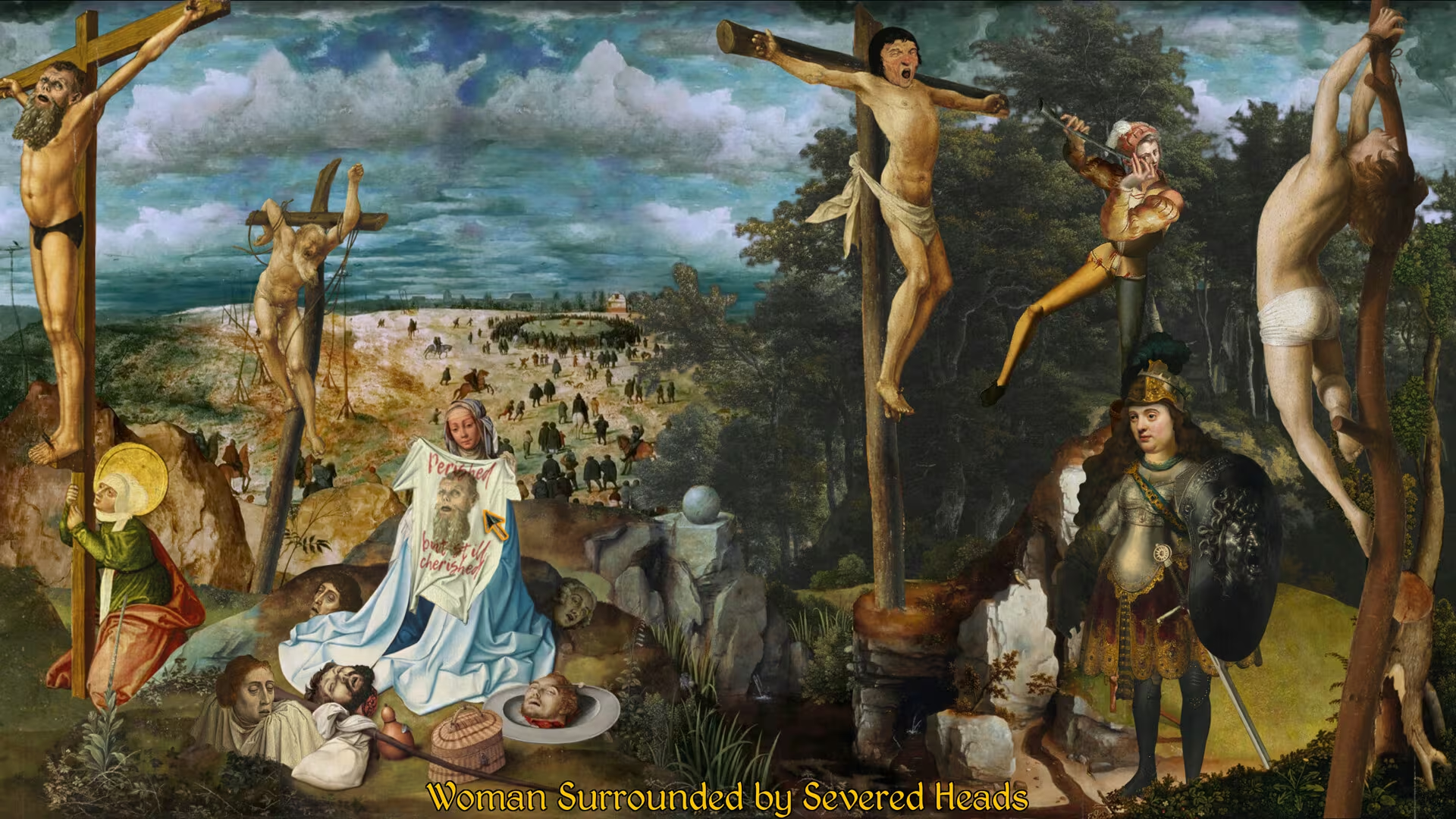
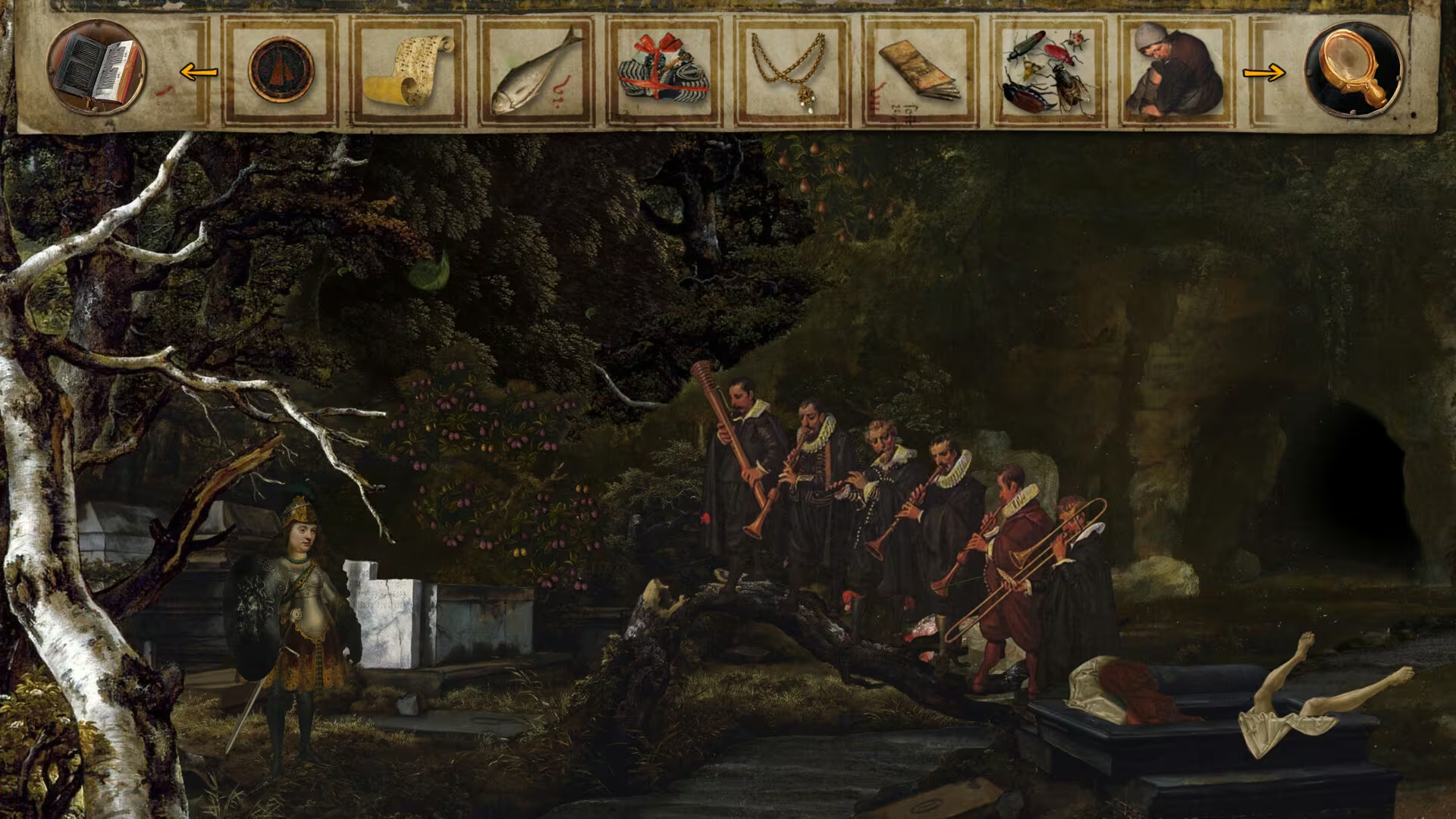
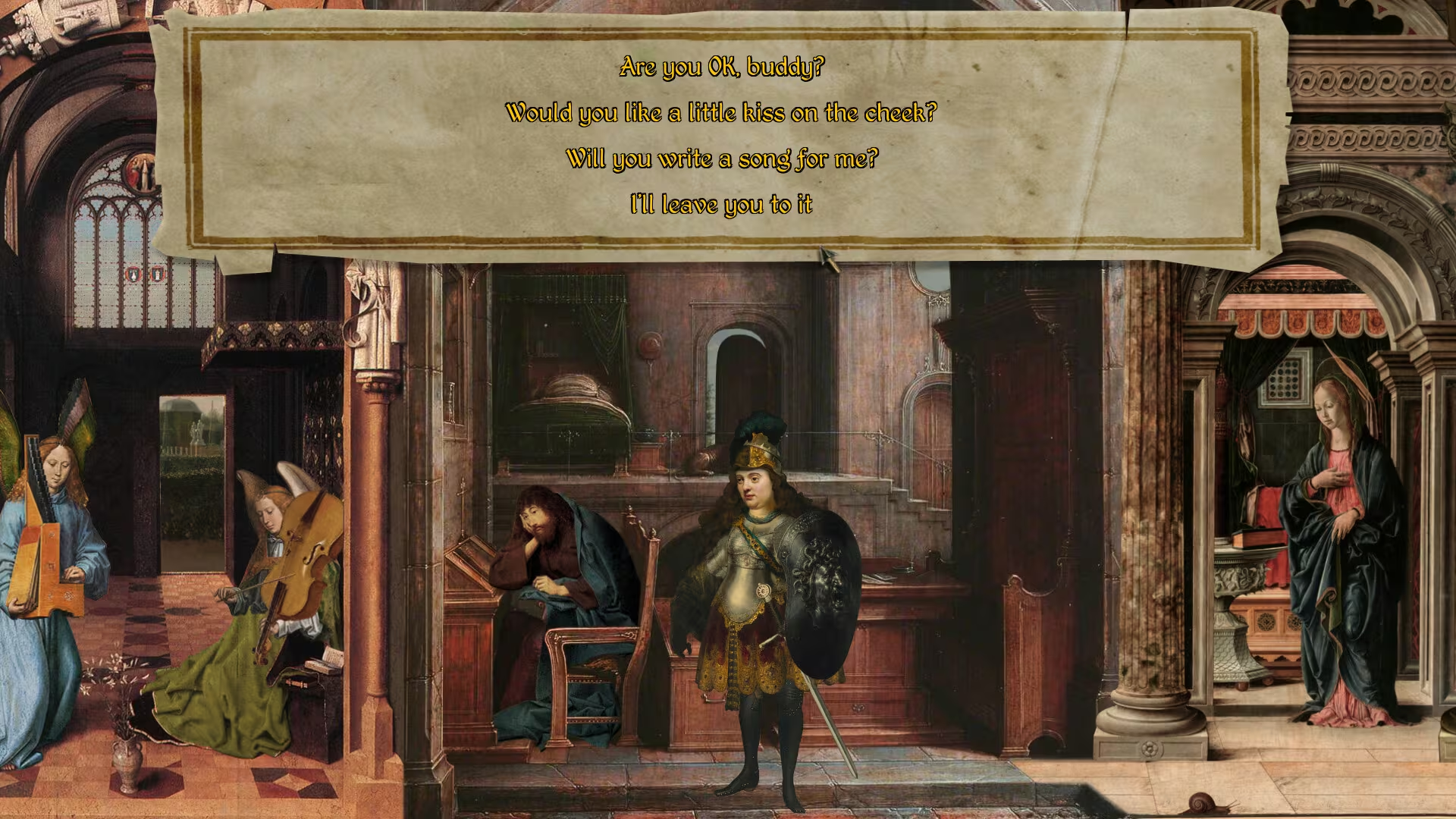
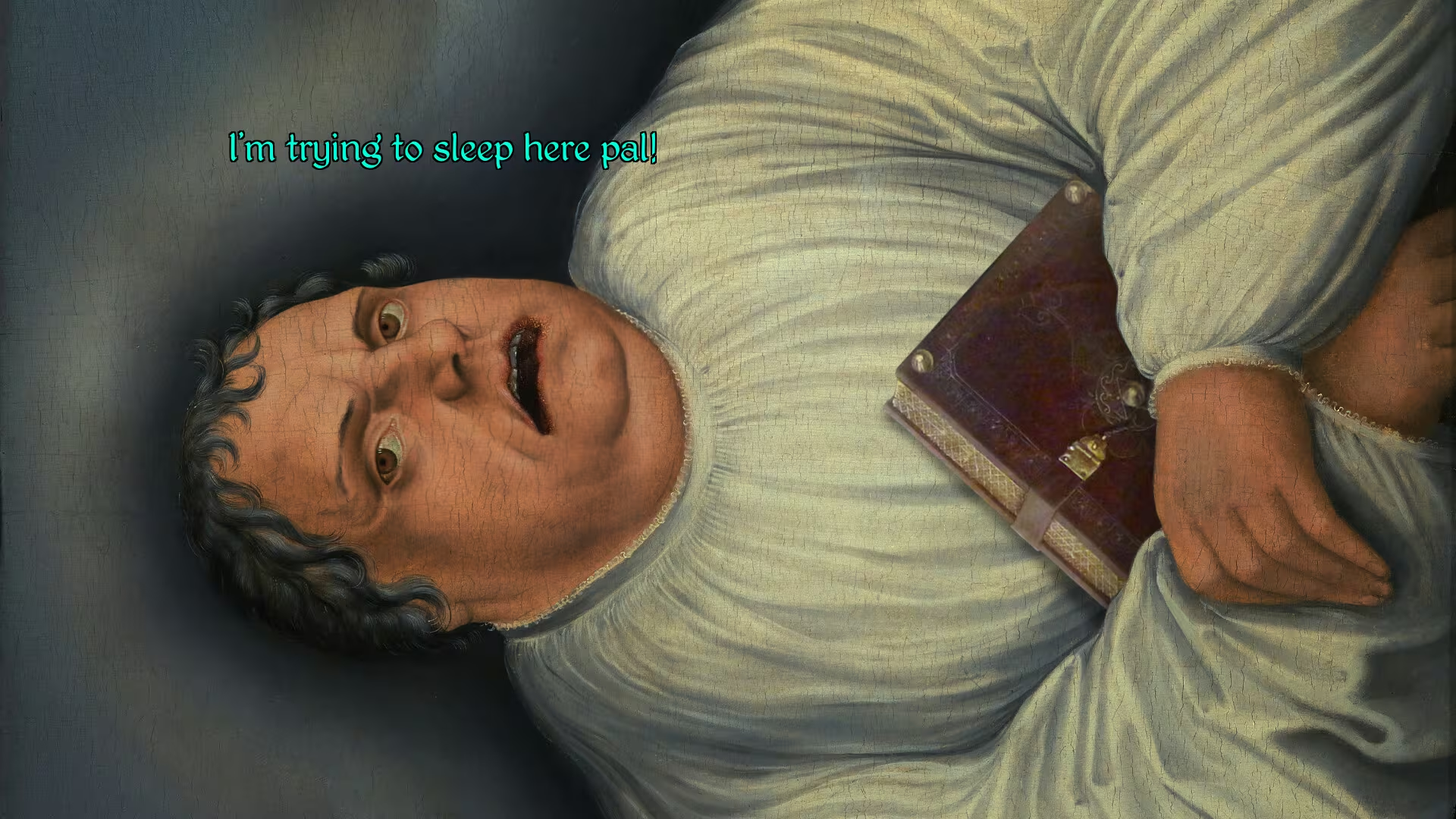
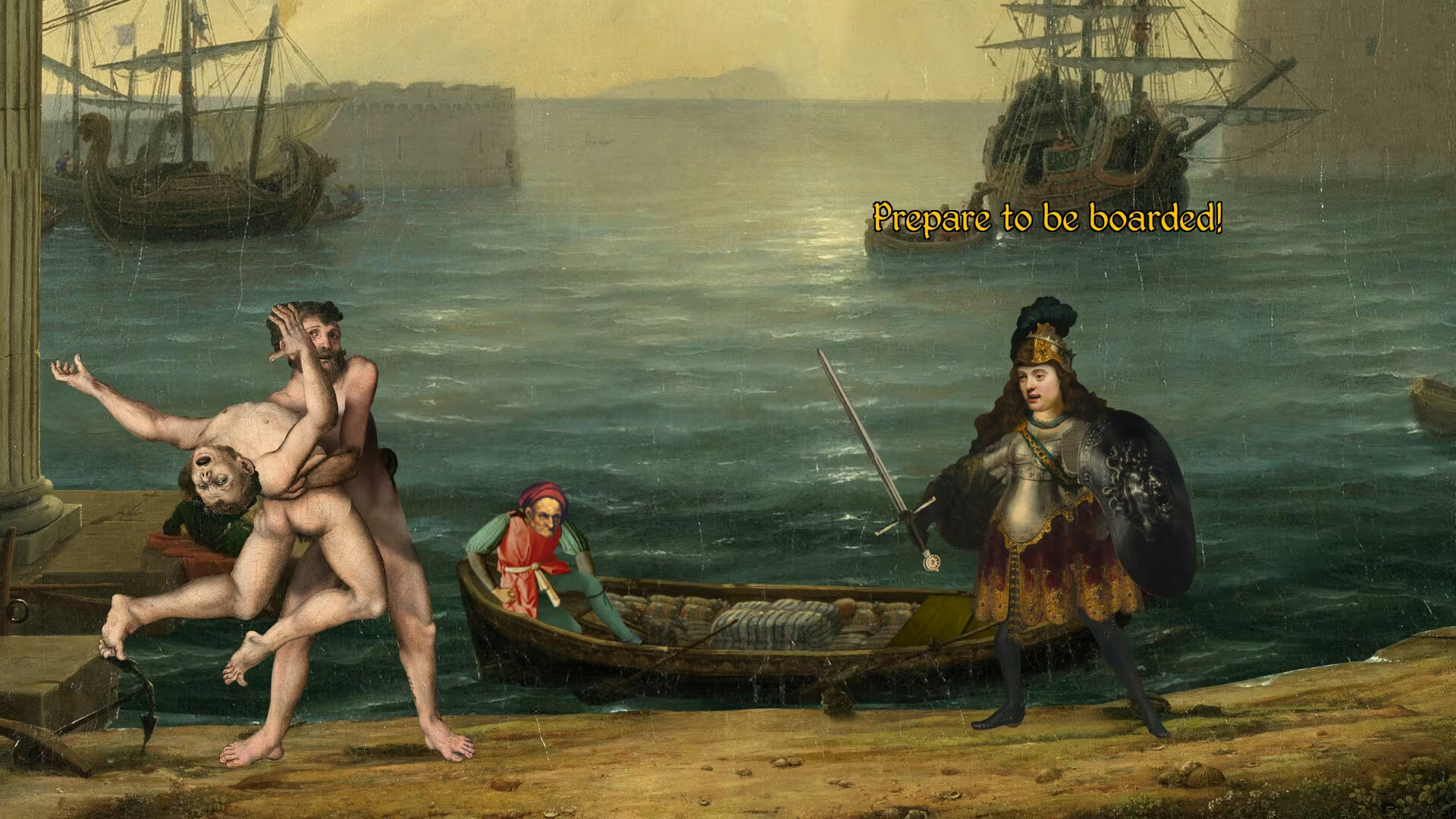
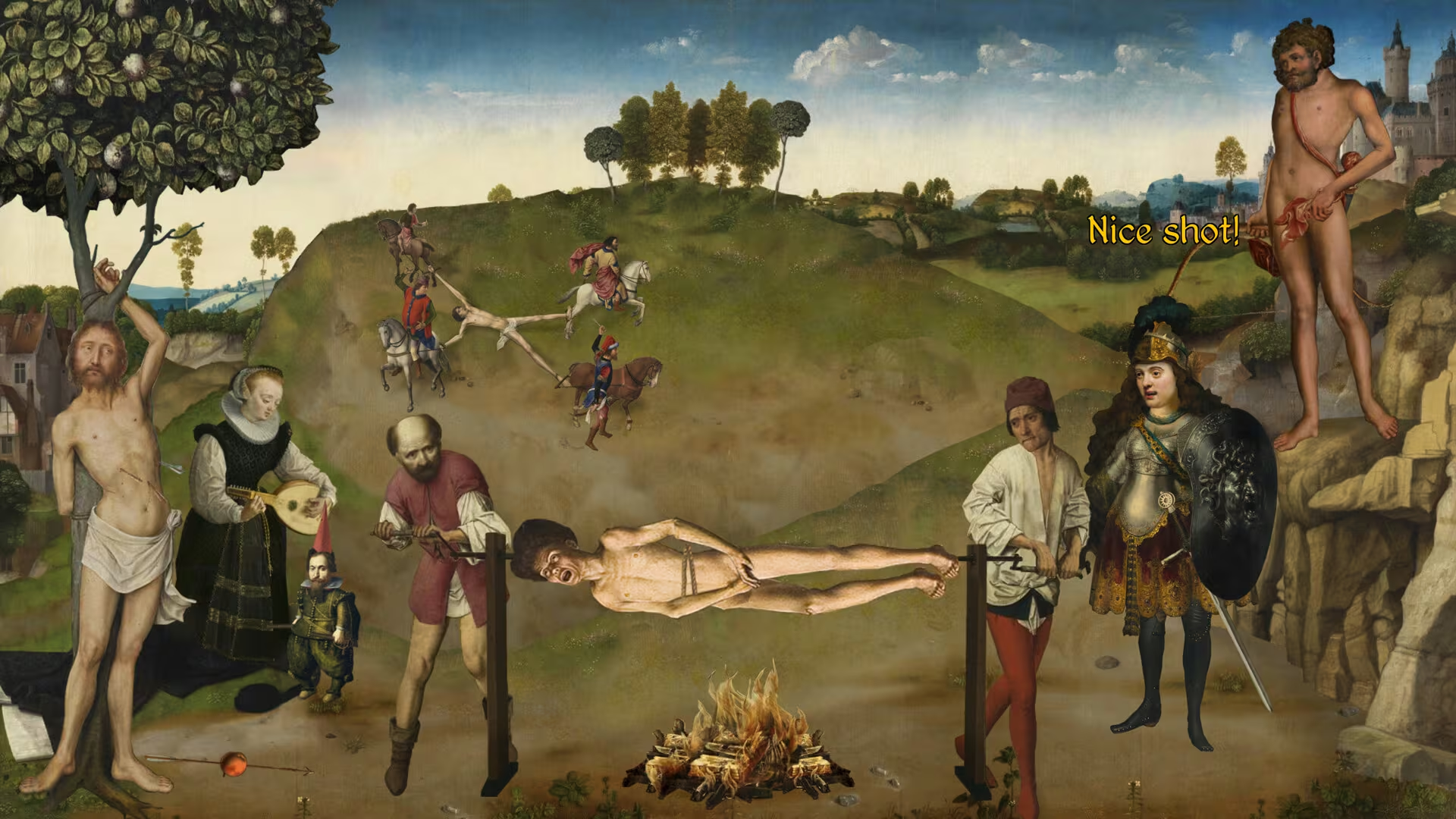
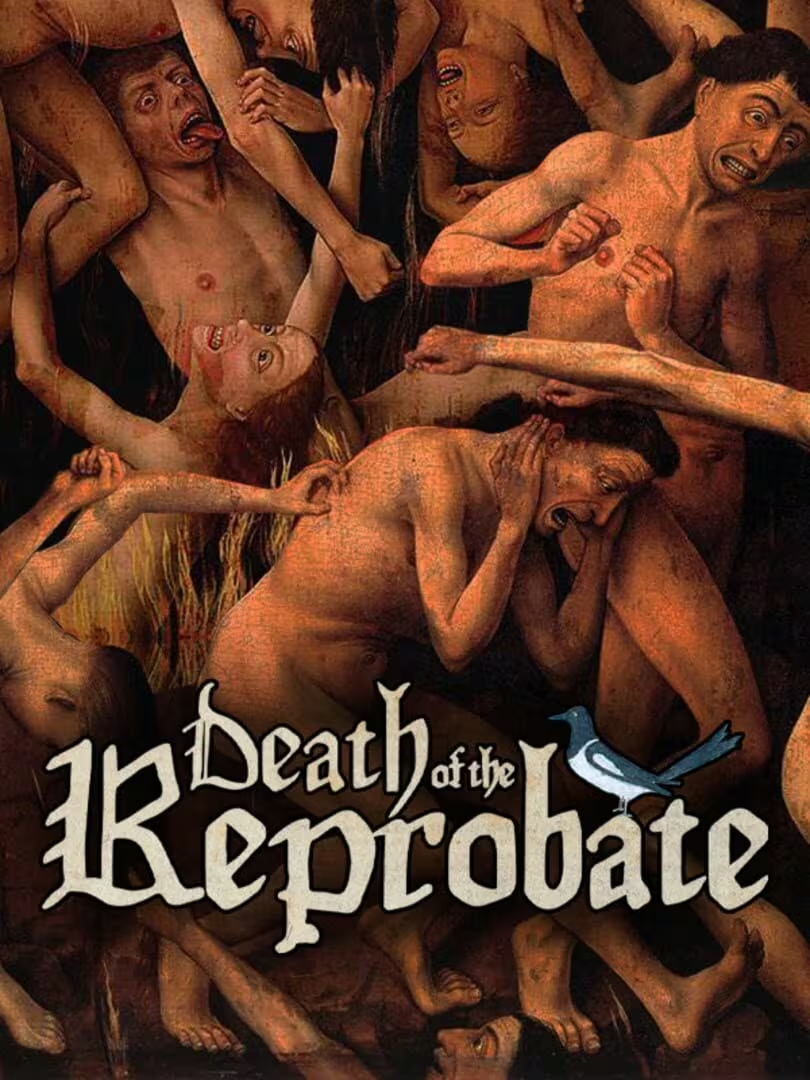
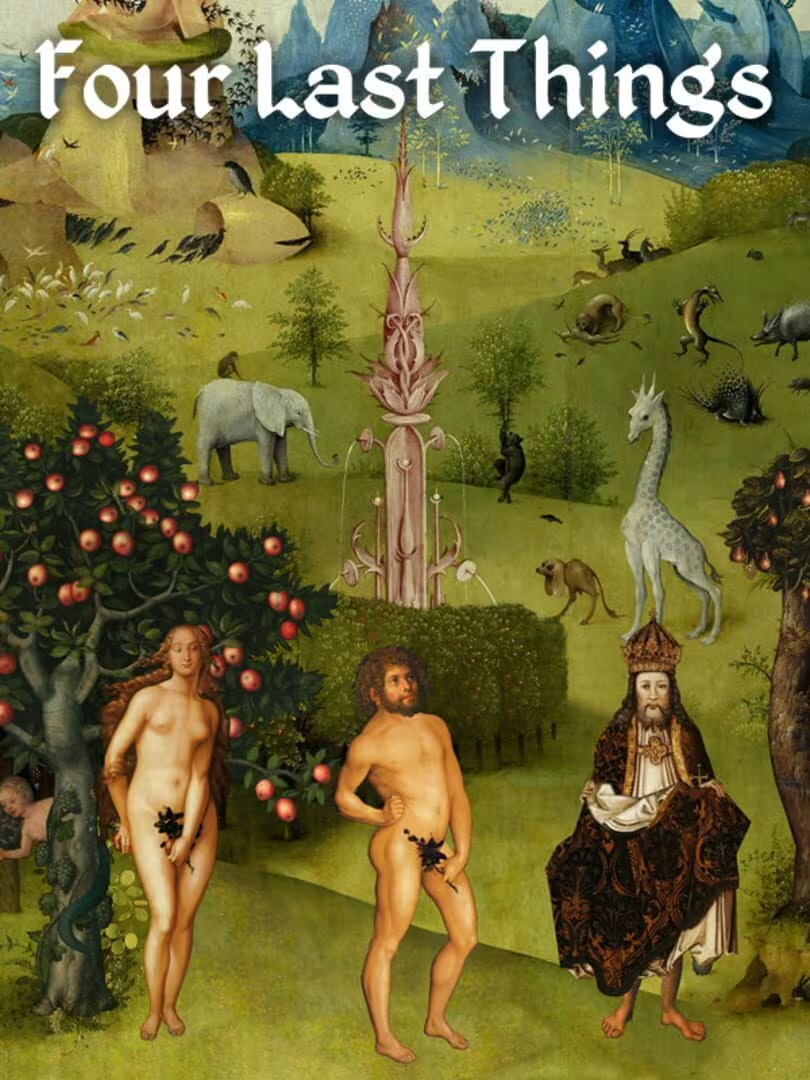
Pilfer from pirates, conspire with cardinals and perform miracles with an incompetent magician. The Procession to Calvary is a Pythonesque adventure game made from Renaissance paintings, and a spiritual successor to the critically acclaimed Four Last Things.

Global score

97/100

Genres

Adventure, Indie, Point-and-click

Similar games

    Pros

    • Unique and creative art style using renaissance paintings
    • Clever, humorous writing with monty python-esque dark comedy
    • Engaging puzzles with multiple endings
    • Classical music integration
    • Short and accessible gameplay

    Cons

    • Short length may leave players wanting more
    • Some puzzles can be obscure or frustrating
    • Limited save system and no map
    • No voice acting
    • Repetitive background music

    Analysis

    A very typical example of its motivational profile. Motivations that often define this kind of title include Survival, Violence, Fellowship, Expression. Here, the score leans higher than usual among comparable games on Violence, Creativity, Thrill.

    How to use the graph
    Similar games map

    Each dot is a game. They are arranged from the same motivation profile as in the “Motivations” section below. Closer dots usually mean more similar reasons to play (exploration, competition, relaxation, etc.)—not that one game is “better” than another.

    • Larger dot with a light outline: the game you are viewing.
    • Colour: groups of games with comparable motivation patterns (statistical clusters).
    • Hover a dot to see the game name; click to open its page.
    • Scroll or double-click the chart to zoom out and see more games.

    Why don’t the axes read like a score? This view uses t-SNE: it only keeps who is close to whom. The scales are not “good to bad” or hours played—they separate groups on the map. Read distance between dots, not the axis numbers.

    Motivations

    • Autonomy
      4

      "Players have freedom to explore, choose dialogue options, solve puzzles in multiple ways, and decide how to treat characters, including the option to kill or not."

    • Competence
      3

      "Puzzles require thinking and some trial and error, with feedback and multiple endings rewarding skillful play."

    • Competition
      -5

      "No evidence of competitive modes or player comparison; focus is on solo, personal experience."

    • Continuation
      2

      "Players enjoy multiple playthroughs to explore different endings and humor, though game is short and sessions are not very long."

    • Cooperation
      -5

      "Entirely single-player point-and-click adventure with no multiplayer or cooperative elements."

    • Creativity
      5

      "Highly creative use of Renaissance paintings and classical music, with unique art collage style and humorous narrative."

    • Domination
      -5

      "No social dominance or power over others; interactions are with NPCs in a narrative context."

    • Escapism
      4

      "Players enjoy immersion in a surreal, humorous world far removed from real life, providing distraction and amusement."

    • Expectation
      -4

      "Players engage voluntarily for humor and art appreciation, with no obligation or external pressure."

    • Experimenting
      4

      "Players encouraged to try different dialogue options, puzzle solutions, and explore multiple endings."

    • Exploration
      3

      "Players explore various Renaissance art-based scenes and interact with many characters and objects."

    • Expression
      -3

      "No character customization or avatar personalization; presentation follows fixed artistic style."

    • Fantasy
      4

      "Surreal, absurd narrative with dark humor and fictionalized historical and religious themes."

    • Fellowship
      -5

      "Single-player experience with minimal social interaction or community involvement."

    • Growth
      3

      "Players learn puzzle solutions, art and music references, and improve problem-solving skills."

    • Health
      -5

      "Sedentary gameplay typical of point-and-click adventures with no physical activity."

    • Idle
      -4

      "Requires focused attention to solve puzzles and progress; not a background or idle game."

    • Intimacy
      -5

      "No evidence of forming close relationships; interactions are brief and superficial."

    • Leadership
      -5

      "No leadership or group management elements; solo narrative experience."

    • Progression
      3

      "Players collect items and unlock multiple endings, showing some sense of advancement."

    • Relaxation
      3

      "Humorous and lighthearted tone provides enjoyable flow, though some puzzles cause frustration."

    • Sensation
      3

      "Visual and auditory stimulation through unique art style and classical music enhances enjoyment."

    • Status
      -5

      "No social recognition or ranking systems; focus on personal experience."

    • Story
      4

      "Strong narrative immersion with humorous dialogue, multiple endings, and character interactions."

    • Strategy
      3

      "Puzzles require logic and some lateral thinking, though not overly complex."

    • Thrill
      1

      "Some suspense in puzzle solving and consequences of choices, but overall low risk and tension."

    • Value
      4

      "Players feel they receive good entertainment and artistic value for the price and short playtime."

    • Violence
      2

      "Game includes option to kill characters with humorous consequences, but violence is cartoonish and optional."

    • Survival
      -4

      "No survival mechanics or threat management; stable narrative environment."

    Last update: 29/04/2026