The Spiral Scouts Thumbnail

The Spiral Scouts similar games & best alternatives
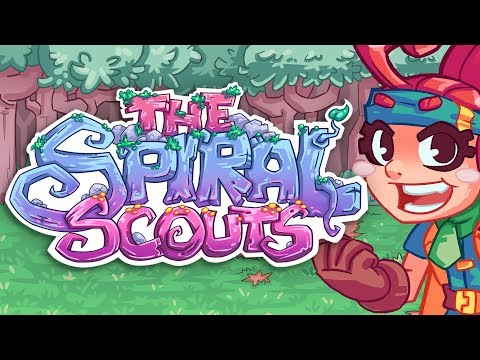
The Spiral Scouts

PC (Microsoft Windows), Mac • 2018

Related articles

Quick resume

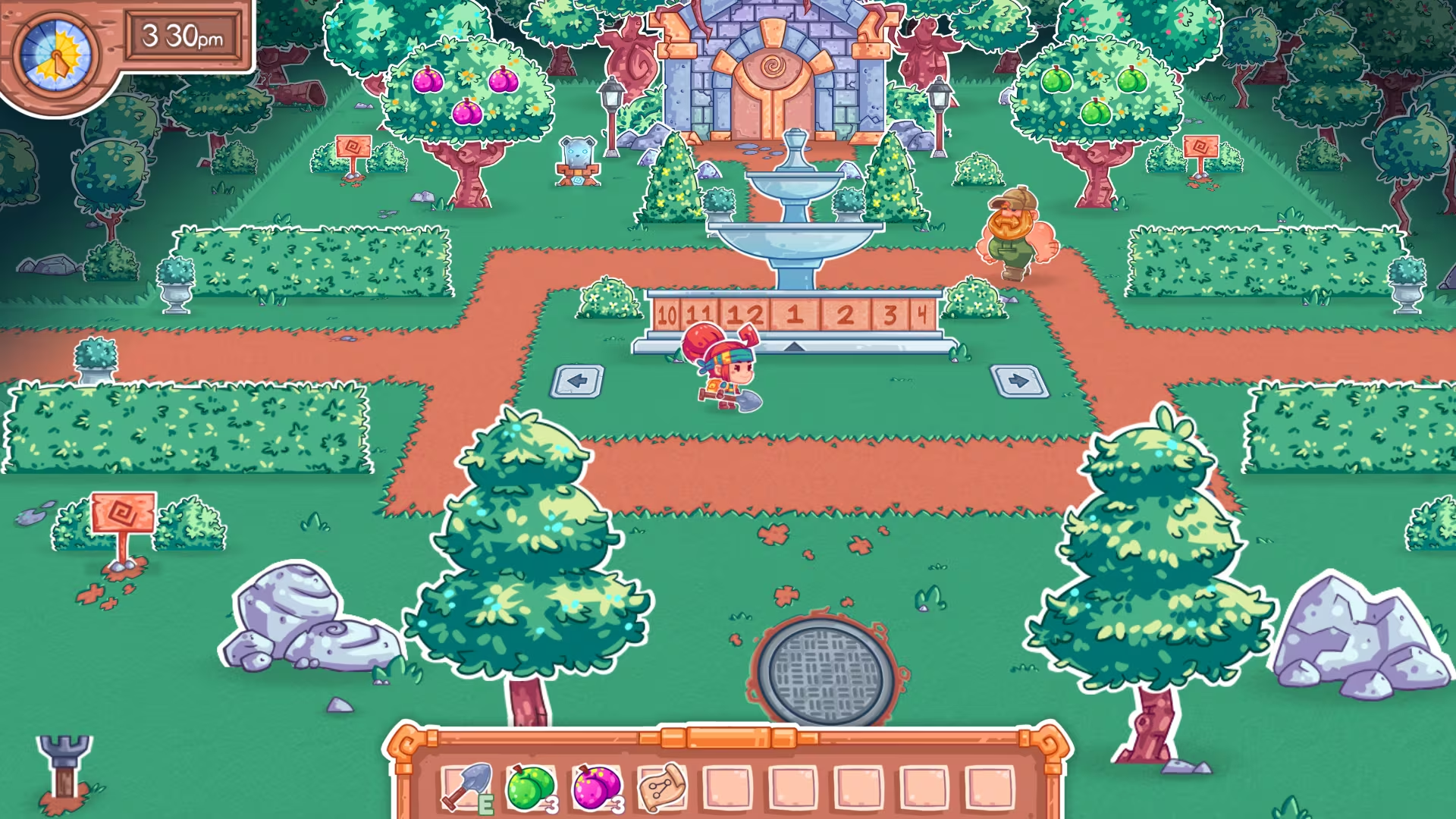
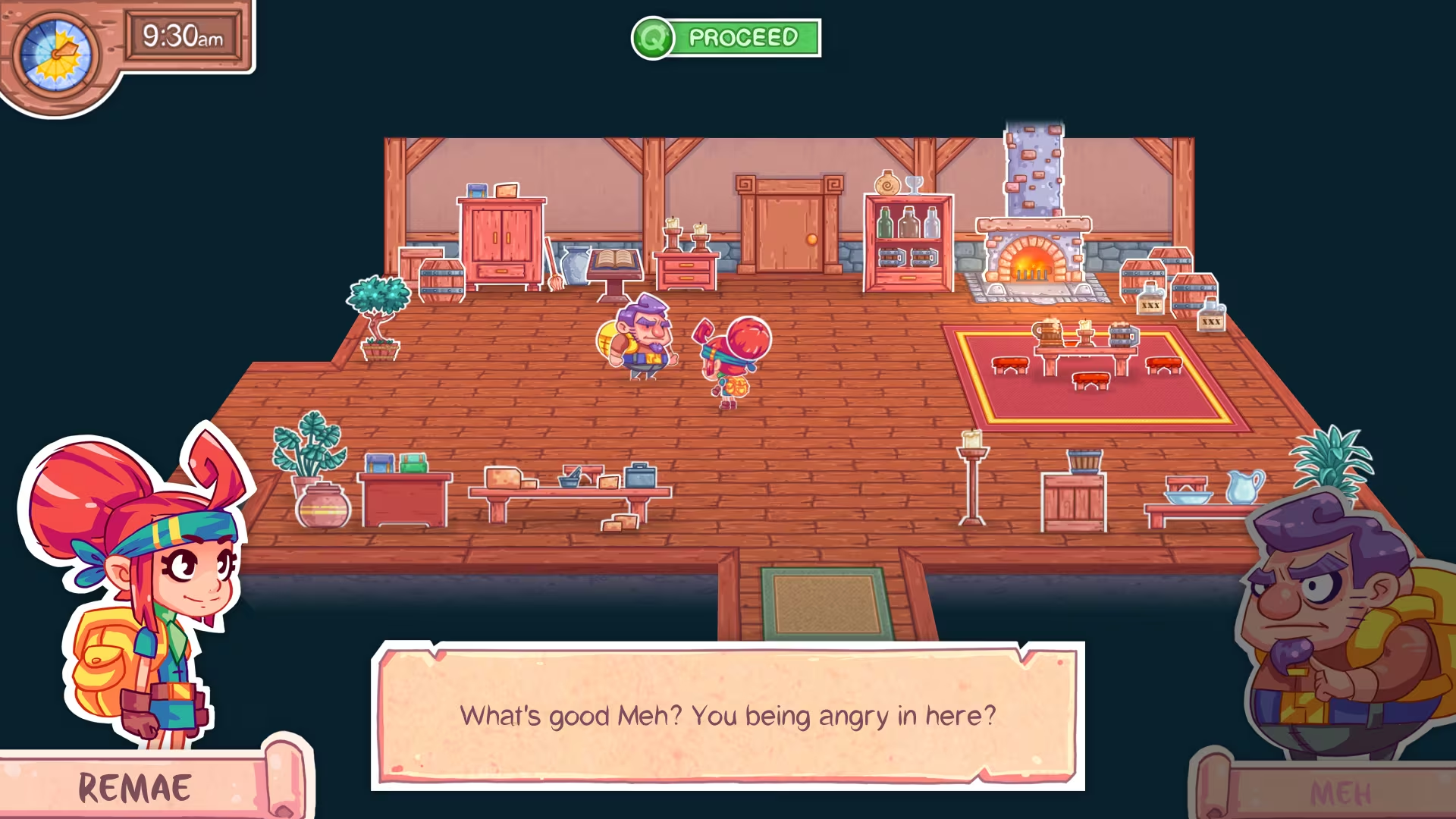
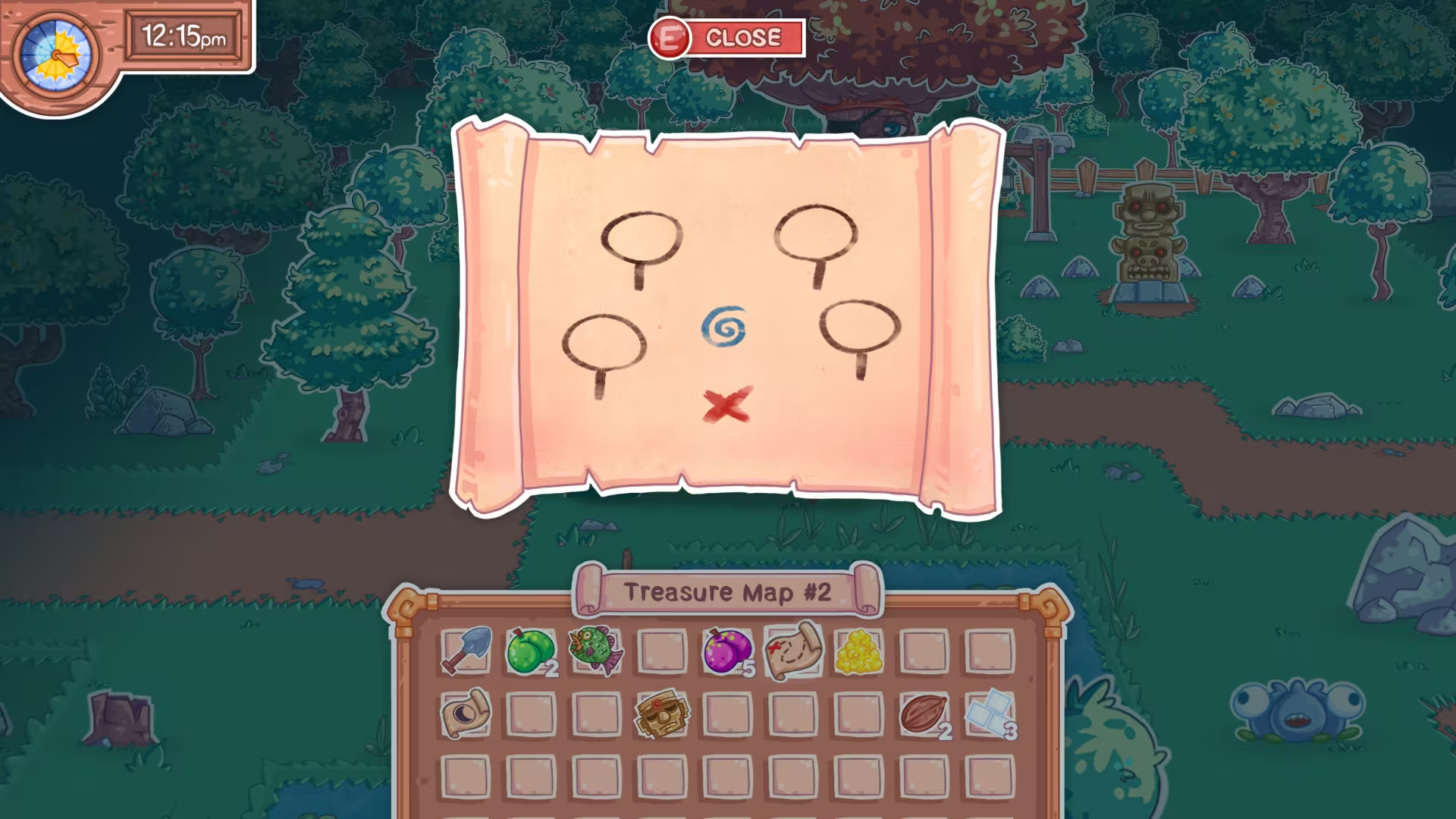
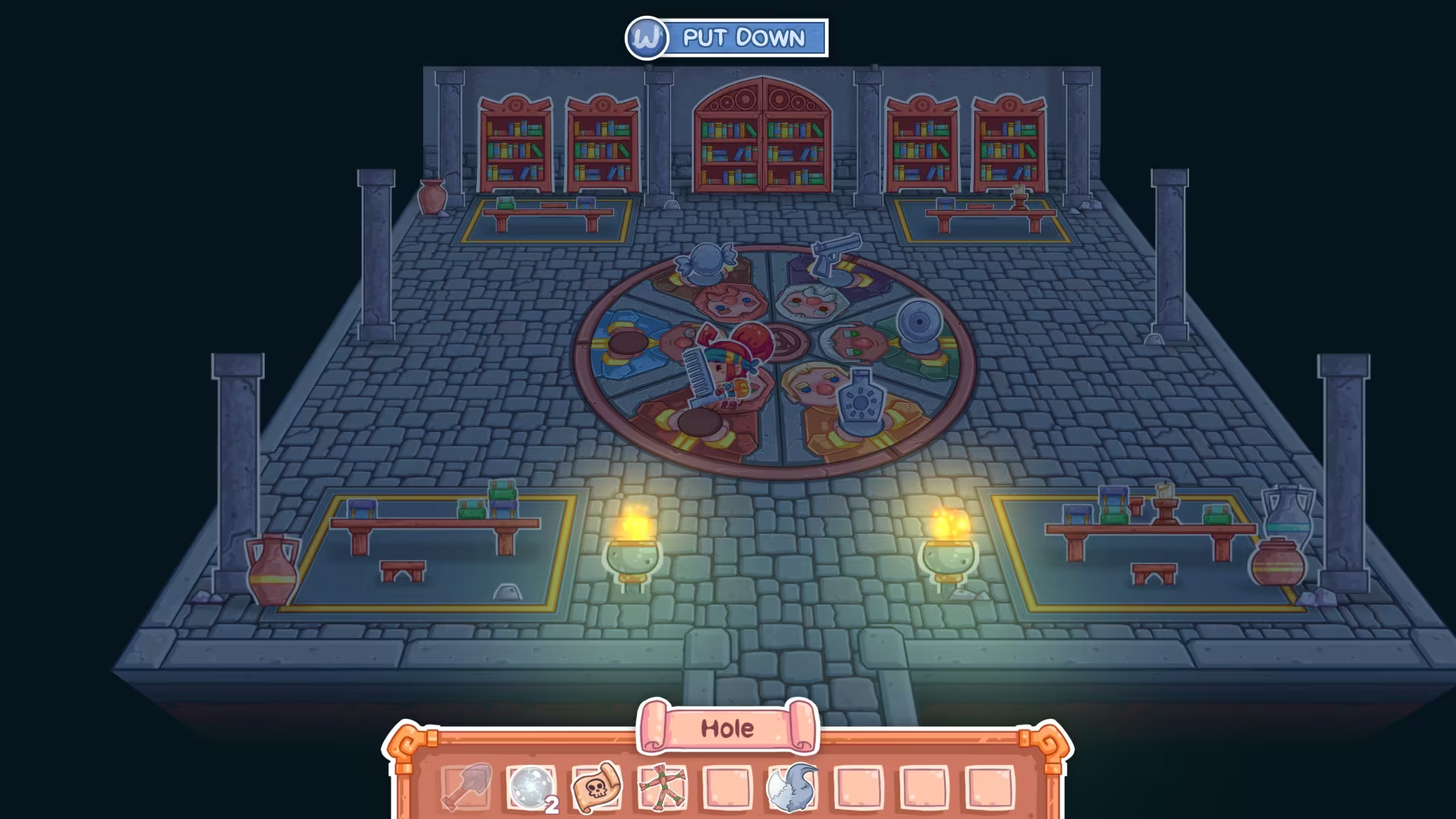
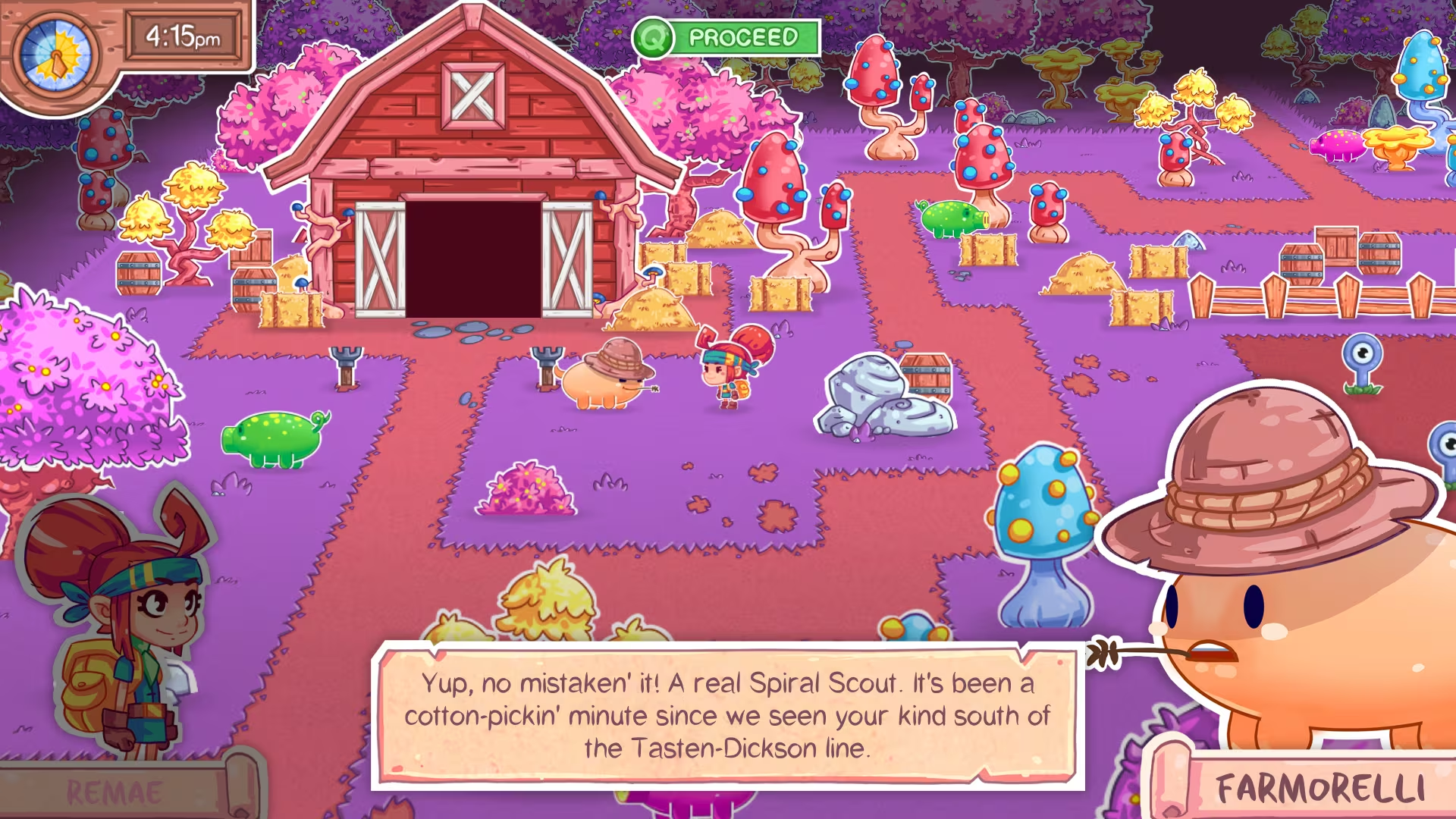
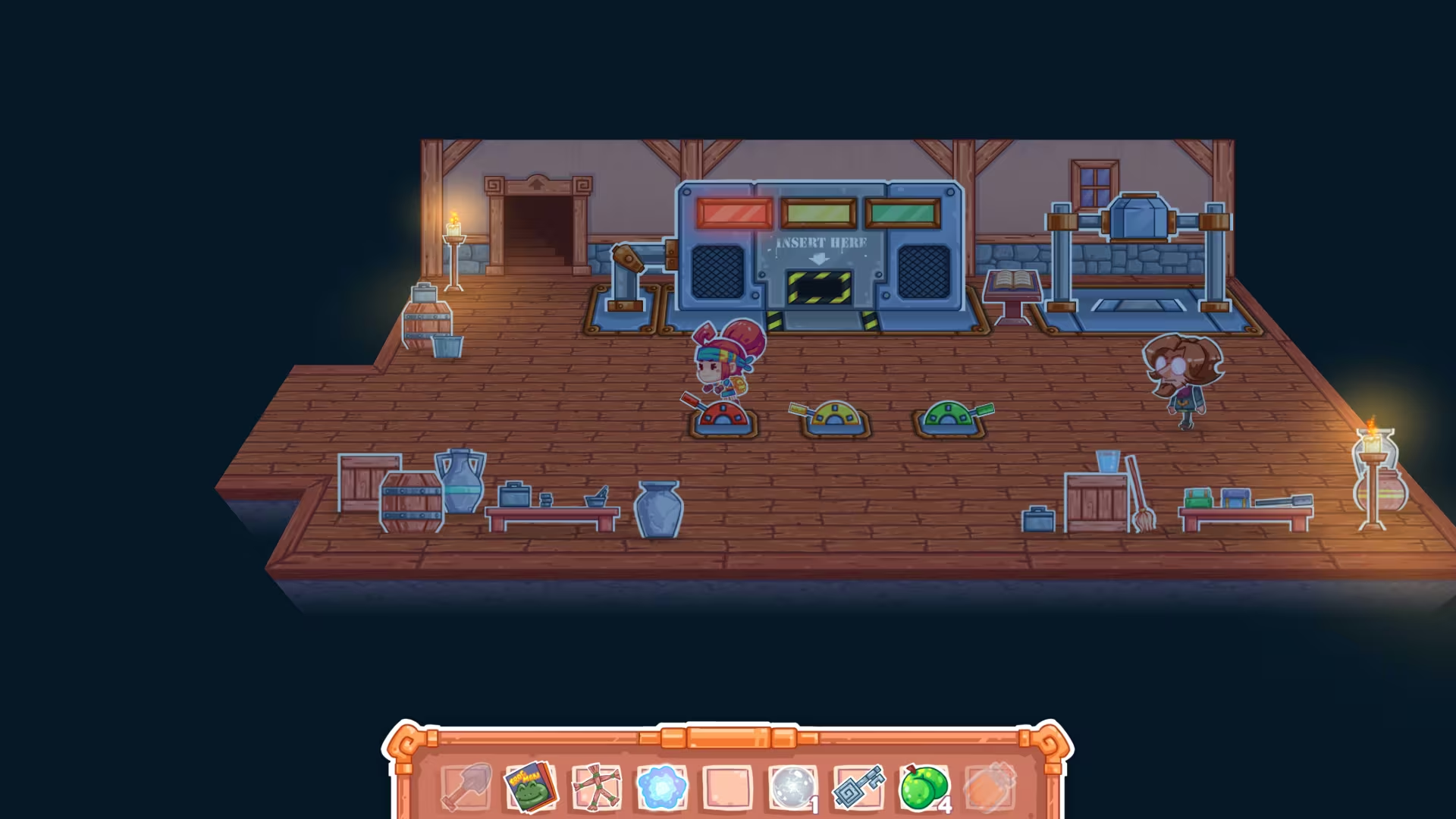
Join Remae, the newest member of the Spiral Scouts, on her slap-tastic puzzle solving adventure through a world of crazy characters and redonkulous realms. Experience a fartwarming tale of personal growth, self discovery, poop, wieners and butts.

Global score

80/100

Genres

Adventure, Indie, Puzzle

Similar games

    Pros

    • Challenging and varied puzzles
    • Humorous and unique writing
    • Cute paper mario-esque art style
    • Catchy and fitting soundtrack
    • Open world exploration and non-linear gameplay

    Cons

    • Humor is juvenile and crude, not for everyone
    • Some puzzles have vague hints or require trial and error
    • Final collectible hunt is tedious and frustrating
    • Controls can be awkward at times
    • No achievements or cloud saves at launch

    Analysis

    Broadly representative of its motivational profile, with a few distinct shifts. Motivations that often define this kind of title include Survival, Violence, Fellowship, Expression. Here, the score leans higher than usual among comparable games on Cooperation, Strategy. It leans lower than usual among comparable games on Thrill.

    How to use the graph
    Similar games map

    Each dot is a game. They are arranged from the same motivation profile as in the “Motivations” section below. Closer dots usually mean more similar reasons to play (exploration, competition, relaxation, etc.)—not that one game is “better” than another.

    • Larger dot with a light outline: the game you are viewing.
    • Colour: groups of games with comparable motivation patterns (statistical clusters).
    • Hover a dot to see the game name; click to open its page.
    • Scroll or double-click the chart to zoom out and see more games.

    Why don’t the axes read like a score? This view uses t-SNE: it only keeps who is close to whom. The scales are not “good to bad” or hours played—they separate groups on the map. Read distance between dots, not the axis numbers.

    Motivations

    • Autonomy
      4

      "Players can explore the open world and choose puzzles in any order, with freedom to skip and return later."

    • Competence
      4

      "Puzzles range from straightforward to challenging, requiring problem-solving skills and note-taking."

    • Competition
      -4

      "Focus is on individual puzzle solving and personal progress without competitive elements."

    • Continuation
      3

      "Players engage in long sessions and seek to complete all puzzles and collectibles, showing attachment."

    • Cooperation
      1

      "Mostly single-player, but some players mention collaborating with friends on puzzles occasionally."

    • Creativity
      3

      "Players create their own solutions and use pen and paper to solve puzzles, encouraging creative thinking."

    • Domination
      -5

      "No evidence of exerting control or superiority over others; interactions are individual and balanced."

    • Escapism
      4

      "Players use the game as a humorous and immersive distraction from real life."

    • Expectation
      -4

      "Players engage voluntarily out of personal interest and enjoyment, not obligation."

    • Experimenting
      3

      "Players try different puzzle solutions and experiment with mechanics to progress."

    • Exploration
      3

      "Open world design encourages discovering new areas and secrets at own pace."

    • Expression
      -3

      "Limited character customization; focus is on puzzle solving and story rather than self-expression."

    • Fantasy
      3

      "Game features imaginative fiction with quirky characters and surreal humor."

    • Fellowship
      -3

      "Primarily solo play with minimal social connection; some mention casual help from friends."

    • Growth
      4

      "Players develop problem-solving skills and learn puzzle mechanics progressively."

    • Health
      -5

      "No physical activity involved; sedentary gameplay."

    • Idle
      -4

      "Requires focused attention and continuous engagement to solve puzzles."

    • Intimacy
      -4

      "Minimal social interaction; focus is on individual experience."

    • Leadership
      -5

      "No leadership roles; players act independently."

    • Progression
      4

      "Players collect badges and items to unlock new worlds and advance."

    • Relaxation
      2

      "Humorous tone and music provide some relaxation, though puzzles can cause frustration."

    • Sensation
      3

      "Colorful visuals and catchy music provide sensory stimulation and enjoyment."

    • Status
      -4

      "Achievements and trading cards exist but social recognition is not a primary motivator."

    • Story
      3

      "Narrative and character interactions are integral, though humor is juvenile and crude."

    • Strategy
      4

      "Puzzles require logical thinking, planning, and problem solving."

    • Thrill
      -3

      "Puzzles are challenging but lack suspense or risk elements."

    • Value
      4

      "Players feel the game offers good value for price and playtime."

    • Violence
      -4

      "No emphasis on combat or destruction; focus on constructive puzzle solving."

    • Survival
      -5

      "Stable environment with no threats or failure conditions."

    Last update: 29/04/2026