The Wild at Heart Thumbnail

The Wild at Heart similar games & best alternatives

The Wild at Heart

PC (Microsoft Windows), Mac, Xbox One, PlayStation 4, Xbox Series X|S, Nintendo Switch • 2021

Related articles

Quick resume

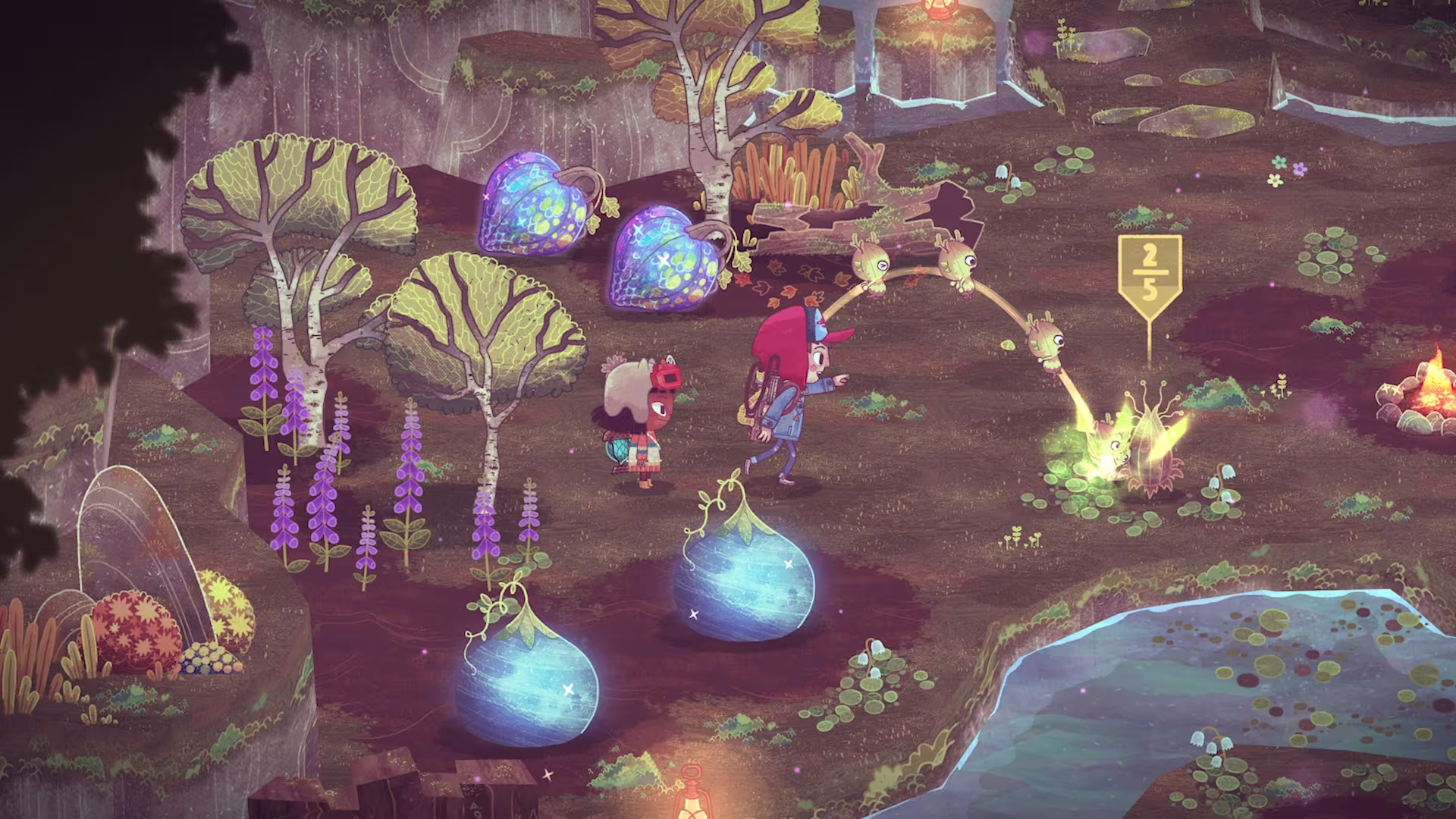
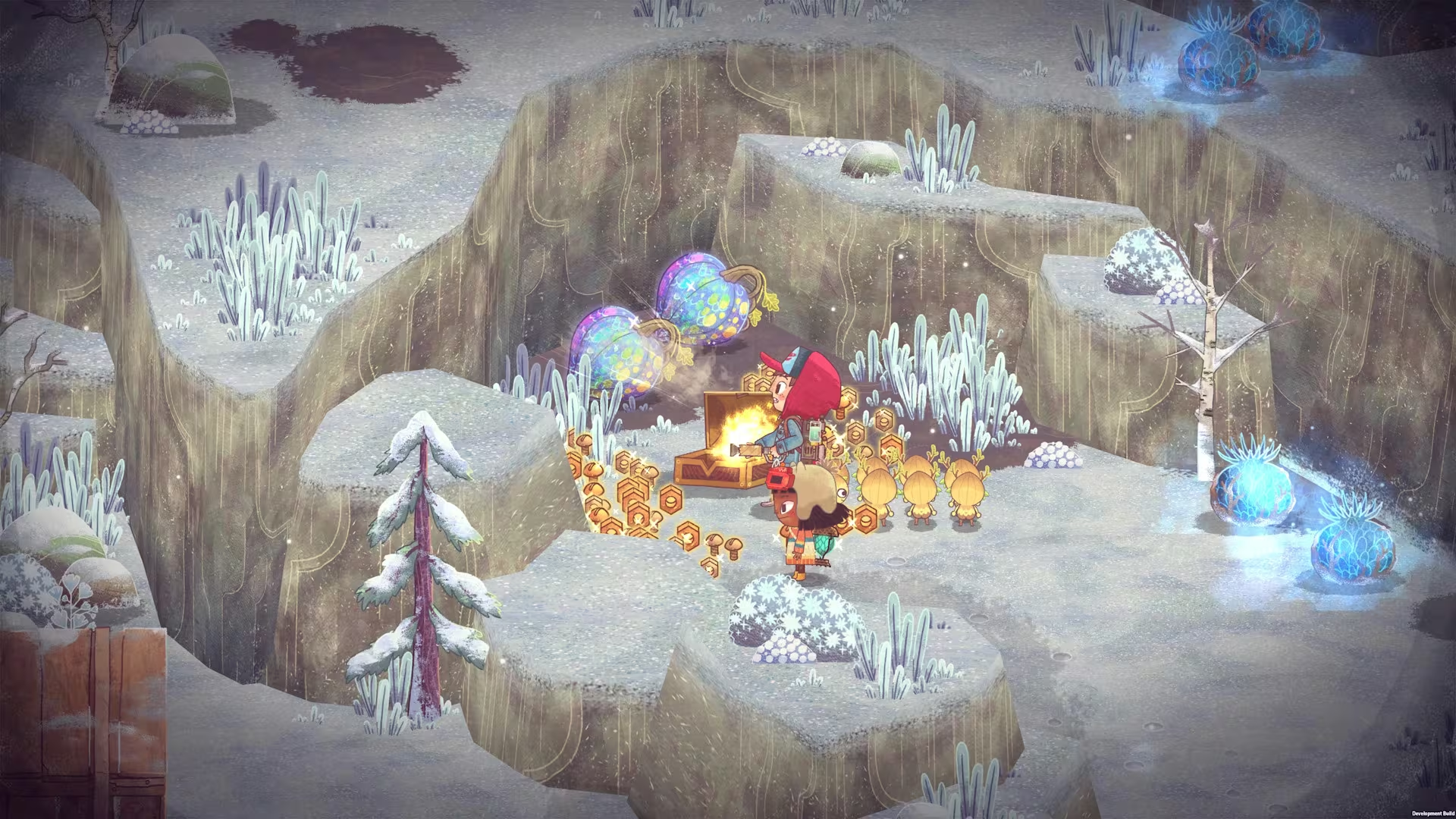
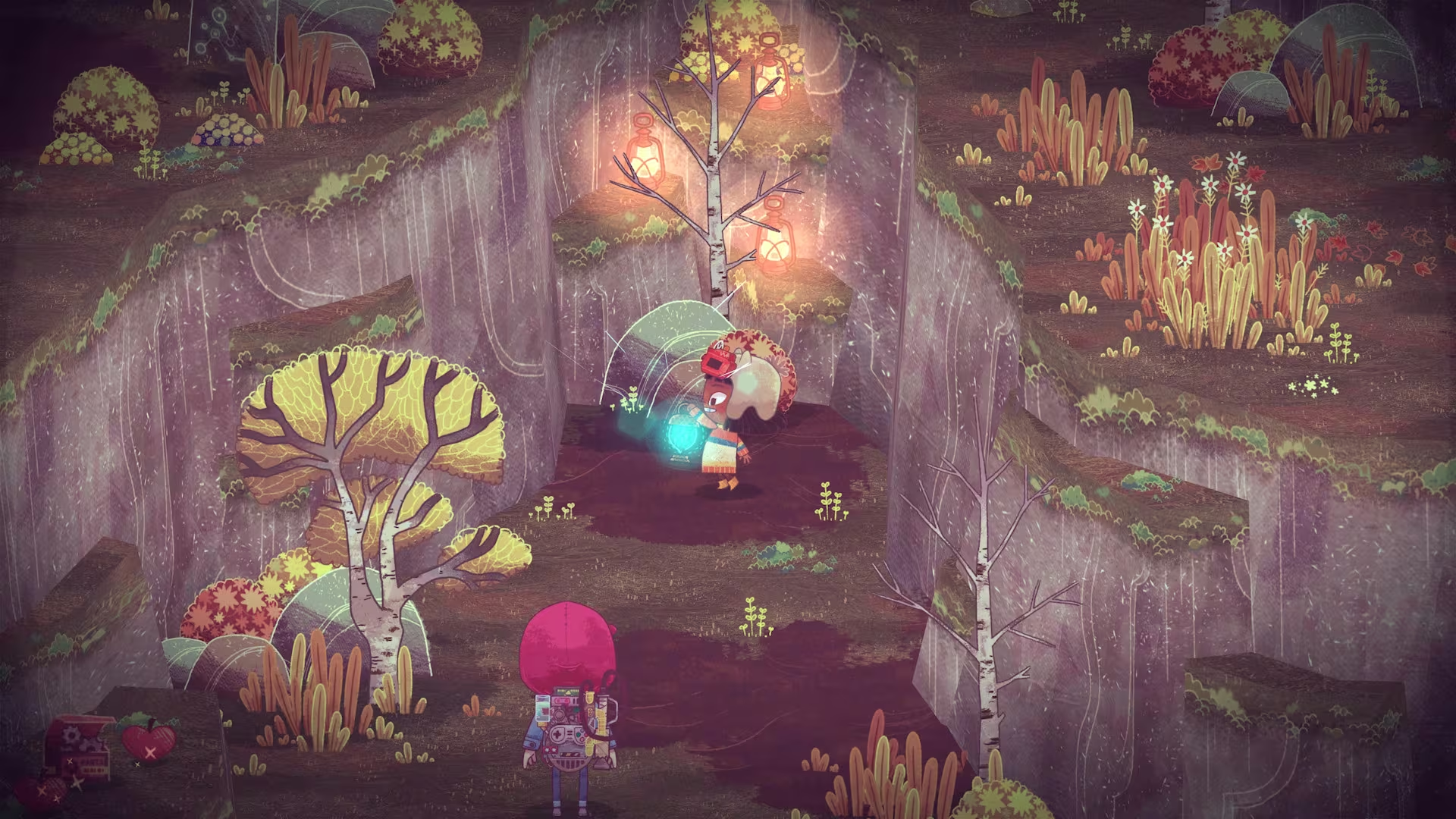
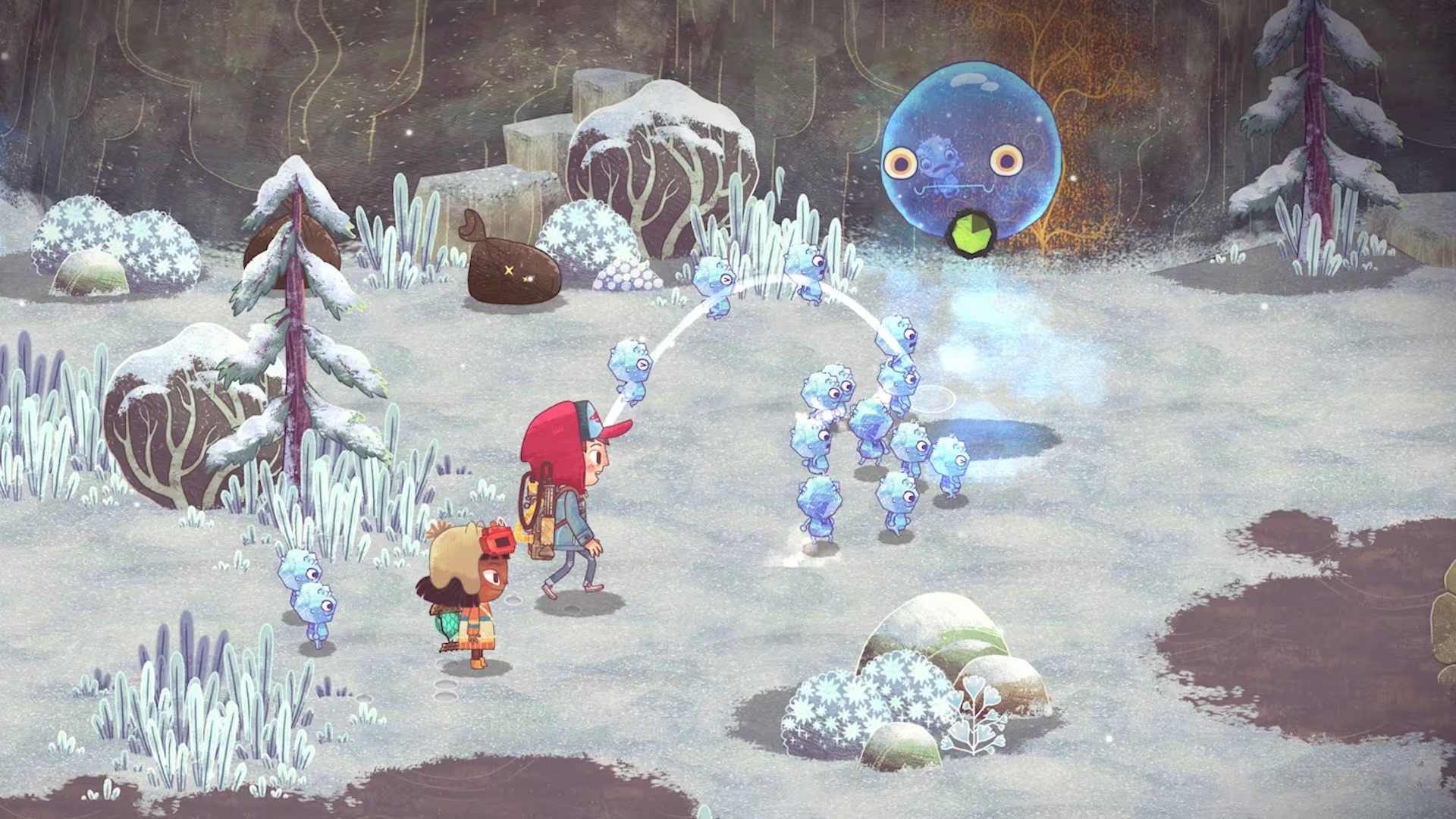
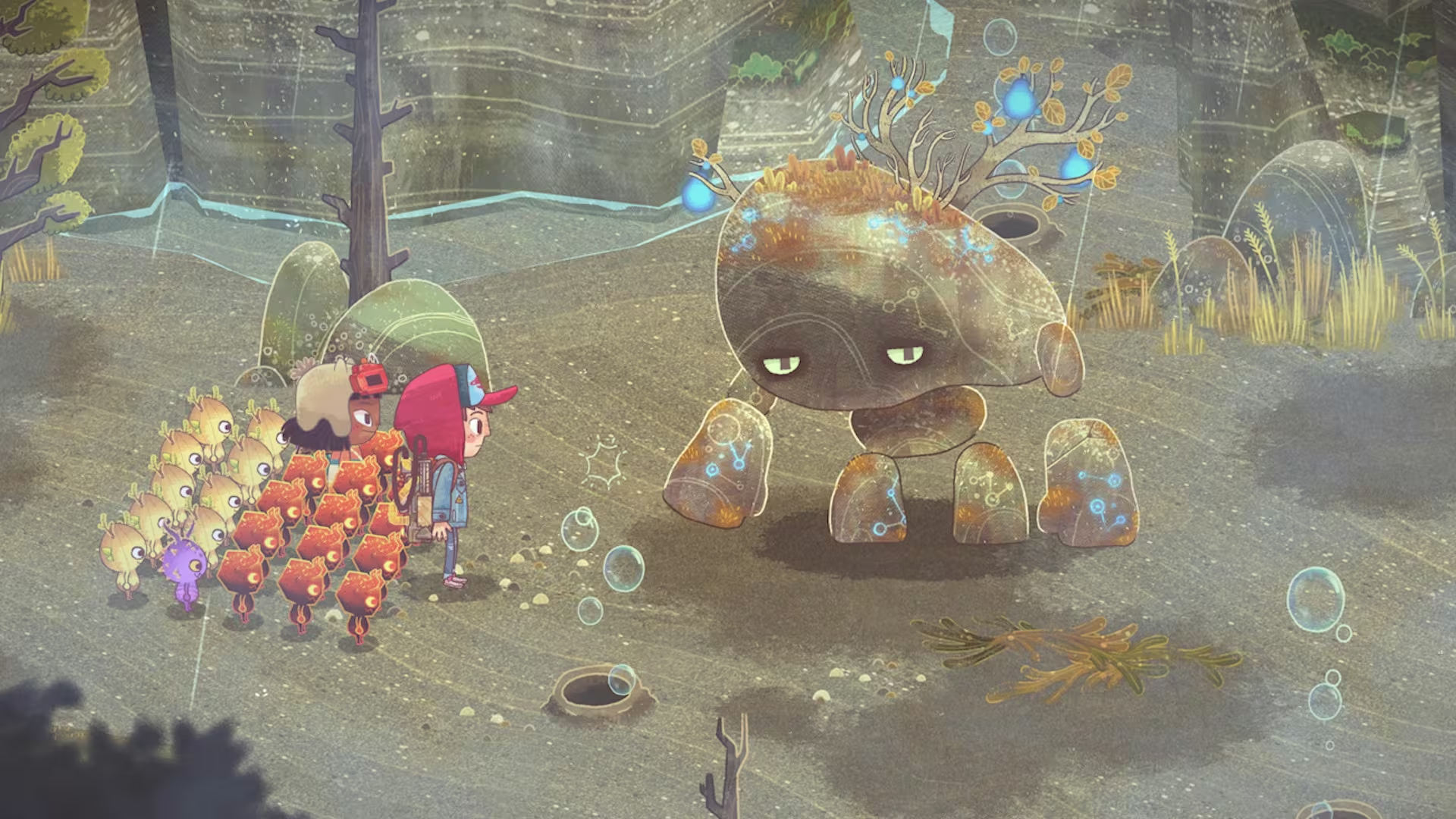
Wield an ever-growing herd of quirky creatures to rebuild broken paths, battle perilous beasts, and solve peculiar puzzles in a rich, interconnected world. Join two young runaways as they unravel the mysteries of a lost realm in this nostalgic storybook fantasy!

Global score

95/100

Genres

Adventure, Indie, Strategy, Puzzle

Similar games

    Pros

    • Beautiful art and music
    • Engaging puzzles and exploration
    • Relaxing and cozy atmosphere
    • Meaningful story and characters
    • Accessible gameplay with difficulty options

    Cons

    • Combat is simplistic and sometimes tedious
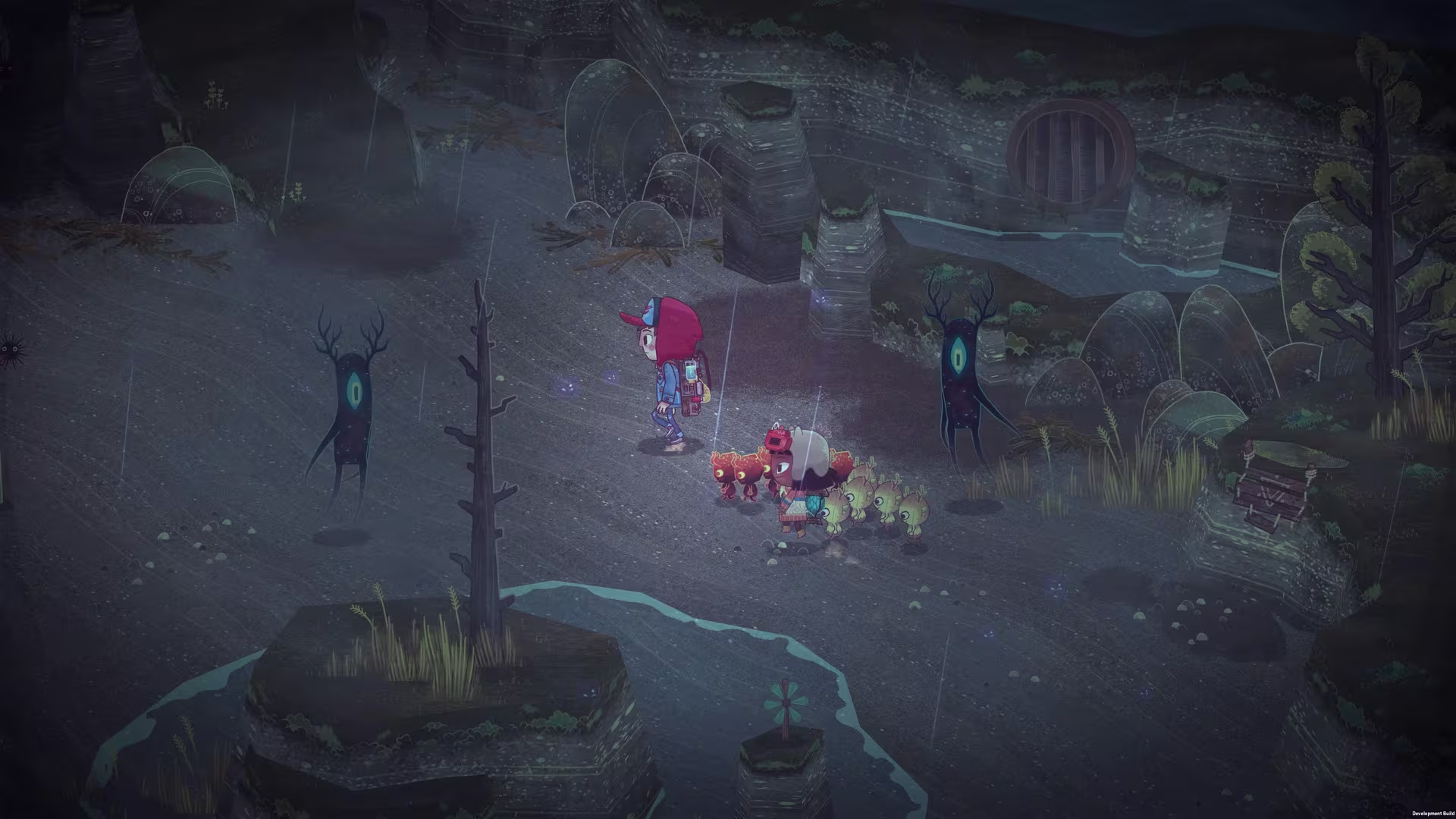
    • Night cycle can feel artificial and restrictive
    • Some bugs and control clunkiness reported
    • Story pacing and depth could be improved
    • Limited replayability after completion

    Analysis

    Broadly representative of its motivational profile, with a few distinct shifts. Motivations that often define this kind of title include Leadership, Survival, Violence, Strategy. Here, the score leans higher than usual among comparable games on Relaxation, Exploration. It leans lower than usual among comparable games on Violence.

    How to use the graph
    Similar games map

    Each dot is a game. They are arranged from the same motivation profile as in the “Motivations” section below. Closer dots usually mean more similar reasons to play (exploration, competition, relaxation, etc.)—not that one game is “better” than another.

    • Larger dot with a light outline: the game you are viewing.
    • Colour: groups of games with comparable motivation patterns (statistical clusters).
    • Hover a dot to see the game name; click to open its page.
    • Scroll or double-click the chart to zoom out and see more games.

    Why don’t the axes read like a score? This view uses t-SNE: it only keeps who is close to whom. The scales are not “good to bad” or hours played—they separate groups on the map. Read distance between dots, not the axis numbers.

    Motivations

    • Autonomy
      4

      "Players have freedom to explore, choose difficulty modes, and decide how to use Spritelings and resources."

    • Competence
      3

      "Engaging puzzles and some combat challenges provide skill tests and feedback, though combat is relatively simple."

    • Competition
      -4

      "Focus is on personal exploration and puzzle solving without competitive elements or leaderboards."

    • Continuation
      4

      "Many players report long play sessions, addiction to exploration, and desire to complete achievements."

    • Cooperation
      -3

      "Gameplay centers on individual control of characters and Spritelings, with no multiplayer or team play."

    • Creativity
      3

      "Players experiment with different Spritelings and strategies to solve puzzles and explore, though within set mechanics."

    • Domination
      -5

      "Interactions are cooperative and equal; no evidence of exerting control or superiority over others."

    • Escapism
      4

      "Players use the game as a relaxing, immersive escape with beautiful art and soothing music."

    • Expectation
      -4

      "Players engage voluntarily out of intrinsic interest and enjoyment rather than obligation."

    • Experimenting
      3

      "Players try different Spritelings and approaches to puzzles, exploring new areas and mechanics."

    • Exploration
      5

      "Strong emphasis on discovering new areas, secrets, and backtracking with new abilities."

    • Expression
      2

      "Some customization in choosing Spritelings and marking maps, but limited avatar or environment personalization."

    • Fantasy
      4

      "Imaginative world with magical creatures, whimsical story, and fantasy elements."

    • Fellowship
      -4

      "Primarily a solo experience with minimal social interaction or community involvement."

    • Growth
      3

      "Players learn puzzle solutions, character abilities, and game mechanics progressively."

    • Health
      -5

      "Sedentary gameplay with no physical activity or health-related features."

    • Idle
      -3

      "Requires focused attention on puzzles, exploration, and resource management; not idle or background play."

    • Intimacy
      -4

      "Limited emotional connection mostly through story and characters, but no close social relationships."

    • Leadership
      3

      "Players lead and manage groups of Spritelings to solve puzzles and combat enemies."

    • Progression
      4

      "Players collect resources, unlock new Spritelings, and gain upgrades to advance."

    • Relaxation
      4

      "Many reviews highlight relaxing music, art, and chill gameplay despite some tension from night cycle."

    • Sensation
      3

      "Enjoyable visual and auditory aesthetics provide sensory pleasure and emotional engagement."

    • Status
      -4

      "No social recognition or competitive ranking; focus is on personal experience."

    • Story
      3

      "Narrative is meaningful and integrated with gameplay, though some find it light or incomplete."

    • Strategy
      3

      "Players use logic and planning to solve puzzles and manage Spritelings effectively."

    • Thrill
      1

      "Some tension from night cycle and boss fights, but overall gameplay is calm and low risk."

    • Value
      4

      "Players feel the game offers good content, length, and enjoyment for the price."

    • Violence
      -3

      "Combat exists but is light and non-gory; focus is more on puzzle-solving and exploration."

    • Survival
      2

      "Nighttime threats and resource management add survival elements, but consequences are forgiving."

    Last update: 29/04/2026