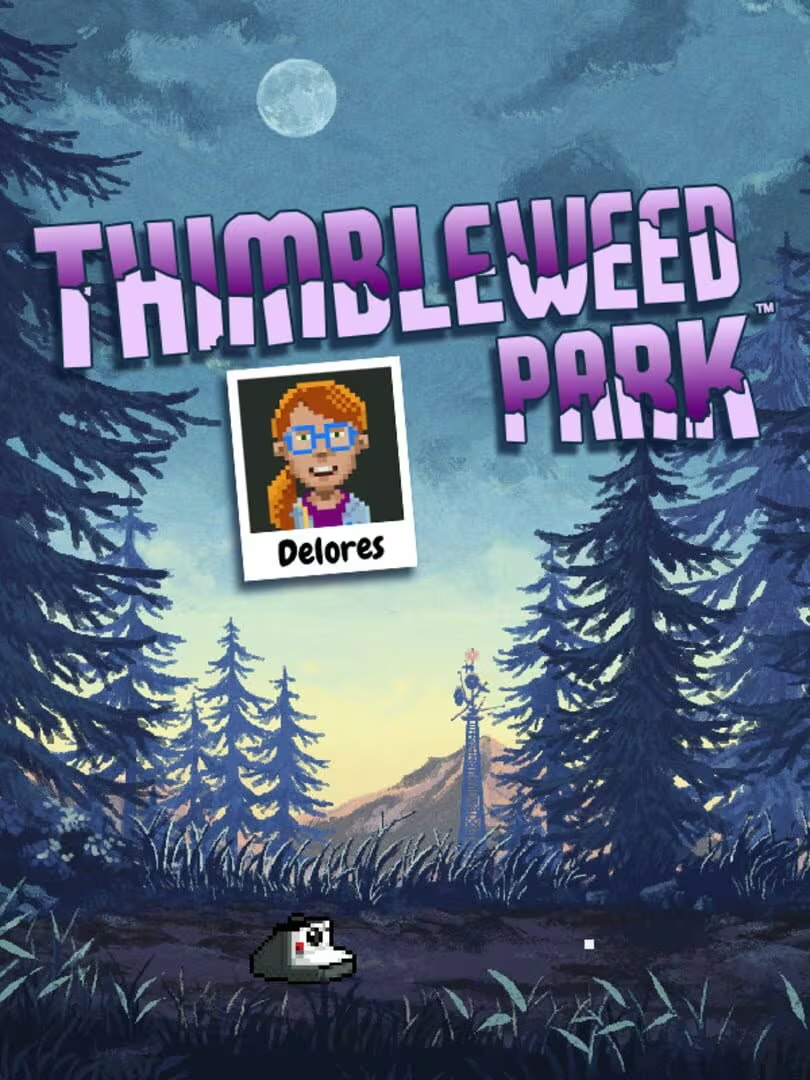
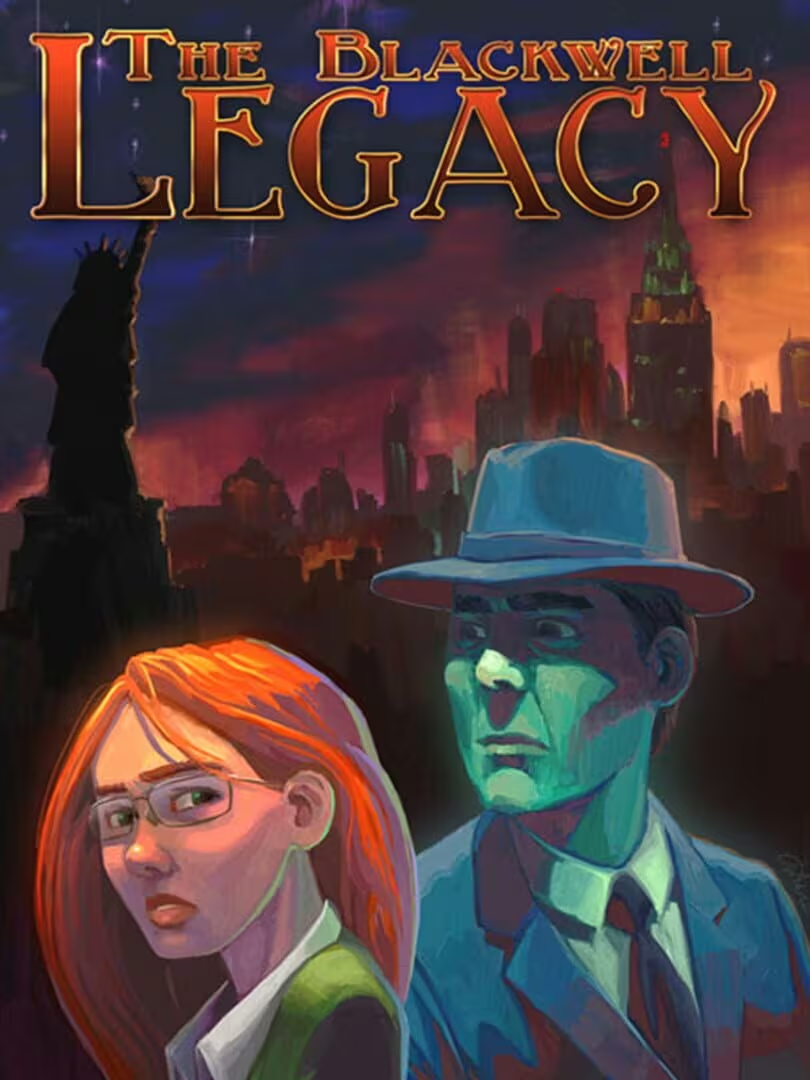
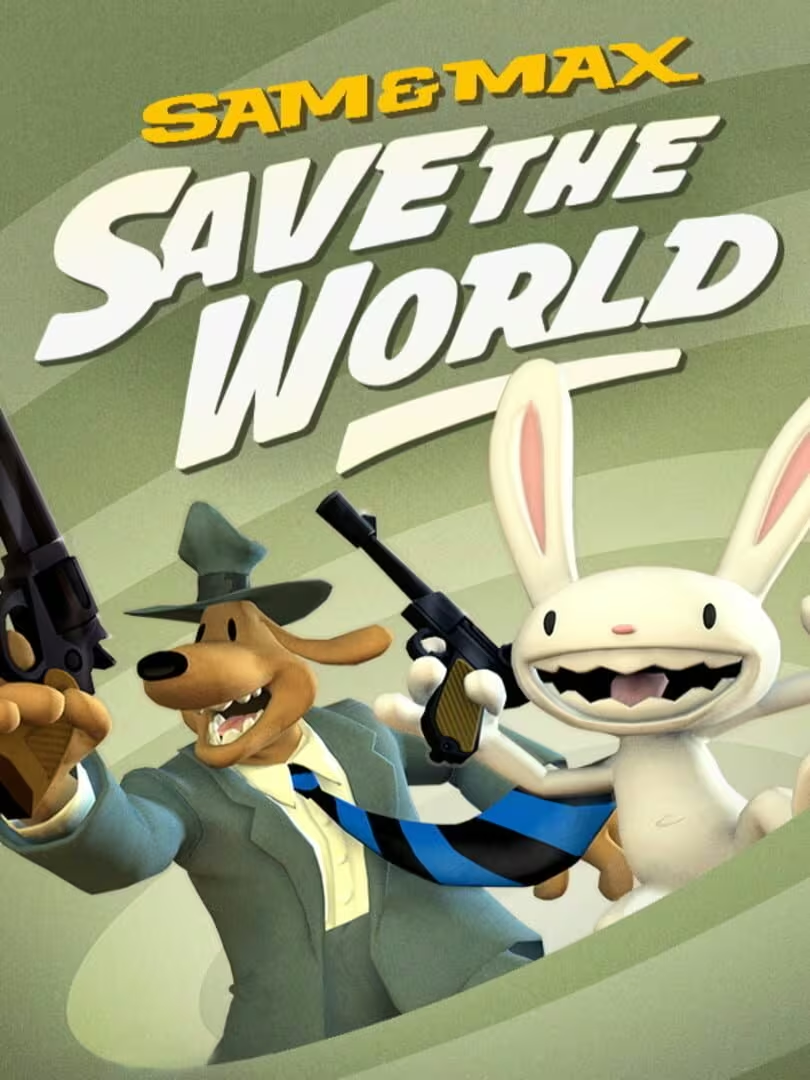
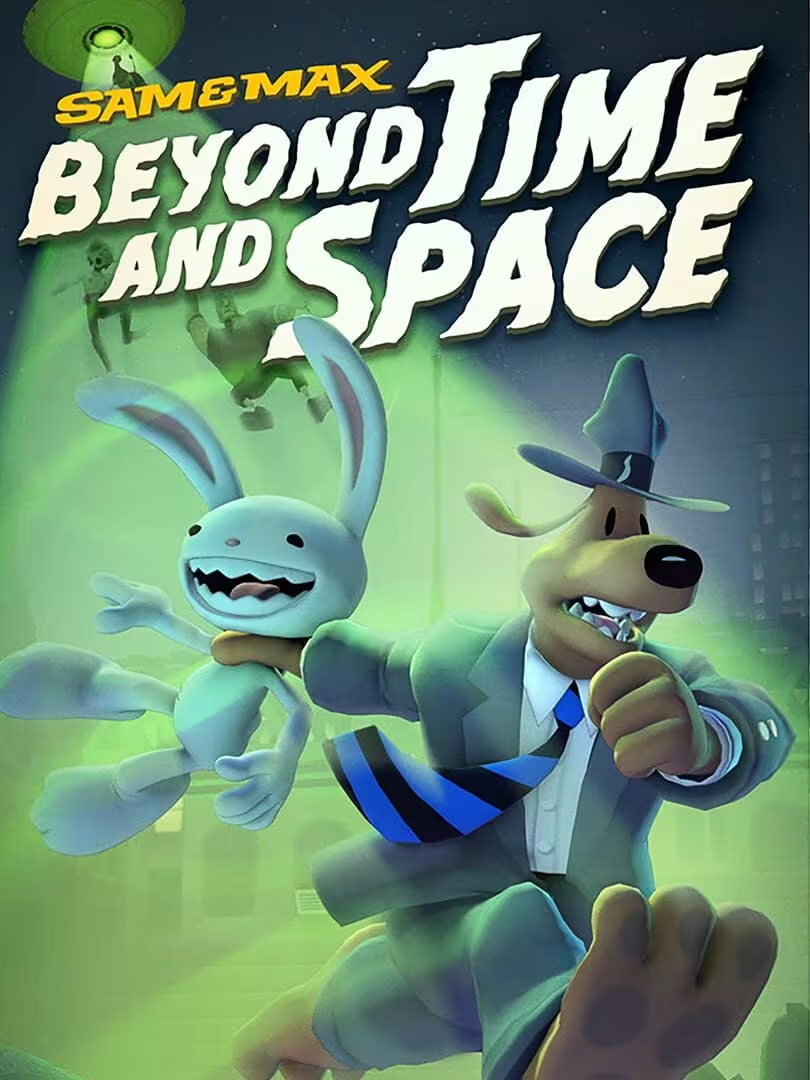
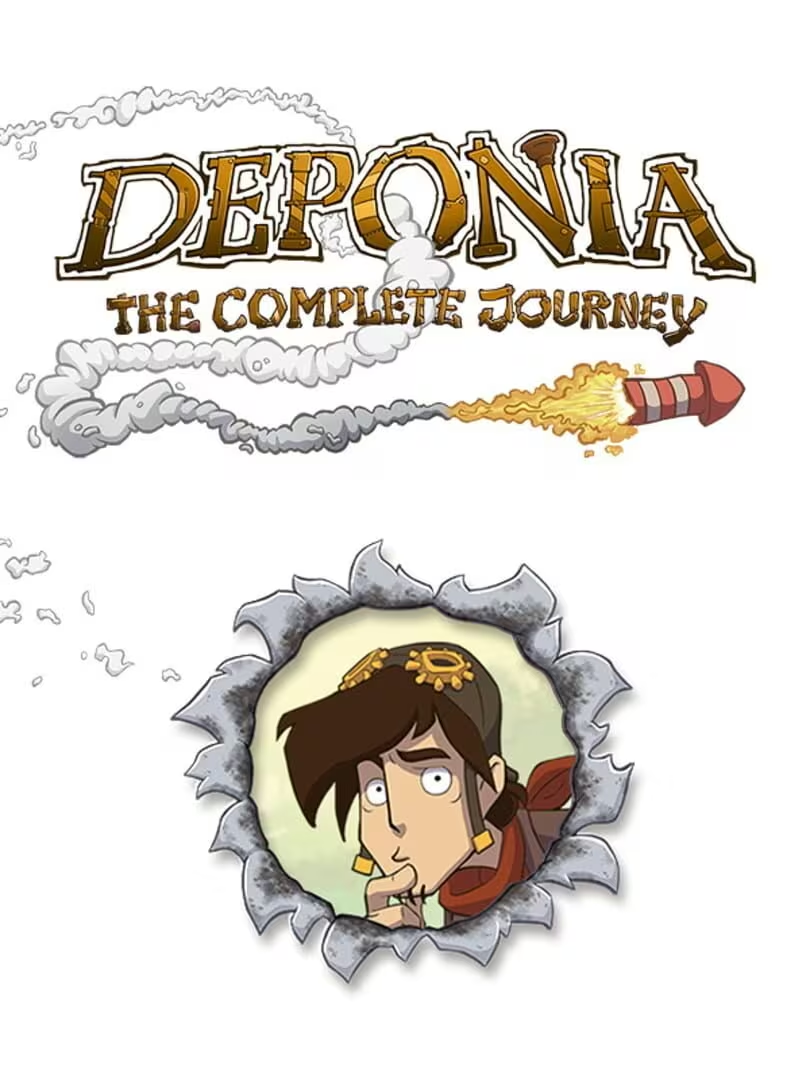
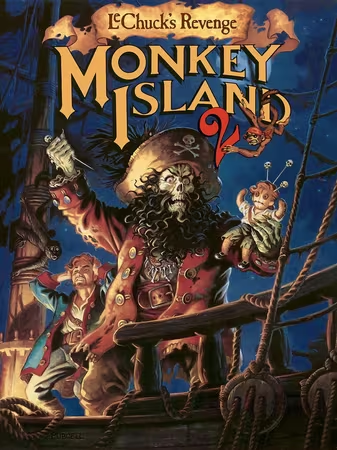
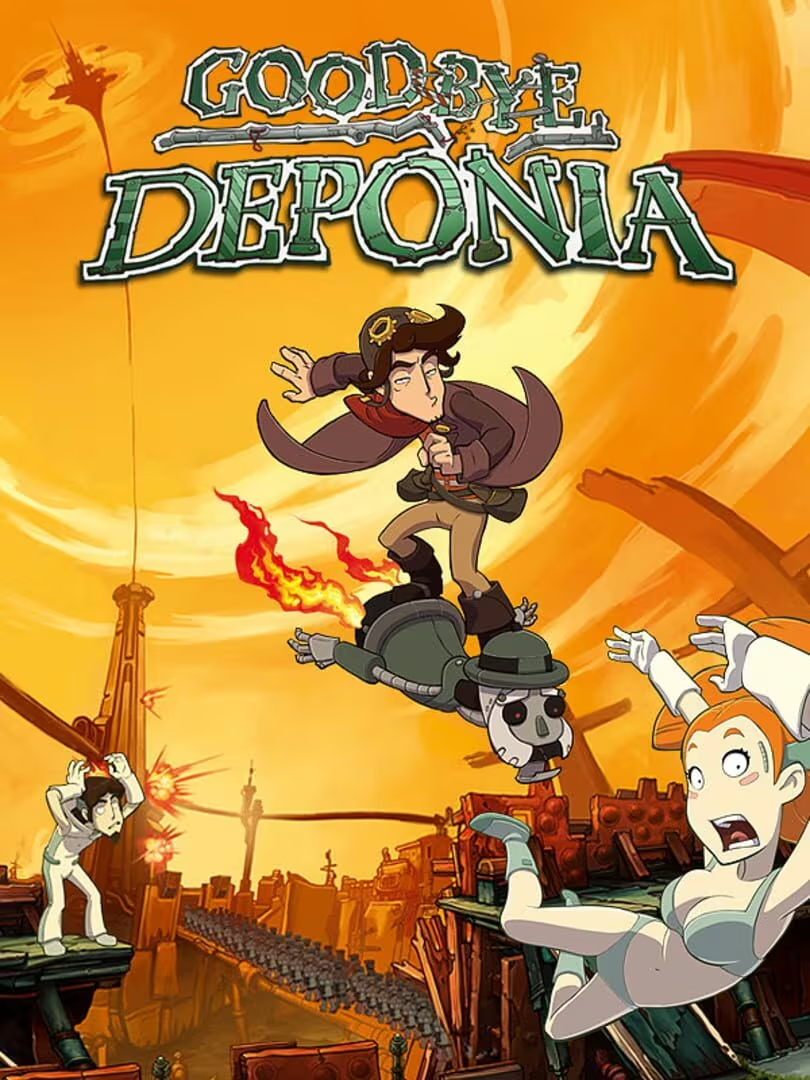
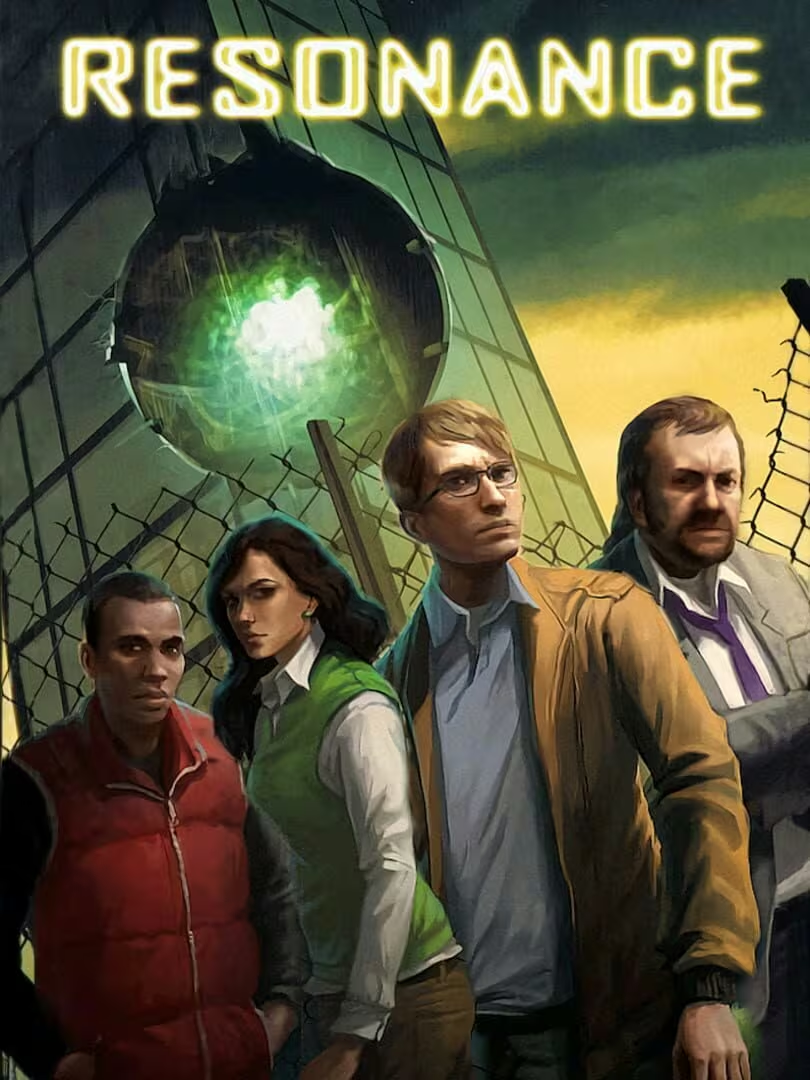
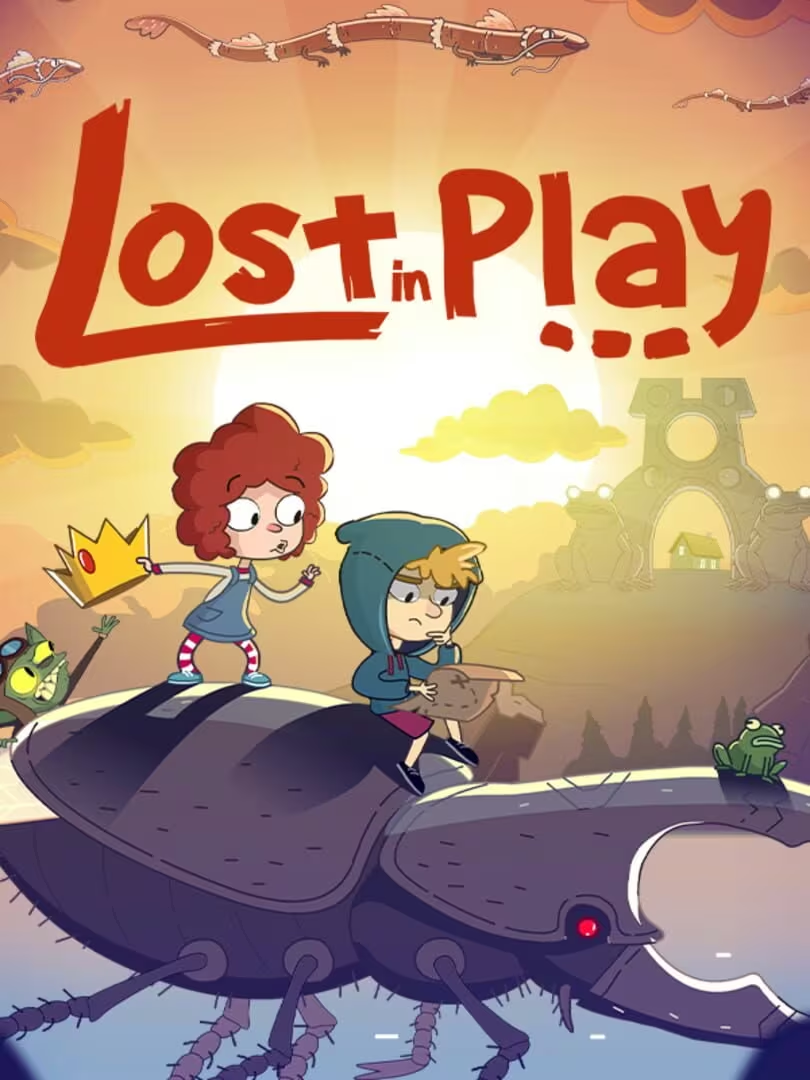
Thimbleweed Park™ Thumbnail

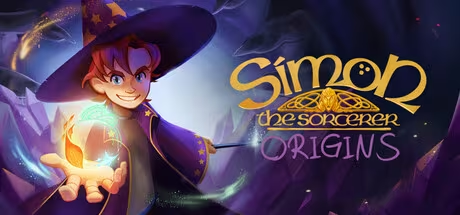
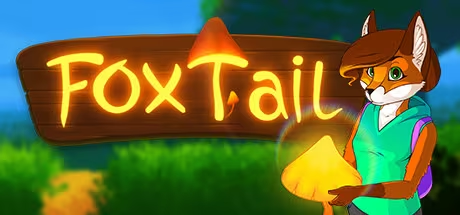
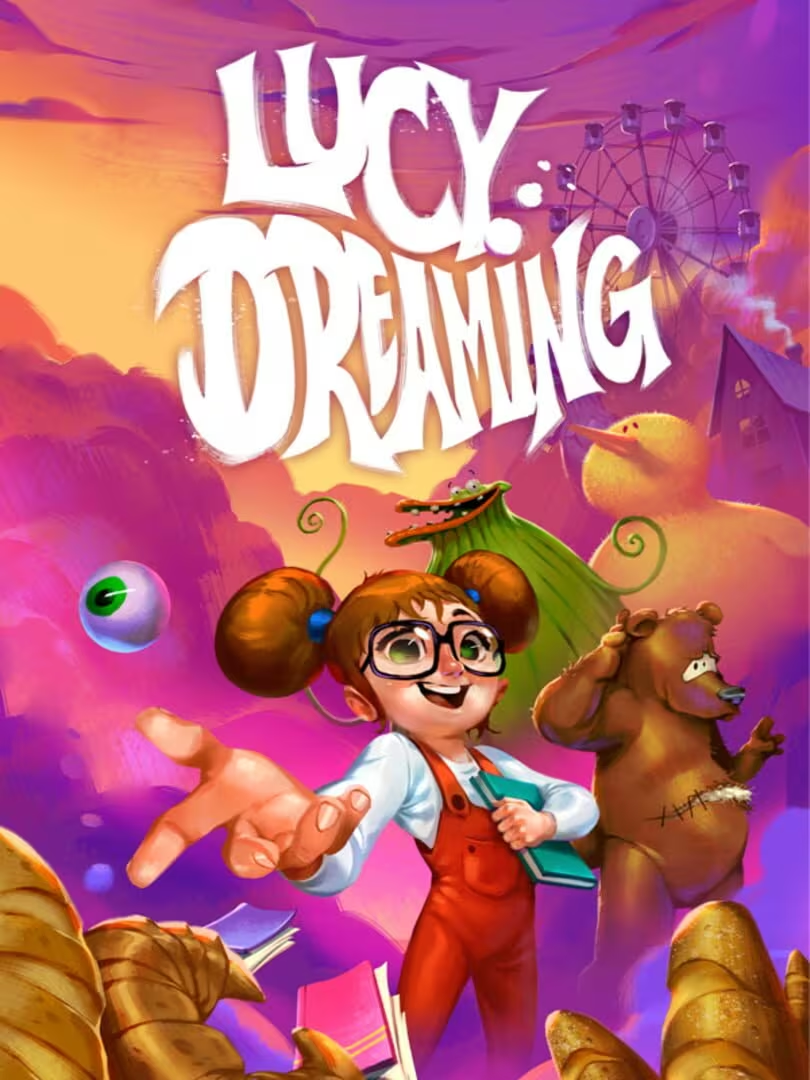
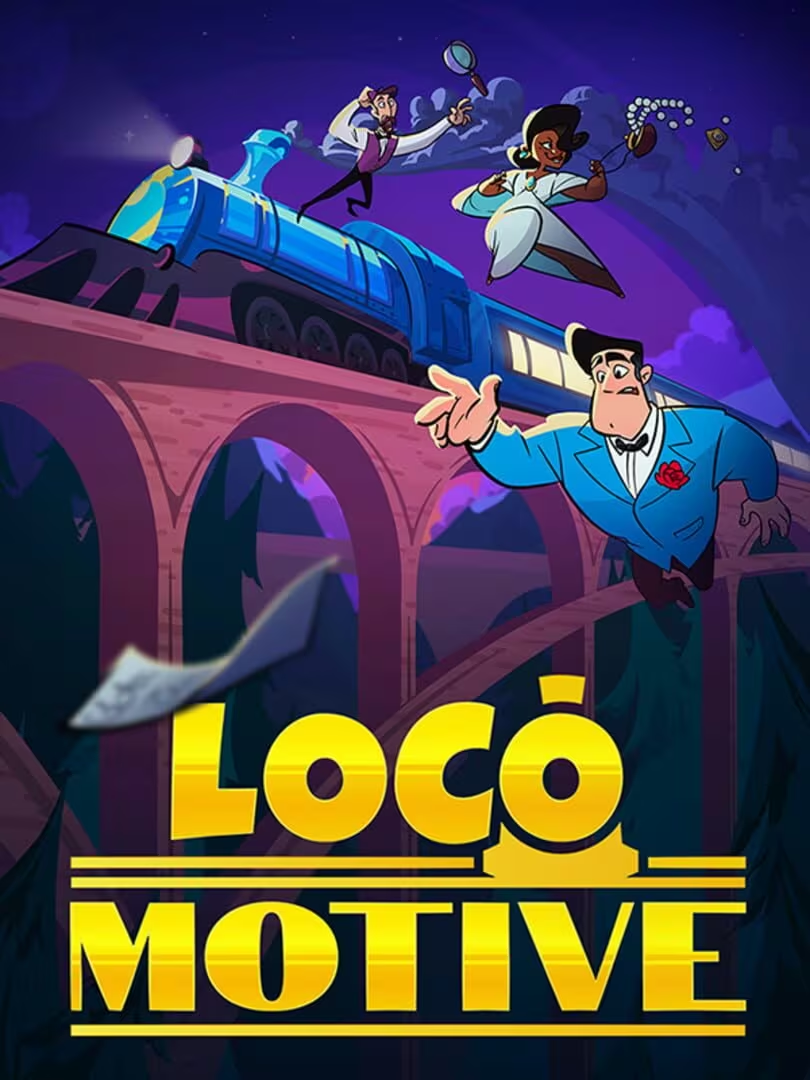
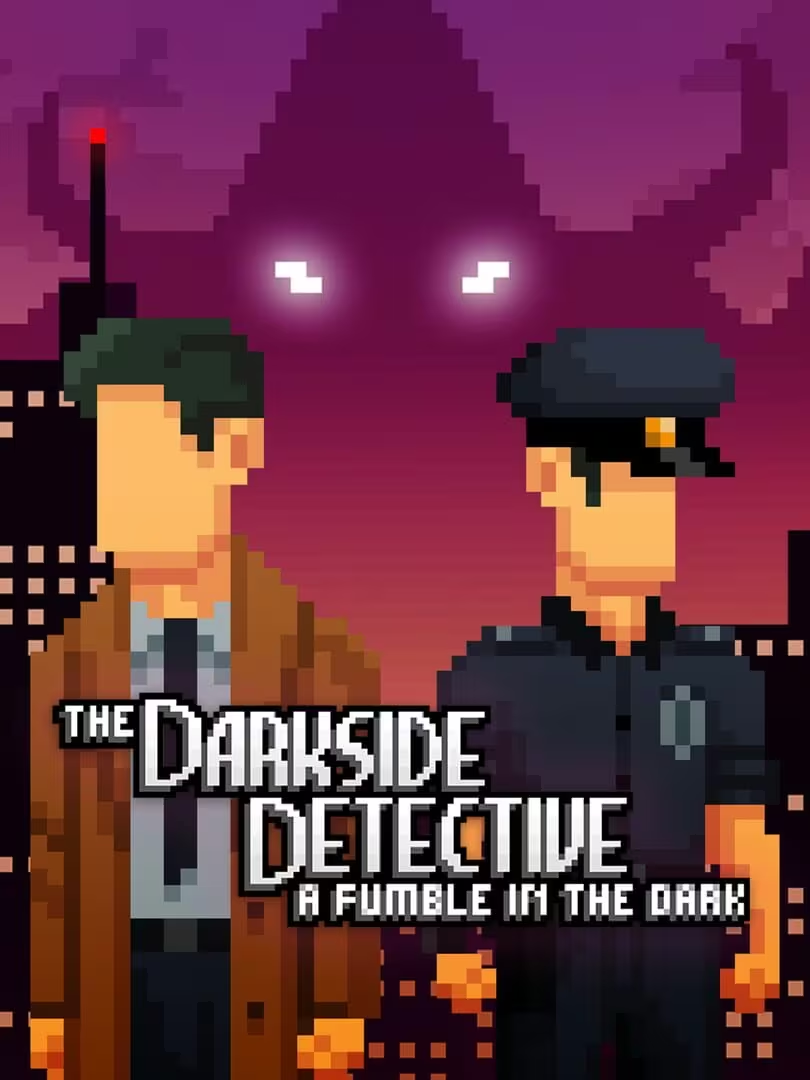
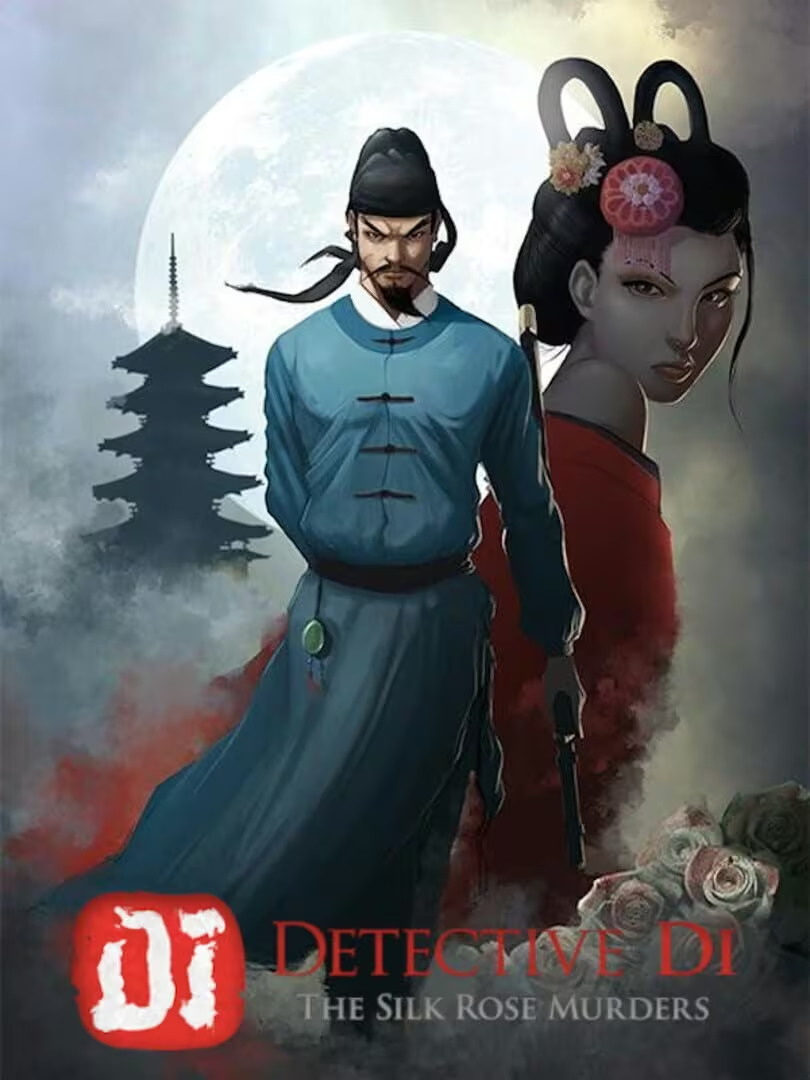
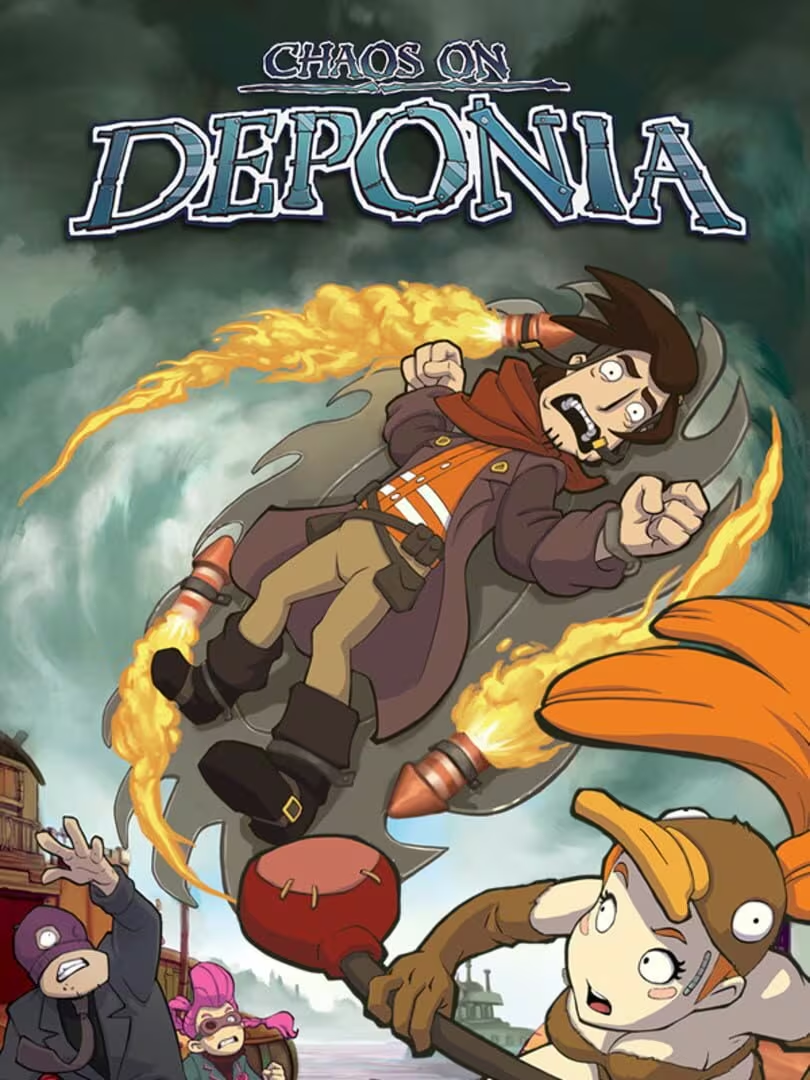
Thimbleweed Park™ similar games & best alternatives
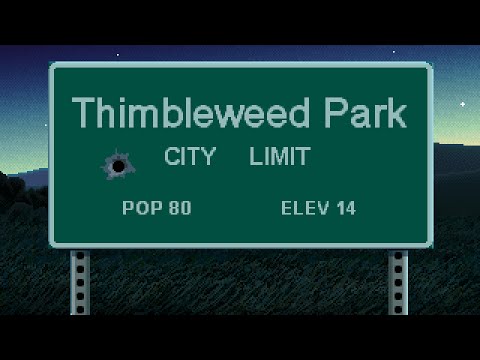
Thimbleweed Park™

PC (Microsoft Windows), Mac, iOS, PlayStation 4, Xbox One, Android, Nintendo Switch, Linux • 2017

Related articles

Quick resume

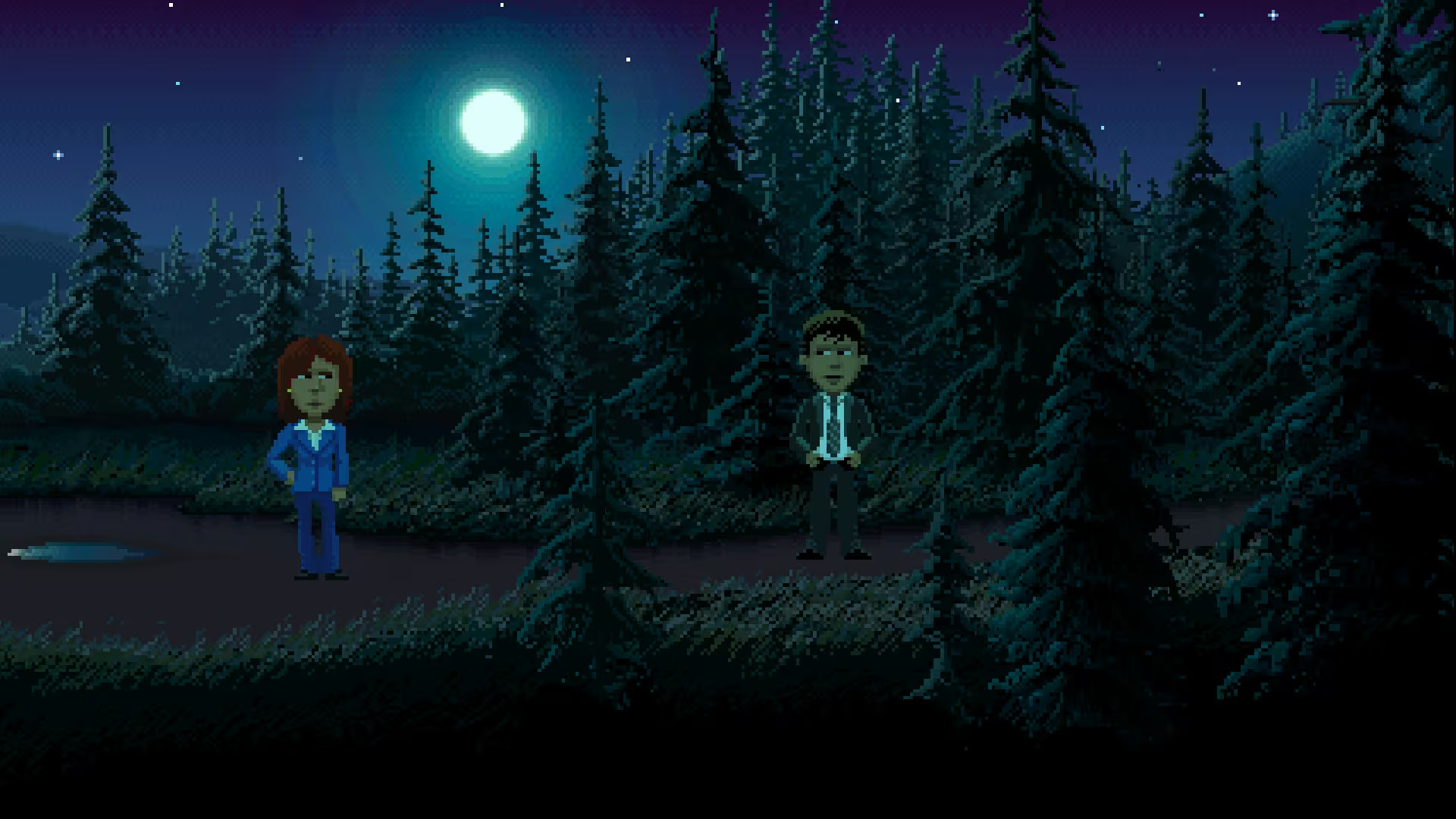
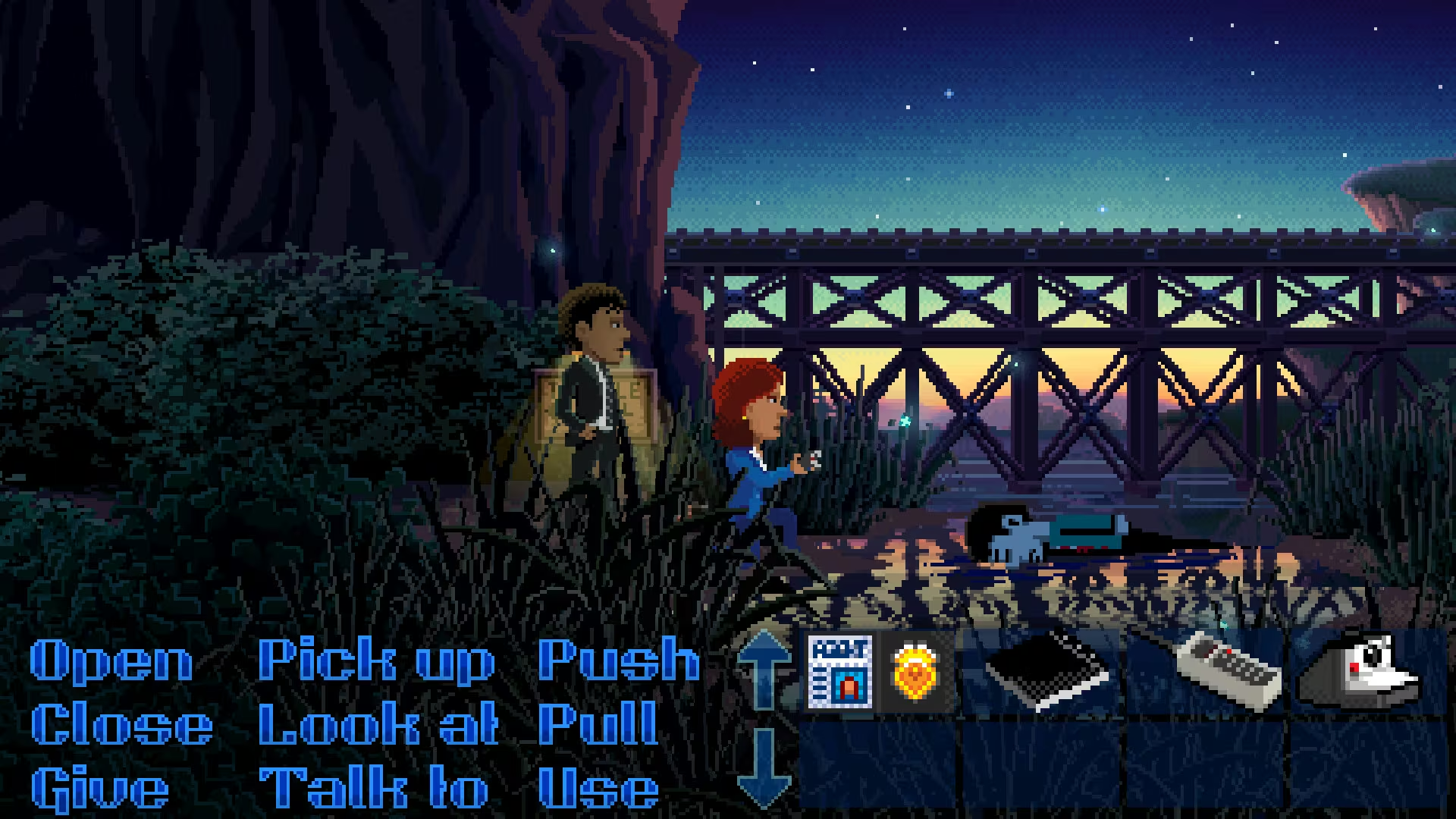
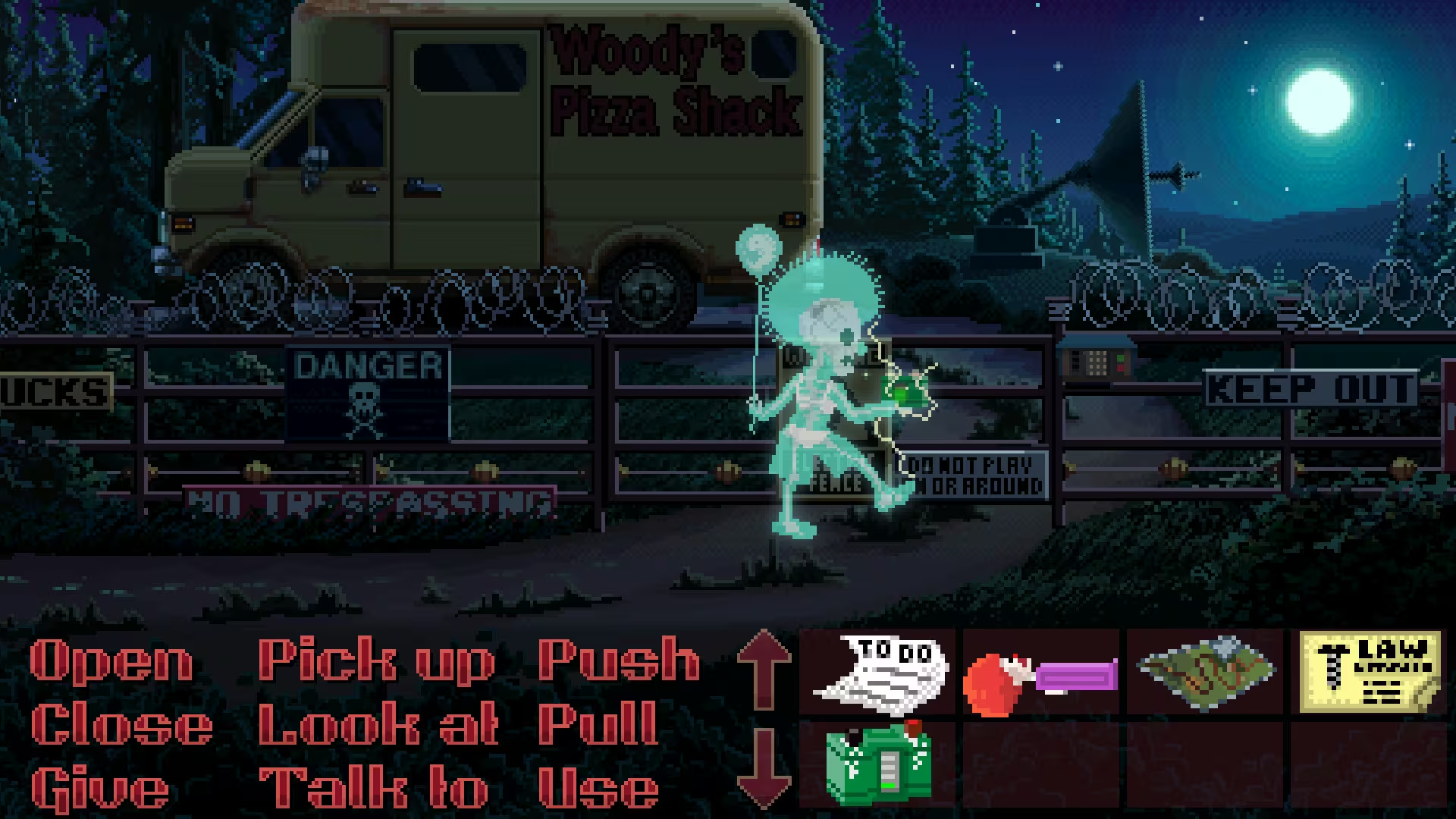
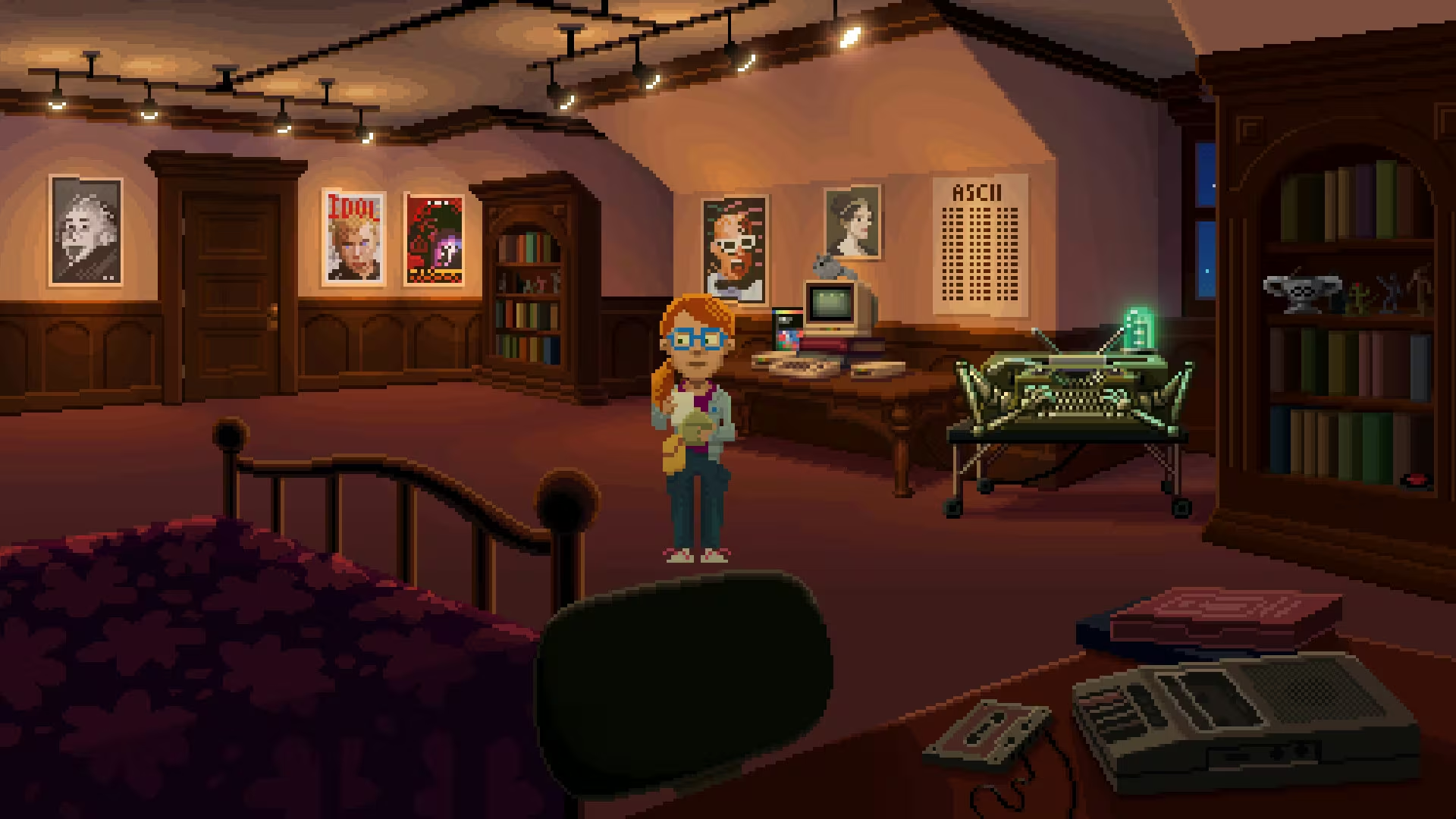
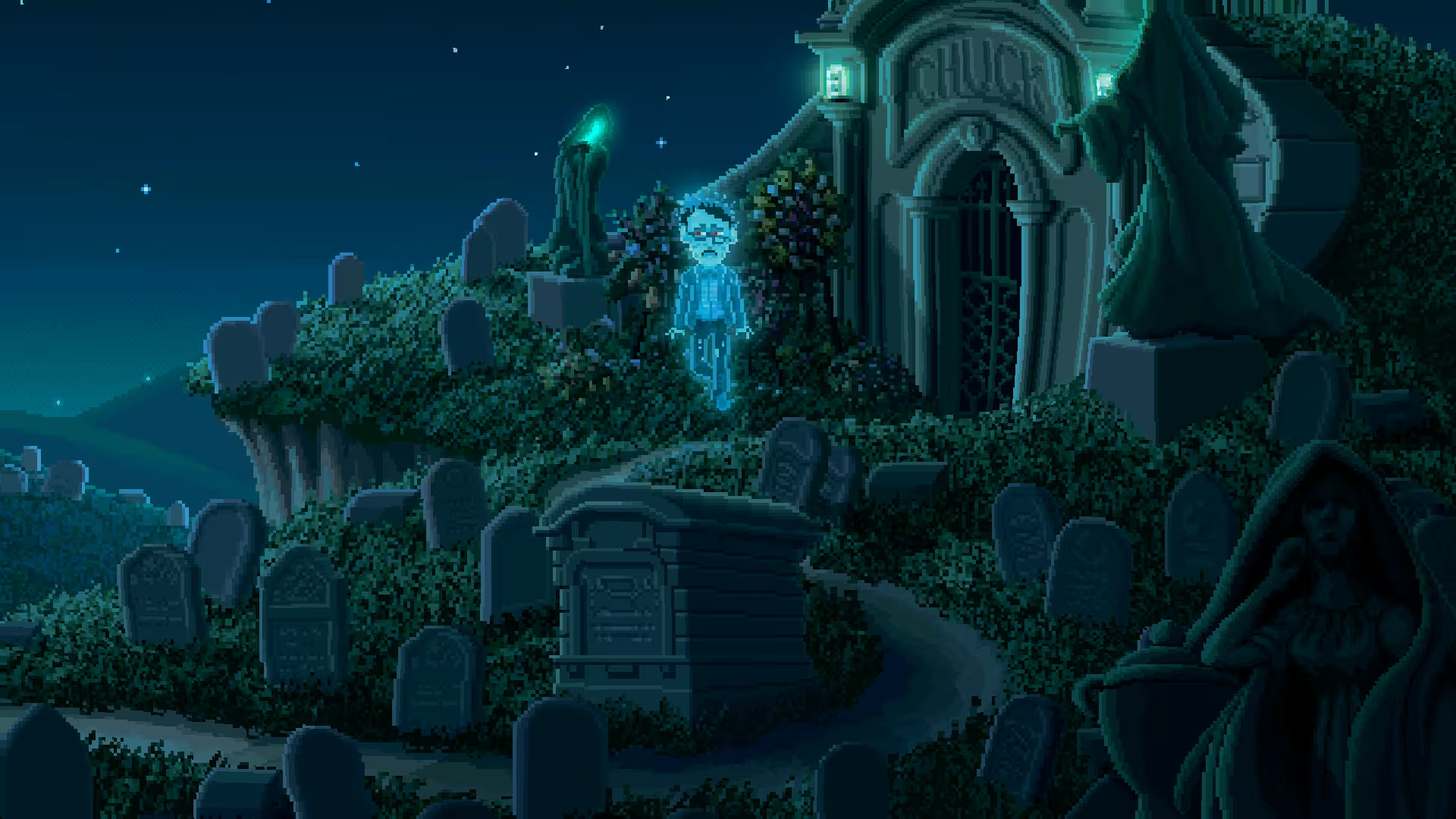
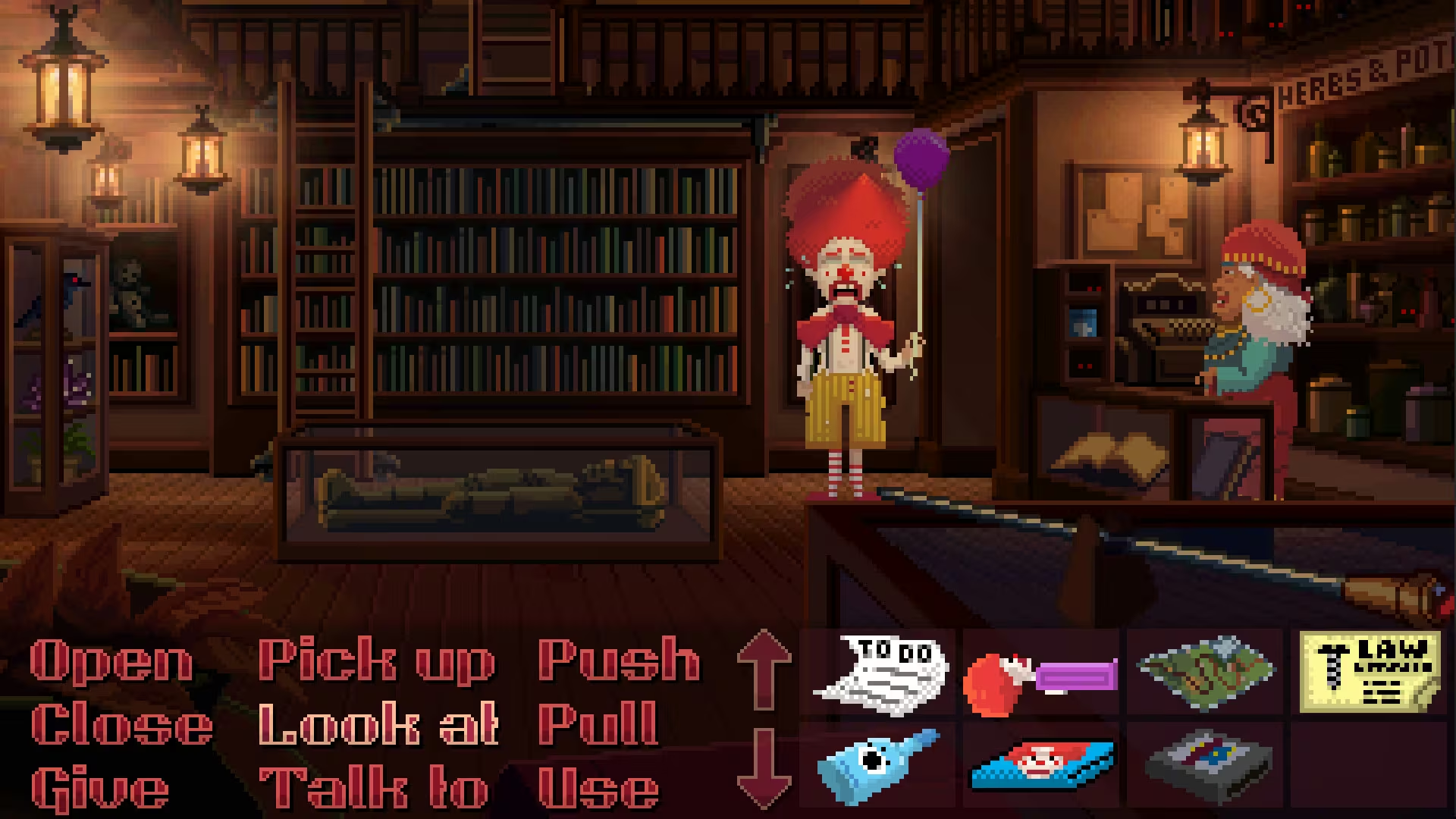
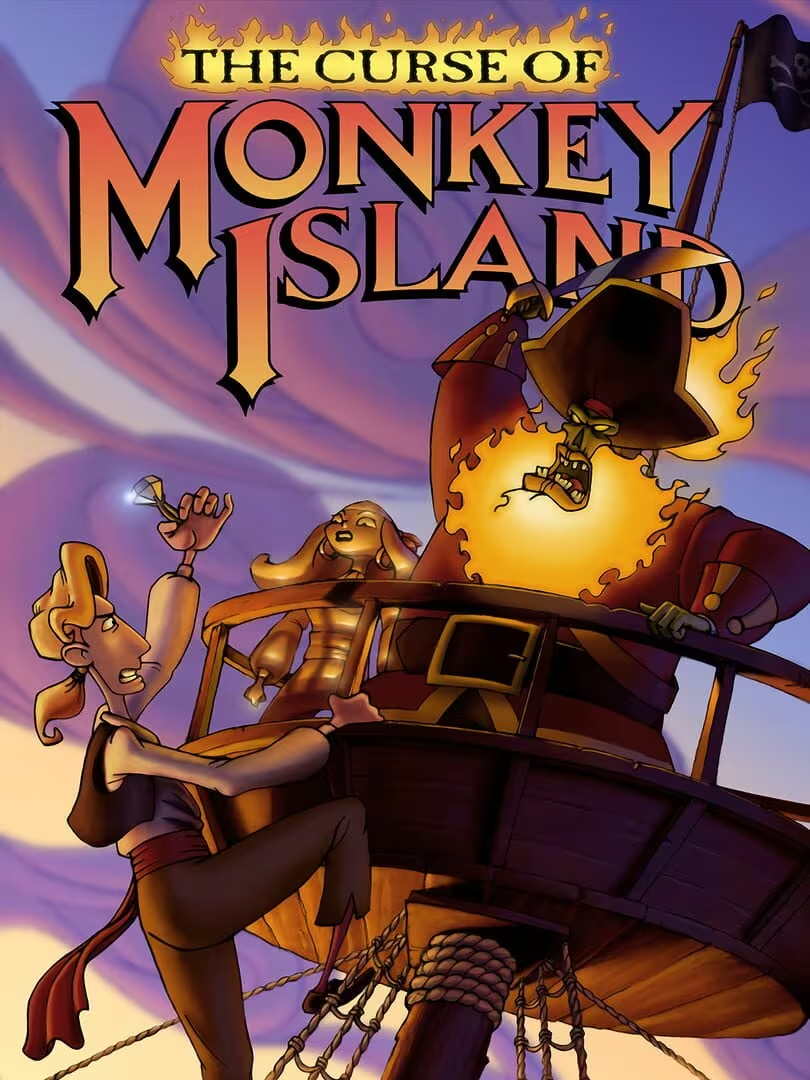
In Thimbleweed Park, a dead body is the least of your problems. Switch between five playable characters to uncover the surreal secrets of this strange town in a modern mystery adventure game from the creators of Monkey Island and Maniac Mansion. The deeper you go, the weirder it gets.

Global score

93/100

Genres

Adventure, Indie, Puzzle, Point-and-click

Similar games

    Pros

    • Nostalgic homage to classic lucasarts adventure games
    • Engaging and logical puzzles
    • Strong narrative and character development
    • Multiple playable characters with unique roles
    • Built-in hint system to aid progression

    Cons

    • Some puzzles can be frustrating or illogical
    • Ending and story resolution divisive among players
    • Occasional slow pacing and backtracking
    • Limited character customization or expression
    • Some ui and control quirks

    Analysis

    Broadly representative of its motivational profile, with a few distinct shifts. Motivations that often define this kind of title include Survival, Violence, Fellowship, Expression. Here, the score leans higher than usual among comparable games on Cooperation, Thrill. It leans lower than usual among comparable games on Sensation.

    How to use the graph
    Similar games map

    Each dot is a game. They are arranged from the same motivation profile as in the “Motivations” section below. Closer dots usually mean more similar reasons to play (exploration, competition, relaxation, etc.)—not that one game is “better” than another.

    • Larger dot with a light outline: the game you are viewing.
    • Colour: groups of games with comparable motivation patterns (statistical clusters).
    • Hover a dot to see the game name; click to open its page.
    • Scroll or double-click the chart to zoom out and see more games.

    Why don’t the axes read like a score? This view uses t-SNE: it only keeps who is close to whom. The scales are not “good to bad” or hours played—they separate groups on the map. Read distance between dots, not the axis numbers.

    Motivations

    • Autonomy
      4

      "Players control multiple characters with their own inventories and objectives, freely switching and exploring the world non-linearly."

    • Competence
      3

      "Puzzles are logical but challenging, requiring skillful problem solving and occasional use of hints."

    • Competition
      -4

      "Focus is on personal puzzle solving and story progression without player-vs-player or leaderboard elements."

    • Continuation
      3

      "Long playtime (15-25 hours), with players often replaying in different modes and seeking achievements."

    • Cooperation
      2

      "Players manage multiple characters who must collaborate to solve puzzles, though this is a single-player experience."

    • Creativity
      2

      "Players combine items and explore multiple solutions, though within a structured puzzle framework."

    • Domination
      -5

      "No evidence of exerting control over others; gameplay is single-player and cooperative with oneself."

    • Escapism
      4

      "Players enjoy immersive story, humor, and nostalgic atmosphere as a form of escapism."

    • Expectation
      -4

      "Players engage voluntarily out of personal interest and nostalgia for classic adventure games."

    • Experimenting
      3

      "Players try different item combinations and character interactions to solve puzzles."

    • Exploration
      3

      "Players explore a pixel-art world with multiple locations and hidden secrets."

    • Expression
      -3

      "Limited customization; players use predefined characters and environments without personalization."

    • Fantasy
      3

      "The game features a fictional, quirky world with paranormal elements and imaginative storytelling."

    • Fellowship
      -4

      "Single-player experience with minimal social interaction or community involvement."

    • Growth
      3

      "Players develop problem-solving skills and learn puzzle logic throughout the game."

    • Health
      -5

      "Sedentary gameplay typical of point-and-click adventure games."

    • Idle
      -4

      "Requires focused attention and continuous engagement to solve puzzles and progress."

    • Intimacy
      -4

      "Minimal social or emotional connections beyond character-driven narrative."

    • Leadership
      -5

      "No leadership roles; player manages multiple characters but no group leadership dynamics."

    • Progression
      4

      "Players collect items, unlock new areas, and advance through story chapters."

    • Relaxation
      2

      "Generally balanced challenge with moments of humor and flow, though some frustration reported."

    • Sensation
      1

      "Visual pixel art and voice acting provide moderate sensory stimulation."

    • Status
      -5

      "No social recognition or ranking systems present."

    • Story
      4

      "Strong narrative focus with multiple character arcs and mystery elements."

    • Strategy
      3

      "Requires logical reasoning, planning, and puzzle solving."

    • Thrill
      1

      "Some suspense from mystery elements but overall low risk and tension."

    • Value
      4

      "Long playtime and replayability provide good value for money."

    • Violence
      -5

      "No combat or destruction; gameplay is constructive and puzzle-based."

    • Survival
      -5

      "No survival mechanics or threat avoidance."

    Last update: 29/04/2026