TIS-100 Thumbnail

TIS-100 similar games & best alternatives

TIS-100

Mac, PC (Microsoft Windows), Linux • 2015

Related articles

Quick resume

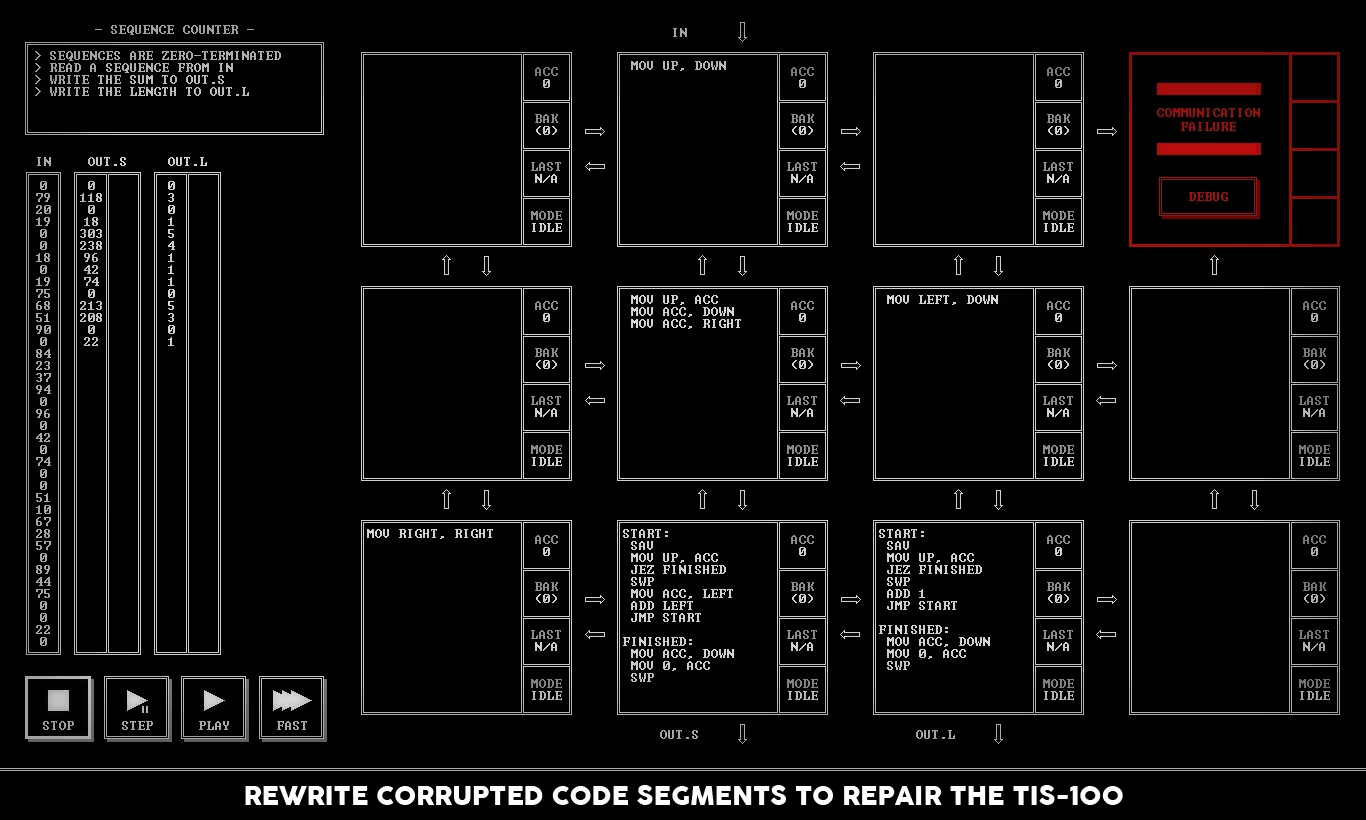
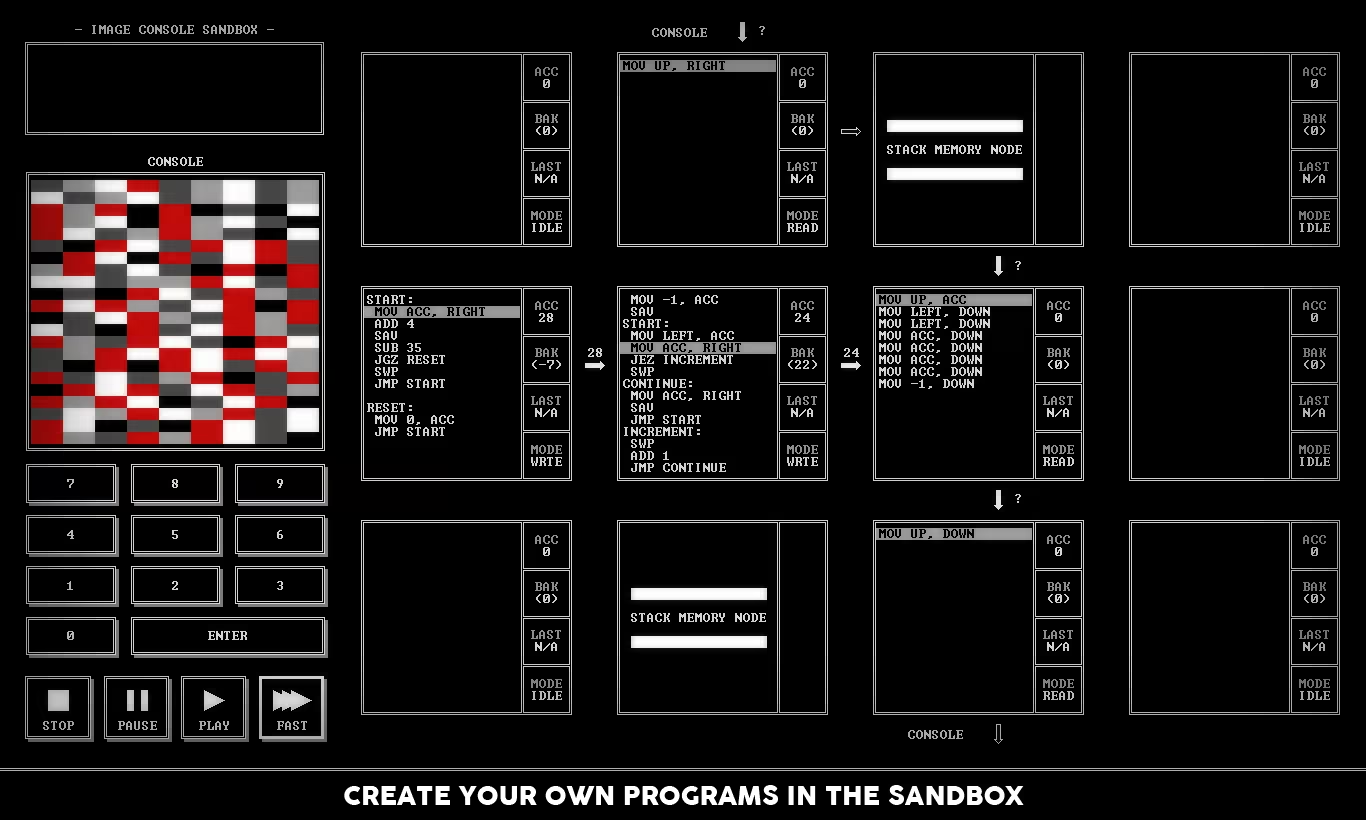
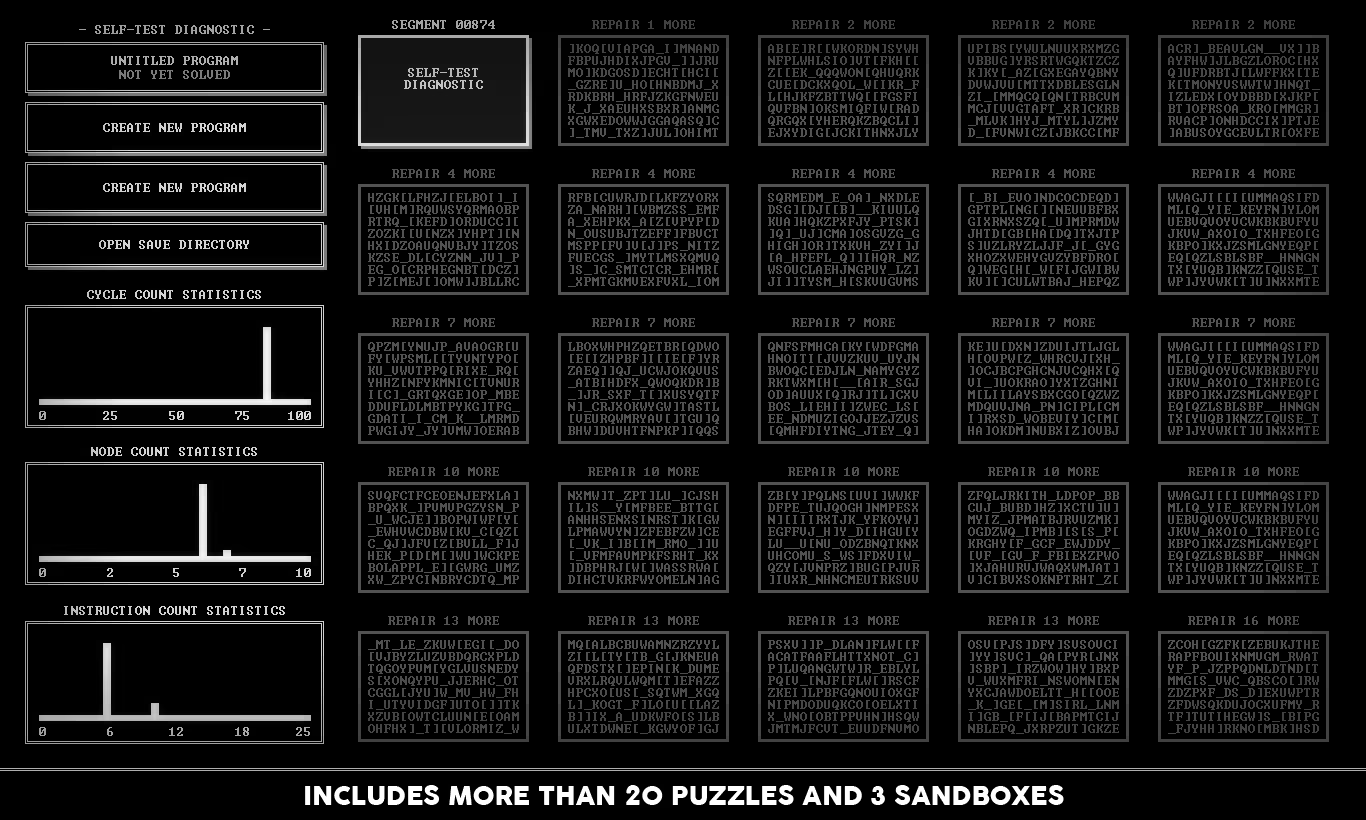
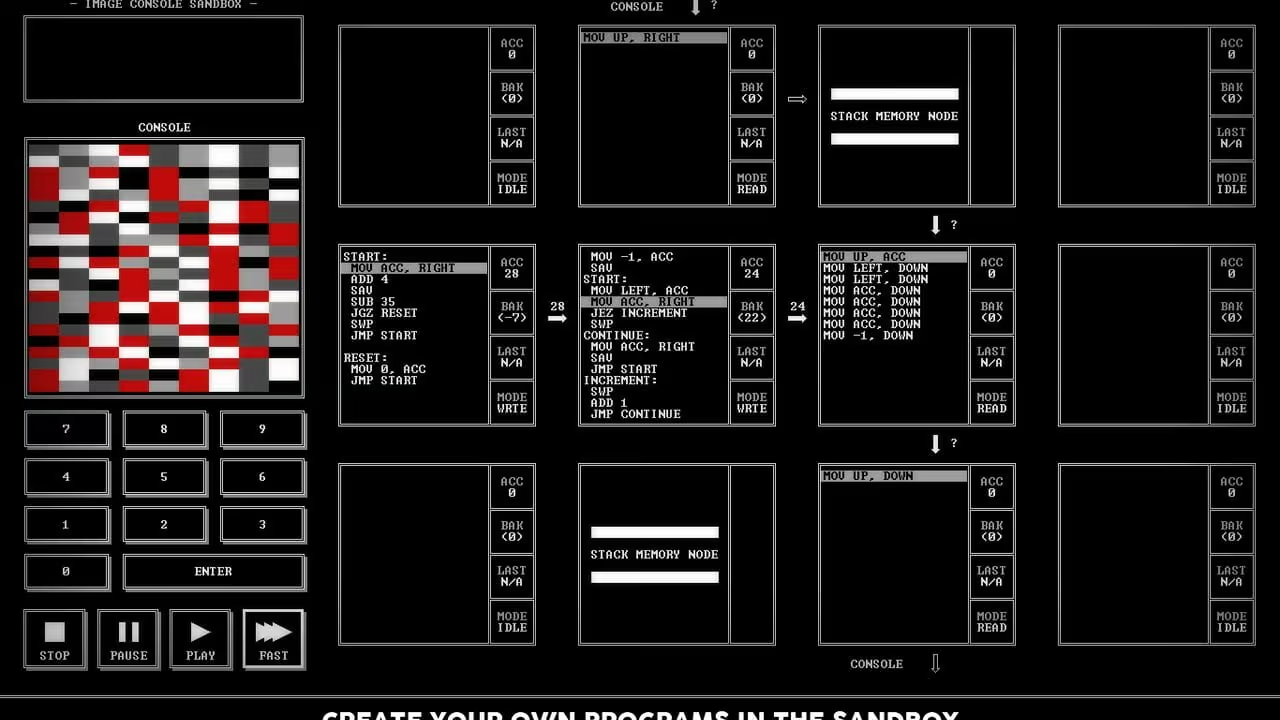
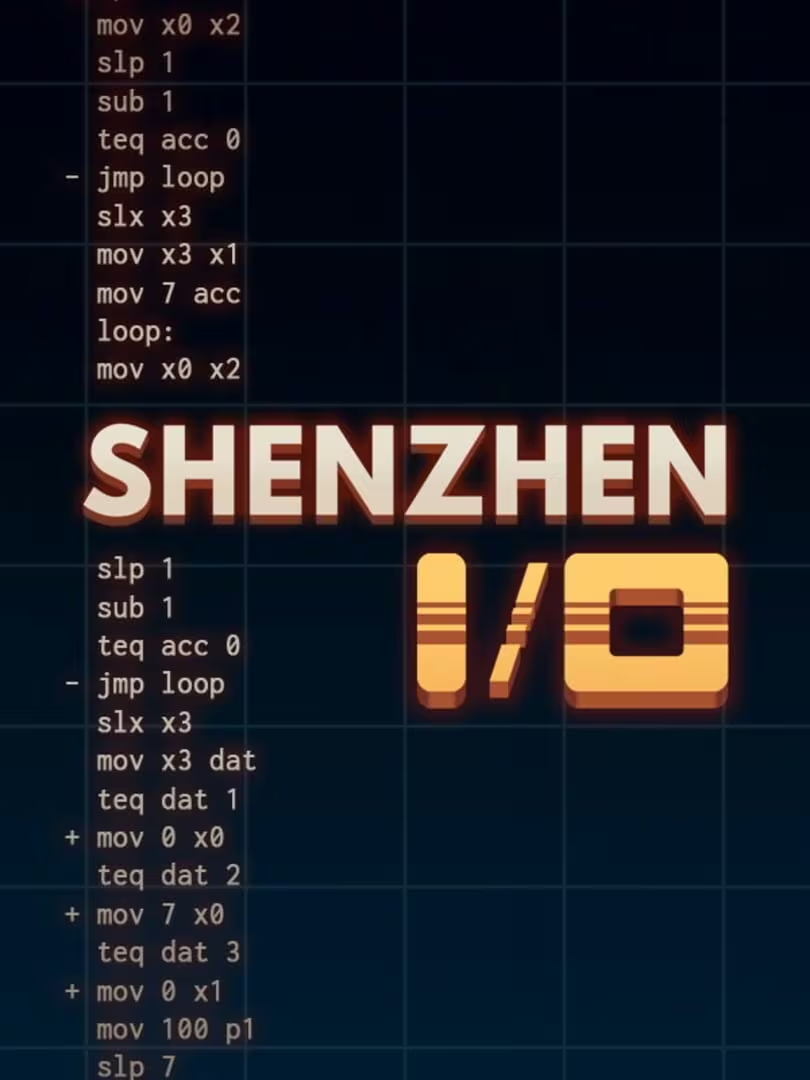
TIS-100 is an open-ended programming game by Zachtronics, the creators of SpaceChem and Infinifactory, in which you rewrite corrupted code segments to repair the TIS-100 and unlock its secrets. It’s the assembly language programming game you never asked for!

Global score

97/100

Genres

Indie, Simulator, Puzzle

Pros

  • Deep and challenging programming puzzles
  • Strong learning and growth opportunities
  • High replayability through optimization
  • Unique and authentic assembly programming experience
  • Minimalistic and immersive retro aesthetic

Cons

  • Steep learning curve for non-programmers
  • Lack of tutorial or hand-holding
  • Minimal sensory stimulation and simple graphics
  • No multiplayer or social gameplay
  • Can be frustrating and mentally taxing

Motivations

  • Autonomy
    5

    "Players write their own assembly-like code freely to solve puzzles, with full control over programming decisions."

  • Competence
    5

    "The game challenges players with complex programming puzzles requiring skill, optimization, and logical thinking."

  • Competition
    3

    "Leaderboards and optimization challenges encourage comparison with others, but competition is indirect and optional."

  • Continuation
    4

    "Players report long sessions, habitual play, and repeated attempts to optimize solutions, indicating strong attachment."

  • Cooperation
    -5

    "The game is a single-player programming puzzle experience with no multiplayer or cooperative elements."

  • Creativity
    4

    "Players creatively design code solutions and optimize them, with some sandbox and puzzle creation features."

  • Domination
    -5

    "Interactions are individual and respectful; no evidence of exerting control or superiority over others."

  • Escapism
    3

    "Players use the game as a mental challenge and distraction, sometimes to relax or escape daily routine."

  • Expectation
    -4

    "Players engage voluntarily out of interest and intrinsic motivation, not obligation or external pressure."

  • Experimenting
    5

    "The game encourages trying new coding strategies, exploring optimization, and experimenting with parallelism."

  • Exploration
    -2

    "The environment is fixed and minimalistic; exploration is mostly conceptual within puzzle constraints."

  • Expression
    -3

    "Customization is minimal; expression is through code solutions rather than avatar or visual personalization."

  • Fantasy
    -3

    "The game simulates a realistic fictional computer and programming environment with minimal narrative fantasy."

  • Fellowship
    -4

    "Social interaction is limited to leaderboards and indirect competition; gameplay is primarily solitary."

  • Growth
    5

    "Strong emphasis on learning programming concepts, problem solving, and personal skill development."

  • Health
    -5

    "Gameplay is sedentary with no physical activity or health-related features."

  • Idle
    -4

    "Requires focused attention and mental engagement; not suitable for casual or background play."

  • Intimacy
    -5

    "No social or emotional relationship building; interactions are minimal and surface-level."

  • Leadership
    -5

    "No leadership or group management elements; gameplay is individual and self-directed."

  • Progression
    3

    "Players progress through puzzles and unlock new challenges, but no item or upgrade accumulation."

  • Relaxation
    -2

    "The game can be mentally taxing and frustrating, with sustained tension during complex puzzles."

  • Sensation
    -3

    "Minimal sensory stimulation; graphics and sound are simple and functional rather than exciting."

  • Status
    2

    "Leaderboards provide some recognition and social comparison, but no broader social status mechanisms."

  • Story
    1

    "A minimal narrative provides context and atmosphere but is not central to gameplay."

  • Strategy
    5

    "High mental challenge requiring planning, logic, and problem solving in programming puzzles."

  • Thrill
    -2

    "The game is more cerebral than thrilling; it lacks suspense or risk-based excitement."

  • Value
    4

    "Players report high value for time spent due to deep challenge and replayability."

  • Violence
    -5

    "No violence; gameplay focuses on constructive programming and logic."

  • Survival
    -5

    "No survival or failure avoidance mechanics; stable puzzle environment."

Similar games

    Last update: 06/03/2026