Titanic: Adventure Out Of Time Thumbnail

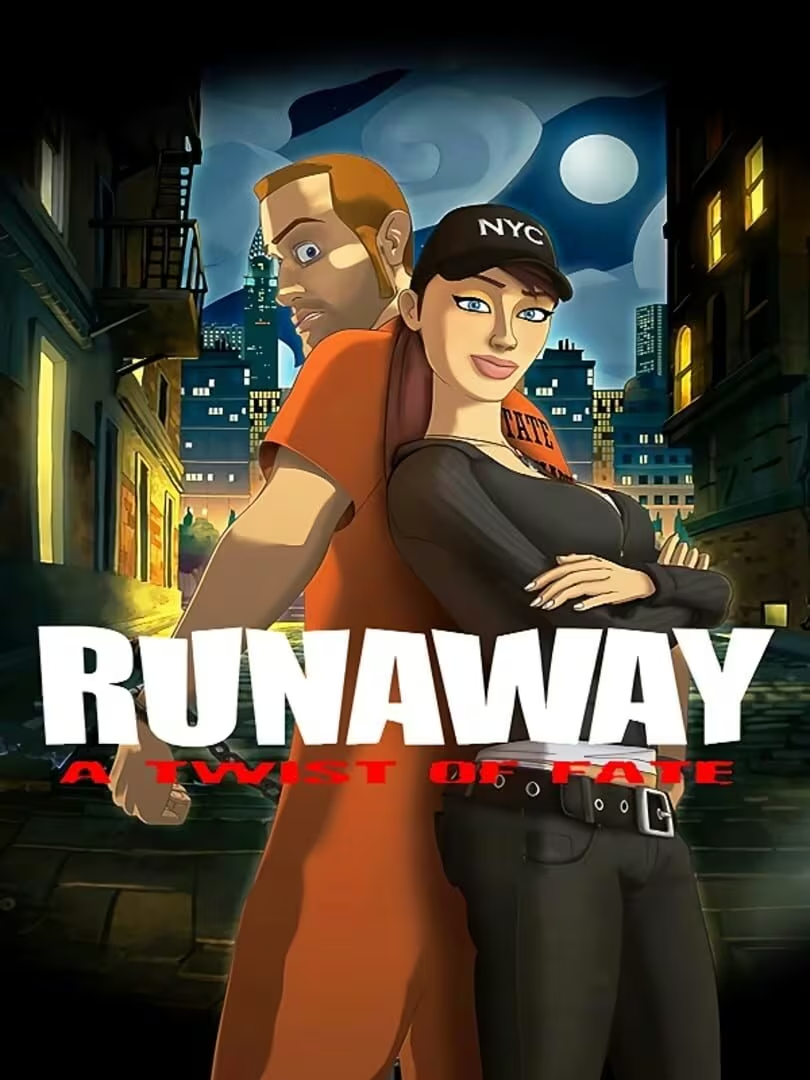
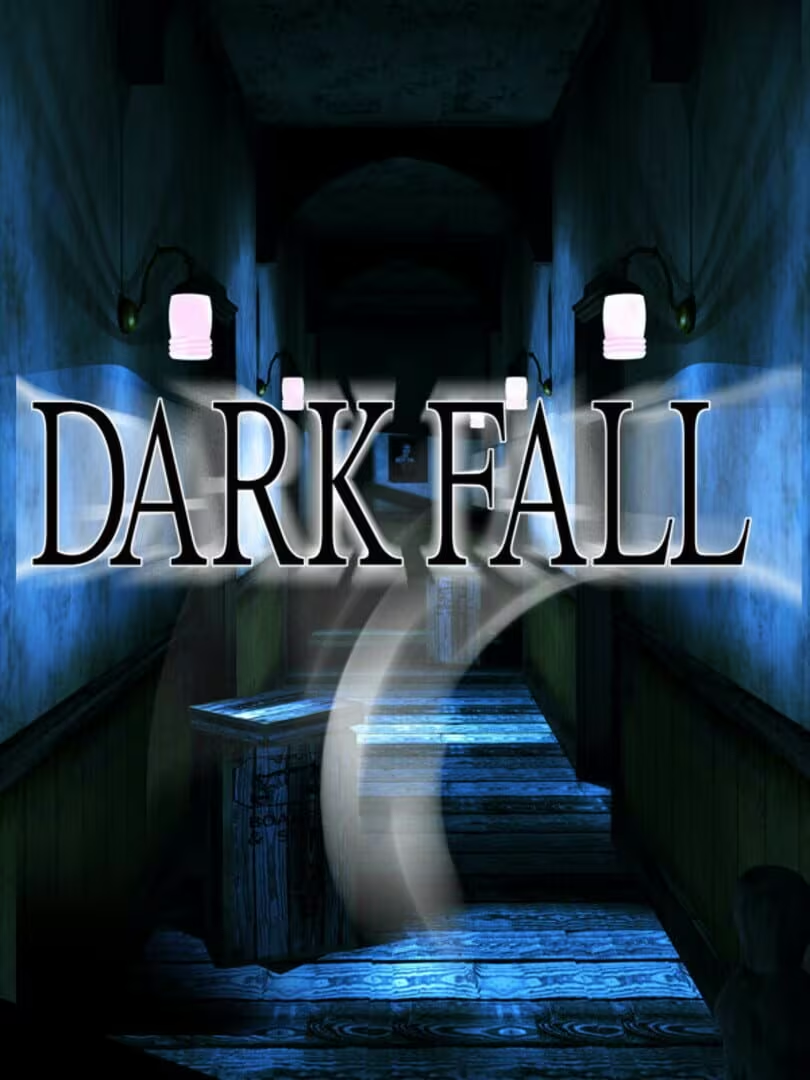
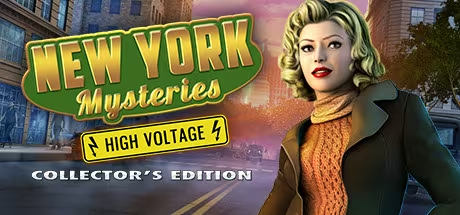
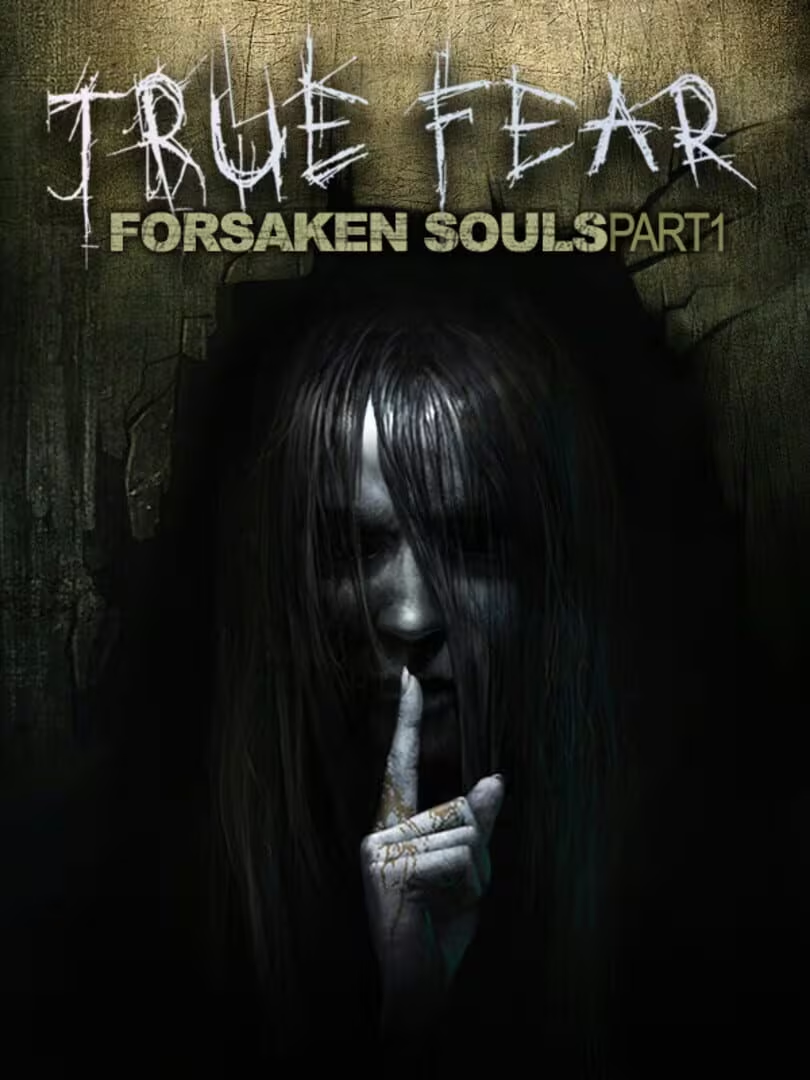
Titanic: Adventure Out Of Time similar games & best alternatives
Titanic: Adventure Out Of Time

PC (Microsoft Windows), Mac • 2018

Related articles

Quick resume

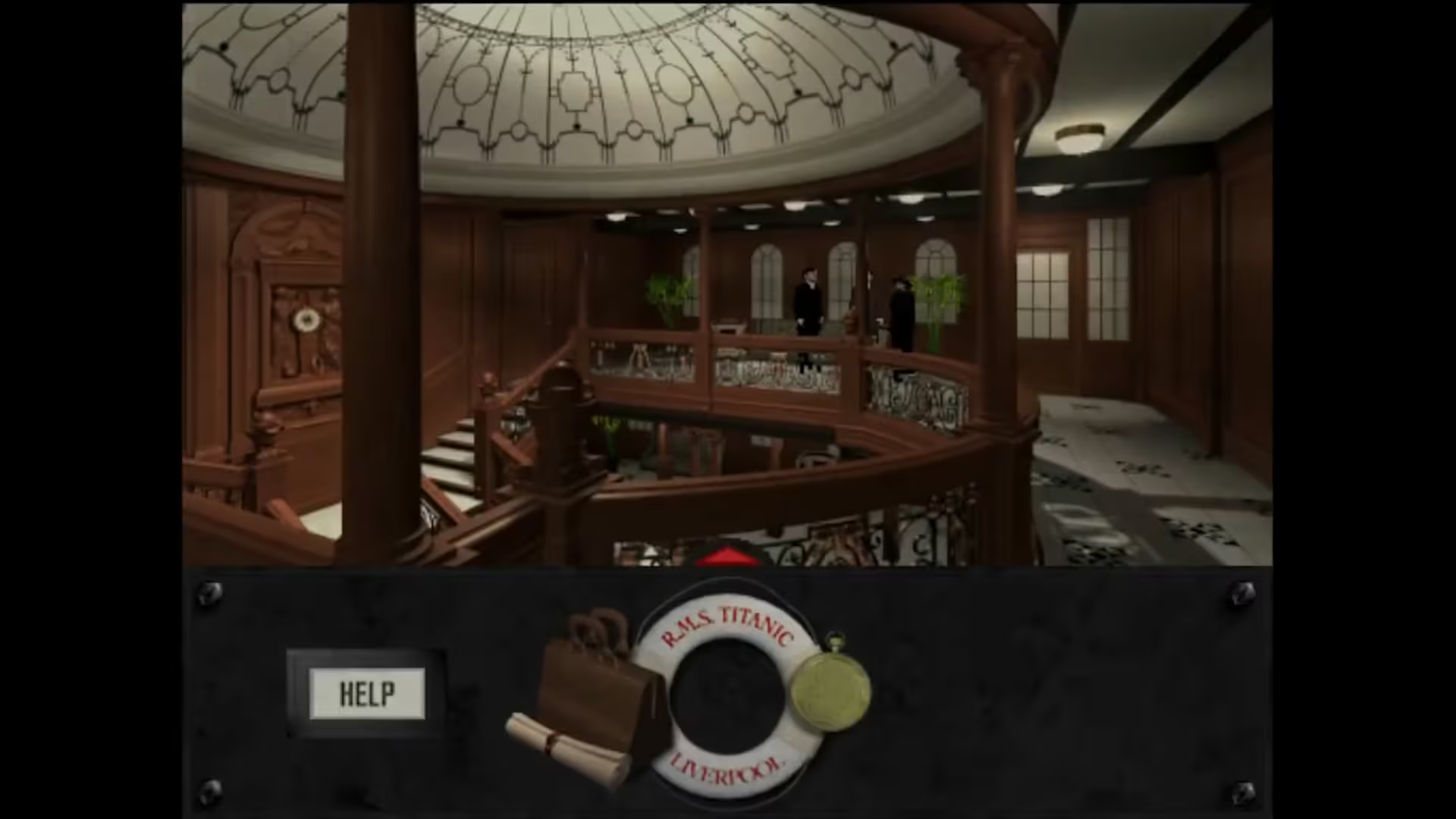
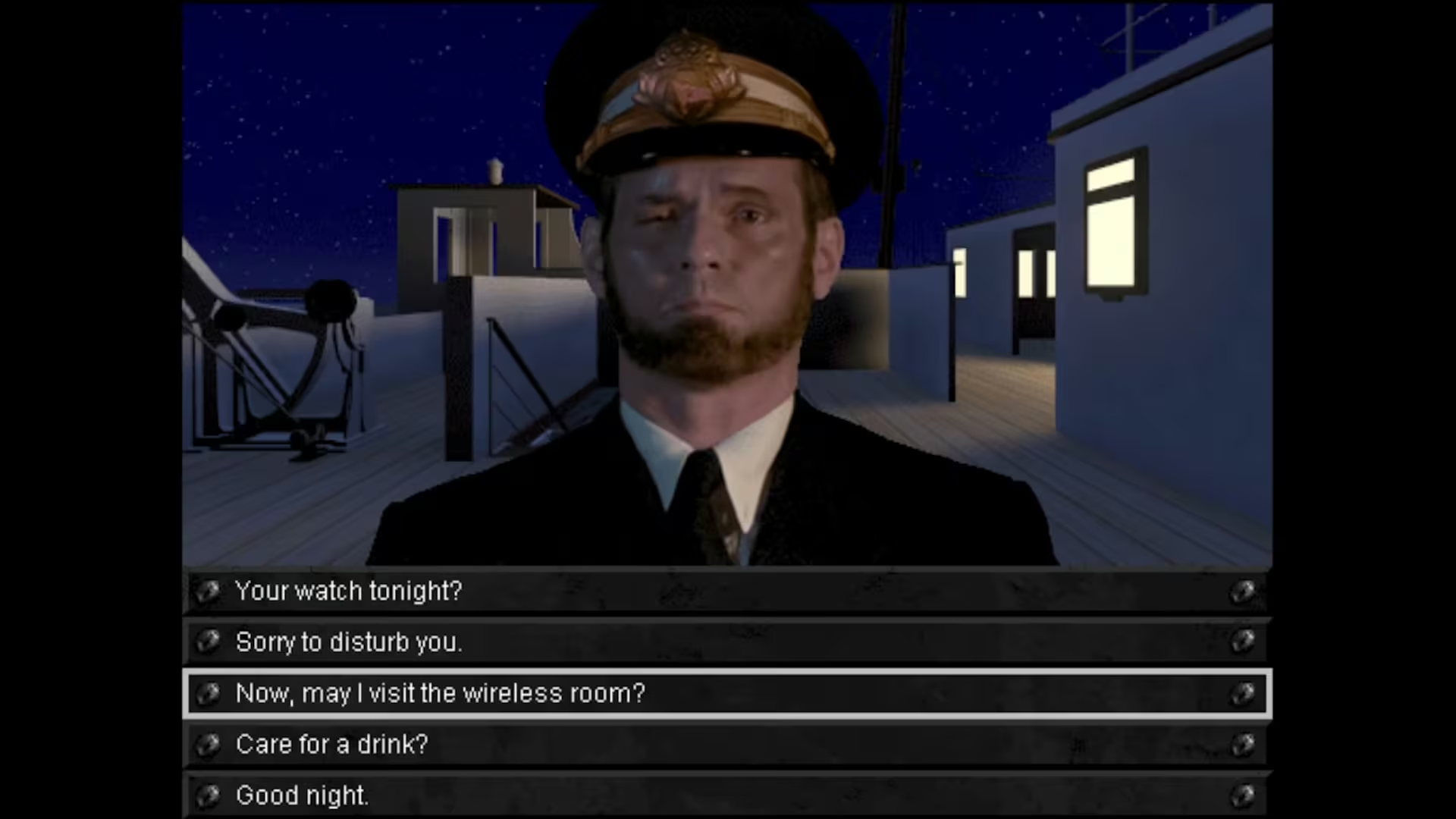
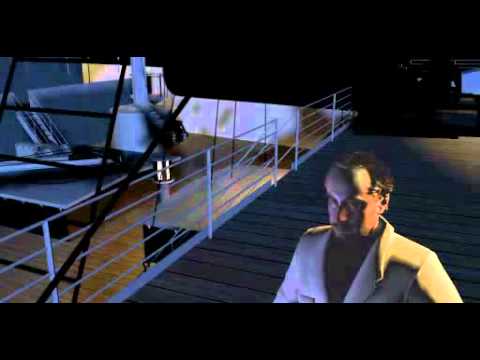
Intrigue and adventure await you on board the Titanic, the most famous ocean liner in history. As a British secret agent on a vital mission, it is up to you to change the course of history as you explore the world’s most luxurious ocean vessel in all its original splendour.

Global score

87/100

Genres

Adventure, Casual, Simulator, Point-and-click, Strategy, Puzzle

Similar games

    Pros

    • Immersive historical setting
    • Multiple endings and replayability
    • Engaging narrative and characters
    • Detailed exploration of titanic
    • Nostalgic value for longtime fans

    Cons

    • Dated graphics and animations
    • Technical glitches and crashes
    • Dialogue sometimes cuts off
    • Lack of modern convenience features
    • Some puzzles can be frustrating

    Analysis

    Less representative of its motivational profile, with noticeable differences. Motivations that often define this kind of title include Relaxation, Survival, Violence, Fellowship. Here, the score leans higher than usual among comparable games on Exploration. It leans lower than usual among comparable games on Violence, Expression.

    How to use the graph
    Similar games map

    Each dot is a game. They are arranged from the same motivation profile as in the “Motivations” section below. Closer dots usually mean more similar reasons to play (exploration, competition, relaxation, etc.)—not that one game is “better” than another.

    • Larger dot with a light outline: the game you are viewing.
    • Colour: groups of games with comparable motivation patterns (statistical clusters).
    • Hover a dot to see the game name; click to open its page.
    • Scroll or double-click the chart to zoom out and see more games.

    Why don’t the axes read like a score? This view uses t-SNE: it only keeps who is close to whom. The scales are not “good to bad” or hours played—they separate groups on the map. Read distance between dots, not the axis numbers.

    Motivations

    • Autonomy
      4

      "Players can explore the ship freely, choose which characters to interact with, and decide how to solve puzzles, influencing multiple endings."

    • Competence
      3

      "The game involves puzzle solving and exploration with some challenging and time-sensitive tasks requiring skill and attention."

    • Competition
      -5

      "The game is single-player focused with no competitive elements or comparison to others."

    • Continuation
      4

      "High replay value with multiple endings and complex puzzles encourages repeated playthroughs."

    • Cooperation
      -5

      "Gameplay is solitary, focusing on individual exploration and puzzle solving without multiplayer cooperation."

    • Creativity
      2

      "Players can choose different approaches to puzzles and explore various story branches, though within a structured narrative."

    • Domination
      -5

      "No evidence of exerting control or superiority over others; interactions are balanced and narrative-driven."

    • Escapism
      4

      "The immersive historical setting and suspenseful story provide a strong escape from real life."

    • Expectation
      -4

      "Players engage voluntarily driven by nostalgia, interest in Titanic history, and intrinsic motivation."

    • Experimenting
      3

      "Multiple ways to solve puzzles and different endings encourage trying new strategies and exploration."

    • Exploration
      5

      "Extensive exploration of a detailed Titanic model is a core feature, with a dedicated Tour Mode for free exploration."

    • Expression
      -3

      "Limited customization; players interact with preset characters and environments without personalizing appearance."

    • Fantasy
      3

      "The game features a fictional time-travel spy narrative set in a historical context, blending fantasy with realism."

    • Fellowship
      -5

      "The game is a solo experience with minimal social interaction or community involvement."

    • Growth
      3

      "Players develop problem-solving skills and learn about Titanic history through gameplay."

    • Health
      -5

      "Sedentary point-and-click gameplay with no physical activity involved."

    • Idle
      -4

      "Requires focused attention to solve puzzles and progress; not designed for casual or background play."

    • Intimacy
      -4

      "Interactions with characters are scripted and limited to dialogue without forming close relationships."

    • Leadership
      -5

      "No leadership or group management elements; player acts independently."

    • Progression
      3

      "Players collect items and complete objectives that influence story outcomes and endings."

    • Relaxation
      -2

      "Atmosphere is tense and suspenseful with a haunting soundtrack, creating emotional strain rather than relaxation."

    • Sensation
      1

      "The game offers atmospheric audio and visual elements that create mood but limited sensory stimulation."

    • Status
      -5

      "No social recognition or status systems present."

    • Story
      5

      "Strong narrative immersion with multiple branching storylines, character interactions, and endings."

    • Strategy
      3

      "Players must plan and solve puzzles, manage time, and make decisions affecting outcomes."

    • Thrill
      3

      "The looming disaster and time pressure create suspense and tension throughout gameplay."

    • Value
      4

      "Highly praised for its replayability, story depth, and nostalgic value at a low price."

    • Violence
      -4

      "Minimal combat; focus is on puzzle solving and exploration rather than destruction."

    • Survival
      3

      "Time-sensitive tasks and the need to escape the sinking ship add survival elements to gameplay."

    Last update: 29/04/2026