Tomb Raider III (1998) Thumbnail

Tomb Raider III (1998) similar games & best alternatives

Tomb Raider III (1998)

PC (Microsoft Windows) • 2012

Related articles

Quick resume

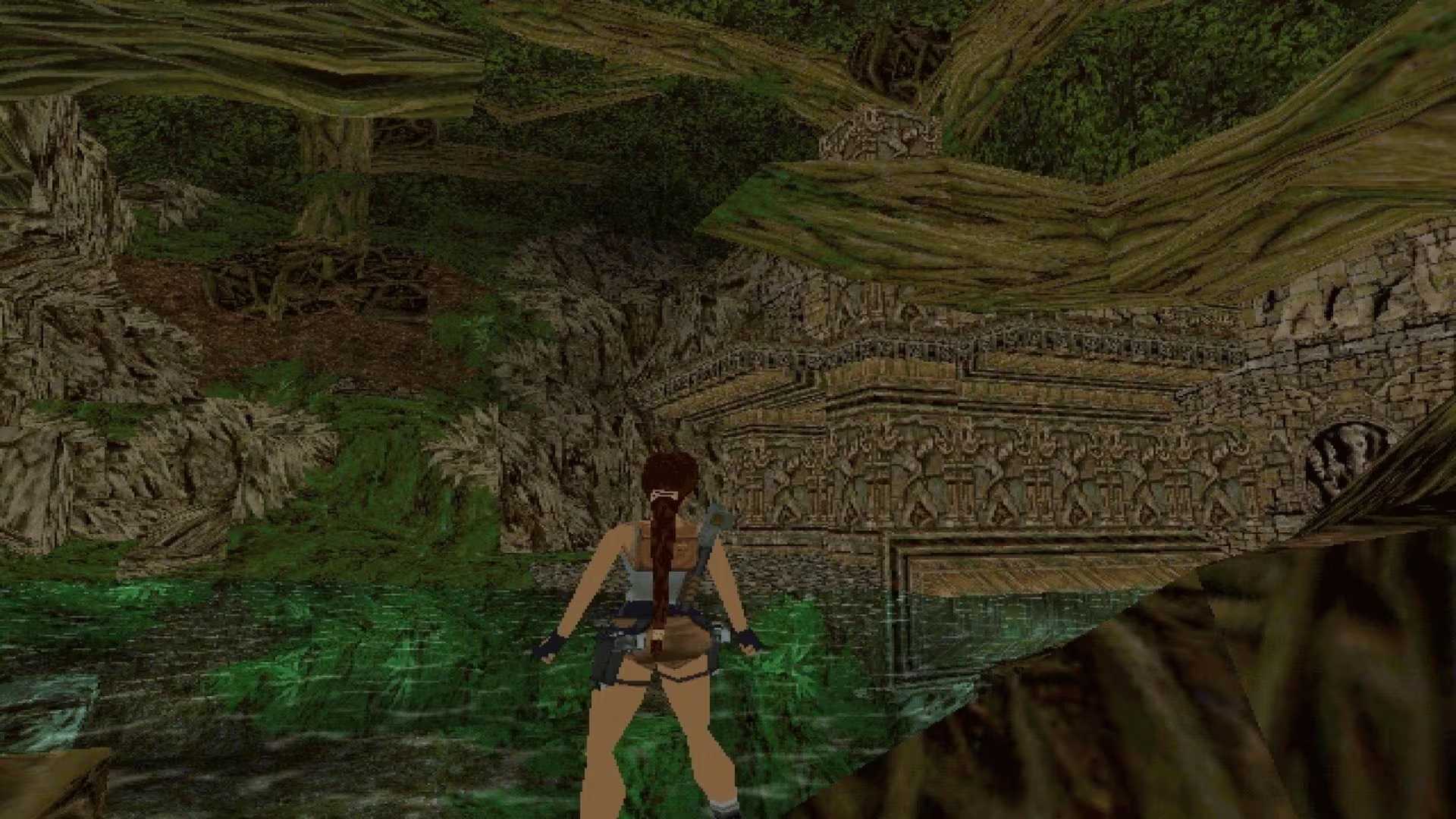
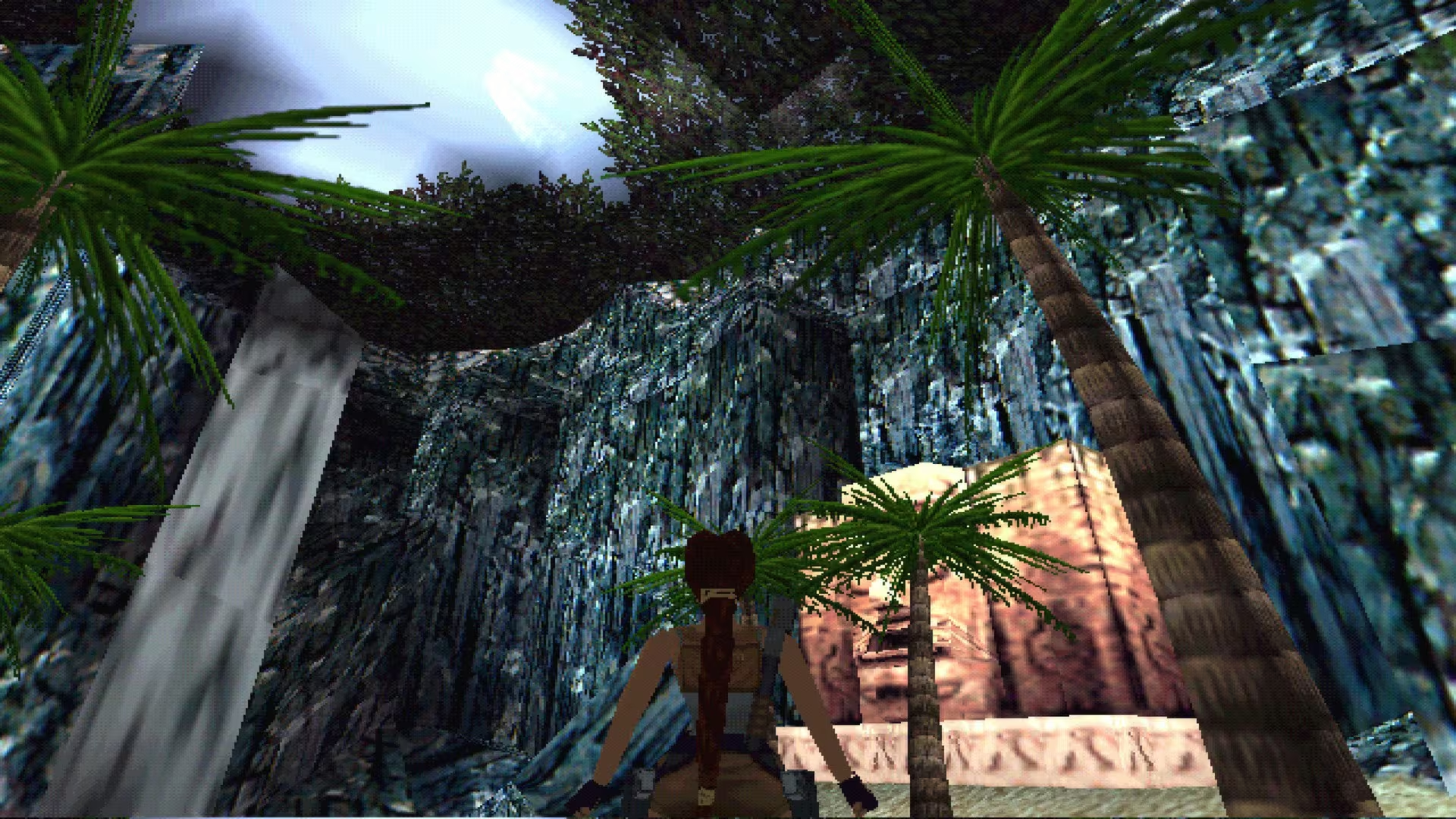
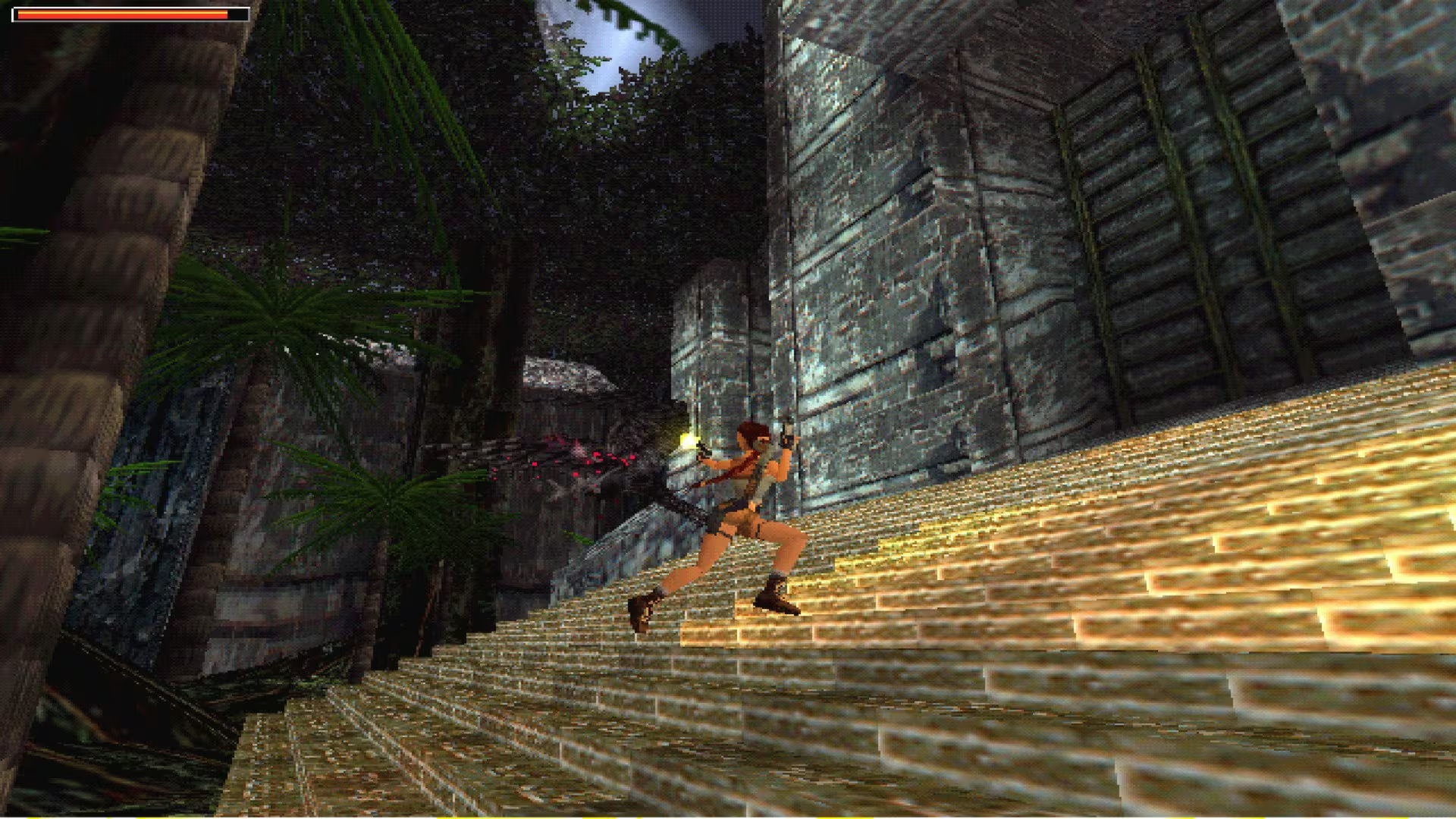
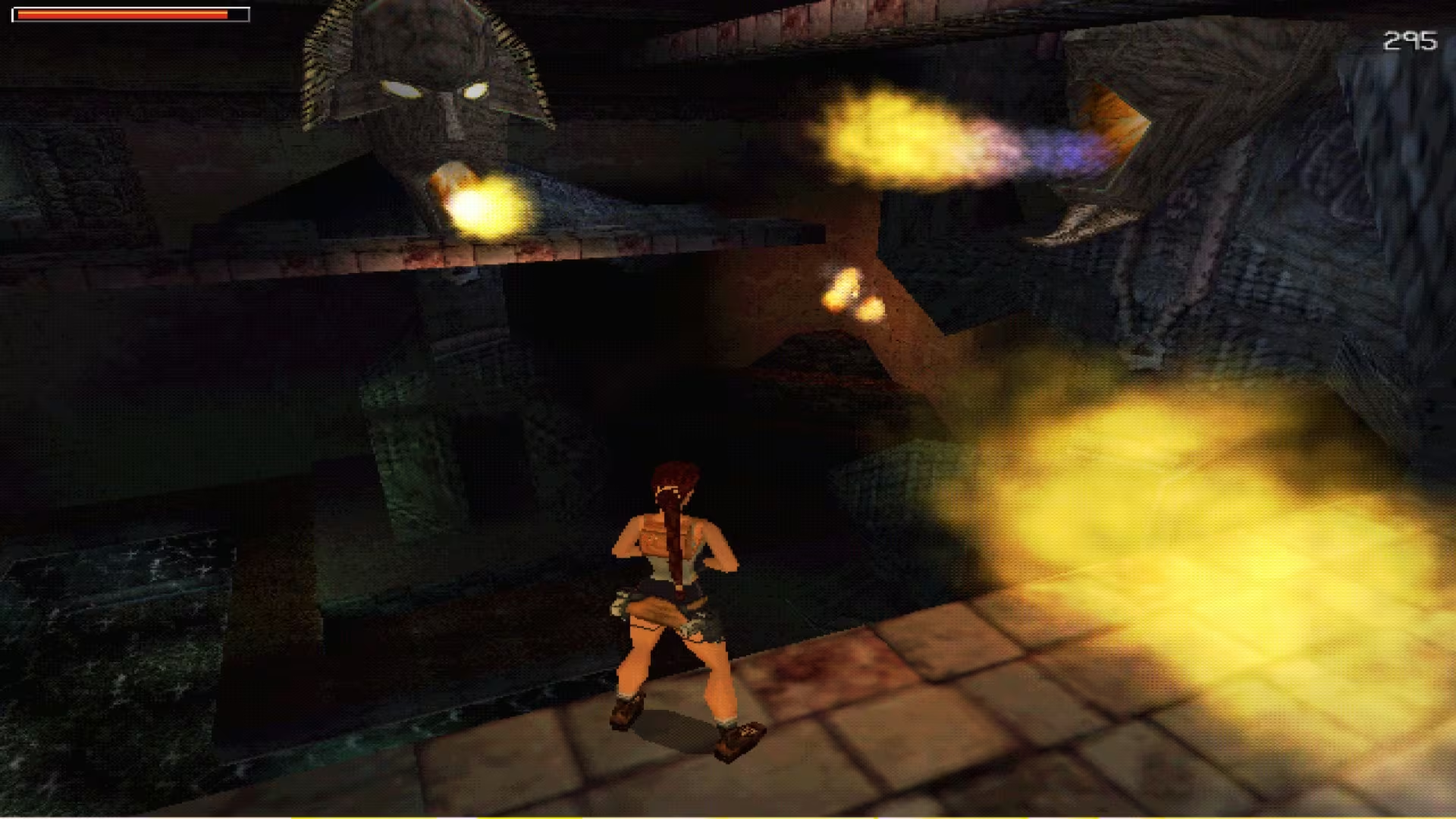
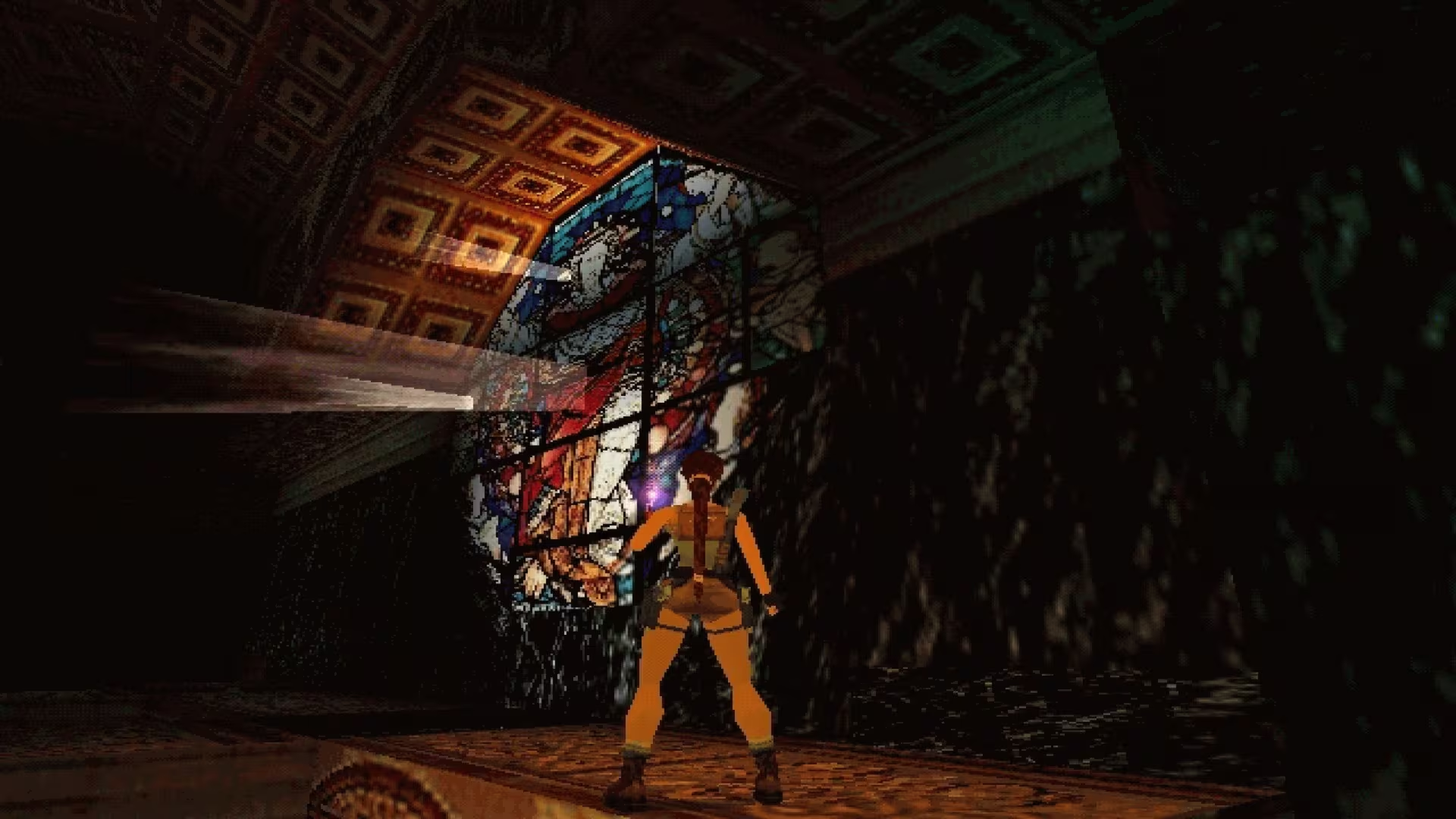
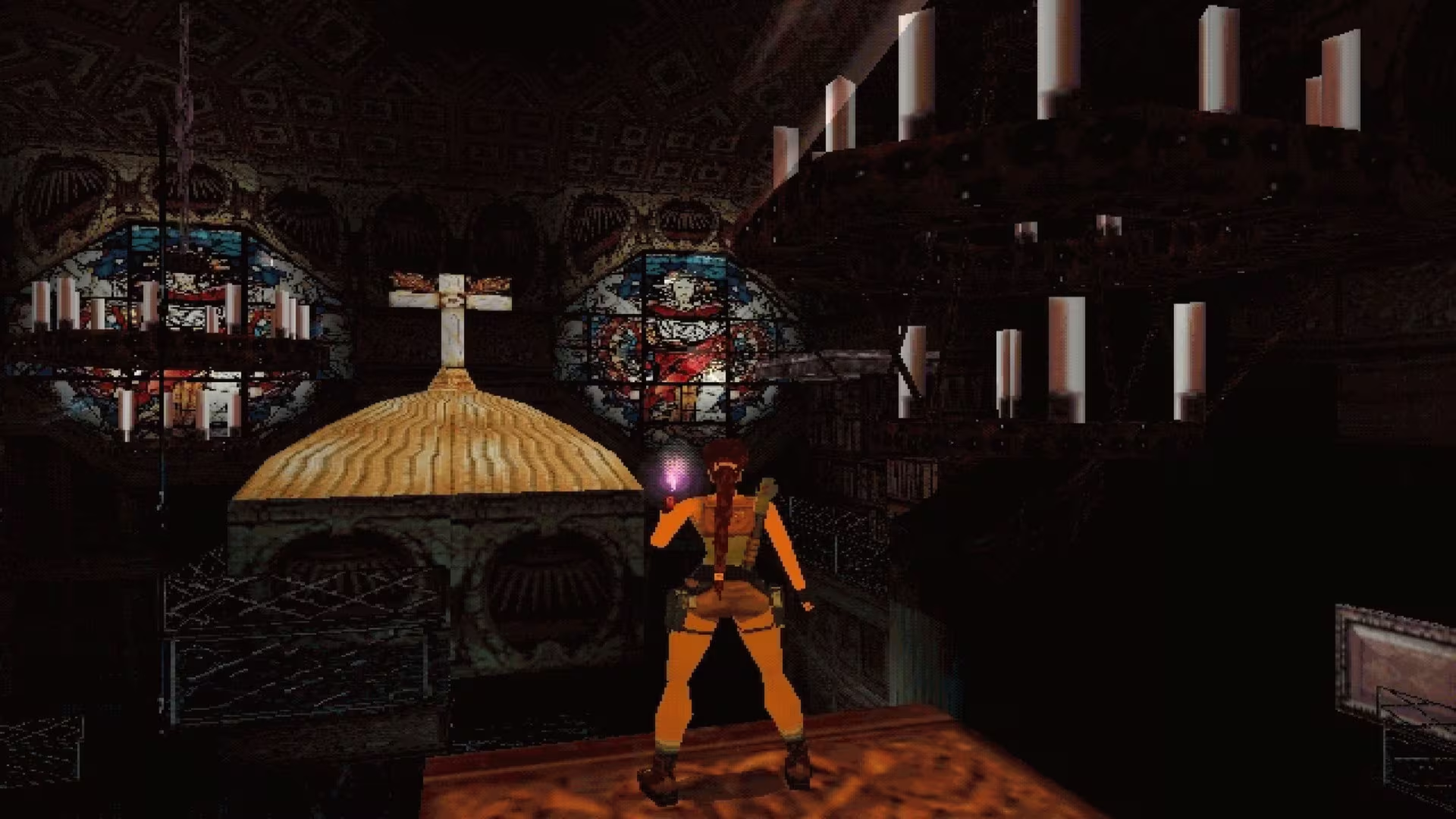
Thousands of years ago a meteor crashed into Antarctica and the shockwaves of its impact are being felt in the modern age. Lara Croft will follow clues leading to a deadly secret, boldly leaping chasms and blasting monsters that no one has leaped or blasted before. This time she faces a mystery that's from way out of this world.

Global score

84/100

Genres

Action, Adventure

Similar games

    Pros

    • Challenging and rewarding gameplay
    • Nonlinear level design with exploration
    • Strong nostalgic appeal
    • Varied environments and puzzles
    • Atmospheric soundtrack and setting

    Cons

    • High difficulty can be frustrating
    • Outdated graphics and controls
    • Some levels are confusing or poorly designed
    • Technical issues and bugs reported
    • Lack of modern quality-of-life features

    Analysis

    A very typical example of its motivational profile. Motivations that often define this kind of title include Relaxation, Survival, Violence, Fellowship. Here, the score leans higher than usual among comparable games on Exploration. It leans lower than usual among comparable games on Status, Sensation.

    How to use the graph
    Similar games map

    Each dot is a game. They are arranged from the same motivation profile as in the “Motivations” section below. Closer dots usually mean more similar reasons to play (exploration, competition, relaxation, etc.)—not that one game is “better” than another.

    • Larger dot with a light outline: the game you are viewing.
    • Colour: groups of games with comparable motivation patterns (statistical clusters).
    • Hover a dot to see the game name; click to open its page.
    • Scroll or double-click the chart to zoom out and see more games.

    Why don’t the axes read like a score? This view uses t-SNE: it only keeps who is close to whom. The scales are not “good to bad” or hours played—they separate groups on the map. Read distance between dots, not the axis numbers.

    Motivations

    • Autonomy
      4

      "Players have freedom to explore large, nonlinear levels and choose the order of locations to visit, with multiple routes and solutions."

    • Competence
      5

      "High difficulty with challenging puzzles, precise platforming, and complex level design requiring skill and mastery of controls."

    • Competition
      -3

      "Focus is on individual exploration and puzzle solving rather than competing against others."

    • Continuation
      3

      "Long playtime with some players investing many hours; challenging gameplay encourages repeated attempts and persistence."

    • Cooperation
      -5

      "Single-player experience with no cooperative or multiplayer elements."

    • Creativity
      2

      "Players experiment with new moves and routes, but mostly work within predefined level structures and puzzles."

    • Domination
      -5

      "No evidence of exerting control or superiority over others; gameplay is solitary and non-competitive."

    • Escapism
      4

      "Players use the game as a nostalgic escape into adventurous, mysterious environments and challenging gameplay."

    • Expectation
      -4

      "Players engage voluntarily driven by interest and nostalgia rather than obligation or external pressure."

    • Experimenting
      3

      "Game encourages trying different paths, jumps, and puzzle solutions, though within a fixed game world."

    • Exploration
      5

      "Strong emphasis on discovering secrets, exploring large, complex levels with multiple routes and hidden items."

    • Expression
      1

      "Some character outfit changes and minor customization, but mostly standard presentation."

    • Fantasy
      4

      "Imaginative adventure with mythical elements, exotic locations, and improbable events."

    • Fellowship
      -5

      "Solo play experience with minimal social interaction or community involvement."

    • Growth
      4

      "Players develop skills in precise platforming, puzzle solving, and mastering complex controls."

    • Health
      -5

      "Sedentary gameplay with no physical activity or health-related features."

    • Idle
      -4

      "Requires focused attention and continuous engagement due to difficulty and complex level design."

    • Intimacy
      -5

      "No close social relationships or emotional sharing; purely individual experience."

    • Leadership
      -5

      "No leadership or group management roles; single-player focused."

    • Progression
      3

      "Players collect weapons, items, and secrets to progress through the game."

    • Relaxation
      -3

      "High difficulty and frequent trial-and-error create tension rather than relaxation."

    • Sensation
      2

      "Some sensory stimulation from atmospheric music and lighting, but graphics are dated and blocky."

    • Status
      -5

      "Achievements and progress are personal with no social recognition or ranking."

    • Story
      2

      "Narrative is present but simple and secondary to gameplay; some environmental storytelling."

    • Strategy
      4

      "Requires planning routes, solving puzzles, and strategic use of weapons and items."

    • Thrill
      3

      "Suspense from traps, ambushes, and challenging platforming creates moments of tension and relief."

    • Value
      3

      "Long gameplay and nostalgic value provide good return on time invested."

    • Violence
      3

      "Combat against enemies and wildlife is present but balanced with exploration and puzzle solving."

    • Survival
      3

      "Players must avoid traps, manage health, and overcome threats to survive and progress."

    Last update: 29/04/2026