Ultimate Tic-Tac-Toe Thumbnail

Ultimate Tic-Tac-Toe similar games & best alternatives
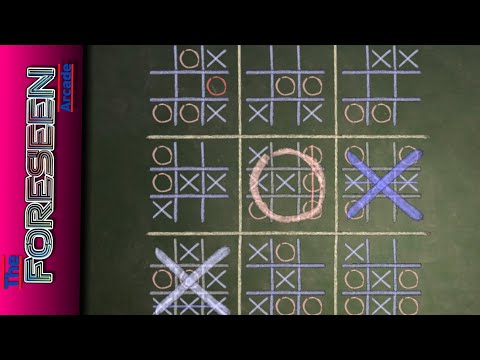
Ultimate Tic-Tac-Toe

PC (Microsoft Windows) • 2015

Related articles

Quick resume

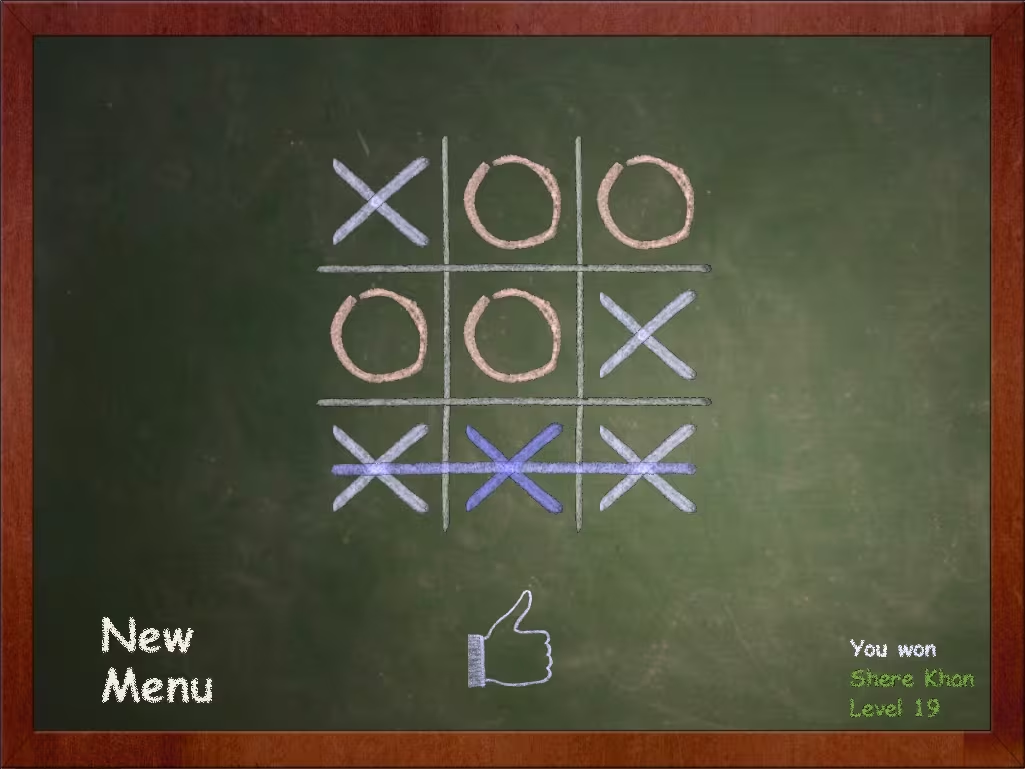
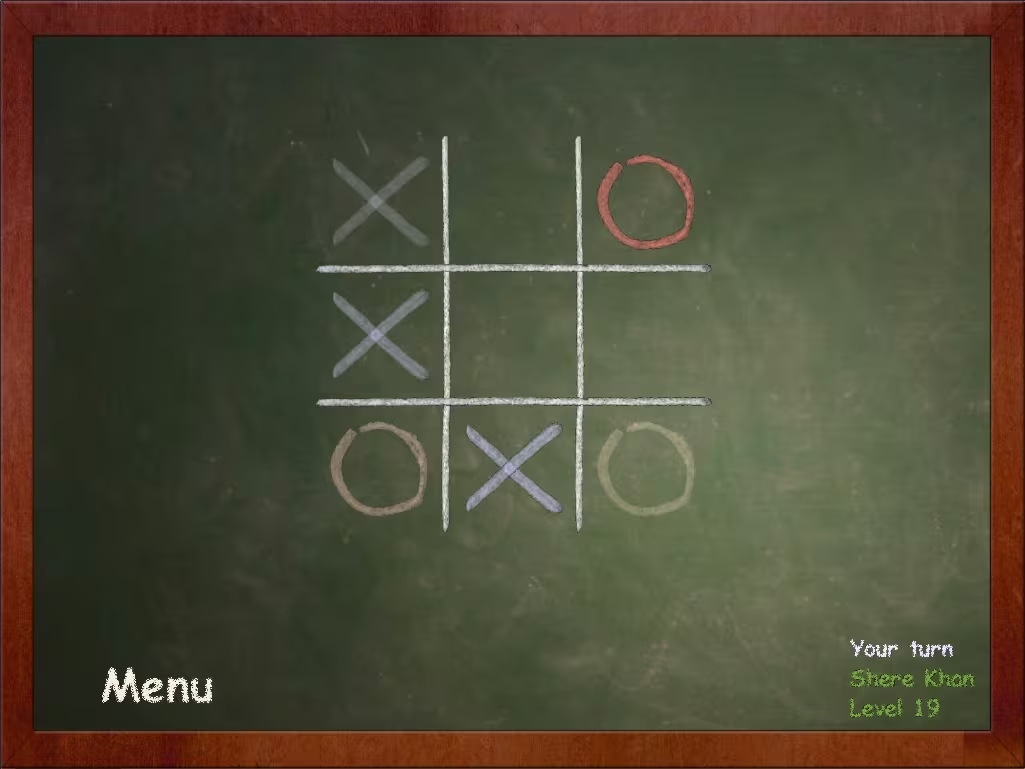
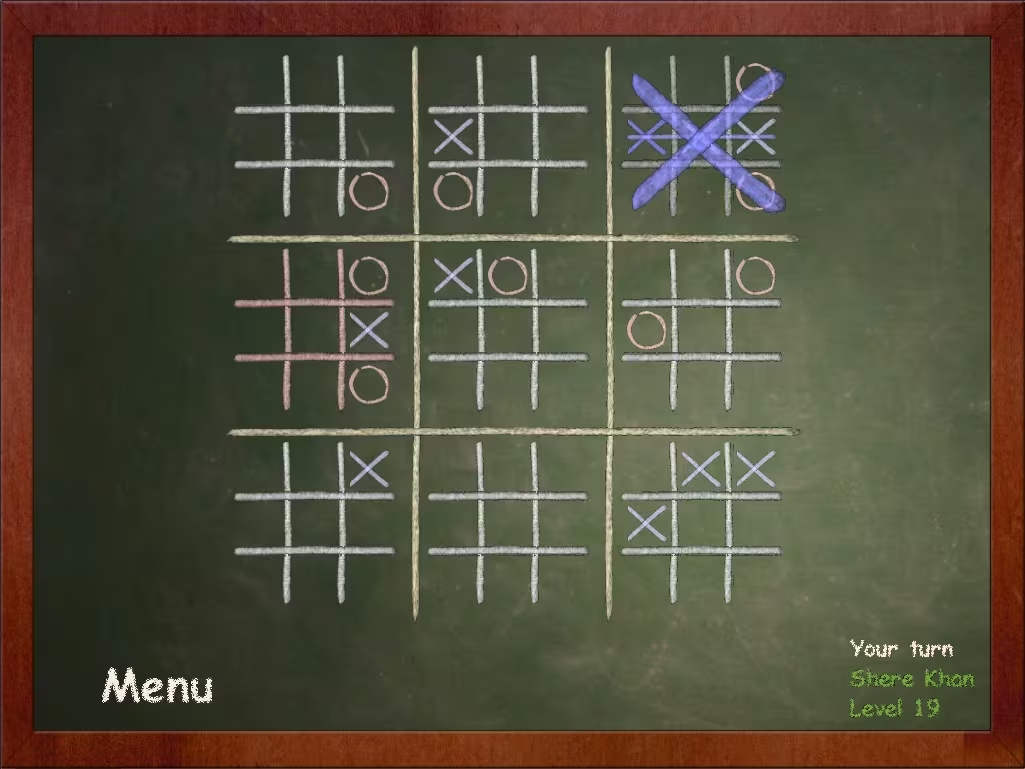
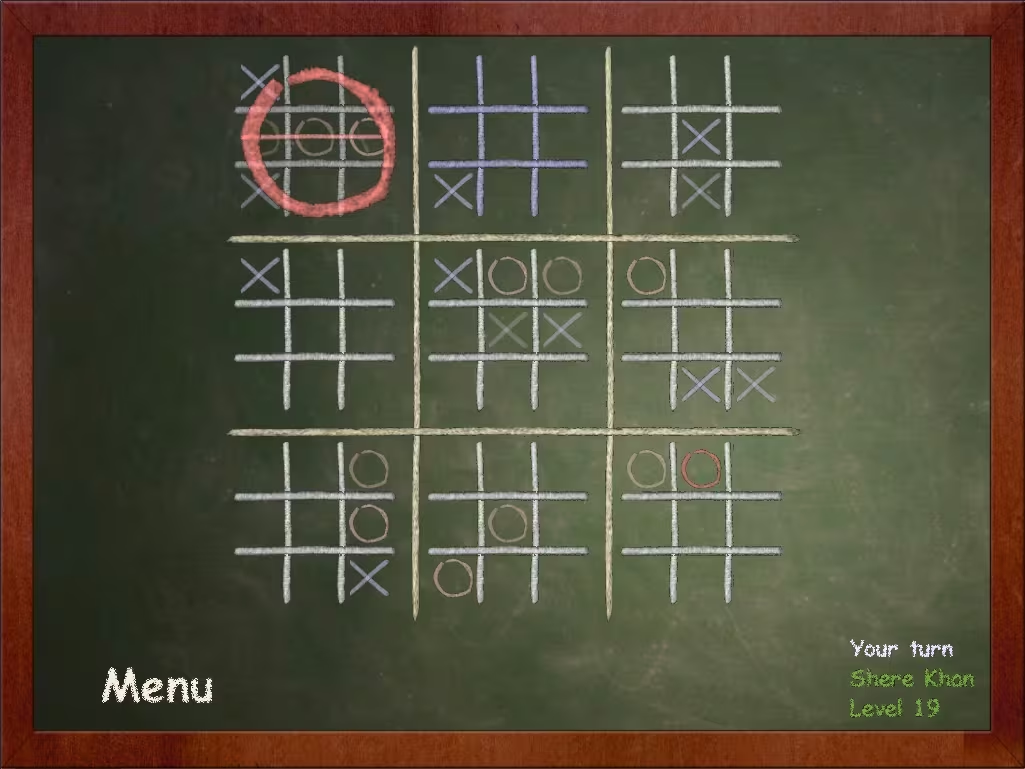
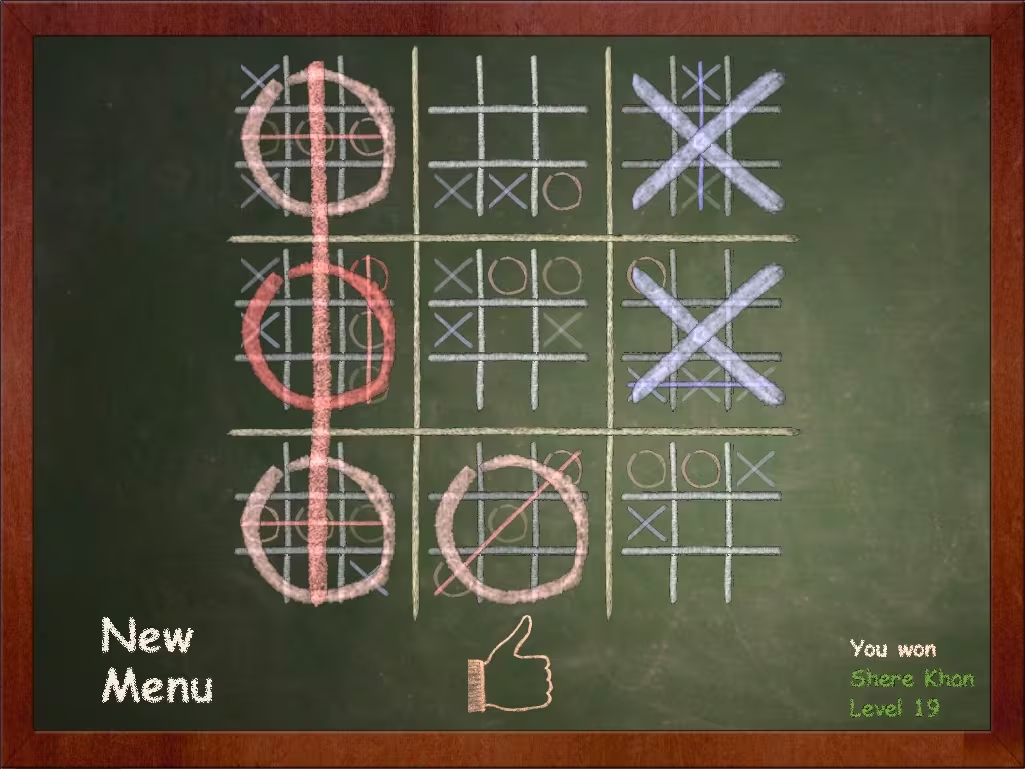
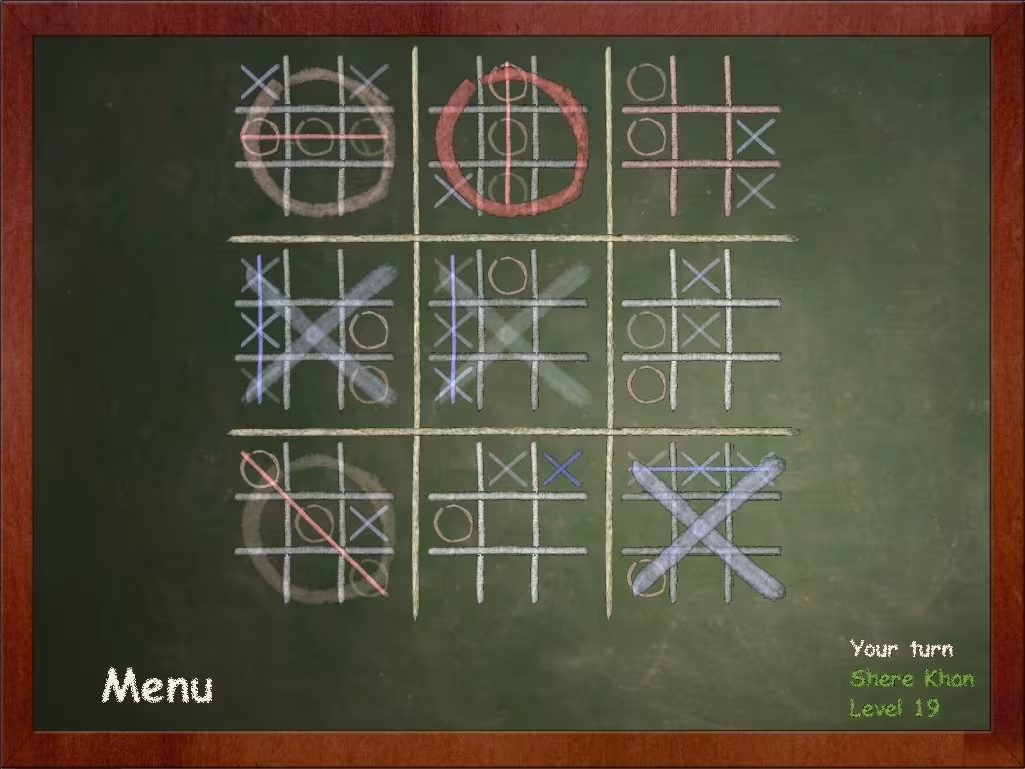
Ultimate Tic-Tac-Toe takes the classic game of Tic-Tac-Toe and adds a strategic layer to it. Game modes: classic, classic forget, ultimate, ultimate forget, ultimate forget total.

Global score

83/100

Genres

Casual, Free To Play, Strategy

Similar games

    Pros

    • Free to play
    • Multiple game modes including classic and ultimate
    • Challenging ai and multiplayer
    • Strategic depth and skill development
    • Stable multiplayer and achievements

    Cons

    • Steep learning curve without tutorial
    • Limited player base for online matches
    • Repetitive gameplay after extended sessions
    • No chat or social features in multiplayer
    • Basic graphics and sound

    Analysis

    Less representative of its motivational profile, with noticeable differences. Motivations that often define this kind of title include Creativity, Exploration, Expression, Story. Here, the score leans higher than usual among comparable games on Fellowship. It leans lower than usual among comparable games on Survival, Fantasy.

    How to use the graph
    Similar games map

    Each dot is a game. They are arranged from the same motivation profile as in the “Motivations” section below. Closer dots usually mean more similar reasons to play (exploration, competition, relaxation, etc.)—not that one game is “better” than another.

    • Larger dot with a light outline: the game you are viewing.
    • Colour: groups of games with comparable motivation patterns (statistical clusters).
    • Hover a dot to see the game name; click to open its page.
    • Scroll or double-click the chart to zoom out and see more games.

    Why don’t the axes read like a score? This view uses t-SNE: it only keeps who is close to whom. The scales are not “good to bad” or hours played—they separate groups on the map. Read distance between dots, not the axis numbers.

    Motivations

    • Autonomy
      4

      "Players have freedom to choose game modes, strategies, and moves within complex rules."

    • Competence
      4

      "Game requires strategic thinking and planning several moves ahead, challenging players' skills."

    • Competition
      4

      "Strong multiplayer focus with ranking and level systems encourages competition against others."

    • Continuation
      2

      "Some players report long sessions and repeated play, but others find it gets repetitive after a while."

    • Cooperation
      -3

      "Primarily a competitive game played one-on-one; limited evidence of cooperative gameplay."

    • Creativity
      1

      "Players can experiment with different strategies and game modes, but no building or customization."

    • Domination
      2

      "Competitive multiplayer involves asserting superiority, sometimes leading to trash talk."

    • Escapism
      2

      "Players use the game as a fun distraction and nostalgic pastime, escaping boredom."

    • Expectation
      -4

      "Players engage voluntarily for fun and nostalgia, no evidence of obligation or pressure."

    • Experimenting
      3

      "Multiple modes and strategic depth encourage trying new tactics and exploring game mechanics."

    • Exploration
      -4

      "Game is played on fixed boards with known rules; no exploration of new areas or secrets."

    • Expression
      -4

      "No character or environment customization; presentation is standardized."

    • Fantasy
      -5

      "Game is a realistic abstract board game with no fictional or imaginative elements."

    • Fellowship
      3

      "Players enjoy community aspects through multiplayer and shared achievements."

    • Growth
      3

      "Players develop strategic thinking and improve skills over time."

    • Health
      -5

      "Sedentary gameplay with no physical activity involved."

    • Idle
      -3

      "Requires focused attention during matches; not suitable for passive or background play."

    • Intimacy
      -3

      "Social interactions are mostly surface-level competitive matches; limited emotional sharing."

    • Leadership
      -4

      "No evidence of leadership roles; gameplay is individual competition."

    • Progression
      3

      "Leveling system and achievements provide a sense of progression."

    • Relaxation
      1

      "Some players find the game relaxing, others find it tense and challenging."

    • Sensation
      1

      "Simple graphics and sounds provide moderate sensory stimulation."

    • Status
      2

      "Ranking and levels offer recognition within the player community."

    • Story
      -5

      "No narrative or story elements; purely abstract gameplay."

    • Strategy
      5

      "Core gameplay revolves around deep strategic planning and problem solving."

    • Thrill
      3

      "Competitive matches create suspense and excitement."

    • Value
      5

      "Free to play with no microtransactions; players perceive good value for time invested."

    • Violence
      -5

      "No combat or destructive elements; purely constructive abstract gameplay."

    • Survival
      -5

      "No survival or threat avoidance mechanics; stable and low-risk environment."

    Last update: 29/04/2026