Waterpark Simulator Thumbnail

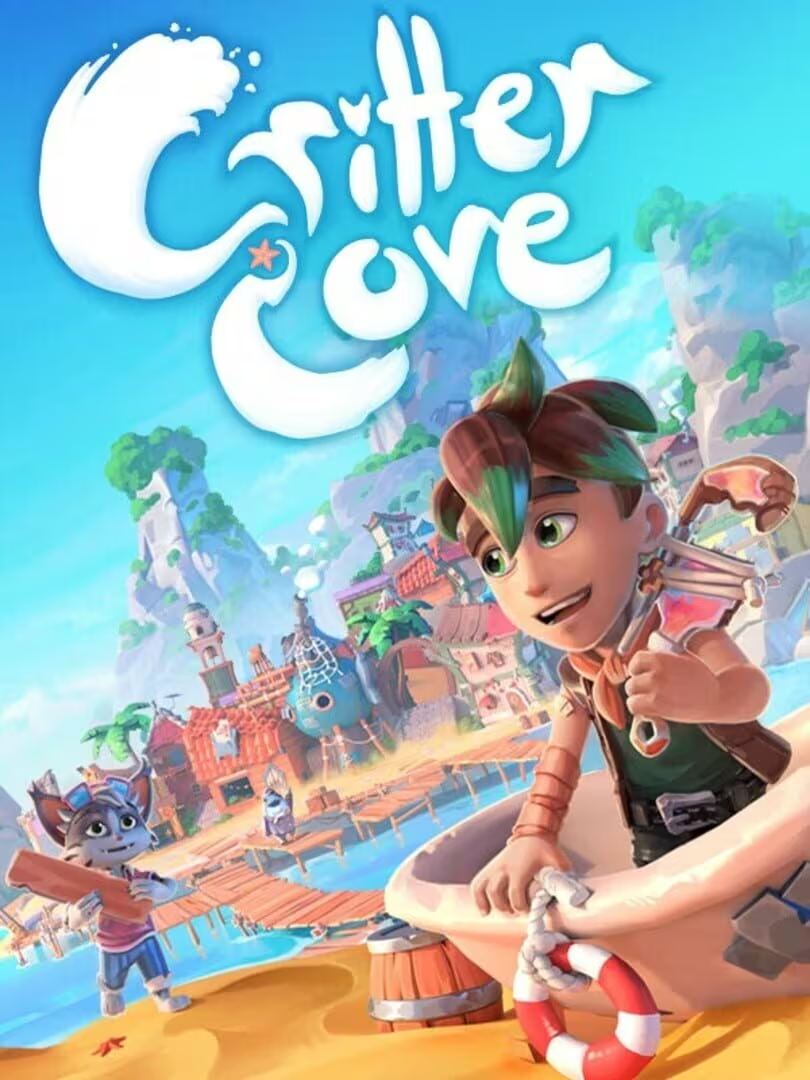
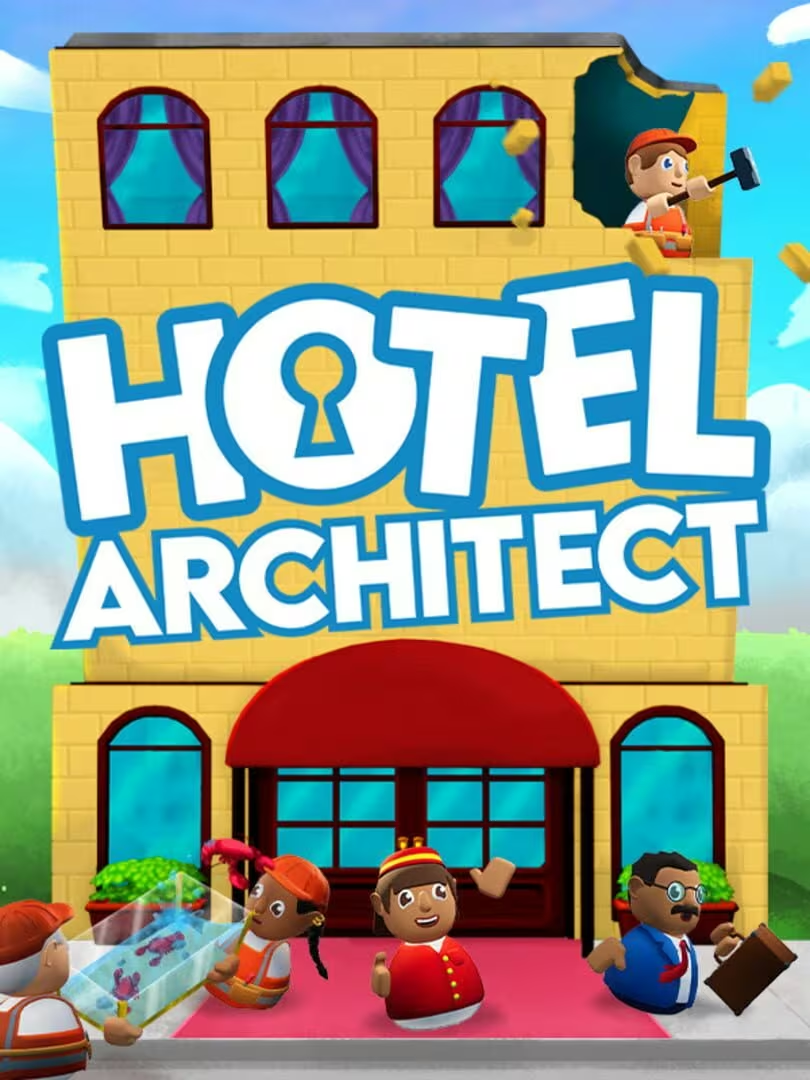
Waterpark Simulator similar games & best alternatives
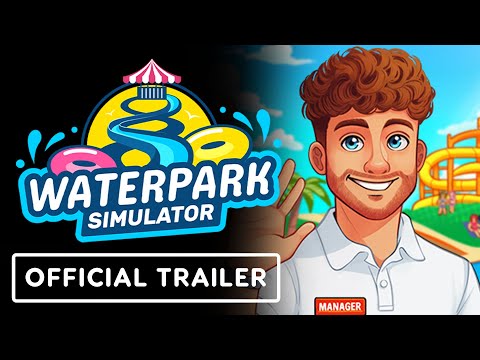
Waterpark Simulator

PC (Microsoft Windows) • 2025

Related articles

Quick resume

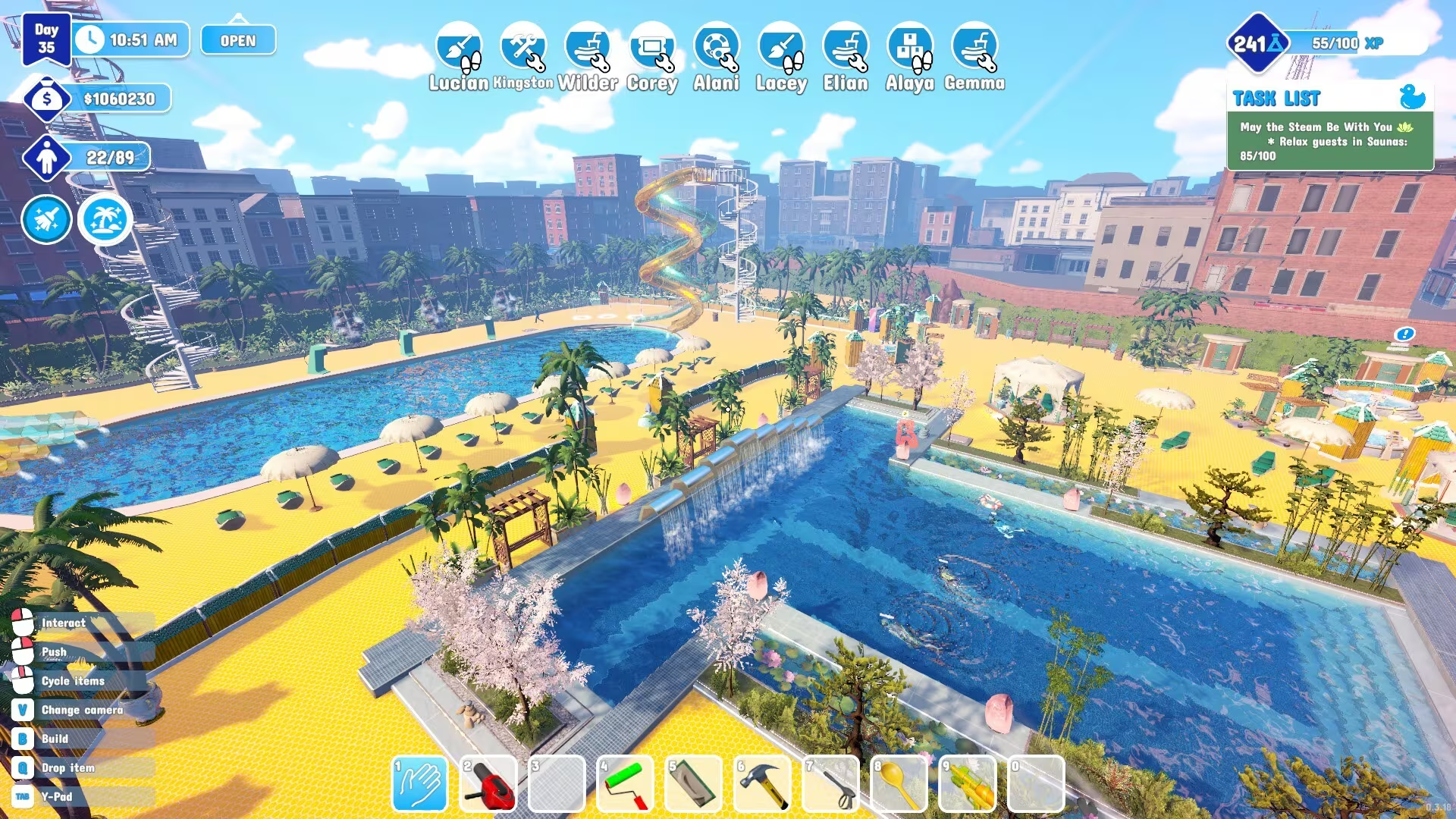
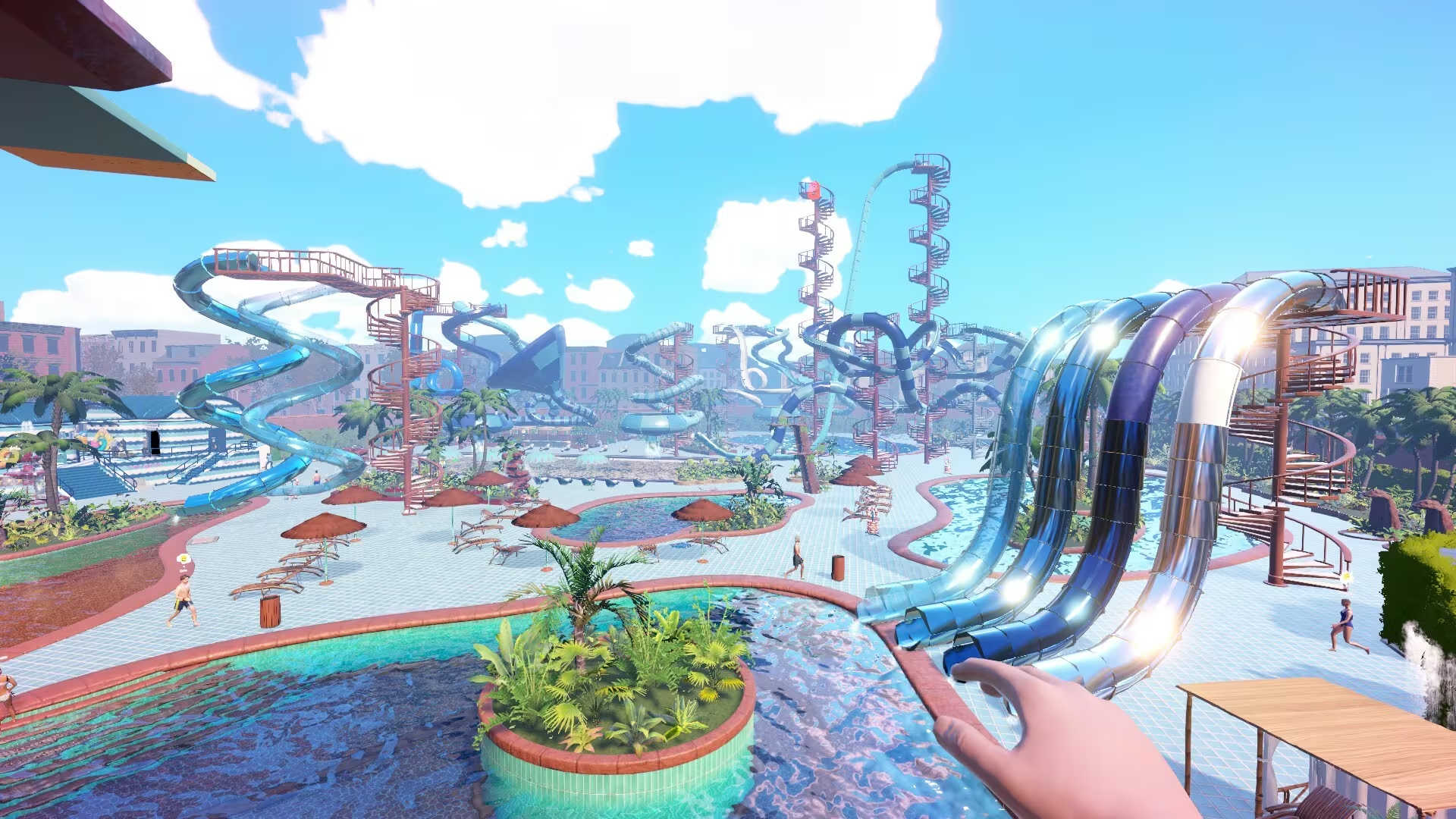
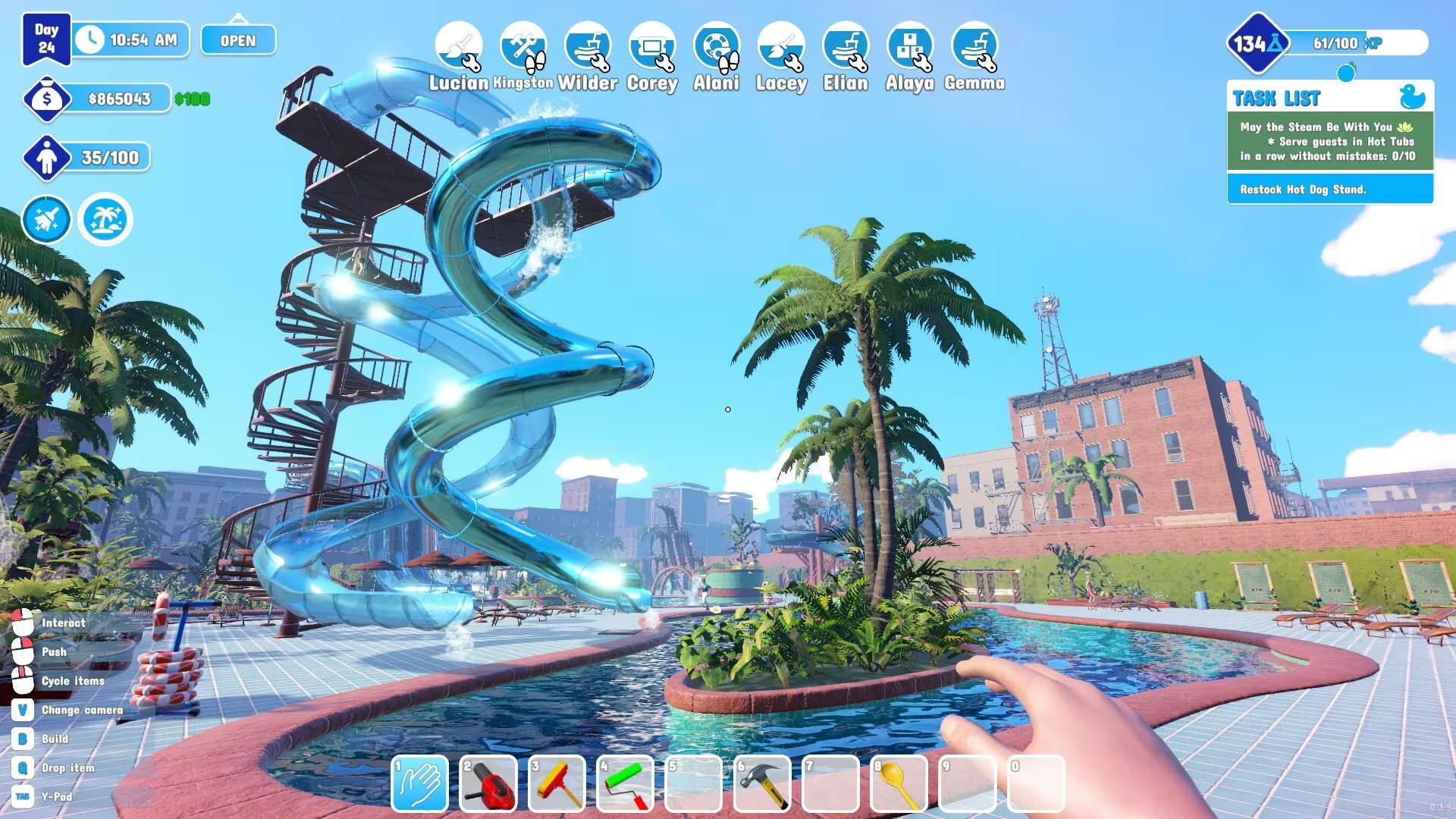
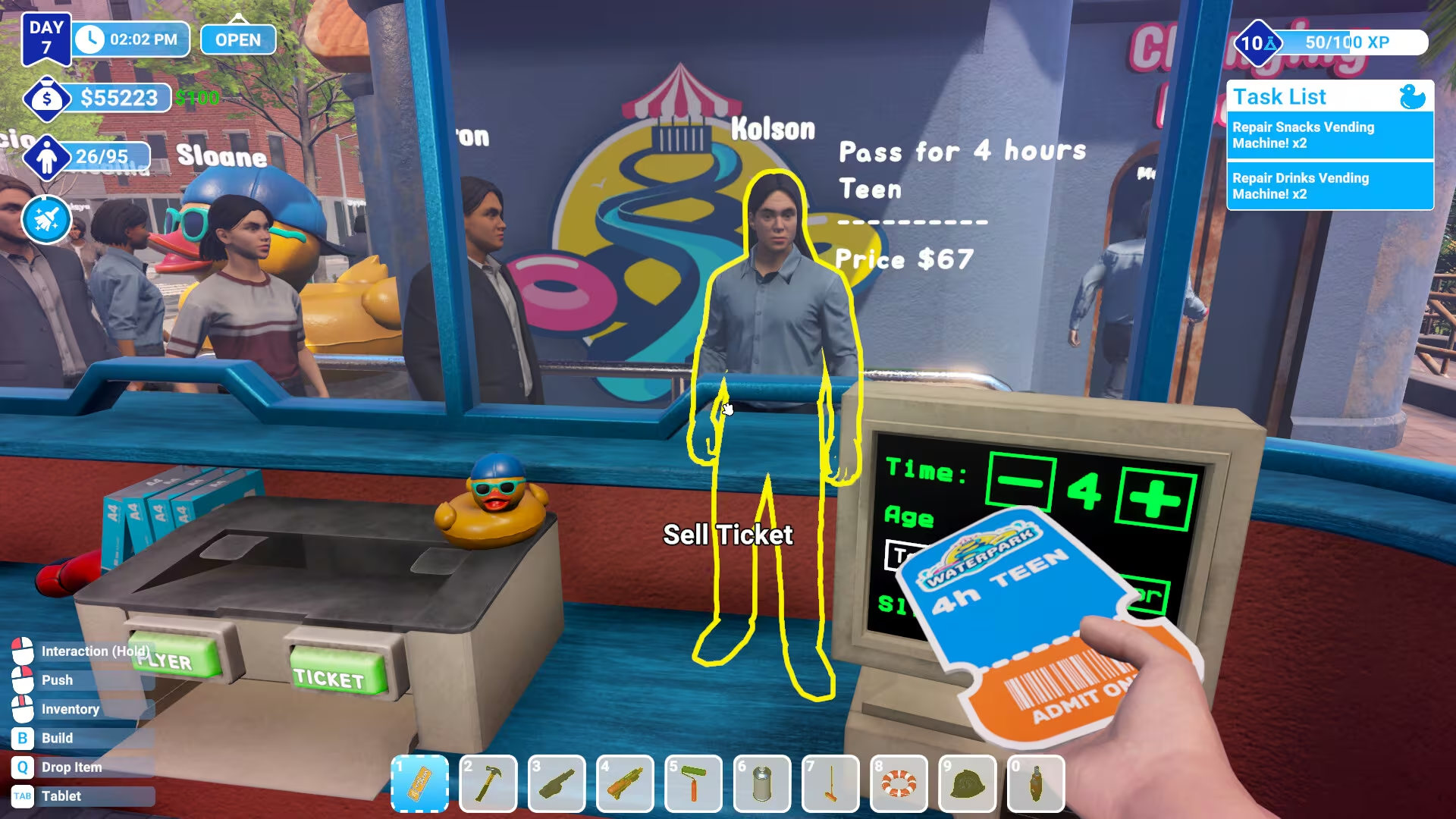
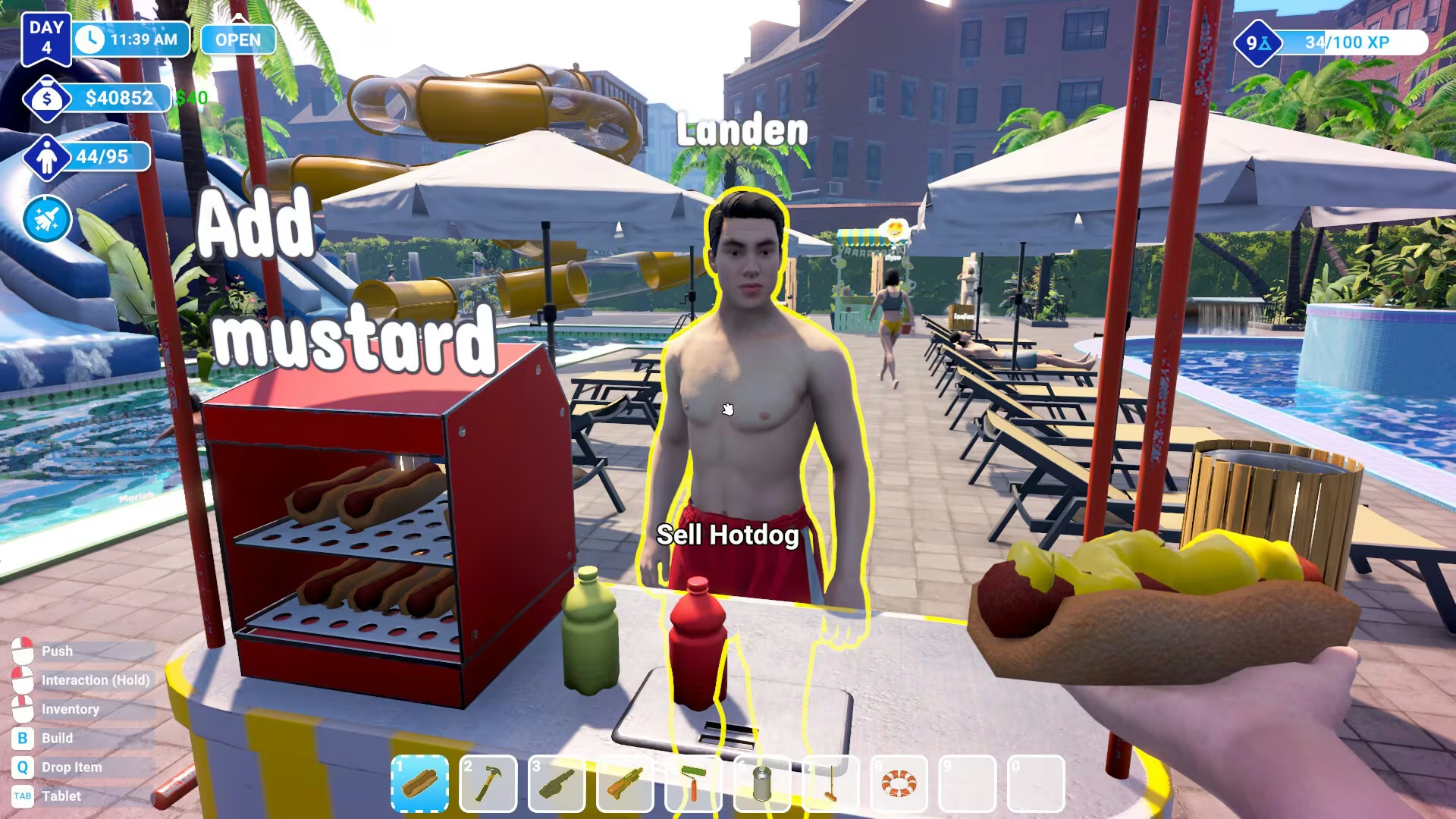
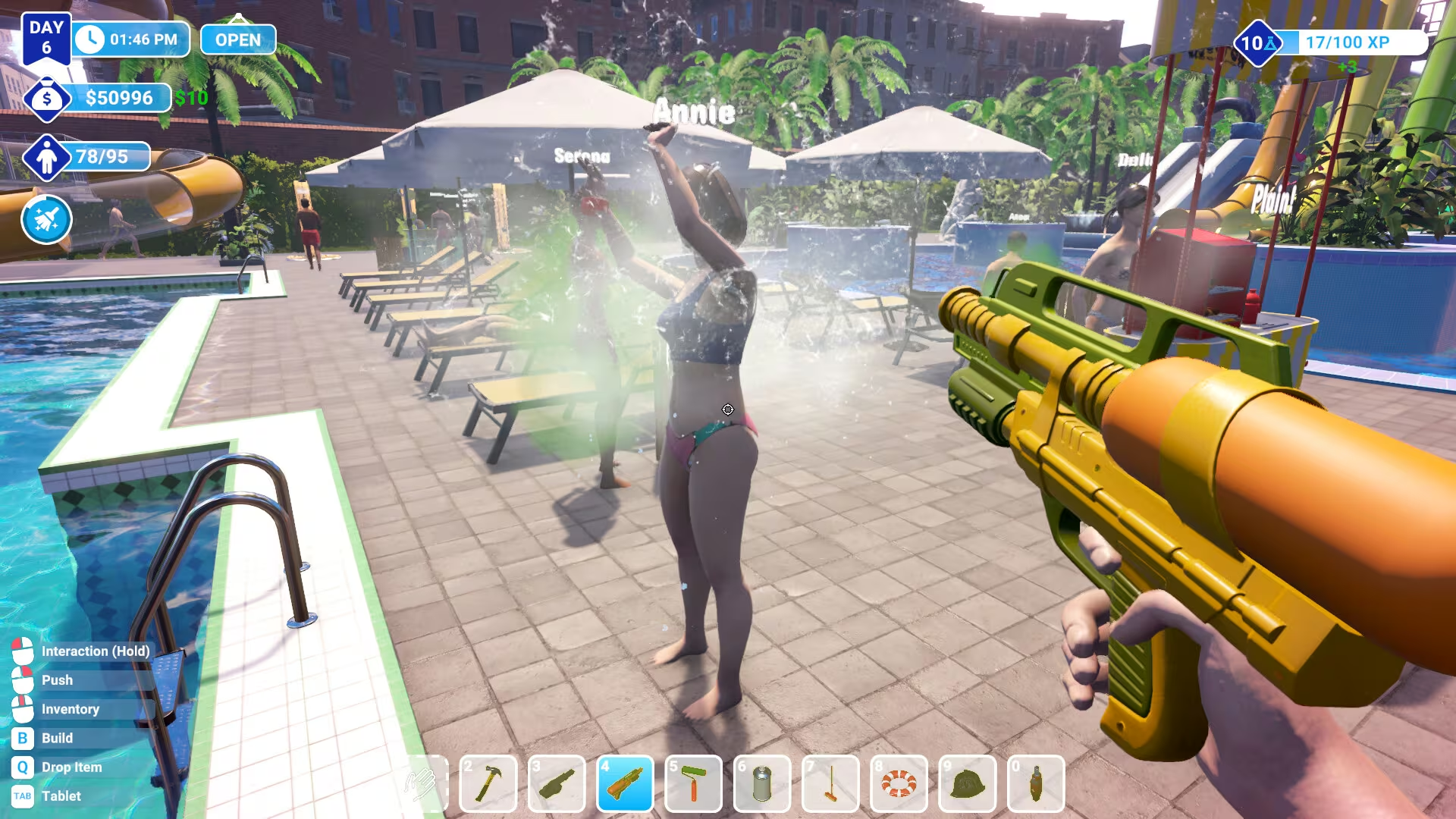
Build and run your own waterpark. Design slides, send guests flying with ragdoll physics, manage staff, and fully customize your park. Turn total madness into a five-star empire in this first-person management simulator!

Global score

96/100

Genres

Casual, Indie, Simulator, Early Access

Similar games

    Pros

    • Addictive and engaging gameplay
    • Strong creative customization
    • Humorous and chaotic simulation
    • Active developer support and updates
    • Good value for price

    Cons

    • Staff ai and efficiency issues
    • Game can be overwhelming and stressful
    • Limited multiplayer and social features
    • Some bugs and optimization problems
    • Late-game progression can feel grindy

    Analysis

    Less representative of its motivational profile, with noticeable differences. Motivations that often define this kind of title include Leadership, Survival, Violence, Strategy. Here, the score leans higher than usual among comparable games on Domination. It leans lower than usual among comparable games on Story, Leadership.

    How to use the graph
    Similar games map

    Each dot is a game. They are arranged from the same motivation profile as in the “Motivations” section below. Closer dots usually mean more similar reasons to play (exploration, competition, relaxation, etc.)—not that one game is “better” than another.

    • Larger dot with a light outline: the game you are viewing.
    • Colour: groups of games with comparable motivation patterns (statistical clusters).
    • Hover a dot to see the game name; click to open its page.
    • Scroll or double-click the chart to zoom out and see more games.

    Why don’t the axes read like a score? This view uses t-SNE: it only keeps who is close to whom. The scales are not “good to bad” or hours played—they separate groups on the map. Read distance between dots, not the axis numbers.

    Motivations

    • Autonomy
      4

      "Players have freedom to build, customize, and manage their park with many choices and personal control over actions."

    • Competence
      3

      "Game involves skillful multitasking, managing chaos, and overcoming challenges, though some tasks become repetitive at late stages."

    • Competition
      -3

      "Focus is on personal park management and progression without emphasis on comparing to others or leaderboards."

    • Continuation
      4

      "Players report long play sessions and addictive gameplay loops encouraging habitual engagement."

    • Cooperation
      -4

      "Gameplay centers on solo management; multiplayer is requested but not yet implemented."

    • Creativity
      4

      "Strong creative elements in park design, slide building, painting, and customization."

    • Domination
      3

      "Players enjoy exerting control over NPCs by pushing or interacting aggressively, reflecting a playful dominance."

    • Escapism
      4

      "Players use the game as a fun distraction and stress relief through chaotic and humorous gameplay."

    • Expectation
      -4

      "Players engage voluntarily out of intrinsic interest and enjoyment, not obligation."

    • Experimenting
      3

      "Players try different park layouts, decorations, and gameplay strategies, though some late-game routines emerge."

    • Exploration
      2

      "Some discovery in unlocking new items and features, but environment is mostly static."

    • Expression
      4

      "Customization of park aesthetics and character appearance allows self-expression."

    • Fantasy
      2

      "Game features exaggerated, humorous scenarios but is grounded in a realistic waterpark setting."

    • Fellowship
      -3

      "Social features are minimal; players mostly play solo though community engagement exists outside the game."

    • Growth
      3

      "Players develop management skills and progress through unlocking upgrades and improving park."

    • Health
      -5

      "Game is sedentary with no physical activity elements."

    • Idle
      -3

      "Requires constant player attention and active multitasking rather than passive or background play."

    • Intimacy
      -4

      "Interactions are surface-level with NPCs; no deep social or emotional connections."

    • Leadership
      -2

      "Limited leadership roles; player manages park but staff roles are minimal and AI is weak."

    • Progression
      4

      "Clear progression through star ratings, upgrades, and park expansion."

    • Relaxation
      -2

      "Gameplay can be hectic and stressful especially early and mid-game due to multitasking demands."

    • Sensation
      3

      "Bright visuals, ragdoll physics, and humorous sound effects provide sensory enjoyment."

    • Status
      -3

      "Little social recognition or status within the game; focus is on personal achievement."

    • Story
      -4

      "No narrative or plot; gameplay is context-free simulation and management."

    • Strategy
      3

      "Requires planning and problem solving for efficient park management and staff deployment."

    • Thrill
      2

      "Some excitement from chaotic events and risk of guest injuries, but mostly controlled gameplay."

    • Value
      4

      "Players feel the game offers good value for money and time invested, especially given frequent updates."

    • Violence
      3

      "Players enjoy humorous combat-like interactions such as pushing guests and hitting troublemakers."

    • Survival
      2

      "Some resource and risk management elements, but overall low threat environment."

    Last update: 29/04/2026