We Were Here Too Thumbnail

We Were Here Too similar games & best alternatives

We Were Here Too

PC (Microsoft Windows) • 2018

Related articles

Quick resume

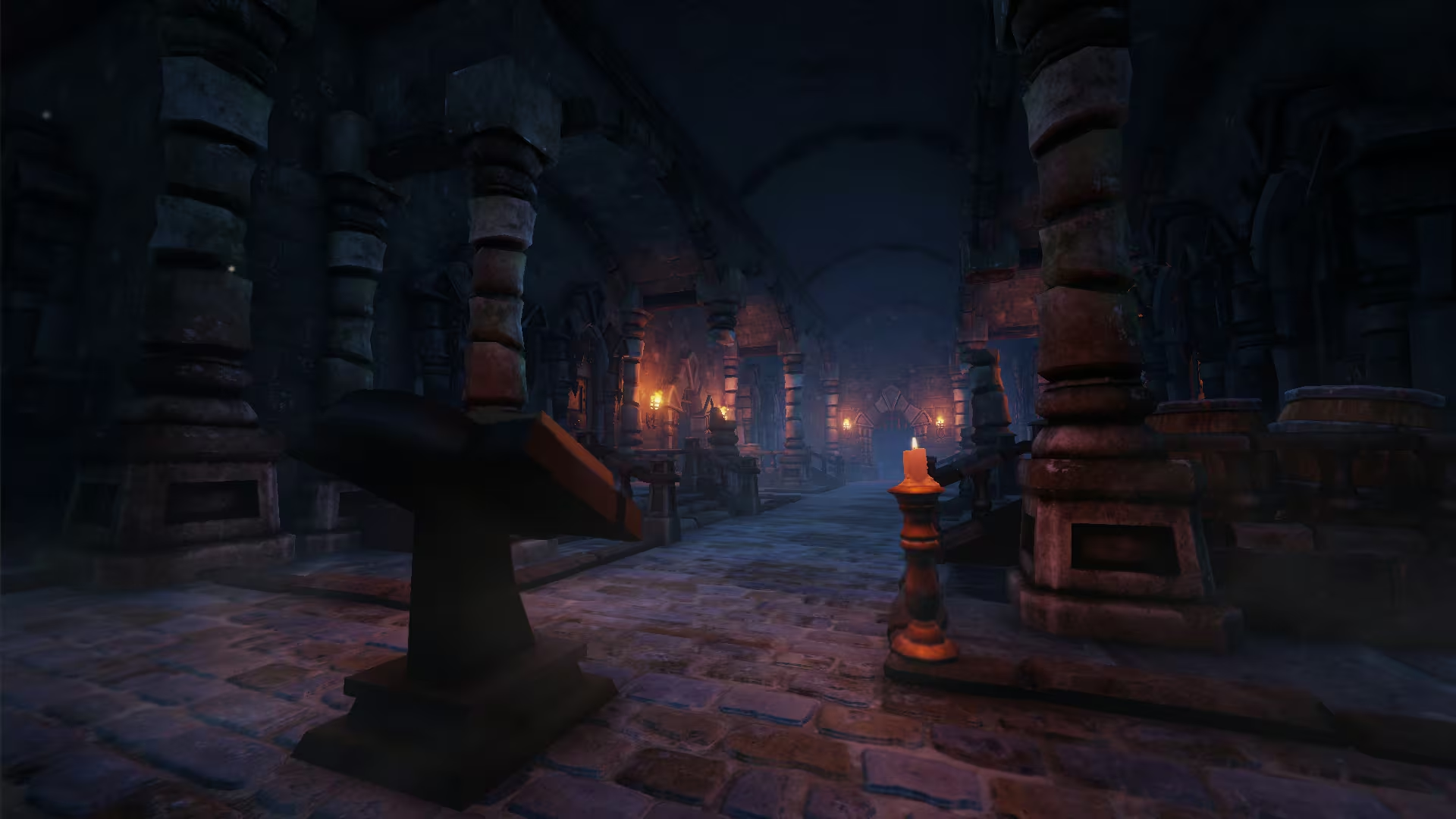
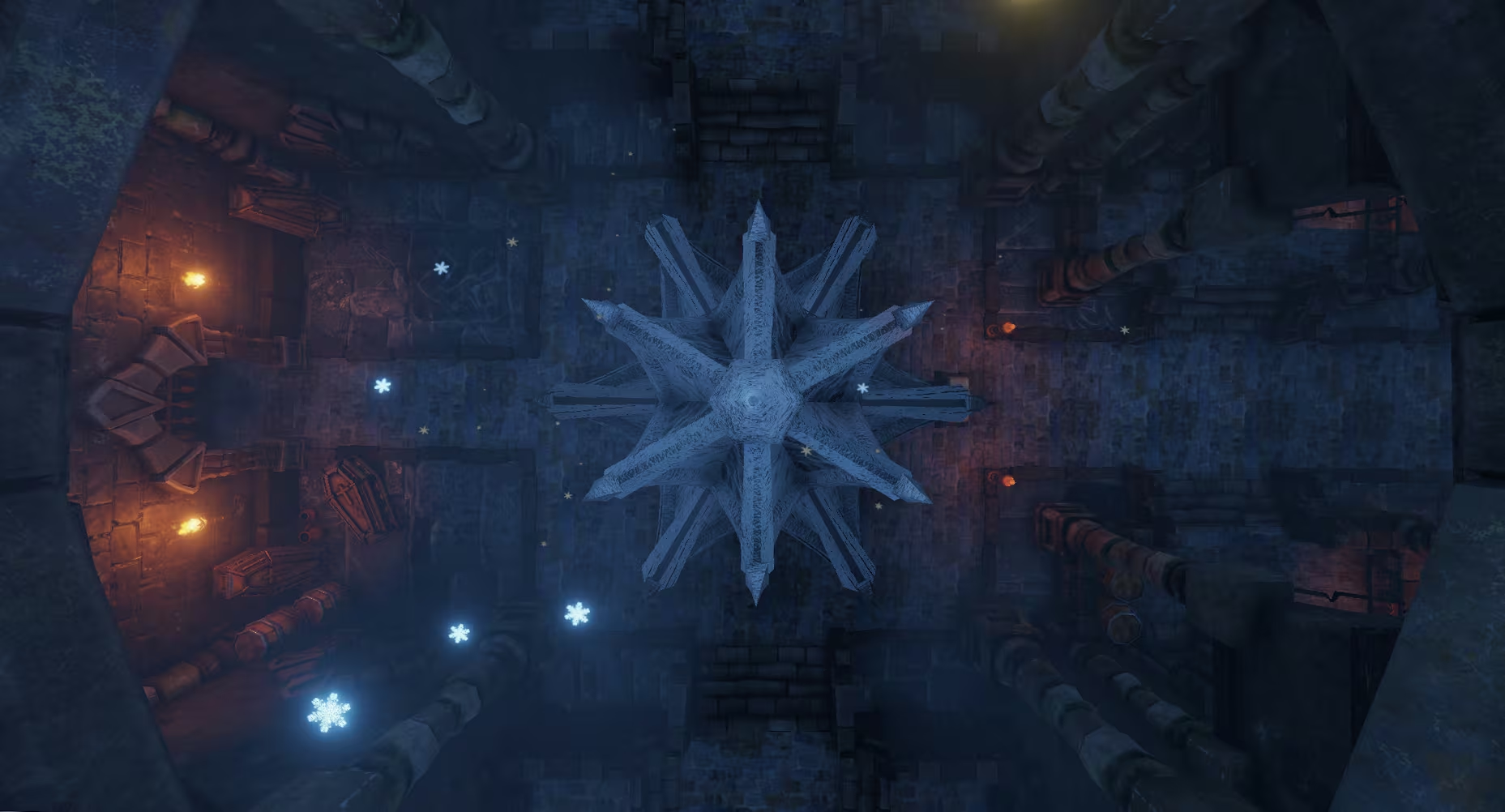
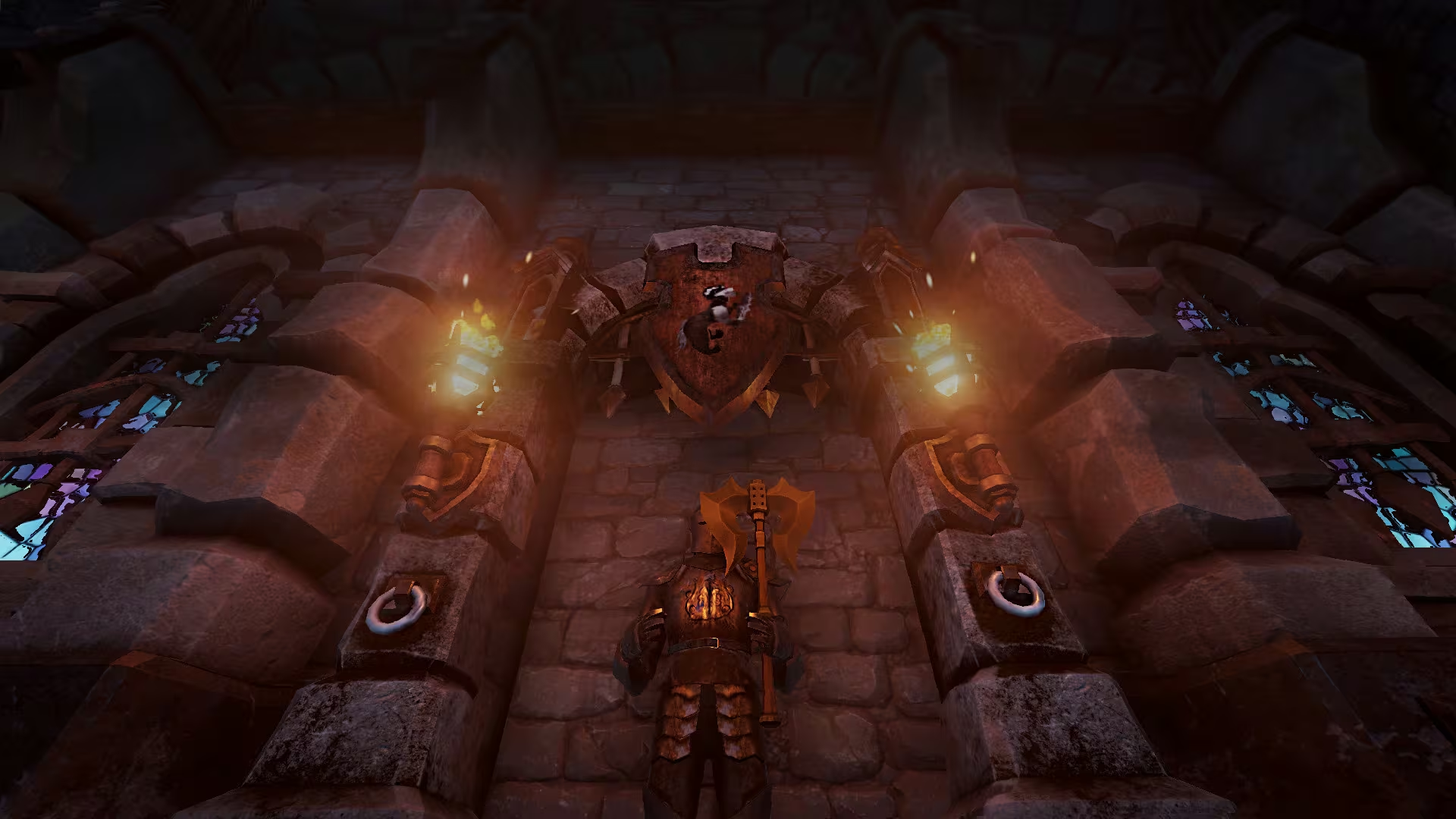
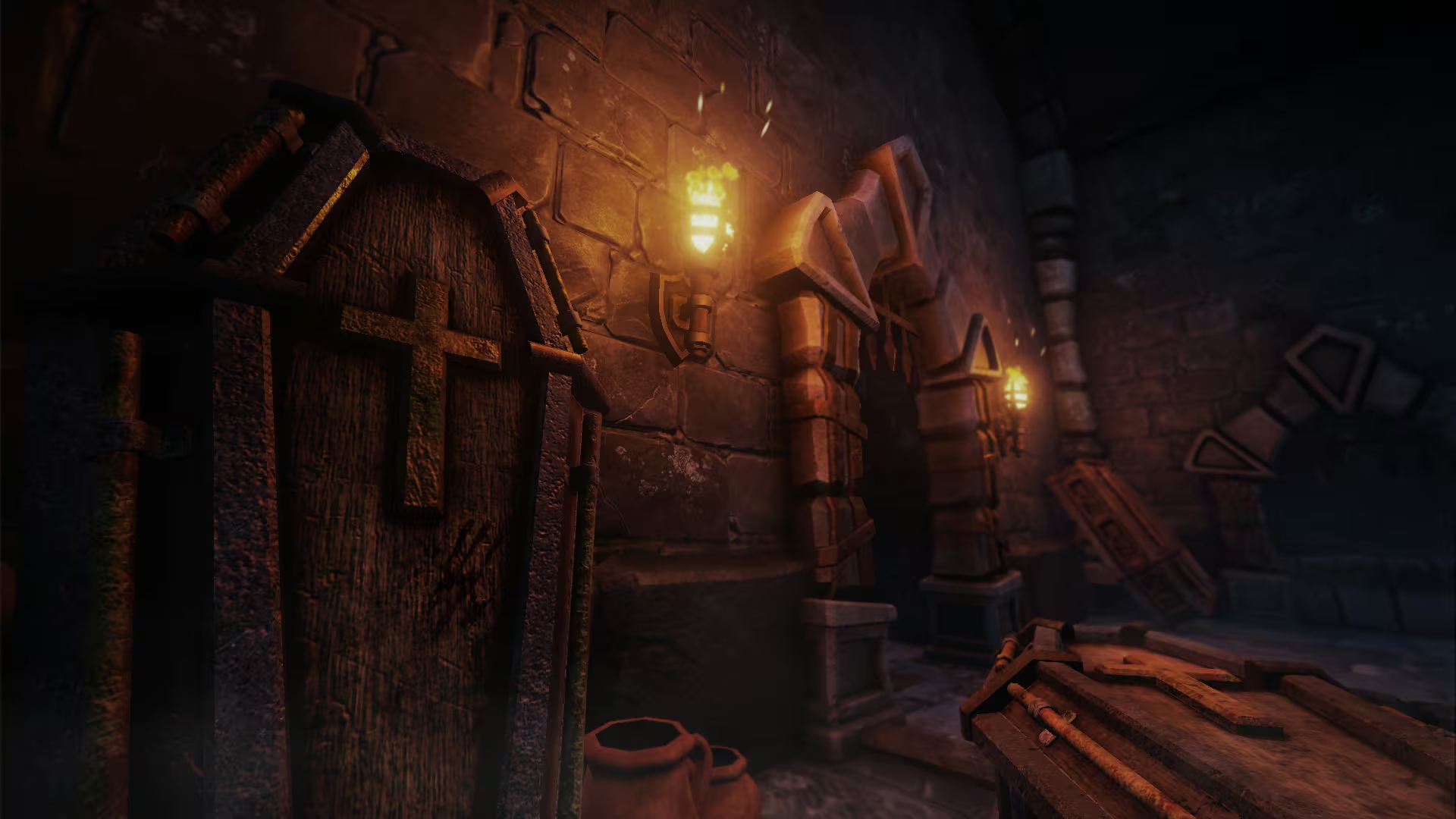
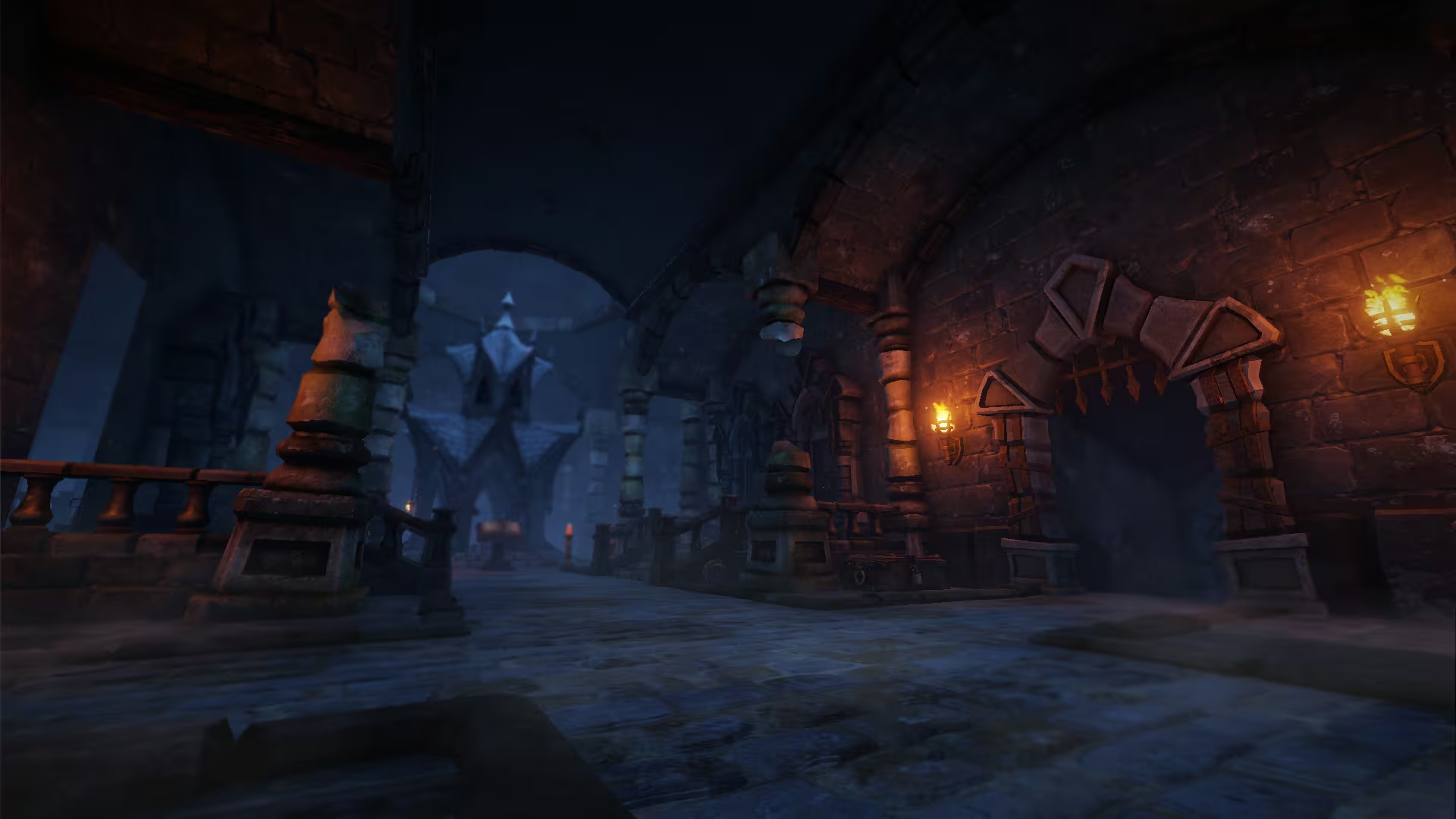
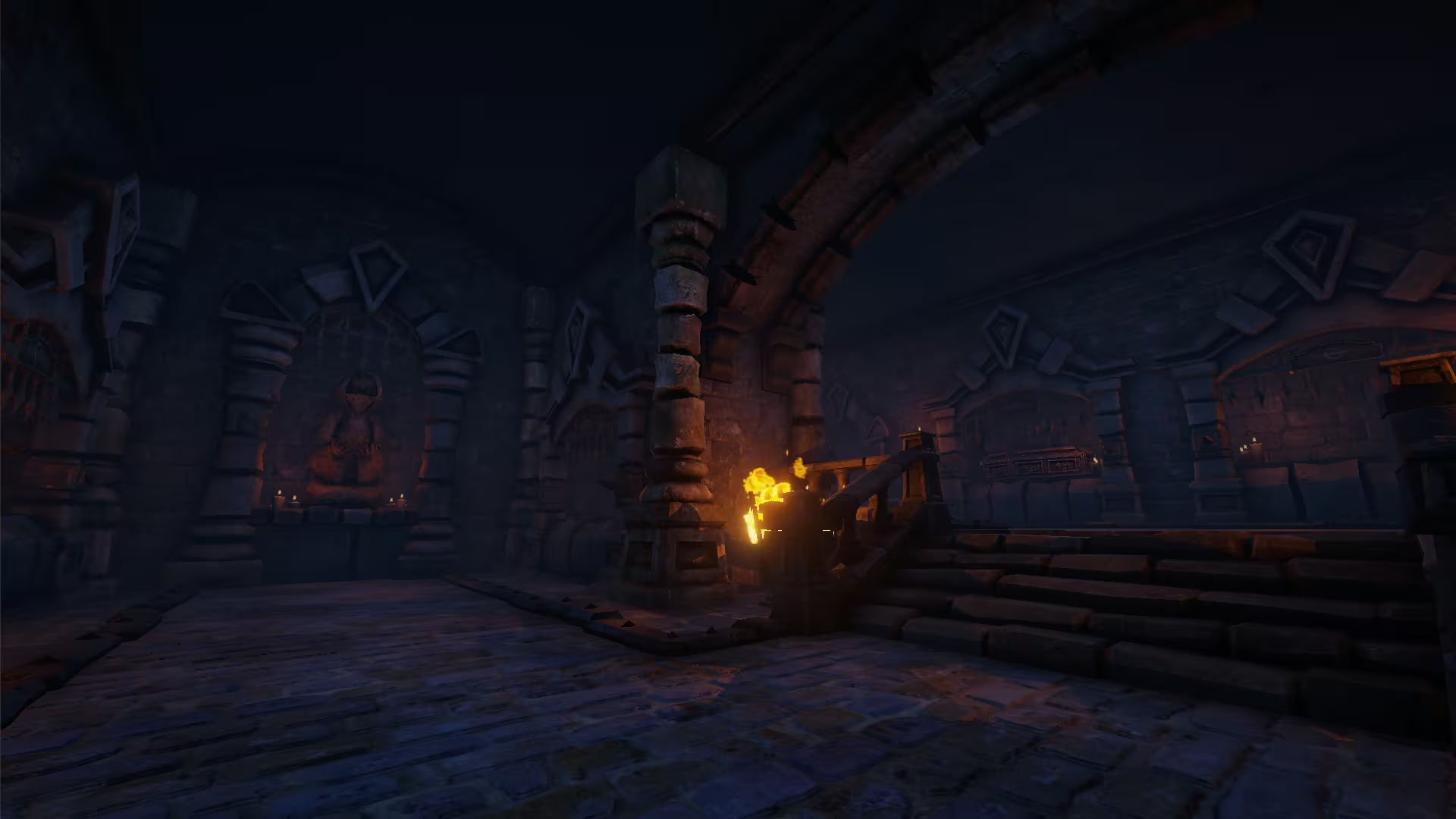
As your final hour approaches, a large structure looms up in the distance, towering above the relentless storm. Discover the truth behind this dark castle in a communication-based, cooperative puzzle adventure.

Global score

79/100

Genres

Adventure, Casual, Indie

Similar games

    Pros

    • Unique and challenging cooperative puzzles
    • Immersive atmosphere and sound design
    • Strong emphasis on communication and teamwork
    • Multiple roles and endings for replayability
    • Accessible gameplay with low system requirements

    Cons

    • Short overall playtime
    • Limited replay value after completion
    • Some bugs and technical issues reported
    • Timed puzzles can cause frustration
    • Requires a cooperative partner for best experience

    Analysis

    Less representative of its motivational profile, with noticeable differences. Motivations that often define this kind of title include Cooperation, Fellowship, Intimacy, Leadership. It leans lower than usual among comparable games on Violence, Expression, Competition.

    How to use the graph
    Similar games map

    Each dot is a game. They are arranged from the same motivation profile as in the “Motivations” section below. Closer dots usually mean more similar reasons to play (exploration, competition, relaxation, etc.)—not that one game is “better” than another.

    • Larger dot with a light outline: the game you are viewing.
    • Colour: groups of games with comparable motivation patterns (statistical clusters).
    • Hover a dot to see the game name; click to open its page.
    • Scroll or double-click the chart to zoom out and see more games.

    Why don’t the axes read like a score? This view uses t-SNE: it only keeps who is close to whom. The scales are not “good to bad” or hours played—they separate groups on the map. Read distance between dots, not the axis numbers.

    Motivations

    • Autonomy
      4

      "Players have control over their actions and decisions, including choosing roles and solving puzzles cooperatively with freedom."

    • Competence
      4

      "The game offers challenging puzzles that require skillful communication and problem solving, with feedback through puzzle completion."

    • Competition
      -4

      "Focus is on cooperative play with a friend rather than competing against others or leaderboards."

    • Continuation
      2

      "Players often engage in multiple playthroughs to experience both roles and secret endings, though overall playtime is short."

    • Cooperation
      5

      "Core gameplay requires working closely with another player to solve puzzles and progress."

    • Creativity
      3

      "Players creatively communicate and interpret puzzle clues, though puzzles themselves follow designed structures."

    • Domination
      -4

      "Interactions emphasize equal partnership and shared problem solving rather than control or superiority."

    • Escapism
      3

      "The immersive atmosphere and cooperative puzzle solving provide a distraction and escape from real life."

    • Expectation
      -3

      "Players engage voluntarily for fun and challenge, not out of obligation or pressure."

    • Experimenting
      2

      "Some exploration of puzzle solutions and communication methods, though puzzles are fixed and repeatable."

    • Exploration
      2

      "Players explore different rooms and environments within the castle, discovering puzzles and lore."

    • Expression
      -3

      "Limited customization or self-expression; players use preset roles and environments."

    • Fantasy
      2

      "The game features a mysterious castle and story elements that create a fictional, slightly eerie setting."

    • Fellowship
      4

      "Strong sense of community and shared experience between the two players cooperating closely."

    • Growth
      3

      "Players develop communication and problem-solving skills through challenging puzzles."

    • Health
      -5

      "The game is sedentary with no physical activity involved."

    • Idle
      -4

      "Requires focused attention and continuous engagement to solve puzzles and communicate."

    • Intimacy
      3

      "Encourages close interaction and bonding through cooperative gameplay and communication challenges."

    • Leadership
      0

      "Roles are balanced with shared responsibilities; no clear leader or follower dynamic."

    • Progression
      3

      "Players progress through puzzles and unlock new areas, with some collectible achievements."

    • Relaxation
      -1

      "While some find it relaxing, timed puzzles and potential frustration create moments of tension."

    • Sensation
      2

      "Atmospheric audio and visuals provide sensory engagement but not intense stimulation."

    • Status
      -4

      "No social status or recognition systems; focus is on private cooperative experience."

    • Story
      3

      "Contains a subtle narrative and lore that unfolds through exploration and puzzle solving."

    • Strategy
      3

      "Requires logical thinking, planning, and problem solving to complete puzzles cooperatively."

    • Thrill
      2

      "Timed puzzles and potential character death add suspense and excitement."

    • Value
      1

      "Generally considered worth the price especially on sale, though some find it short for full price."

    • Violence
      -4

      "Focus is on puzzle solving and cooperation rather than combat or destruction."

    • Survival
      2

      "Some puzzles involve avoiding death or traps, adding a survival element."

    Last update: 29/04/2026