What Lies in the Multiverse Thumbnail

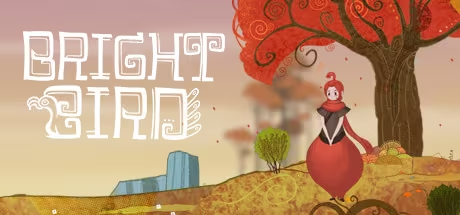
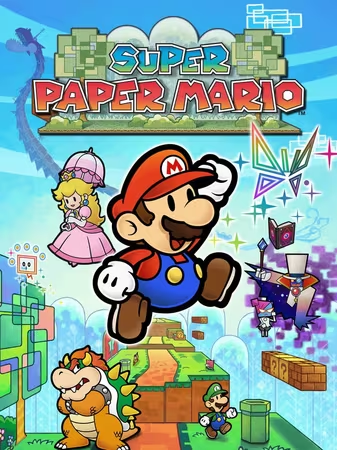
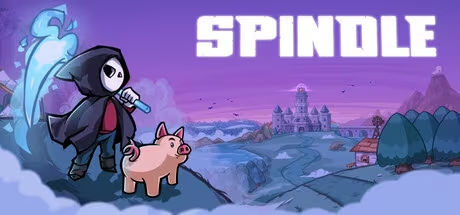
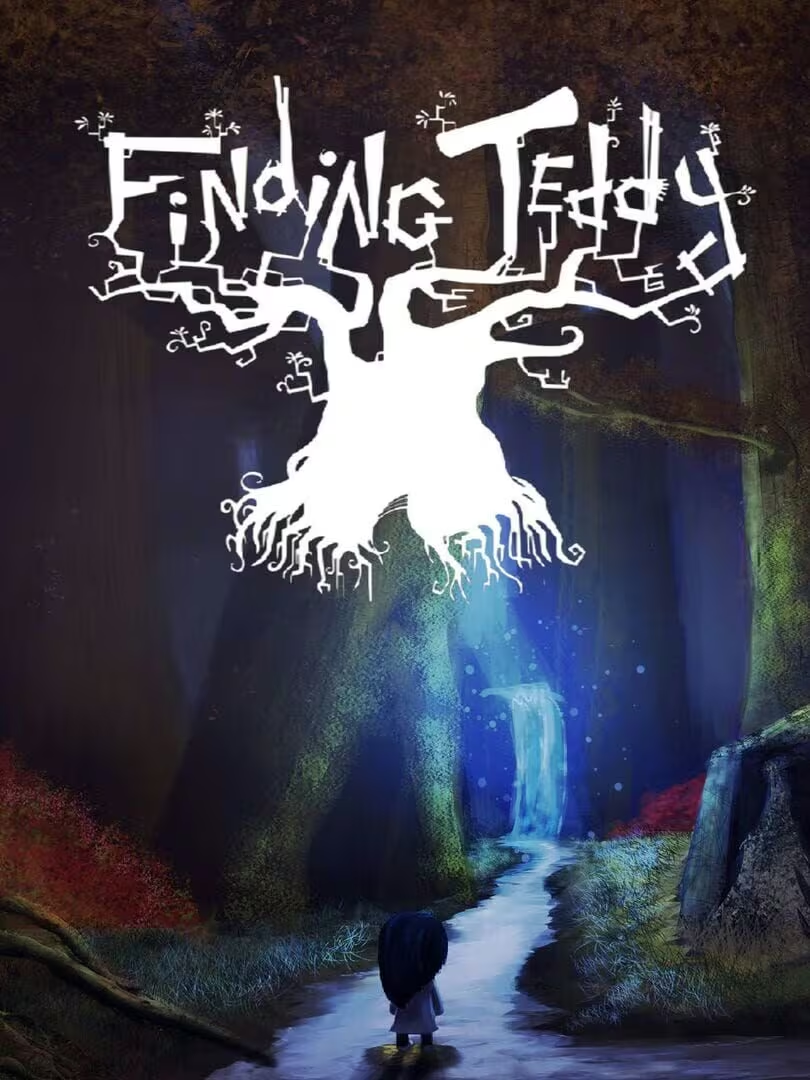
What Lies in the Multiverse similar games & best alternatives
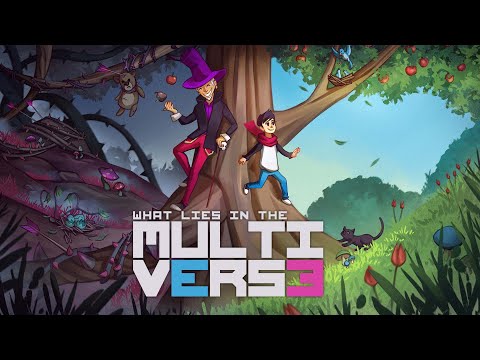
What Lies in the Multiverse

PC (Microsoft Windows), Xbox One, PlayStation 4, Nintendo Switch, PlayStation 5 • 2022

Related articles

Quick resume

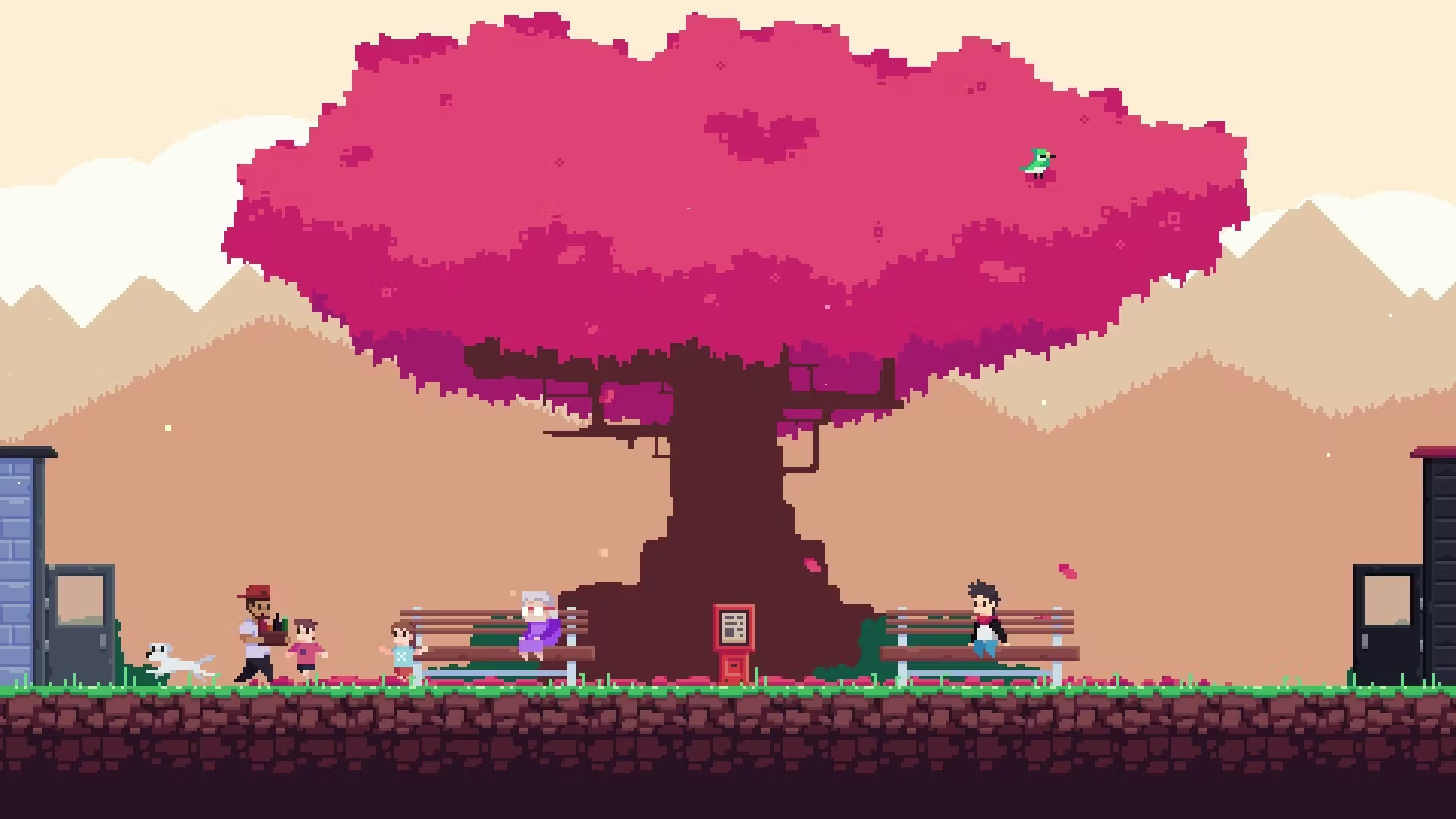
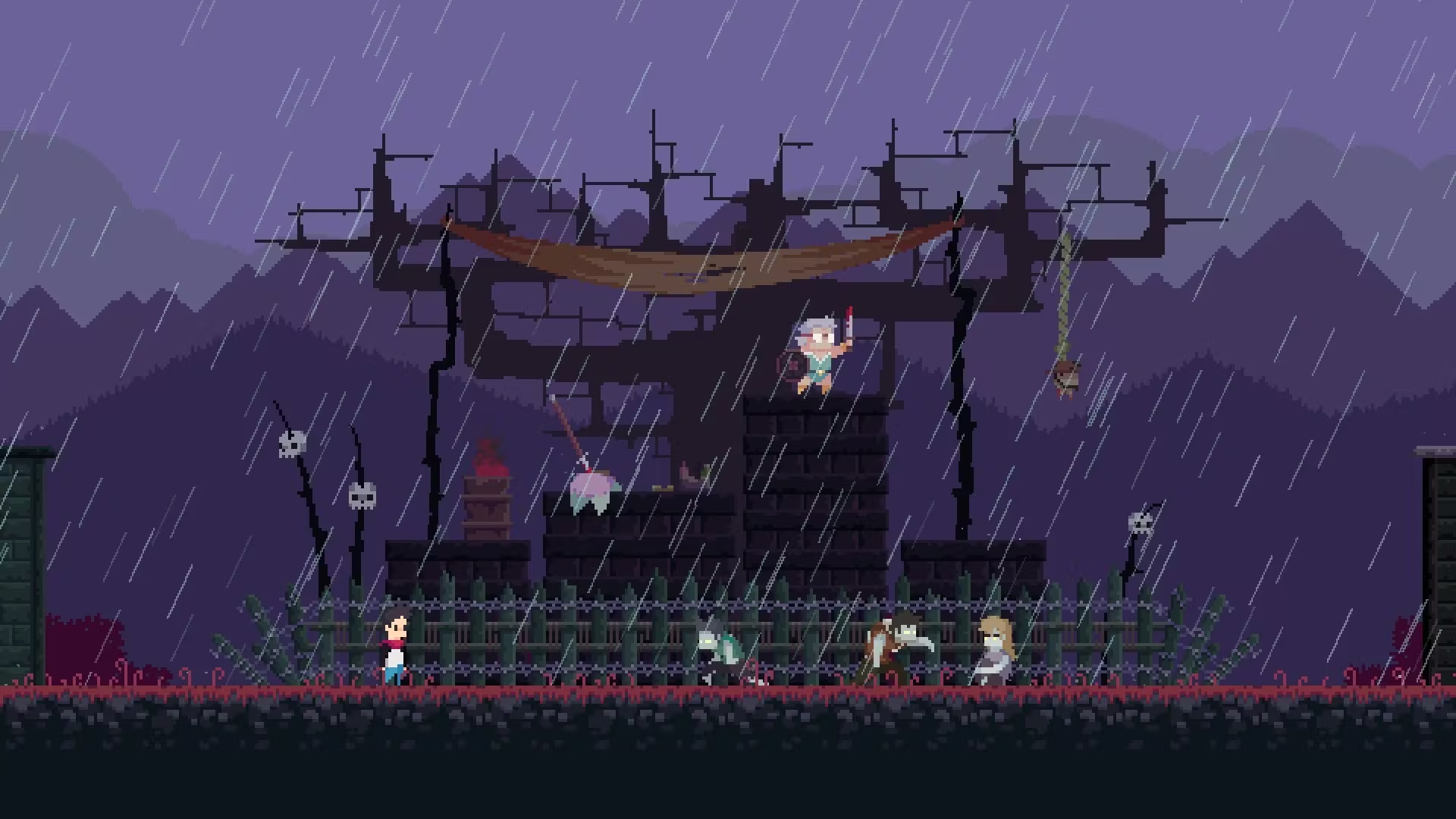
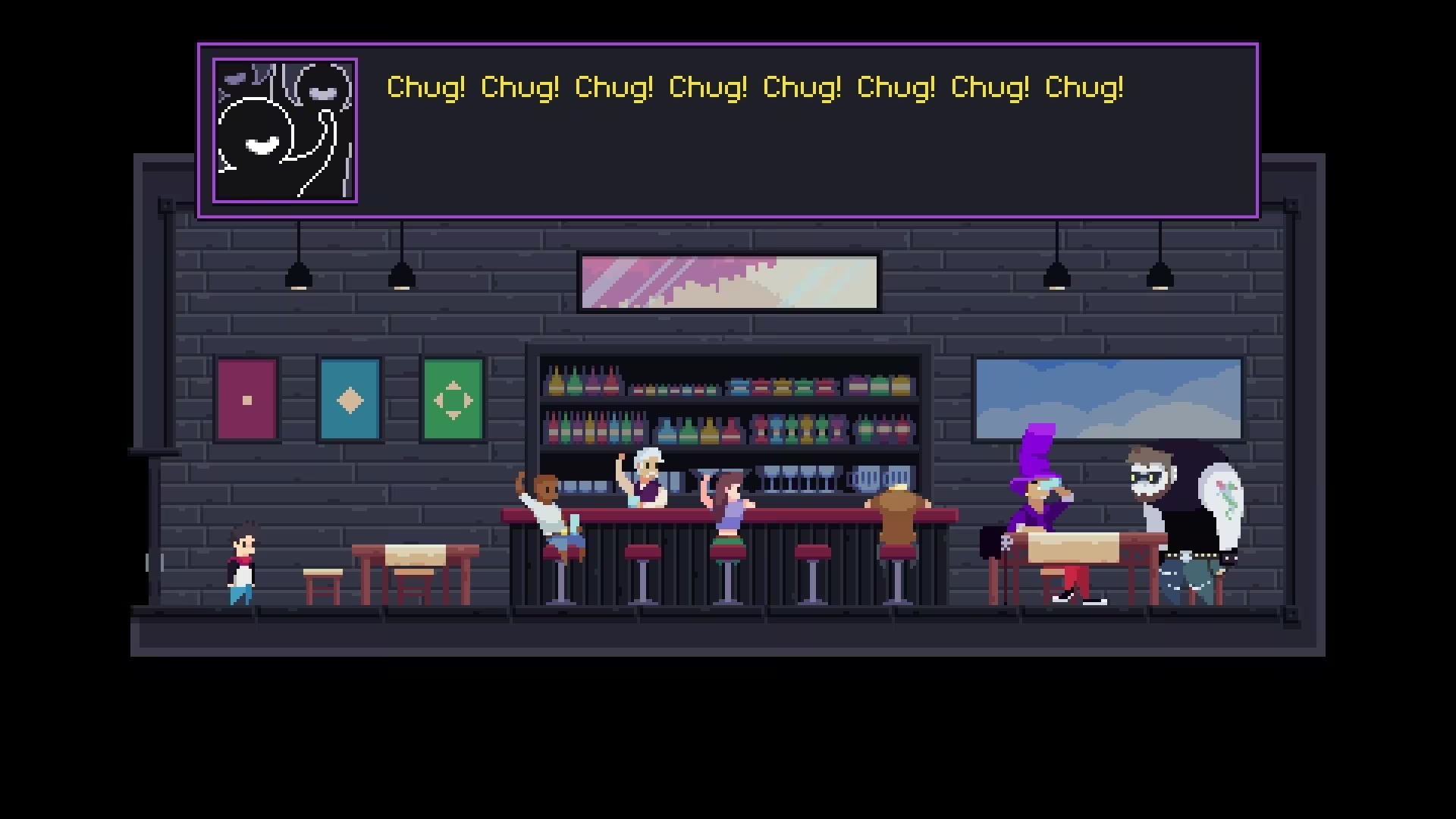
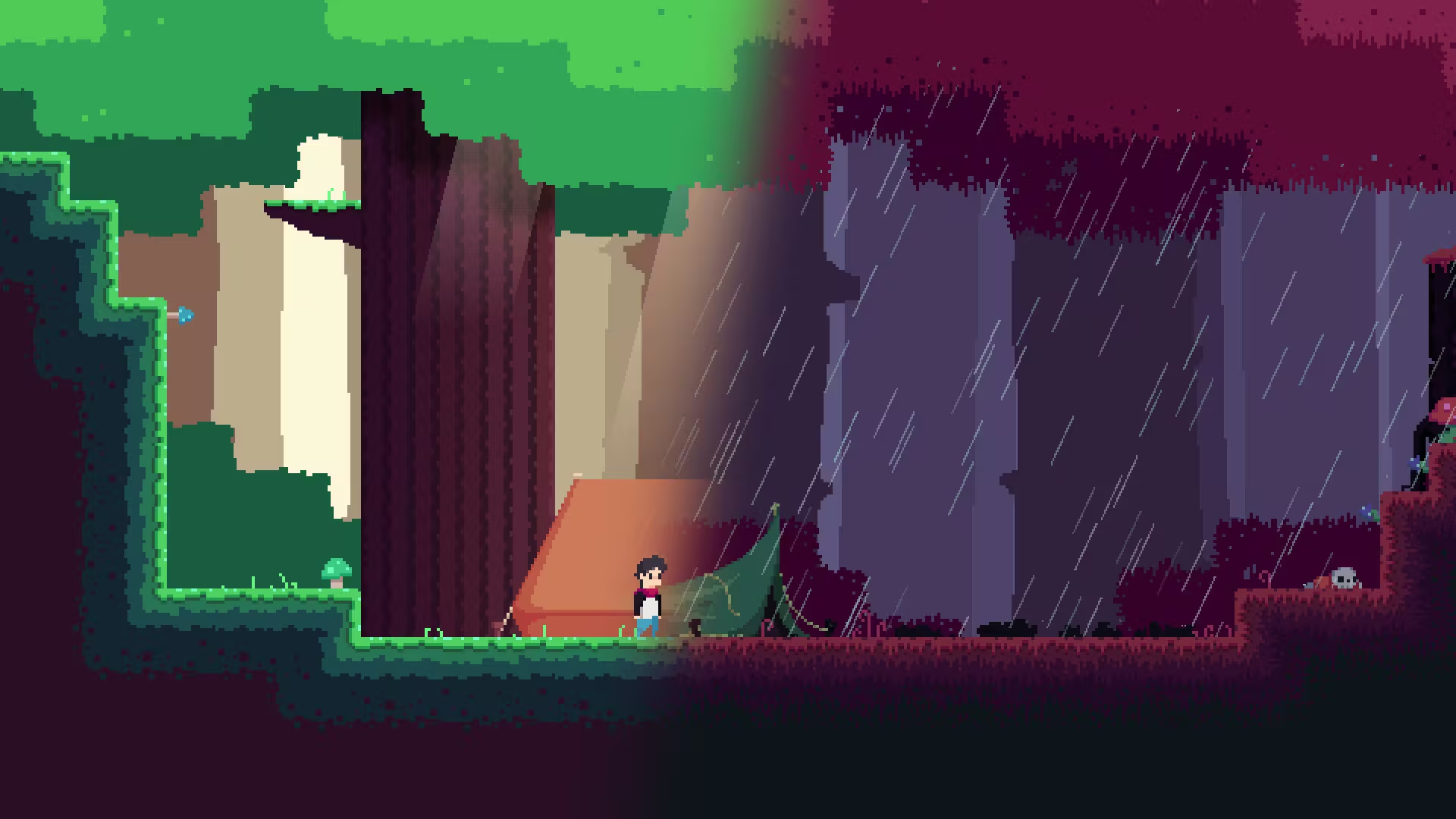
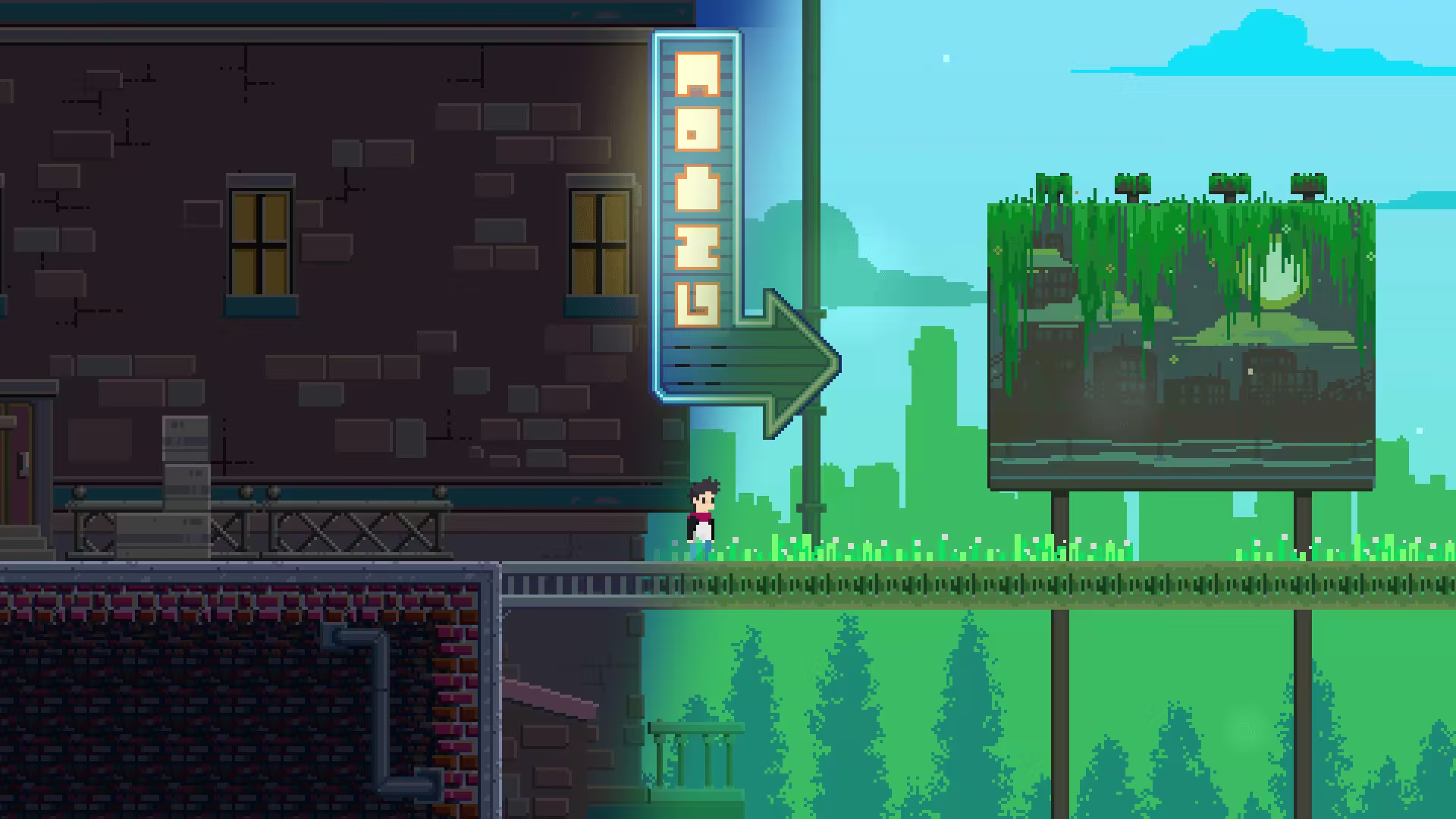
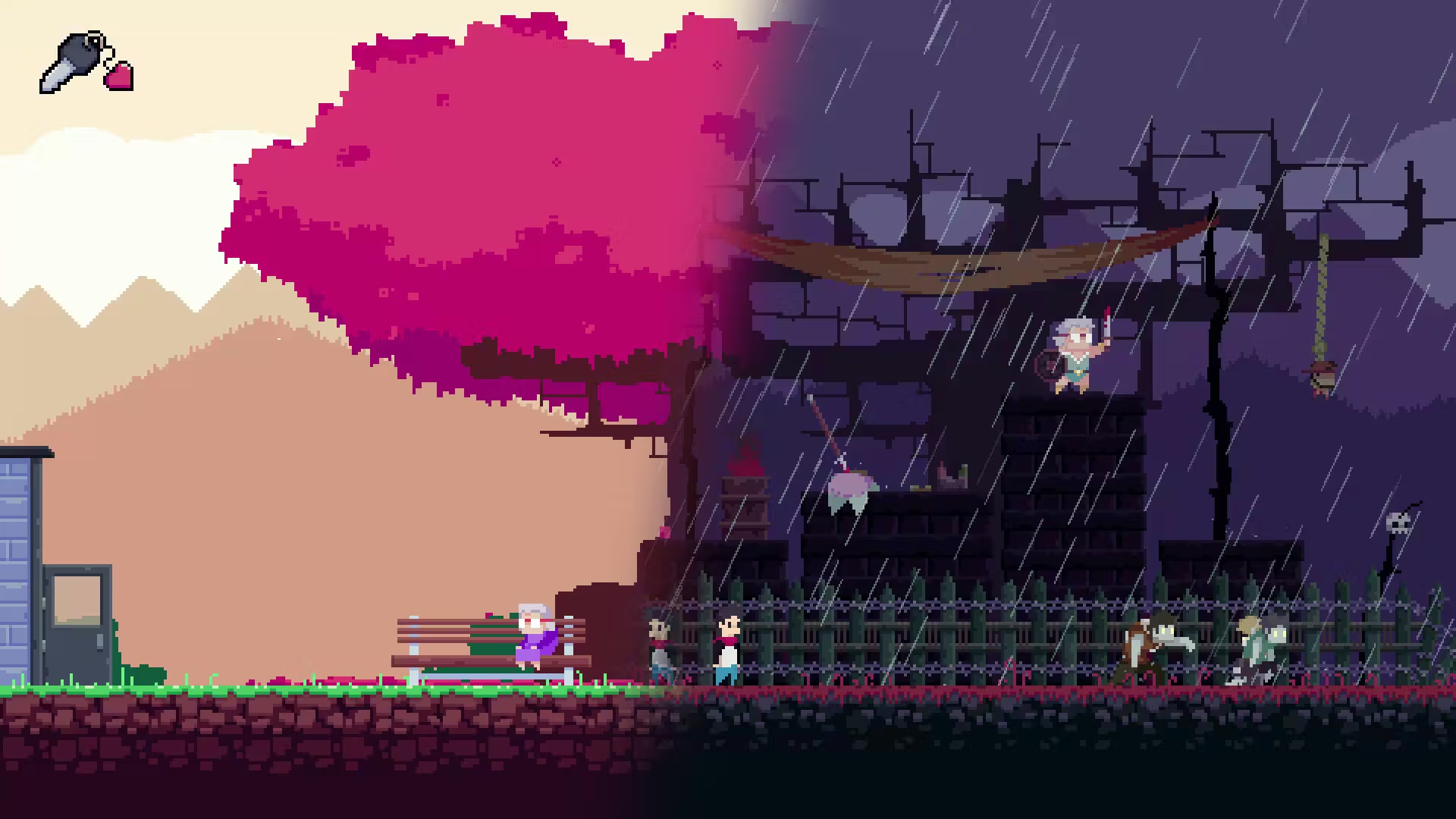
A bombastic puzzle platformer about worlds turned inside out. Shift dimensions at the push of a button, solve brain-twisting logistical riddles, and race through the wilds of the multiverse in a bleakly hilarious (and hilariously bleak) story where everything you know can turn on a dime.

Global score

92/100

Genres

Adventure, Casual, Indie, Platform, Puzzle

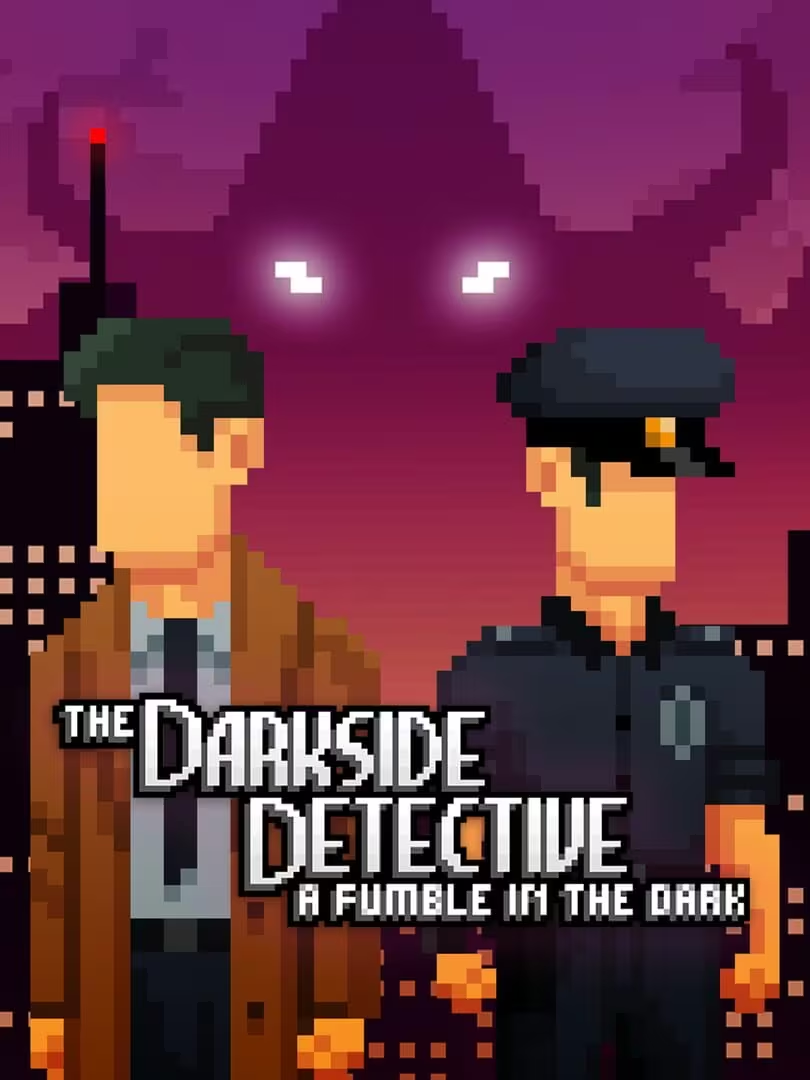
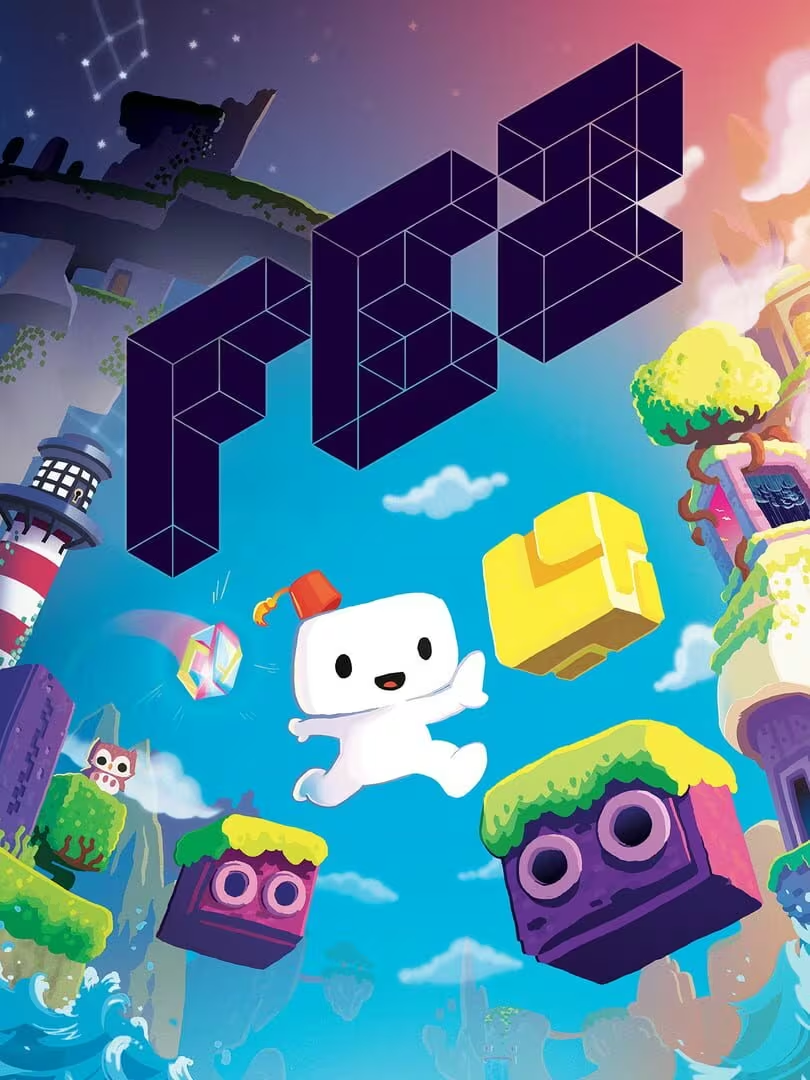
Similar games

    Pros

    • Engaging and emotional story
    • Unique universe-switching puzzle mechanics
    • Beautiful pixel art and music
    • Well-written characters and humor
    • Accessible puzzle difficulty

    Cons

    • Some bugs and softlocks reported
    • Lack of dialogue skipping reduces replayability
    • Slow character movement can feel tedious
    • Story pacing and ending criticized by some
    • Backtracking for collectibles can be annoying

    Analysis

    A very typical example of its motivational profile. Motivations that often define this kind of title include Intimacy, Survival, Violence, Competition. Here, the score leans higher than usual among comparable games on Strategy. It leans lower than usual among comparable games on Fellowship, Cooperation.

    How to use the graph
    Similar games map

    Each dot is a game. They are arranged from the same motivation profile as in the “Motivations” section below. Closer dots usually mean more similar reasons to play (exploration, competition, relaxation, etc.)—not that one game is “better” than another.

    • Larger dot with a light outline: the game you are viewing.
    • Colour: groups of games with comparable motivation patterns (statistical clusters).
    • Hover a dot to see the game name; click to open its page.
    • Scroll or double-click the chart to zoom out and see more games.

    Why don’t the axes read like a score? This view uses t-SNE: it only keeps who is close to whom. The scales are not “good to bad” or hours played—they separate groups on the map. Read distance between dots, not the axis numbers.

    Motivations

    • Autonomy
      4

      "Players have control over switching between universes and solving puzzles with different mechanics, indicating high player agency."

    • Competence
      3

      "Puzzles are generally light to moderate difficulty, providing a sense of skillful problem solving without excessive frustration."

    • Competition
      -4

      "Focus is on personal puzzle solving and story progression without competitive or ranked elements."

    • Continuation
      3

      "Many players report engaging story and gameplay that encourage long sessions and replay for achievements."

    • Cooperation
      -5

      "Single-player experience with no multiplayer or cooperative gameplay elements."

    • Creativity
      4

      "Unique mechanics involving universe switching and puzzle design encourage creative problem solving."

    • Domination
      -5

      "No evidence of exerting control or superiority over others; gameplay is individual and narrative-driven."

    • Escapism
      4

      "Players use the game to immerse in a fictional multiverse with emotional and narrative depth, providing escape from reality."

    • Expectation
      -4

      "Players engage voluntarily out of intrinsic interest in story and puzzles, not out of obligation."

    • Experimenting
      4

      "Game encourages trying new puzzle mechanics and exploring different universes with varying rules."

    • Exploration
      3

      "Players discover secrets, alternate universe details, and hidden collectibles throughout levels."

    • Expression
      2

      "Some character animations and minor details allow for subtle expression, though customization is limited."

    • Fantasy
      4

      "The game features imaginative multiverse travel, fictional characters, and narrative fiction elements."

    • Fellowship
      -4

      "Experience is primarily solo with minimal social interaction or community involvement."

    • Growth
      3

      "Players develop puzzle-solving skills and understanding of game mechanics over time."

    • Health
      -5

      "Sedentary gameplay typical of puzzle platformers with no physical activity elements."

    • Idle
      -3

      "Requires focused attention on puzzles and story; not designed for background or idle play."

    • Intimacy
      1

      "Narrative fosters emotional connection to characters but limited to single-player experience."

    • Leadership
      -5

      "No leadership or group management roles; purely individual gameplay."

    • Progression
      3

      "Players progress through chapters, unlock achievements, and collect secrets, showing advancement."

    • Relaxation
      3

      "Generally light puzzles and engaging story create a relaxing flow state for many players."

    • Sensation
      3

      "Enjoyable pixel art, music, and sound design provide pleasant sensory stimulation."

    • Status
      -4

      "No social status or recognition systems; focus is on personal experience."

    • Story
      5

      "Strong narrative immersion with memorable characters and emotional storytelling."

    • Strategy
      3

      "Puzzles require logical thinking and planning, though not highly complex."

    • Thrill
      1

      "Some suspense from story twists but gameplay is mostly controlled and predictable."

    • Value
      4

      "Players report good value for time and money with engaging story and gameplay."

    • Violence
      -3

      "Minimal violence; some dark themes but gameplay focuses on puzzle solving and exploration."

    • Survival
      -4

      "No survival mechanics or threat avoidance; stable puzzle platforming environment."

    Where to buy

    Last update: 29/04/2026