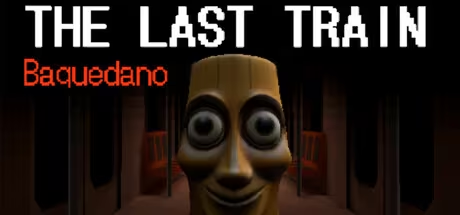
Who's at the door? Thumbnail

Who's at the door? similar games & best alternatives
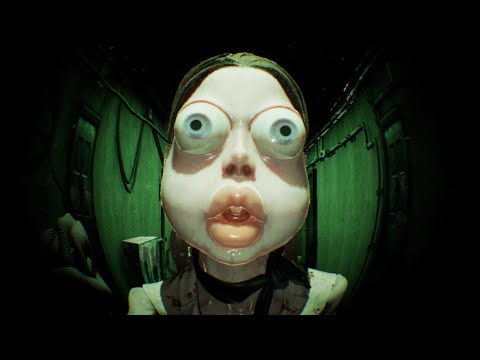
Who's at the door?

Android, PC (Microsoft Windows) • 2025

Related articles

Quick resume

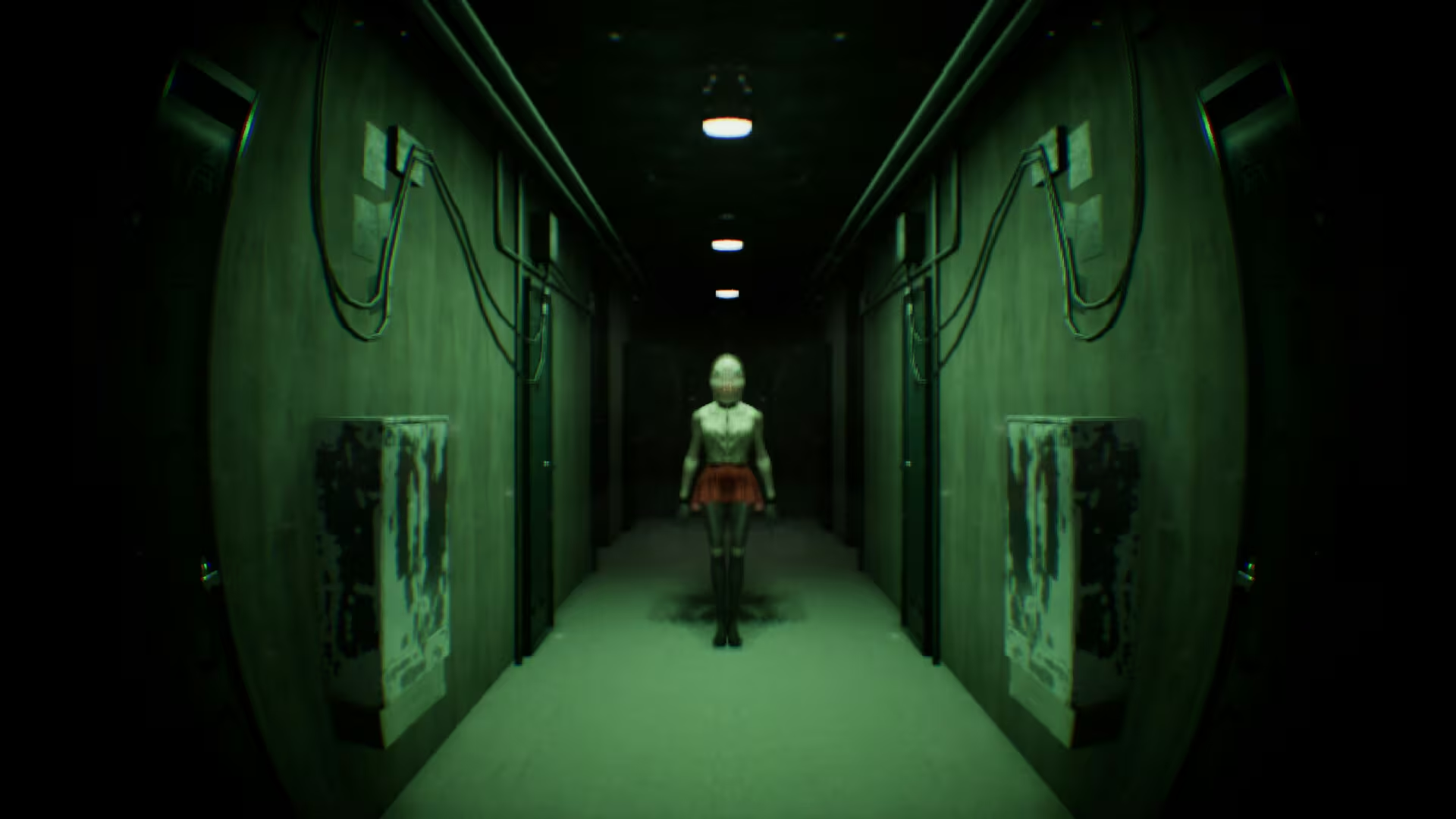
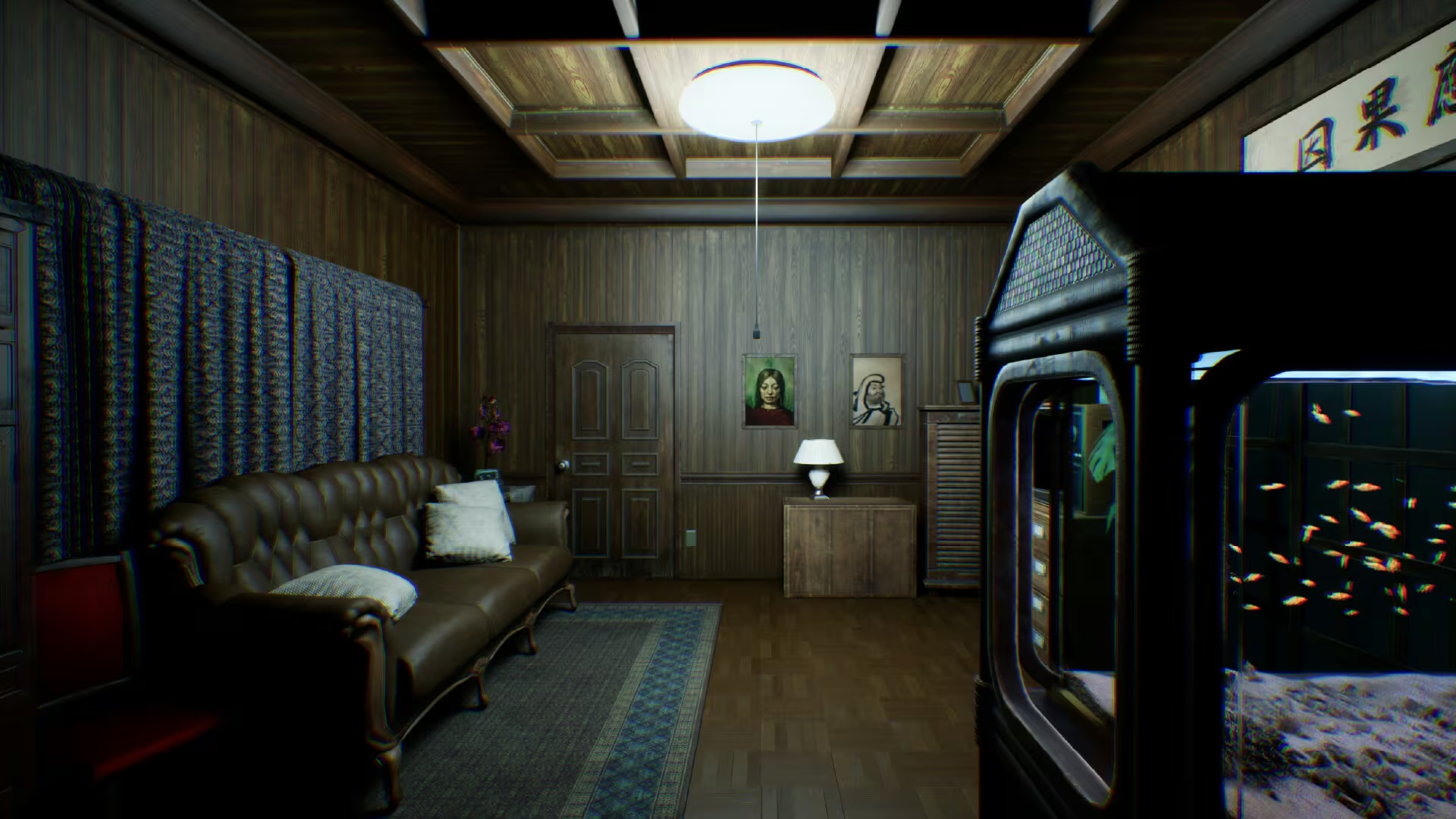
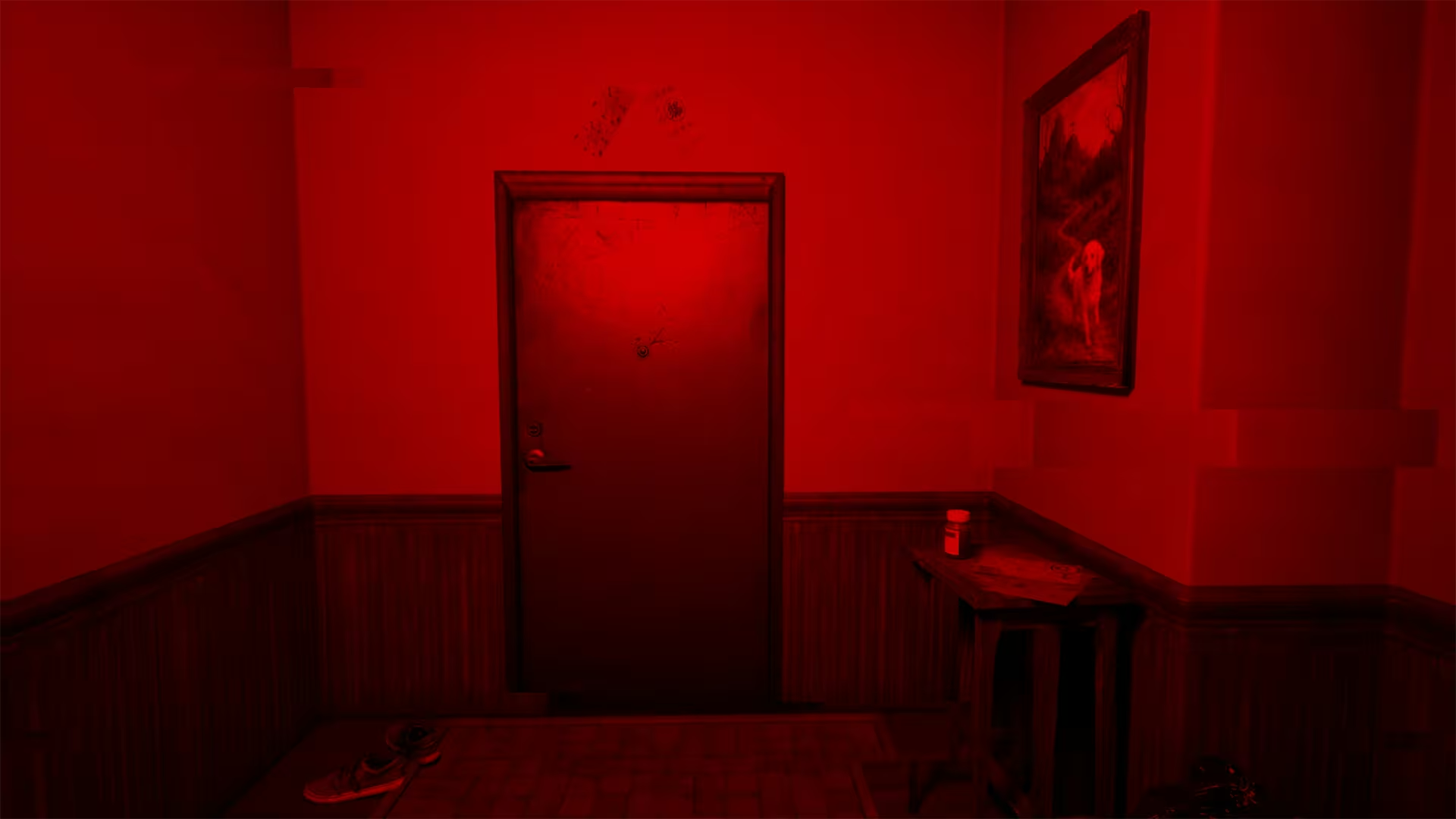
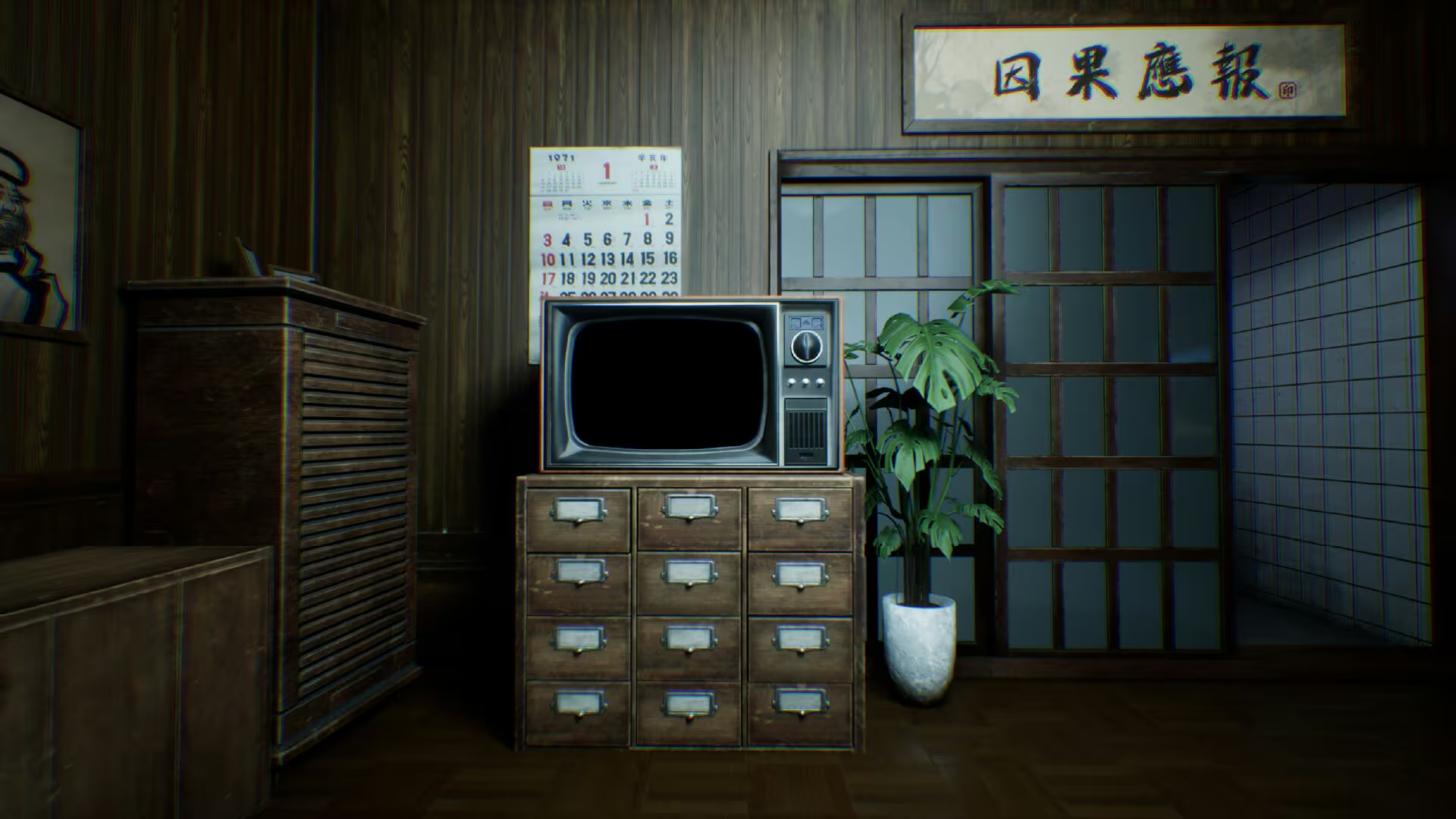
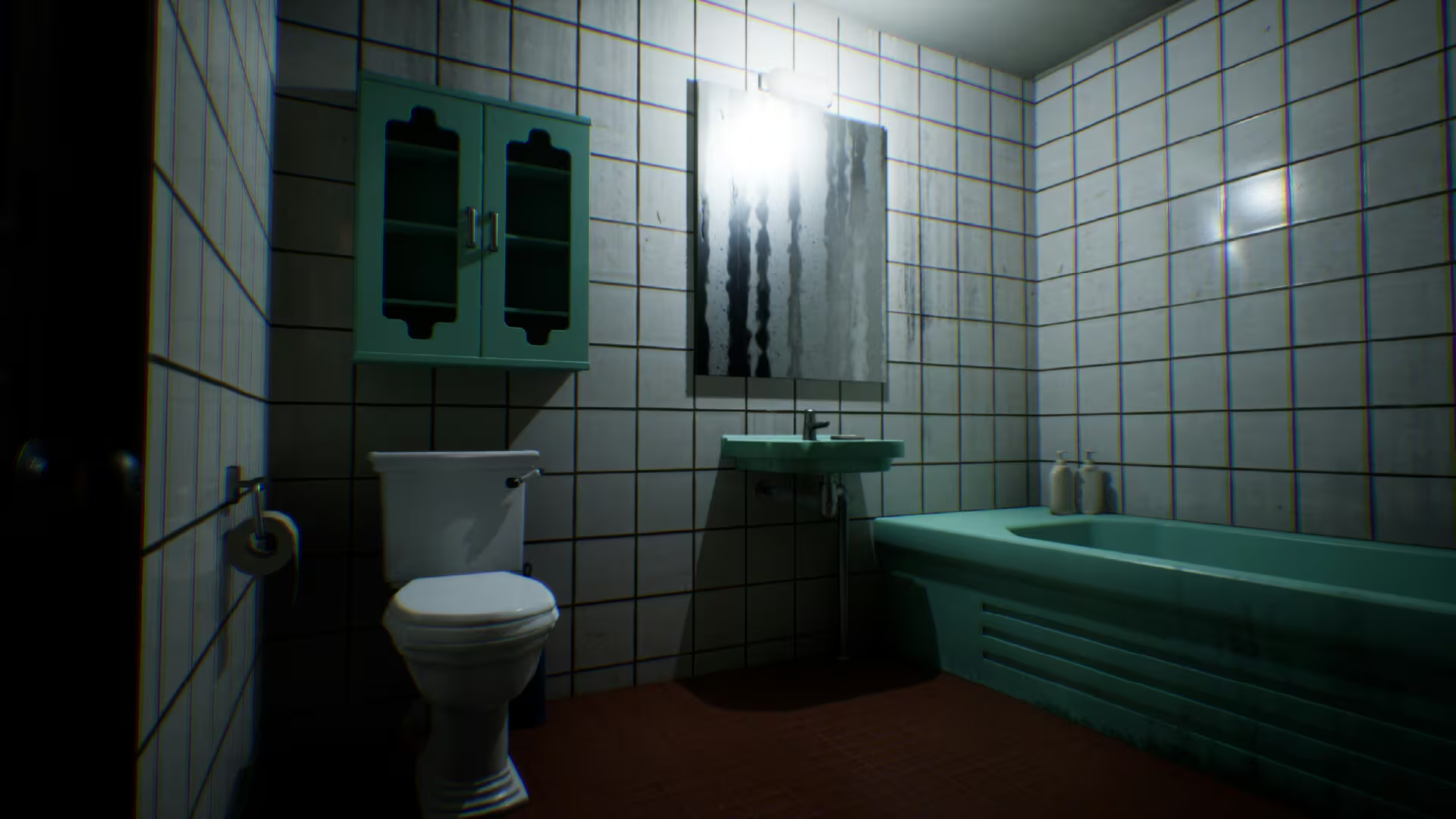
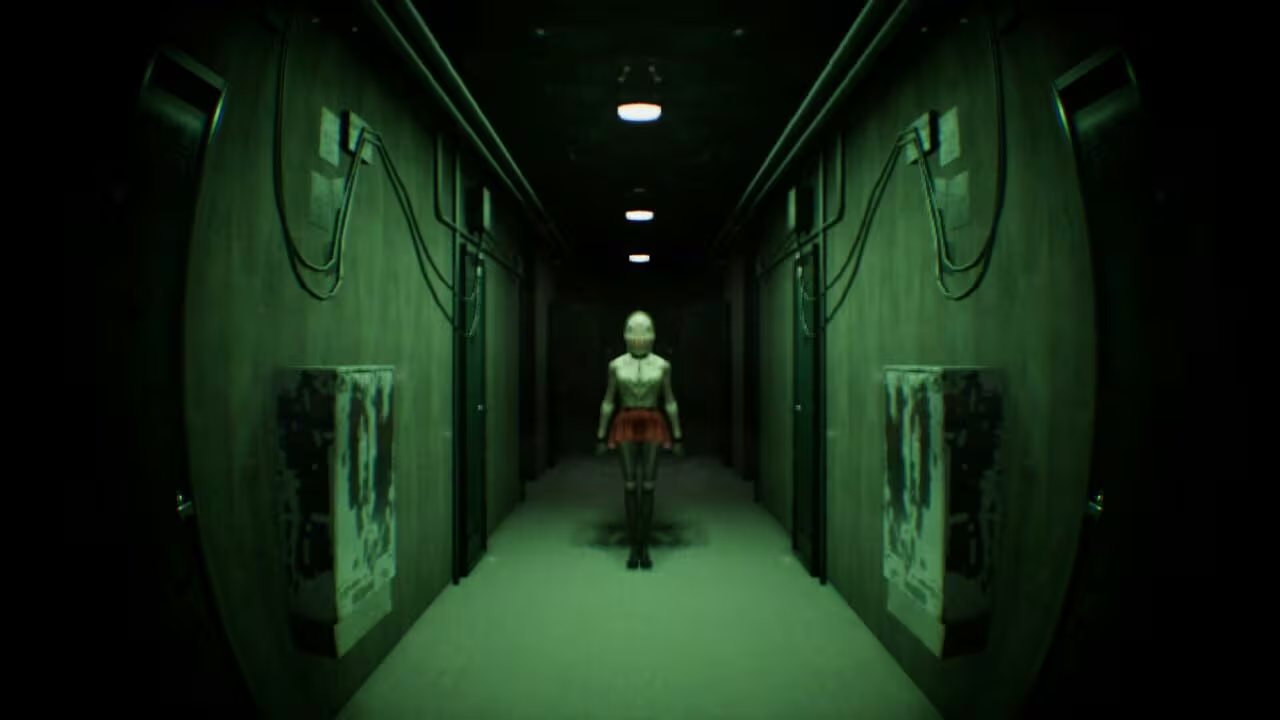
You are trapped in a small house, suffering from psychosis with no memory. Carefully observe your surroundings to distinguish reality from hallucinations, and overcome your illness by taking medication from visitors at the right time.

Global score

90/100

Genres

Adventure, Indie, Simulator

Pros

  • Effective and creative jump scares
  • Engaging anomaly spotting gameplay
  • Interesting story with multiple endings
  • Good value for price
  • Addictive and replayable with endless mode

Cons

  • Short game length
  • Some confusing mechanics and lack of clear instructions
  • Occasional bugs reported
  • Repetitive environment and gameplay loop
  • Predictable story elements

Motivations

  • Autonomy
    3

    "Players have control over exploration, pill-taking decisions, and when to open the door, allowing personal decision-making."

  • Competence
    3

    "Game involves spotting anomalies and making correct decisions, requiring observation skills and learning from failures."

  • Competition
    -4

    "Focus is on personal progress and individual play; no evidence of competitive or ranked modes."

  • Continuation
    4

    "Players report addictive gameplay, replay value with multiple endings and endless mode encouraging long-term engagement."

  • Cooperation
    -5

    "Gameplay is single-player focused with no cooperative elements mentioned."

  • Creativity
    2

    "Creative anomaly designs and story elements encourage players to discover and interpret unique hallucinations."

  • Domination
    -5

    "No evidence of exerting control or superiority over others; interactions are individual."

  • Escapism
    4

    "Players use the game to experience fear and tension relief, escaping real-life through immersive horror."

  • Expectation
    -4

    "Players engage voluntarily for fun and scares, with no indication of obligation or pressure."

  • Experimenting
    2

    "Players explore different anomalies and endings, experimenting with pill-taking and door-opening strategies."

  • Exploration
    3

    "Discovering anomalies and hidden details in the apartment environment drives curiosity and exploration."

  • Expression
    -5

    "No customization or self-expression features reported; players use preset environments and characters."

  • Fantasy
    3

    "Game involves hallucinations and surreal horror elements, blending reality with imaginative fiction."

  • Fellowship
    -4

    "Primarily solo experience with minimal social connection; some mention of streaming but no in-game community."

  • Growth
    3

    "Players learn to identify anomalies and improve observation skills through repeated play and trial-and-error."

  • Health
    -5

    "Sedentary gameplay with no physical activity or health-related features."

  • Idle
    -3

    "Requires focused attention to spot anomalies and react appropriately; not a background or idle game."

  • Intimacy
    -5

    "No close relationship formation or emotional sharing reported; gameplay is individual."

  • Leadership
    -5

    "No leadership or group management elements present."

  • Progression
    3

    "Players progress through days, unlock endings, and collect anomalies and achievements."

  • Relaxation
    -3

    "Game induces tension and suspense rather than relaxation or flow."

  • Sensation
    4

    "Strong sensory stimulation through jump scares, eerie atmosphere, and emotional tension."

  • Status
    -4

    "No social status or recognition systems; focus is on personal experience."

  • Story
    3

    "Game features a narrative with plot twists and character development uncommon in similar anomaly games."

  • Strategy
    2

    "Players must use reasoning to decide when to take pills or open the door, involving some problem solving."

  • Thrill
    4

    "Jump scares and suspenseful moments create a thrilling and tense experience."

  • Value
    4

    "Players generally feel the game offers good value for its price given the scares, story, and replayability."

  • Violence
    -3

    "No emphasis on combat or destruction; gameplay centers on observation and avoidance."

  • Survival
    3

    "Players must avoid failure by managing hallucinations and deciding when to take pills to survive days."

Similar games

    Last update: 06/03/2026