Wizard101 Thumbnail

Wizard101 similar games & best alternatives

Wizard101

PC (Microsoft Windows), Mac, Xbox One, PlayStation 4, Nintendo Switch • 2018

Related articles

Quick resume

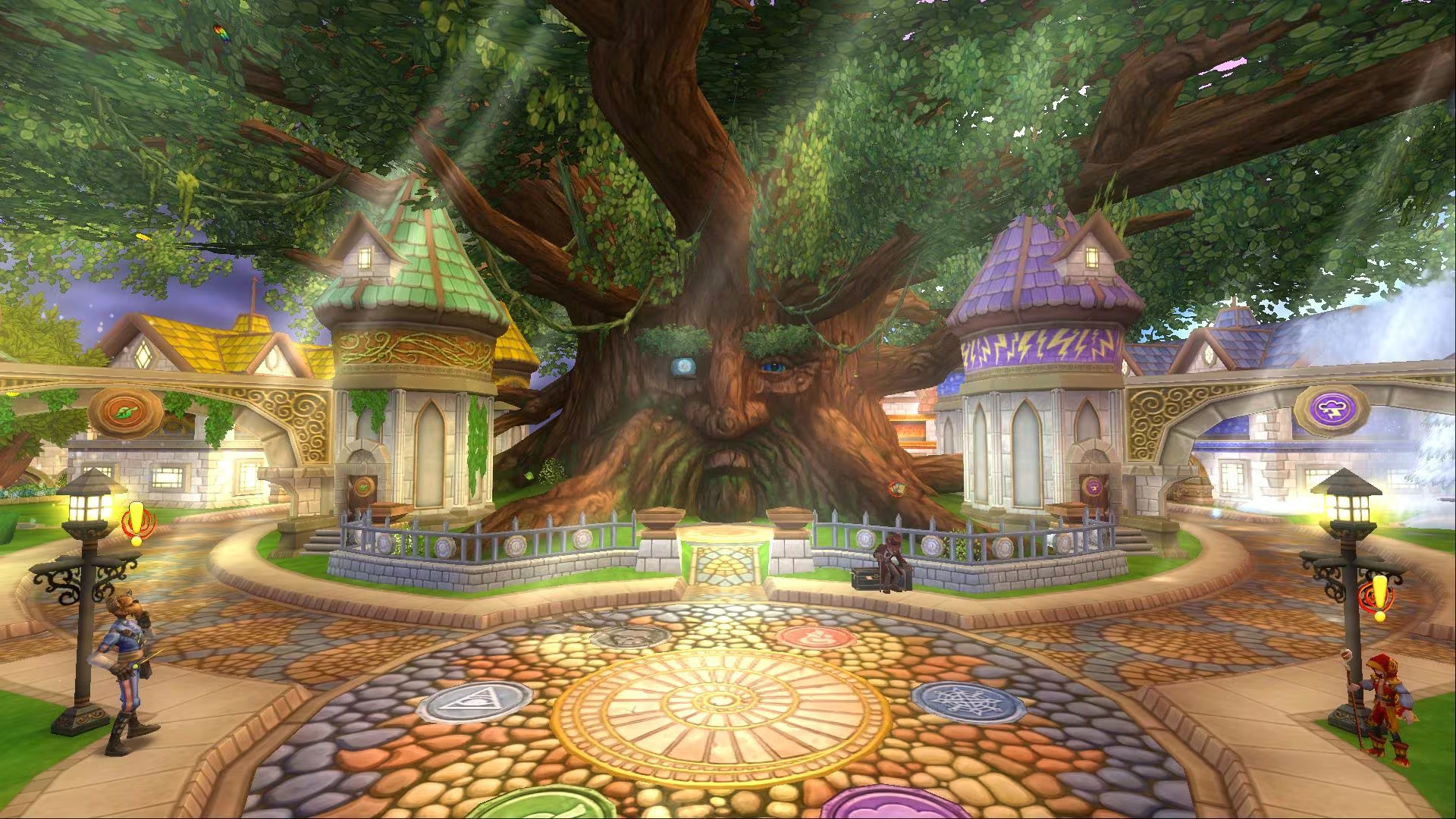
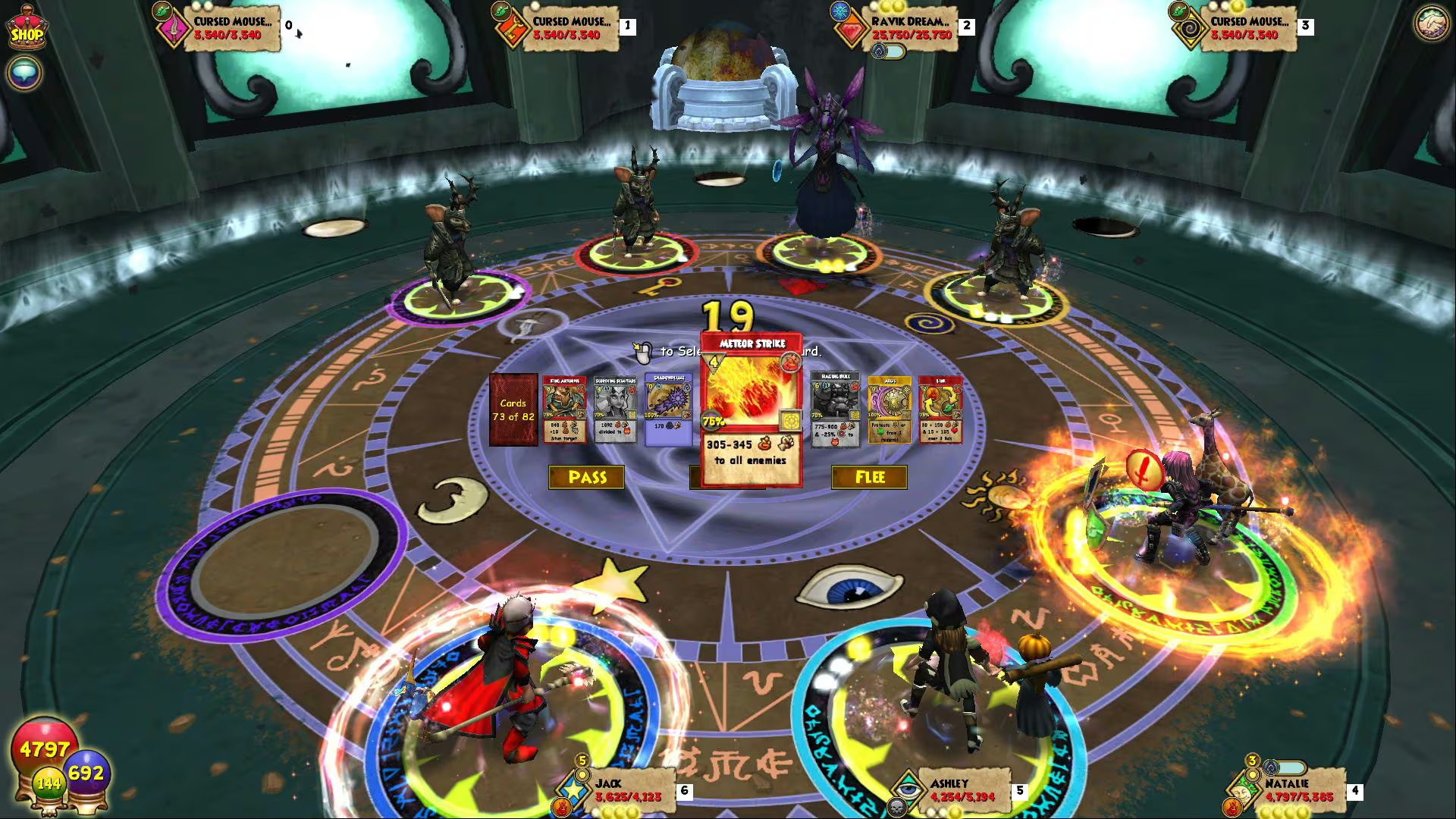
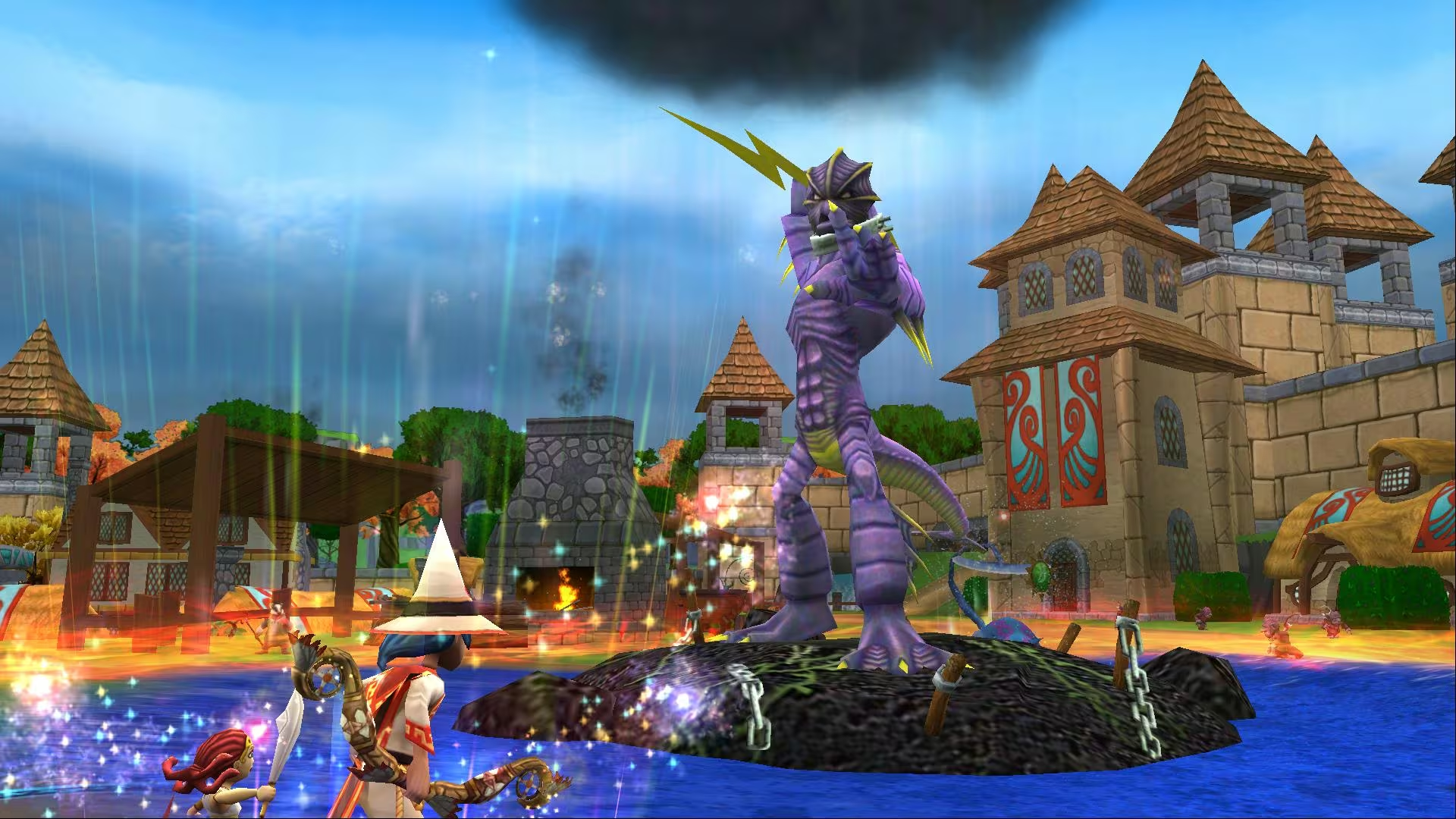
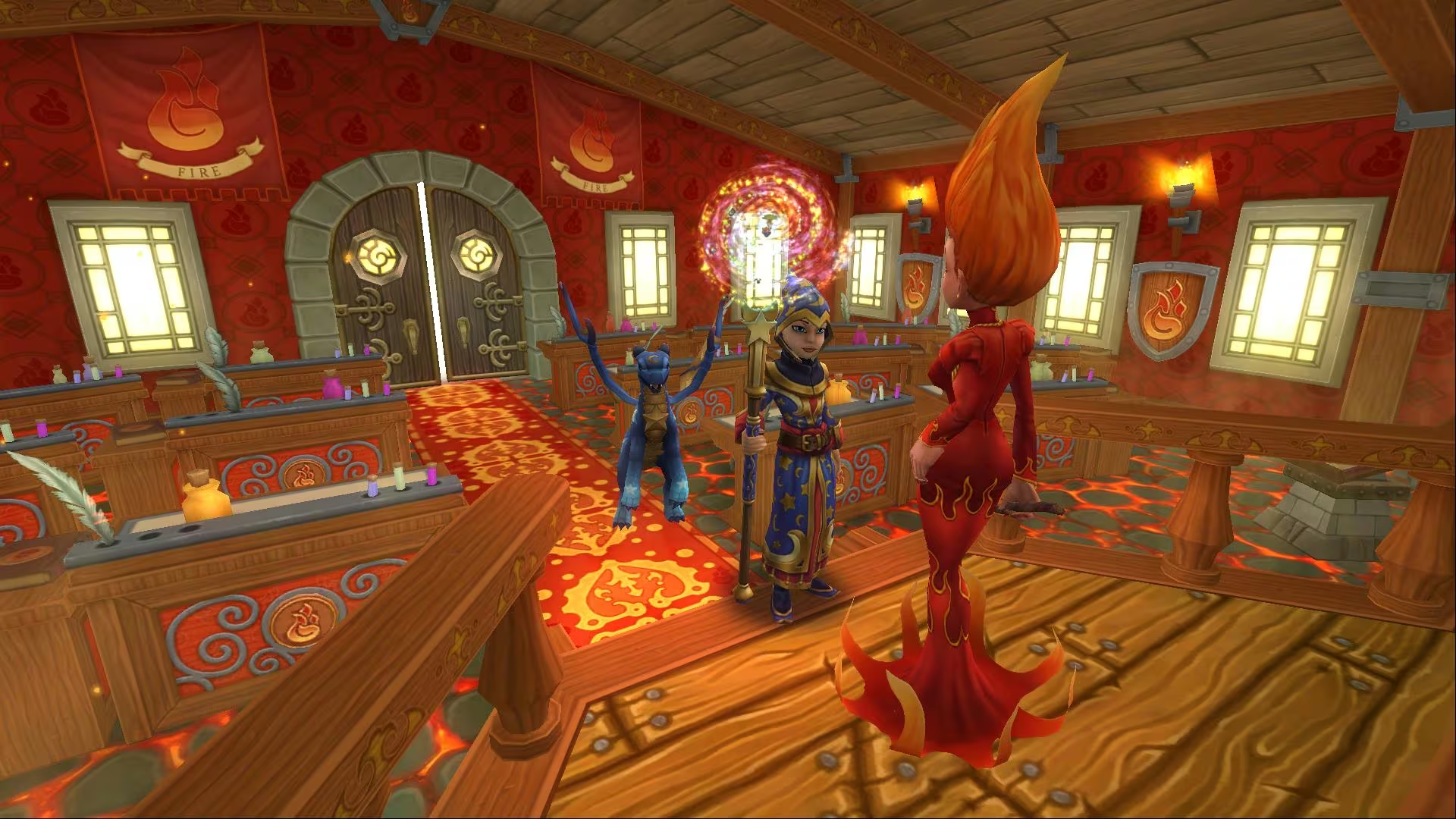
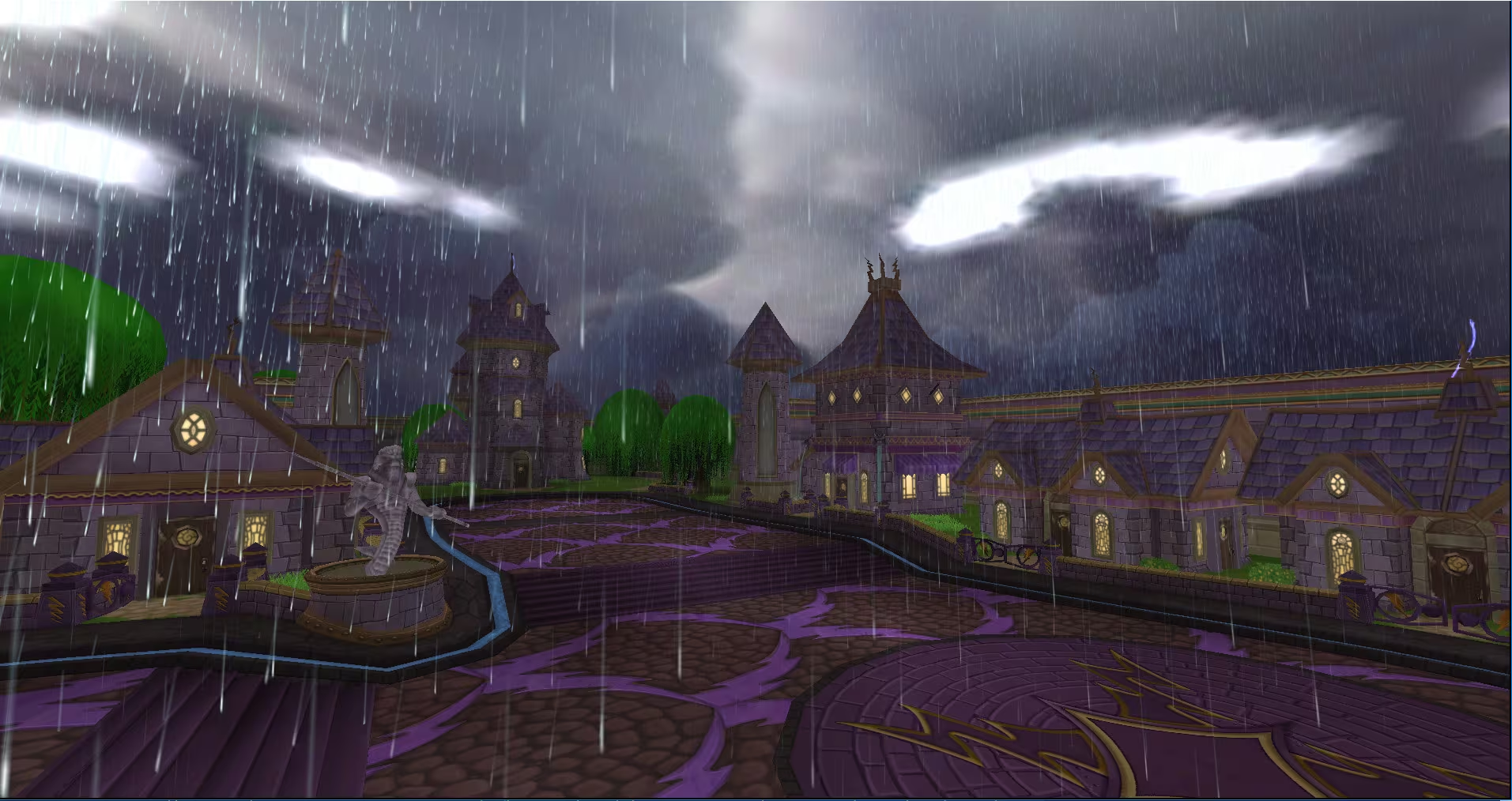
Unleash your inner magic and prepare to unravel the mysteries surrounding a death professor gone rogue. Darkness threatens to engulf the Spiral as you master powerful spells, explore over 22 whimsical worlds, and team-up with friends in this nostalgic wizard turn-based deckbuilding MMORPG.

Global score

83/100

Genres

Adventure, Casual, Massively Multiplayer, Role-playing (RPG), Strategy, Free To Play

Similar games

    Pros

    • Engaging card-based combat
    • Strong nostalgic appeal
    • Large, immersive fantasy world
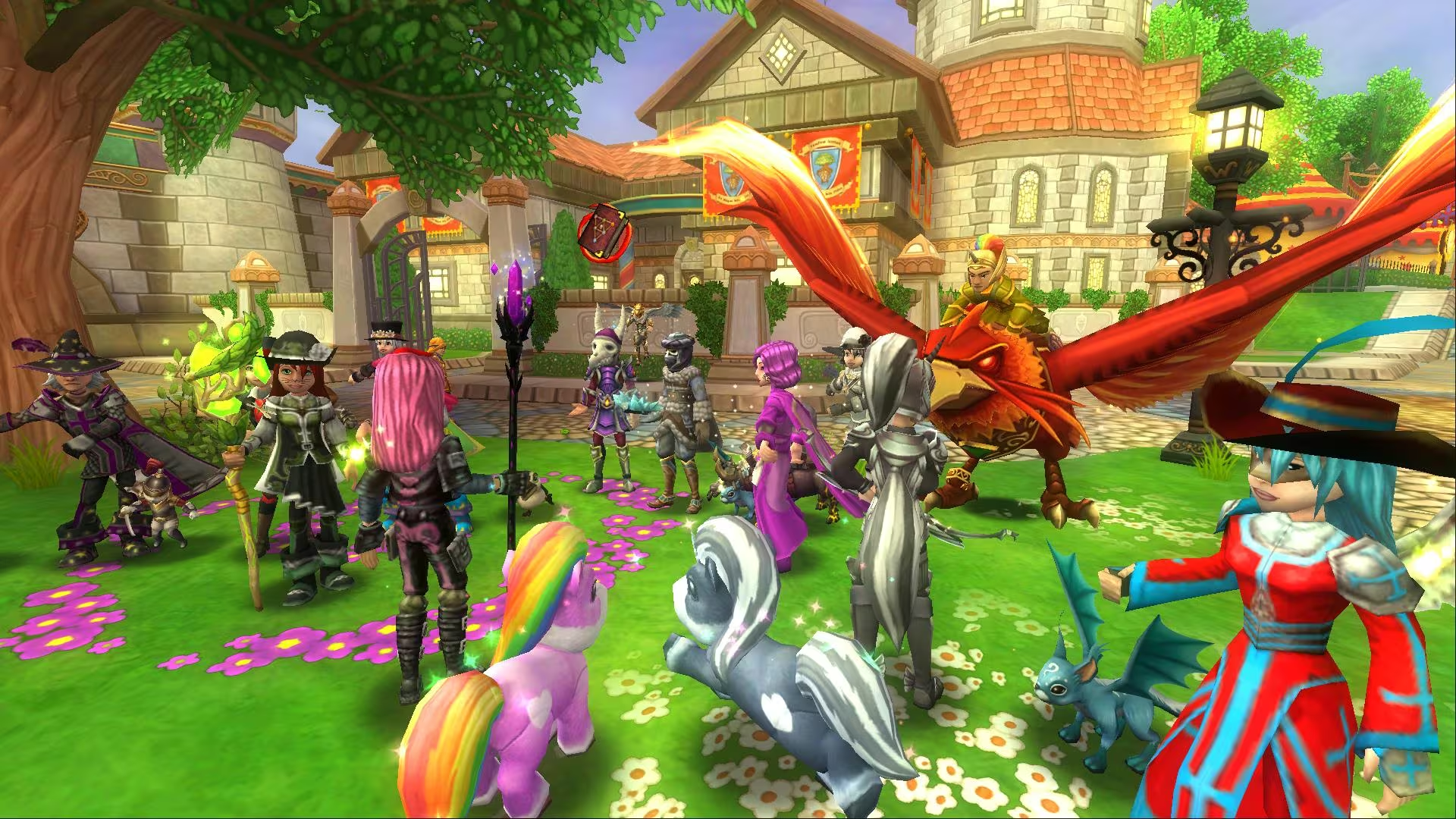
    • Cooperative multiplayer gameplay
    • Frequent updates and events

    Cons

    • Early and frequent paywalls
    • Expensive microtransactions
    • Repetitive questing
    • Outdated graphics in some areas
    • Some imbalance in class usefulness

    Analysis

    Less representative of its motivational profile, with noticeable differences. Motivations that often define this kind of title include Cooperation, Fellowship, Intimacy, Leadership. Here, the score leans higher than usual among comparable games on Status, Competition. It leans lower than usual among comparable games on Value.

    How to use the graph
    Similar games map

    Each dot is a game. They are arranged from the same motivation profile as in the “Motivations” section below. Closer dots usually mean more similar reasons to play (exploration, competition, relaxation, etc.)—not that one game is “better” than another.

    • Larger dot with a light outline: the game you are viewing.
    • Colour: groups of games with comparable motivation patterns (statistical clusters).
    • Hover a dot to see the game name; click to open its page.
    • Scroll or double-click the chart to zoom out and see more games.

    Why don’t the axes read like a score? This view uses t-SNE: it only keeps who is close to whom. The scales are not “good to bad” or hours played—they separate groups on the map. Read distance between dots, not the axis numbers.

    Motivations

    • Autonomy
      4

      "Players choose their wizard school, spells, and playstyle freely, with many customization options and strategic choices."

    • Competence
      3

      "The game involves strategic card-based combat and progression through quests, requiring skill and planning."

    • Competition
      1

      "Some PvP elements exist but the focus is more on cooperative and solo progression rather than competitive ranking."

    • Continuation
      4

      "Many players report long-term engagement, nostalgia-driven repeated play, and habitual return to the game."

    • Cooperation
      4

      "Strong emphasis on teaming up with friends or community members to complete quests and dungeons."

    • Creativity
      3

      "Customization of characters, pets, decks, and housing allows creative expression within the game."

    • Domination
      -3

      "Interactions tend to be cooperative and supportive rather than focused on dominance or power over others."

    • Escapism
      5

      "Players use the game as a nostalgic escape and stress relief with immersive fantasy worlds."

    • Expectation
      -4

      "Players engage voluntarily out of personal desire and nostalgia rather than obligation or pressure."

    • Experimenting
      3

      "Players experiment with different schools, spells, and strategies to find optimal playstyles."

    • Exploration
      4

      "Large, varied worlds and quests encourage discovery and exploration of new areas."

    • Expression
      4

      "Character and pet customization, housing, and deck building provide avenues for self-expression."

    • Fantasy
      5

      "Strong fantasy theme with magic, mythical creatures, and imaginative storylines."

    • Fellowship
      4

      "Community and social connections are important, with many players forming friendships and groups."

    • Growth
      3

      "Players develop skills in strategy, deck building, and game knowledge over time."

    • Health
      -5

      "Typical sedentary gameplay with no physical activity elements."

    • Idle
      -3

      "Requires focused attention during battles and quests, not suited for passive or background play."

    • Intimacy
      2

      "Some social interactions and friendships form, though mostly casual and game-focused."

    • Leadership
      1

      "Some players take leadership roles in groups, but many participate collaboratively without formal leadership."

    • Progression
      5

      "Strong emphasis on leveling, unlocking spells, buying zones, and collecting items."

    • Relaxation
      3

      "The game offers a balance of challenge and flow, with many players enjoying it as a relaxing pastime."

    • Sensation
      3

      "Colorful visuals, spell animations, and music provide sensory enjoyment."

    • Status
      2

      "Some social recognition through achievements and rare items, but not a primary focus."

    • Story
      4

      "Engaging narrative and lore are important motivators for many players."

    • Strategy
      4

      "Turn-based card combat requires tactical thinking and planning."

    • Thrill
      2

      "Some suspense in battles and boss fights, but overall a moderate level of tension."

    • Value
      -3

      "Many players feel the game is expensive due to paywalls and microtransactions, reducing perceived value."

    • Violence
      2

      "Combat involves magical battles and spellcasting, but no graphic violence."

    • Survival
      1

      "Some resource and health management in battles, but low-risk compared to hardcore survival games."

    Last update: 29/04/2026