A browser-based RPG that trades endless exploration for purposeful expeditions and the satisfaction of rebuilding a home.
My first few minutes in Far Worlds were strangely familiar. The blocky landscapes, the gathering of resources and the equipment immediately brought Minecraft to mind. Yet beneath this recognizable aesthetic lies a game that approaches exploration and progression quite differently.
Developed by HYTOPIA, Far Worlds is a free-to-play RPG currently in alpha. It combines survival, crafting, character progression and cooperative expeditions within a structure that borrows ideas from several genres. Some of its decisions are surprisingly thoughtful, while others still reveal the rough edges of an early-stage project.
An adventure that begins a little too quickly
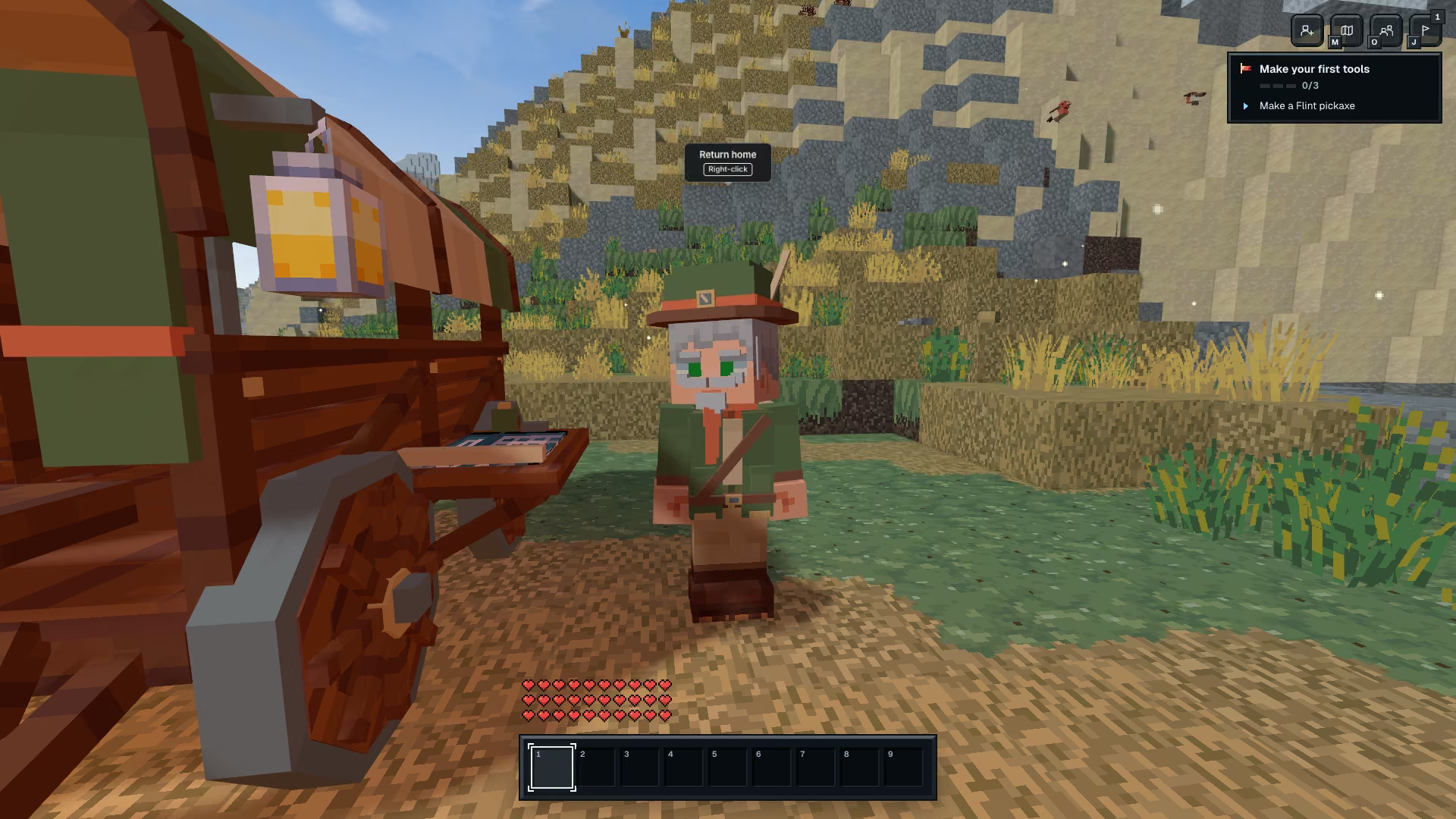
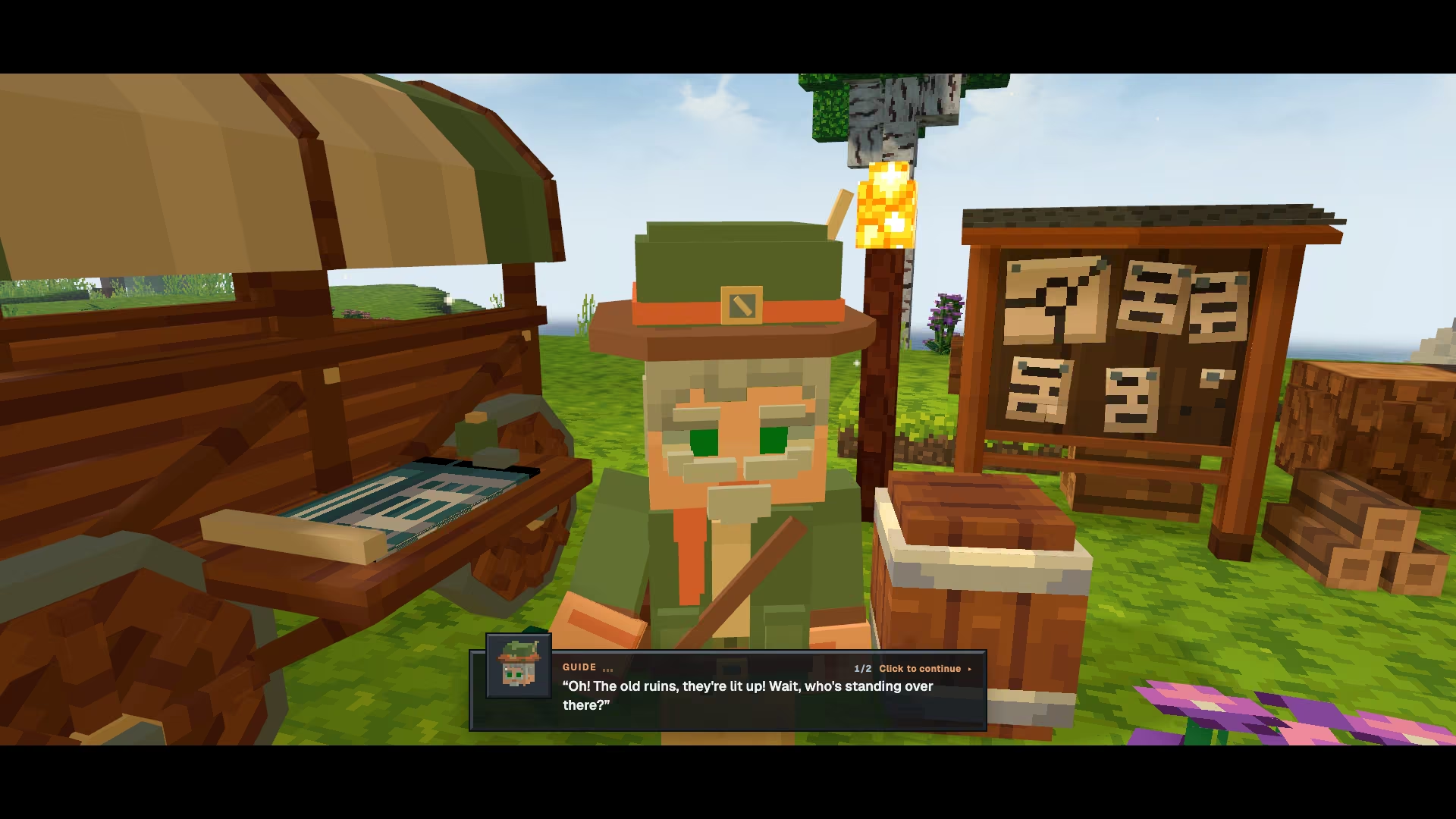
Far Worlds does not make a particularly convincing first impression through its storytelling. I appeared seemingly out of nowhere, encountered a mysterious guide and was almost immediately entrusted with restoring an abandoned camp.
The introduction feels rushed, as though the narrative were merely an obstacle standing between the player and the actual game. I would have appreciated a stronger sense of purpose, a little more context about this world and a reason to care about the place I was being asked to rebuild.
The French localization does little to help. Some formulations feel unnatural and give the impression of an automated translation that has received insufficient human proofreading. Combined with the rather abrupt introduction, this weakens the initial sense of immersion.
Fortunately, Far Worlds becomes considerably more interesting once it lets its mechanics speak for themselves.
Familiar mechanics with thoughtful improvements
What I particularly appreciated about Far Worlds was discovering small design decisions that address some of the inconveniences I associate with Minecraft.
Equipment management is a good example. Rather than constantly switching between items to perform different actions, the character can benefit from dedicated equipment. A headlamp provides illumination without requiring me to sacrifice an active item slot, while a tool belt helps automate certain gathering interactions.
Crafting also feels more immediately accessible. Being able to craft directly from the inventory, rather than systematically returning to a crafting station, reduces the friction between gathering resources and putting them to use.
Individually, these improvements may seem insignificant. Collectively, however, they reveal an interesting design philosophy. Far Worlds appears less concerned with reproducing the logistical constraints of a traditional survival game than with maintaining the momentum of exploration.
The game also features twelve skills that improve through use, covering activities such as mining, fishing, crafting and combat. This introduces a more explicit RPG dimension, giving everyday activities a purpose beyond the resources they immediately produce.
The appeal of leaving and coming back
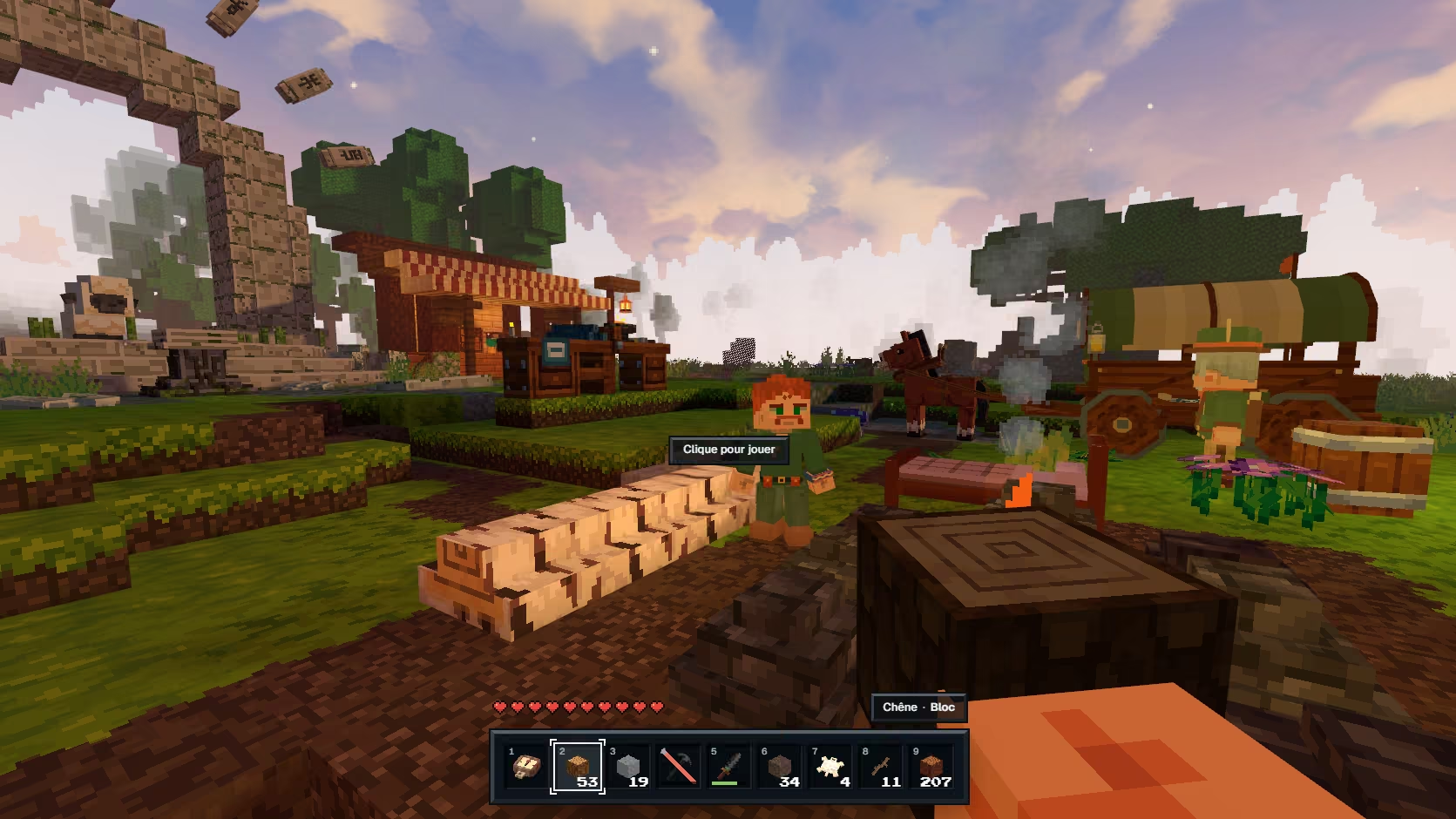
Perhaps the most interesting aspect of Far Worlds is its expedition-based structure.
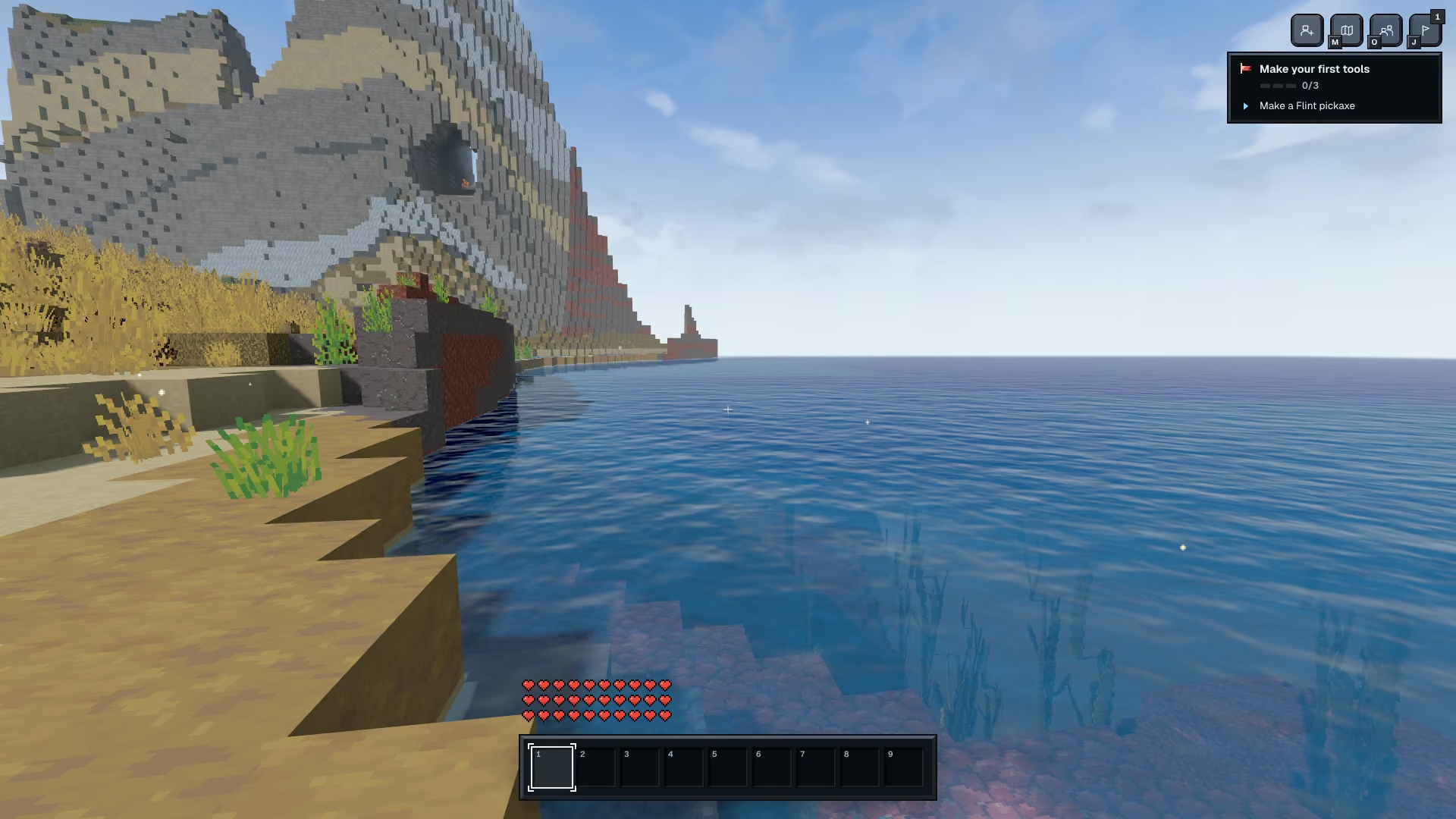
Unlike Minecraft, where exploration takes place within a vast, practically endless world, Far Worlds sends players into distinct environments containing their own terrain, caves, resources and bosses. Players can also choose the danger level of their expeditions.
Exploration is consequently more restricted. A veil of fog marks the boundaries of the accessible environment, which initially felt somewhat disappointing given the visual promise of an open world.
However, this limitation also contributes to a fundamentally different gameplay loop.
There is something reminiscent of extraction games in the experience of leaving a safe environment, gathering valuable resources and returning home with the results of an expedition. The journey has a clearer beginning and end, and the resources collected feed into a persistent sense of progression.
I found this approach particularly interesting because it gives exploration a rhythm that Minecraft does not naturally impose. Rather than wandering indefinitely, I have a home to return to and a tangible reason to prepare for the next departure.
A home worth returning to
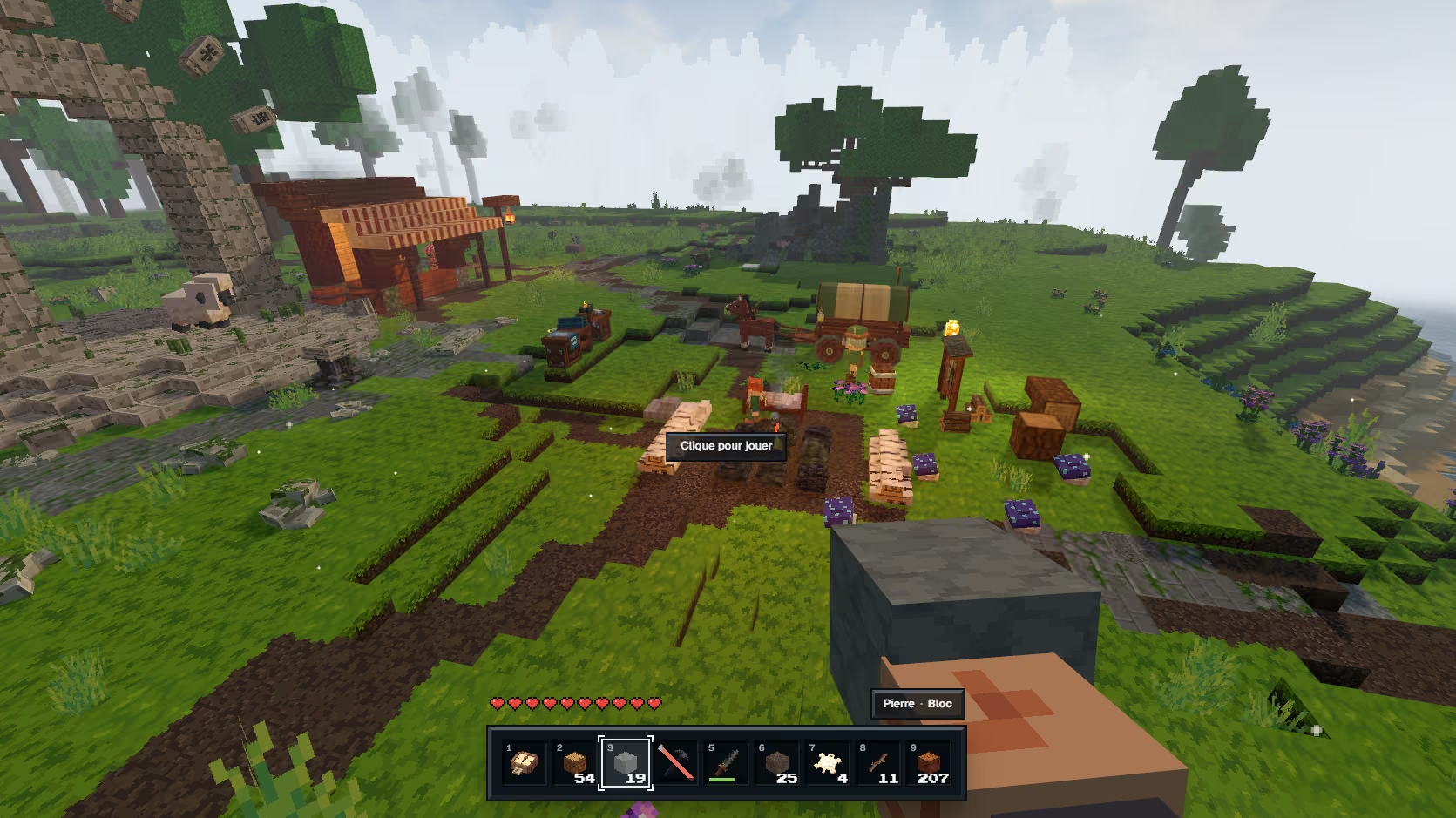
The restoration of the abandoned camp introduces another unexpected influence: Animal Crossing.
As the adventure progresses, travellers encountered and helped along the way can settle in the village. This gradually transforms what initially feels like an empty base into a place inhabited by other characters.
I like the idea of progression being reflected not only through increasingly powerful equipment or higher character statistics, but also through the development of a shared living space.
It gives the resources collected during expeditions a more meaningful destination. The village becomes a persistent representation of the player’s adventures, connecting otherwise separate journeys.
This relationship between exploration and settlement development is potentially one of Far Worlds’ strongest distinguishing features. It gives the game an identity that extends beyond its obvious visual inspiration.
An impressively accessible RPG
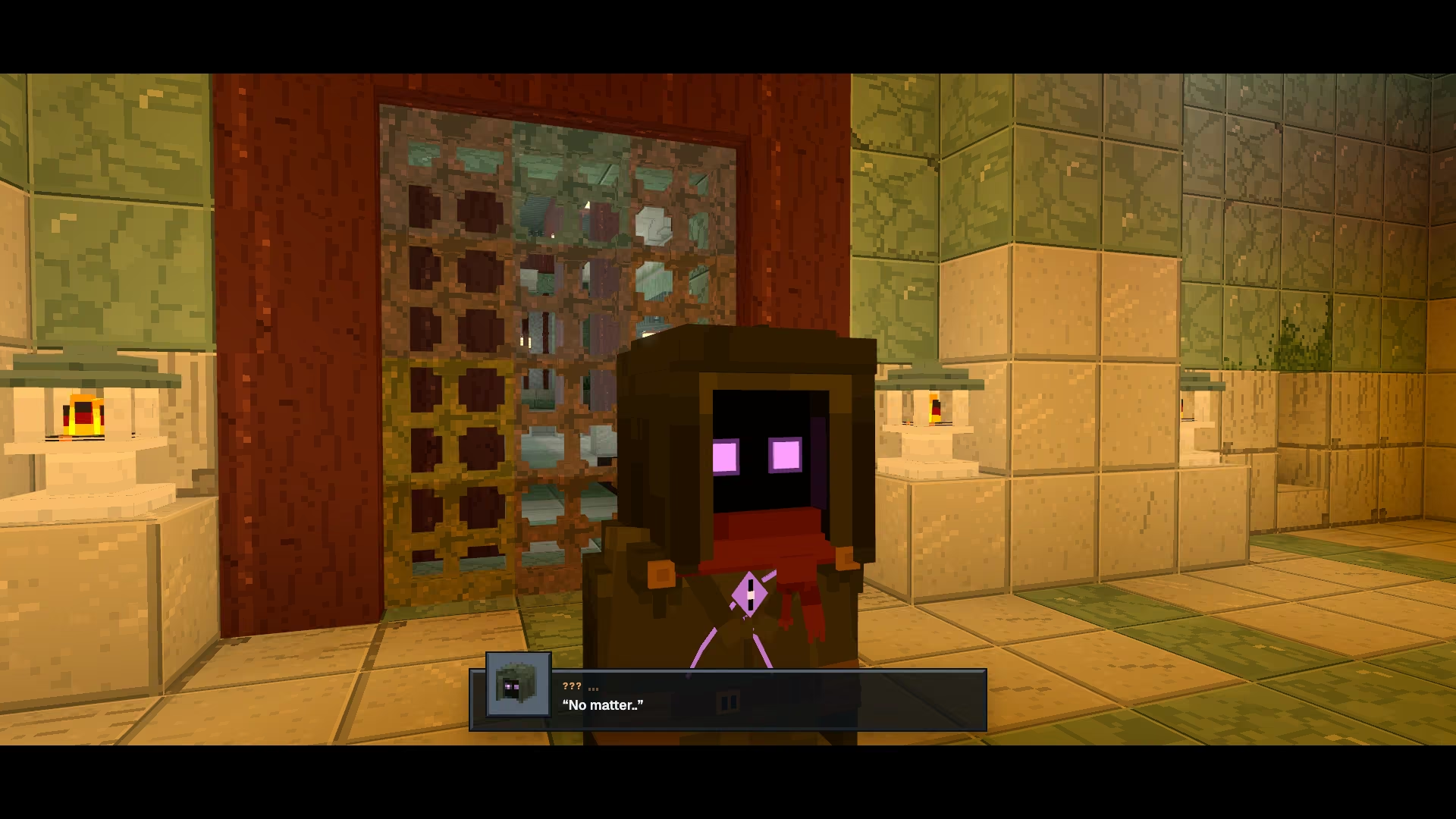
The fact that Far Worlds runs directly in a web browser is genuinely appealing.
There is no installation or account creation required to get started. According to the developers, cooperative expeditions can also be accessed through a simple shared link, considerably reducing the barriers usually associated with multiplayer games.
However, the multiplayer dimension was not particularly apparent during my initial experience. I was expecting a more immediately recognizable social component, and I did not get enough exposure to cooperative play to properly evaluate it.
I also encountered some minor accessibility issues, such as the map shortcut not working as expected on my French AZERTY keyboard.
These shortcomings are worth mentioning, although the game remains in alpha and receives weekly updates.
Anyone curious about the experience can play Far Worlds for free directly in their browser.
Finding an identity beyond Minecraft
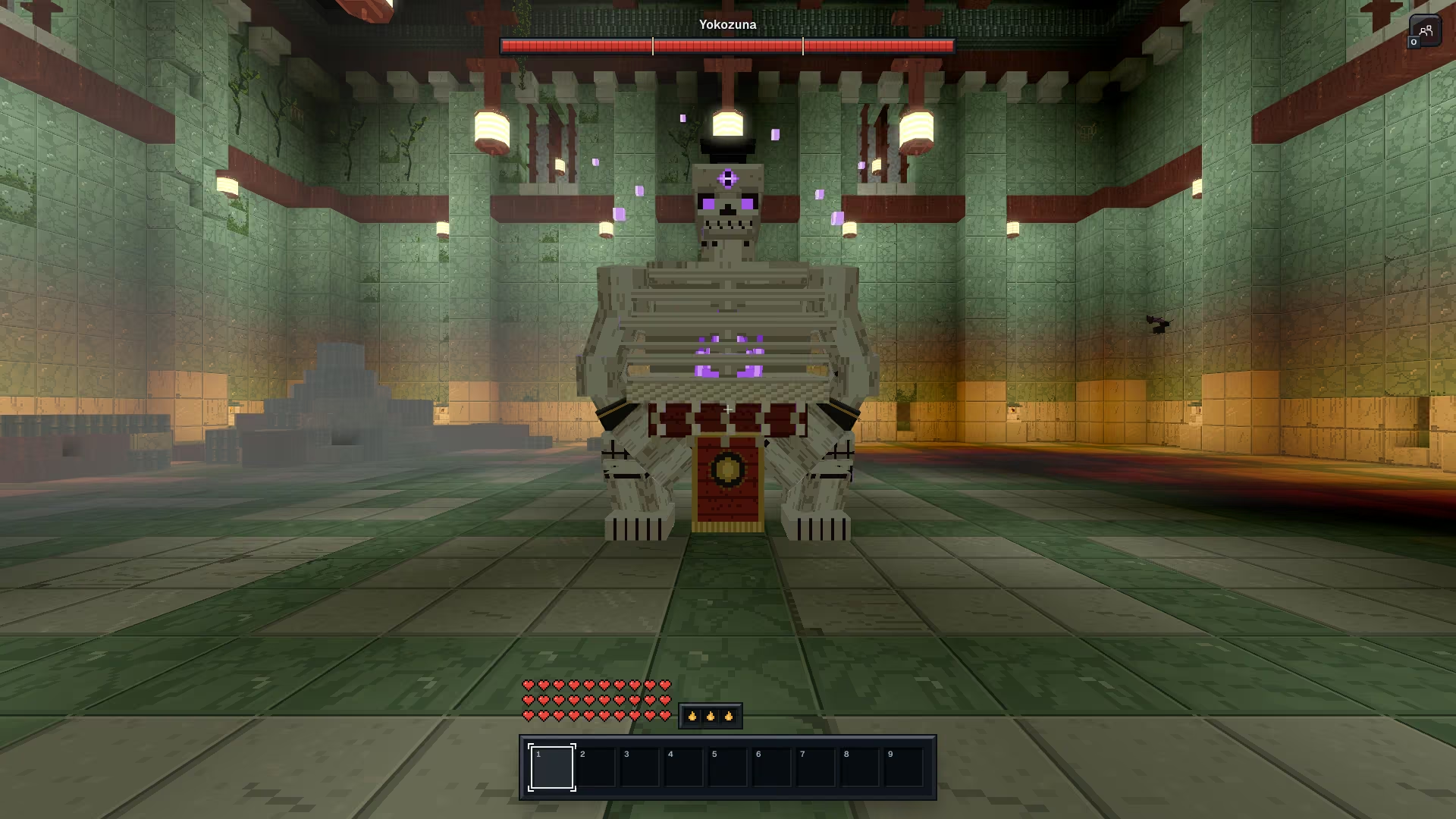
What interests me most about Far Worlds is not its resemblance to Minecraft, but the moments when it deliberately moves away from it.
Its expedition structure, skill progression, streamlined equipment management and evolving settlement suggest a game with more defined objectives and a stronger sense of continuity between adventures.
It still needs refinement, particularly in its narrative introduction, localization and the way it communicates its features to new players.
Nevertheless, its most promising ideas are already identifiable. Far Worlds does not necessarily need to offer an infinitely explorable world to make exploration compelling. Sometimes, having a meaningful place to return to makes leaving it all the more interesting.