Oceanhorn: Monster of Uncharted Seas Thumbnail

Oceanhorn: Monster of Uncharted Seas similar games & best alternatives

Oceanhorn: Monster of Uncharted Seas

PC (Microsoft Windows), Mac, PlayStation 4, Xbox One, Android, PlayStation Vita, Nintendo Switch • 2015

Related articles

Quick resume

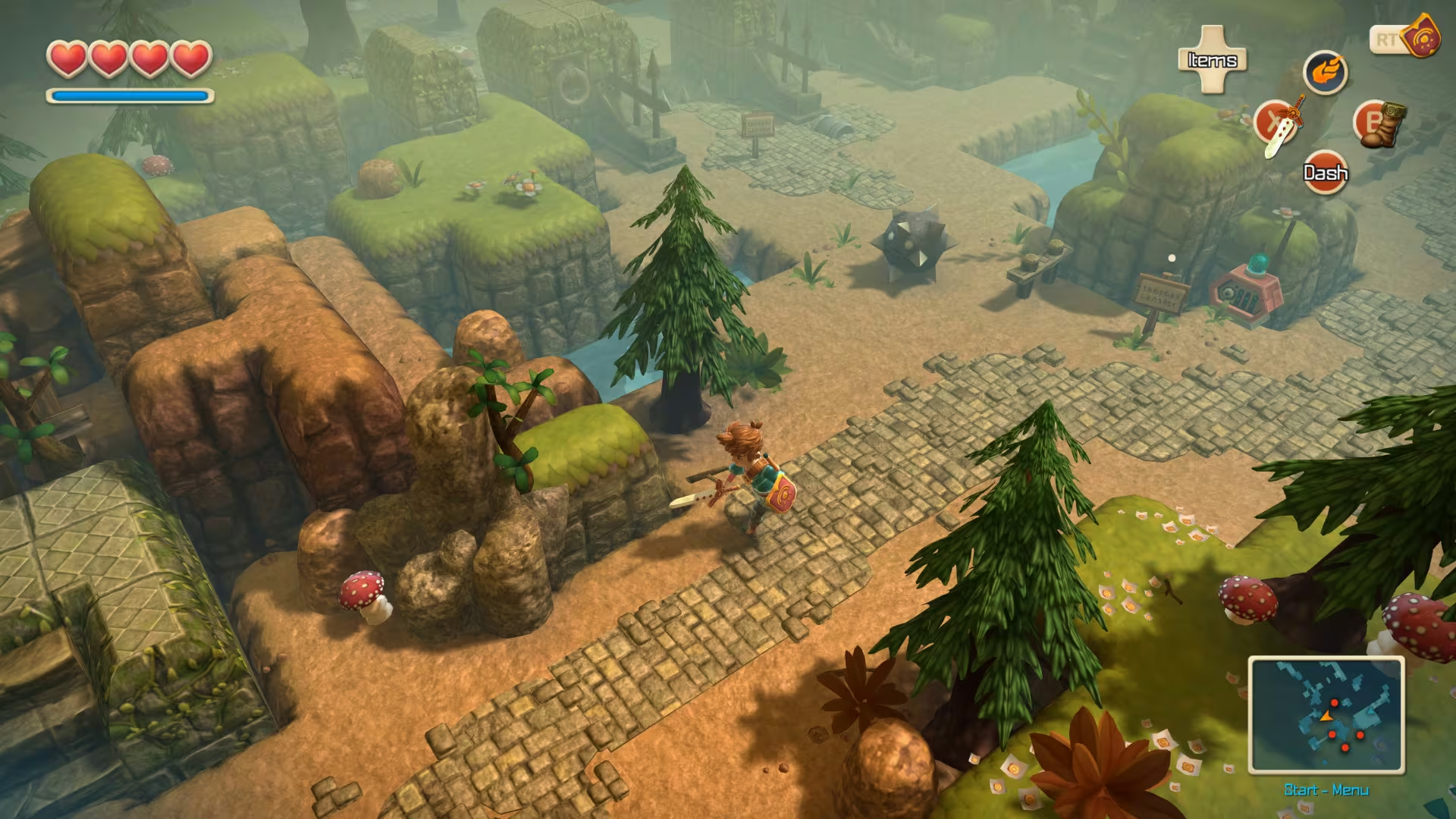
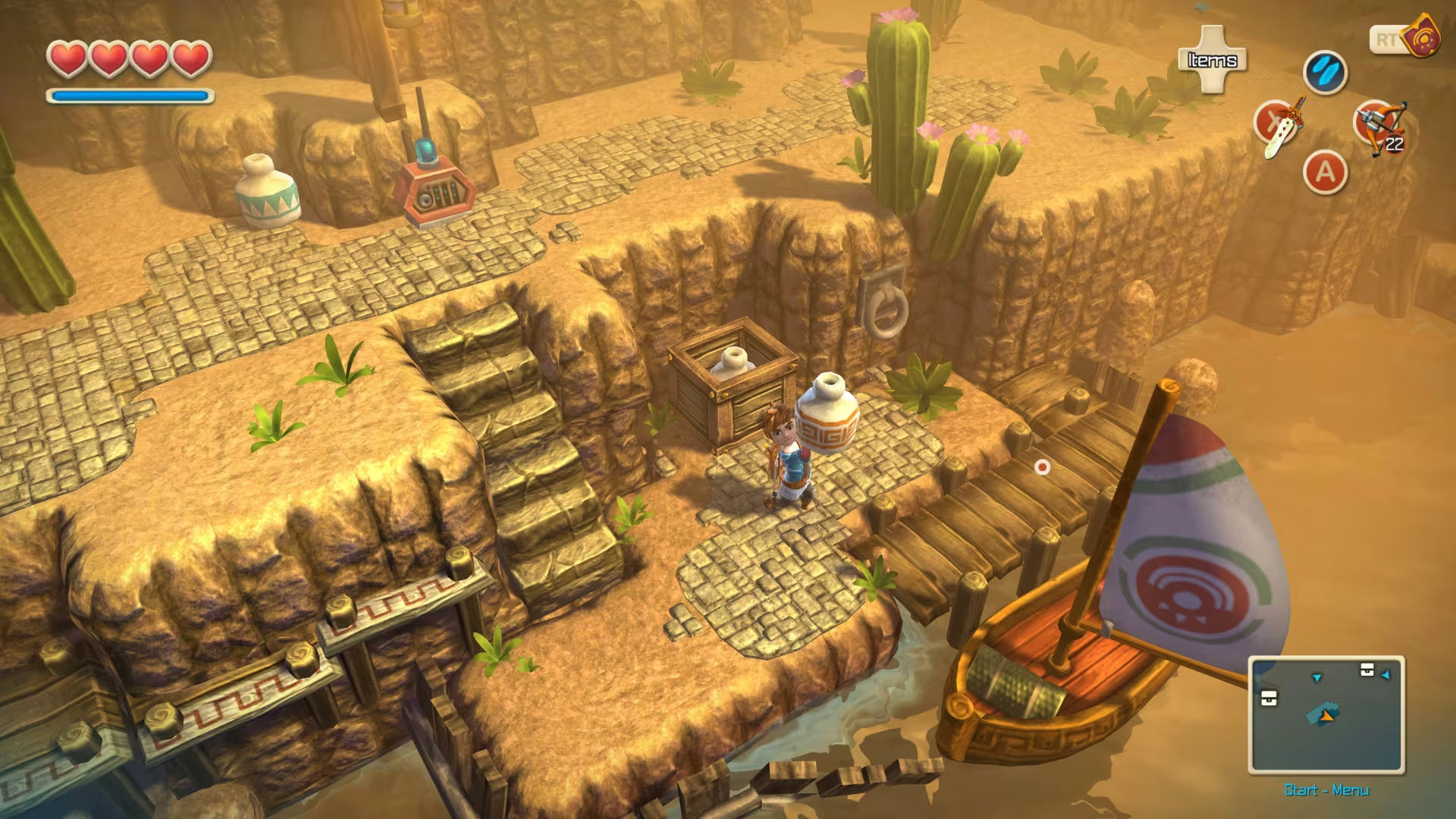
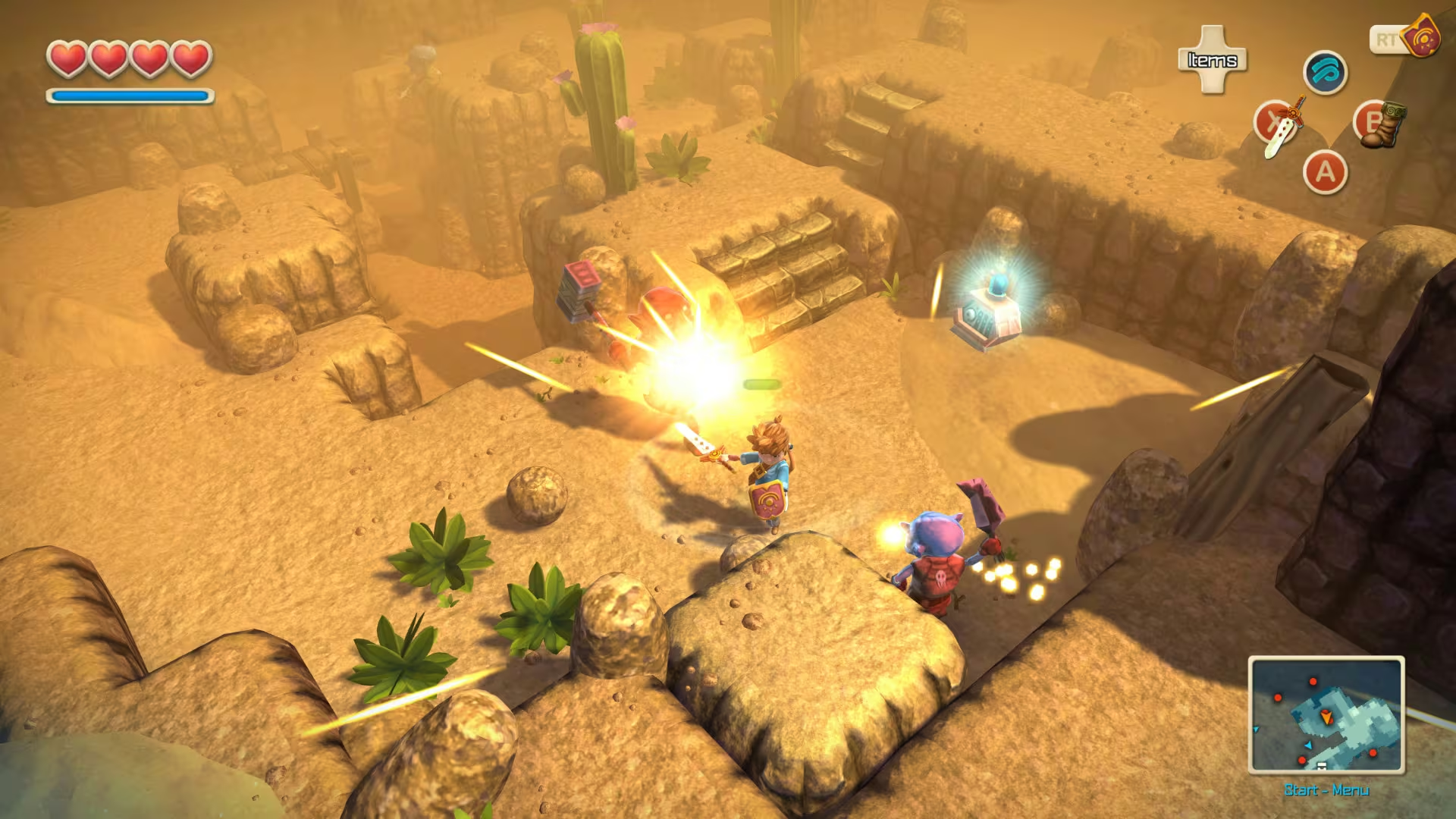
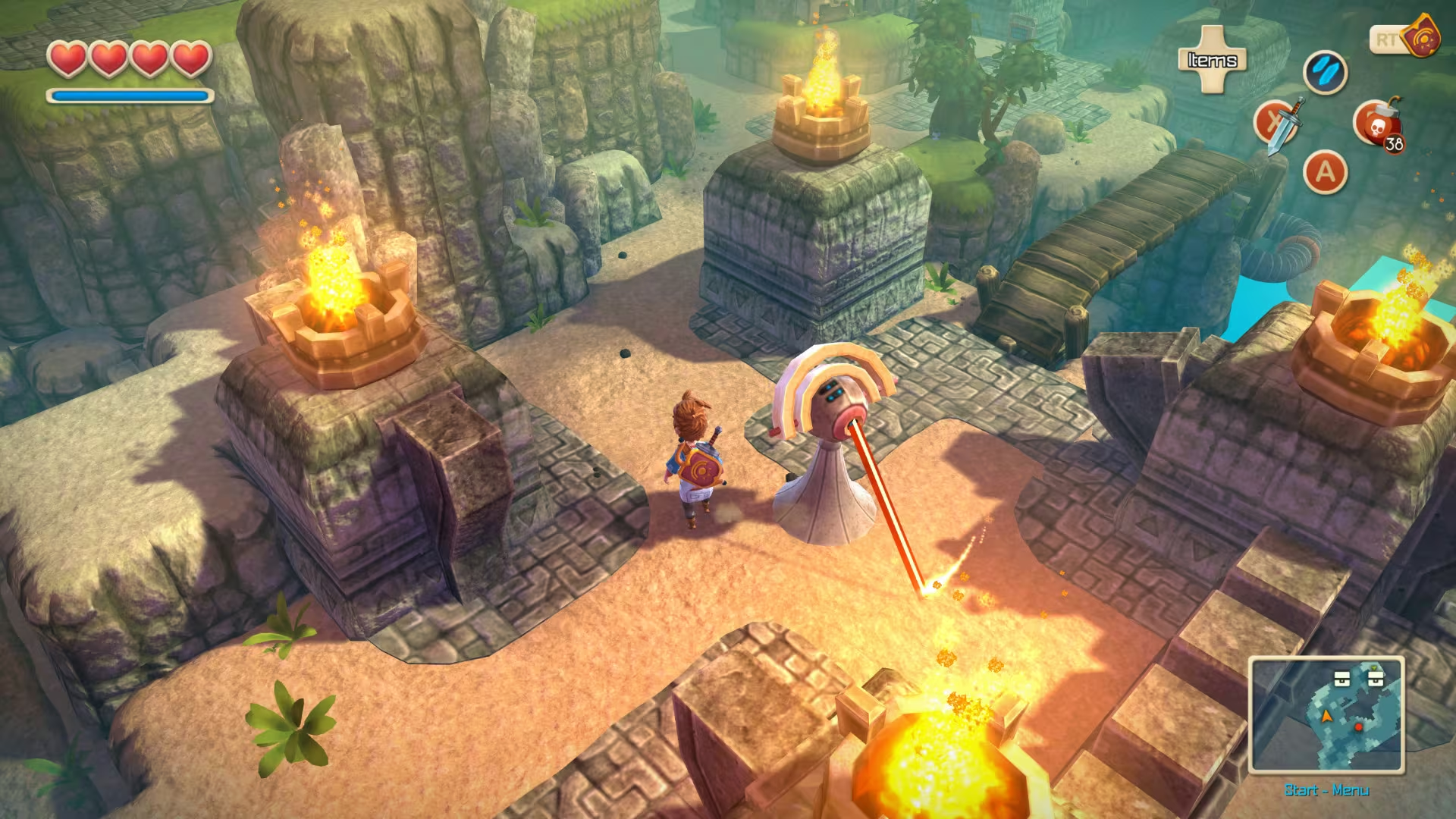
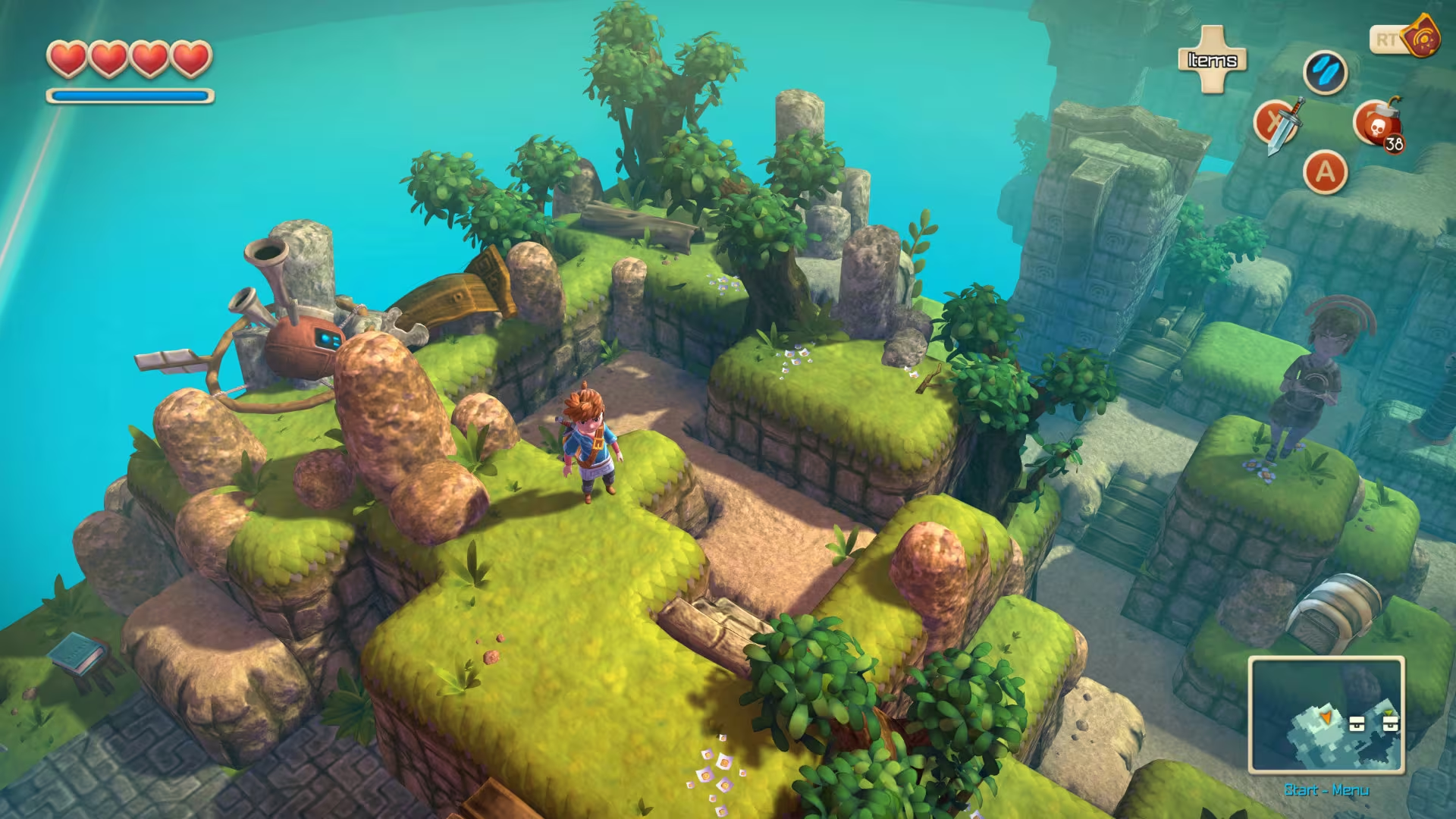
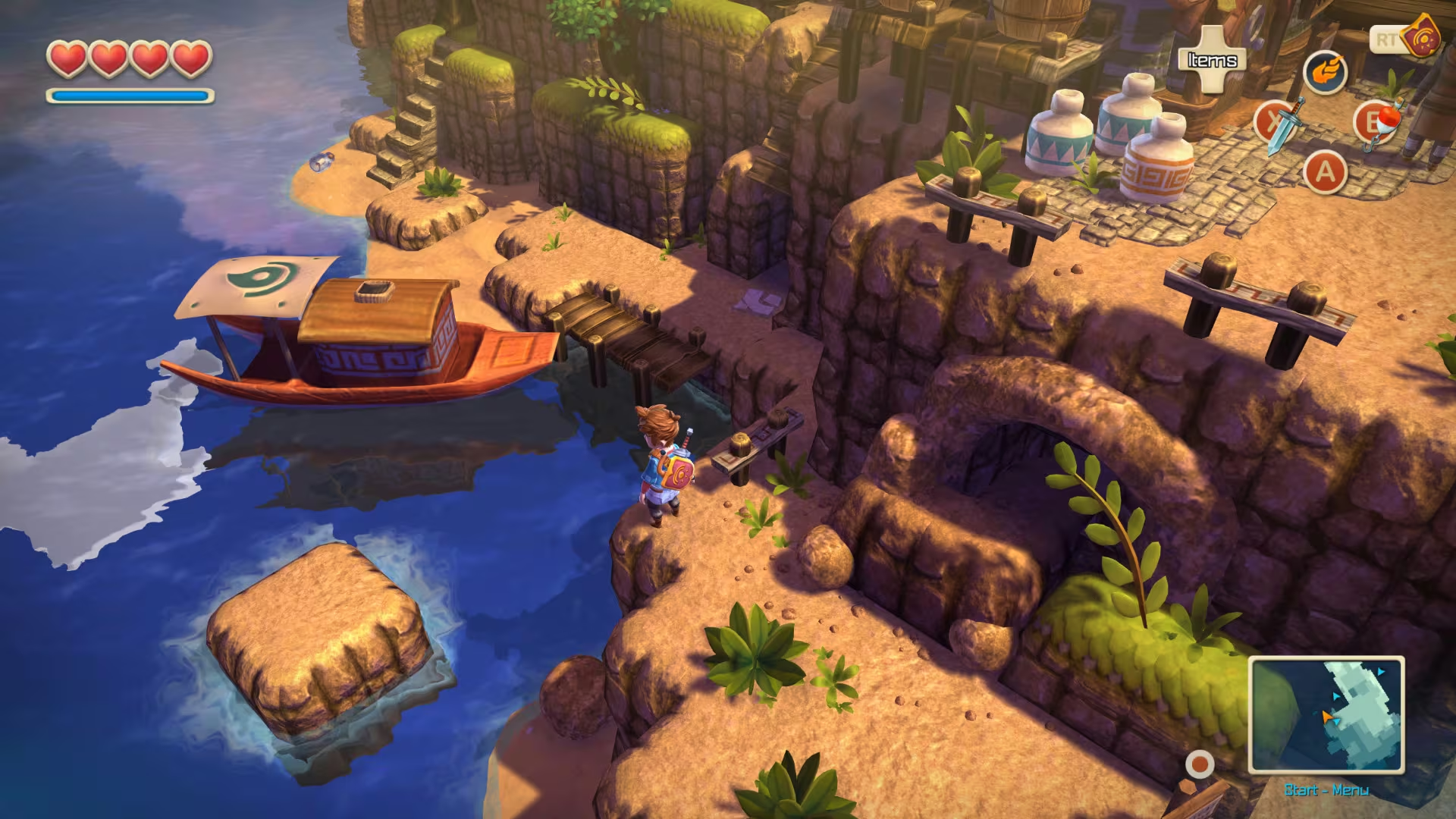
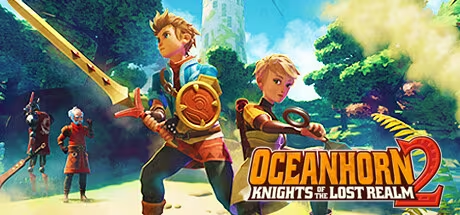
Oceanhorn: Monster of Uncharted Seas combines captivating storytelling, breathtaking 3D visuals and exciting gameplay into one epic action-adventure experience. In the game you explore the islands of Uncharted Seas, a world filled with many dangers, puzzles and secrets.

Global score

80/100

Genres

Action, Adventure, Indie, Role-playing (RPG)

Similar games

    Pros

    • Engaging zelda-like gameplay and puzzles
    • Colorful graphics and excellent soundtrack
    • Good single-player exploration and progression
    • Accessible controls and interface
    • Strong fantasy atmosphere and story

    Cons

    • Limited character customization and expression
    • No multiplayer or social features
    • Some technical issues and optimization problems
    • Shorter game length and simple story
    • Boat travel is on-rails and less interactive

    Analysis

    Broadly representative of its motivational profile, with a few distinct shifts. Motivations that often define this kind of title include Fellowship, Cooperation, Leadership, Violence. It leans lower than usual among comparable games on Expression, Experimenting, Continuation.

    How to use the graph
    Similar games map

    Each dot is a game. They are arranged from the same motivation profile as in the “Motivations” section below. Closer dots usually mean more similar reasons to play (exploration, competition, relaxation, etc.)—not that one game is “better” than another.

    • Larger dot with a light outline: the game you are viewing.
    • Colour: groups of games with comparable motivation patterns (statistical clusters).
    • Hover a dot to see the game name; click to open its page.
    • Scroll or double-click the chart to zoom out and see more games.

    Why don’t the axes read like a score? This view uses t-SNE: it only keeps who is close to whom. The scales are not “good to bad” or hours played—they separate groups on the map. Read distance between dots, not the axis numbers.

    Motivations

    • Autonomy
      3

      "Players have freedom to explore islands in any order and choose their path, but some progression is gated by story items and abilities."

    • Competence
      3

      "Combat and puzzles provide moderate challenge with skill and strategy required especially for bosses."

    • Competition
      -4

      "Focus is on single-player exploration and personal progress without competitive elements or leaderboards."

    • Continuation
      2

      "Players engage in 10-20 hour sessions with exploration and achievement hunting encouraging extended play."

    • Cooperation
      -5

      "Entirely single-player experience with no multiplayer or cooperative gameplay."

    • Creativity
      2

      "Players solve puzzles and explore, but mostly within predefined structures and game-designed environments."

    • Domination
      -5

      "No evidence of exerting control or superiority over others; gameplay is solo and non-competitive."

    • Escapism
      4

      "Immersive fantasy world and adventure provide a strong escape from real life."

    • Expectation
      -4

      "Players engage voluntarily for enjoyment and nostalgia without obligation or external pressure."

    • Experimenting
      2

      "Exploration and puzzle solving encourage trying new approaches, though within a structured game world."

    • Exploration
      4

      "Core gameplay involves discovering new islands, secrets, and revisiting locations to uncover hidden content."

    • Expression
      -3

      "Limited character customization; mostly standard presentation with some equipment upgrades."

    • Fantasy
      5

      "Strong fantasy setting with mythical creatures, magic, and an imaginative fictional world."

    • Fellowship
      -5

      "Single-player game with minimal social interaction or community involvement."

    • Growth
      4

      "Character progression through leveling and skill upgrades supports learning and development."

    • Health
      -5

      "Typical sedentary gameplay without physical activity or health-related features."

    • Idle
      -4

      "Requires focused attention during puzzles, combat, and exploration; not a casual background game."

    • Intimacy
      -5

      "No close social relationships or emotional sharing; solo adventure focus."

    • Leadership
      -5

      "No leadership or group management roles; purely single-player experience."

    • Progression
      4

      "Collecting items, upgrades, and experience points drives player progression."

    • Relaxation
      3

      "Generally relaxing gameplay with balanced challenge and enjoyable flow."

    • Sensation
      3

      "Colorful visuals and music provide pleasant sensory stimulation and emotional enjoyment."

    • Status
      -5

      "No social recognition or status systems; focus is on individual experience."

    • Story
      3

      "Narrative and lore provide context and motivation, though story is simple and straightforward."

    • Strategy
      3

      "Puzzles and boss fights require problem solving and tactical thinking."

    • Thrill
      1

      "Some tension in boss fights and exploration, but overall low risk and mild suspense."

    • Value
      4

      "Good perceived value for price with 10-20 hours of content and replay for achievements."

    • Violence
      2

      "Combat involves defeating monsters but is cartoonish and not graphic or intense."

    • Survival
      1

      "Some resource management and health maintenance, but low threat level overall."

    Last update: 29/04/2026