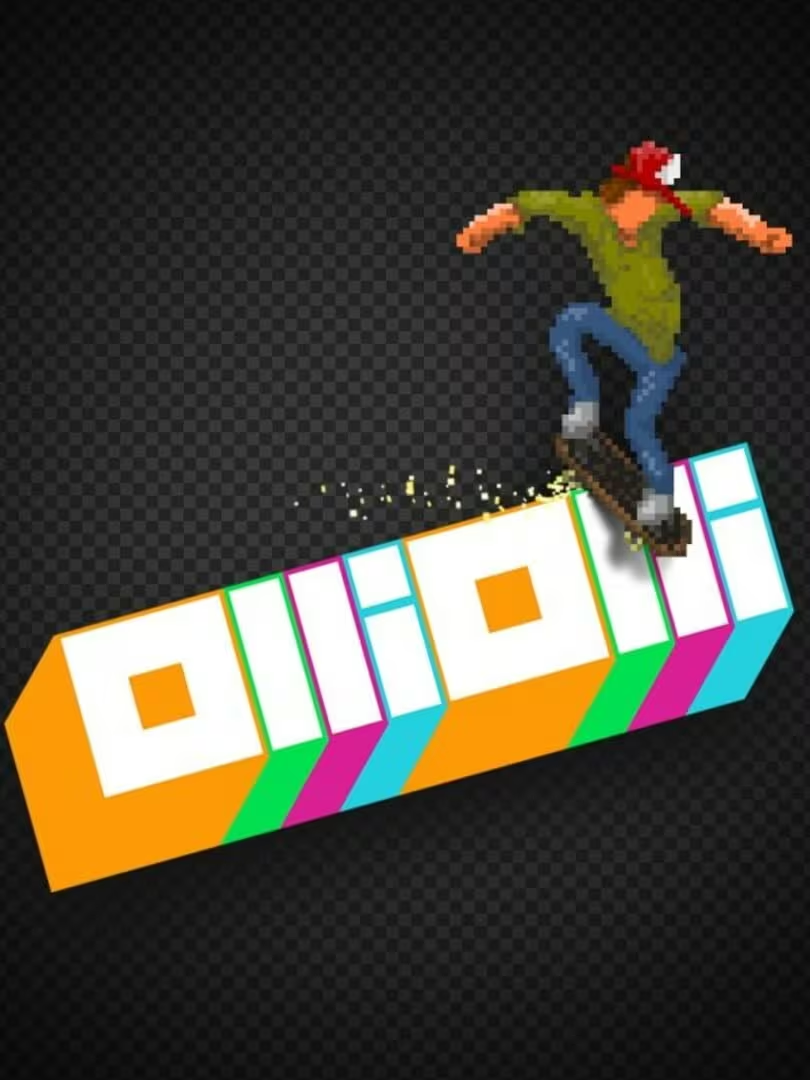
OlliOlli2: Welcome to Olliwood Thumbnail

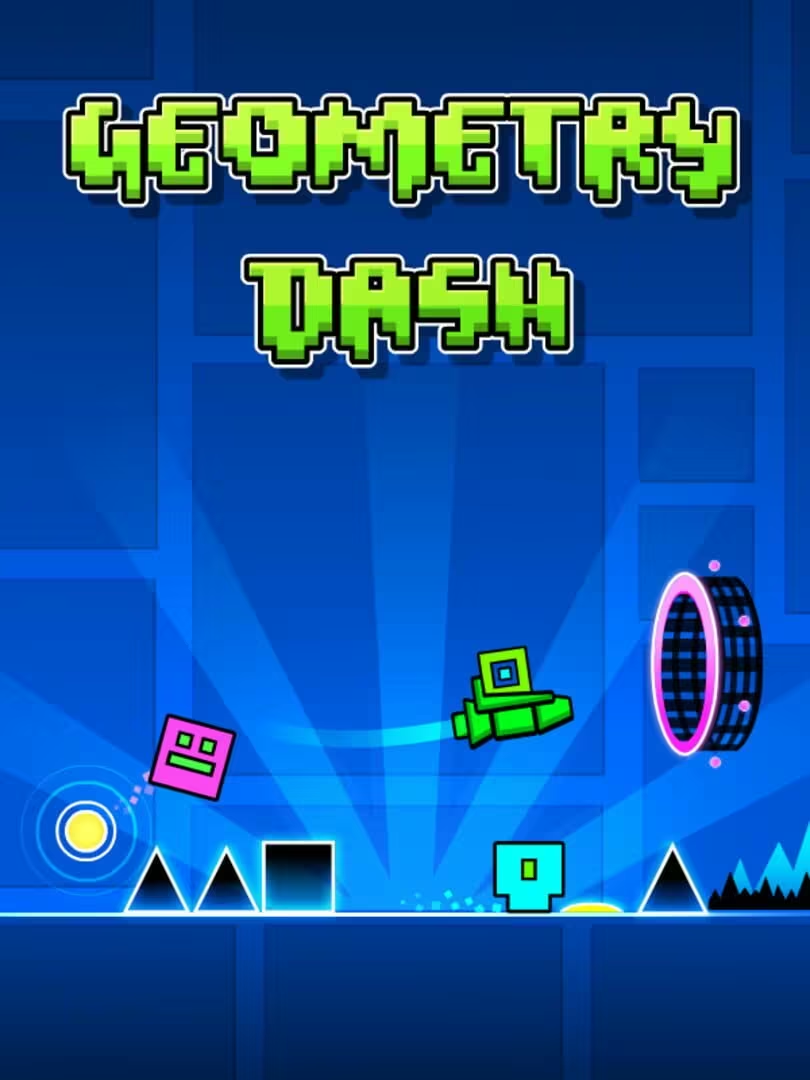
OlliOlli2: Welcome to Olliwood similar games & best alternatives
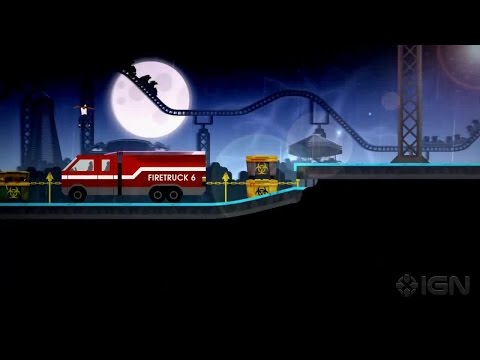
OlliOlli2: Welcome to Olliwood

PC (Microsoft Windows), Mac, PlayStation 4, Xbox One, PlayStation Vita, PlayStation 3, Linux • 2015

Related articles

Quick resume

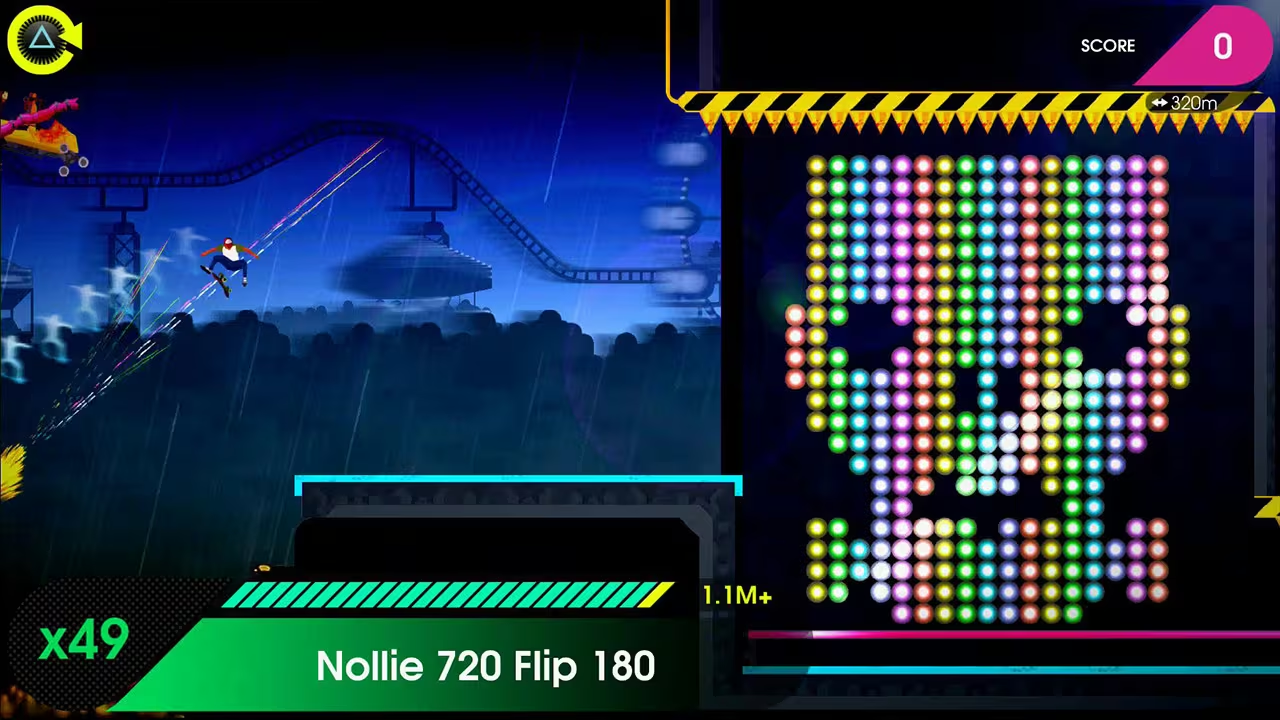
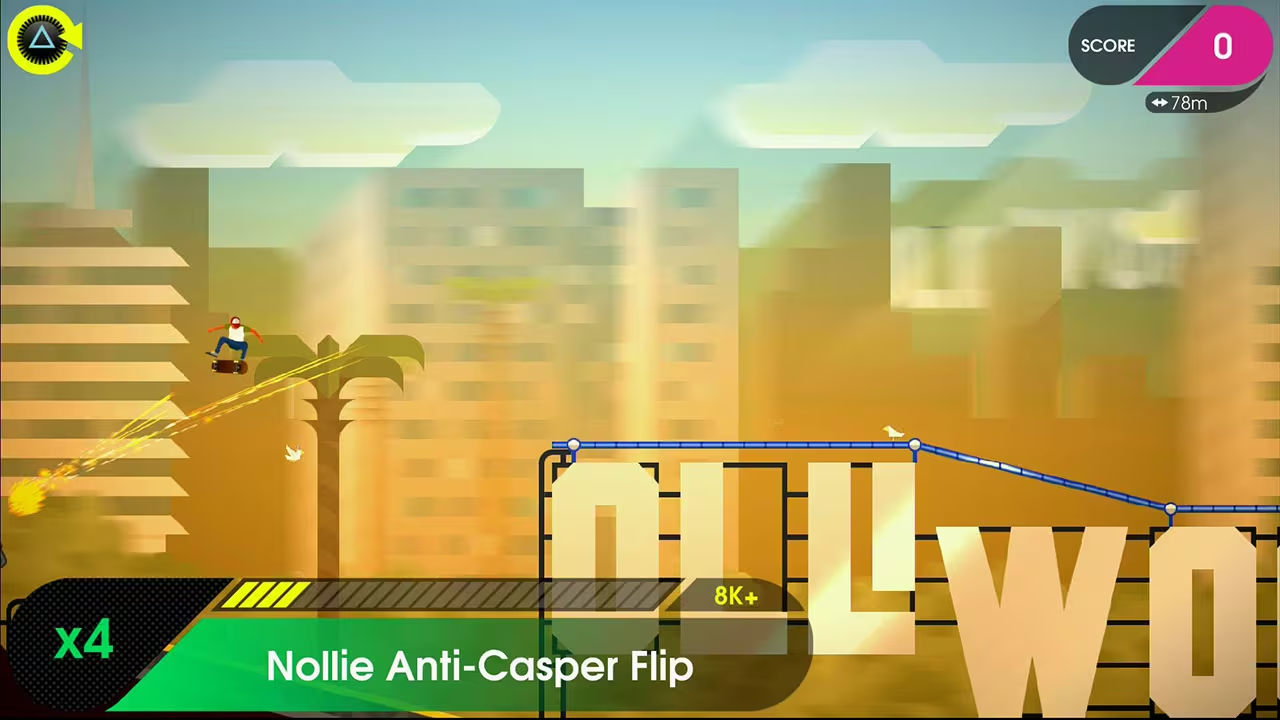
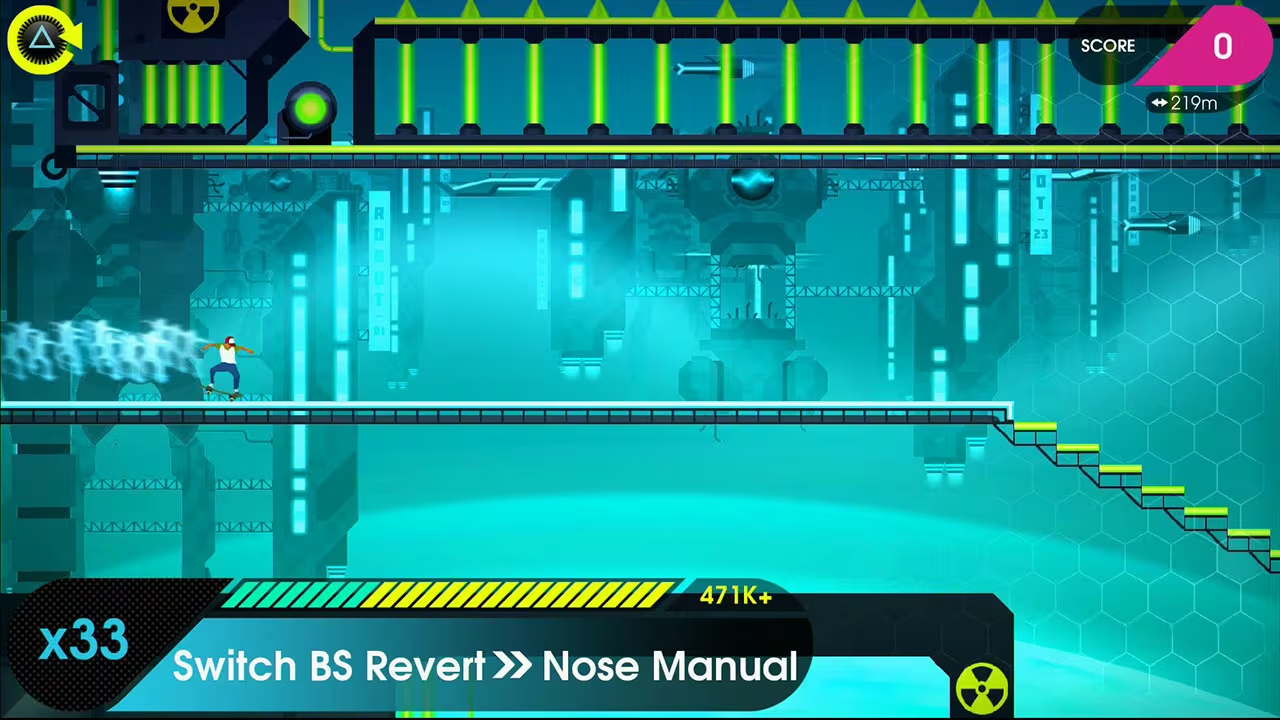
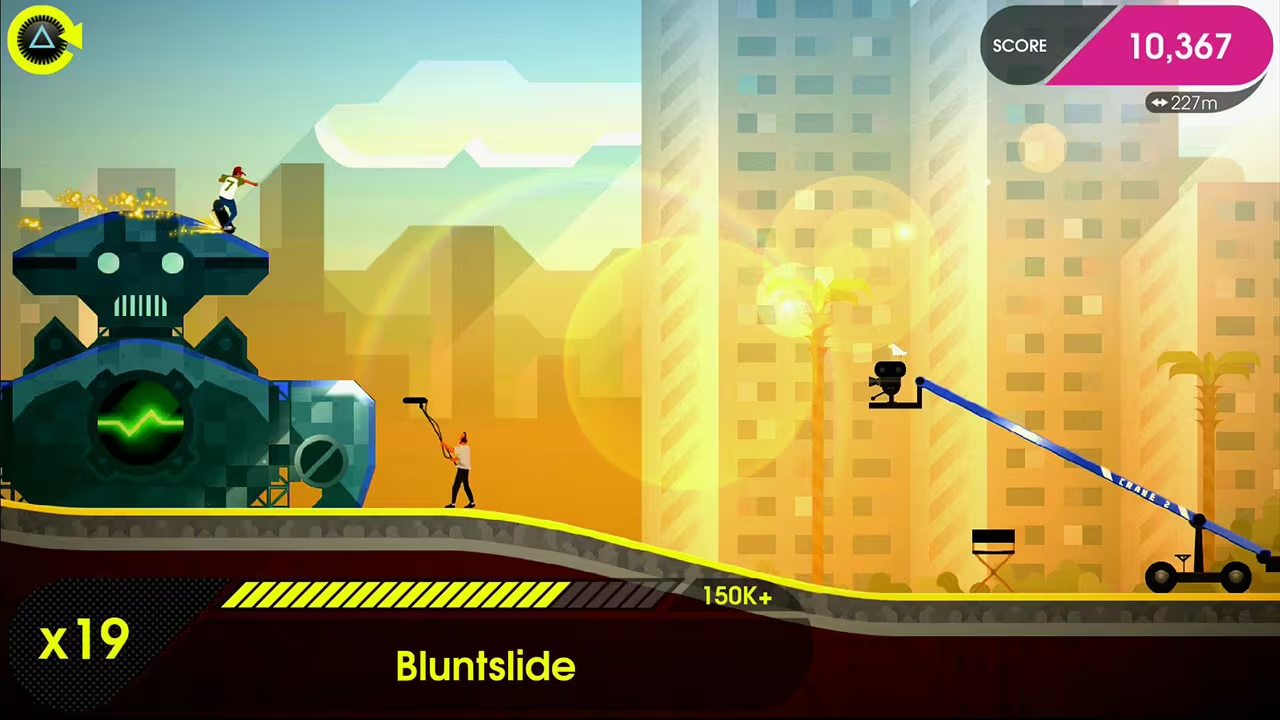
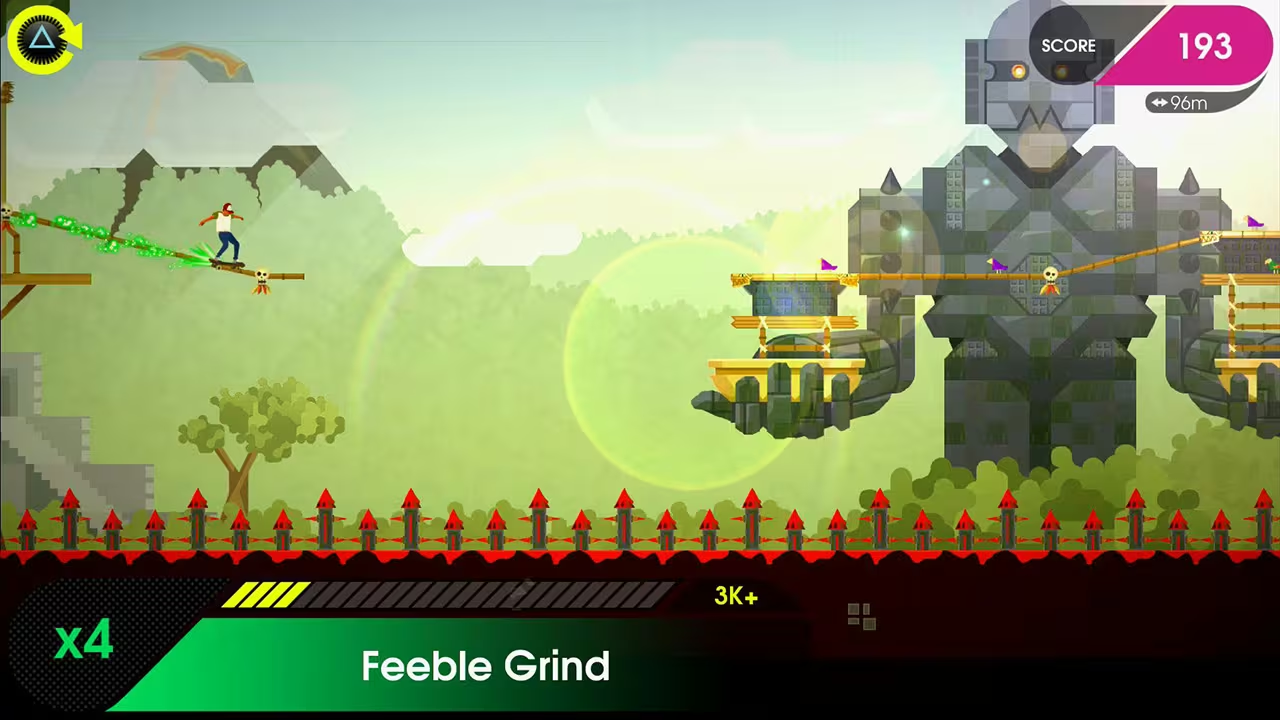
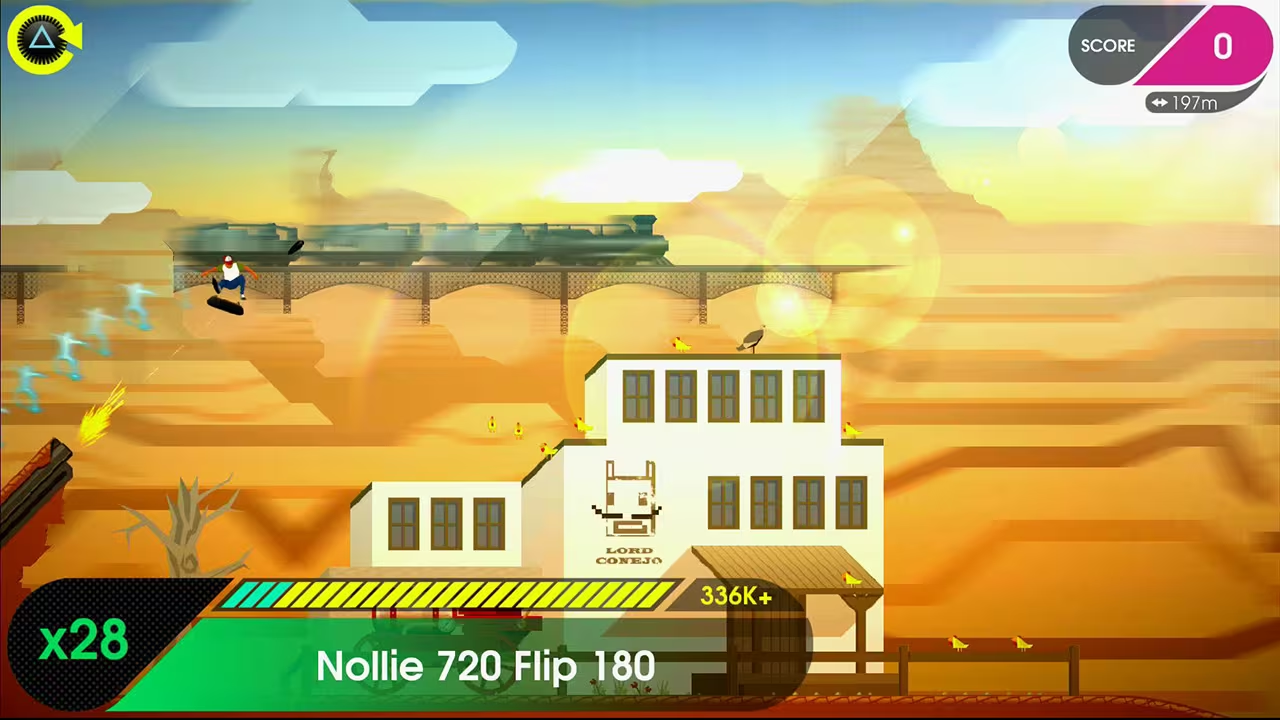
Drop in to Olliwood and prepare for finger-flippin’ mayhem in this follow up to cult skateboarding smash OlliOlli.

Global score

84/100

Genres

Action, Indie, Sport, Platform

Similar games

    Pros

    • Challenging and rewarding gameplay
    • Tight and responsive controls
    • Excellent soundtrack
    • High replay value with leaderboards and daily challenges
    • Stylized and colorful art style

    Cons

    • Steep learning curve may frustrate new players
    • Limited multiplayer (local split-screen only)
    • No online multiplayer
    • Some minor bugs and occasional input issues
    • No character customization or level editor

    Analysis

    A very typical example of its motivational profile. Motivations that often define this kind of title include Competition, Status, Story, Expression. Here, the score leans higher than usual among comparable games on Cooperation. It leans lower than usual among comparable games on Violence, Story.

    How to use the graph
    Similar games map

    Each dot is a game. They are arranged from the same motivation profile as in the “Motivations” section below. Closer dots usually mean more similar reasons to play (exploration, competition, relaxation, etc.)—not that one game is “better” than another.

    • Larger dot with a light outline: the game you are viewing.
    • Colour: groups of games with comparable motivation patterns (statistical clusters).
    • Hover a dot to see the game name; click to open its page.
    • Scroll or double-click the chart to zoom out and see more games.

    Why don’t the axes read like a score? This view uses t-SNE: it only keeps who is close to whom. The scales are not “good to bad” or hours played—they separate groups on the map. Read distance between dots, not the axis numbers.

    Motivations

    • Autonomy
      4

      "Players have high control over combos and tricks, designing their own sequences and approaches to levels."

    • Competence
      5

      "The game is challenging with a steep learning curve, rewarding skill mastery and precise timing."

    • Competition
      4

      "Online leaderboards and daily challenges encourage players to compare scores and compete globally."

    • Continuation
      4

      "High replay value with daily challenges, multiple difficulty modes, and a strong desire to improve scores."

    • Cooperation
      2

      "Local split-screen multiplayer exists but is limited; most gameplay is solo-focused."

    • Creativity
      4

      "Players create unique combos and use a variety of tricks to express personal style within levels."

    • Domination
      -3

      "Community is competitive but generally respectful; no strong evidence of dominance or trash talk."

    • Escapism
      4

      "Players use the game as a challenging, immersive distraction with engaging music and flow."

    • Expectation
      -4

      "Players engage voluntarily out of intrinsic interest and enjoyment rather than obligation."

    • Experimenting
      4

      "The game encourages trying new combos, tricks, and routes to optimize scores and flow."

    • Exploration
      2

      "Levels have multiple paths and secrets, but exploration is secondary to combo execution."

    • Expression
      3

      "Customization of combos and trick sequences allows personal expression, though no character customization."

    • Fantasy
      -2

      "The game simulates skateboarding in a stylized but plausible 2D environment without fantastical elements."

    • Fellowship
      1

      "Some community interaction via leaderboards and local multiplayer, but mostly solo play."

    • Growth
      5

      "Strong emphasis on skill development, learning timing, and mastering complex combos."

    • Health
      -5

      "Sedentary gameplay with no physical activity involved."

    • Idle
      -3

      "Requires focused attention and precise input; not suited for casual or background play."

    • Intimacy
      -4

      "Minimal social interaction; multiplayer is local and limited, no evidence of close relationships."

    • Leadership
      -4

      "No leadership or group management roles; gameplay is individual or cooperative without hierarchy."

    • Progression
      4

      "Players unlock new levels, modes, and challenges by completing objectives and improving scores."

    • Relaxation
      2

      "While challenging, the flow and music provide a satisfying and somewhat relaxing experience."

    • Sensation
      4

      "Engaging soundtrack, visual style, and responsive controls provide strong sensory stimulation."

    • Status
      3

      "Leaderboards and achievements offer recognition and social status within the community."

    • Story
      -5

      "No narrative or story elements; gameplay is context-free and focused on skill challenges."

    • Strategy
      3

      "Players plan combos and timing strategically to maximize scores and complete challenges."

    • Thrill
      3

      "High difficulty and risk of failure create suspense and excitement during runs."

    • Value
      4

      "Players perceive good value due to replayability, challenge, and content for price."

    • Violence
      -5

      "No combat or destructive elements; gameplay centers on skillful skating and combos."

    • Survival
      3

      "Players must avoid failure and maintain combos to progress, adding a survival-like challenge."

    Last update: 29/04/2026