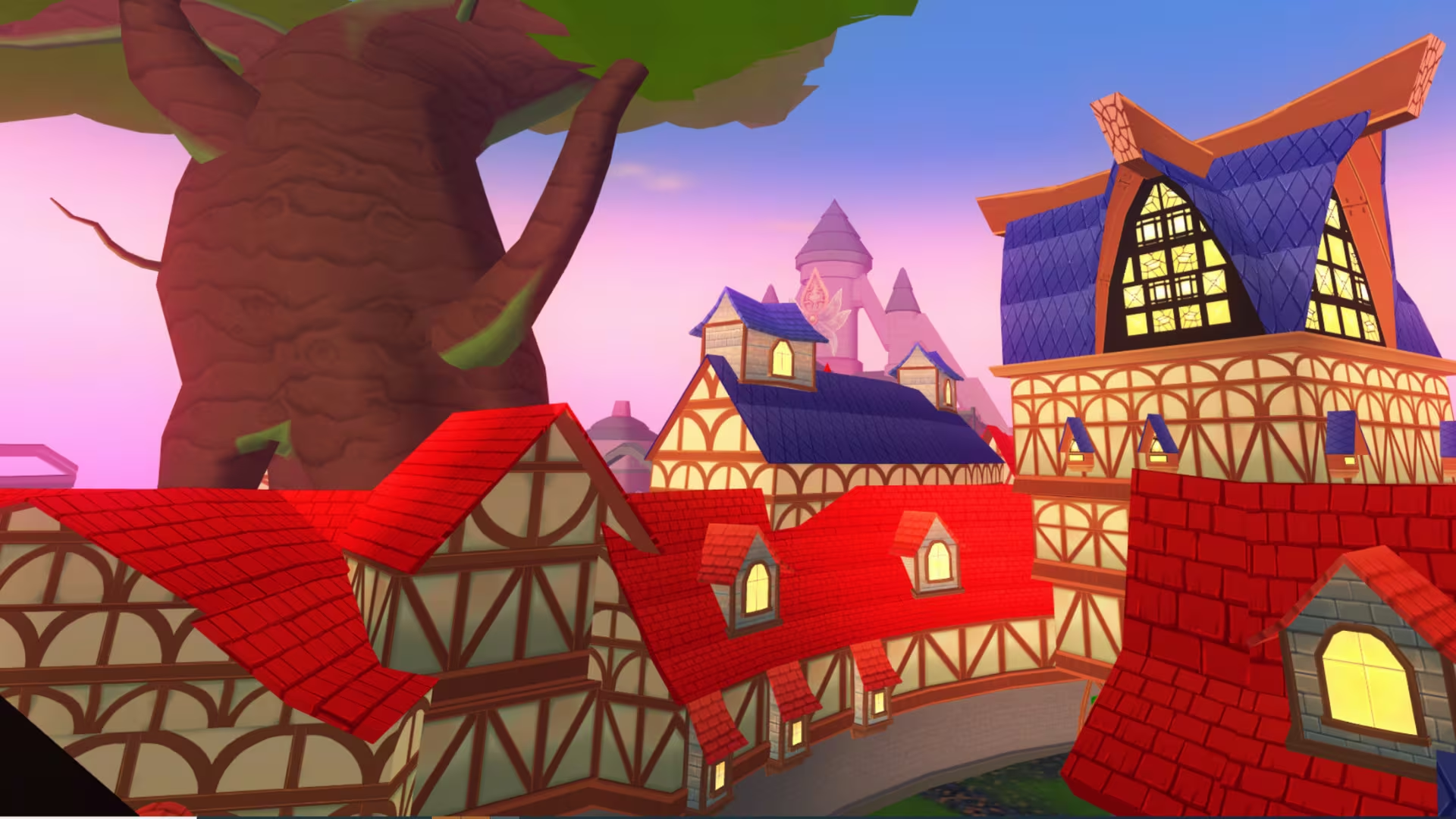
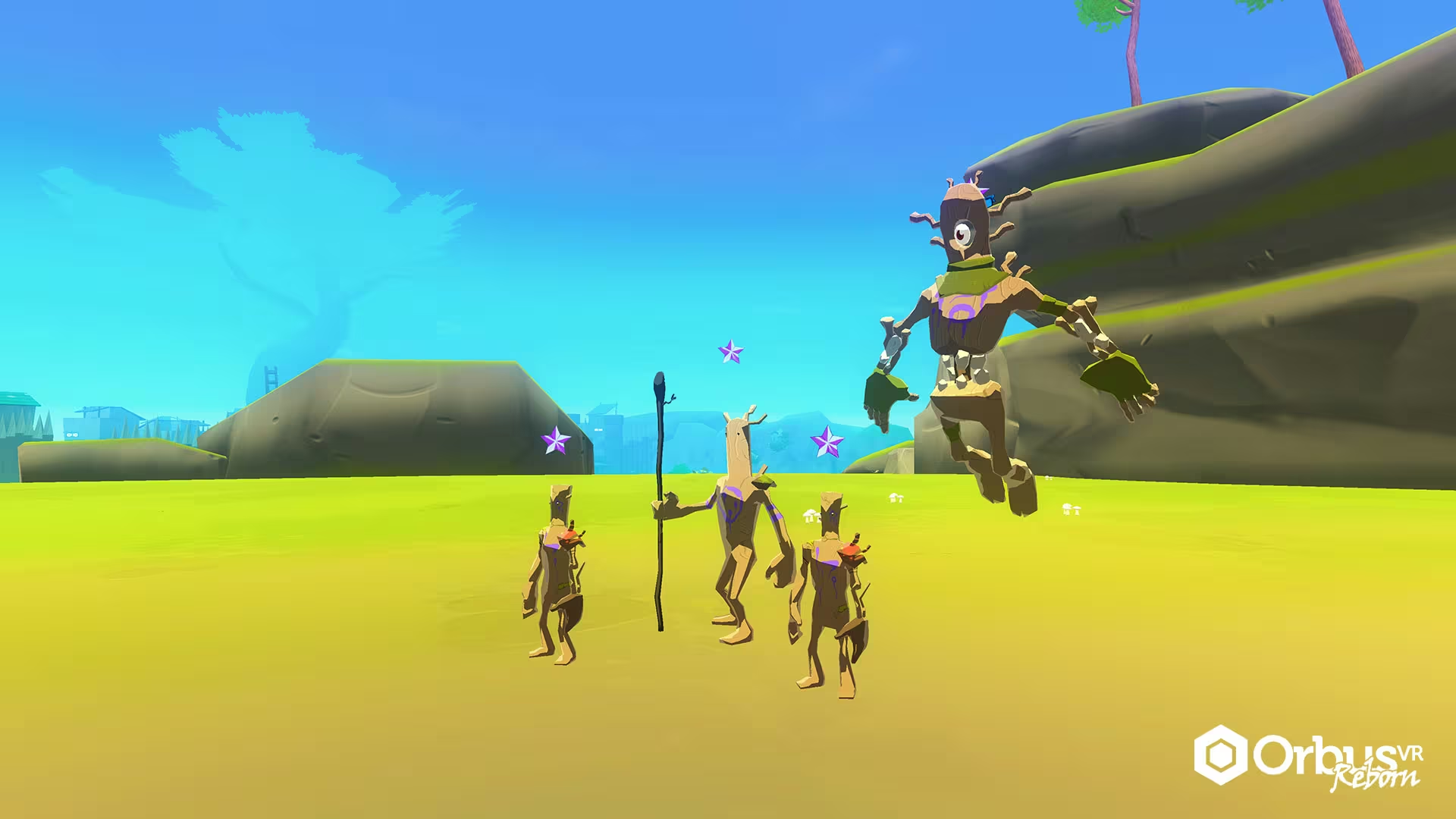
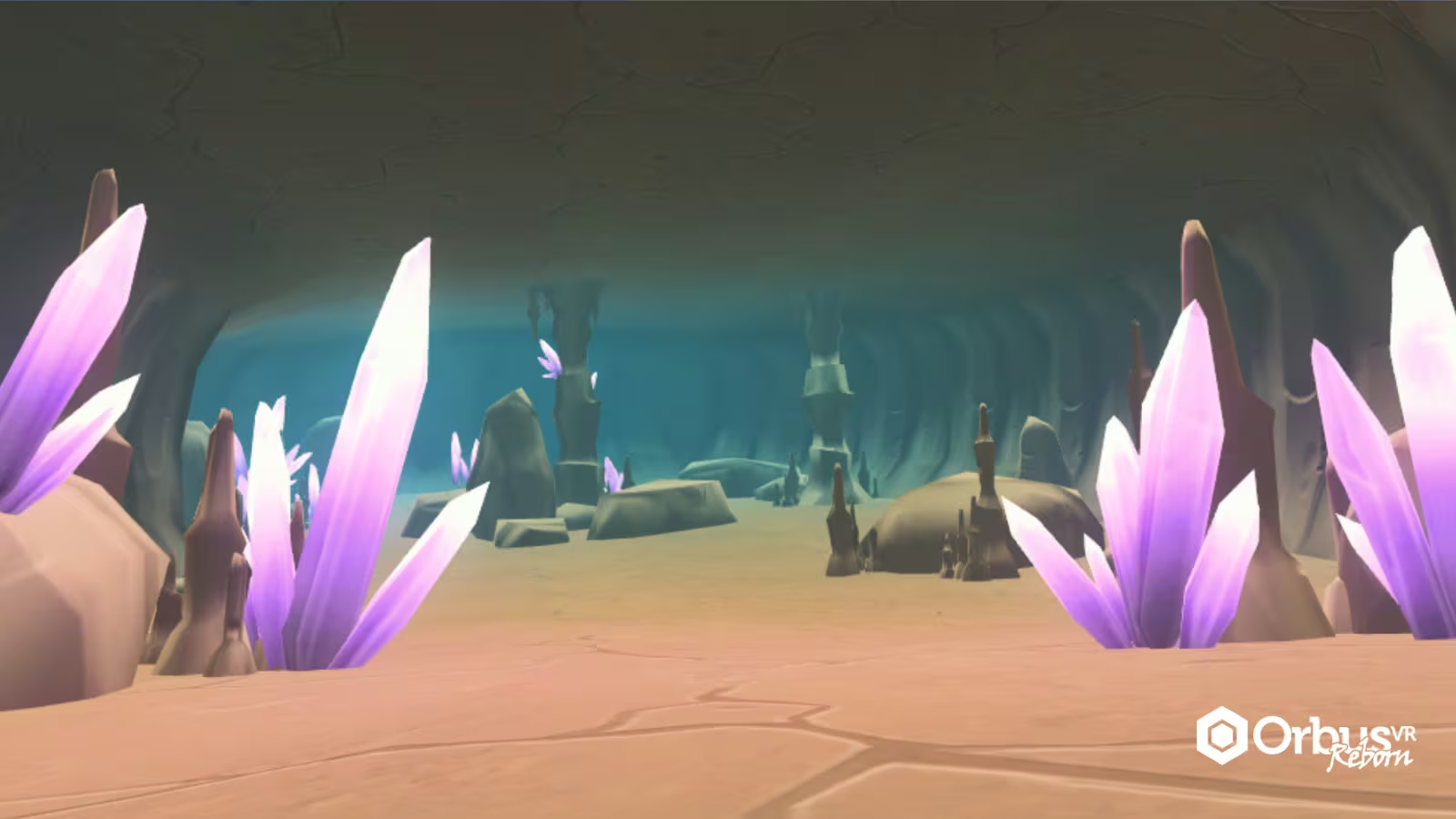
OrbusVR: Reborn Thumbnail

OrbusVR: Reborn similar games & best alternatives
OrbusVR: Reborn

PC (Microsoft Windows), Oculus Quest, Meta Quest 2 • 2019

Related articles

Quick resume

EDIT: Starting on February 10th 2025, OrbusVR: Reborn will no longer be available for purchase, including all in-game purchases. We will continue to maintain servers until they sunset on April 6th 2025.

Global score

77/100

Genres

Indie, Massively Multiplayer, Role-playing (RPG), Adventure

Similar games

    Pros

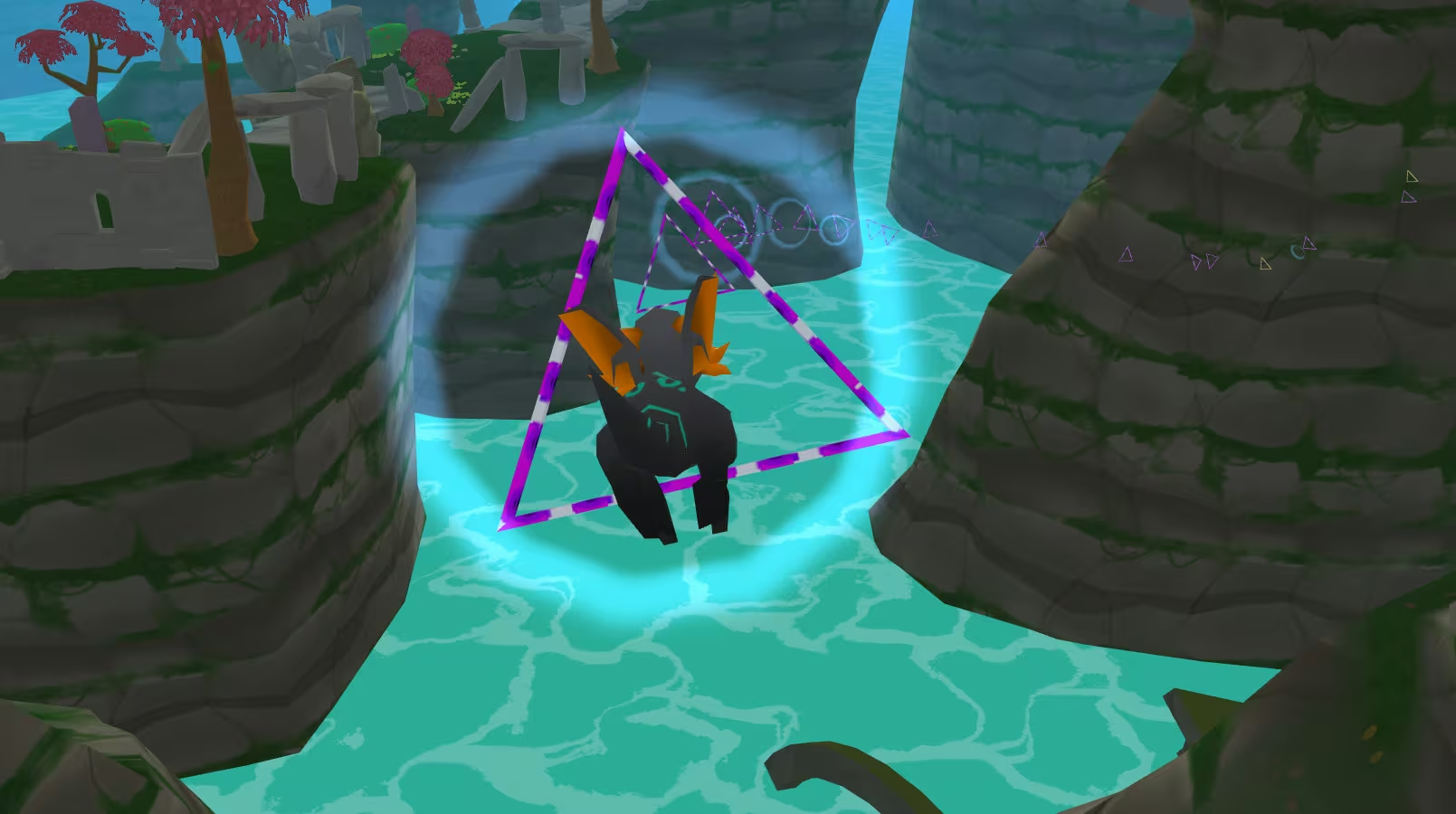
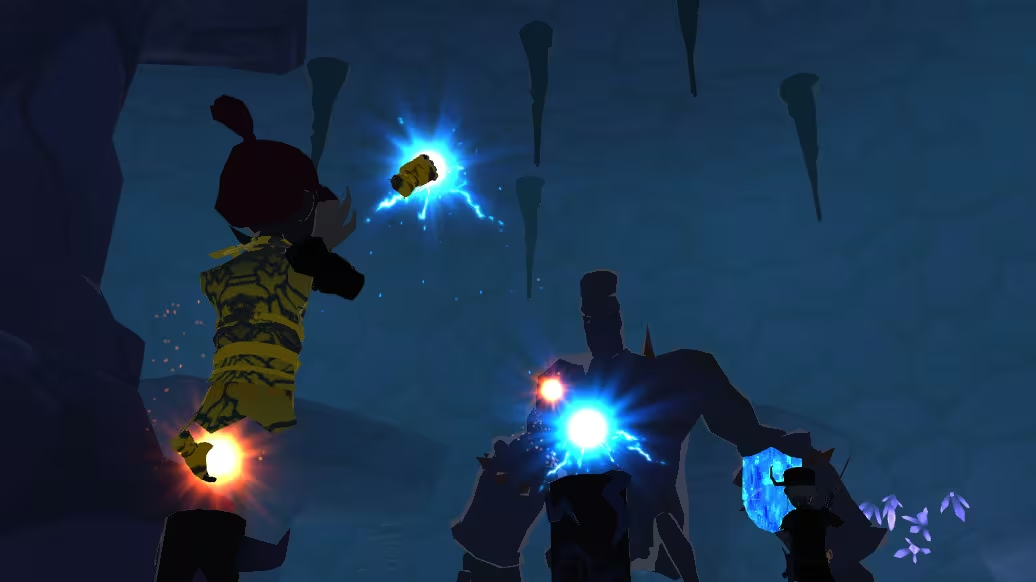
    • Immersive vr combat mechanics
    • Friendly and helpful community
    • Varied classes with unique playstyles
    • Active developer support and updates
    • Extensive content and social interaction

    Cons

    • Graphics are simple and blocky
    • Some bugs and occasional crashes
    • Steep learning curve for some classes
    • Limited avatar customization
    • Early access content still growing

    Analysis

    A very typical example of its motivational profile. Motivations that often define this kind of title include Health, Story, Competition, Status. Here, the score leans higher than usual among comparable games on Cooperation, Intimacy, Leadership.

    How to use the graph
    Similar games map

    Each dot is a game. They are arranged from the same motivation profile as in the “Motivations” section below. Closer dots usually mean more similar reasons to play (exploration, competition, relaxation, etc.)—not that one game is “better” than another.

    • Larger dot with a light outline: the game you are viewing.
    • Colour: groups of games with comparable motivation patterns (statistical clusters).
    • Hover a dot to see the game name; click to open its page.
    • Scroll or double-click the chart to zoom out and see more games.

    Why don’t the axes read like a score? This view uses t-SNE: it only keeps who is close to whom. The scales are not “good to bad” or hours played—they separate groups on the map. Read distance between dots, not the axis numbers.

    Motivations

    • Autonomy
      4

      "Players have freedom to choose classes, switch between them, explore the world without handholding, and make their own decisions in quests and combat."

    • Competence
      4

      "Combat and crafting require skill and practice; players report rewarding mastery of combos, spell drawing, and physical actions."

    • Competition
      2

      "There is PvP and ranked battlegrounds, but much gameplay focuses on cooperative and personal progression rather than direct competition."

    • Continuation
      3

      "Many players report long play sessions, habitual engagement, and high attachment to the game and community."

    • Cooperation
      4

      "Strong emphasis on group play, dungeons, raids, and social interaction; community is friendly and helpful."

    • Creativity
      2

      "Some creative elements like crafting, potion making, and pet breeding, but mostly within predefined systems."

    • Domination
      -3

      "Community described as friendly and supportive; little evidence of dominance or toxic behavior as a core experience."

    • Escapism
      4

      "Players describe immersion and escape into a virtual world, socializing and adventuring as a break from real life."

    • Expectation
      -4

      "Players engage voluntarily out of intrinsic interest and enjoyment; no evidence of obligation or pressure."

    • Experimenting
      3

      "Players try different classes, learn new skills, and explore mechanics like spellcasting and combat combos."

    • Exploration
      3

      "Game world encourages discovery and navigation without explicit quest markers; players explore towns, dungeons, and zones."

    • Expression
      2

      "Some customization options like transmog gear and dyes, but limited avatar customization."

    • Fantasy
      4

      "Strong fantasy setting with magic, dragons, mythical creatures, and imaginative lore."

    • Fellowship
      4

      "Players feel part of a community with guilds, social events, and voice chat fostering group identity."

    • Growth
      4

      "Leveling multiple classes, learning complex combat mechanics, and improving skills are core to progression."

    • Health
      3

      "Physical activity required for combat combos and spellcasting; players report it as a workout."

    • Idle
      -3

      "Requires active attention and physical engagement; not a background or idle game."

    • Intimacy
      3

      "Close social interactions and friendships form through voice chat and cooperative play."

    • Leadership
      2

      "Some players lead groups and guilds, but much gameplay is collaborative with shared decision-making."

    • Progression
      4

      "Leveling classes, acquiring gear, crafting, and unlocking abilities provide clear progression."

    • Relaxation
      2

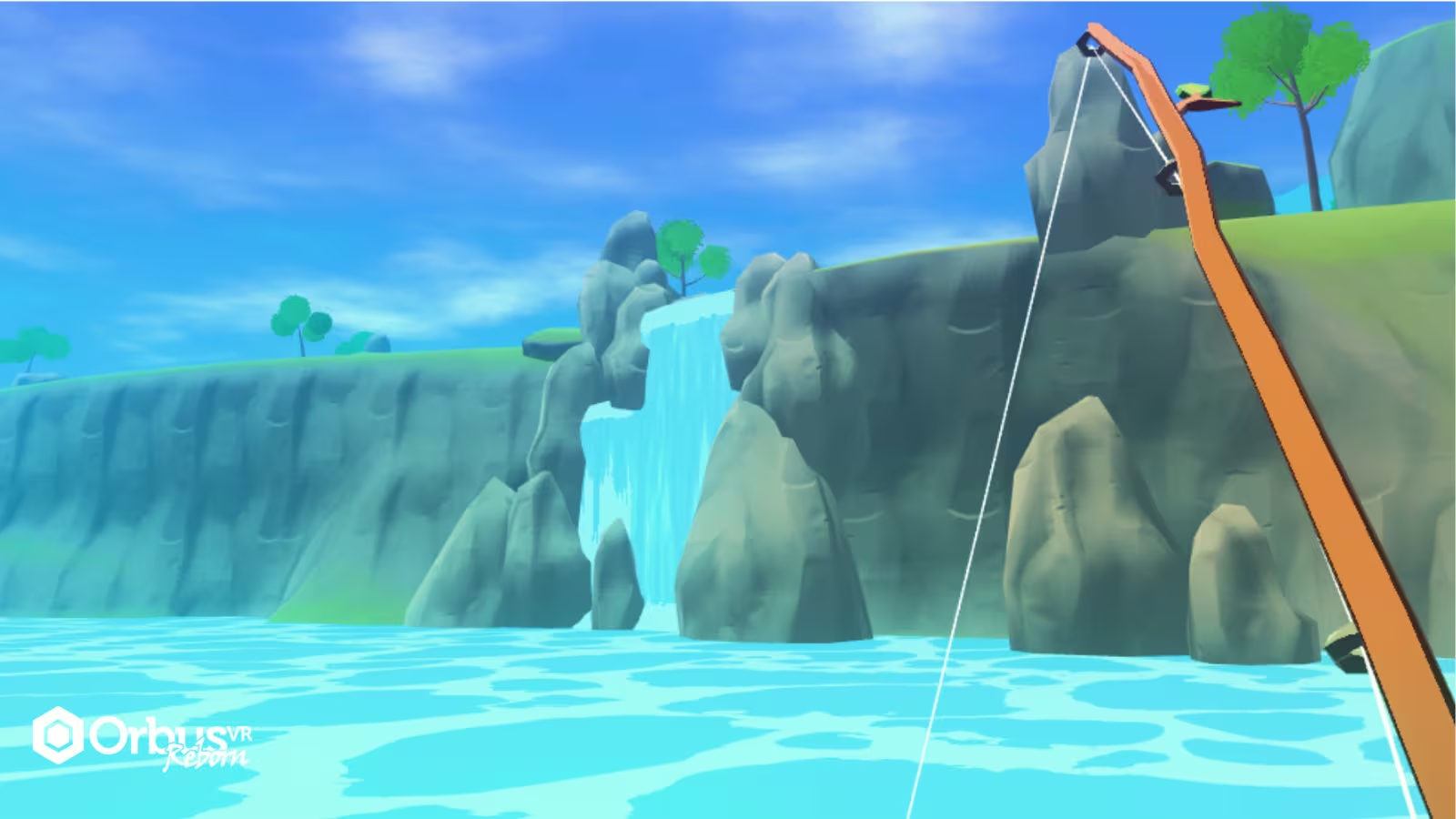
      "Fishing and socializing provide relaxing moments, though combat can be challenging and tense."

    • Sensation
      3

      "Immersive VR visuals and audio, physical combat motions, and social voice chat provide engaging sensory input."

    • Status
      2

      "Recognition through guilds, raids, and community reputation exists but is not overly emphasized."

    • Story
      2

      "There is a main storyline and quests, but some players find it lacking or less engaging than gameplay."

    • Strategy
      3

      "Combat and dungeon mechanics require planning, timing, and tactical thinking."

    • Thrill
      2

      "Some suspense and challenge in combat and group encounters, but not a dominant theme."

    • Value
      3

      "Players feel the game offers good value for time and money given content and community."

    • Violence
      3

      "Combat and monster fighting are core gameplay elements involving destruction and damage."

    • Survival
      2

      "Players manage health and resources in combat, but the game is not focused on survival mechanics."

    Last update: 29/04/2026