Anodyne Thumbnail

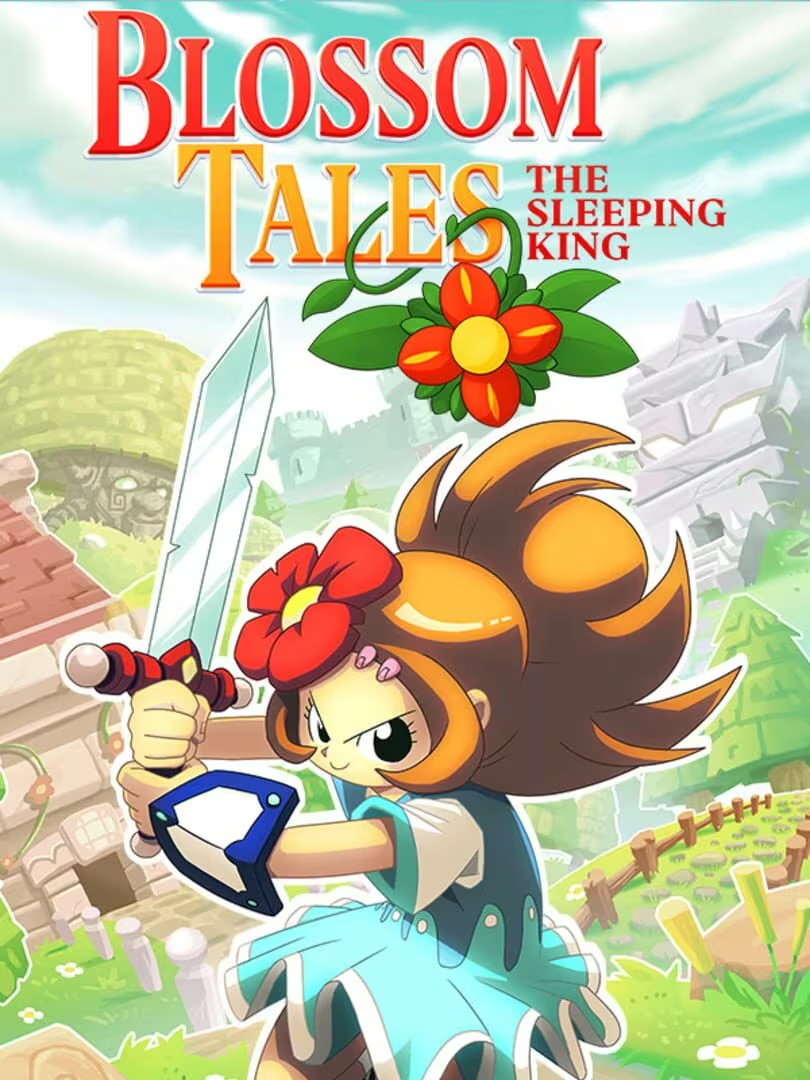
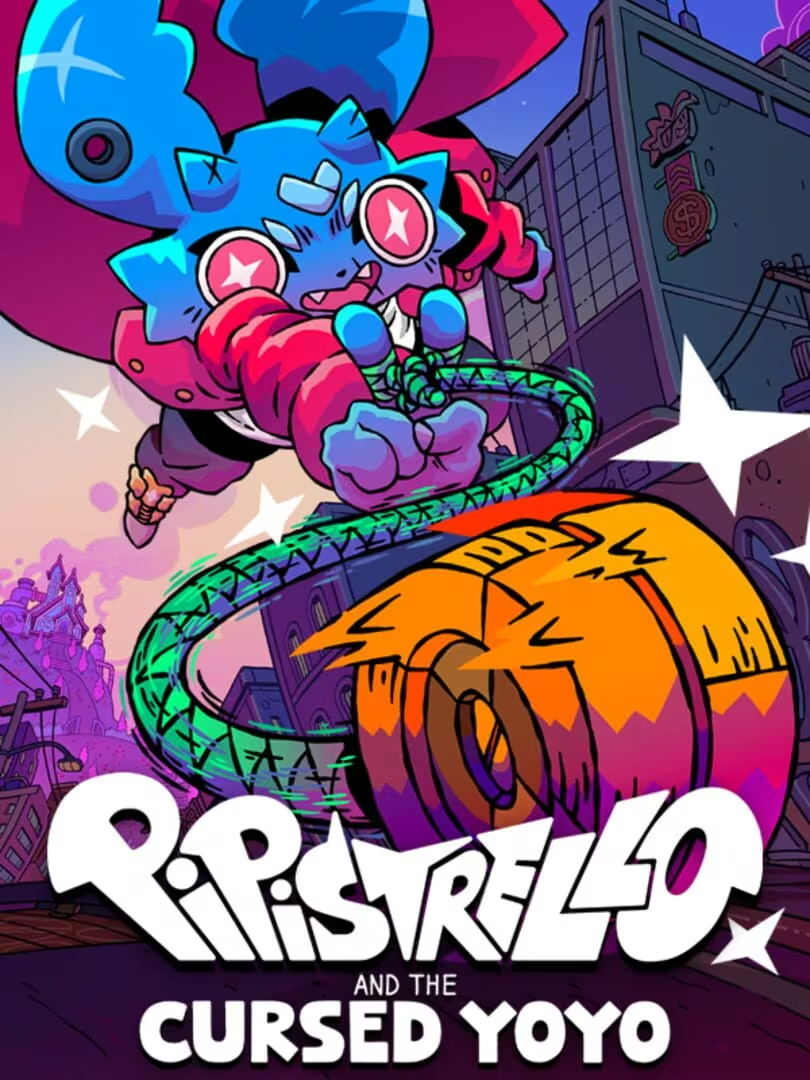
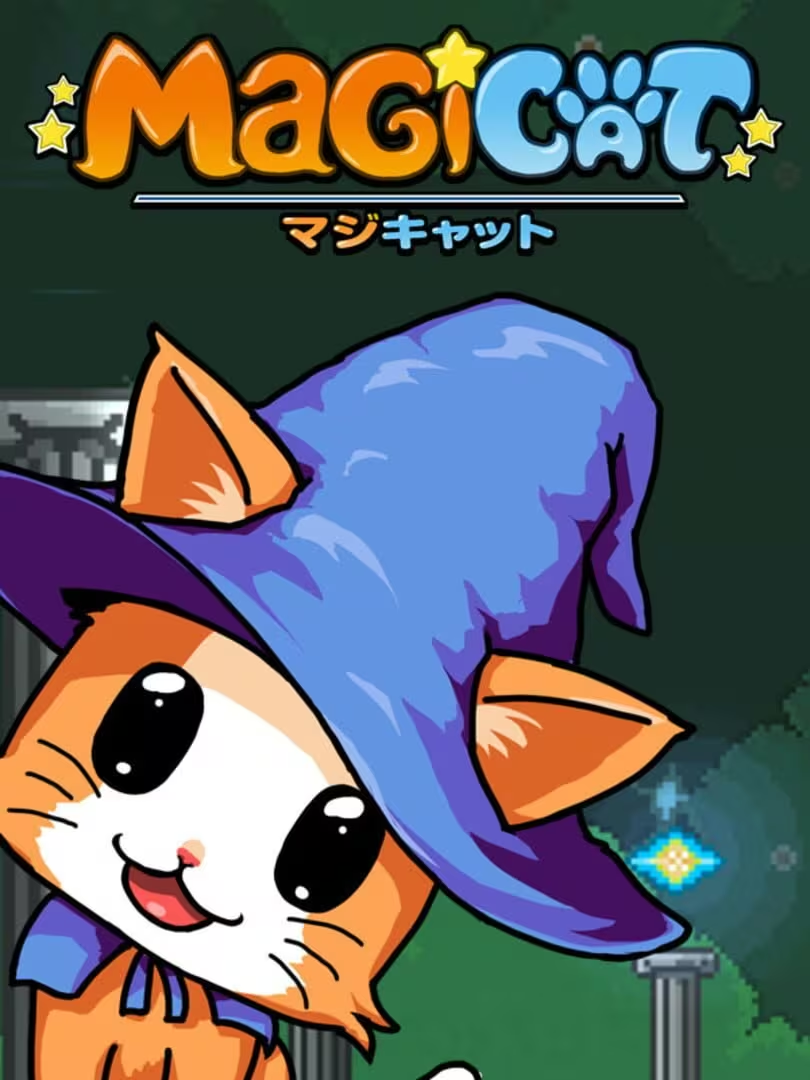
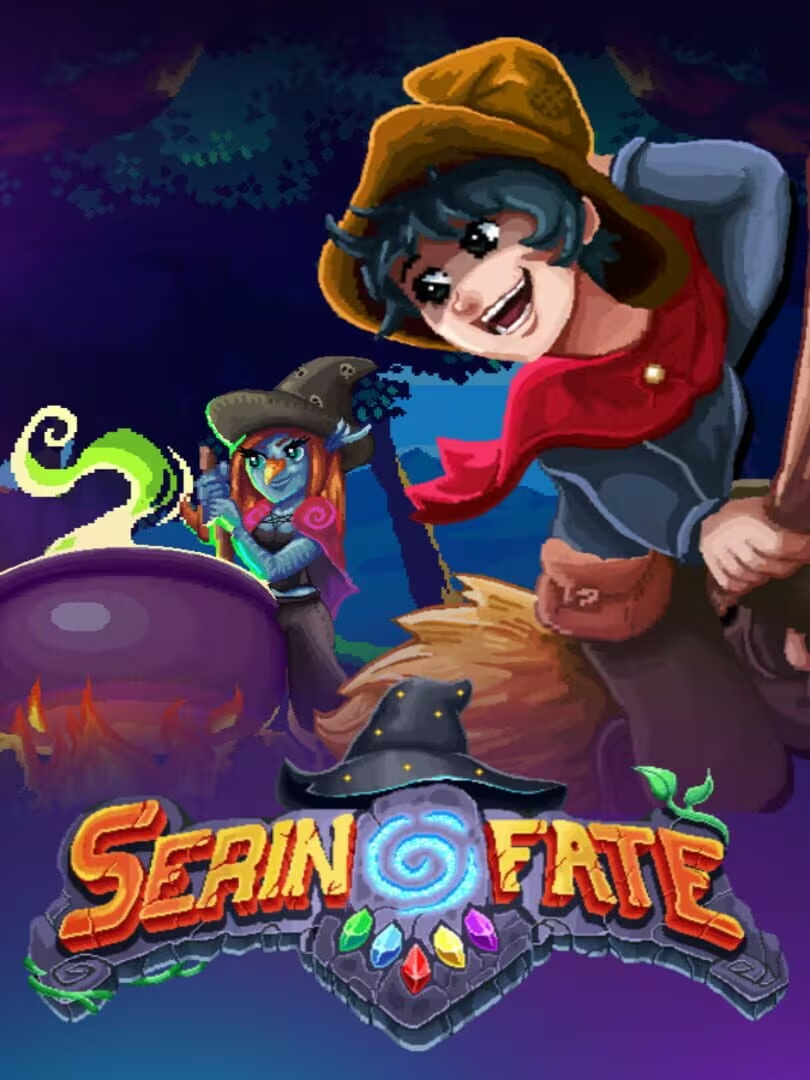
Anodyne similar games & best alternatives
Anodyne

PC (Microsoft Windows), Mac, iOS, PlayStation 4, Xbox One, Android, Nintendo Switch, Linux • 2013

Related articles

Quick resume

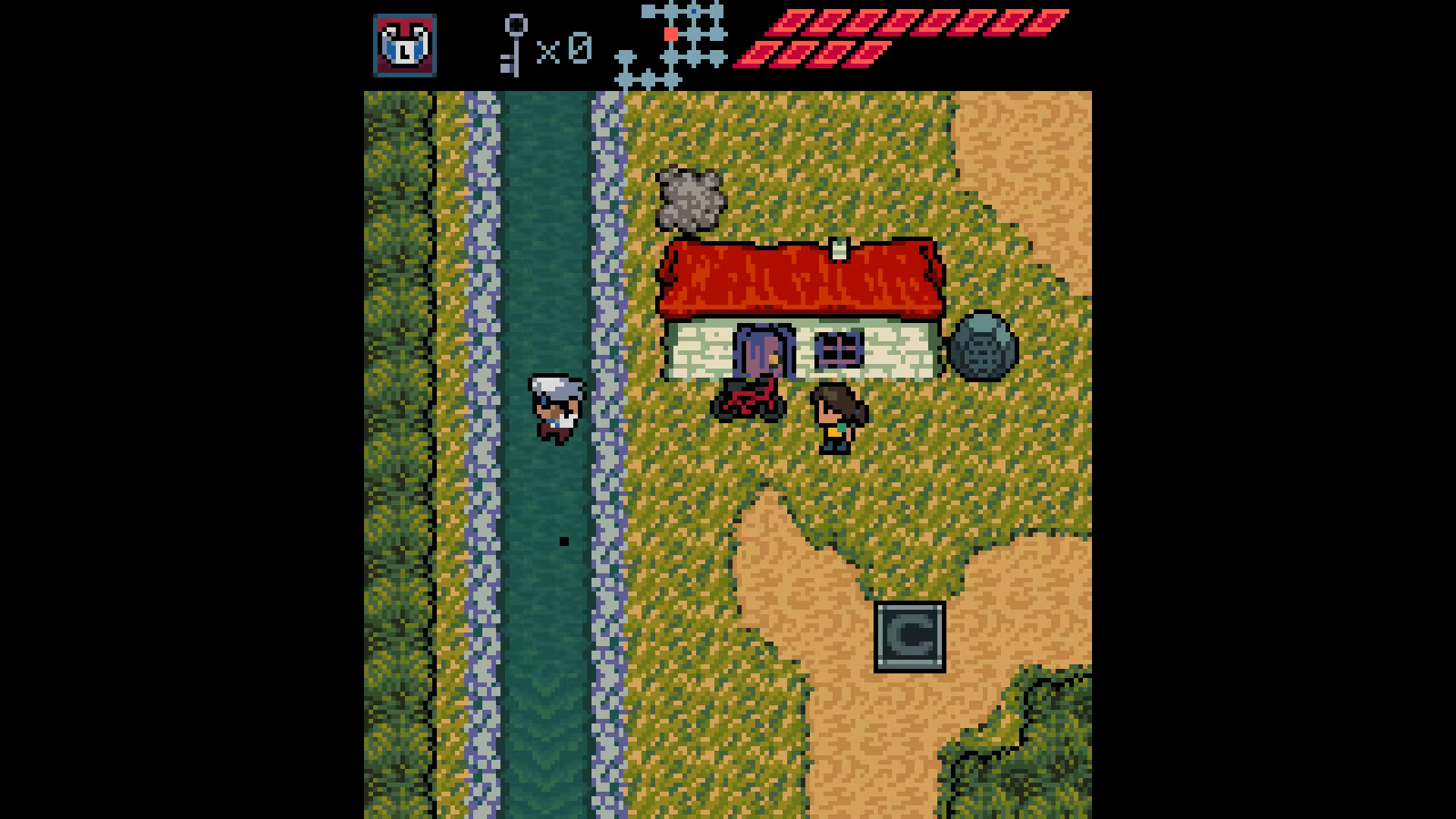
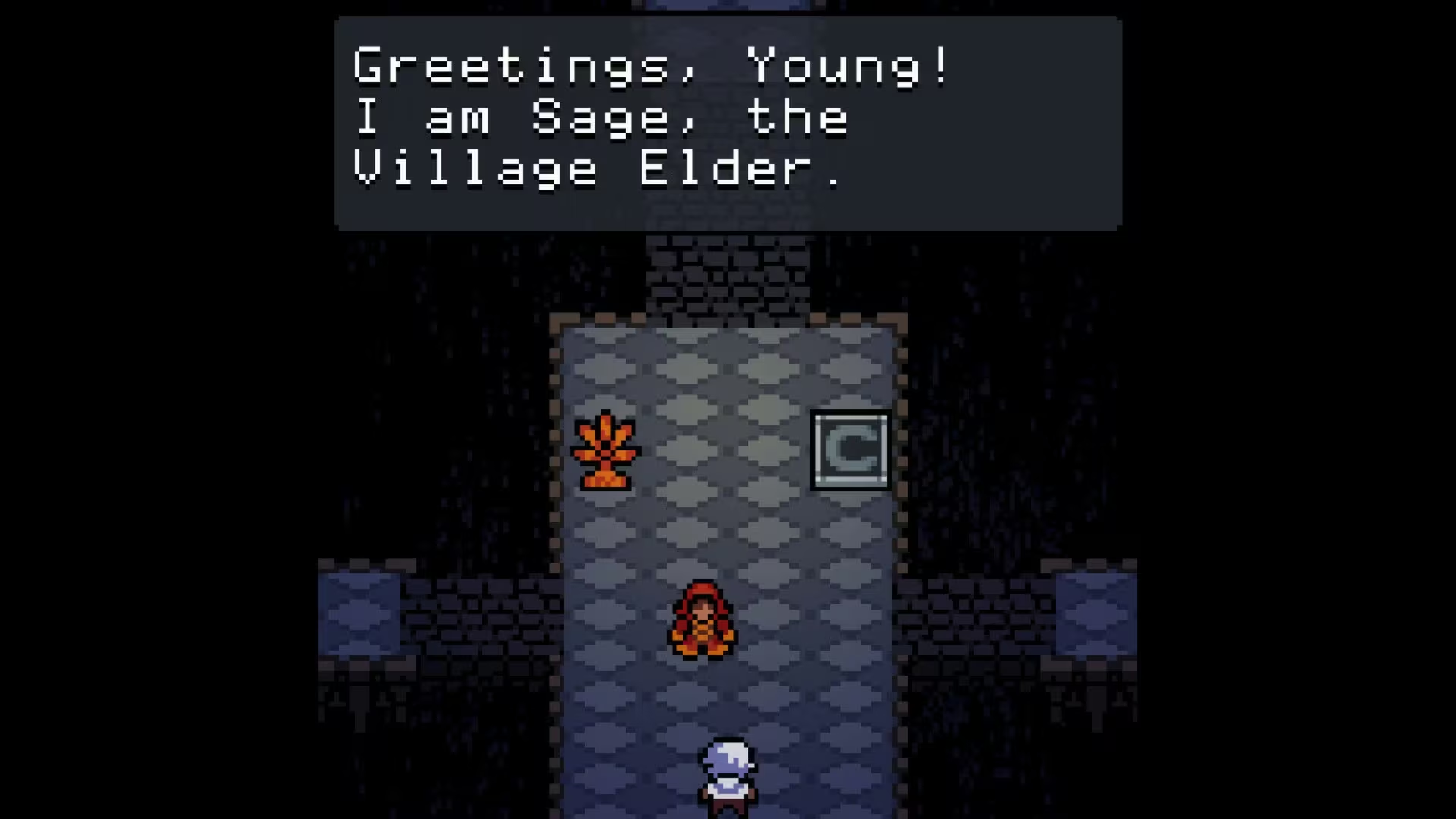
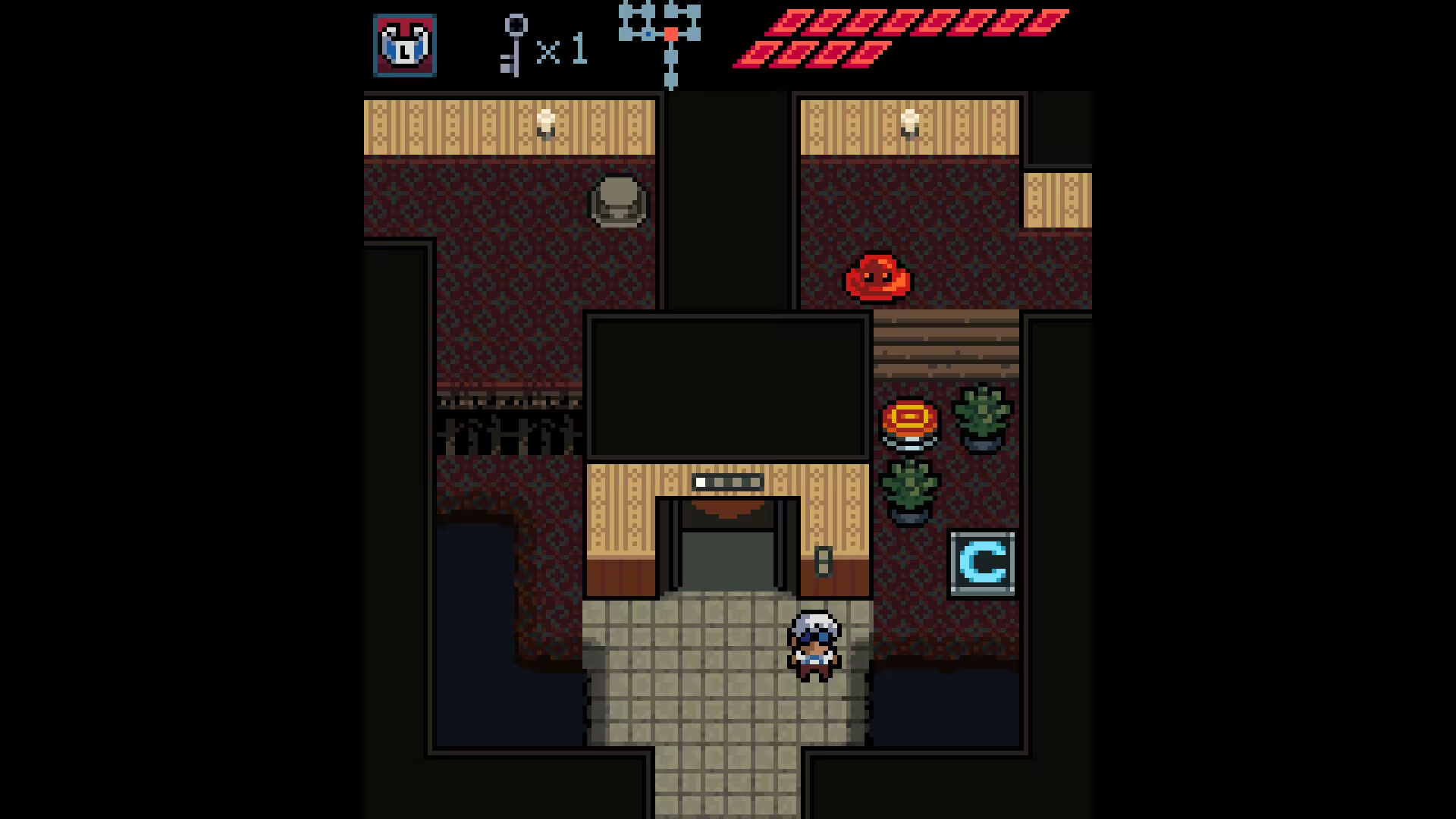
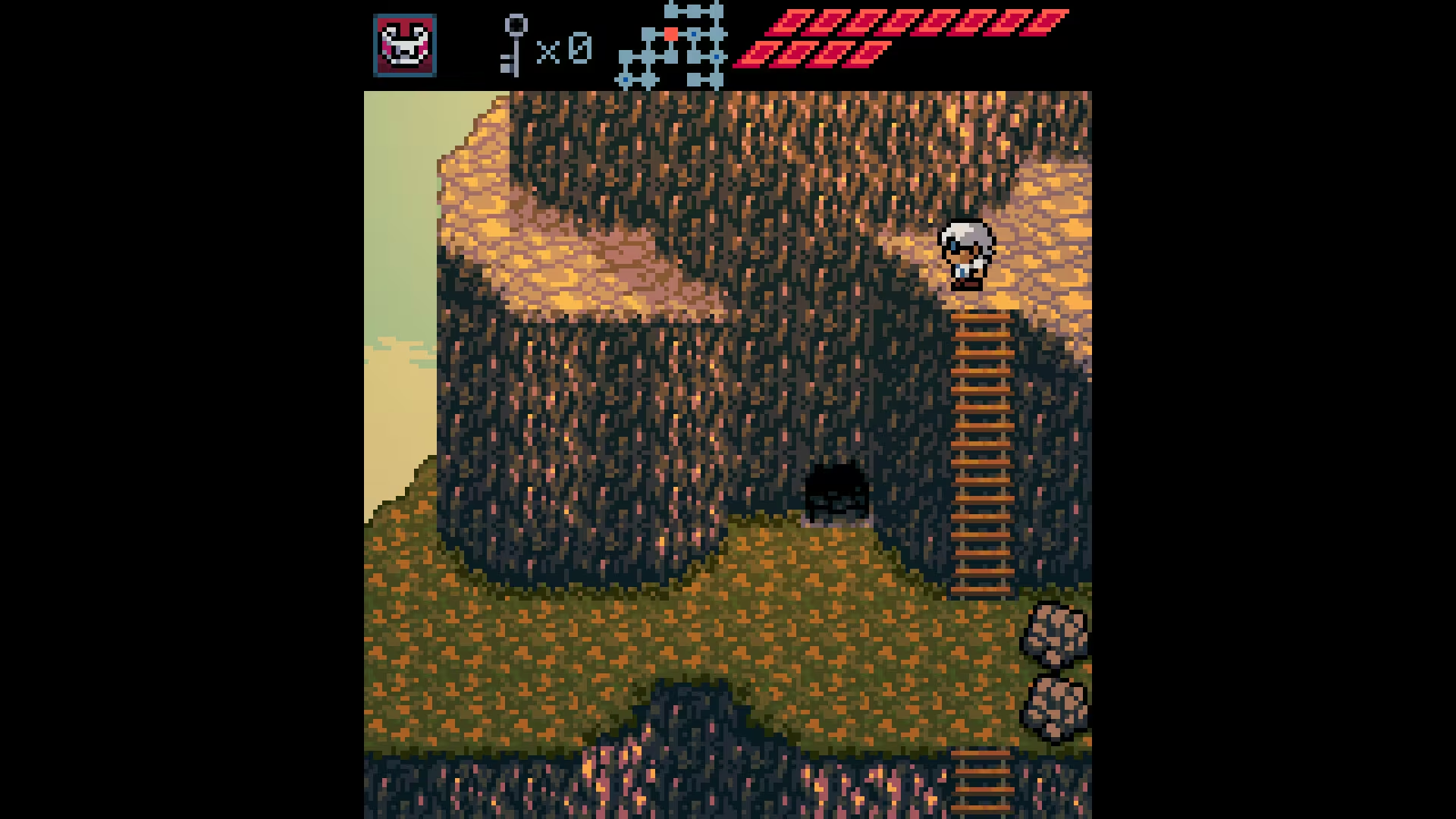
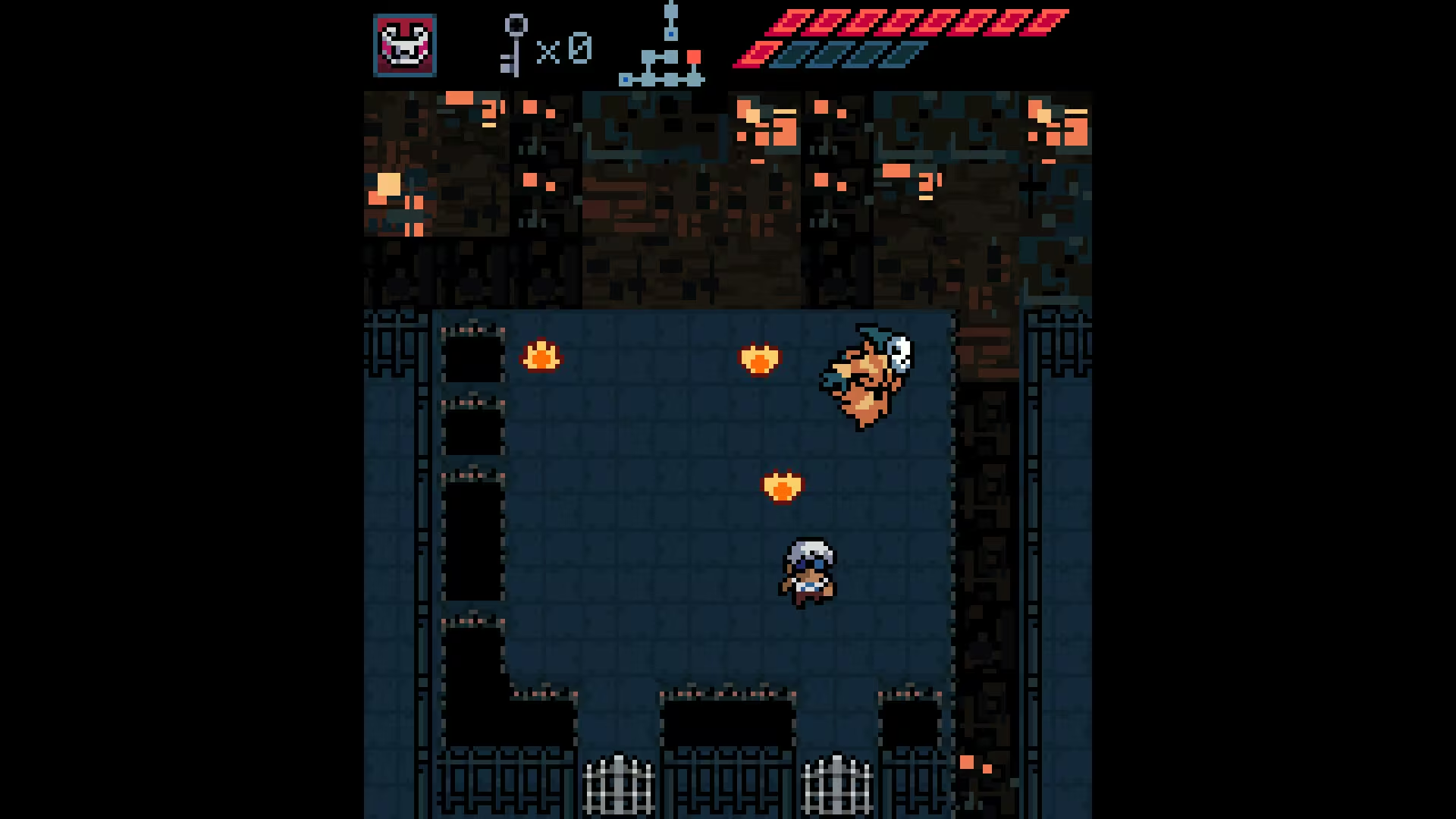
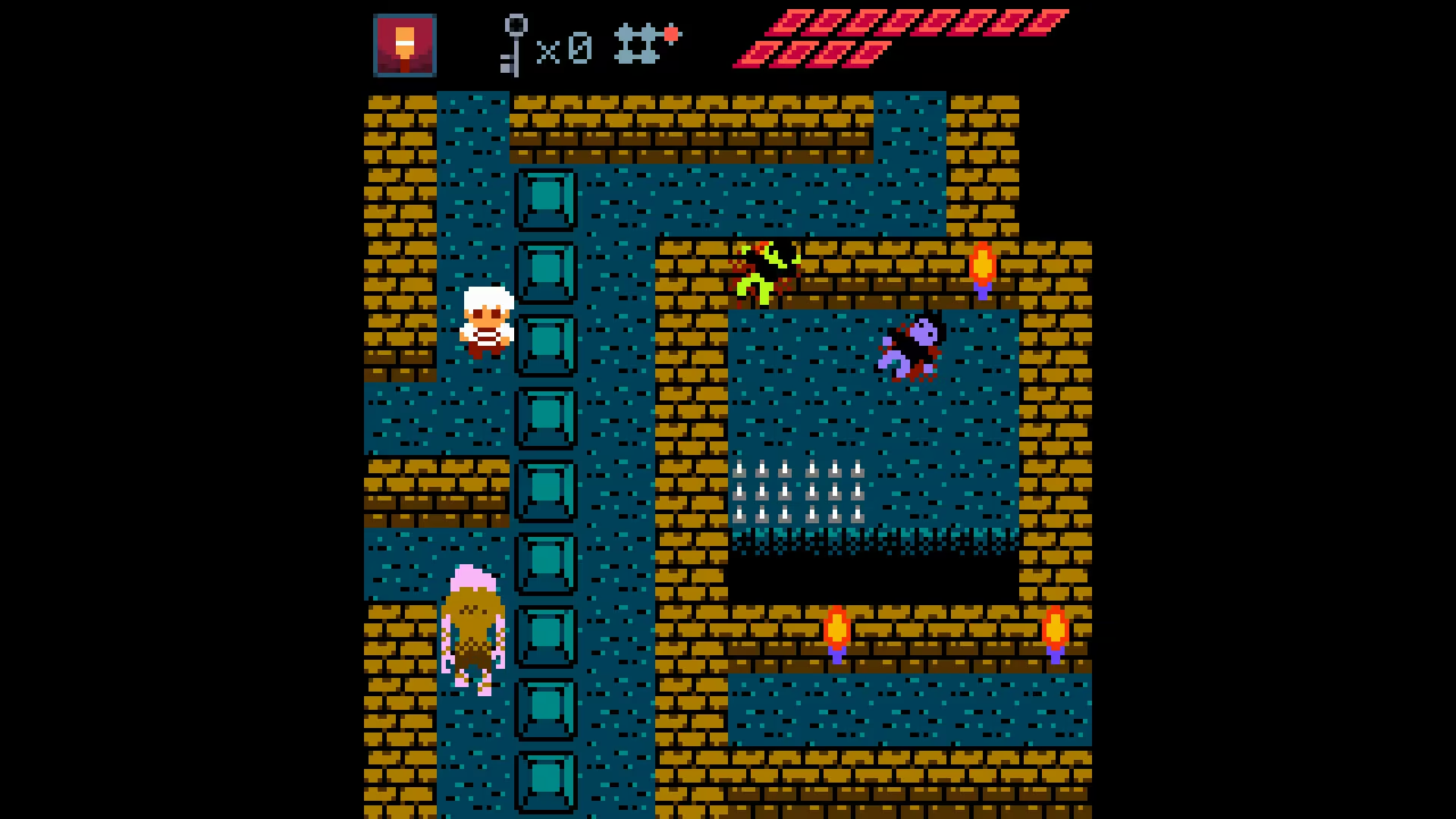
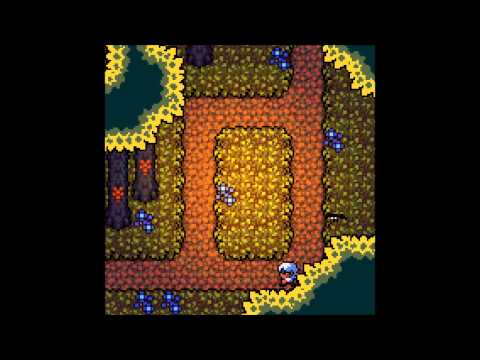
In this unique Zelda-lite game, explore and fight your way through surreal and creepy, nature, urban and abstract themed areas in the human Young's subconscious, evoked by a 16-bit-era visual style and a moody, dream-like soundtrack.

Global score

85/100

Genres

Action, Adventure, Casual, Indie, Platform

Similar games

    Pros

    • Unique surreal atmosphere
    • Engaging exploration and puzzles
    • Strong nostalgic zelda-like gameplay
    • Intriguing post-game meta content
    • Excellent soundtrack and pixel art

    Cons

    • Limited combat mechanics
    • Some frustrating platforming sections
    • Short overall length
    • Cryptic and ambiguous story
    • Lack of direction can cause confusion

    Analysis

    Broadly representative of its motivational profile, with a few distinct shifts. Motivations that often define this kind of title include Fellowship, Cooperation, Leadership, Violence. Here, the score leans higher than usual among comparable games on Exploration. It leans lower than usual among comparable games on Expression, Survival.

    How to use the graph
    Similar games map

    Each dot is a game. They are arranged from the same motivation profile as in the “Motivations” section below. Closer dots usually mean more similar reasons to play (exploration, competition, relaxation, etc.)—not that one game is “better” than another.

    • Larger dot with a light outline: the game you are viewing.
    • Colour: groups of games with comparable motivation patterns (statistical clusters).
    • Hover a dot to see the game name; click to open its page.
    • Scroll or double-click the chart to zoom out and see more games.

    Why don’t the axes read like a score? This view uses t-SNE: it only keeps who is close to whom. The scales are not “good to bad” or hours played—they separate groups on the map. Read distance between dots, not the axis numbers.

    Motivations

    • Autonomy
      4

      "Players have freedom to explore, solve puzzles, and approach combat with limited but flexible mechanics; post-game meta gameplay allows creative map manipulation."

    • Competence
      3

      "Game offers puzzles and combat challenges that require skill and pattern recognition, though combat is simple and some platforming can be frustrating."

    • Competition
      -4

      "Focus is on personal exploration and puzzle solving without competitive elements or player comparison."

    • Continuation
      3

      "Players often engage in extended exploration and post-game content, including meta gameplay and collecting all cards."

    • Cooperation
      -5

      "Single-player experience with no multiplayer or cooperative gameplay elements."

    • Creativity
      4

      "Encourages creative problem solving with limited tools; post-game map swapping and meta gameplay enhance creative exploration."

    • Domination
      -5

      "No evidence of exerting control or superiority over others; gameplay is solitary and non-competitive."

    • Escapism
      4

      "Dreamlike, surreal atmosphere and narrative encourage immersion and escape from reality."

    • Expectation
      -4

      "Players engage voluntarily out of interest in exploration, atmosphere, and puzzle-solving; no obligation or pressure noted."

    • Experimenting
      4

      "Post-game meta gameplay and map swapping encourage experimentation beyond initial playthrough."

    • Exploration
      5

      "Strong emphasis on exploring diverse, surreal environments and uncovering hidden cards and secrets."

    • Expression
      -3

      "Limited character customization or cosmetic modification; focus is on gameplay and atmosphere rather than self-expression."

    • Fantasy
      4

      "Surreal, dreamlike world with abstract narrative and imaginative settings."

    • Fellowship
      -5

      "No social or community features; entirely single-player experience."

    • Growth
      3

      "Players develop skills in puzzle solving and combat pattern recognition; some learning curve in exploration and meta gameplay."

    • Health
      -4

      "Sedentary gameplay with no physical activity elements."

    • Idle
      -3

      "Requires focused attention on puzzles, combat, and exploration; not designed for idle or background play."

    • Intimacy
      -5

      "No social or emotional relationship building; solitary gameplay."

    • Leadership
      -5

      "No leadership or group management elements; single-player only."

    • Progression
      4

      "Progression through collecting cards, unlocking new areas, and gaining minor upgrades."

    • Relaxation
      3

      "Atmosphere and pacing provide a somewhat relaxing experience despite occasional challenging puzzles."

    • Sensation
      3

      "Pixel art and eerie soundtrack create a distinctive sensory atmosphere that is engaging but not overwhelming."

    • Status
      -5

      "No social recognition or status systems present."

    • Story
      3

      "Narrative is cryptic, abstract, and open to interpretation, providing thematic immersion rather than straightforward plot."

    • Strategy
      3

      "Requires puzzle solving, pattern recognition, and planning to progress through dungeons and combat."

    • Thrill
      2

      "Some tension from challenging puzzles and boss fights, but overall experience is more contemplative than thrilling."

    • Value
      3

      "Generally considered good value especially on sale; short length balanced by unique experience and post-game content."

    • Violence
      1

      "Combat involves attacking enemies with a broom; some violent imagery but combat is simple and not emphasized."

    • Survival
      -2

      "Low threat environment with generous health and checkpoints; survival elements are minimal."

    Last update: 29/04/2026