BalanCity Thumbnail

BalanCity similar games & best alternatives
BalanCity

PC (Microsoft Windows), Mac, Legacy Mobile Device, Linux • 2016

Related articles

Quick resume

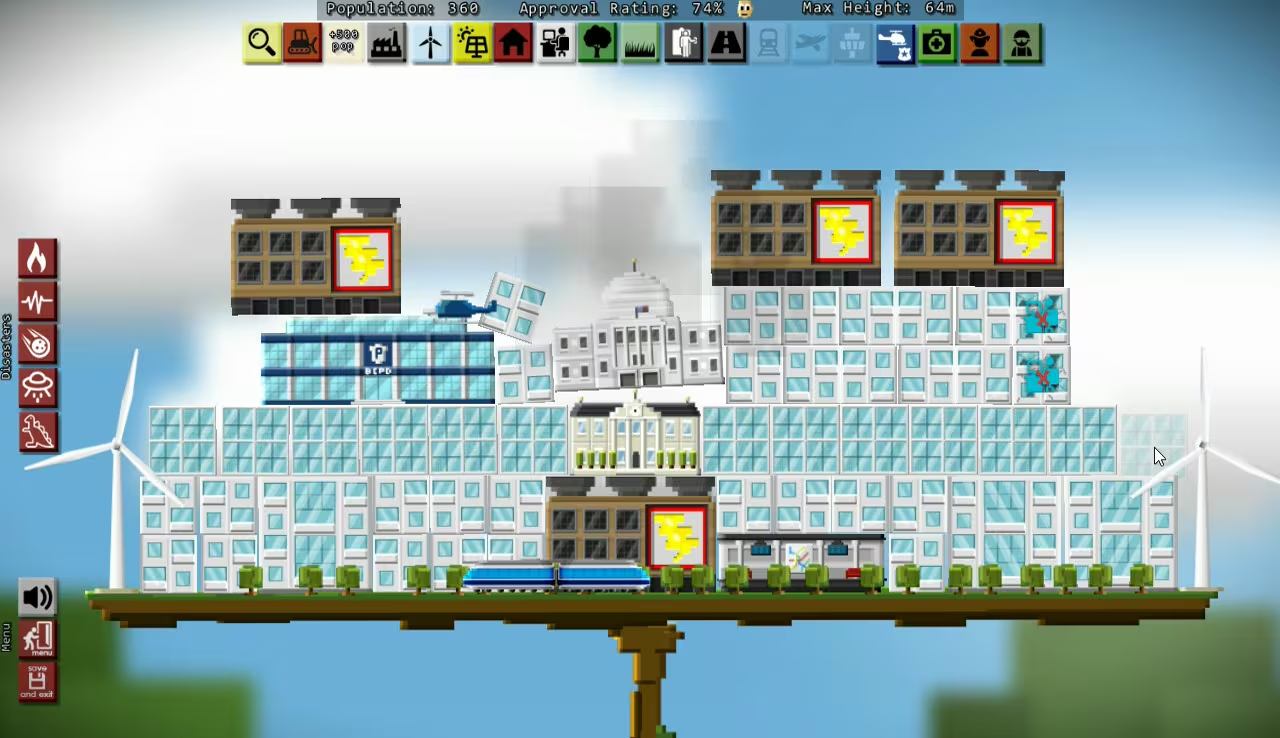
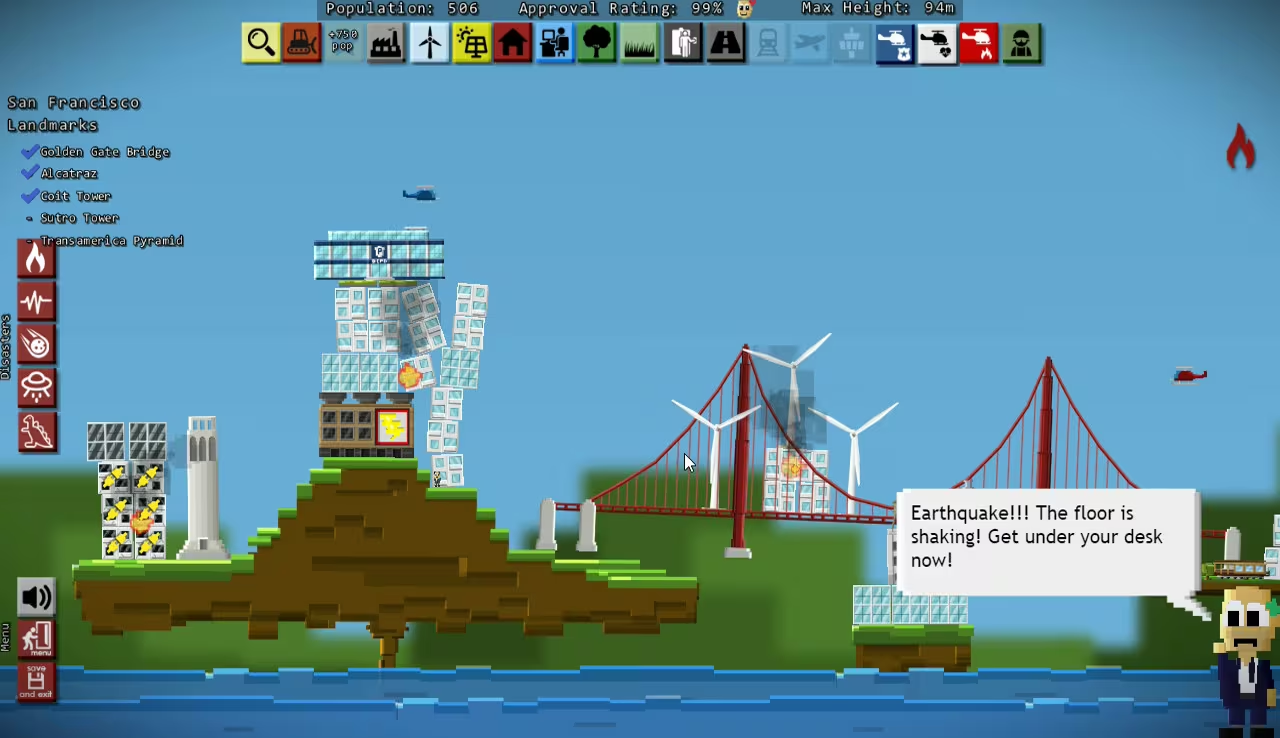
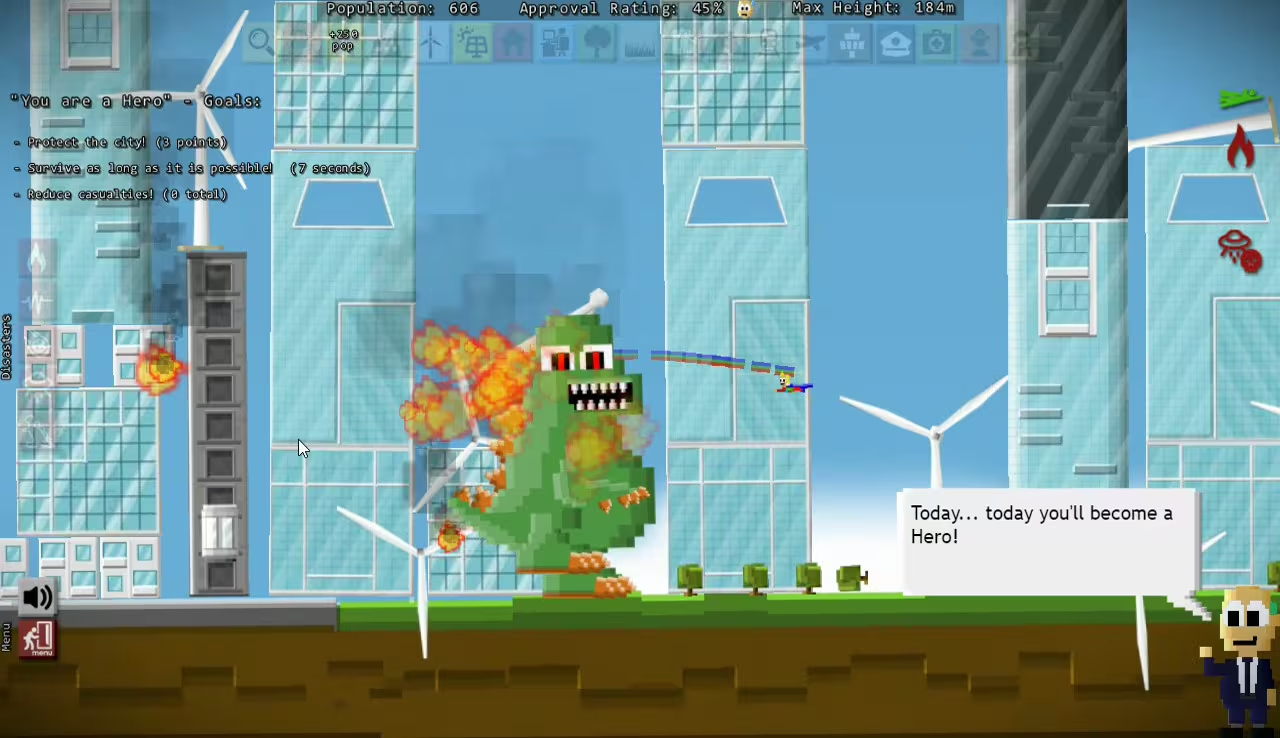
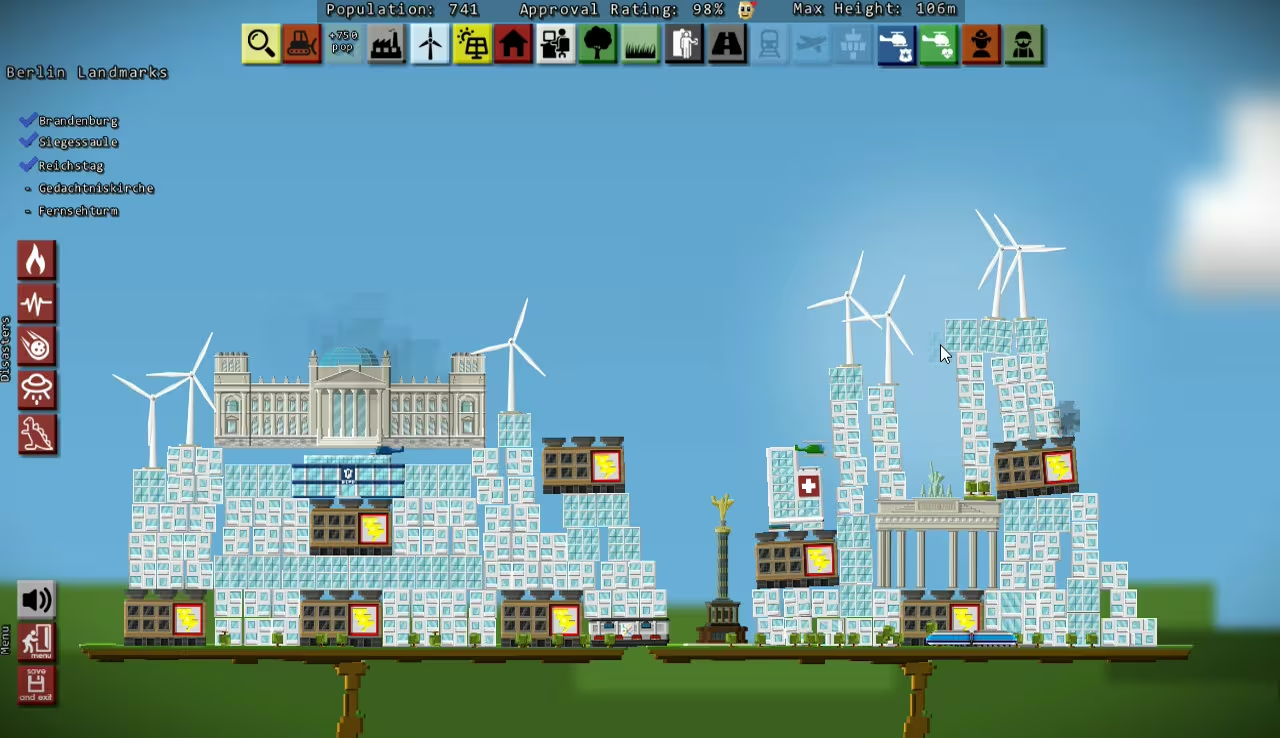
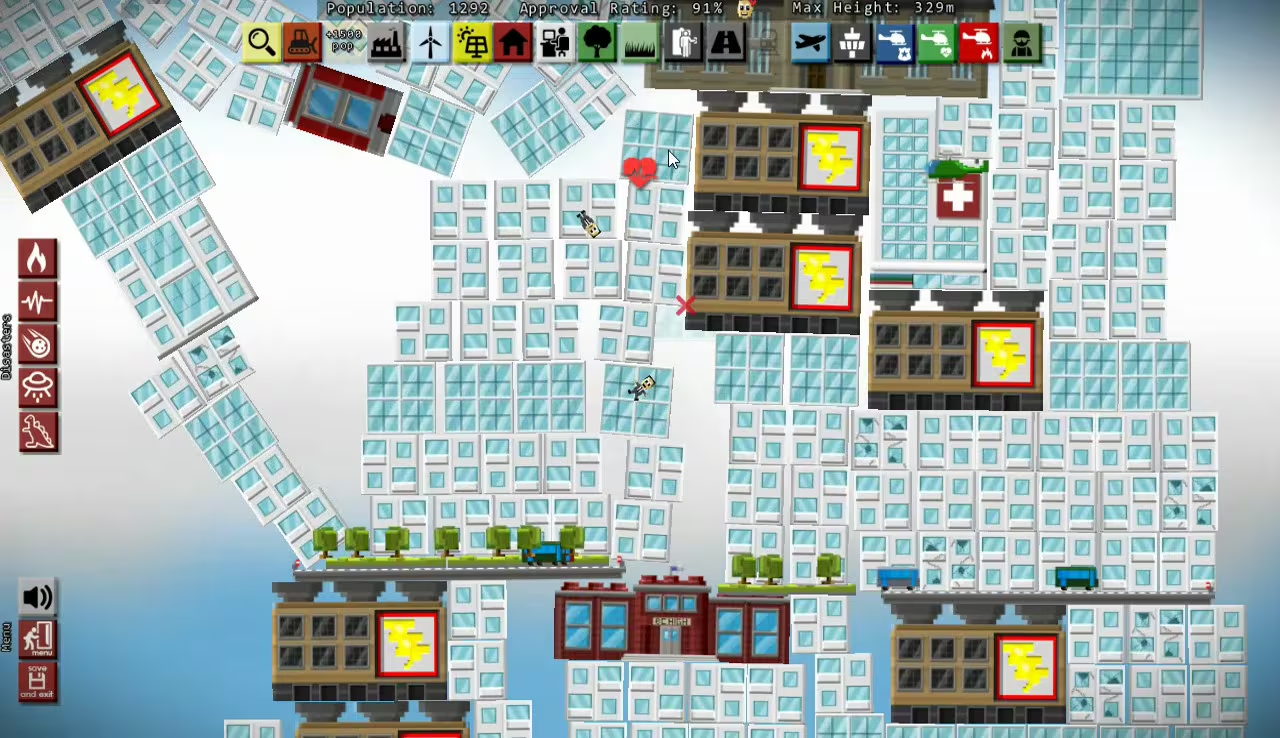
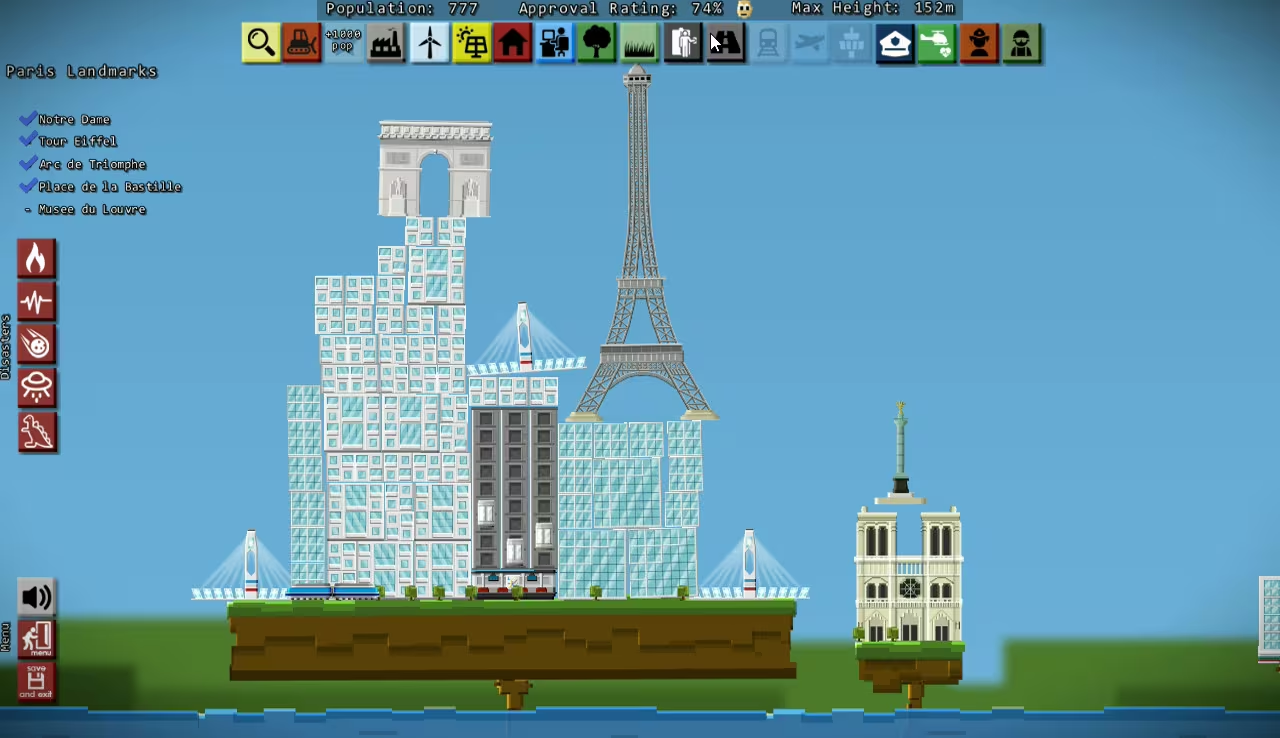
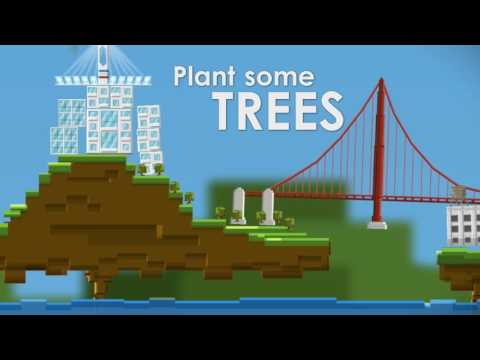
BalanCity is a city building / balance physics game. It's a mixture between old school SimCity and Jenga. You must build the tallest towering city over a balancing platform while keeping your citizens happy.

Global score

81/100

Genres

Casual, Indie, Simulator, Strategy, Puzzle

Similar games

    Pros

    • Unique and fun city balancing mechanic
    • Good replayability with scenarios and challenges
    • Relaxing and casual gameplay
    • Low price and good value
    • Simple yet strategic and creative

    Cons

    • Some bugs and crashes reported
    • Limited building variety and content
    • Random disasters can feel unfair
    • No multiplayer or social features
    • Lack of volume controls and pause function

    Analysis

    A very typical example of its motivational profile. Motivations that often define this kind of title include Fantasy, Violence, Story, Thrill. Here, the score leans higher than usual among comparable games on Survival, Thrill, Fantasy.

    How to use the graph
    Similar games map

    Each dot is a game. They are arranged from the same motivation profile as in the “Motivations” section below. Closer dots usually mean more similar reasons to play (exploration, competition, relaxation, etc.)—not that one game is “better” than another.

    • Larger dot with a light outline: the game you are viewing.
    • Colour: groups of games with comparable motivation patterns (statistical clusters).
    • Hover a dot to see the game name; click to open its page.
    • Scroll or double-click the chart to zoom out and see more games.

    Why don’t the axes read like a score? This view uses t-SNE: it only keeps who is close to whom. The scales are not “good to bad” or hours played—they separate groups on the map. Read distance between dots, not the axis numbers.

    Motivations

    • Autonomy
      4

      "Players freely build and balance their city with many choices and strategies, though guided by game events and scenarios."

    • Competence
      4

      "The game challenges players to master balancing physics and city management, with skillful building and problem solving rewarded."

    • Competition
      -3

      "Focus is on personal city building and challenges rather than direct competition or leaderboards."

    • Continuation
      3

      "Many reviews mention replayability, short sessions, and returning to try new strategies or scenarios."

    • Cooperation
      -5

      "The game is single-player with no cooperative multiplayer or team-based goals."

    • Creativity
      4

      "Players create unique city layouts and experiment with balancing different building types and placements."

    • Domination
      -5

      "No evidence of exerting control over other players; interactions are individual and non-competitive."

    • Escapism
      3

      "Players use the game as a relaxing distraction and stress relief, enjoying the playful destruction and city building."

    • Expectation
      -4

      "Engagement is voluntary and driven by intrinsic interest and enjoyment rather than obligation."

    • Experimenting
      4

      "Players try different building strategies, balancing techniques, and respond to random events to find what works."

    • Exploration
      2

      "Varied scenarios and challenges encourage discovering new approaches and city designs, though environments are limited."

    • Expression
      3

      "Customization of city layout and building placement allows some self-expression, though building types are fixed."

    • Fantasy
      1

      "While mostly realistic city building, inclusion of Godzilla, UFOs, and disasters adds a light fantasy element."

    • Fellowship
      -5

      "No social or community features; play is solitary and individual."

    • Growth
      3

      "Players learn balancing skills and city management strategies through trial, error, and progression."

    • Health
      -5

      "No physical activity or health-related gameplay elements."

    • Idle
      -3

      "Requires active attention and planning; not designed for passive or background play."

    • Intimacy
      -5

      "No evidence of forming close social relationships or emotional sharing within the game."

    • Leadership
      -5

      "No leadership or group management roles; player acts independently."

    • Progression
      3

      "Players unlock buildings and scenarios, and progress by building larger and more complex cities."

    • Relaxation
      3

      "Many players find the game relaxing and enjoyable despite occasional frustration from disasters."

    • Sensation
      2

      "Simple graphics and sound provide moderate sensory stimulation; some enjoy the humorous disaster effects."

    • Status
      -5

      "No social recognition or status systems present."

    • Story
      -4

      "Minimal narrative; focus is on gameplay and challenges rather than story immersion."

    • Strategy
      4

      "Requires planning, problem solving, and strategic balancing of city elements and disaster management."

    • Thrill
      2

      "Disasters and balancing tension create moments of suspense and excitement."

    • Value
      4

      "Highly praised for value, especially at discounted prices; considered a good purchase for its price."

    • Violence
      -4

      "Focus is on building and maintaining rather than destruction, though disasters cause damage."

    • Survival
      3

      "Players must manage threats and maintain balance to prevent collapse and failure."

    Last update: 29/04/2026