Technotopia Thumbnail

Technotopia similar games & best alternatives
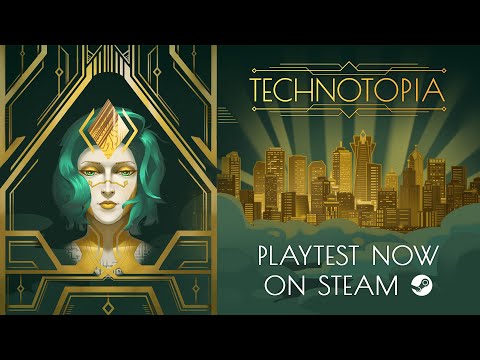
Technotopia

PC (Microsoft Windows), Nintendo Switch, Mac • 2024

Related articles

Quick resume

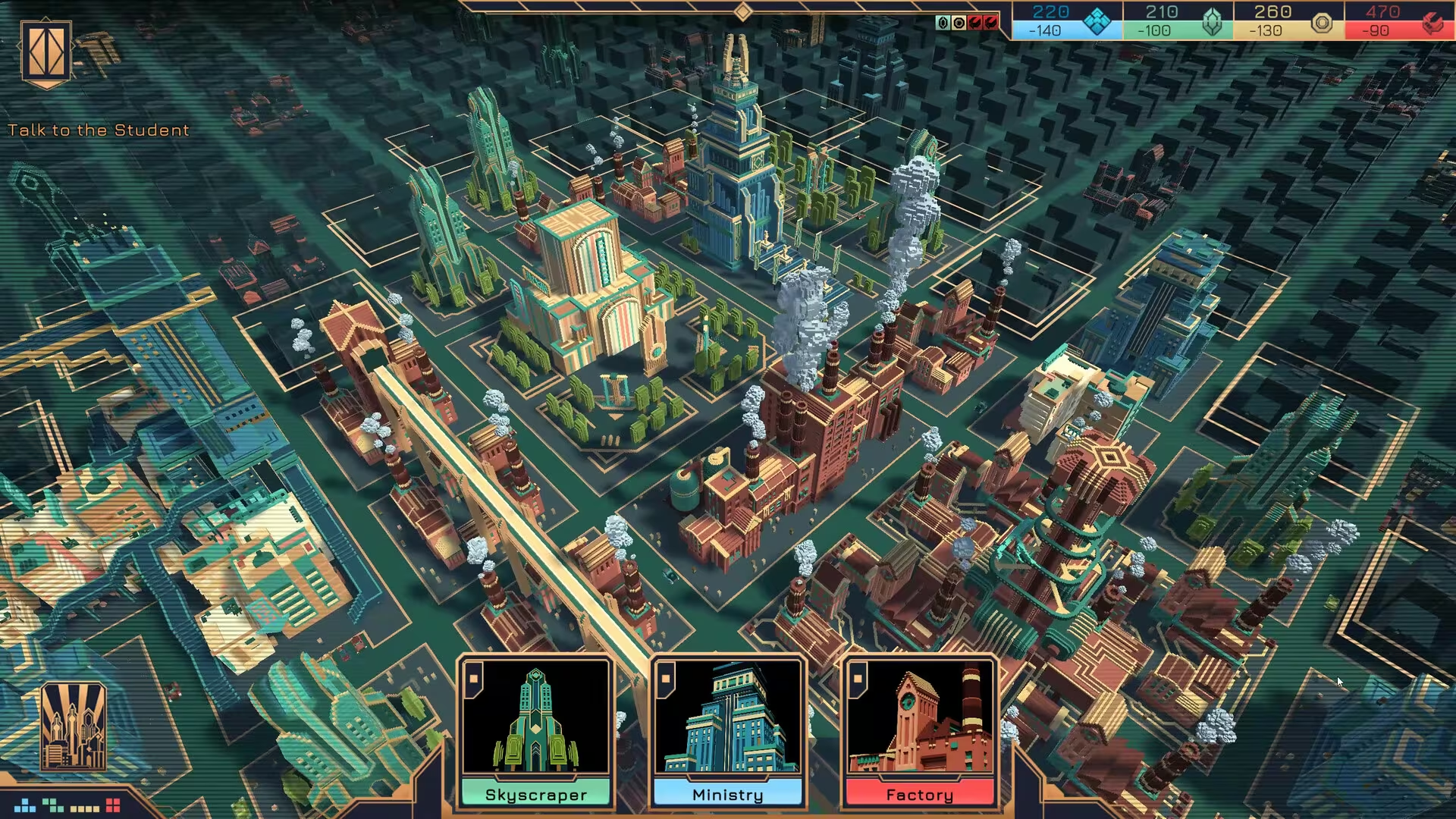
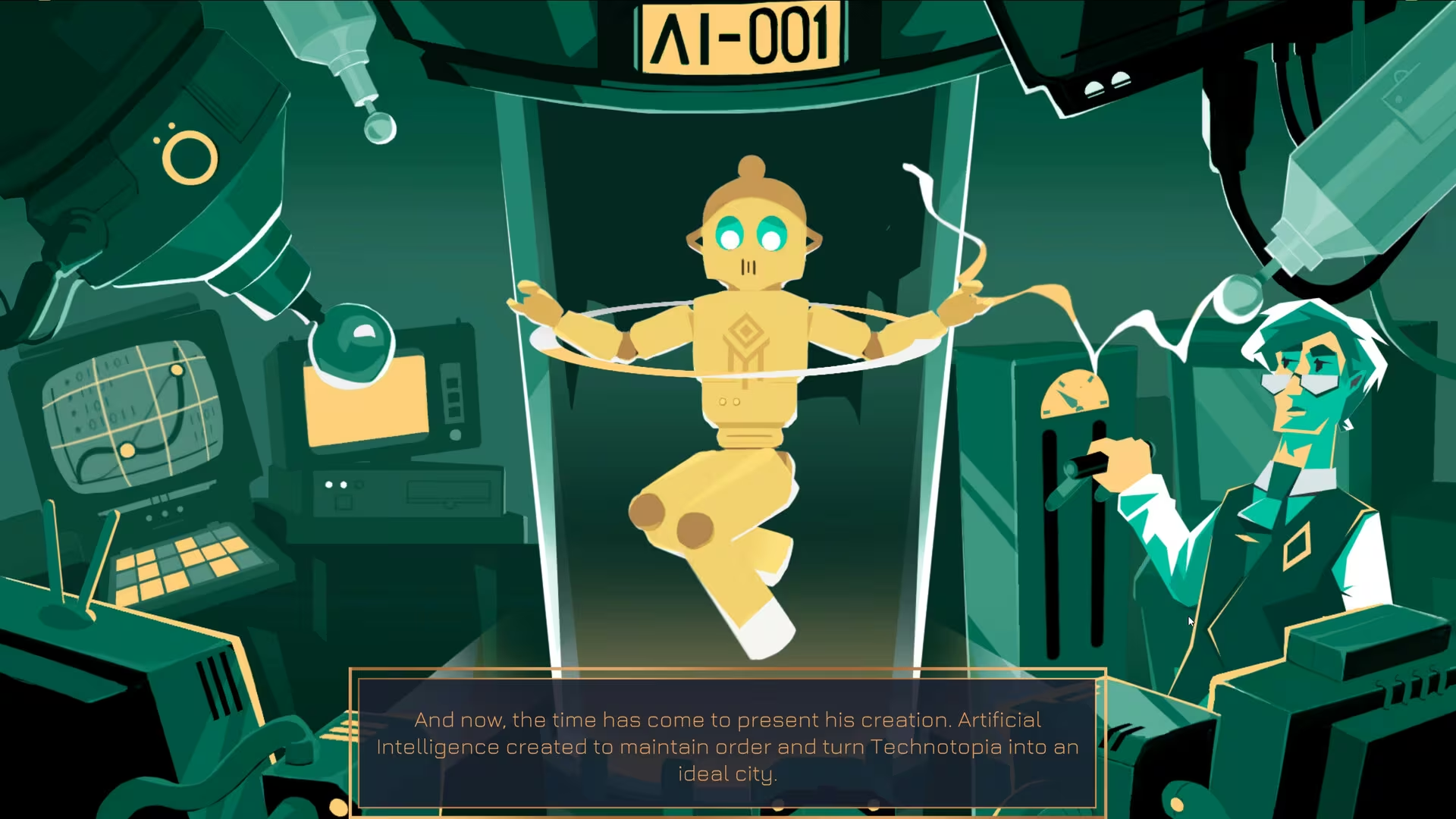
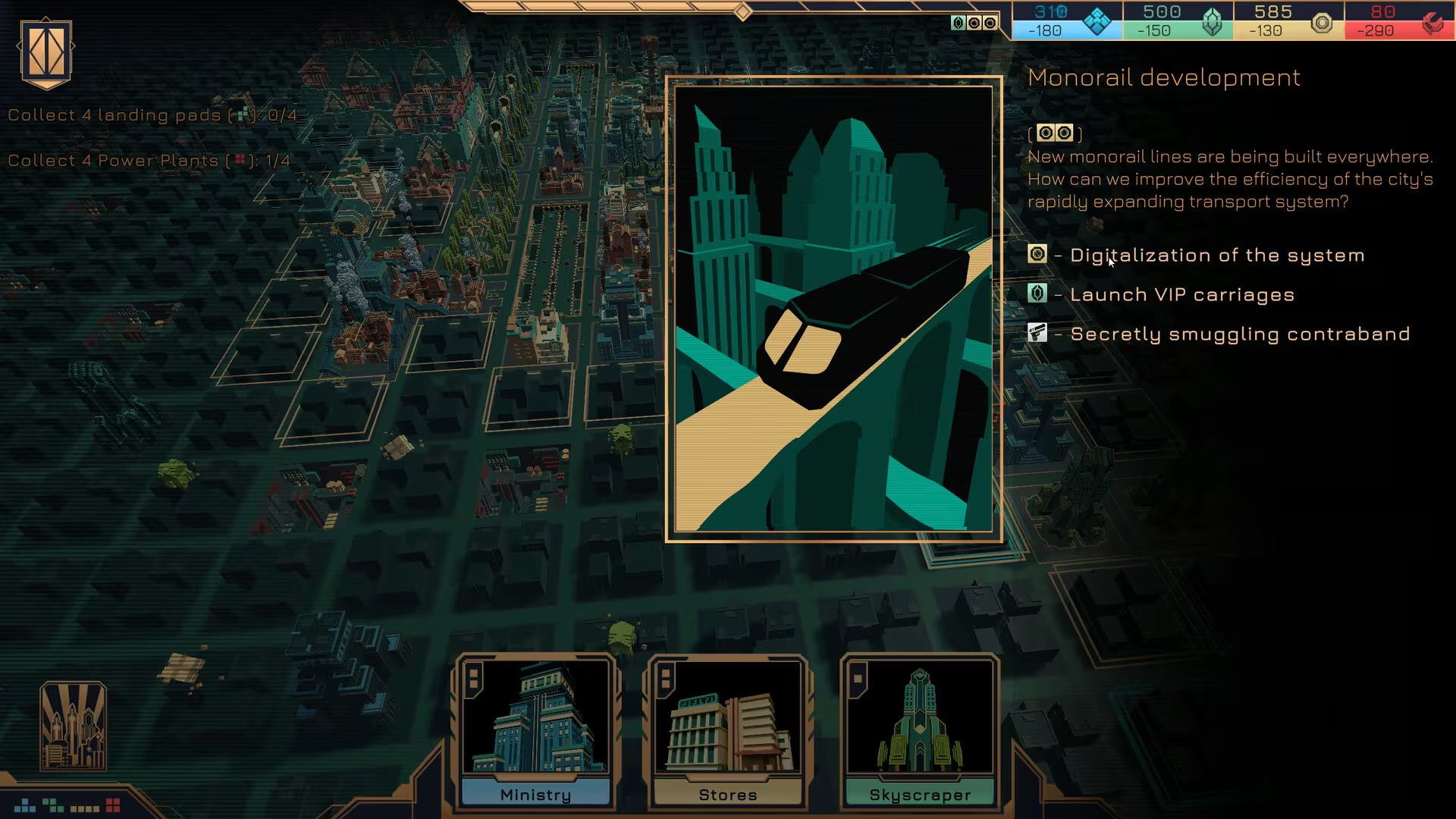
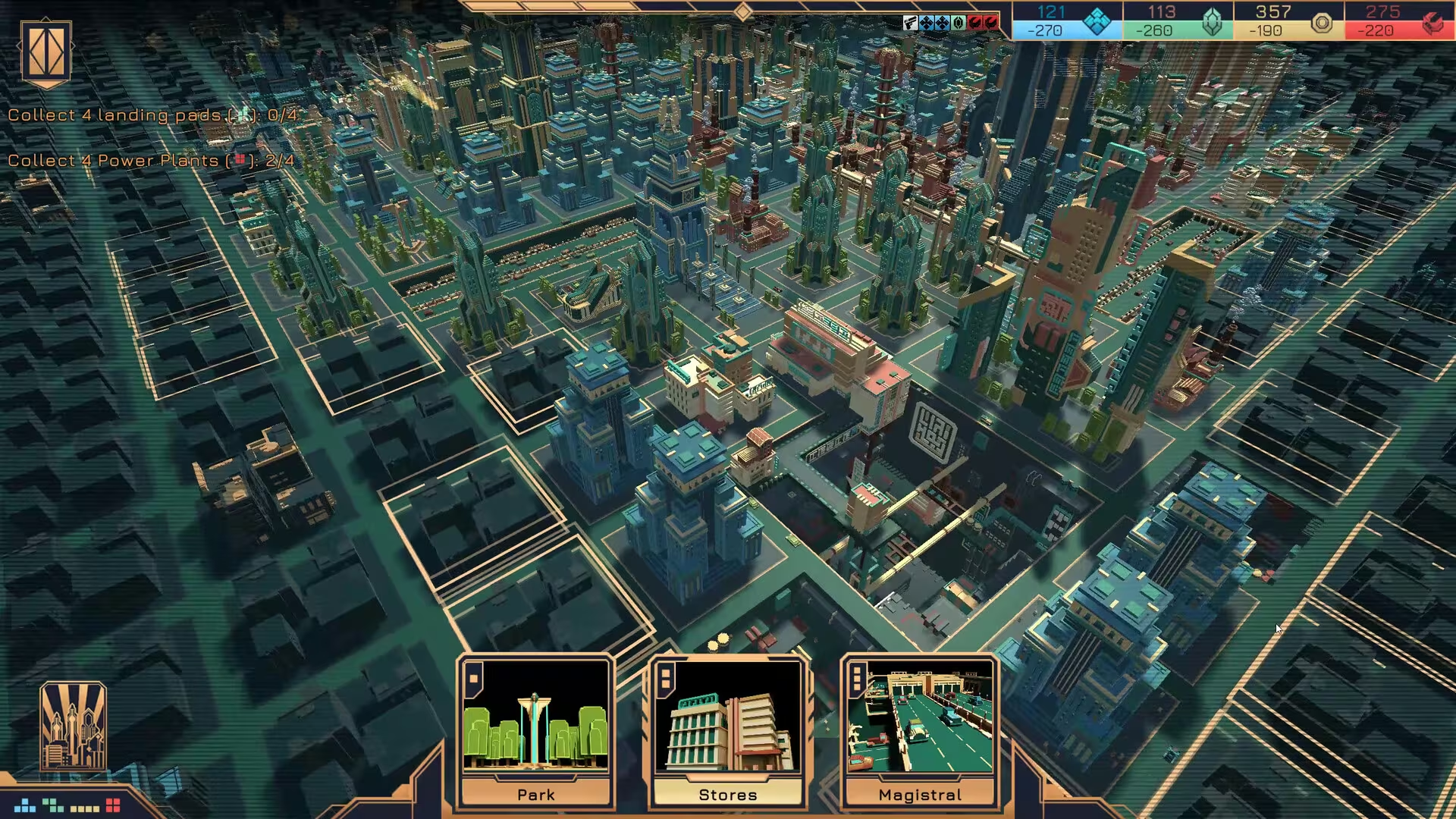
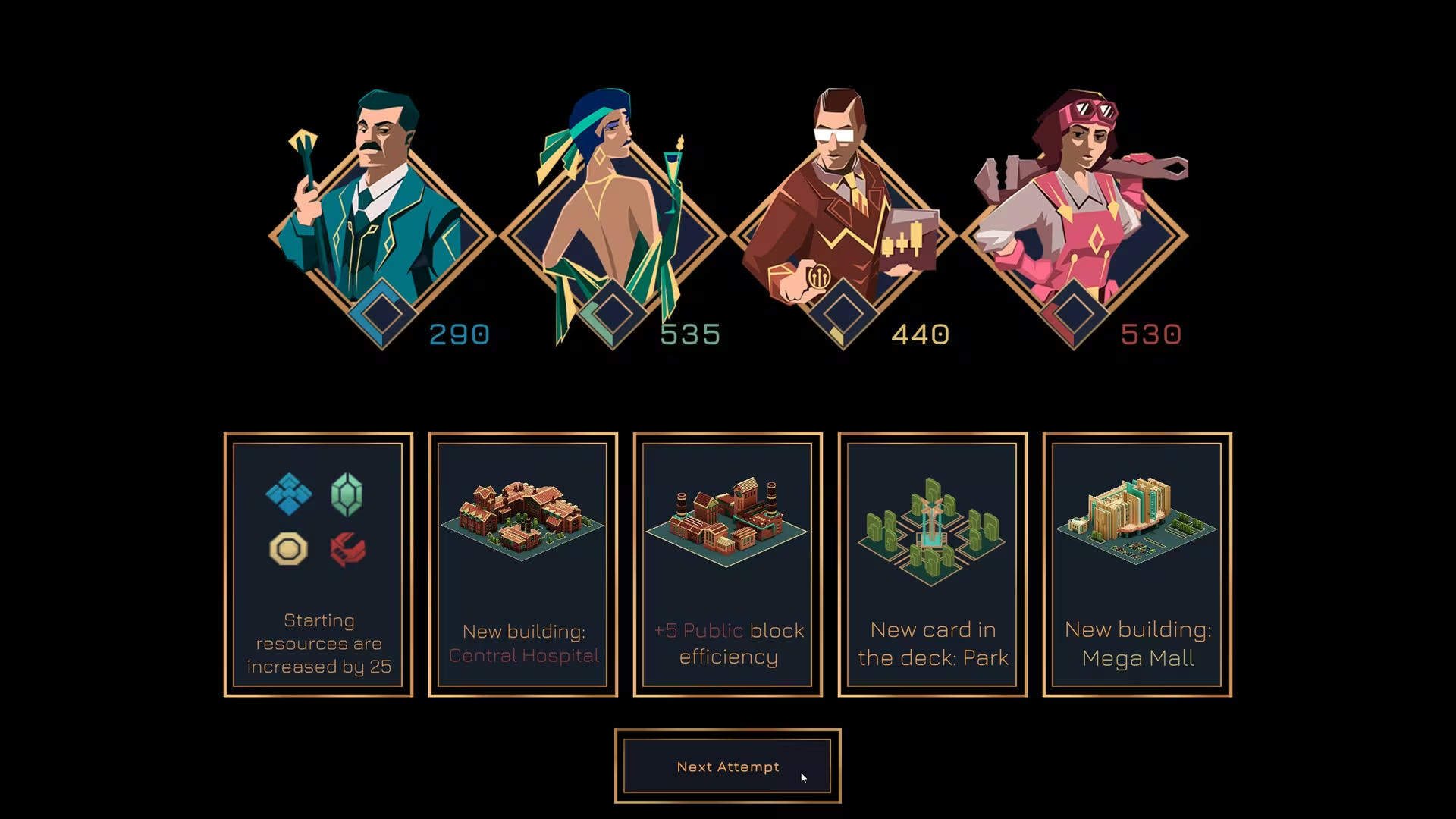
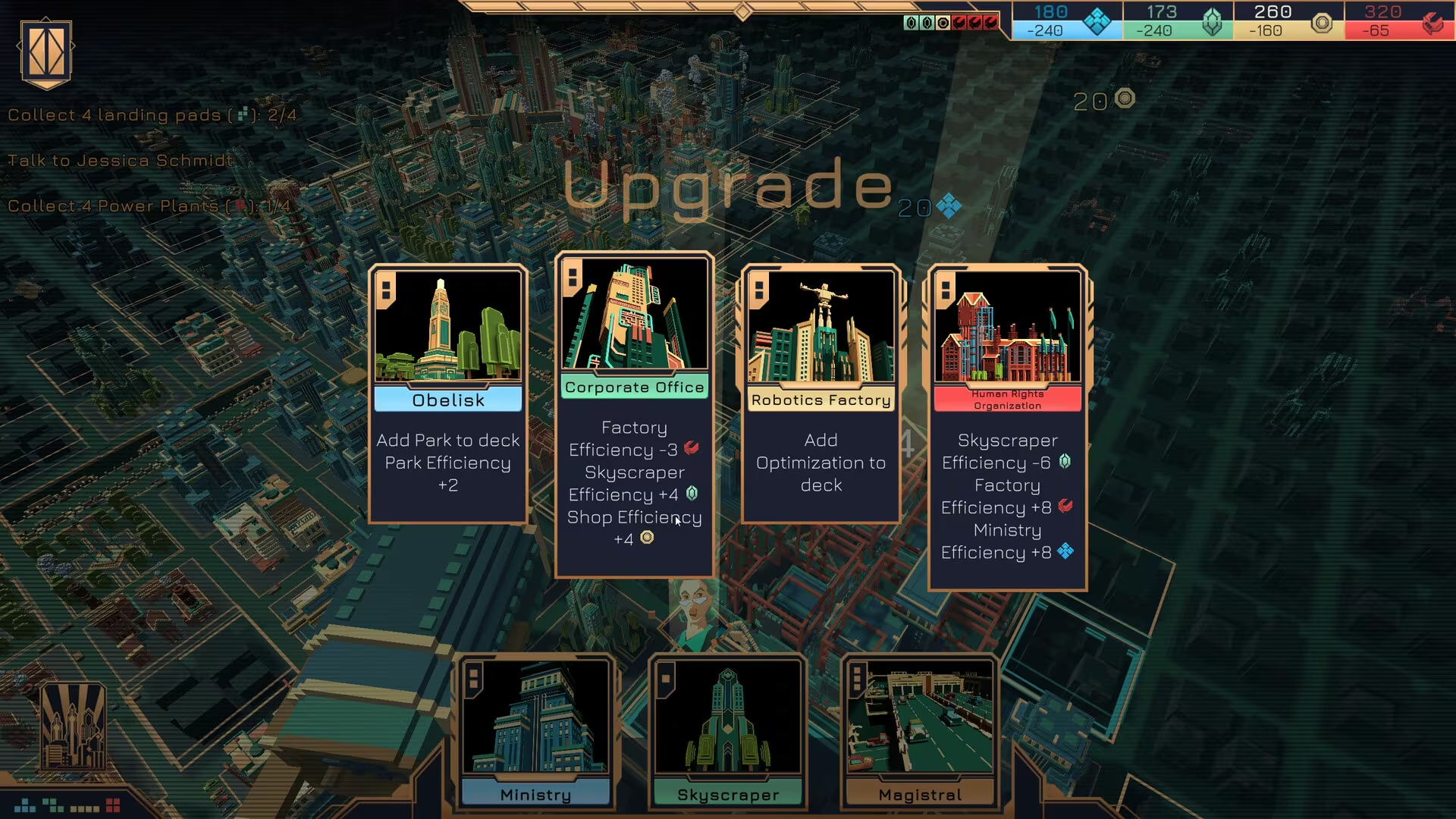
Welcome to Technotopia, a city-builder card game. Take on the role of an AI designed to build a perfect city. Build districts, meet the needs of diverse communities and maintain the delicate balance between factions vying for control over you!

Global score

85/100

Genres

Casual, Indie, Strategy, Simulator

Similar games

    Pros

    • Unique art deco cyberpunk aesthetic
    • Relaxing and accessible gameplay
    • Engaging narrative integrated with mechanics
    • Good value for price
    • Interesting blend of city building and deckbuilding

    Cons

    • Short story and limited replayability
    • Some randomness reduces predictability and skill impact
    • Lack of multiplayer or social features
    • Limited depth in city building mechanics
    • No sandbox or endless mode

    Analysis

    Broadly representative of its motivational profile, with a few distinct shifts. Motivations that often define this kind of title include Fantasy, Violence, Story, Thrill. Here, the score leans higher than usual among comparable games on Story, Leadership, Survival.

    How to use the graph
    Similar games map

    Each dot is a game. They are arranged from the same motivation profile as in the “Motivations” section below. Closer dots usually mean more similar reasons to play (exploration, competition, relaxation, etc.)—not that one game is “better” than another.

    • Larger dot with a light outline: the game you are viewing.
    • Colour: groups of games with comparable motivation patterns (statistical clusters).
    • Hover a dot to see the game name; click to open its page.
    • Scroll or double-click the chart to zoom out and see more games.

    Why don’t the axes read like a score? This view uses t-SNE: it only keeps who is close to whom. The scales are not “good to bad” or hours played—they separate groups on the map. Read distance between dots, not the axis numbers.

    Motivations

    • Autonomy
      3

      "Players make meaningful decisions in city building and event choices, balancing factions and shaping the city, though constrained by deck and event randomness."

    • Competence
      3

      "Gameplay involves puzzle-like city building and resource management with strategic decision-making, offering a moderate skill challenge."

    • Competition
      -4

      "Focus is on personal progress and story-driven gameplay without player-vs-player or leaderboard competition."

    • Continuation
      2

      "Players often replay to unlock new cards and improve runs, but the game is short and some find replayability limited."

    • Cooperation
      -5

      "Single-player experience with no multiplayer or cooperative elements."

    • Creativity
      2

      "Players create city layouts with some freedom in building placement and deck customization, but within preset cards and shapes."

    • Domination
      -5

      "No elements of exerting control over other players; interactions are with AI factions only."

    • Escapism
      3

      "Relaxing gameplay and immersive art style provide a pleasant escape from real life."

    • Expectation
      -4

      "Players engage voluntarily for enjoyment and relaxation without external pressure or obligation."

    • Experimenting
      3

      "Players try different strategies, card combinations, and event choices to optimize city building and faction balance."

    • Exploration
      -3

      "Gameplay occurs on a fixed grid with repeated events; limited discovery or new areas."

    • Expression
      1

      "Some visual customization through building placement and city design, but limited avatar or environment personalization."

    • Fantasy
      2

      "Set in a dystopian cyberpunk future with AI and faction politics, blending imaginative fiction with plausible themes."

    • Fellowship
      -5

      "No social or community features; strictly single-player."

    • Growth
      3

      "Players learn mechanics and improve strategies over multiple runs, unlocking new cards and story content."

    • Health
      -5

      "Sedentary gameplay with no physical activity elements."

    • Idle
      -3

      "Requires focused attention during turns and decisions; not designed for passive or background play."

    • Intimacy
      -5

      "No close social or emotional interactions; story is experienced individually."

    • Leadership
      2

      "Players guide city development and make leadership decisions affecting factions, though within scripted events."

    • Progression
      4

      "Unlocking new cards and buildings across runs provides a sense of advancement and growing capabilities."

    • Relaxation
      4

      "Calm pacing, soothing music, and chill gameplay create a relaxing experience."

    • Sensation
      2

      "Enjoyable art deco visuals and music provide pleasant sensory stimulation without intense excitement."

    • Status
      -5

      "No social recognition or ranking systems present."

    • Story
      3

      "Narrative is integrated with gameplay, featuring AI and faction storylines, though relatively short and linear."

    • Strategy
      3

      "Requires planning building placement, resource management, and event choices to balance factions and progress."

    • Thrill
      -2

      "Gameplay is low tension and relaxing, with some challenge but minimal suspense or risk."

    • Value
      4

      "Players perceive good value for money given the price and quality of art, music, and gameplay."

    • Violence
      -5

      "No violent or destructive gameplay elements; focus on building and management."

    • Survival
      2

      "Players must manage resources and avoid failure conditions to continue runs, adding a survival aspect."

    Last update: 29/04/2026