Climb The Backrooms Thumbnail

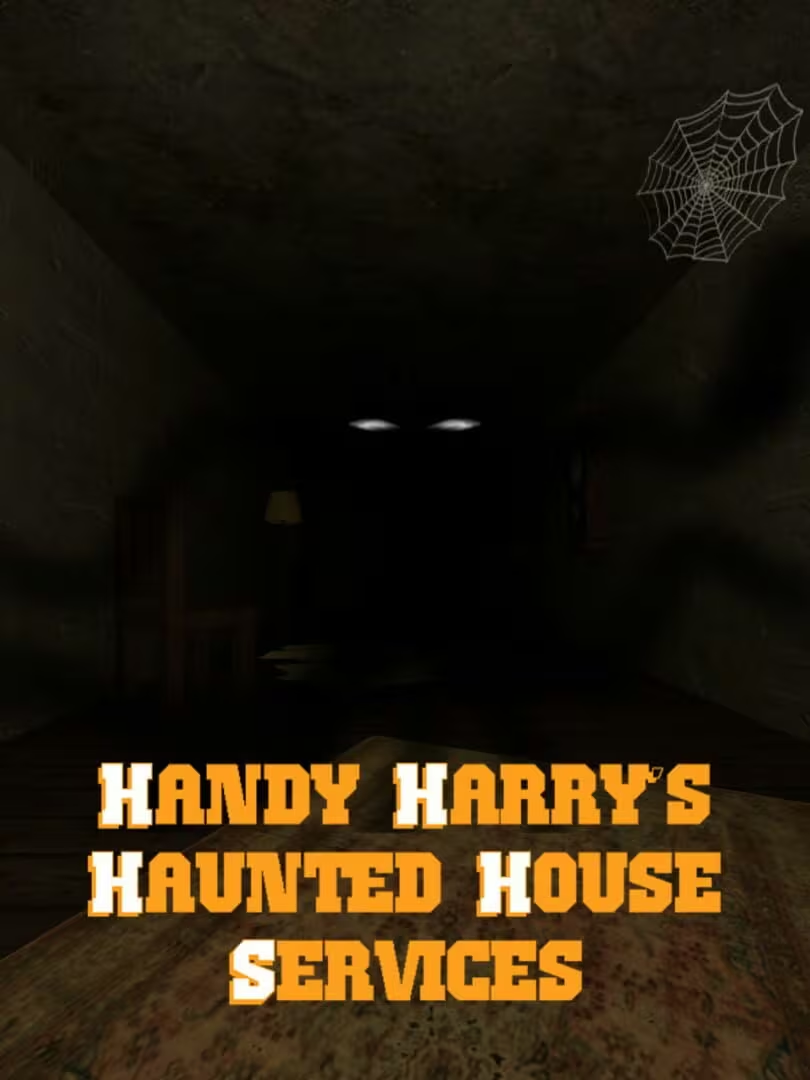
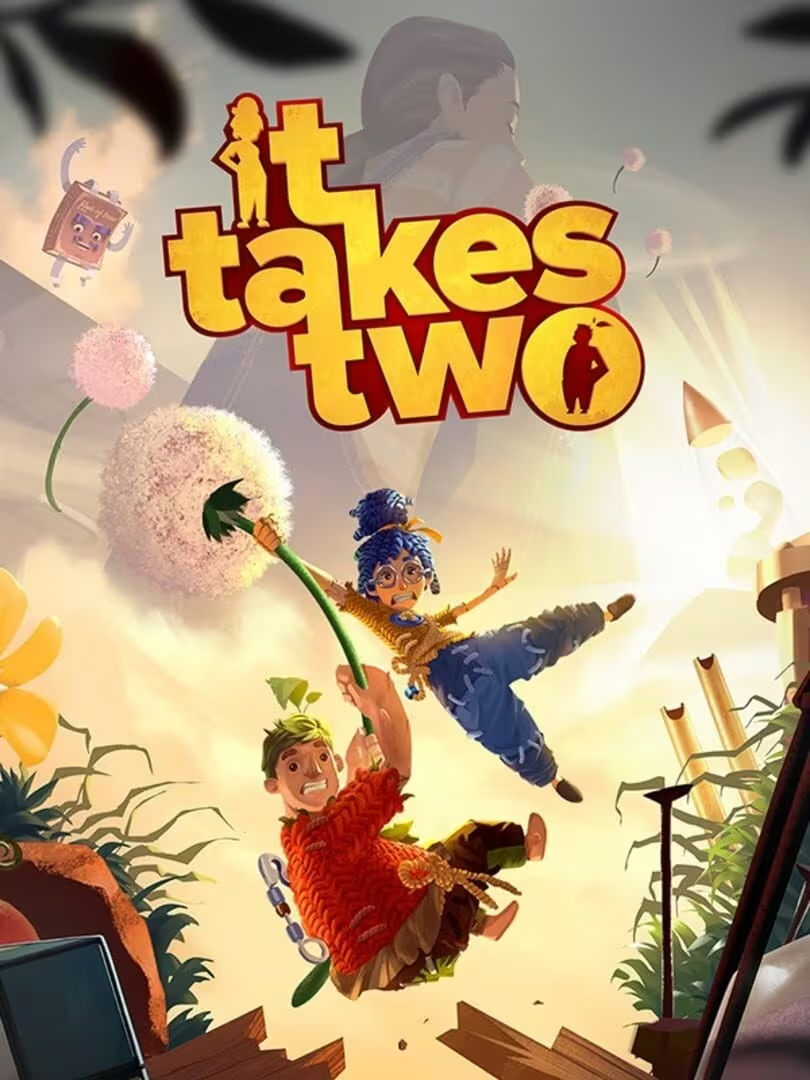
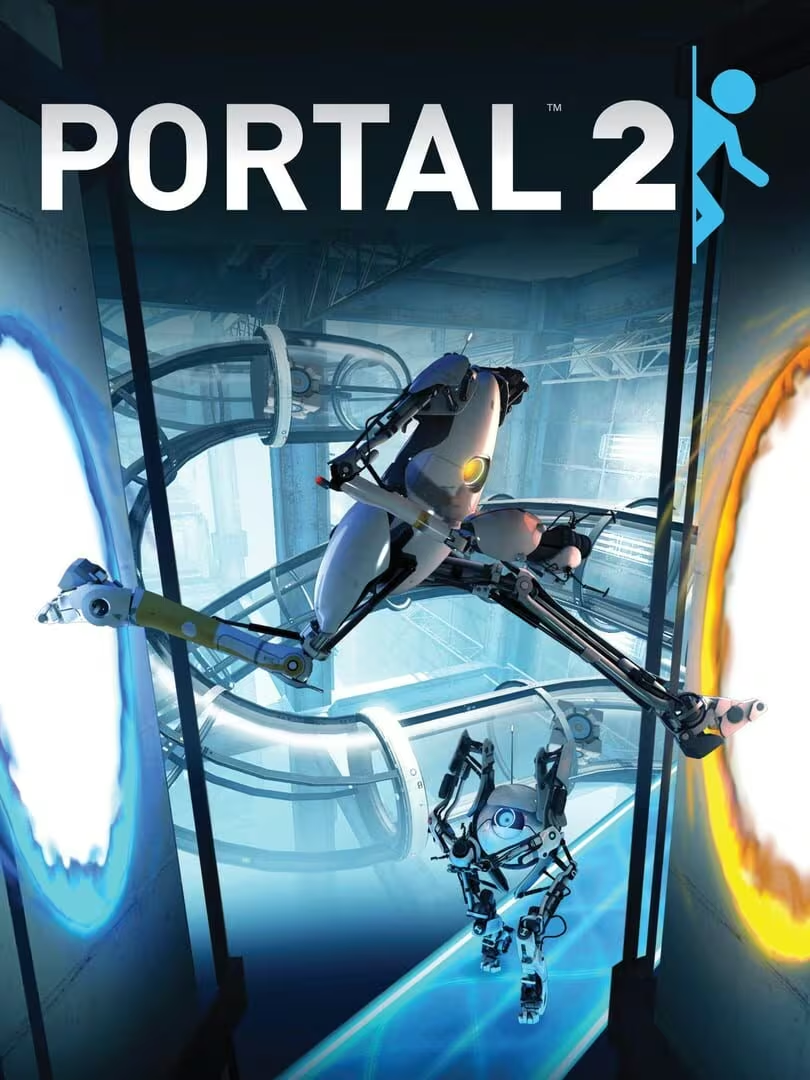
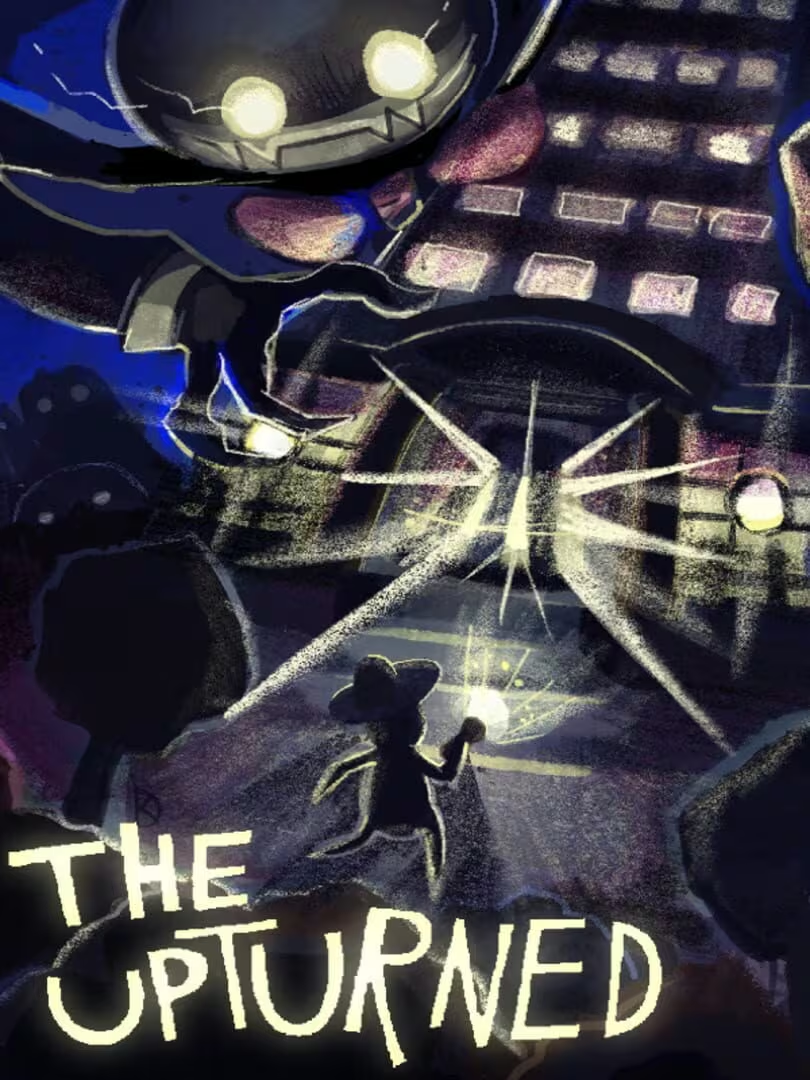
Climb The Backrooms similar games & best alternatives
Climb The Backrooms

PC (Microsoft Windows) • 2025

Related articles

Quick resume

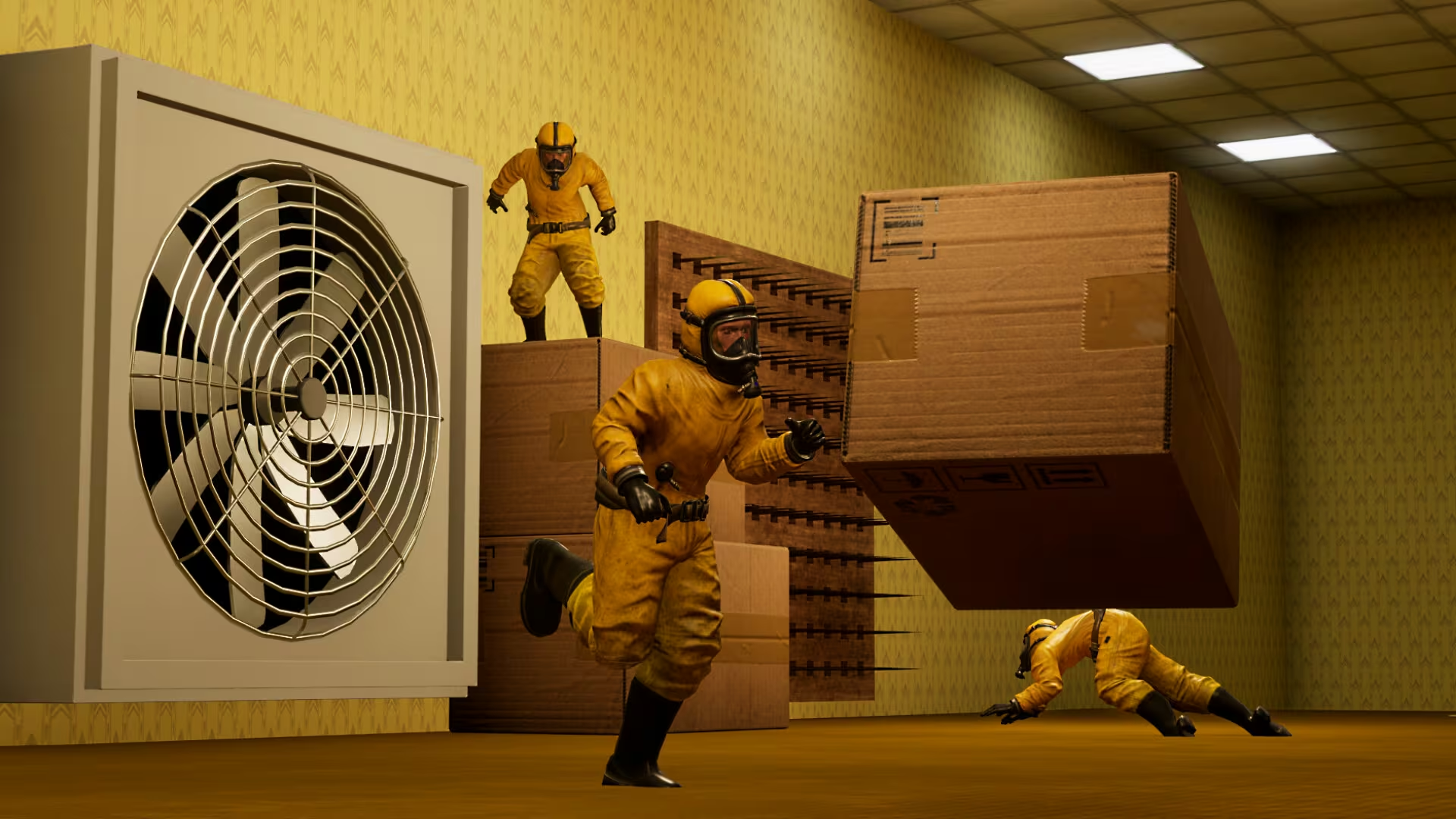
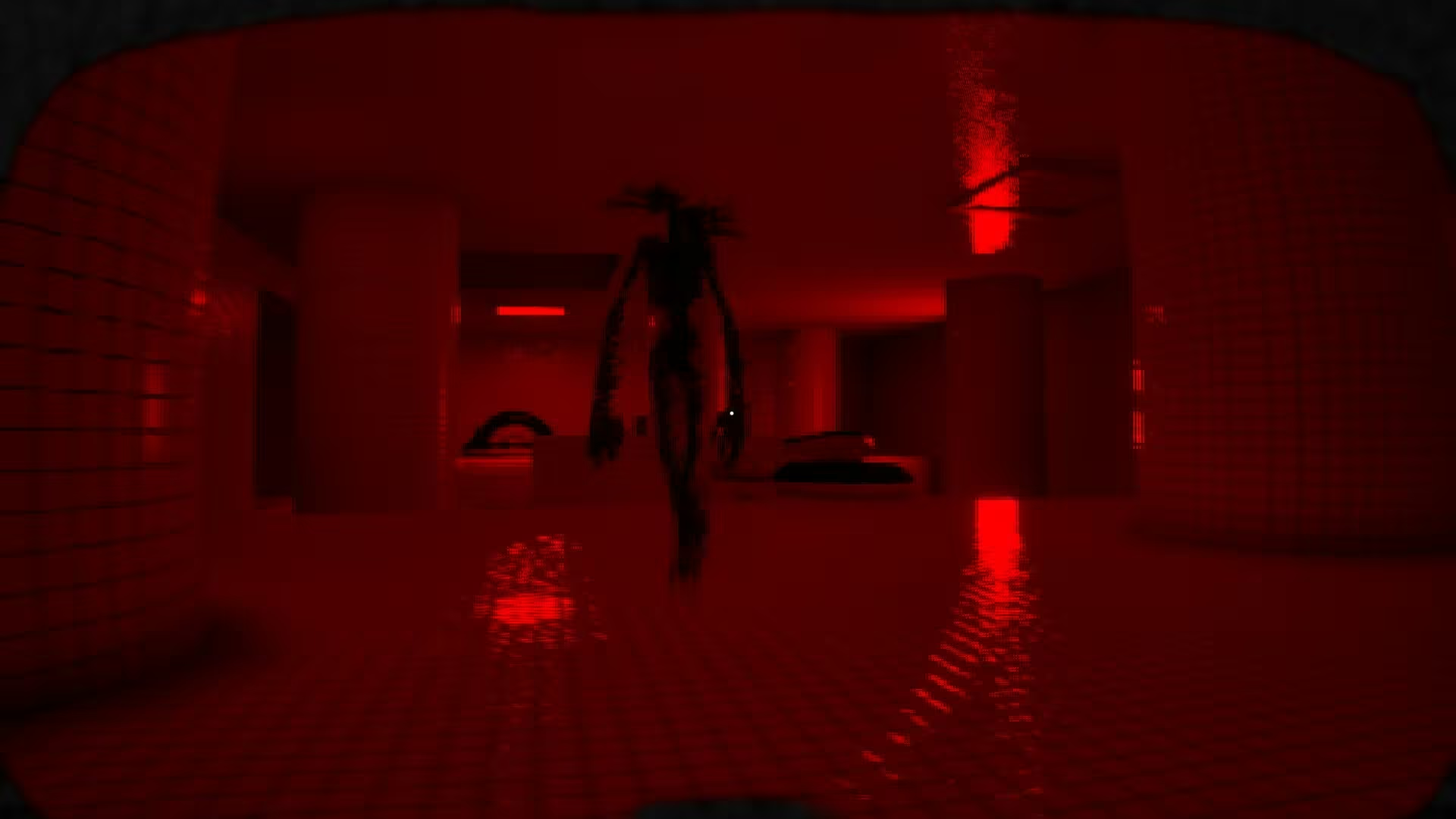
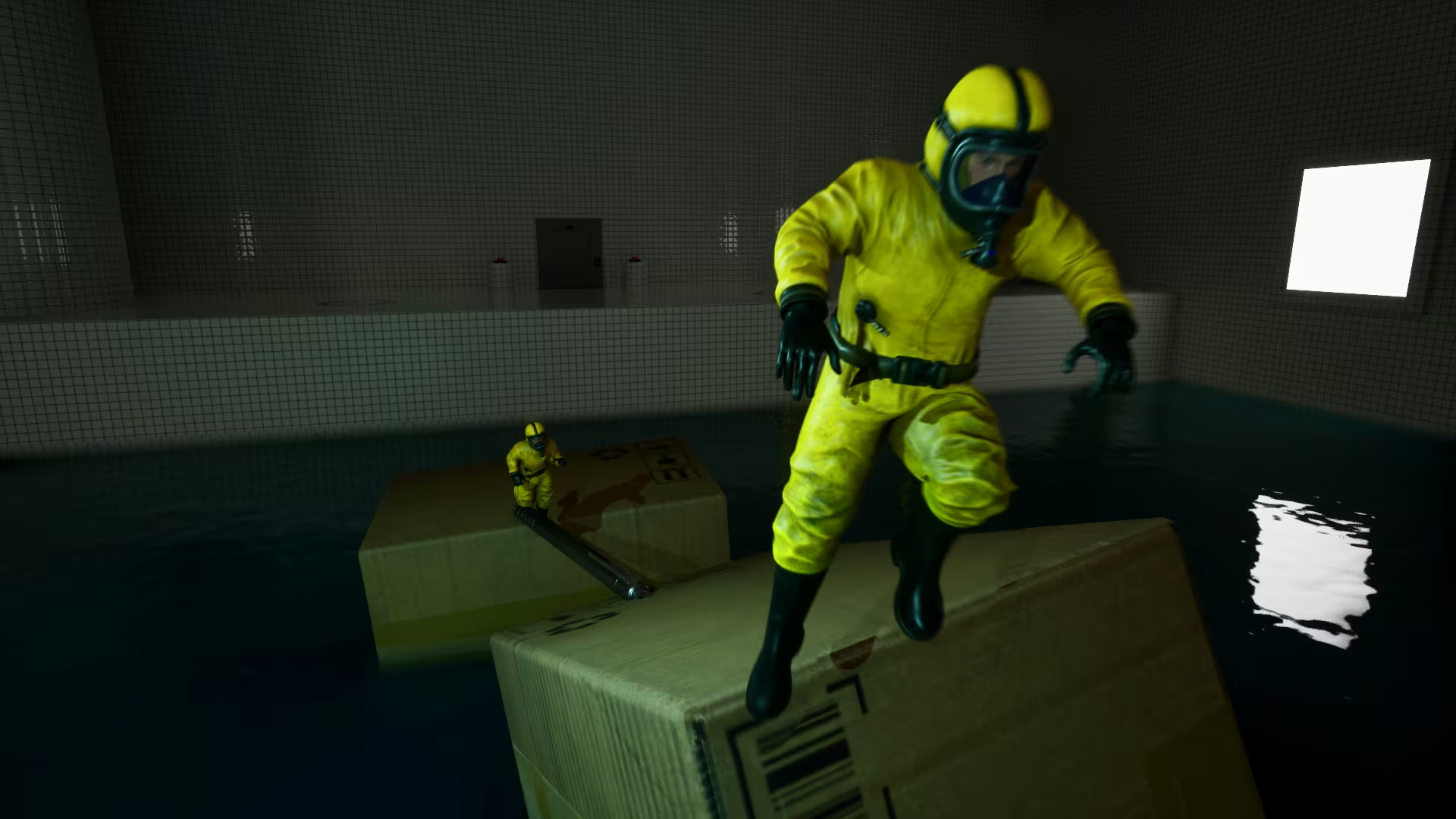
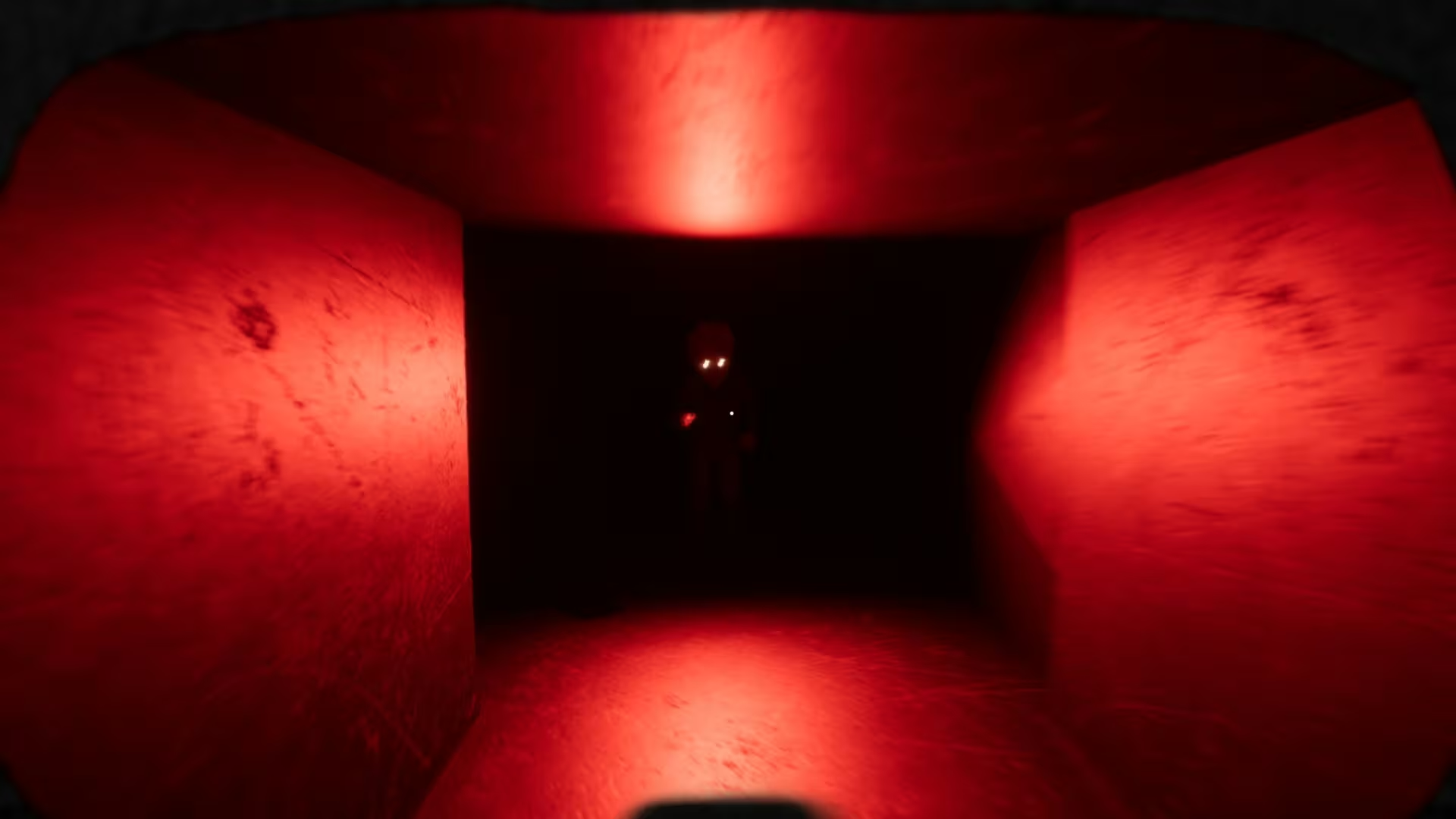
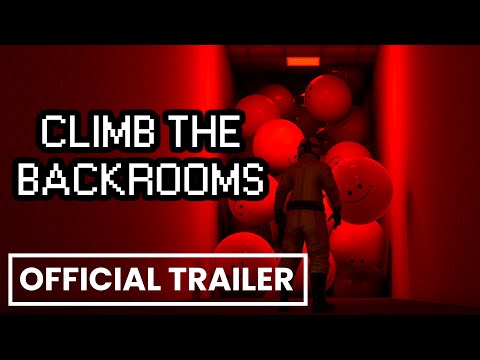
Ascend through the twisted levels of the Backrooms using physics-based object manipulation to overcome obstacles, solve mind-bending puzzles, and uncover unsettling secrets. Play solo or team up in online co-op with up to 4 players as you climb higher, think smarter, and survive the unknown.

Global score

81/100

Genres

Adventure, Casual, Platform, Puzzle

Similar games

    Pros

    • Fun and creative puzzles
    • Strong cooperative multiplayer
    • Developer interaction and trolling
    • Good value for price
    • Varied and inventive level design

    Cons

    • Some bugs and optimization issues
    • Short game length
    • Some repetitive or easy puzzles
    • Voice chat and achievement bugs
    • Lack of deeper horror atmosphere

    Analysis

    Broadly representative of its motivational profile, with a few distinct shifts. Motivations that often define this kind of title include Cooperation, Fellowship, Intimacy, Leadership. It leans lower than usual among comparable games on Violence, Competition, Status.

    How to use the graph
    Similar games map

    Each dot is a game. They are arranged from the same motivation profile as in the “Motivations” section below. Closer dots usually mean more similar reasons to play (exploration, competition, relaxation, etc.)—not that one game is “better” than another.

    • Larger dot with a light outline: the game you are viewing.
    • Colour: groups of games with comparable motivation patterns (statistical clusters).
    • Hover a dot to see the game name; click to open its page.
    • Scroll or double-click the chart to zoom out and see more games.

    Why don’t the axes read like a score? This view uses t-SNE: it only keeps who is close to whom. The scales are not “good to bad” or hours played—they separate groups on the map. Read distance between dots, not the axis numbers.

    Motivations

    • Autonomy
      3

      "Players can choose their own approach to puzzles and platforming, with some freedom in object placement and movement."

    • Competence
      3

      "The game offers a variety of puzzles and platforming challenges that require skill and problem solving, though some puzzles are easy or repetitive."

    • Competition
      -4

      "Focus is on cooperative or casual play with friends, no evidence of competitive modes or leaderboards."

    • Continuation
      2

      "Players often play through all 40 levels in one or a few sessions, but some find the game short and repetitive, limiting long-term engagement."

    • Cooperation
      4

      "Strong emphasis on cooperative multiplayer with friends, including voice chat and teamwork to solve puzzles."

    • Creativity
      4

      "Players creatively solve puzzles and use physics-based object manipulation; level design is varied and inventive."

    • Domination
      -3

      "Interactions among players are playful and equal, with pushing and trolling but no evidence of dominance or power imposition."

    • Escapism
      4

      "Players use the game as a fun distraction and stress relief, with some describing it as an emotional or therapeutic experience."

    • Expectation
      -4

      "Players engage voluntarily for fun and social interaction, no indications of obligation or pressure."

    • Experimenting
      3

      "Players experiment with puzzle solutions and physics interactions, though some levels are repetitive or straightforward."

    • Exploration
      2

      "Players explore a variety of unique levels with different mechanics, but the environment is mostly confined to backrooms-style settings."

    • Expression
      2

      "Some character customization and playful interactions allow for limited self-expression."

    • Fantasy
      1

      "The game has a backrooms horror theme with some surreal and imaginative elements, but largely grounded in puzzle-platforming."

    • Fellowship
      4

      "Strong sense of community and shared experience playing with friends and interacting with the developer."

    • Growth
      3

      "Players develop puzzle-solving skills and improve platforming ability over the course of the game."

    • Health
      -5

      "The game is sedentary with no physical activity involved."

    • Idle
      -3

      "Requires focused attention and active participation to solve puzzles and progress."

    • Intimacy
      3

      "Players form close social bonds and share emotional experiences through cooperative play."

    • Leadership
      1

      "Some players may guide others in puzzle solving, but overall interaction is collaborative and equal."

    • Progression
      3

      "Players progress through 40 levels, unlocking achievements and advancing through puzzles."

    • Relaxation
      1

      "The game balances challenge with fun, though some find certain levels frustrating or tense."

    • Sensation
      2

      "Engaging audio-visual design with jump scares and humorous moments provide sensory stimulation."

    • Status
      -4

      "No social status or ranking systems; focus is on casual play without external recognition."

    • Story
      1

      "Some narrative elements and atmosphere exist, but the game is primarily puzzle and platforming focused."

    • Strategy
      3

      "Players use reasoning and planning to solve puzzles and navigate levels."

    • Thrill
      3

      "Jump scares and tense moments provide excitement and suspense."

    • Value
      4

      "Players feel the game offers good entertainment and content for its low price."

    • Violence
      -3

      "Gameplay focuses on puzzle solving and cooperative play rather than combat or destruction."

    • Survival
      1

      "Some levels involve avoiding monsters or hazards, but death has minimal penalty."

    Last update: 29/04/2026