Counter-Strike 2 Thumbnail

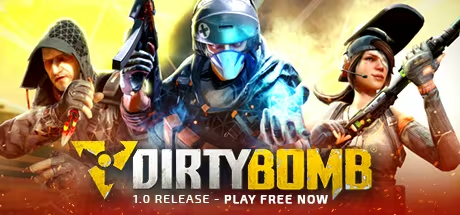
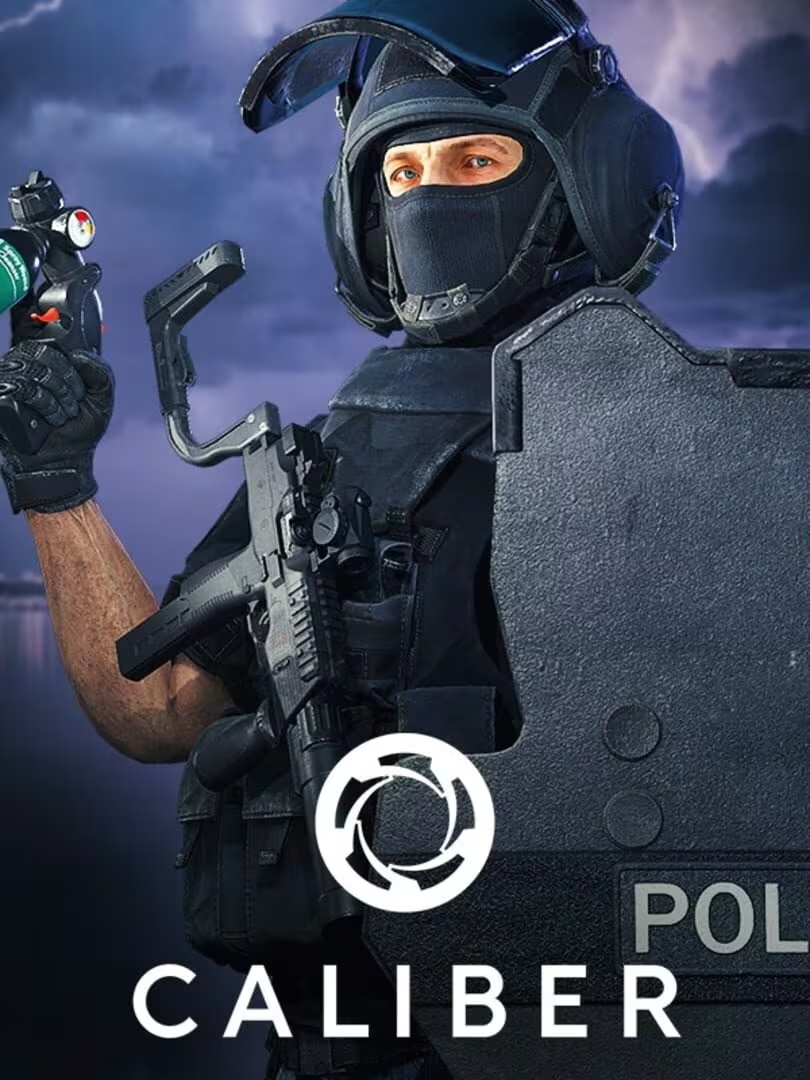
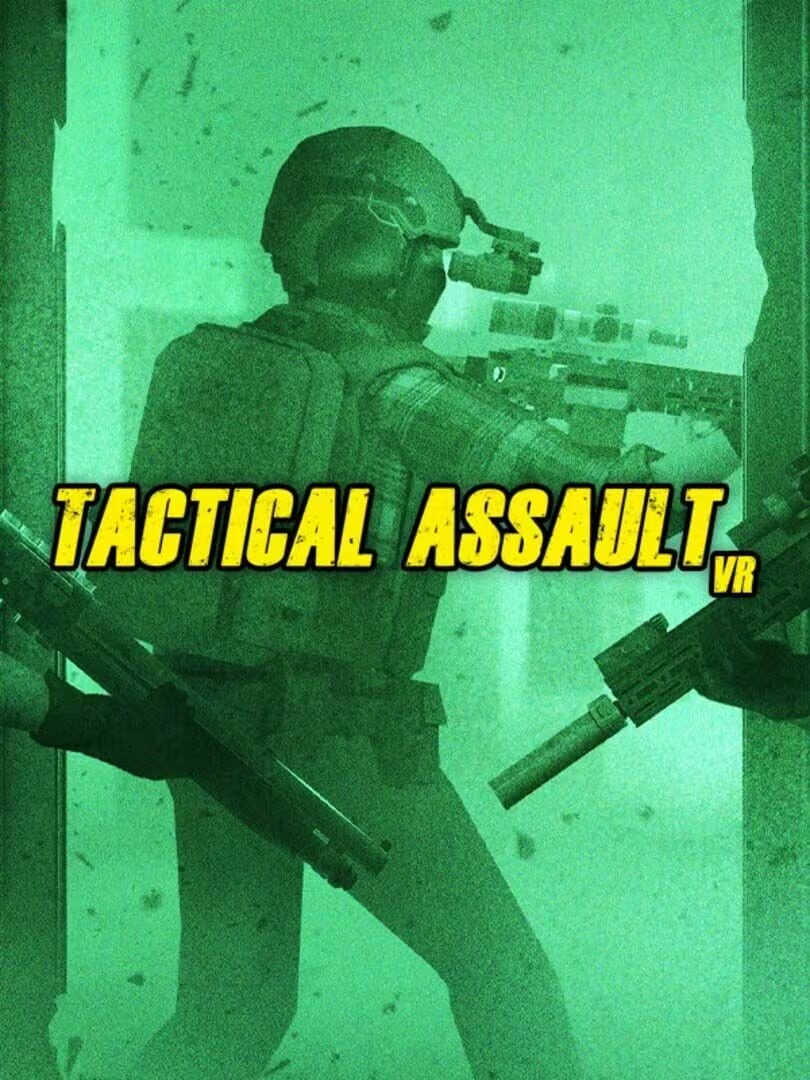
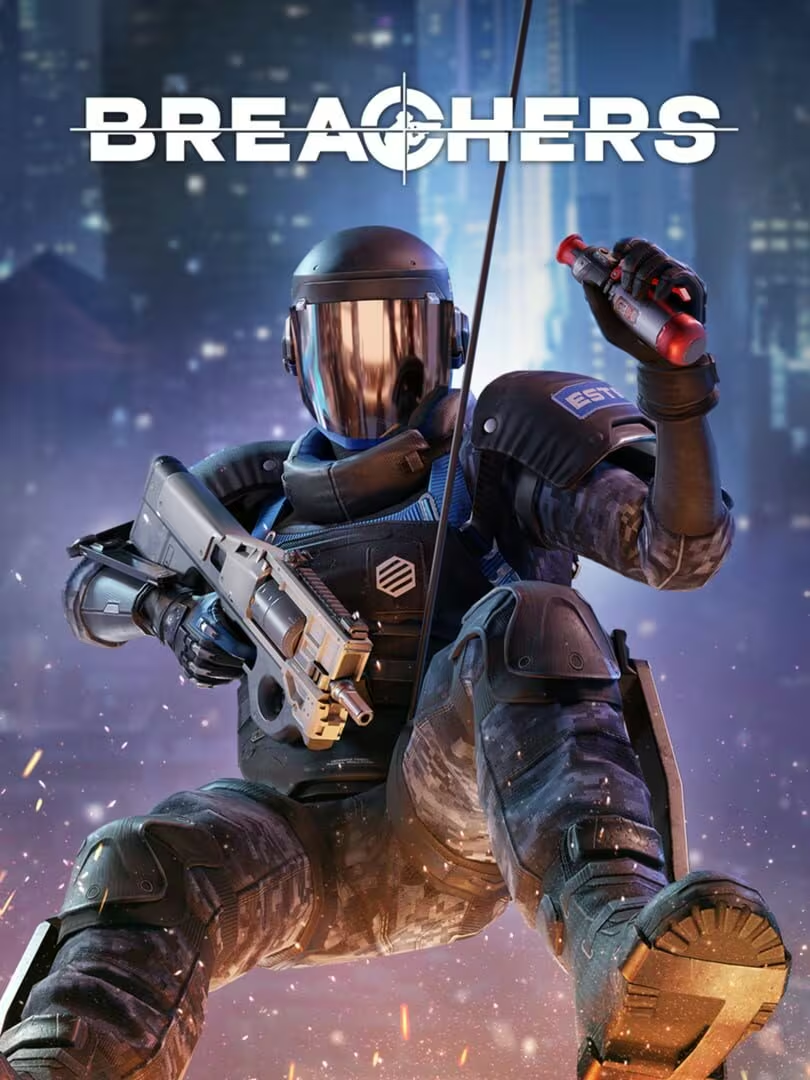
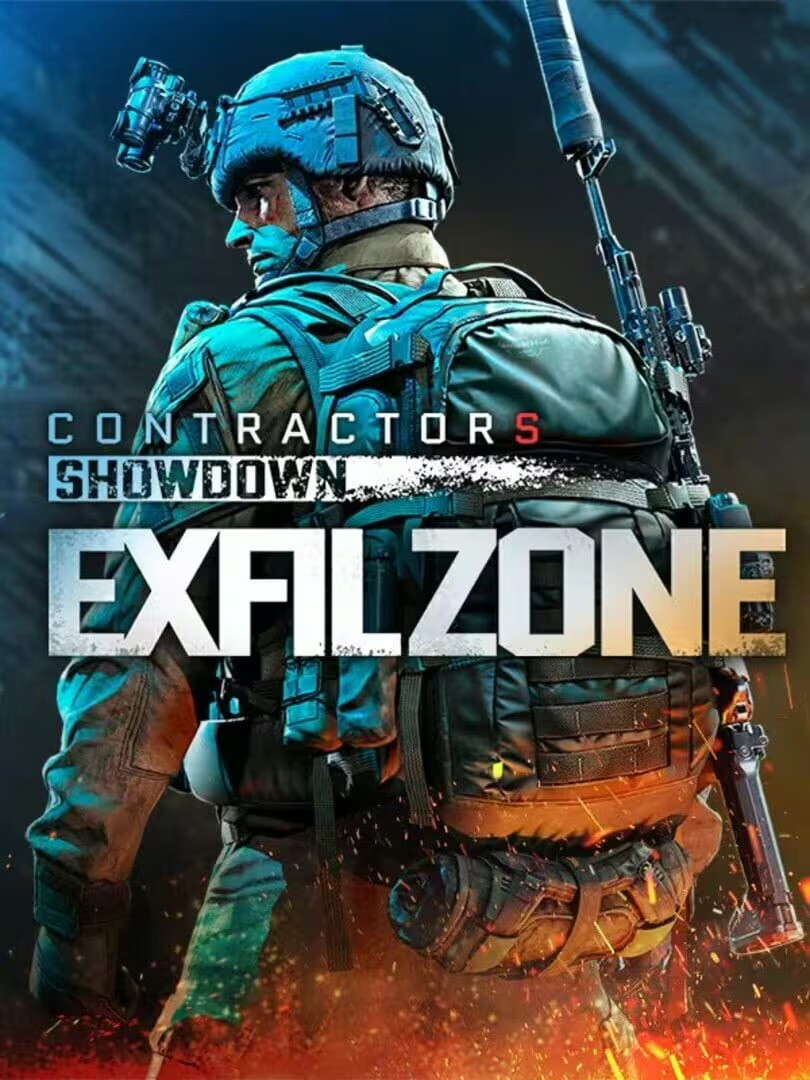
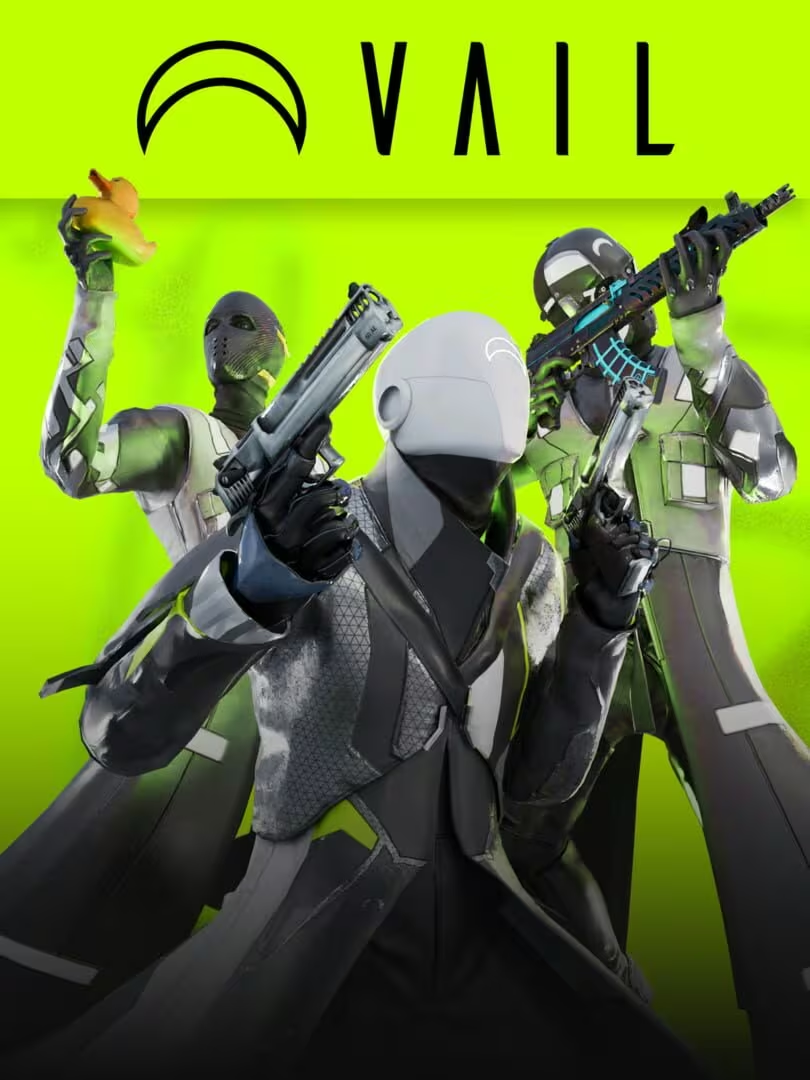
Counter-Strike 2 similar games & best alternatives
Counter-Strike 2

PC (Microsoft Windows), Linux • 2012

Related articles

Quick resume

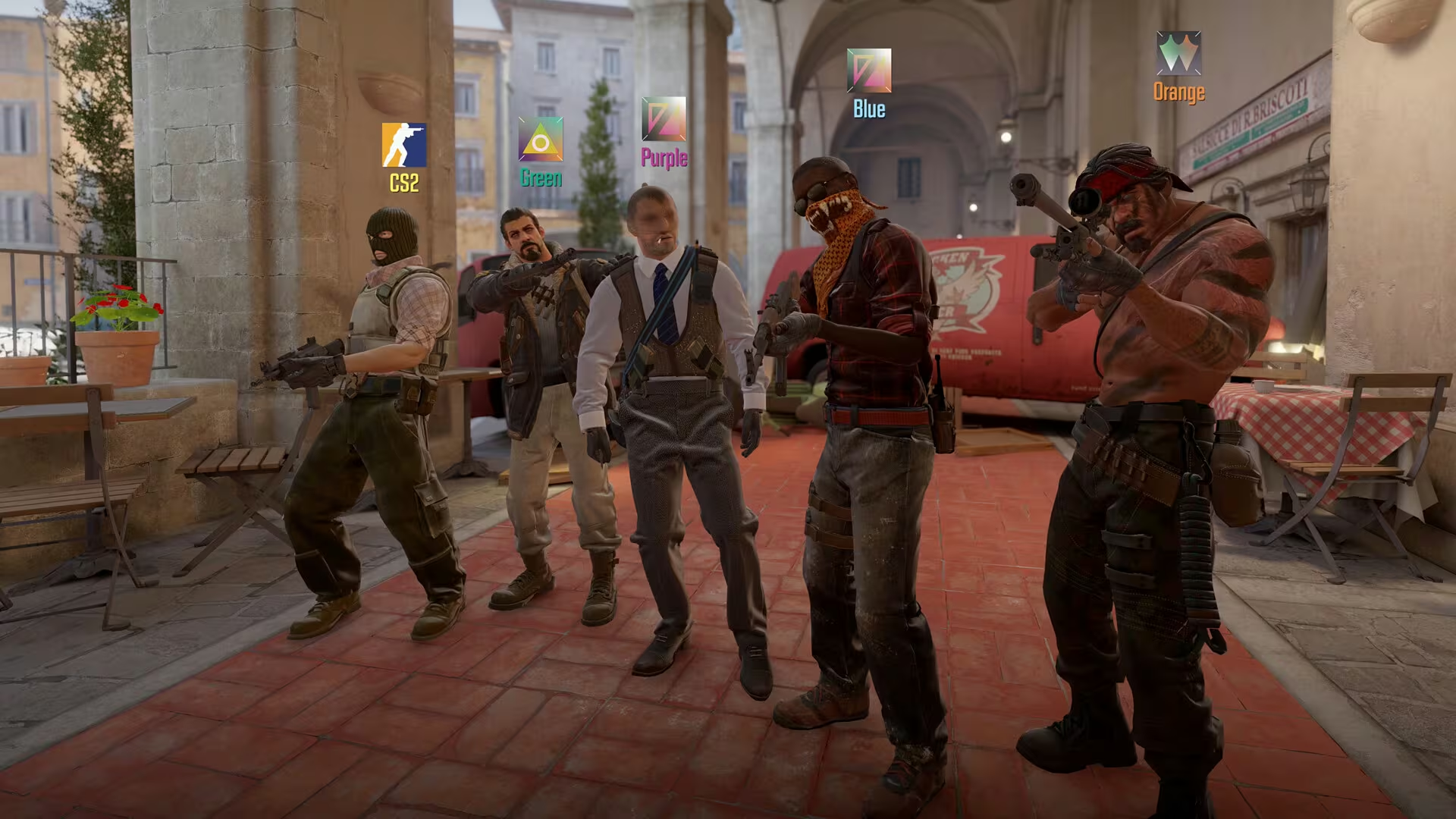
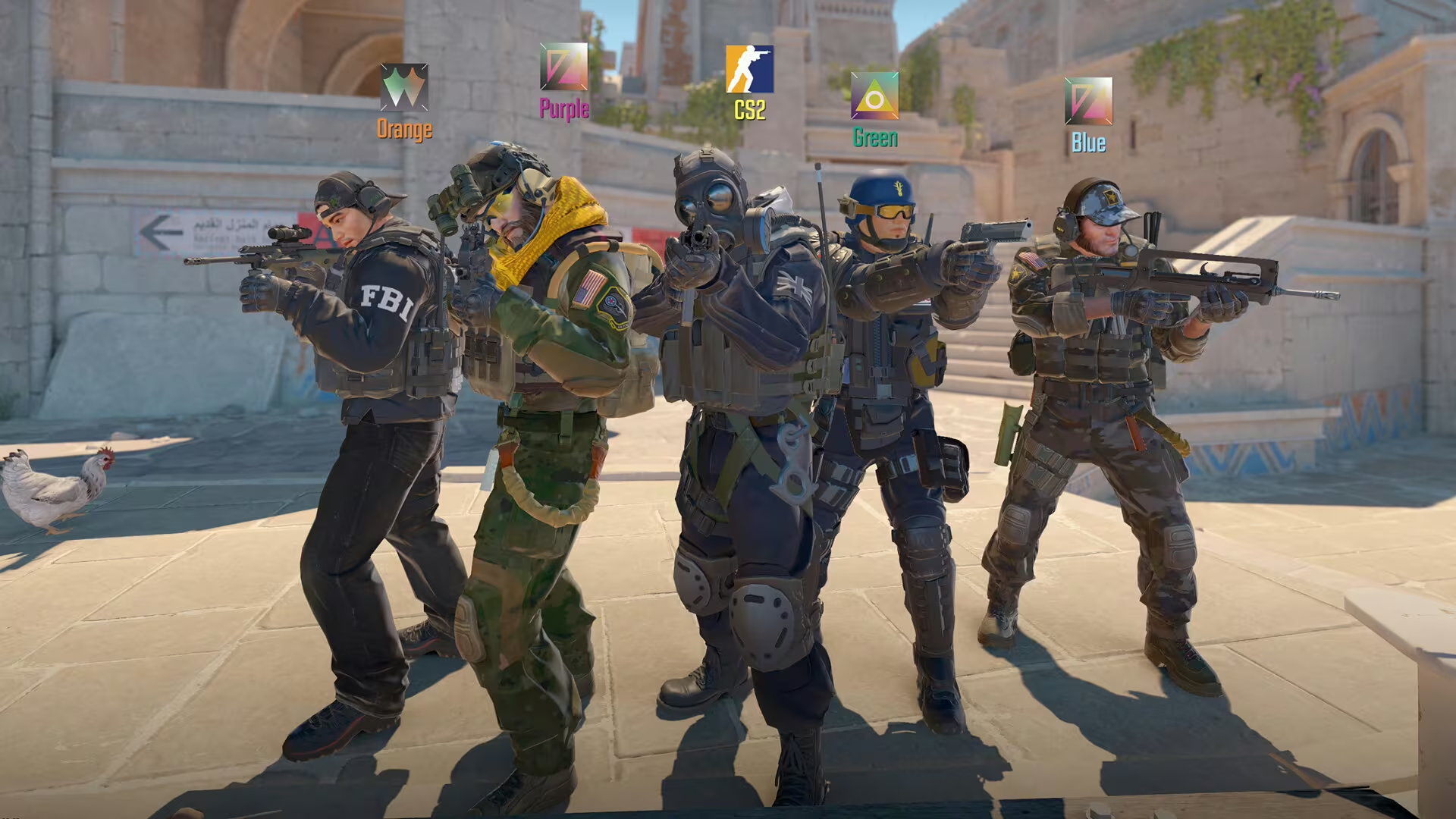
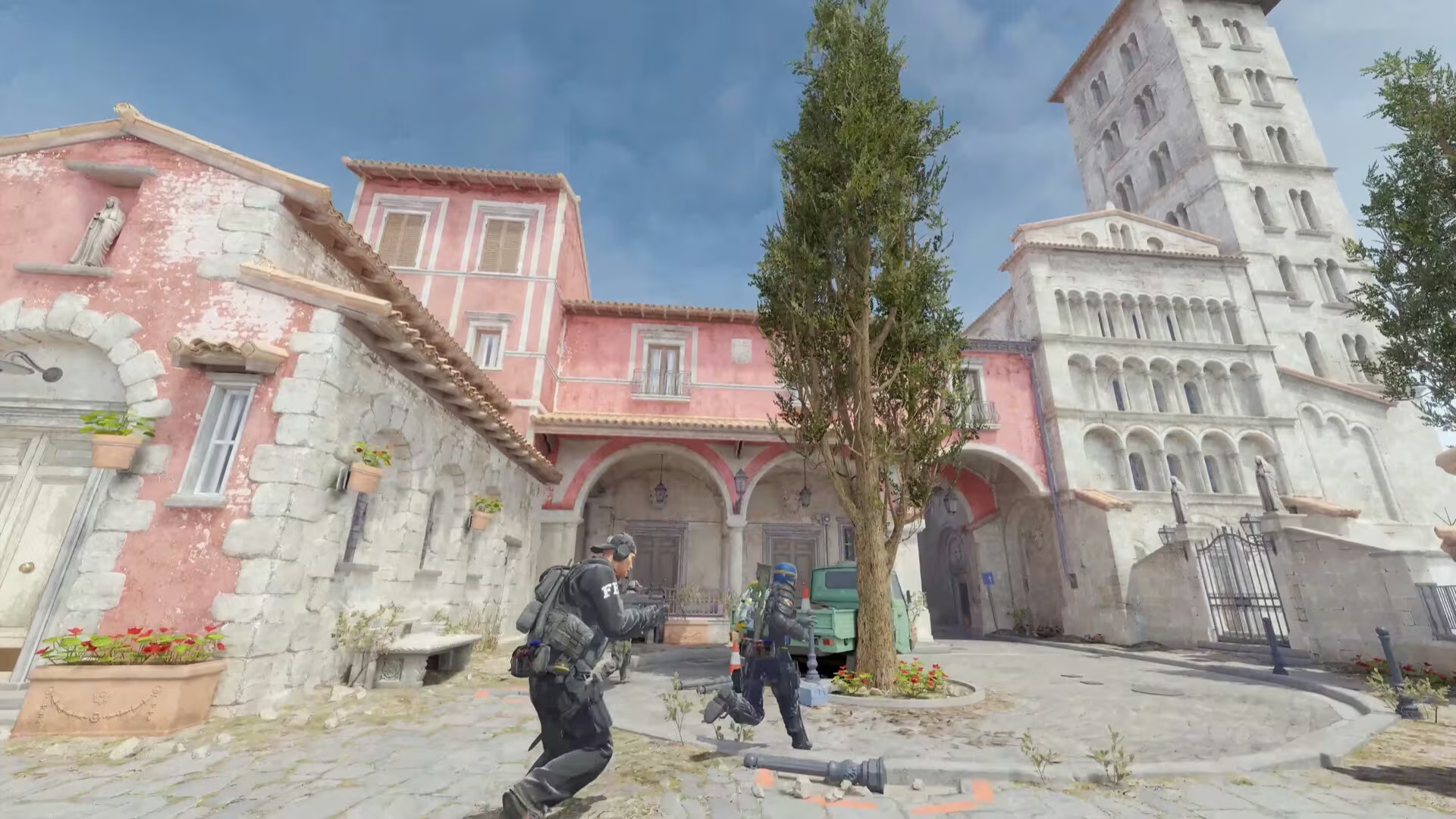
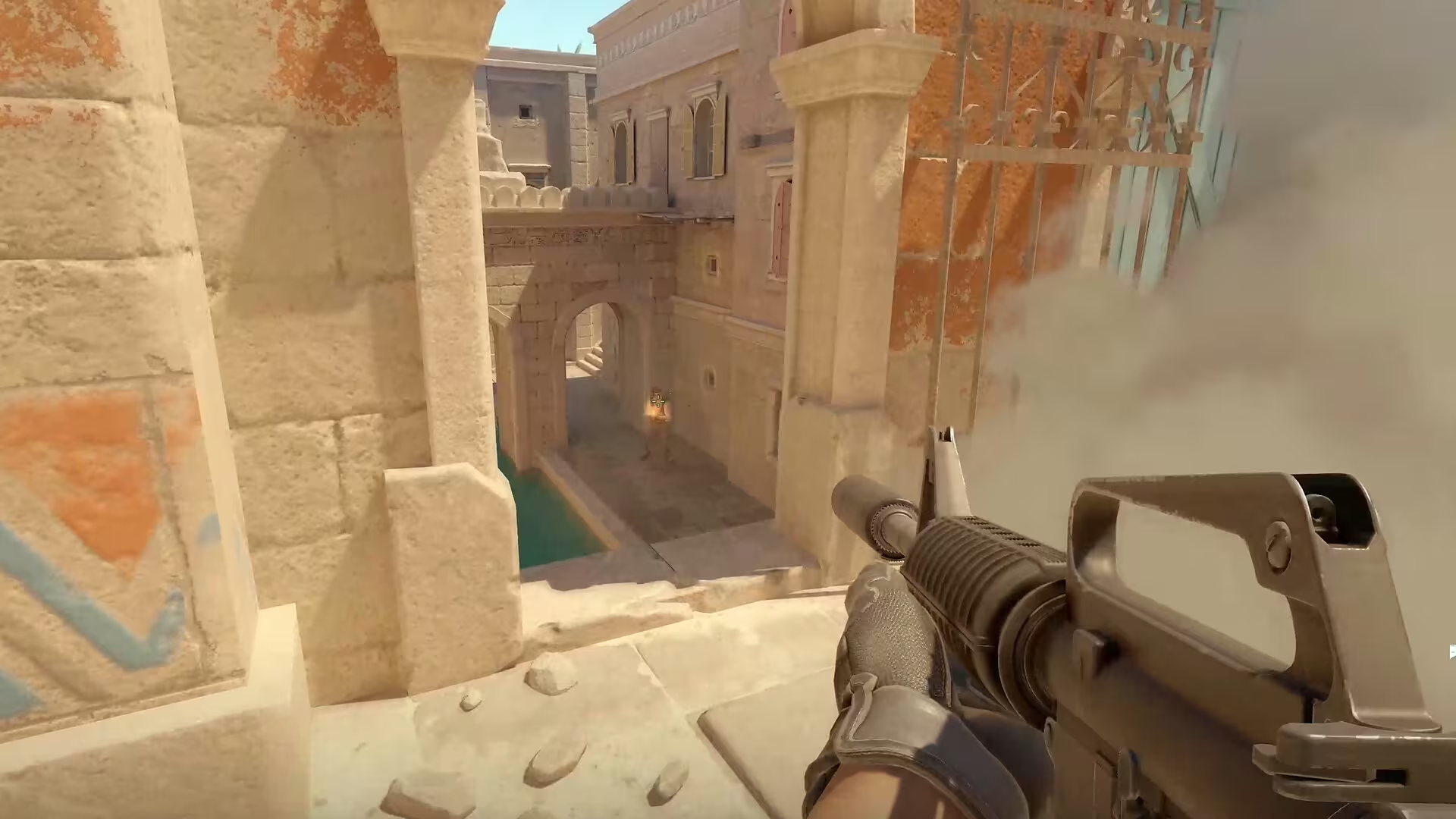
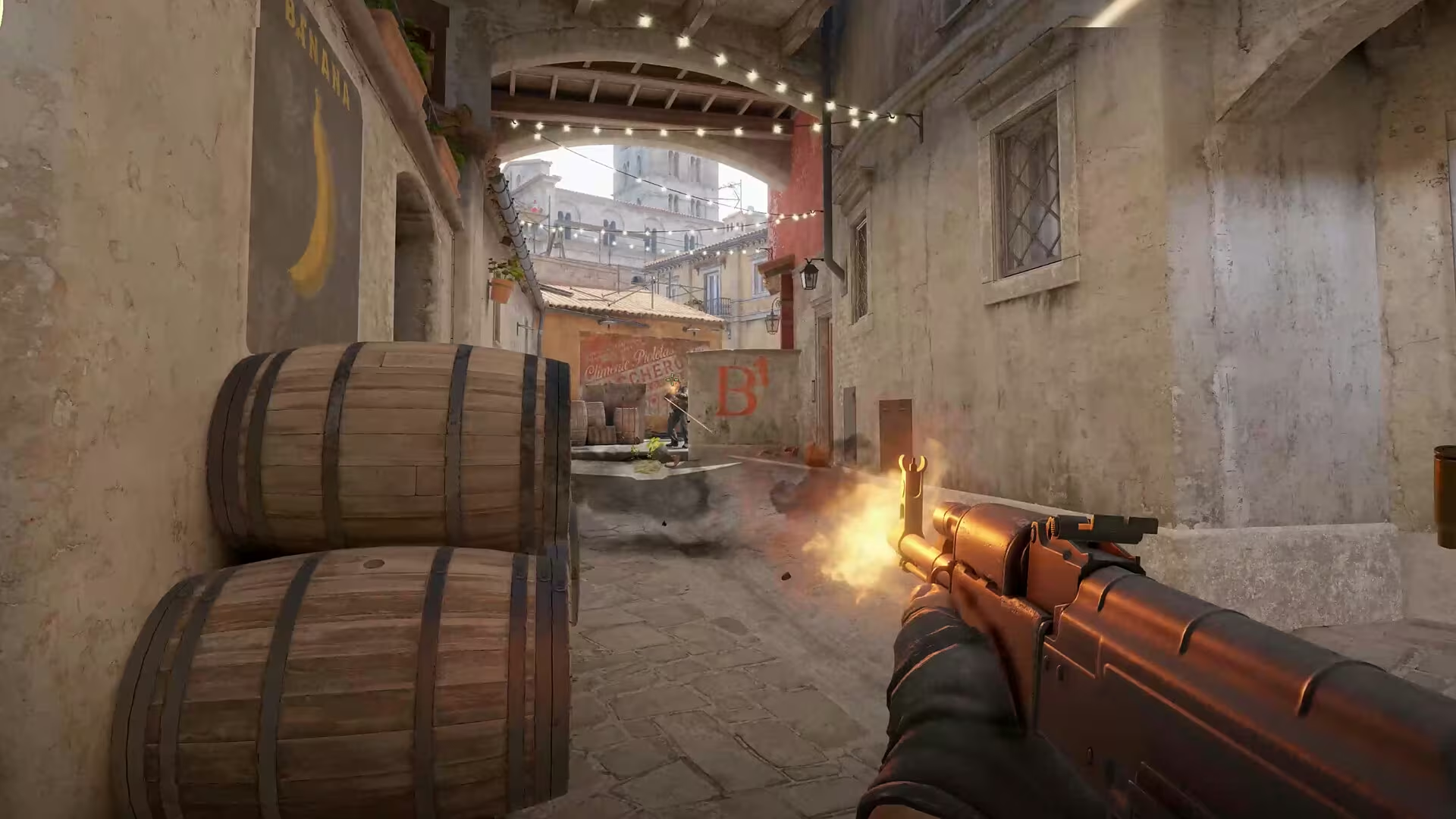
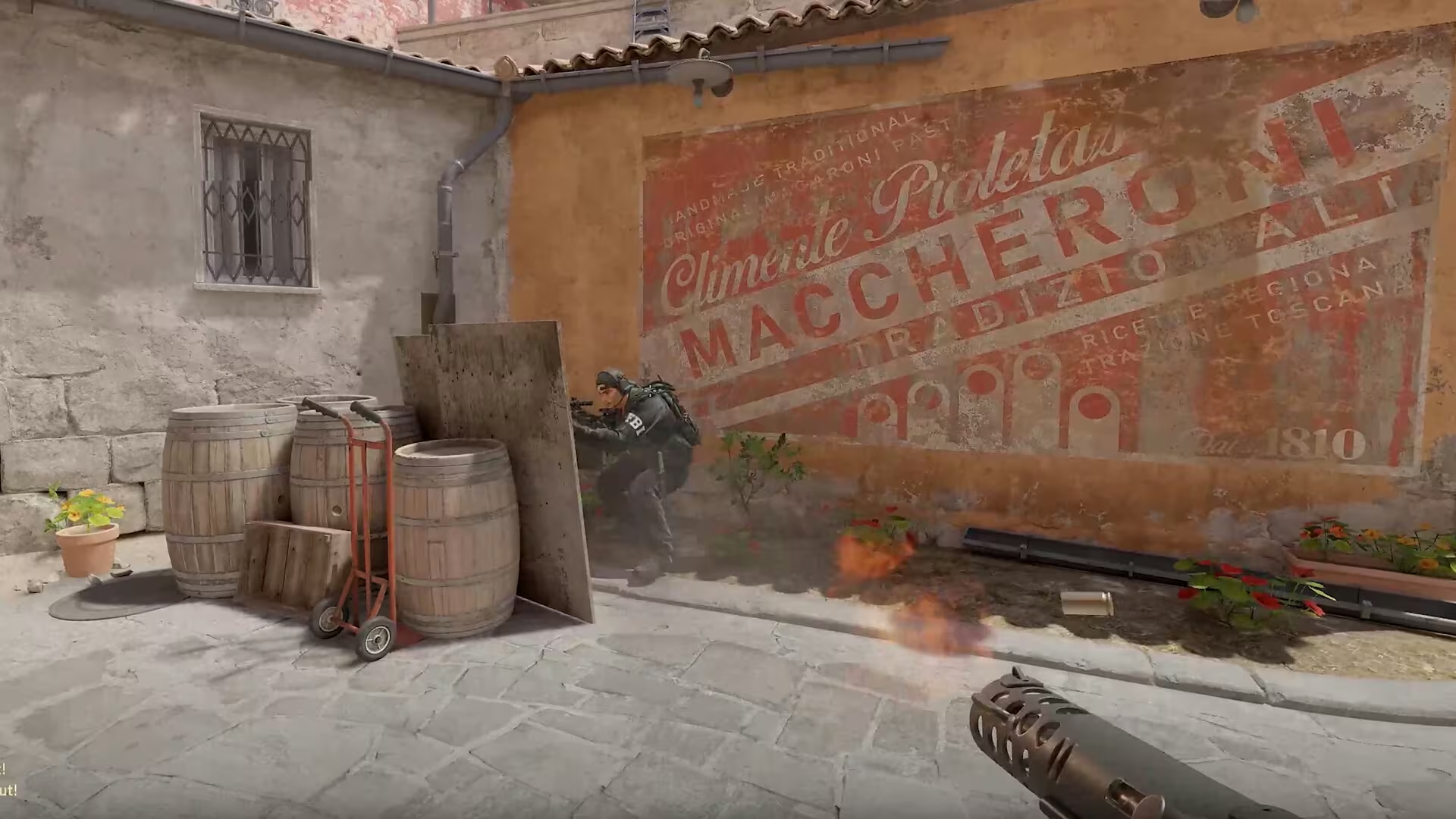
For over two decades, Counter-Strike has offered an elite competitive experience, one shaped by millions of players from across the globe. And now the next chapter in the CS story is about to begin. This is Counter-Strike 2.

Global score

86/100

Genres

Action, Free To Play, Shooter, Tactical

Similar games

    Pros

    • High skill ceiling and competitive gameplay
    • Improved graphics and sound design
    • Free-to-play with frequent updates
    • Strong community and legacy
    • Tactical depth and strategic challenge

    Cons

    • Prevalent cheating and weak anti-cheat
    • Toxic player behavior and communication
    • Matchmaking and performance issues
    • Steep learning curve for new players
    • Missing some features from previous versions

    Analysis

    Less representative of its motivational profile, with noticeable differences. Motivations that often define this kind of title include Competition, Fellowship, Domination, Status. It leans lower than usual among comparable games on Fantasy, Creativity, Story.

    How to use the graph
    Similar games map

    Each dot is a game. They are arranged from the same motivation profile as in the “Motivations” section below. Closer dots usually mean more similar reasons to play (exploration, competition, relaxation, etc.)—not that one game is “better” than another.

    • Larger dot with a light outline: the game you are viewing.
    • Colour: groups of games with comparable motivation patterns (statistical clusters).
    • Hover a dot to see the game name; click to open its page.
    • Scroll or double-click the chart to zoom out and see more games.

    Why don’t the axes read like a score? This view uses t-SNE: it only keeps who is close to whom. The scales are not “good to bad” or hours played—they separate groups on the map. Read distance between dots, not the axis numbers.

    Motivations

    • Autonomy
      4

      "Players have high control over their actions, aiming, movement, and tactical decisions in matches."

    • Competence
      5

      "Game demands high skill, precision aiming, and strategic thinking; players experience clear performance feedback."

    • Competition
      5

      "Strong competitive focus with ranked modes, leaderboards, and skill-based matchmaking."

    • Continuation
      4

      "Players report habitual, long sessions and repeated play despite frustration and cheating issues."

    • Cooperation
      3

      "Teamwork is necessary for success, though player experiences vary from coordinated to chaotic teams."

    • Creativity
      -2

      "Gameplay follows established tactical shooter conventions with limited player-driven creation or modification."

    • Domination
      3

      "Some players seek to dominate opponents and assert superiority, evidenced by trash talk and power plays."

    • Escapism
      4

      "Players use the game as a stress outlet and distraction from real life, despite emotional strain."

    • Expectation
      -4

      "Players engage voluntarily out of intrinsic interest and passion rather than obligation."

    • Experimenting
      2

      "Some experimentation with new mechanics like volumetric smokes and sub-tick servers, but core gameplay is familiar."

    • Exploration
      -3

      "Maps and environments are well-known and iconic, with limited discovery or new territory."

    • Expression
      3

      "Customization through skins and cosmetics allows personal expression within competitive matches."

    • Fantasy
      -4

      "Game emphasizes realistic tactical combat scenarios rather than imaginative or fictional settings."

    • Fellowship
      2

      "Community and social interaction exist but are often marked by toxicity and limited deep connection."

    • Growth
      5

      "Players experience ongoing skill development and learning through challenging gameplay."

    • Health
      -4

      "Sedentary gameplay with reports of emotional stress and frustration; no physical activity involved."

    • Idle
      -4

      "Requires focused attention and continuous engagement during matches."

    • Intimacy
      -3

      "Social interactions are mostly surface-level, with limited emotional sharing or close relationships."

    • Leadership
      2

      "Some players take leadership roles in team coordination, though often teams are chaotic or uncoordinated."

    • Progression
      4

      "Players accumulate ranks, skins, and achievements, reflecting progression and status."

    • Relaxation
      -3

      "Gameplay is tense and stressful rather than relaxing or flow-inducing."

    • Sensation
      4

      "High sensory stimulation from detailed graphics, sound design, and intense gameplay moments."

    • Status
      4

      "Recognition through ranks, leaderboards, and cosmetic items is important to players."

    • Story
      -5

      "No narrative or story immersion; gameplay is context-free tactical matches."

    • Strategy
      5

      "Strong emphasis on tactical planning, teamwork, and mental challenge."

    • Thrill
      5

      "High suspense and thrill from risk, clutch moments, and competitive tension."

    • Value
      4

      "Players perceive good value from free-to-play access and competitive rewards despite frustrations."

    • Violence
      5

      "Core gameplay centers on combat, shooting, and elimination of opponents."

    • Survival
      4

      "Players must avoid death and manage resources to survive rounds and win matches."

    Last update: 29/04/2026