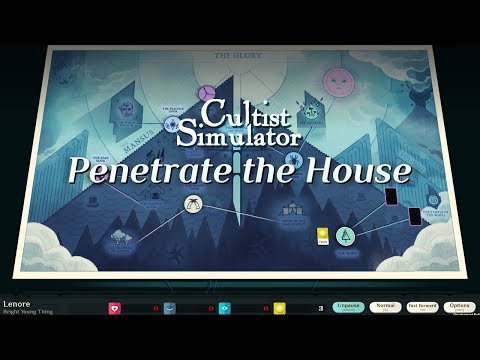
Cultist Simulator Thumbnail

Cultist Simulator similar games & best alternatives
Cultist Simulator

PC (Microsoft Windows), Linux, iOS, Mac, Android • 2018

Related articles

Quick resume

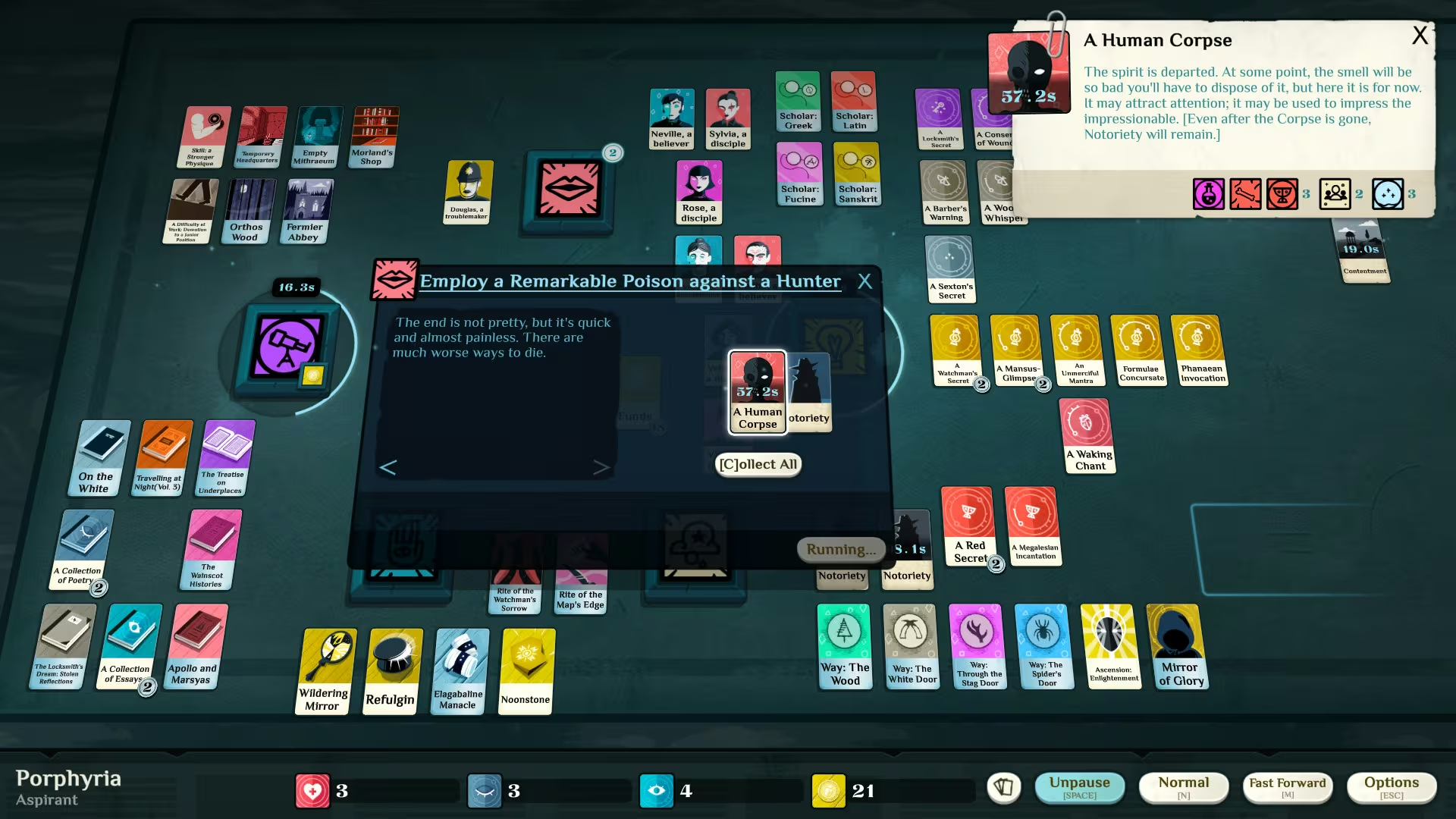
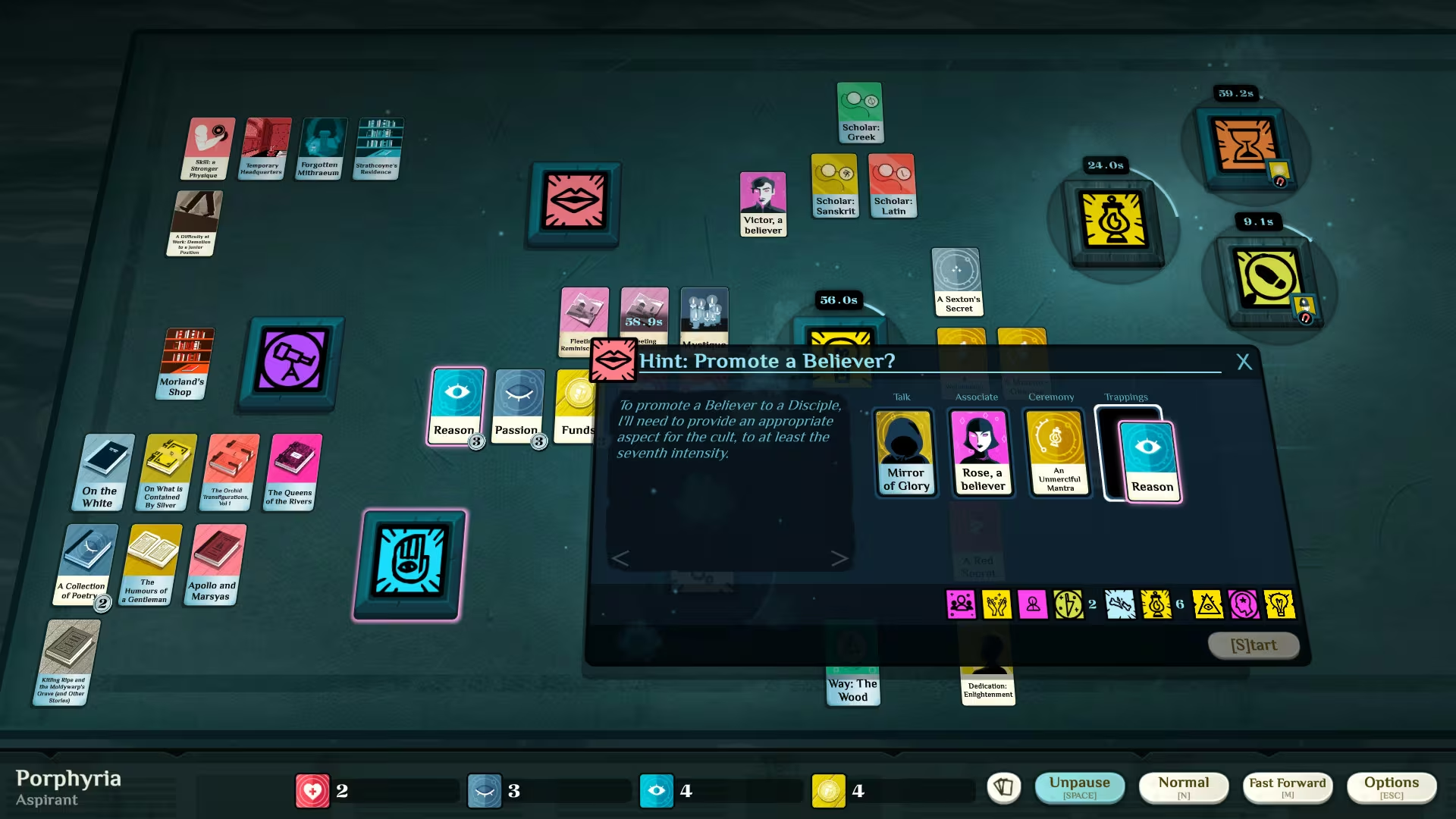
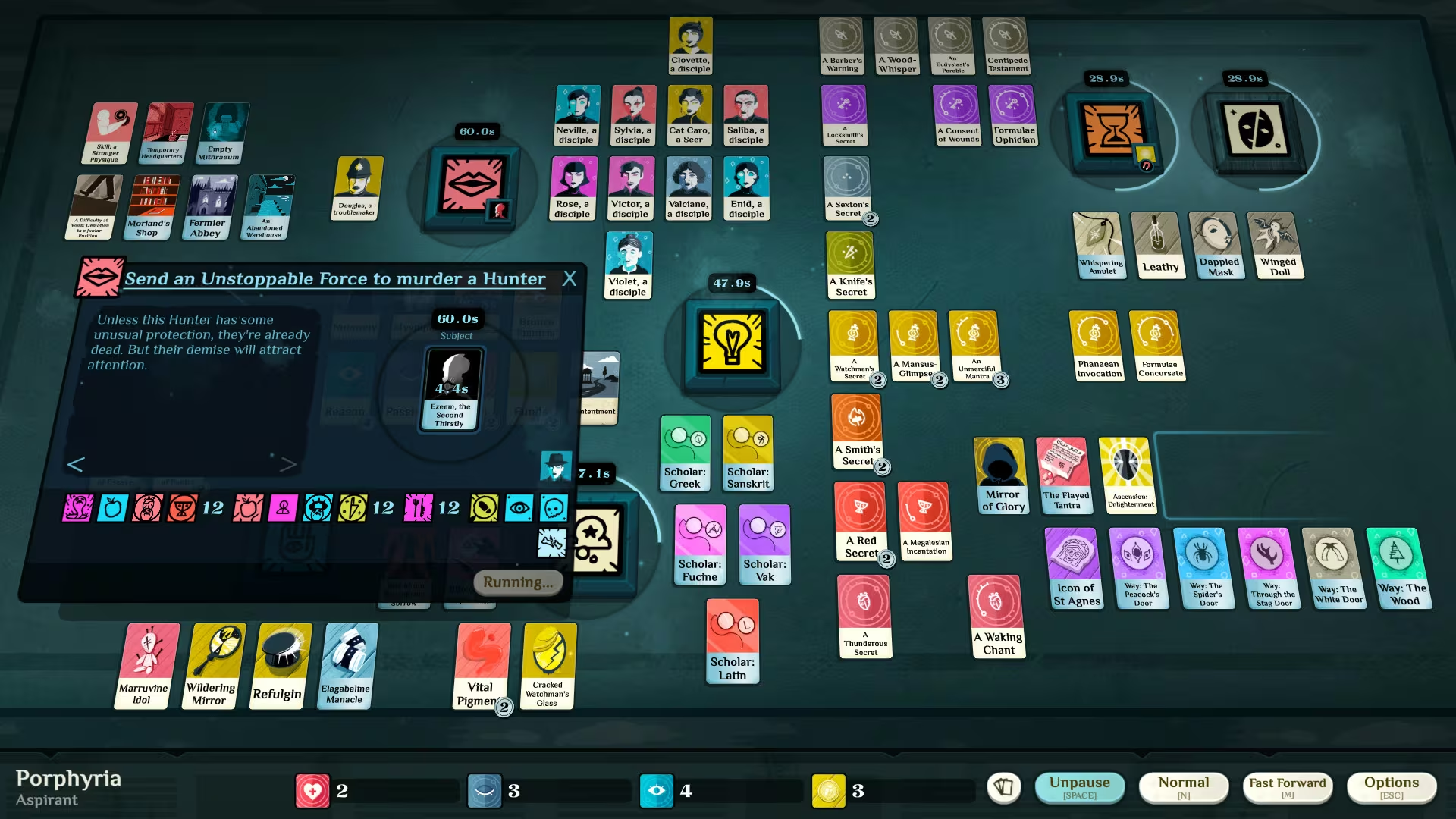
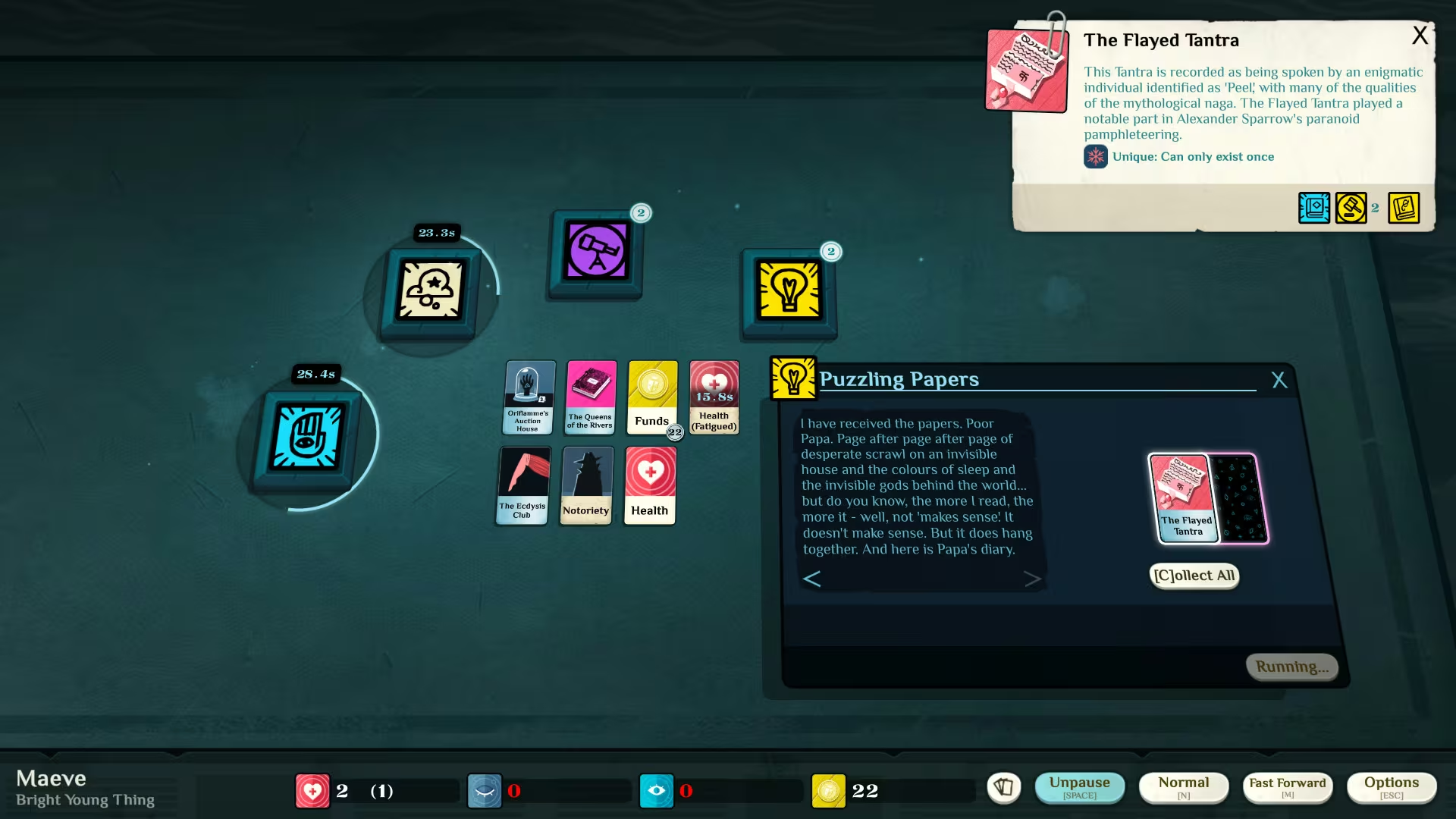
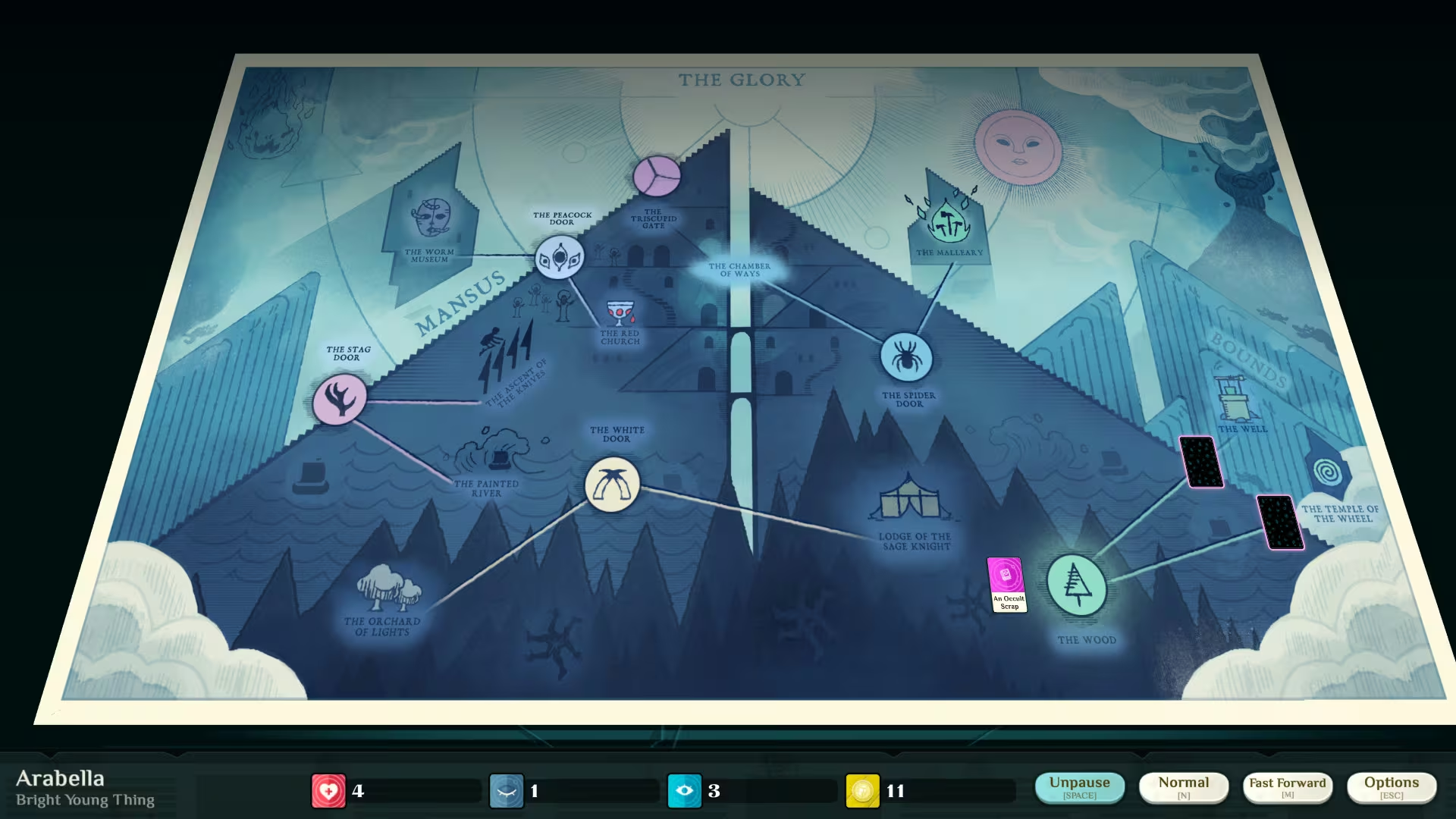
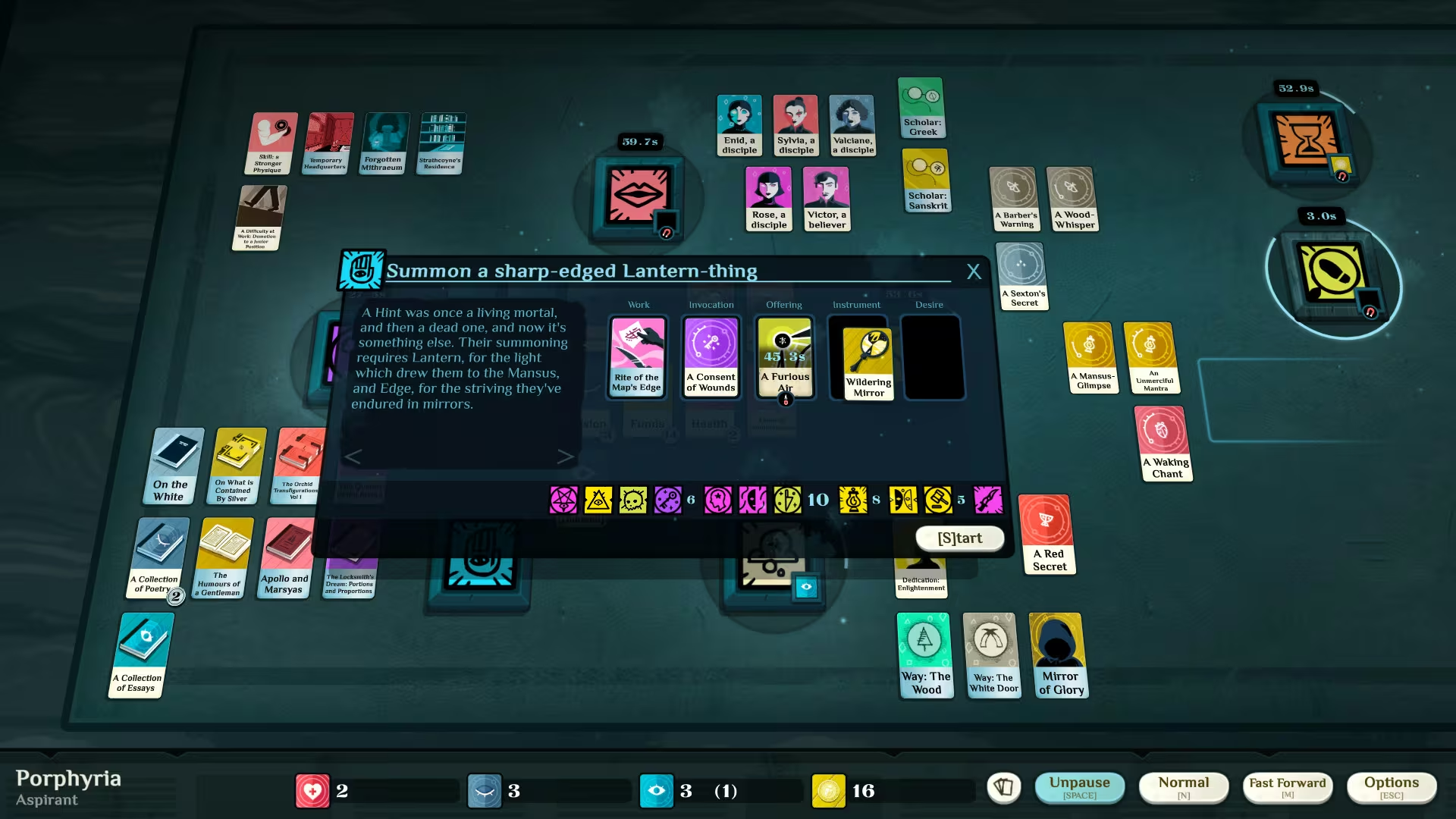
Seize forbidden treasures. Summon alien gods. Feed on your disciples. Cultist Simulator is a game of apocalypse and yearning. Play as a seeker after unholy mysteries, in a 1920s-themed setting of hidden gods and secret histories.

Global score

80/100

Genres

Indie, Role-playing (RPG), Simulator, Card & Board Game, Adventure

Pros

  • Deep, immersive lore and storytelling
  • Unique, experimental gameplay mechanics
  • High replayability and long play sessions
  • Engaging challenge and discovery
  • Atmospheric music and art

Cons

  • Steep learning curve with no tutorial
  • Can be frustrating and punishing
  • Tedious card management and ui issues
  • Random failures can feel unfair
  • Not accessible for casual or hand-holding players

Motivations

  • Autonomy
    4

    "Players have high freedom to experiment, choose goals, and direct their own actions without tutorials or handholding."

  • Competence
    4

    "The game challenges players to master complex mechanics and overcome obscure, difficult puzzles with feedback through progression and failure."

  • Competition
    -4

    "Focus is on personal discovery and progression rather than comparing to others; no mention of multiplayer or leaderboards."

  • Continuation
    5

    "Many players report long sessions, habitual play, and high attachment despite difficulty and repeated failure."

  • Cooperation
    -5

    "Entirely single-player experience focused on individual play and personal goals without collaboration."

  • Creativity
    4

    "Players create their own cults, experiment with card combinations, and shape unique narratives through emergent gameplay."

  • Domination
    -5

    "No evidence of exerting control over other players; interactions are solitary and self-directed."

  • Escapism
    5

    "Strongly used as a form of escapism with immersive lore, atmosphere, and distraction from real life."

  • Expectation
    -5

    "Players engage voluntarily out of intrinsic interest and curiosity; no obligation or external pressure noted."

  • Experimenting
    5

    "Core gameplay revolves around trial and error, discovery, and testing unknown mechanics."

  • Exploration
    5

    "Players explore mysterious lore, hidden mechanics, and new narrative paths through experimentation."

  • Expression
    3

    "Players customize their cult’s focus and narrative path, though visual customization is minimal."

  • Fantasy
    5

    "Strongly rooted in imaginative occult fiction, eldritch horror, and supernatural themes."

  • Fellowship
    -5

    "No social or community gameplay elements; experience is solitary."

  • Growth
    5

    "Players learn complex systems, improve skills, and deepen understanding over many hours."

  • Health
    -5

    "No physical activity involved; sedentary gameplay with long sessions."

  • Idle
    -3

    "Requires active attention to manage timers and card placements; not a background or idle game."

  • Intimacy
    -5

    "No evidence of forming close relationships or emotional social interactions."

  • Leadership
    Insufficient data
  • Progression
    5

    "Strong emphasis on accumulating resources, items, and unlocking new narrative and gameplay elements."

  • Relaxation
    -3

    "Game is often described as stressful, frustrating, and intense rather than relaxing."

  • Sensation
    3

    "Atmospheric music and art provide sensory stimulation, though gameplay is mostly text and cards."

  • Status
    -5

    "No social recognition or status systems; focus is on individual experience."

  • Story
    5

    "Narrative immersion is central, with rich lore and emergent storytelling through gameplay."

  • Strategy
    5

    "Requires careful planning, resource management, and problem solving to succeed."

  • Thrill
    3

    "Players experience suspense and tension managing timers and avoiding failure, though not extreme thrills."

  • Value
    4

    "Players perceive high value due to deep content, replayability, and long play sessions."

  • Violence
    2

    "Some elements of combat and sacrifice are present but are part of occult narrative rather than focus on destruction."

  • Survival
    4

    "Players must manage threats, resources, and avoid failure to continue playing."

Similar games

    Last update: 06/03/2026