BOOK OF HOURS Thumbnail

BOOK OF HOURS similar games & best alternatives
BOOK OF HOURS

PC (Microsoft Windows), Mac, Linux • 2023

Related articles

Quick resume

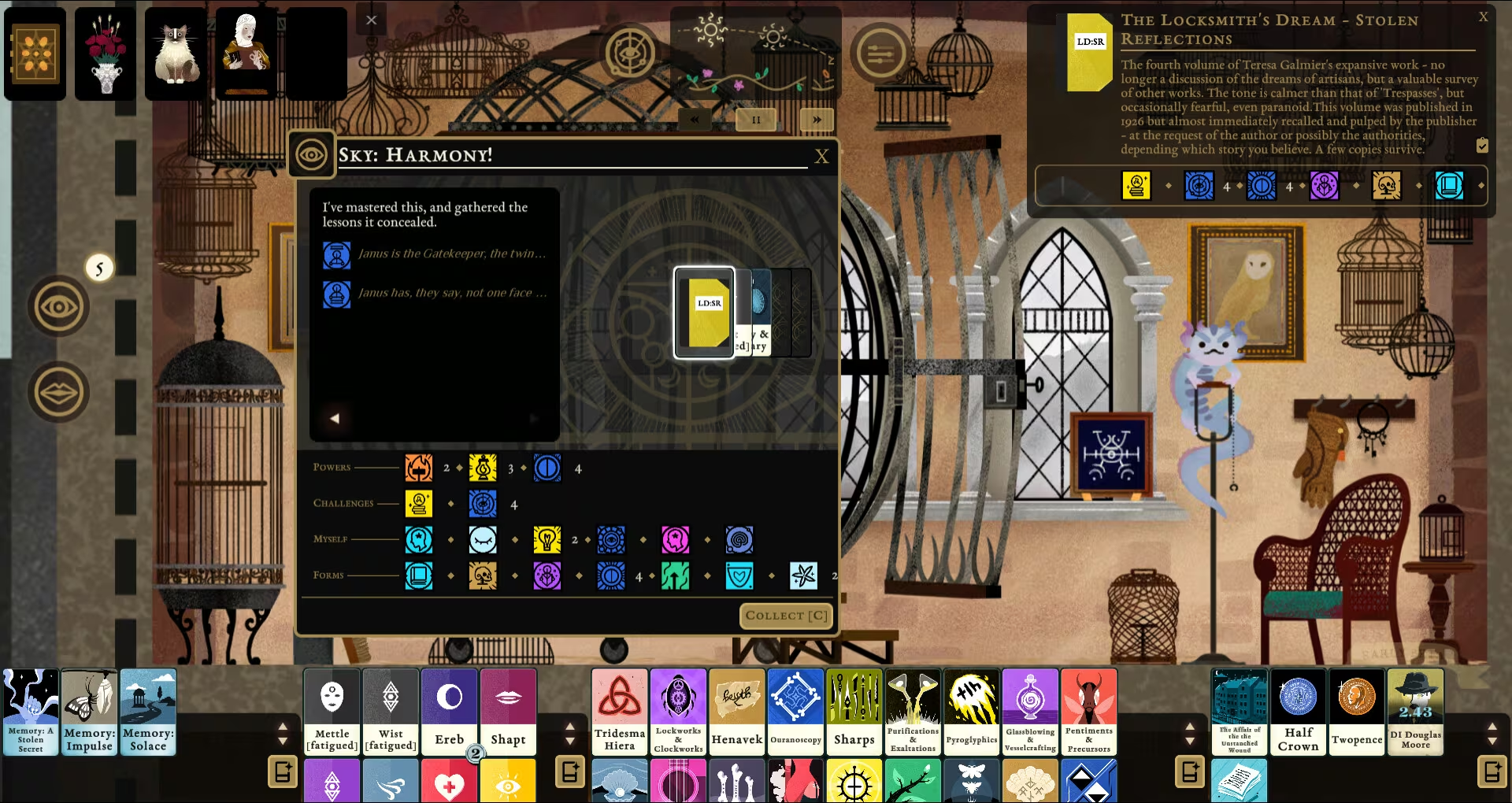
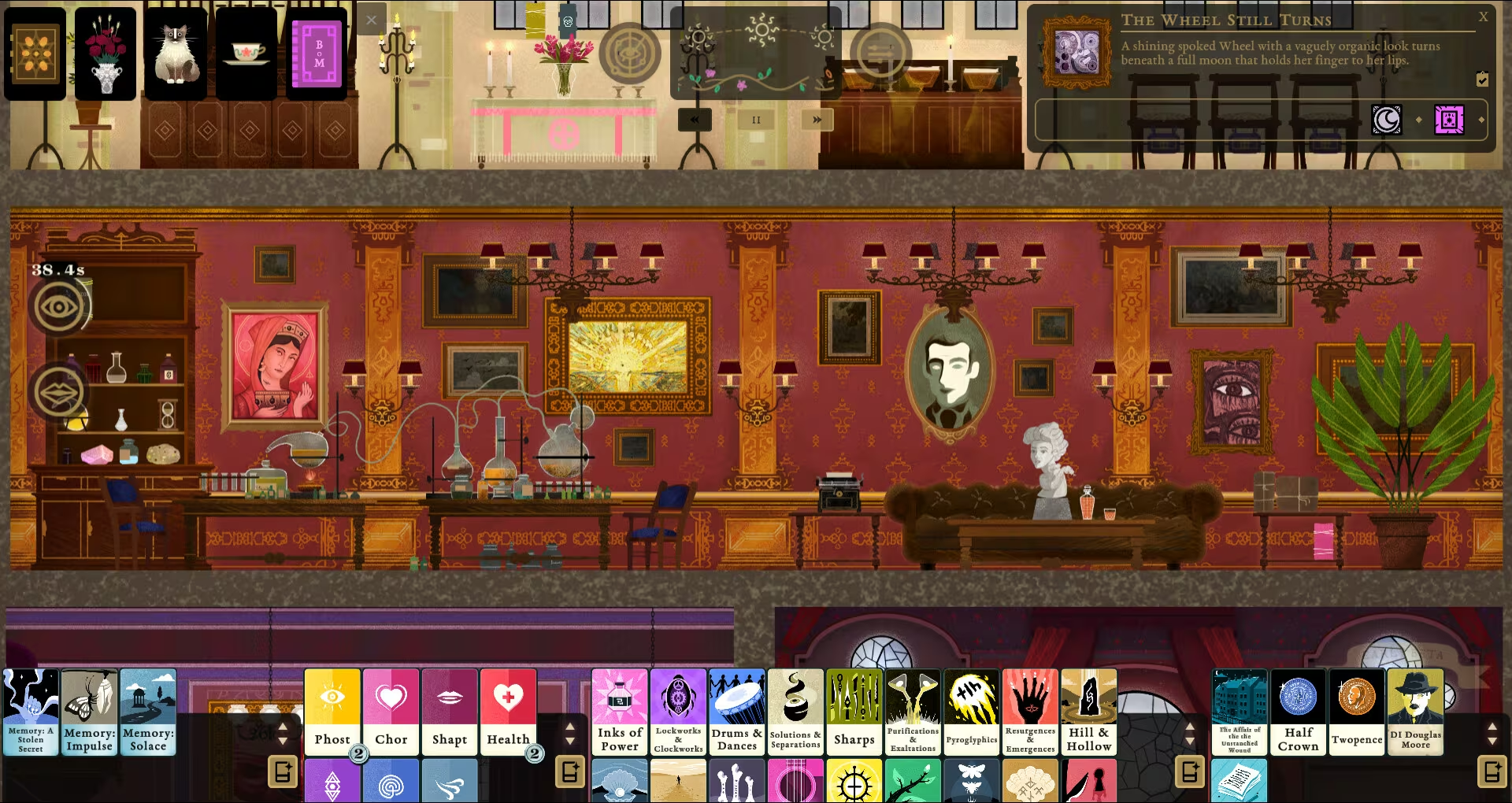
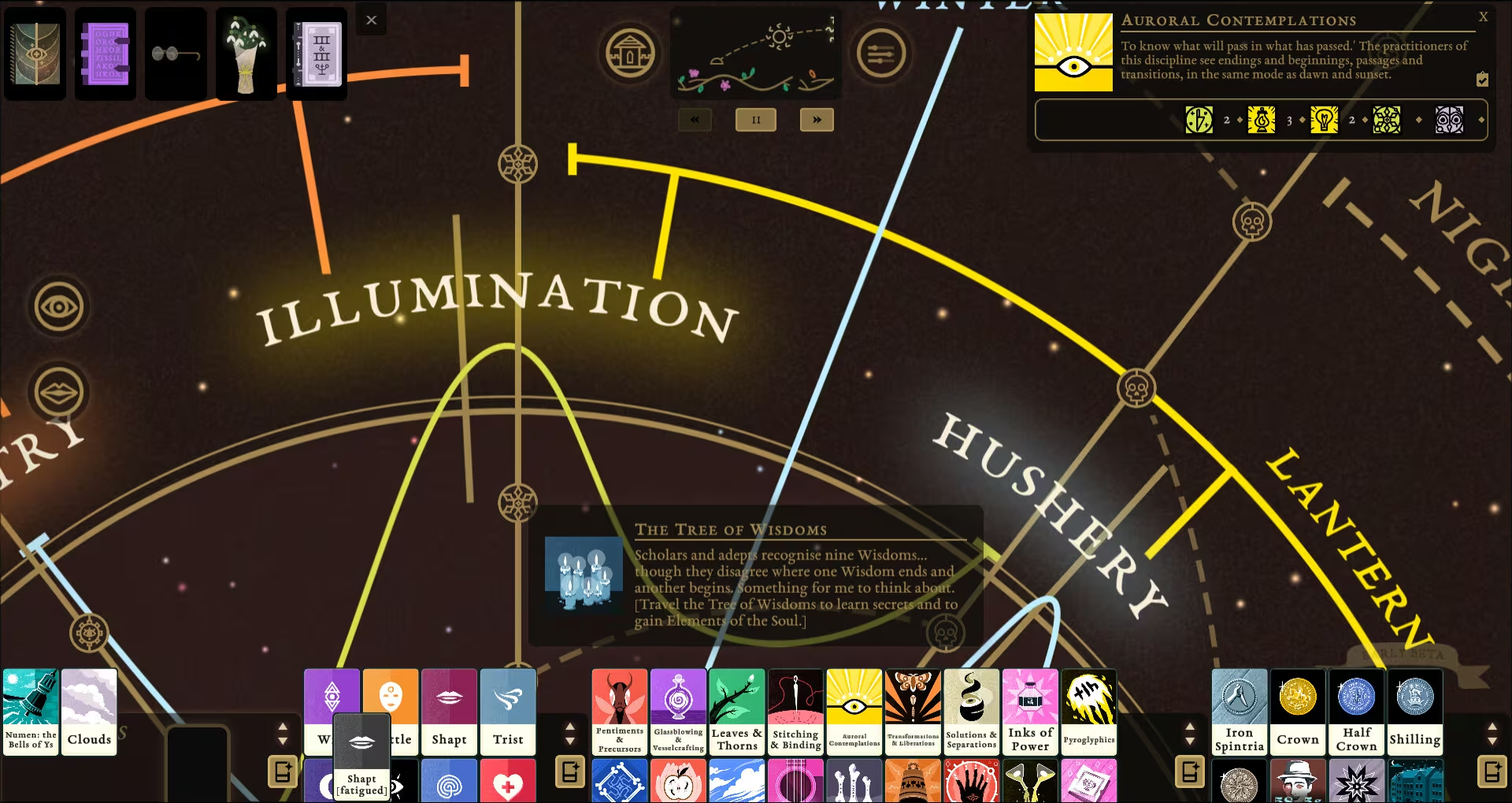
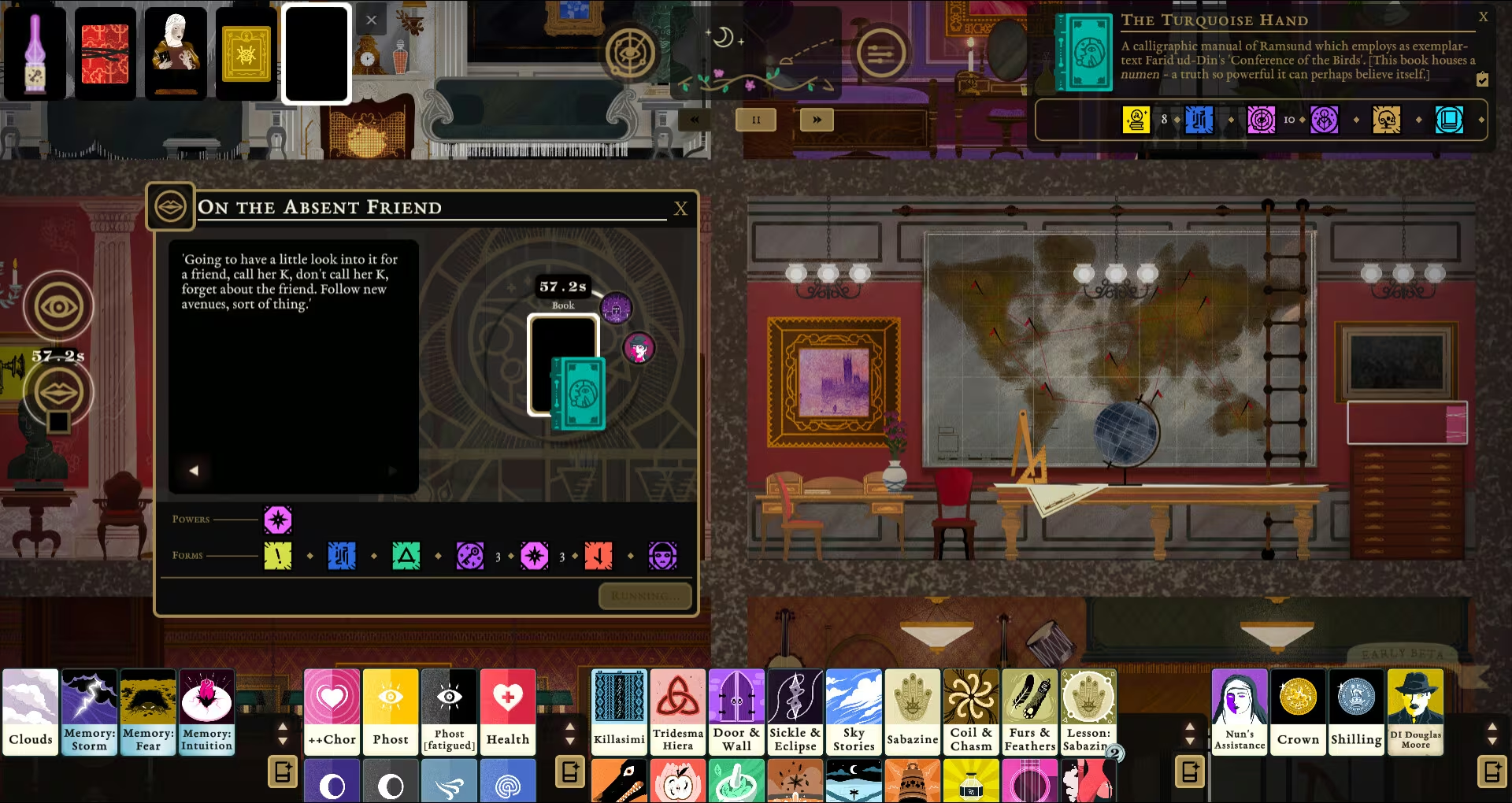
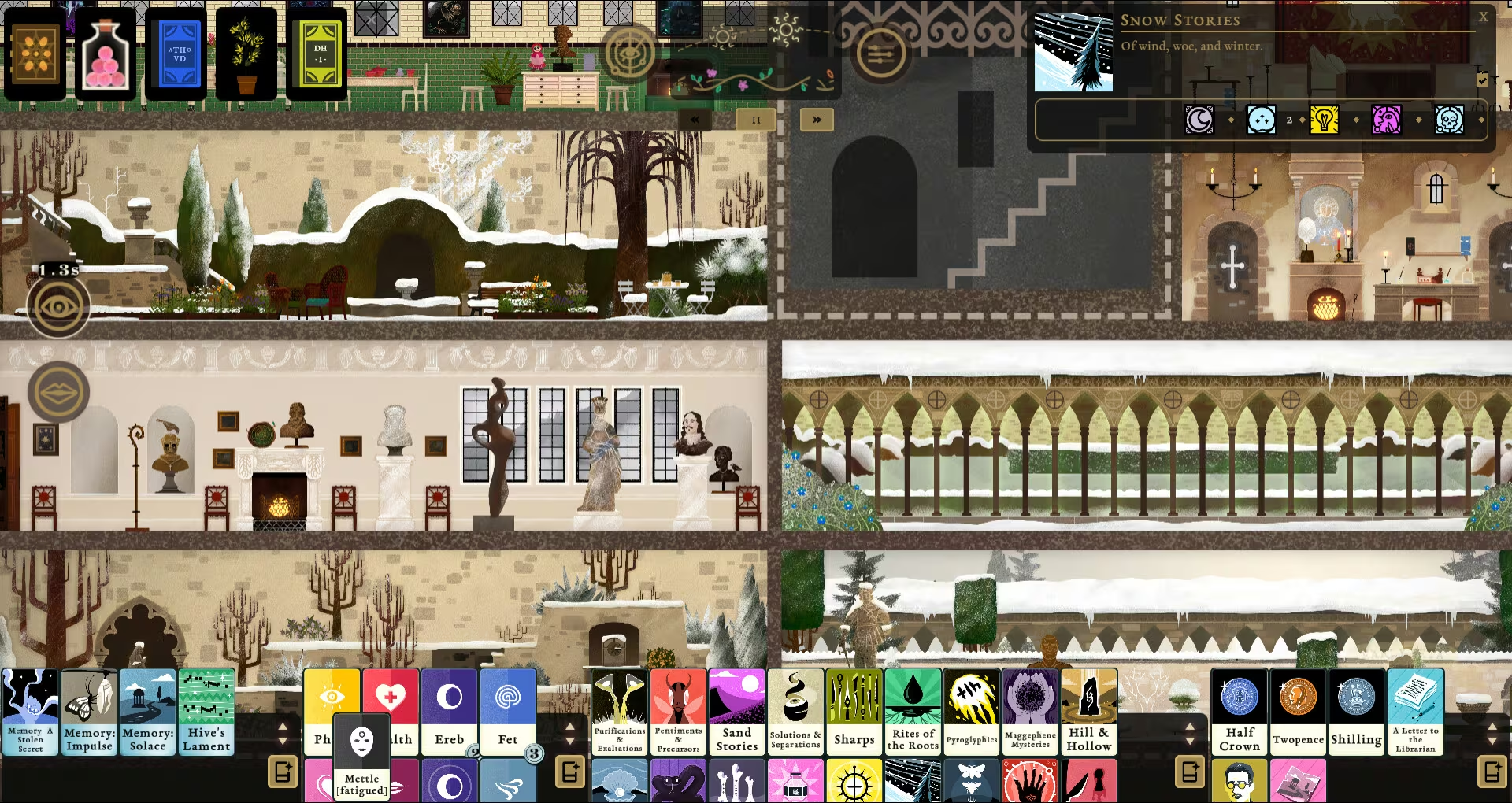
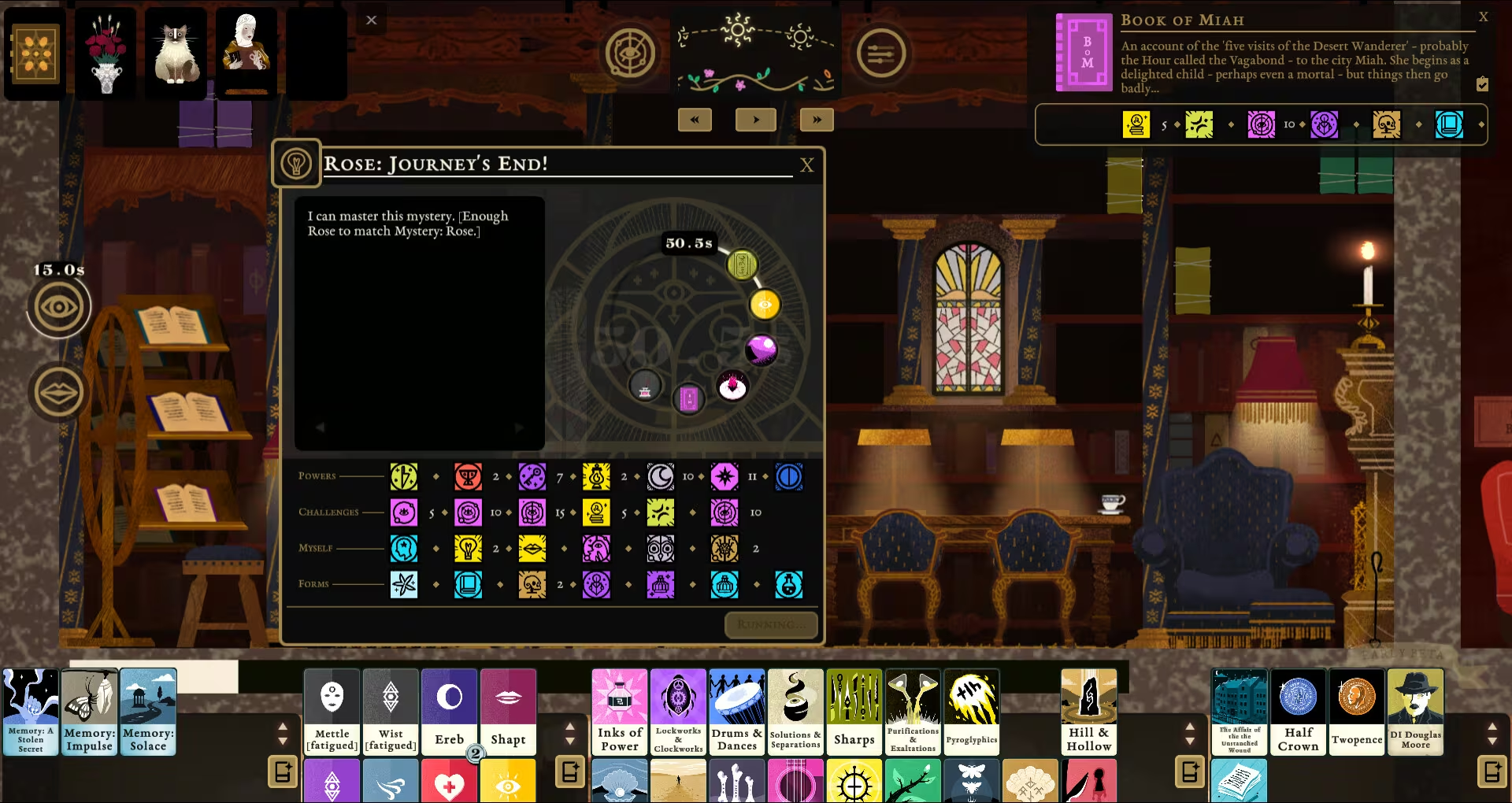
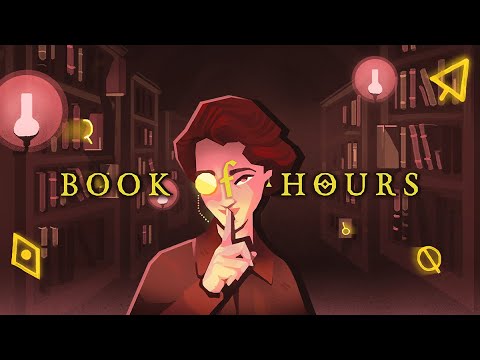
Restore a crumbling occult library by a winter sea. Build the world’s foremost collection of grimoires and arcana. Master the invisible arts. BOOK OF HOURS is a narrative crafting RPG set in a 1930s world of hidden gods and secret histories. What sort of Librarian will you choose to be?

Global score

89/100

Genres

Indie, Role-playing (RPG), Simulator, Puzzle

Similar games

    Pros

    • Deep, immersive lore and worldbuilding
    • Relaxed, cozy atmosphere
    • Engaging crafting and experimentation
    • Rich narrative and exploration
    • High replayability and player freedom

    Cons

    • Steep learning curve and opaque mechanics
    • Clunky ui and navigation issues
    • Tedious note-taking required
    • Repetitive late-game progression
    • Lack of in-game organization tools

    Analysis

    Less representative of its motivational profile, with noticeable differences. Motivations that often define this kind of title include Fellowship, Cooperation, Leadership, Violence. It leans lower than usual among comparable games on Violence, Survival, Thrill.

    How to use the graph
    Similar games map

    Each dot is a game. They are arranged from the same motivation profile as in the “Motivations” section below. Closer dots usually mean more similar reasons to play (exploration, competition, relaxation, etc.)—not that one game is “better” than another.

    • Larger dot with a light outline: the game you are viewing.
    • Colour: groups of games with comparable motivation patterns (statistical clusters).
    • Hover a dot to see the game name; click to open its page.
    • Scroll or double-click the chart to zoom out and see more games.

    Why don’t the axes read like a score? This view uses t-SNE: it only keeps who is close to whom. The scales are not “good to bad” or hours played—they separate groups on the map. Read distance between dots, not the axis numbers.

    Motivations

    • Autonomy
      4

      "Players have freedom to experiment, choose their own pace, and explore the library and lore without forced routines or time pressure."

    • Competence
      3

      "The game requires mastering complex mechanics, crafting, and puzzle solving, rewarding skillful experimentation and knowledge acquisition."

    • Competition
      -4

      "Focus is on personal discovery and pacing without competitive elements or comparison to others."

    • Continuation
      4

      "Many players report long sessions and habitual play due to addictive lore, exploration, and progression."

    • Cooperation
      -3

      "Gameplay is primarily single-player and self-directed with minimal social or cooperative interaction."

    • Creativity
      4

      "Players engage in extensive crafting, organizing, and experimenting with books and items, fostering creative problem solving."

    • Domination
      -5

      "Interactions are balanced and respectful; no evidence of exerting control or superiority over others."

    • Escapism
      5

      "Strongly serves as a cozy, immersive escape into a mysterious occult world, away from real-life stress."

    • Expectation
      -4

      "Players engage voluntarily out of intrinsic interest and curiosity, with no pressure or obligation."

    • Experimenting
      5

      "Core gameplay revolves around trial, error, and discovery of new combinations and mechanics."

    • Exploration
      5

      "Players uncover new rooms, secrets, and lore fragments in a large, mysterious mansion."

    • Expression
      3

      "Players customize and organize their library and collections, expressing personal style in arranging books and rooms."

    • Fantasy
      4

      "Set in an occult, mystical world with arcane lore and supernatural elements, evoking imaginative fiction."

    • Fellowship
      -4

      "Primarily a solo experience with minimal social or community engagement within gameplay."

    • Growth
      4

      "Players develop skills, knowledge, and understanding through reading, crafting, and experimentation."

    • Health
      -4

      "Sedentary gameplay with no physical activity or health-related mechanics."

    • Idle
      -3

      "Requires focused attention and active management rather than background or idle play."

    • Intimacy
      -4

      "Limited social interactions; relationships are minimal and surface-level."

    • Leadership
      -5

      "No leadership or authoritative roles; gameplay is self-directed without managing others."

    • Progression
      5

      "Strong emphasis on acquiring books, skills, and unlocking new areas and endings."

    • Relaxation
      4

      "Generally described as cozy, meditative, and relaxing despite some complexity."

    • Sensation
      3

      "Enjoyable art, sound design, and atmospheric effects provide sensory pleasure."

    • Status
      -4

      "No social recognition or status systems; focus is on personal achievement."

    • Story
      4

      "Rich lore and narrative fragments encourage immersion and piecing together the story."

    • Strategy
      4

      "Requires planning, problem solving, and logical thinking to progress and optimize."

    • Thrill
      -3

      "Lacks suspense or risk; gameplay is calm and controlled."

    • Value
      4

      "Players find great value in the deep lore, replayability, and immersive experience."

    • Violence
      -5

      "No combat or destruction; gameplay centers on constructive activities like cataloging and crafting."

    • Survival
      -4

      "No threat of failure or death; stable, low-risk environment."

    Last update: 29/04/2026