Deadly 30 Thumbnail

Deadly 30 similar games & best alternatives

Deadly 30

PC (Microsoft Windows), Mac, Linux • 2014

Related articles

Quick resume

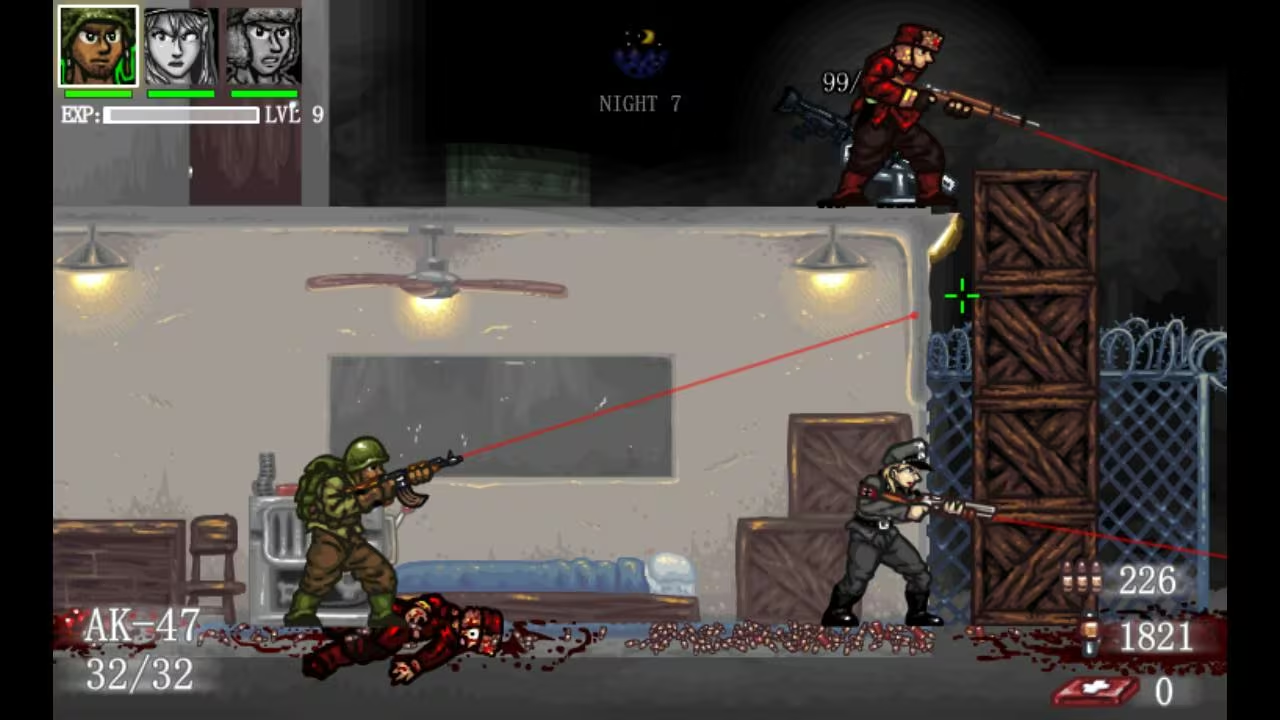
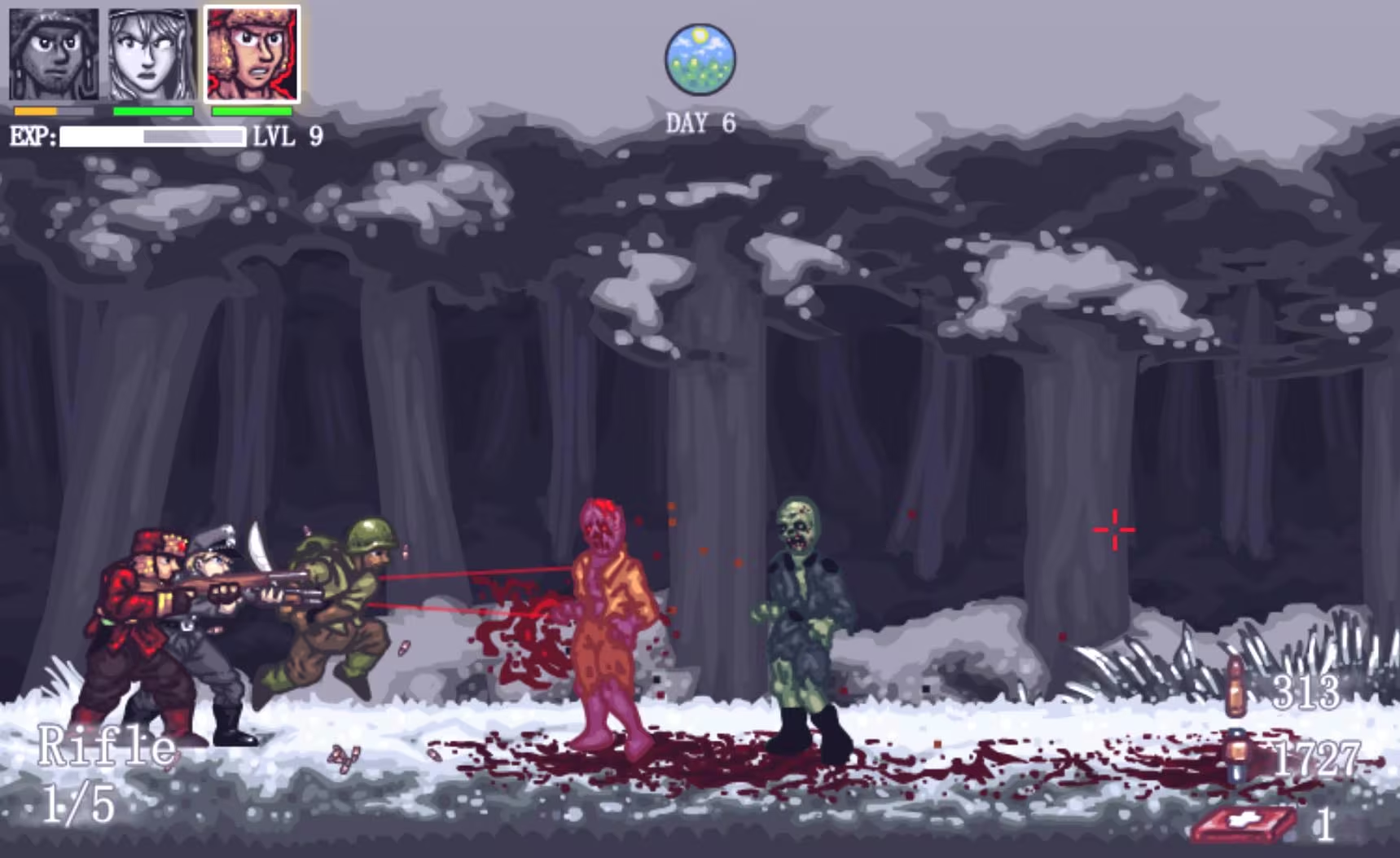
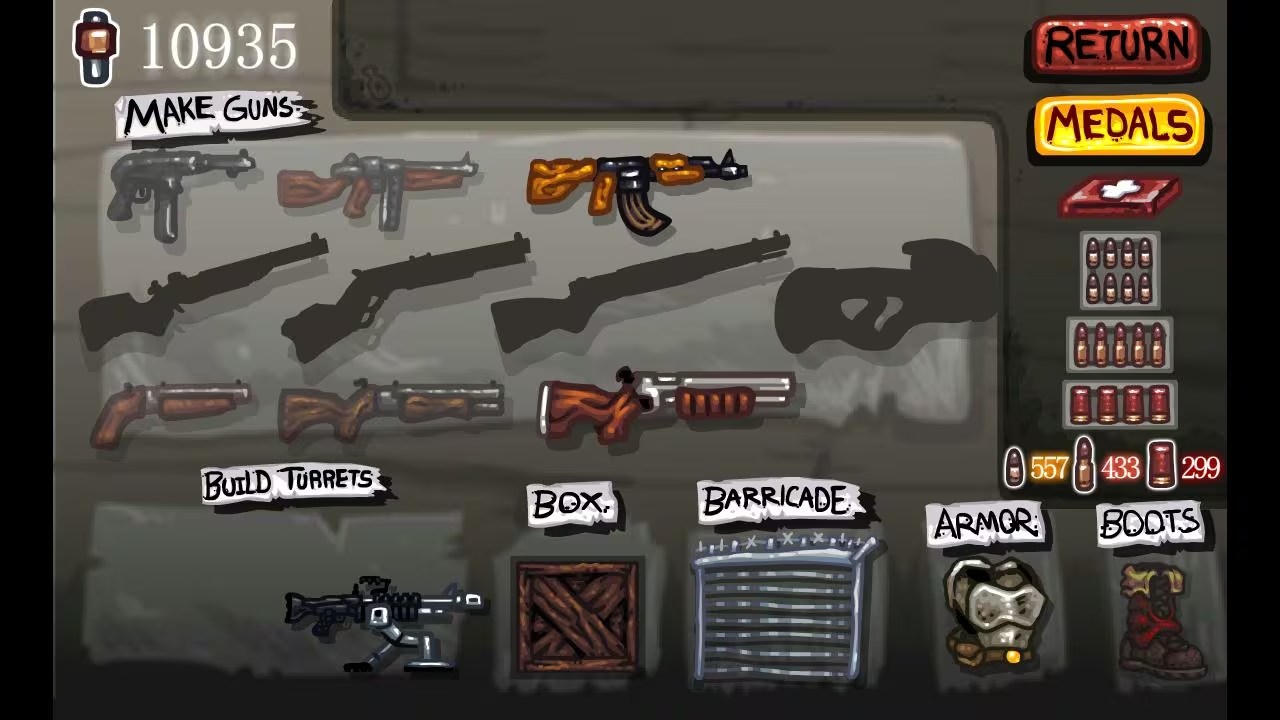
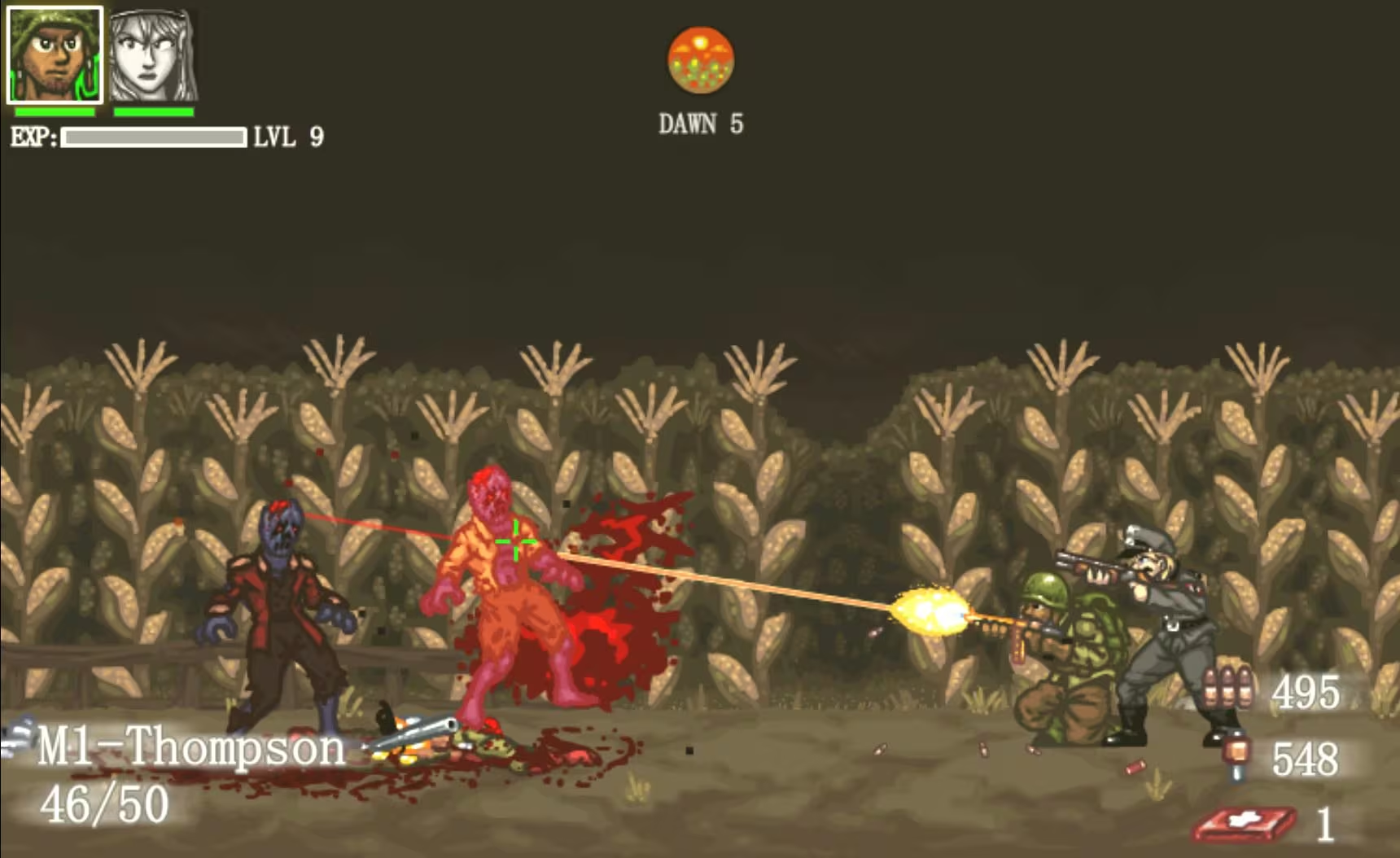
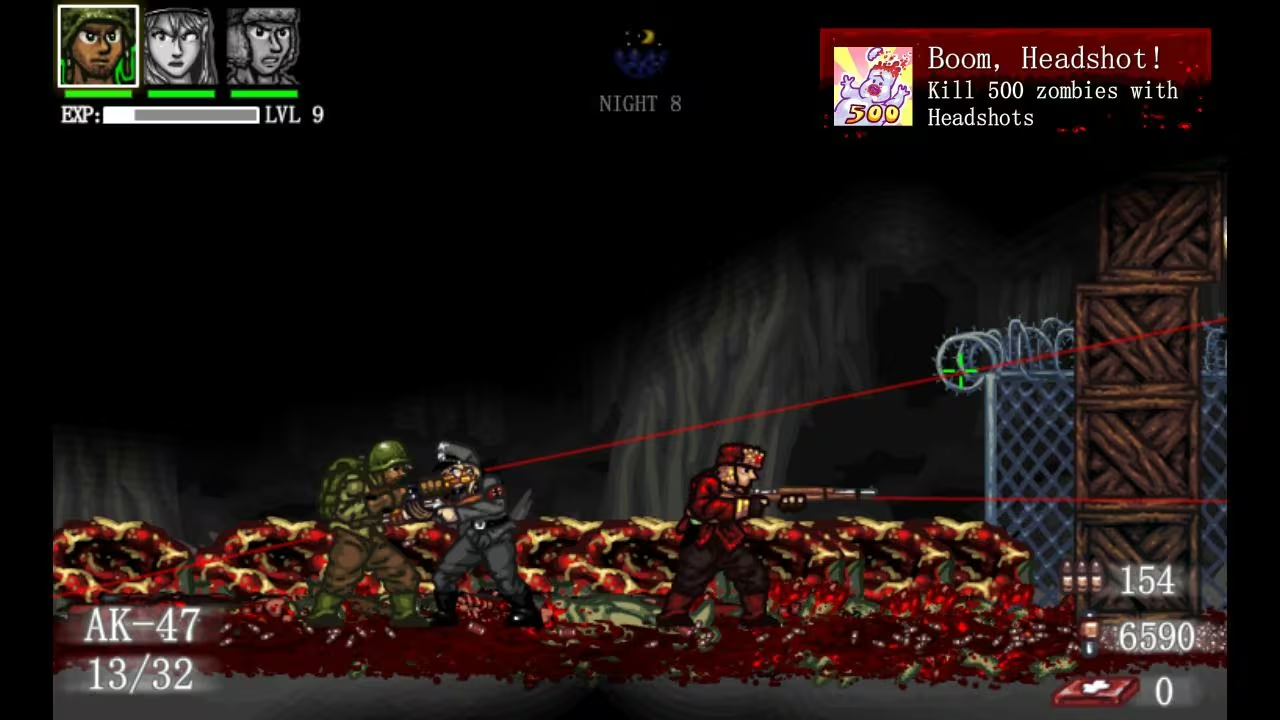
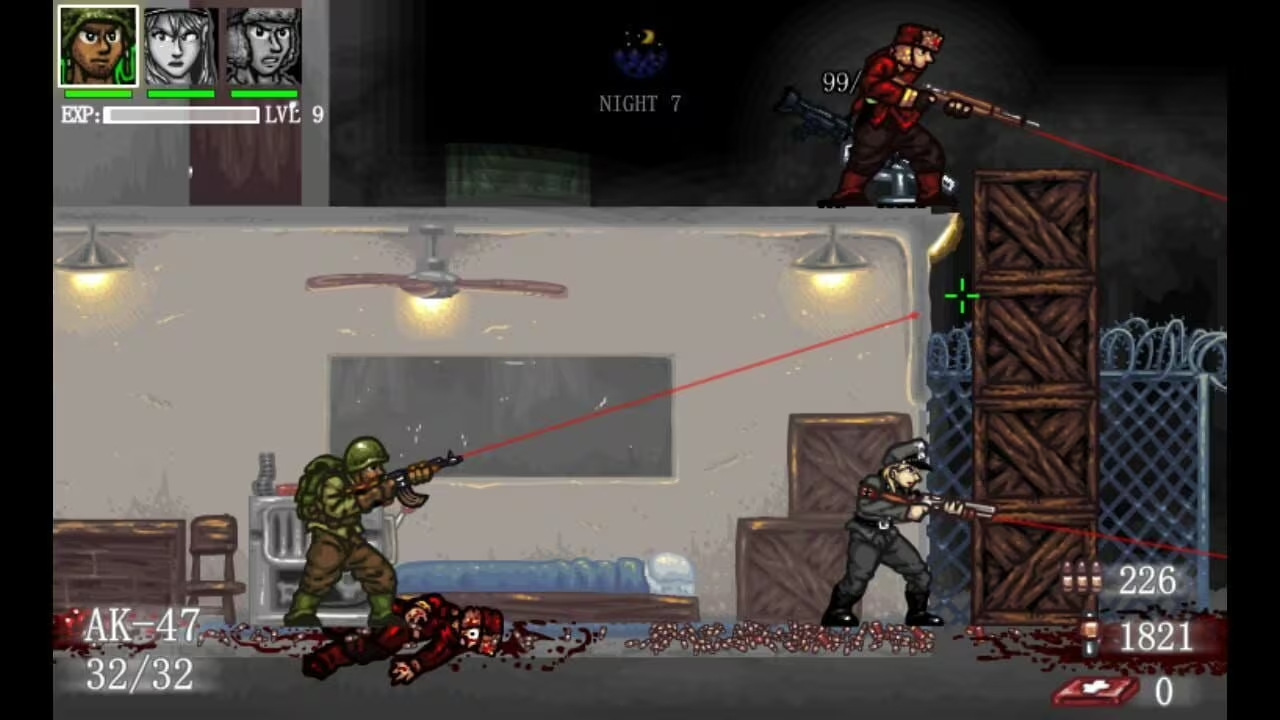
Can you survive the horror? … a retro-style survival horror game developed by the two-man indie team of Gonzossm and Iggy Zuk. Survive 30 days and nights in a zombie-infested world by recruiting companions, upgrading weaponry and fortifying your position.

Global score

77/100

Genres

Action, Indie, Platform, Strategy, Shooter

Similar games

    Pros

    • Challenging gameplay with increasing difficulty
    • Humorous and unique character design
    • Good value for price especially on sale
    • Engaging resource management and base defense
    • Save system allowing retries and progression

    Cons

    • Lack of multiplayer or co-op mode
    • Performance issues and occasional lag
    • Limited map variety and repetitive exploration
    • Basic ai teammates with limited usefulness
    • Short overall game length

    Analysis

    A very typical example of its motivational profile. Motivations that often define this kind of title include Leadership, Survival, Violence, Strategy. Here, the score leans higher than usual among comparable games on Cooperation, Survival. It leans lower than usual among comparable games on Relaxation.

    How to use the graph
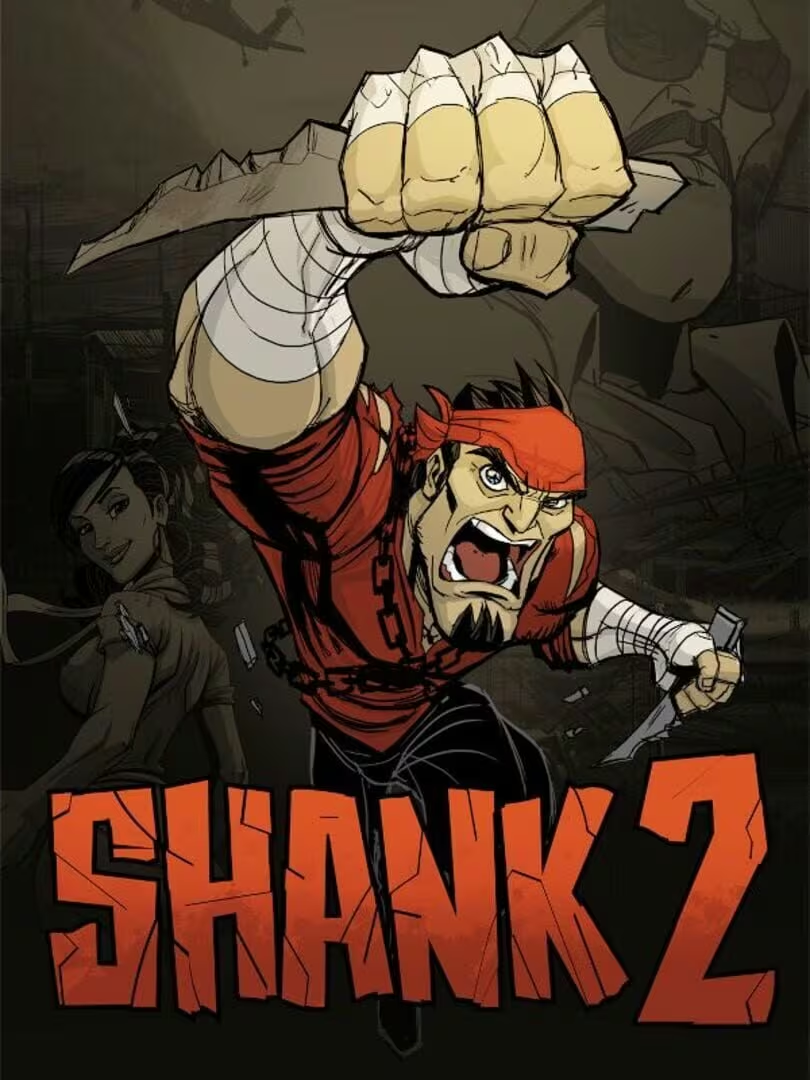
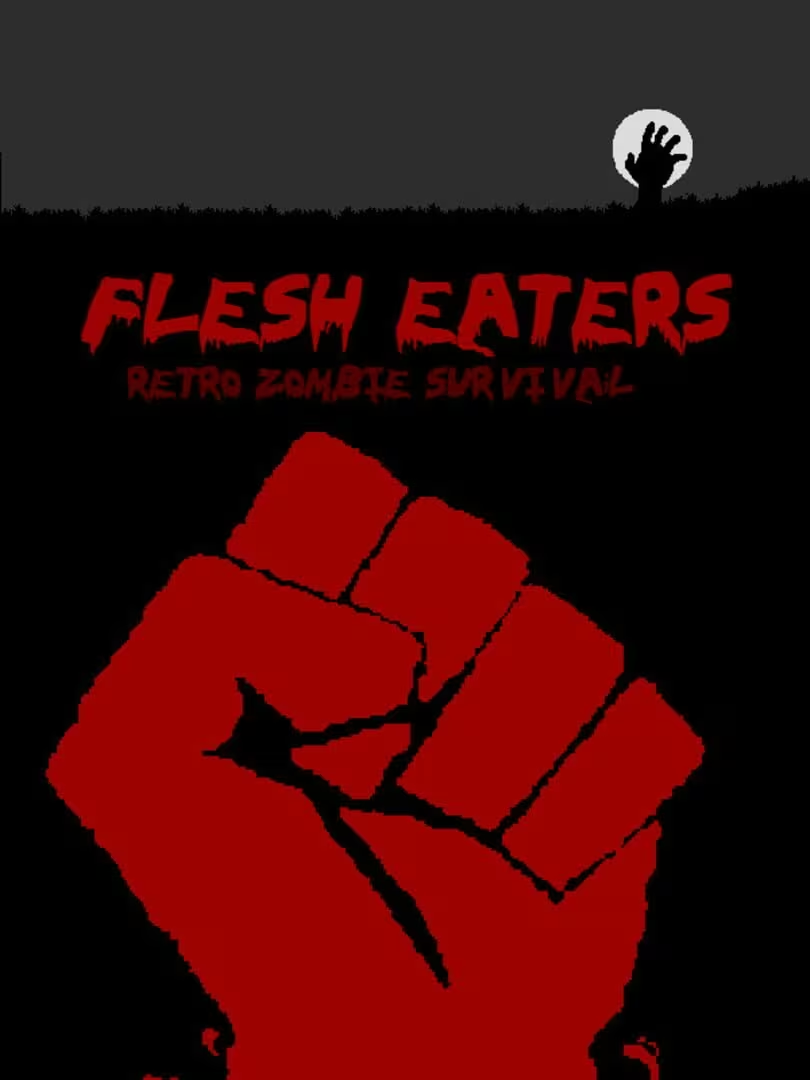
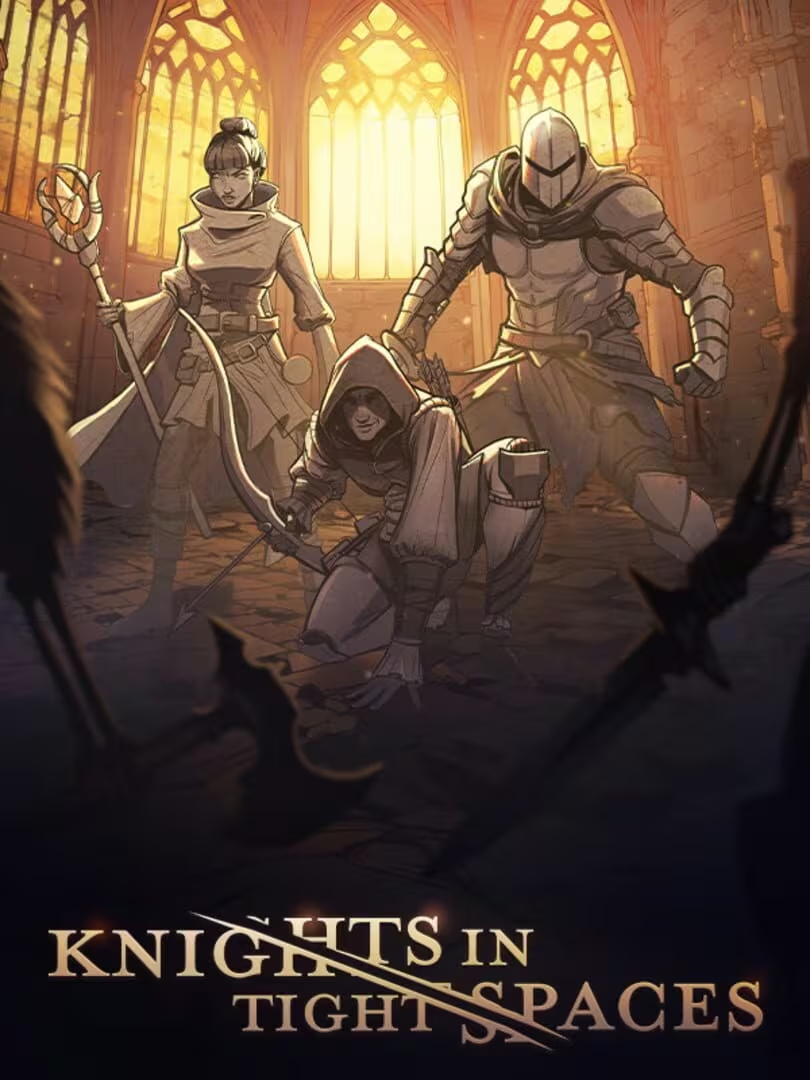
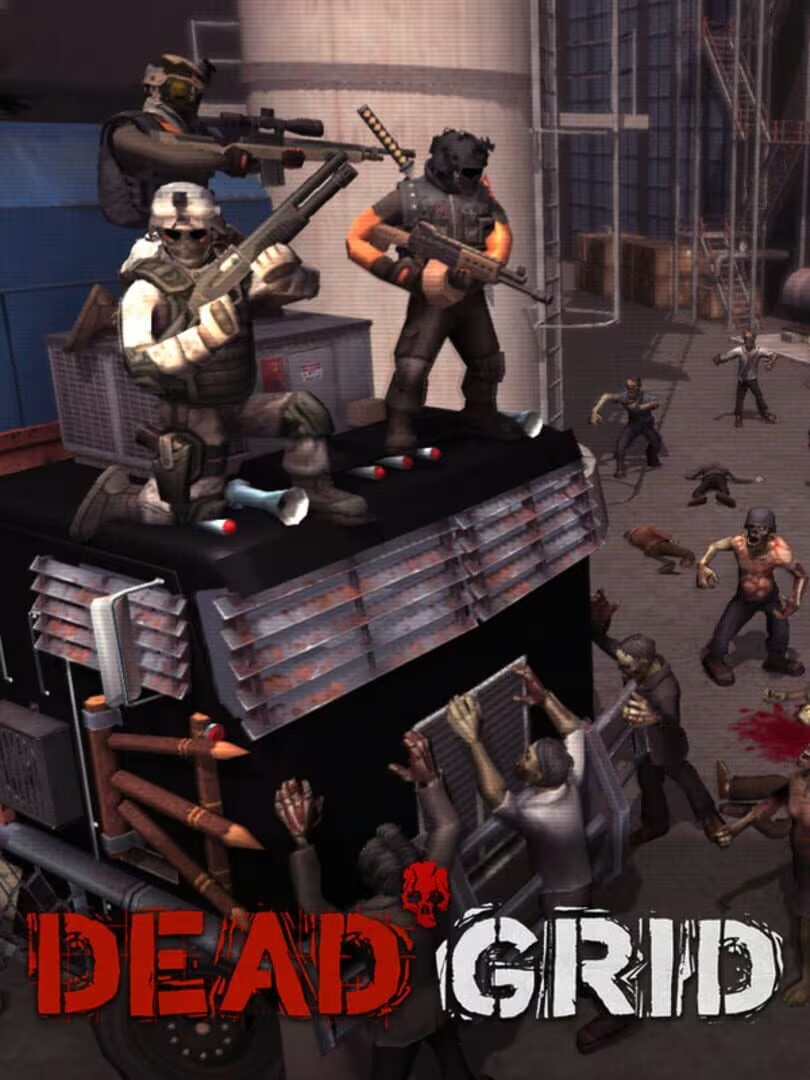
    Similar games map

    Each dot is a game. They are arranged from the same motivation profile as in the “Motivations” section below. Closer dots usually mean more similar reasons to play (exploration, competition, relaxation, etc.)—not that one game is “better” than another.

    • Larger dot with a light outline: the game you are viewing.
    • Colour: groups of games with comparable motivation patterns (statistical clusters).
    • Hover a dot to see the game name; click to open its page.
    • Scroll or double-click the chart to zoom out and see more games.

    Why don’t the axes read like a score? This view uses t-SNE: it only keeps who is close to whom. The scales are not “good to bad” or hours played—they separate groups on the map. Read distance between dots, not the axis numbers.

    Motivations

    • Autonomy
      4

      "Players can freely explore left or right during the day, choose which survivors to play, and decide on base upgrades and strategies."

    • Competence
      3

      "Game offers increasing difficulty and requires skillful management of resources, combat, and defense to survive."

    • Competition
      -4

      "Focus is on personal survival and progression with no multiplayer or ranked modes; no direct player competition."

    • Continuation
      3

      "Players engage in repeated attempts to survive 30 nights, with save points encouraging habitual play and retries."

    • Cooperation
      1

      "AI teammates assist in combat and can be switched between, but no multiplayer or co-op mode exists."

    • Creativity
      2

      "Players customize base defenses and upgrade weapons, but within predefined structures and limited map areas."

    • Domination
      -5

      "Interactions are cooperative with AI teammates; no evidence of exerting control or superiority over others."

    • Escapism
      4

      "Players use the game as a distraction and stress relief, enjoying a fictional zombie apocalypse setting."

    • Expectation
      -4

      "Players engage voluntarily for fun and challenge, with no obligation or external pressure mentioned."

    • Experimenting
      3

      "Players try different strategies, weapon upgrades, and base layouts to survive increasingly difficult waves."

    • Exploration
      2

      "Players explore limited 2D linear maps to find scrap and survivors, with some variation but mostly familiar areas."

    • Expression
      1

      "Some customization of characters' gear and base defenses, but no deep avatar personalization."

    • Fantasy
      4

      "Set in a fictional WWII zombie apocalypse with exaggerated characters and humorous elements."

    • Fellowship
      -3

      "Primarily single-player with AI teammates; no social or community features or multiplayer."

    • Growth
      4

      "Players learn to manage resources, upgrade equipment, and improve survival skills over repeated playthroughs."

    • Health
      -5

      "Sedentary gameplay typical of PC games; no physical activity or health-related features."

    • Idle
      -3

      "Requires focused attention to manage combat and resource gathering; not a casual or background game."

    • Intimacy
      -4

      "Limited social interaction; AI teammates provide companionship but no emotional or close relationships."

    • Leadership
      2

      "Player directs team actions and base upgrades, but AI teammates act autonomously without complex leadership roles."

    • Progression
      4

      "Strong emphasis on collecting scrap, upgrading weapons, defenses, and character abilities over 30 days."

    • Relaxation
      -2

      "Game is challenging and tense especially at night waves, requiring focus and quick reactions."

    • Sensation
      2

      "Visuals and sound provide enjoyable stimulation with humorous animations and zombie action."

    • Status
      -4

      "No social recognition or leaderboards; achievements exist but mostly personal milestones."

    • Story
      1

      "Minimal narrative with humorous cutscenes; story is simple and mostly a backdrop for gameplay."

    • Strategy
      4

      "Requires planning resource gathering, base defense placement, and character management to survive."

    • Thrill
      3

      "Increasing difficulty and night attacks create suspense and tension during gameplay."

    • Value
      4

      "Players feel they get good entertainment value for the low price, especially on sale."

    • Violence
      4

      "Core gameplay involves combat against zombies with guns, turrets, and melee weapons."

    • Survival
      5

      "Central theme is surviving 30 nights against escalating zombie hordes with resource management."

    Last update: 29/04/2026