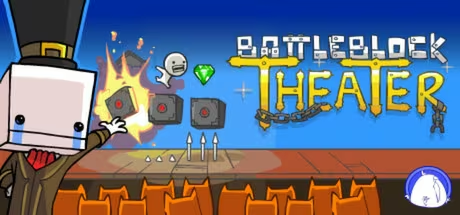
Foul Play Thumbnail

Foul Play similar games & best alternatives

Foul Play

PC (Microsoft Windows) • 2013

Related articles

Quick resume

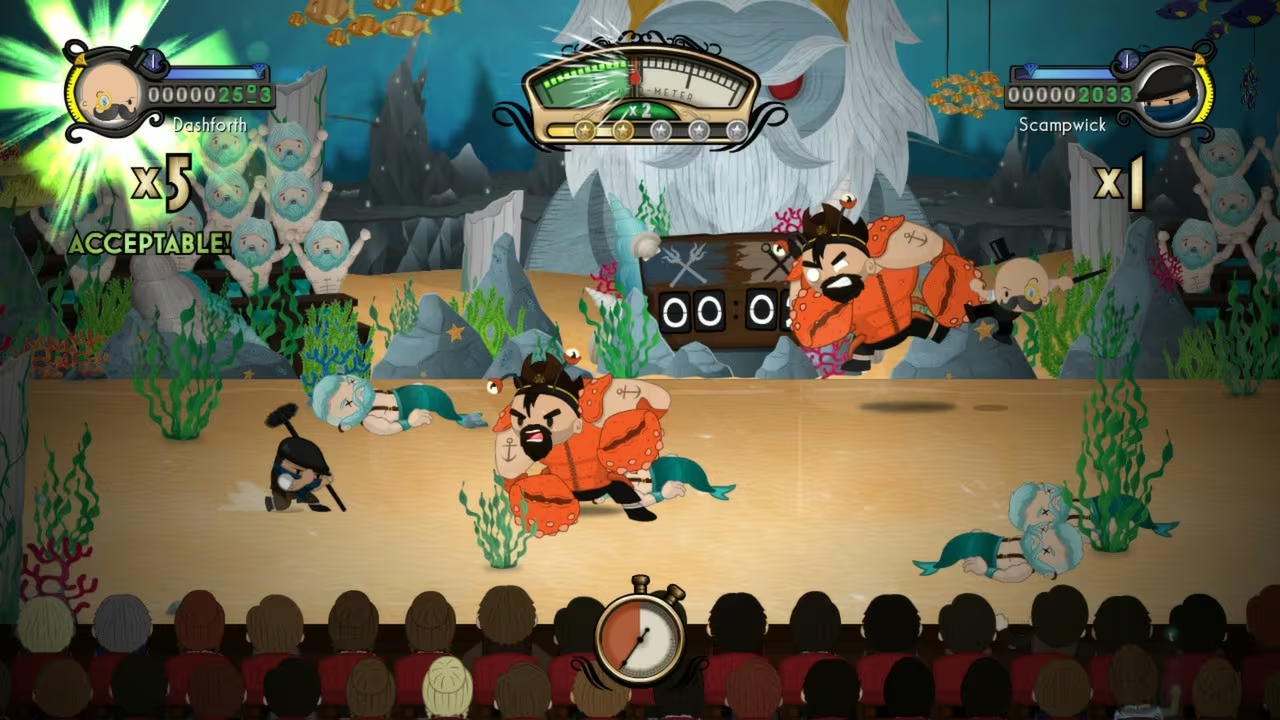
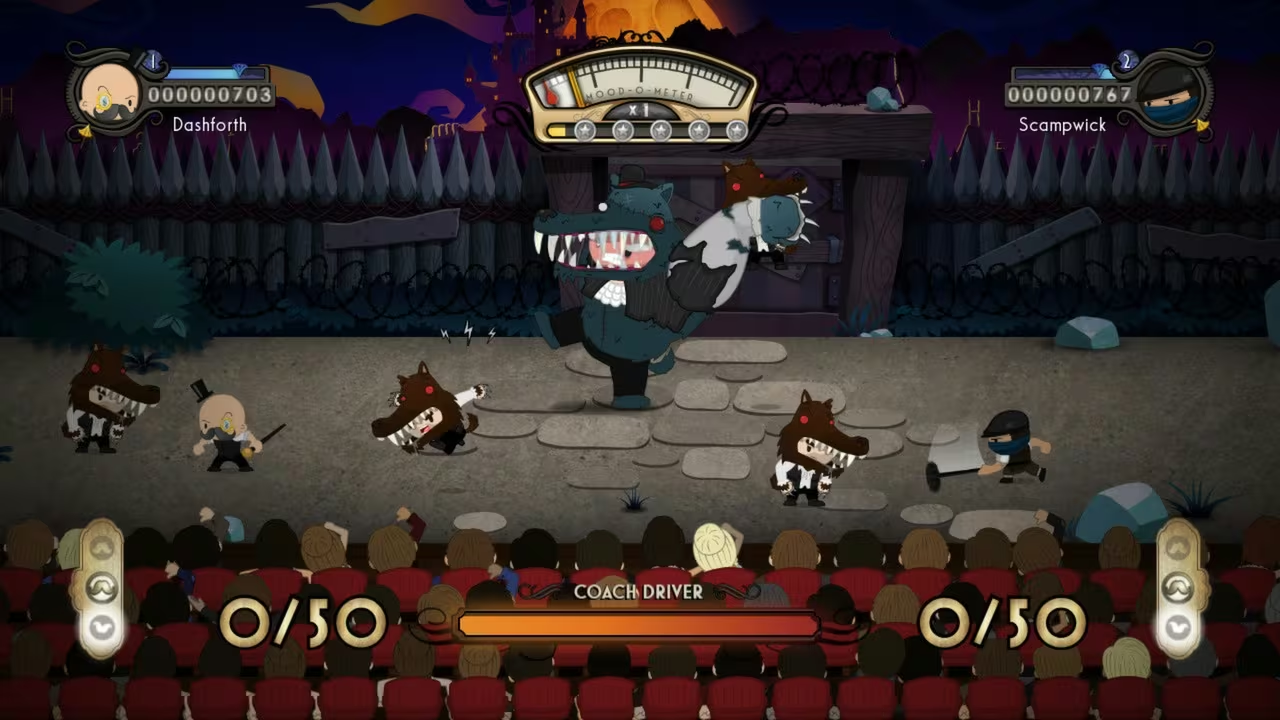
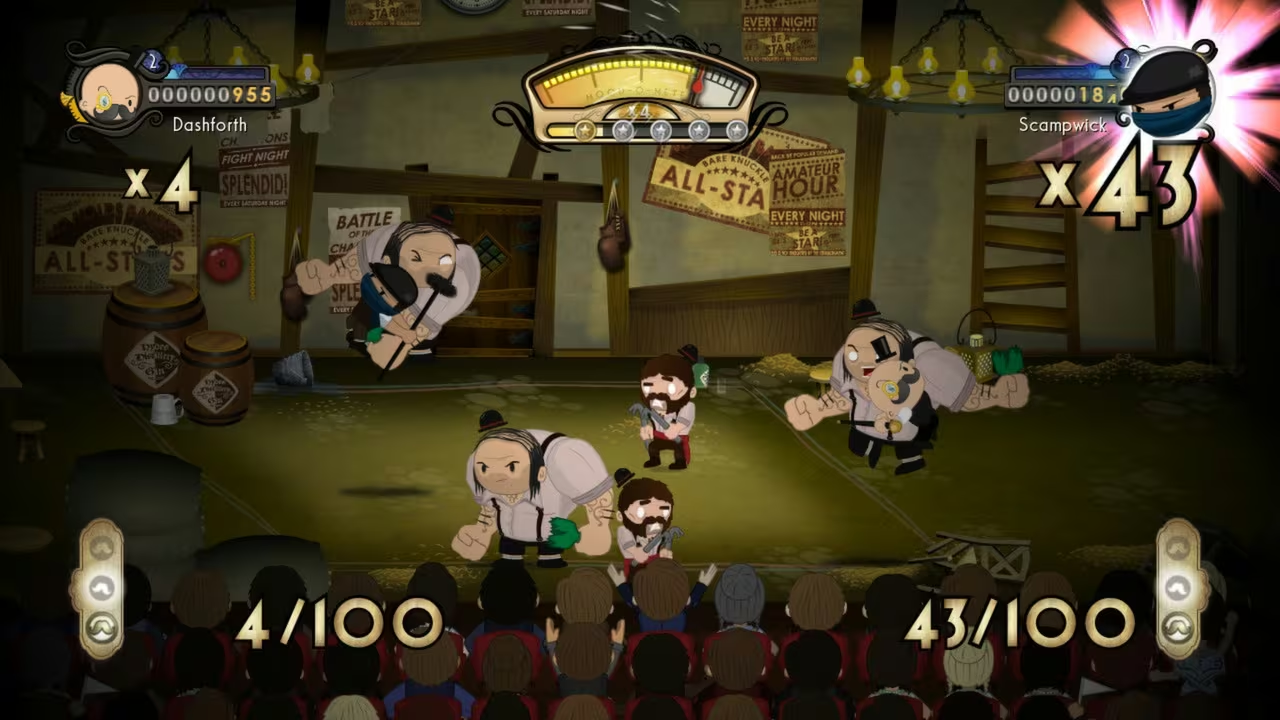
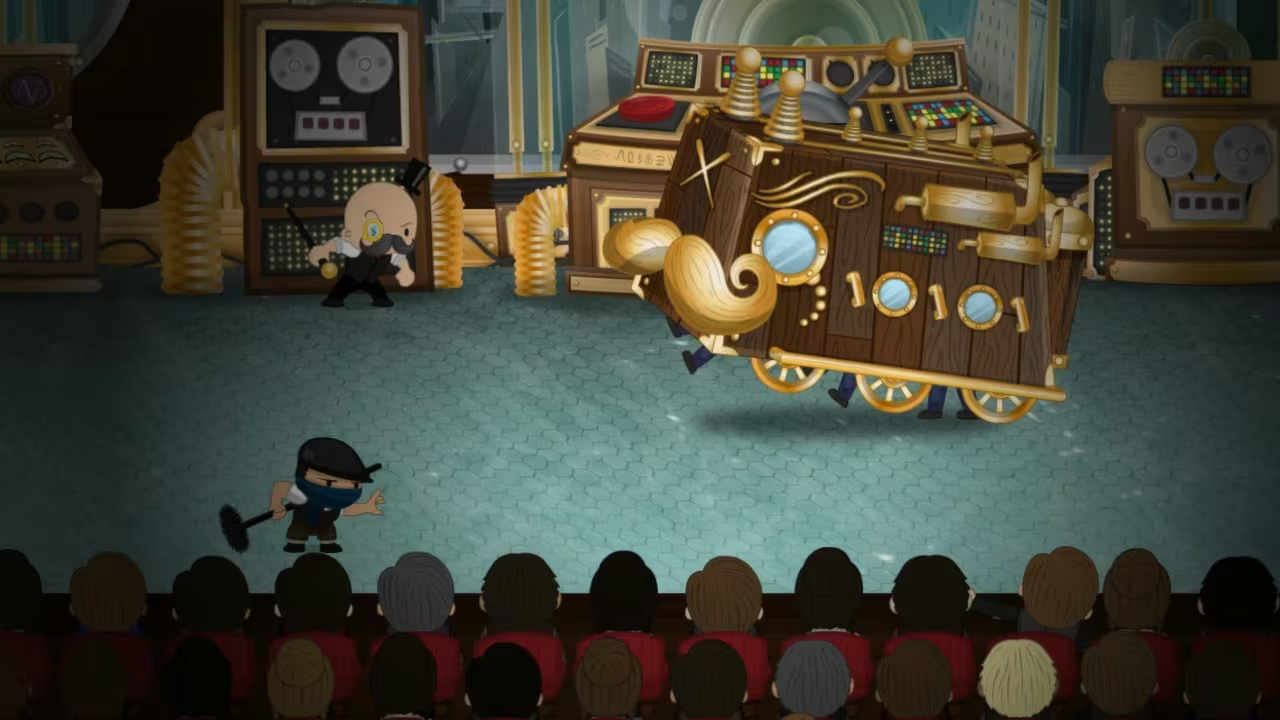
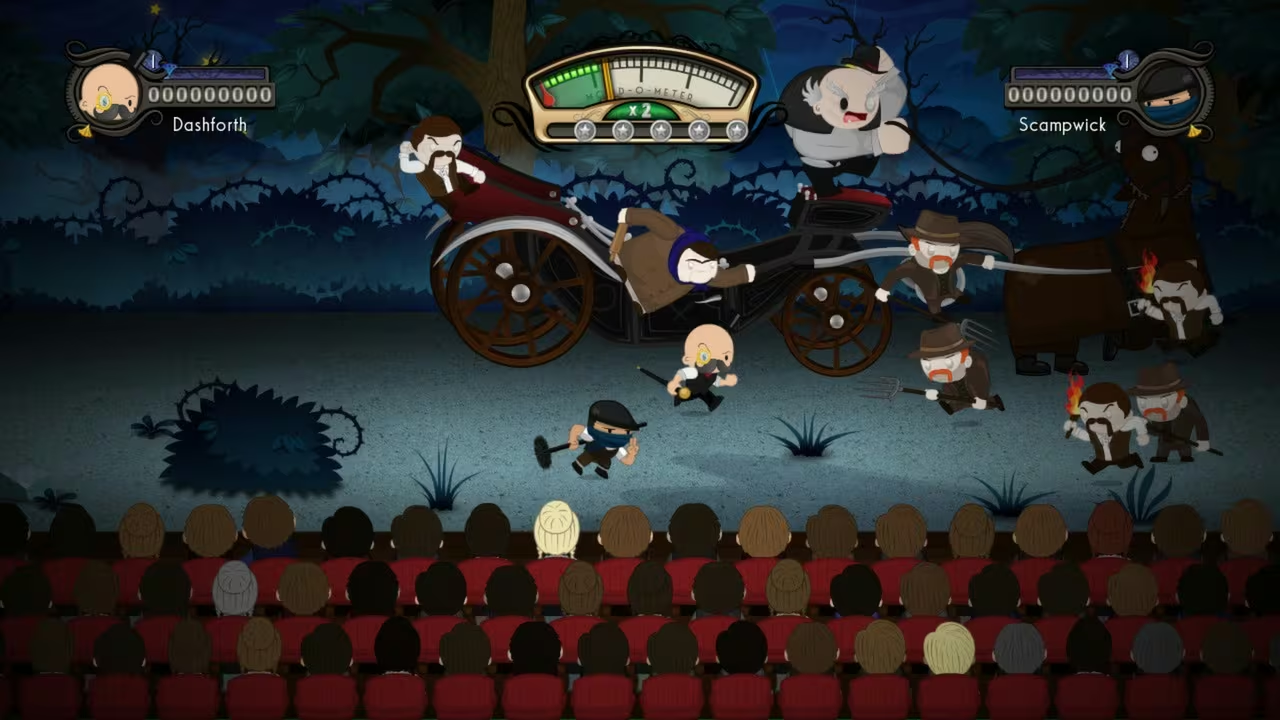
Play as the daemon-hunter Baron Dashforth in a side-scrolling co-op brawler set entirely on the grand spectacle of a theatre stage that rewards performance over pummeling. Perform shattering takedowns and reversals!

Global score

80/100

Genres

Action, Adventure, Casual, Indie

Similar games

    Pros

    • Unique theatrical setting and humor
    • Engaging co-op gameplay local and online
    • Skill-based combo and parry system
    • Colorful art style and animations
    • Lighthearted and family-friendly

    Cons

    • Short game length
    • Some repetitive combat and enemy variety
    • Limited character customization
    • Keyboard controls less optimal than controller
    • Linear progression with limited exploration

    Analysis

    Less representative of its motivational profile, with noticeable differences. Motivations that often define this kind of title include Cooperation, Fellowship, Intimacy, Leadership. Here, the score leans higher than usual among comparable games on Status. It leans lower than usual among comparable games on Violence, Exploration.

    How to use the graph
    Similar games map

    Each dot is a game. They are arranged from the same motivation profile as in the “Motivations” section below. Closer dots usually mean more similar reasons to play (exploration, competition, relaxation, etc.)—not that one game is “better” than another.

    • Larger dot with a light outline: the game you are viewing.
    • Colour: groups of games with comparable motivation patterns (statistical clusters).
    • Hover a dot to see the game name; click to open its page.
    • Scroll or double-click the chart to zoom out and see more games.

    Why don’t the axes read like a score? This view uses t-SNE: it only keeps who is close to whom. The scales are not “good to bad” or hours played—they separate groups on the map. Read distance between dots, not the axis numbers.

    Motivations

    • Autonomy
      3

      "Players follow a linear stage progression but have freedom in combat style and combo execution."

    • Competence
      4

      "Requires skillful combo chaining, parrying, and timing to maintain audience approval and complete challenges."

    • Competition
      1

      "Some competitive elements in score and stars, but mostly cooperative or solo play without heavy player comparison."

    • Continuation
      2

      "Players enjoy replaying levels for higher scores and challenges, but the game is relatively short and can feel repetitive."

    • Cooperation
      4

      "Strong emphasis on local and online 2-player co-op gameplay, enhancing fun and engagement."

    • Creativity
      4

      "Unique theatrical setting and presentation, with creative combat combos and stage effects."

    • Domination
      -3

      "Focus on shared cooperative play and mutual enjoyment rather than dominating others."

    • Escapism
      4

      "Players immerse in a whimsical theatrical world, escaping real life through humor and stylized combat."

    • Expectation
      -4

      "Players engage voluntarily for fun and social play, not out of obligation or pressure."

    • Experimenting
      3

      "Players experiment with combos, parries, and charms to optimize performance and score."

    • Exploration
      -2

      "Linear stage progression with limited exploration; focus is on combat and performance."

    • Expression
      2

      "Some character and combat style expression through combos and charm selection, but limited customization."

    • Fantasy
      3

      "Imaginative setting with demon hunters and theatrical fantasy elements."

    • Fellowship
      3

      "Community and social play encouraged via co-op modes and shared experiences."

    • Growth
      3

      "Players unlock new moves and charms, improving skills and combat options."

    • Health
      -4

      "Typical sedentary gameplay without physical activity or health-related mechanics."

    • Idle
      -3

      "Requires focused attention during combat; not suited for passive or background play."

    • Intimacy
      2

      "Co-op play fosters social bonding and shared enjoyment, though not deeply emotional connections."

    • Leadership
      -2

      "Players collaborate as equals in co-op; no strong leadership or authority roles."

    • Progression
      3

      "Leveling up unlocks new moves and charms; stars and scores track progress."

    • Relaxation
      2

      "Generally lighthearted and humorous, but some tension from maintaining combos and audience mood."

    • Sensation
      3

      "Colorful visuals, sound effects, and combo animations provide sensory stimulation and fun."

    • Status
      1

      "Some recognition through scores and stars, but limited social status or ranking systems."

    • Story
      2

      "Narrative presented as a theatrical play with humorous dialogue and a light story."

    • Strategy
      2

      "Requires timing, combo planning, and use of charms, but overall straightforward combat."

    • Thrill
      1

      "Some tension from audience mood meter and boss fights, but mostly controlled and predictable."

    • Value
      2

      "Good value especially on sale; short length balanced by replayability and co-op fun."

    • Violence
      -3

      "Combat is stylized and theatrical with no gore or realistic violence; focus on performance."

    • Survival
      1

      "Avoiding failure by maintaining audience approval meter rather than traditional health or survival."

    Last update: 29/04/2026