LEGO® The Lord of the Rings™ Thumbnail

LEGO® The Lord of the Rings™ similar games & best alternatives

LEGO® The Lord of the Rings™

PC (Microsoft Windows), Nintendo DS, Nintendo 3DS, PlayStation Vita • 2012

Related articles

Quick resume

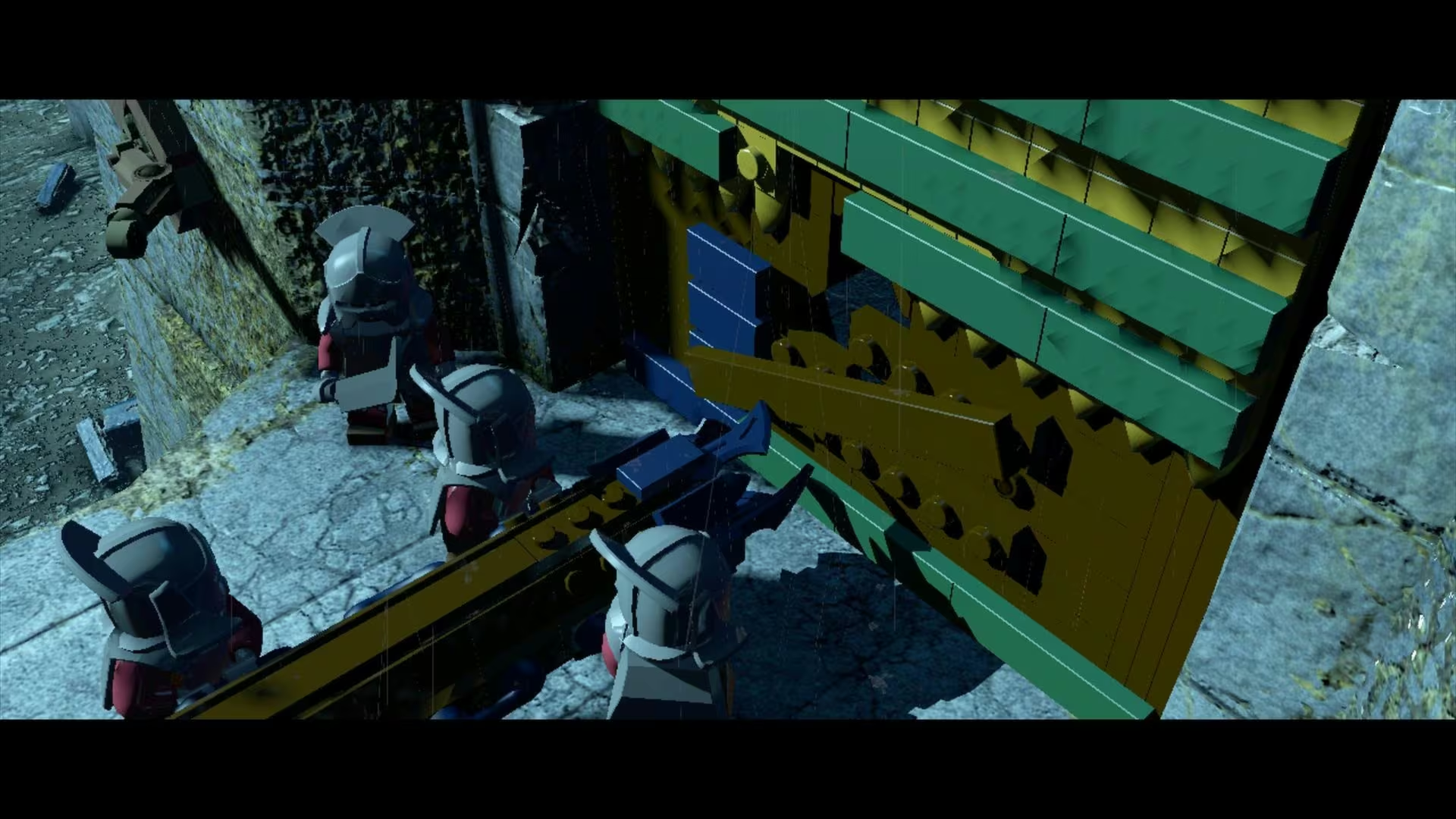
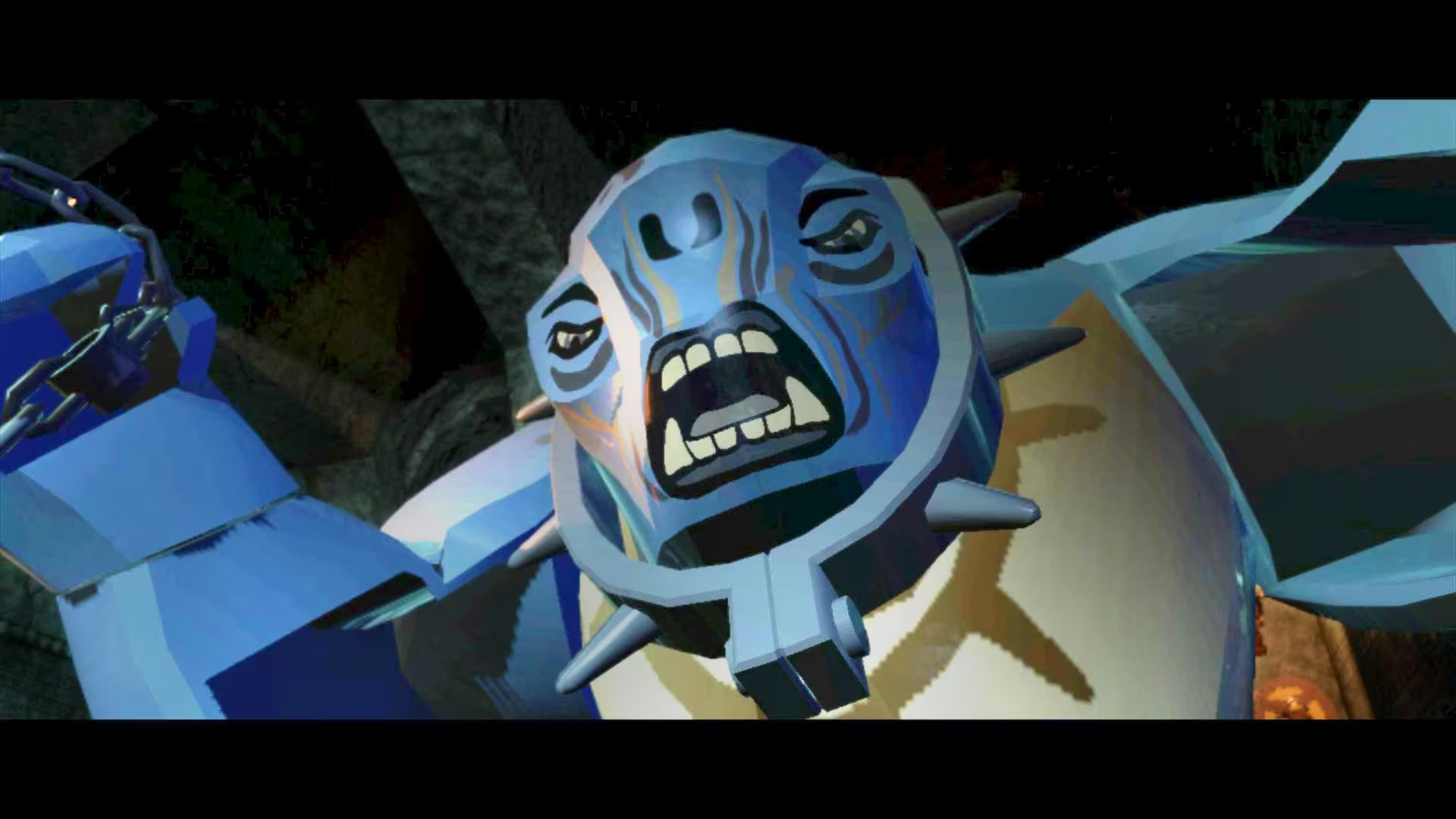
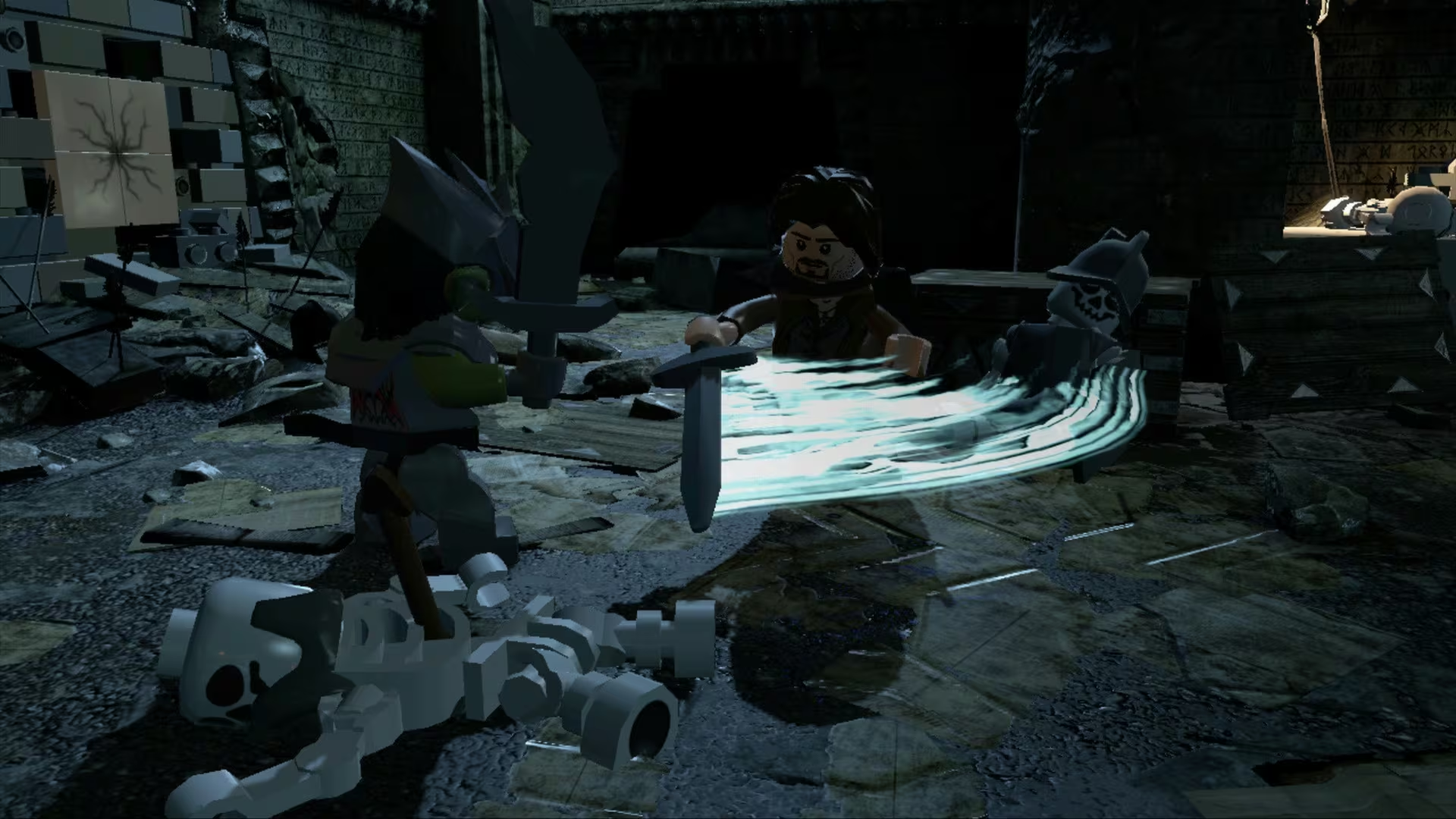
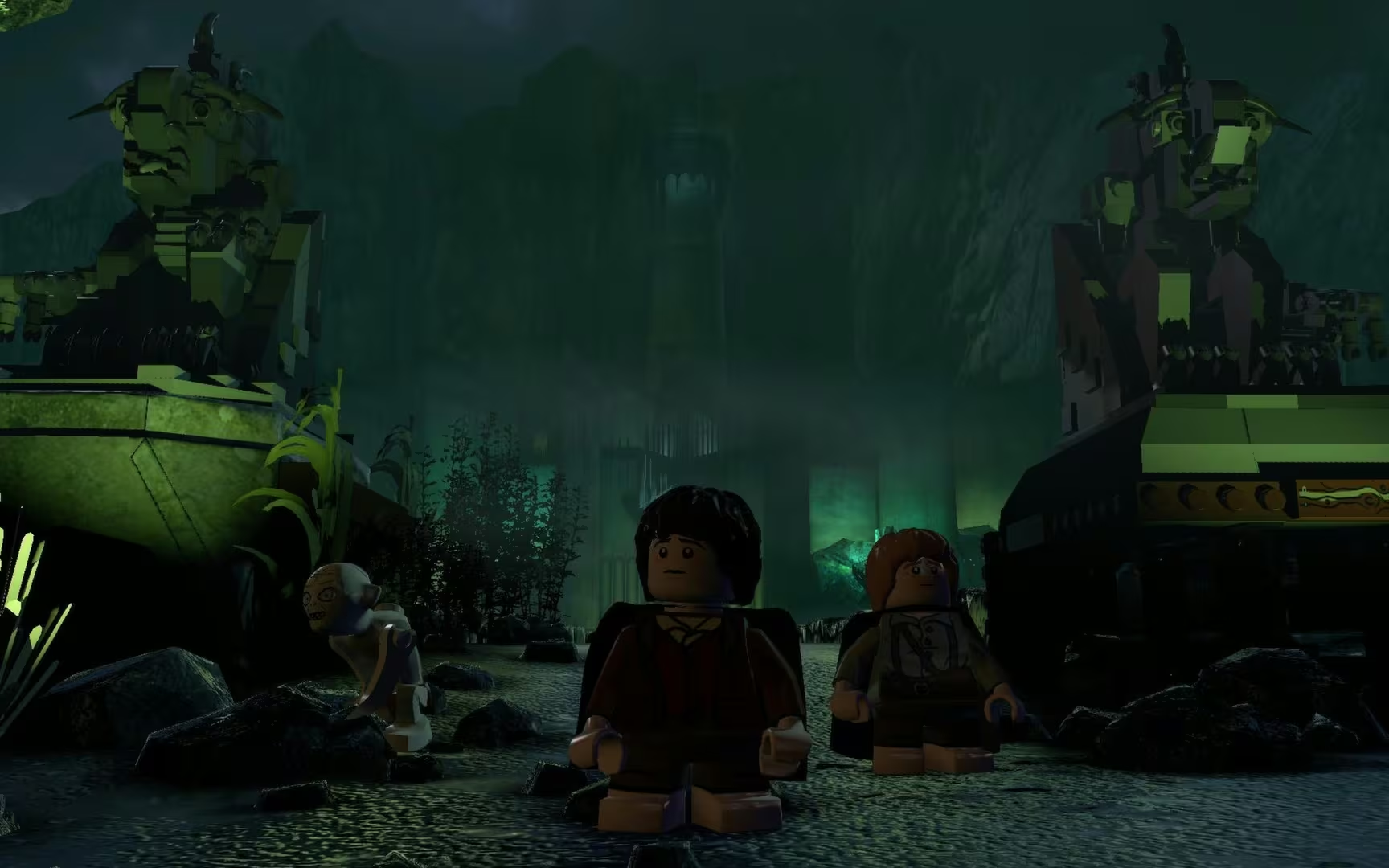
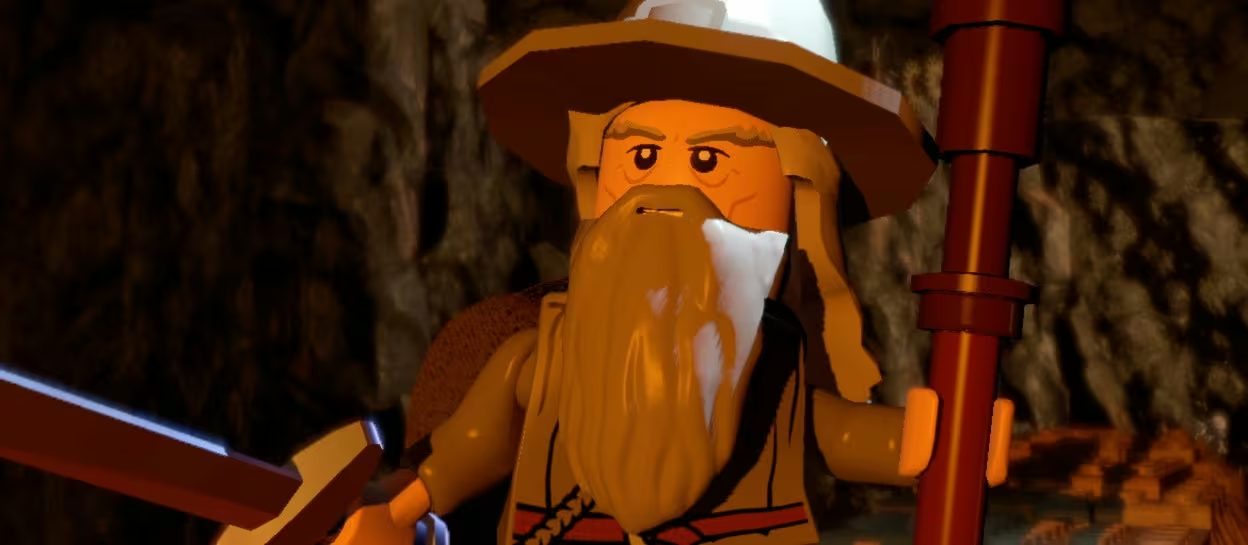
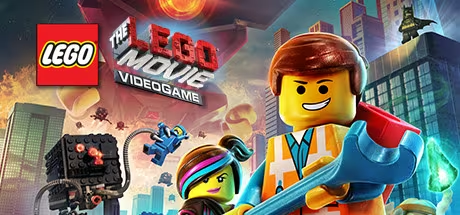
Based on The Lord of the Rings motion picture trilogy, LEGO® The Lord of the Rings follows the original story-lines of The Lord of the Rings: The Fellowship of the Ring, The Lord of the Rings: The Two Towers, and The Lord of the Rings: The Return of the King, taking players through the epic story events re-imagined with the humor and endl

Global score

90/100

Genres

Action, Adventure

Similar games

    Pros

    • Faithful and humorous adaptation of lotr trilogy
    • Large open world with exploration and collectibles
    • Local co-op play with split screen
    • Accessible gameplay suitable for all ages
    • High replayability and content variety

    Cons

    • Some camera and control issues
    • Minor bugs and glitches reported
    • Platforming sections can be frustrating
    • Lack of online multiplayer
    • Repetitive tasks for 100% completion

    Analysis

    A very typical example of its motivational profile. Motivations that often define this kind of title include Intimacy, Survival, Violence, Competition. Here, the score leans higher than usual among comparable games on Cooperation, Fellowship, Exploration.

    How to use the graph
    Similar games map

    Each dot is a game. They are arranged from the same motivation profile as in the “Motivations” section below. Closer dots usually mean more similar reasons to play (exploration, competition, relaxation, etc.)—not that one game is “better” than another.

    • Larger dot with a light outline: the game you are viewing.
    • Colour: groups of games with comparable motivation patterns (statistical clusters).
    • Hover a dot to see the game name; click to open its page.
    • Scroll or double-click the chart to zoom out and see more games.

    Why don’t the axes read like a score? This view uses t-SNE: it only keeps who is close to whom. The scales are not “good to bad” or hours played—they separate groups on the map. Read distance between dots, not the axis numbers.

    Motivations

    • Autonomy
      4

      "Players can freely explore a large open world, choose characters, and decide how to approach puzzles and quests."

    • Competence
      2

      "Gameplay involves puzzle-solving and some combat, generally easy but with occasional challenges and skill use."

    • Competition
      -3

      "Focuses on personal progress and exploration without competitive elements or leaderboards."

    • Continuation
      3

      "Many players report long playtimes, replayability, and collecting 100% completion encourages habitual play."

    • Cooperation
      4

      "Supports local co-op play with split screen, encouraging teamwork and shared objectives."

    • Creativity
      3

      "Includes crafting system, character customization with items, and creative puzzle solving."

    • Domination
      -4

      "Gameplay emphasizes shared experiences and cooperation rather than dominance or power over others."

    • Escapism
      4

      "Players enjoy immersive exploration of Middle-earth and humorous retelling of the story as a form of escape."

    • Expectation
      -4

      "Players engage voluntarily for fun, nostalgia, and interest in the franchise without obligation or pressure."

    • Experimenting
      3

      "Players experiment with different characters, abilities, and crafting options to solve puzzles and explore."

    • Exploration
      5

      "Large open world with many secrets, collectibles, and side quests encourages discovery."

    • Expression
      3

      "Players can customize characters with various items and gear, expressing preferences within the game."

    • Fantasy
      5

      "Strong fantasy theme based on Tolkien's Middle-earth and the LOTR trilogy, with imaginative LEGO style."

    • Fellowship
      4

      "Community and shared play experiences are emphasized, especially through co-op and fandom."

    • Growth
      2

      "Players learn character abilities and puzzle solutions, though overall difficulty is low."

    • Health
      -5

      "Typical sedentary video game play with no physical activity involved."

    • Idle
      -3

      "Requires active engagement with puzzles, combat, and exploration; not designed for idle play."

    • Intimacy
      3

      "Local co-op and shared humor foster social bonding and friendly interactions."

    • Leadership
      -3

      "Players generally cooperate equally without hierarchical leadership roles."

    • Progression
      4

      "Collecting studs, unlocking characters, crafting items, and completing quests provide clear progression."

    • Relaxation
      3

      "Generally lighthearted and humorous gameplay provides a relaxing experience with some minor frustrations."

    • Sensation
      2

      "Visuals and audio are pleasant but not highly stimulating; humor adds emotional enjoyment."

    • Status
      -4

      "No social status or ranking systems; focus is on personal enjoyment and completion."

    • Story
      5

      "Strong narrative immersion with faithful adaptation of the LOTR trilogy and movie voice acting."

    • Strategy
      2

      "Requires some puzzle solving and character switching strategy but overall straightforward gameplay."

    • Thrill
      -2

      "Gameplay is low risk and lighthearted, with minimal suspense or tension."

    • Value
      4

      "Players find good value in content, replayability, and nostalgia, especially when purchased on sale."

    • Violence
      -3

      "Combat is cartoonish and non-graphic; emphasis on building, puzzle solving, and humor."

    • Survival
      -4

      "No significant survival or threat mechanics; death is minor and forgiving."

    Last update: 29/04/2026