MakeRoom Thumbnail

MakeRoom similar games & best alternatives

MakeRoom

PC (Microsoft Windows) • 2025

Related articles

Quick resume

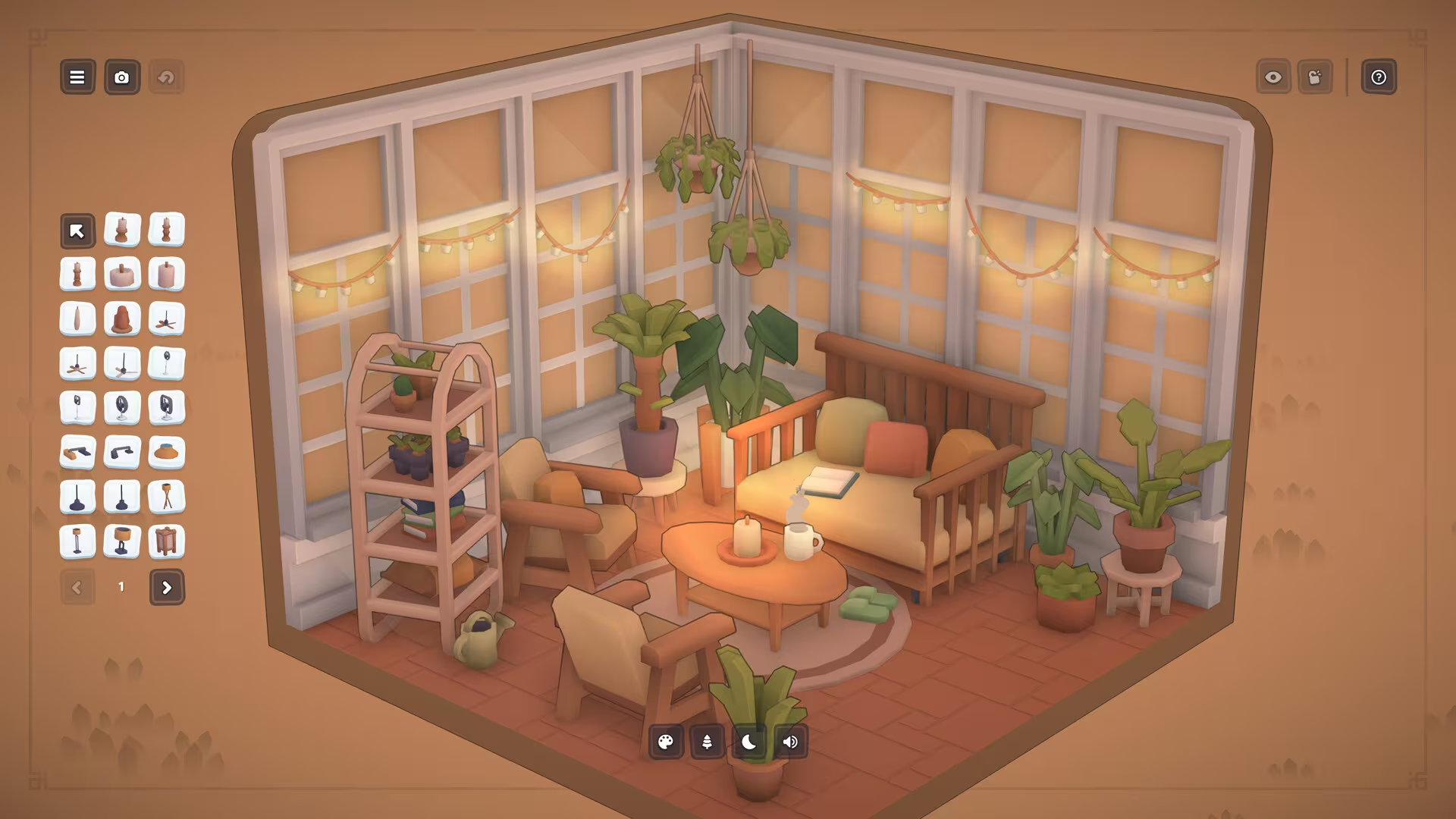
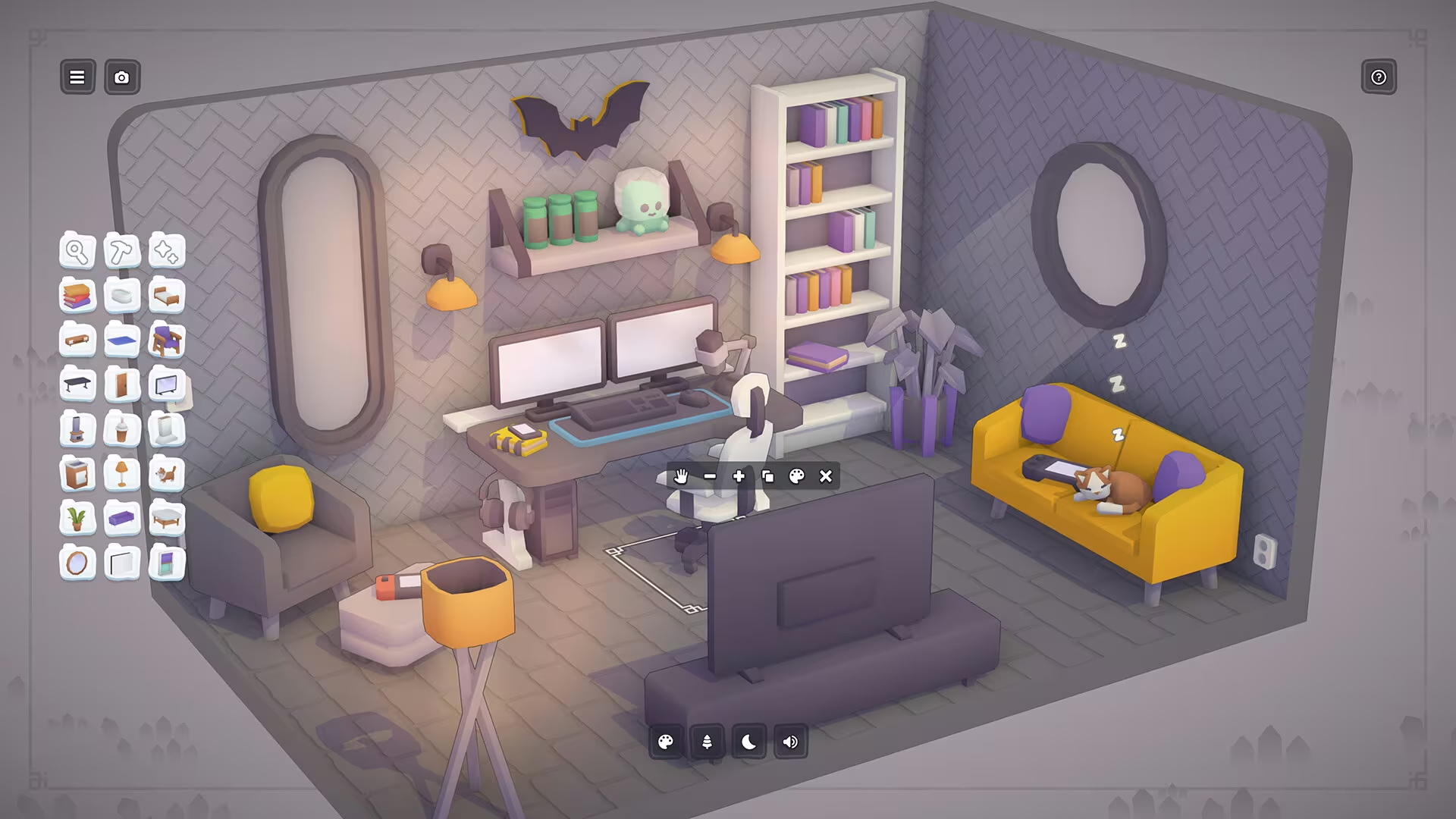
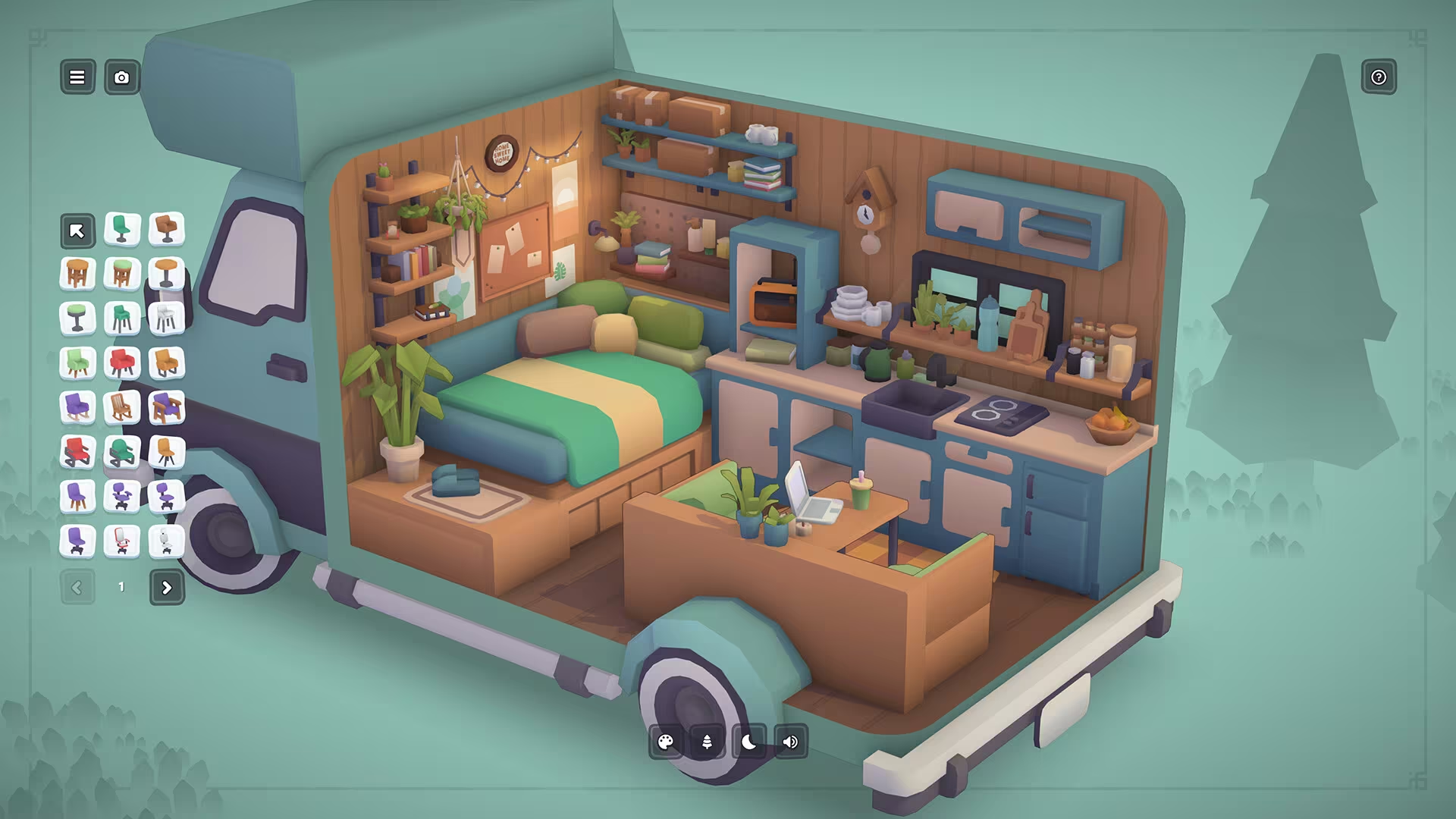
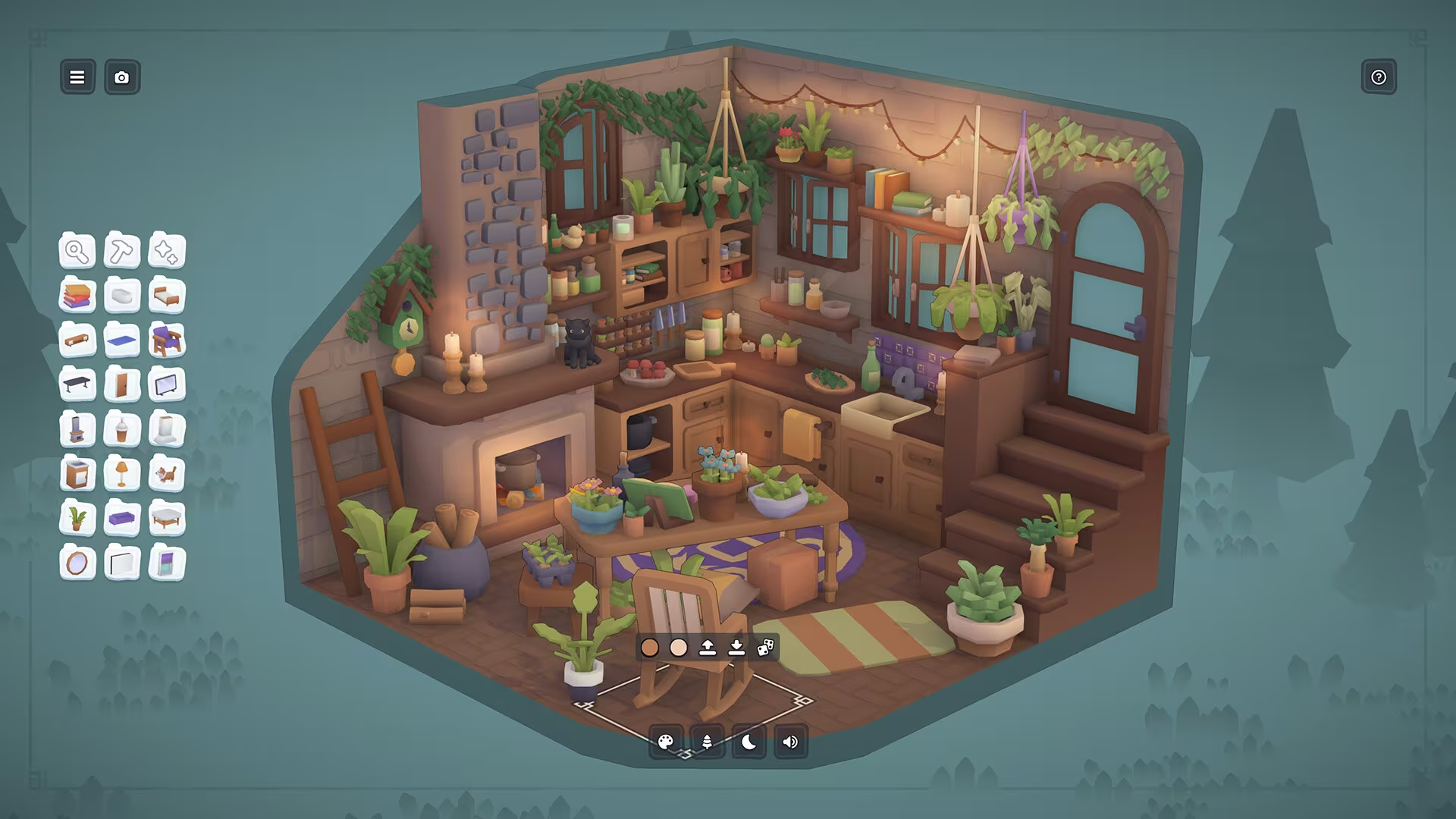
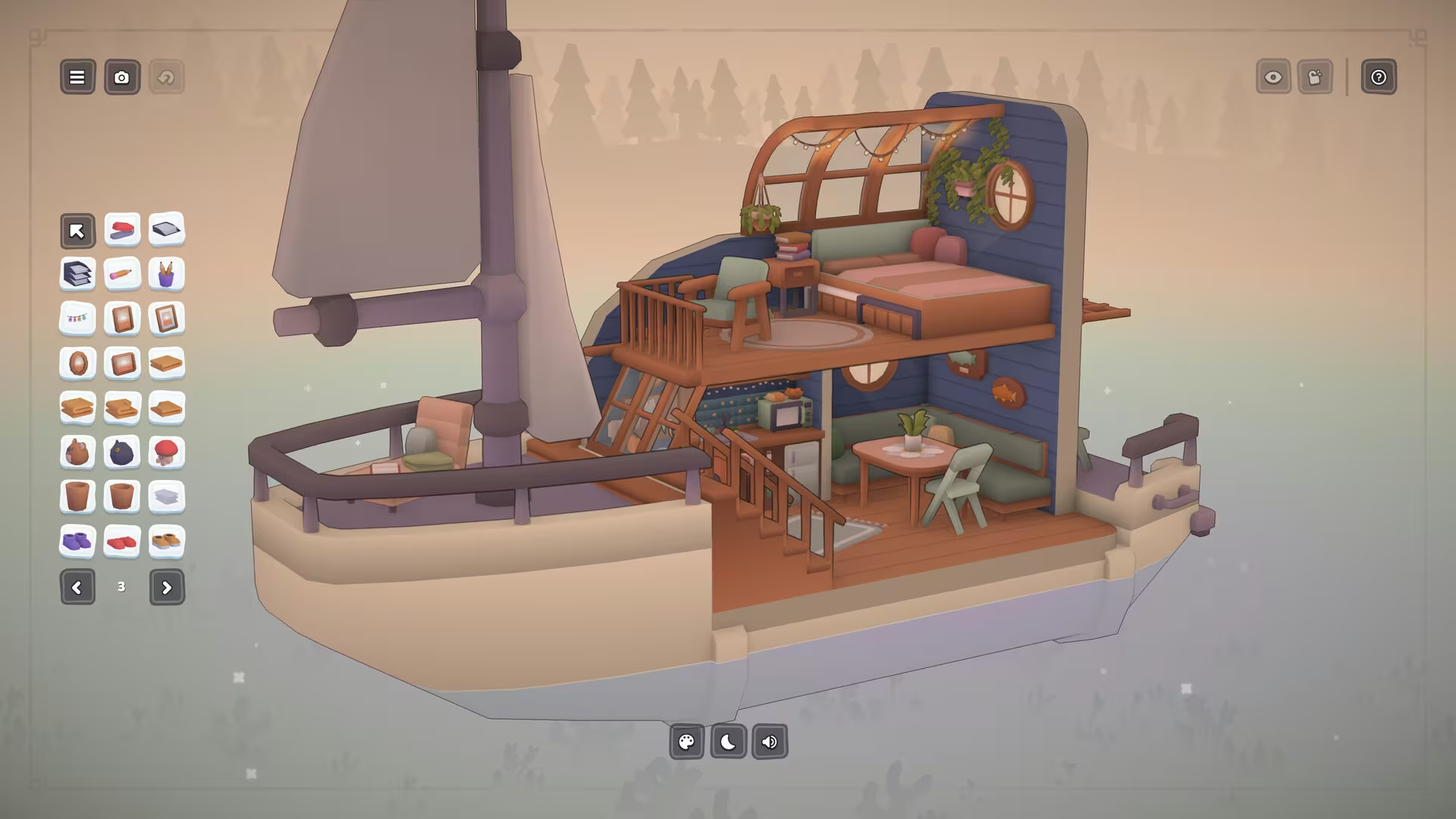
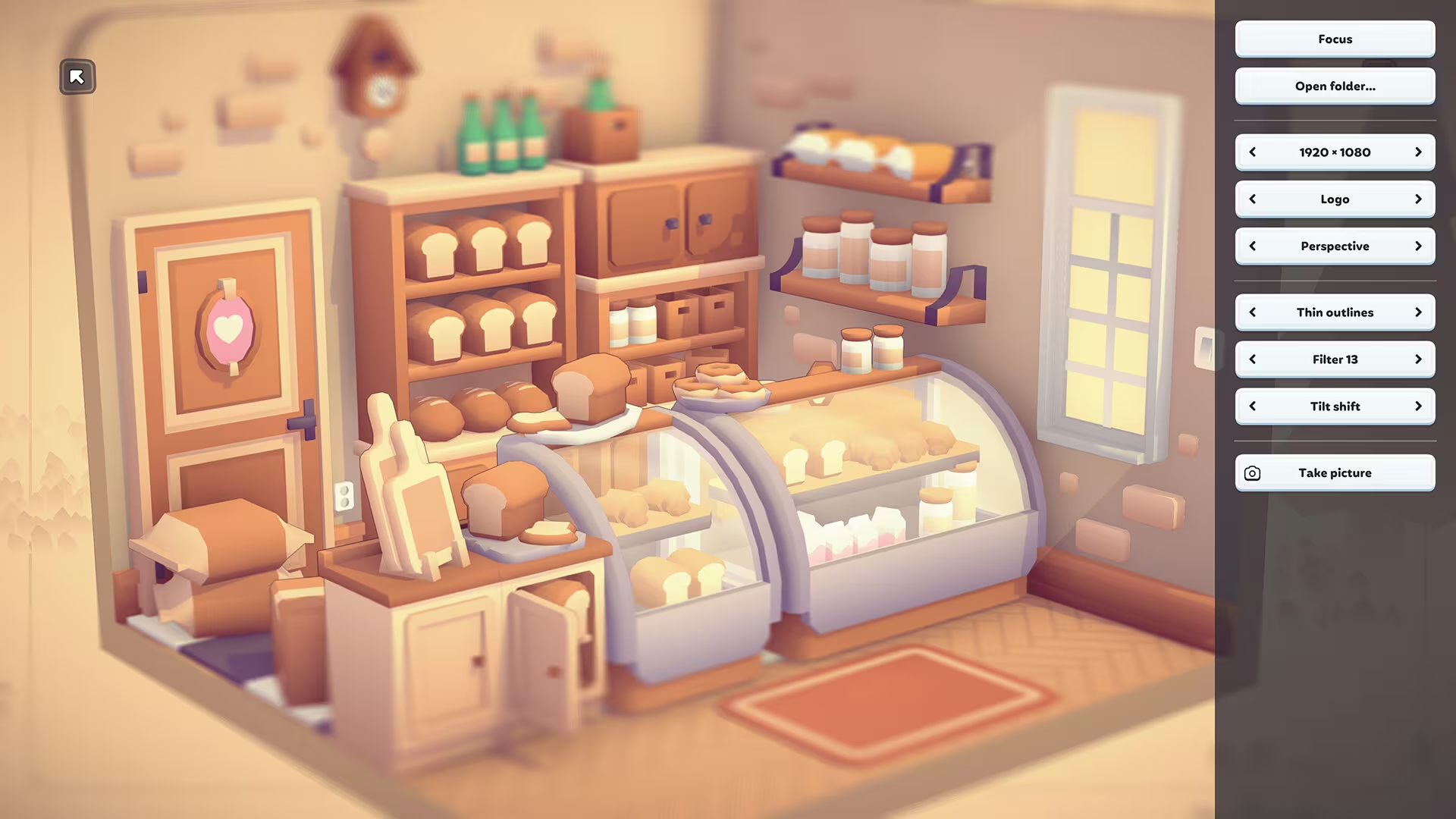
Build rooms, gardens, and camper vans with 1,000+ objects and the ability to create your own custom furniture, or visit MakeRoom Island and get inspired by unique design requests.

Global score

96/100

Genres

Casual, Indie, Simulator

Similar games

    Pros

    • Extensive creative freedom and customization
    • Ability to create and share custom furniture
    • Cozy and relaxing atmosphere
    • Active developer support and updates
    • Good value for price

    Cons

    • Lack of undo and grouping features
    • Limited color palette and item variety
    • Clunky/fiddly controls especially on controller
    • Minimal narrative or gameplay challenge
    • Some ui and quality of life improvements needed

    Analysis

    Less representative of its motivational profile, with noticeable differences. Motivations that often define this kind of title include Fantasy, Violence, Story, Thrill. Here, the score leans higher than usual among comparable games on Fellowship, Cooperation. It leans lower than usual among comparable games on Strategy.

    How to use the graph
    Similar games map

    Each dot is a game. They are arranged from the same motivation profile as in the “Motivations” section below. Closer dots usually mean more similar reasons to play (exploration, competition, relaxation, etc.)—not that one game is “better” than another.

    • Larger dot with a light outline: the game you are viewing.
    • Colour: groups of games with comparable motivation patterns (statistical clusters).
    • Hover a dot to see the game name; click to open its page.
    • Scroll or double-click the chart to zoom out and see more games.

    Why don’t the axes read like a score? This view uses t-SNE: it only keeps who is close to whom. The scales are not “good to bad” or hours played—they separate groups on the map. Read distance between dots, not the axis numbers.

    Motivations

    • Autonomy
      5

      "Players have extensive freedom to create, customize, and place furniture and decorations with no rigid constraints, including making their own furniture and sharing it via Steam Workshop."

    • Competence
      2

      "The game offers a gentle learning curve with some skill in object placement and creation, but overall it is accessible and not highly challenging."

    • Competition
      -4

      "Focus is on personal creativity and relaxation without competitive elements or player ranking."

    • Continuation
      4

      "Players report spending many hours creating and decorating, often returning to the game for extended creative sessions."

    • Cooperation
      1

      "While primarily single-player, the Steam Workshop allows sharing and downloading creations, fostering a light form of community cooperation."

    • Creativity
      5

      "Strong emphasis on creativity with extensive customization, object creation tools, and modding support."

    • Domination
      -5

      "No evidence of exerting control or superiority; interactions are cooperative or individual without dominance."

    • Escapism
      4

      "Players use the game as a relaxing, cozy escape to unwind and de-stress through creative expression."

    • Expectation
      -5

      "Players engage voluntarily for intrinsic enjoyment and creativity, not out of obligation or pressure."

    • Experimenting
      4

      "Encourages trying new designs, experimenting with furniture creation, and exploring different room layouts."

    • Exploration
      -2

      "Limited exploration of environments; focus is on decorating known diorama spaces rather than discovering new areas."

    • Expression
      5

      "High level of self-expression through customizing colors, sizes, and creating unique furniture and rooms."

    • Fantasy
      -3

      "Realistic room and furniture design with no fantasy or roleplaying elements."

    • Fellowship
      2

      "Community sharing via Steam Workshop and Discord provides some social connection and shared interest."

    • Growth
      3

      "Players develop creative skills and learn to use the object maker and design tools over time."

    • Health
      -5

      "Sedentary gameplay with no physical activity or health-related features."

    • Idle
      -3

      "Requires focused attention and interaction; not designed for background or idle play."

    • Intimacy
      -4

      "Minimal social interaction; community engagement is casual and surface-level."

    • Leadership
      -5

      "No leadership or group management elements present."

    • Progression
      3

      "Players unlock new items and achievements through completing objectives, but progression is light and optional."

    • Relaxation
      5

      "Strongly relaxing and cozy atmosphere with calming music and ambient sounds."

    • Sensation
      3

      "Pleasant visual style and soothing audio provide sensory enjoyment without intense stimulation."

    • Status
      -4

      "No social status or recognition systems; focus is on personal creativity."

    • Story
      -3

      "Minimal narrative; objectives serve as light prompts rather than an immersive story."

    • Strategy
      -2

      "Limited strategic or problem-solving elements; gameplay centers on creative placement rather than planning."

    • Thrill
      -5

      "No suspense or risk; gameplay is calm and predictable."

    • Value
      4

      "Players perceive good value for the price with extensive creative freedom and ongoing updates."

    • Violence
      -5

      "No violence; focus on constructive and creative activities."

    • Survival
      -5

      "No survival or threat mechanics; stable, low-risk environment."

    Last update: 29/04/2026