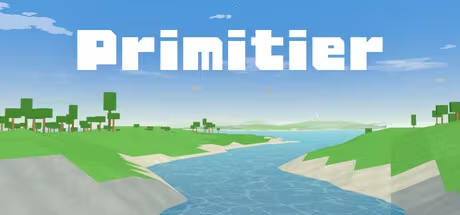
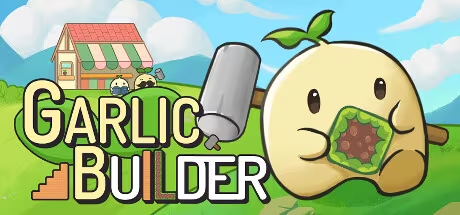
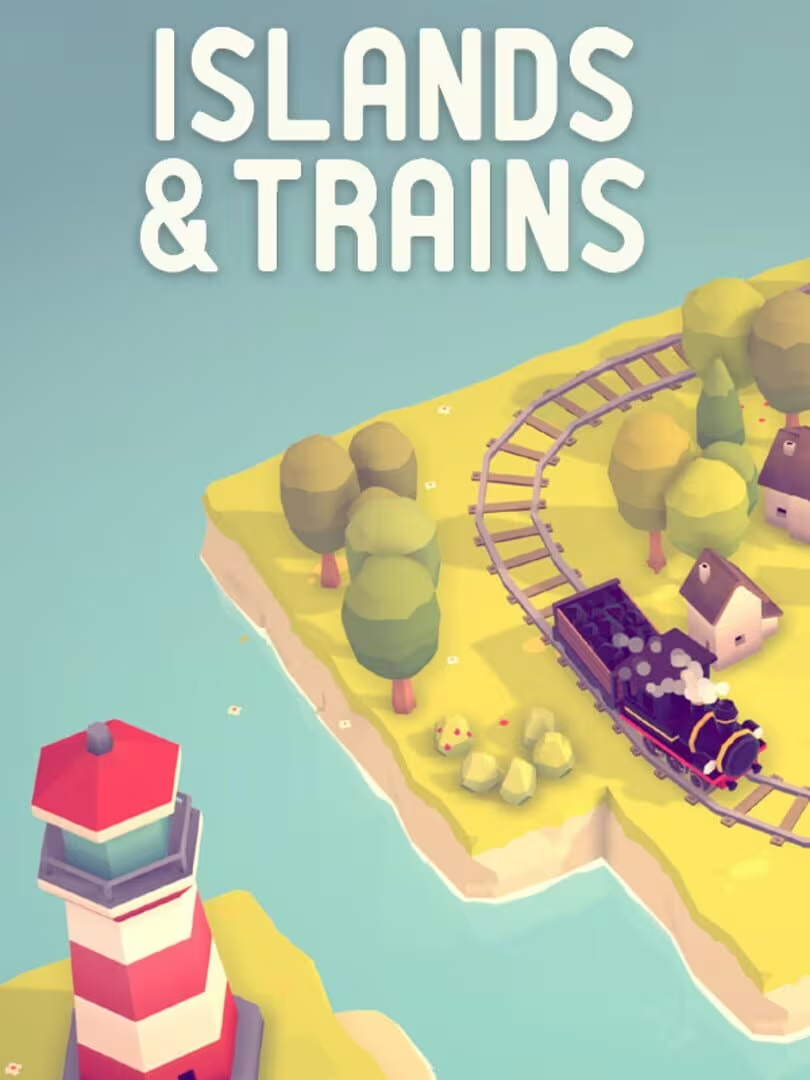
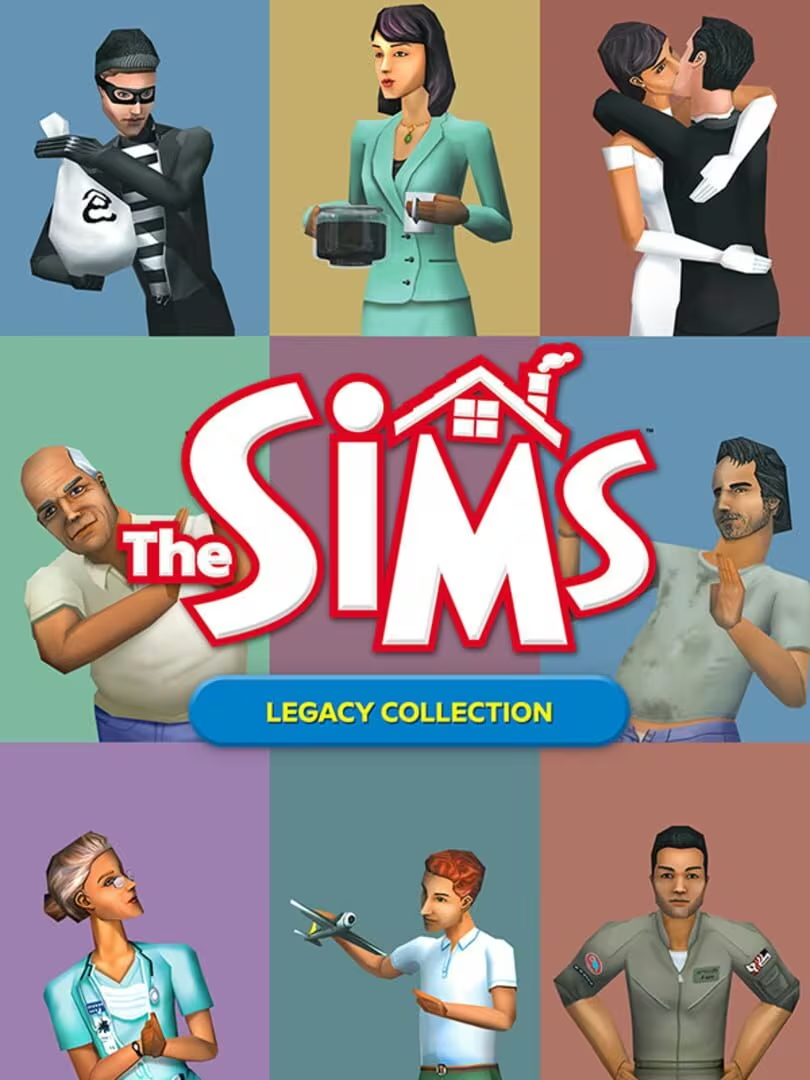
Tiny Town VR Thumbnail

Tiny Town VR similar games & best alternatives
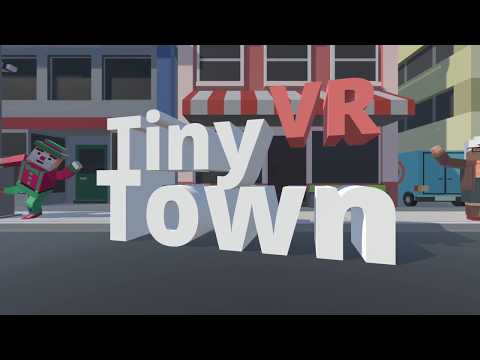
Tiny Town VR

PC (Microsoft Windows), Oculus Rift • 2017

Related articles

Quick resume

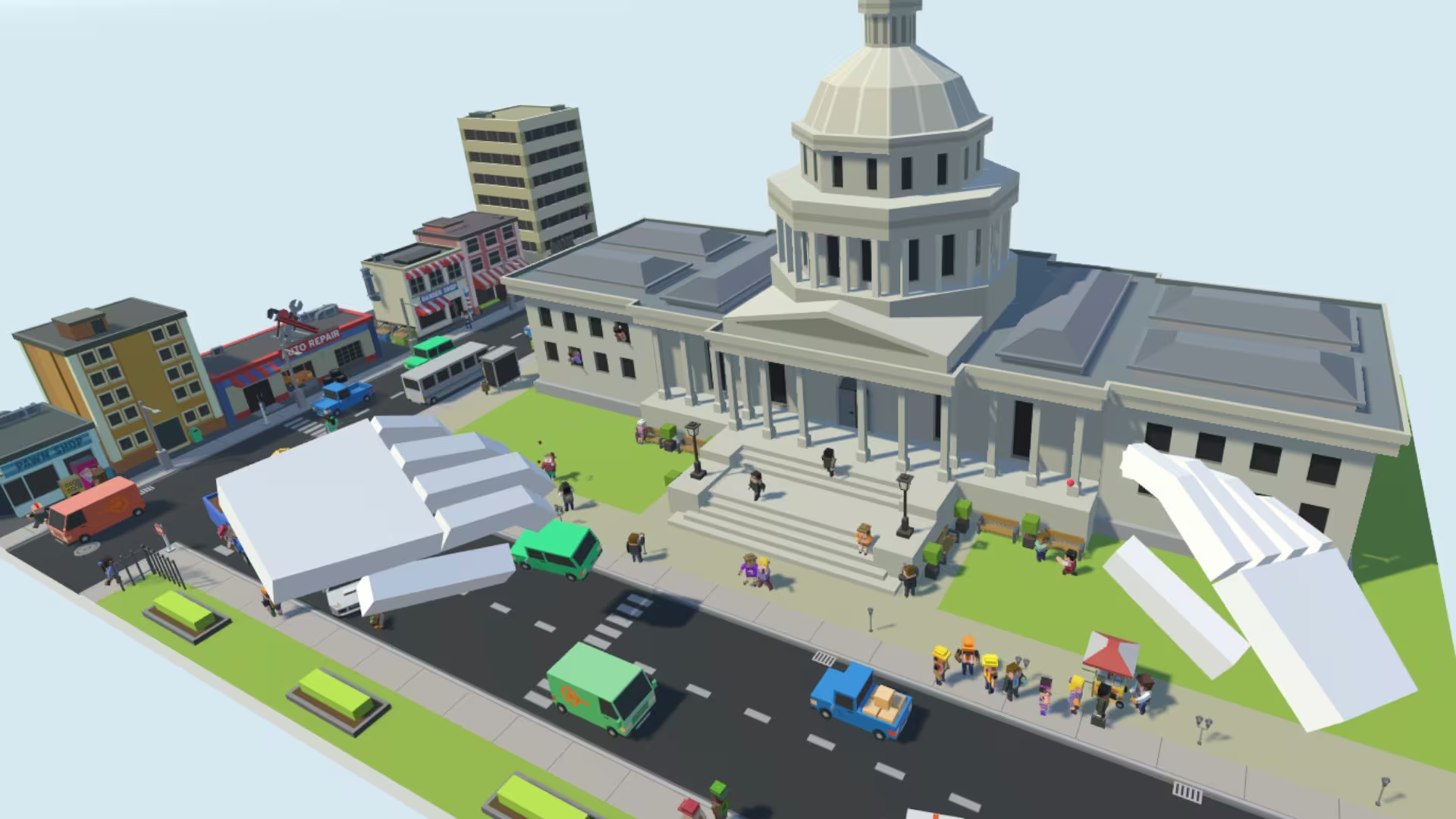
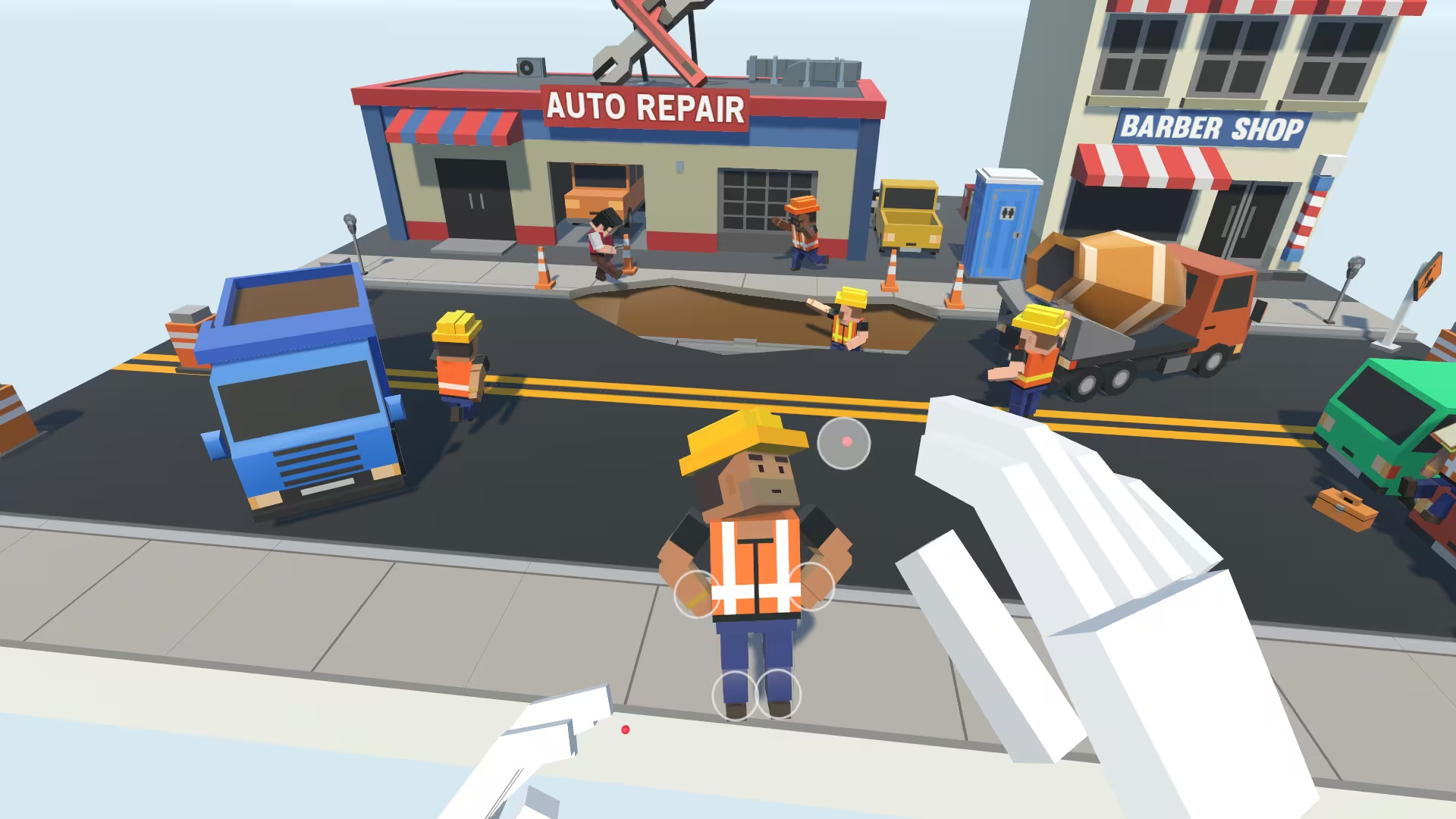
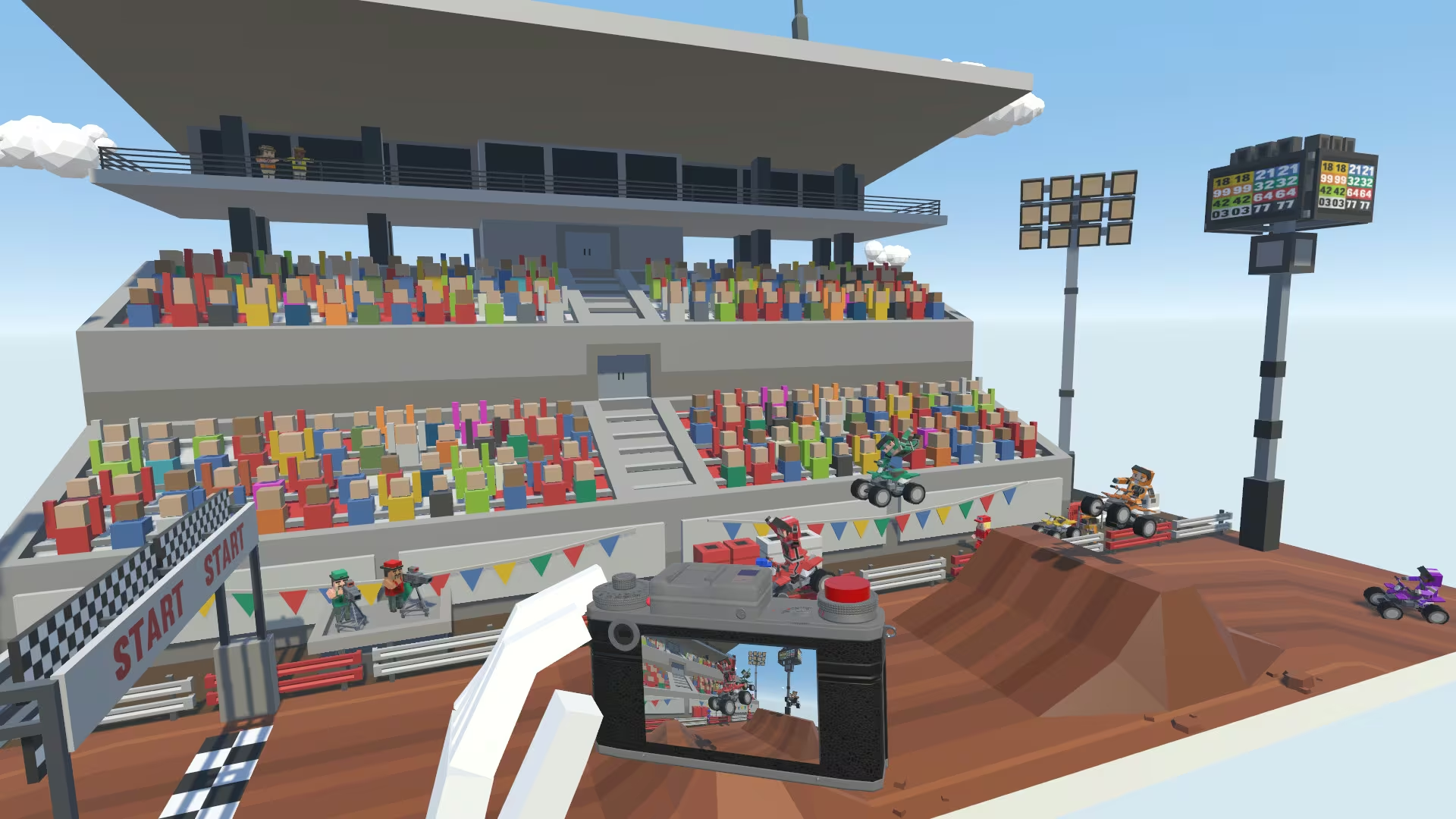
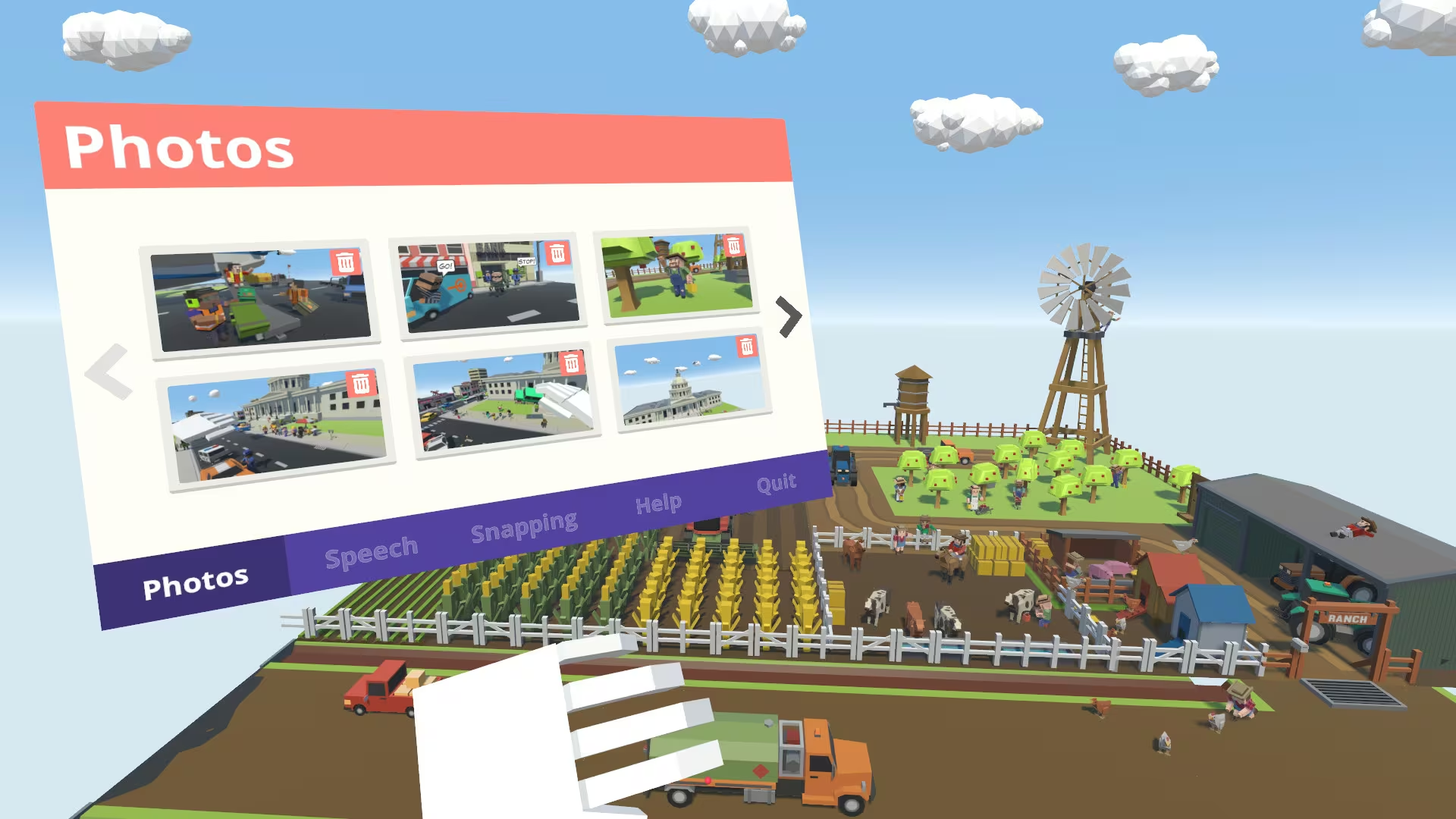
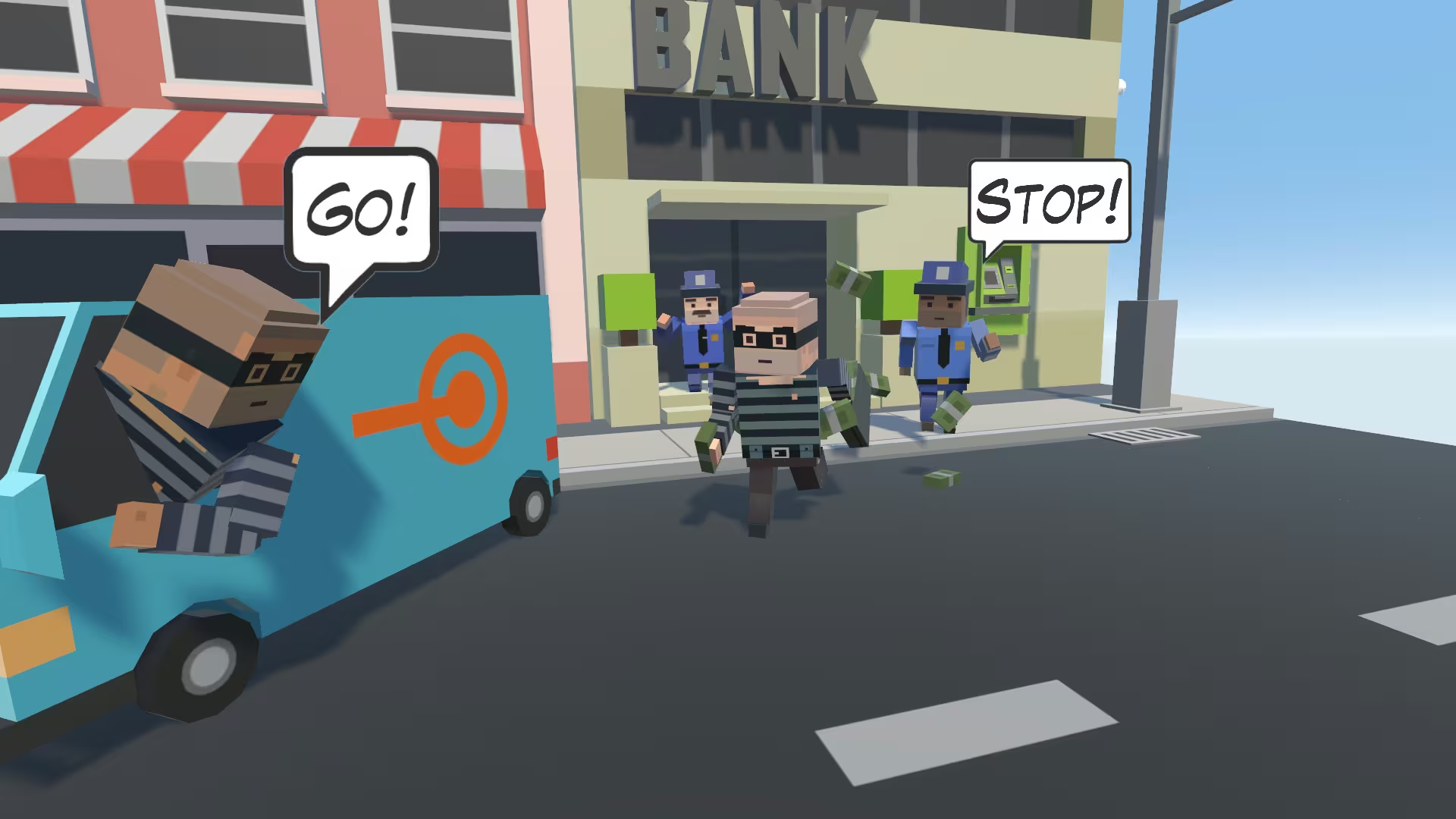
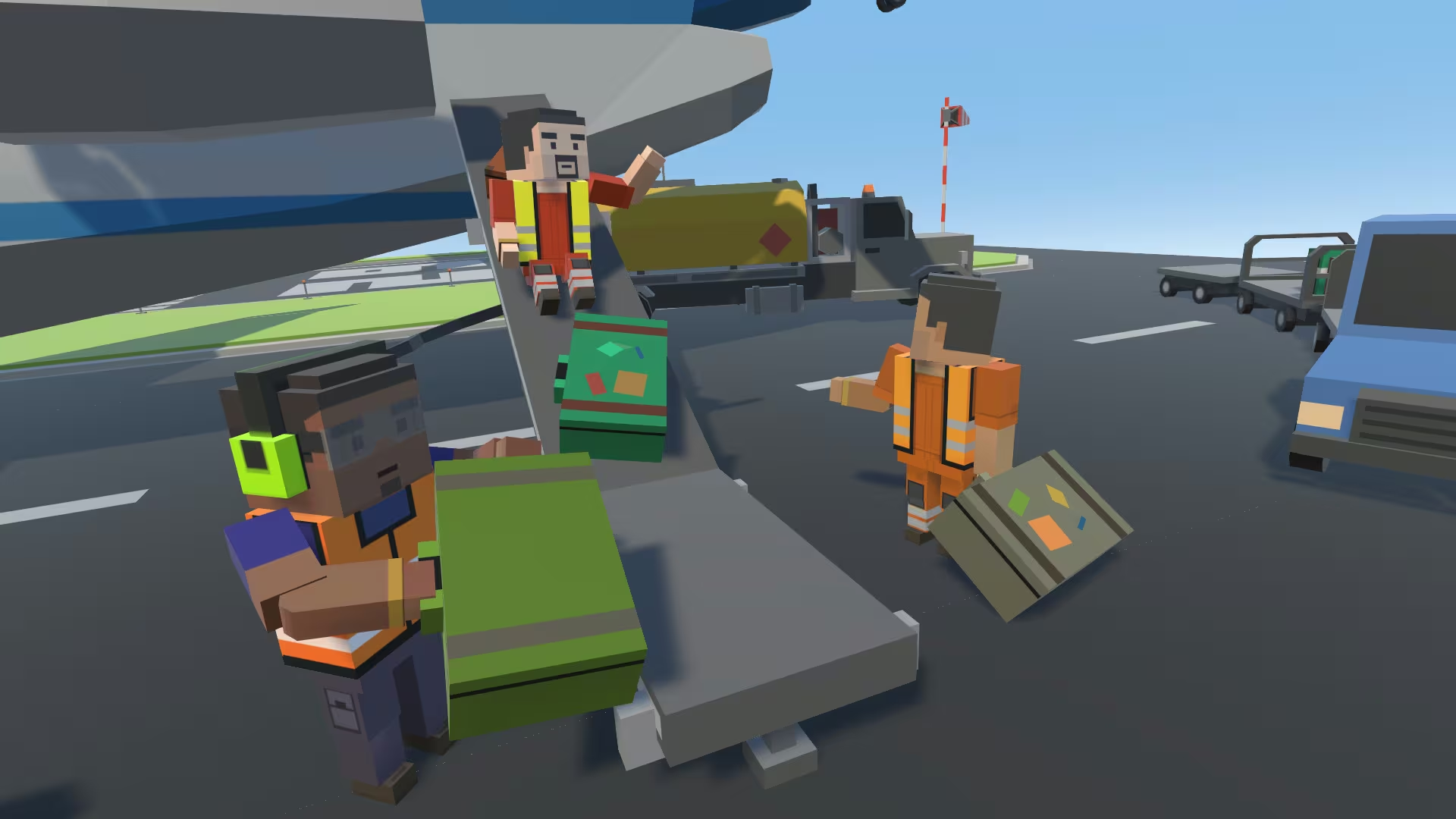
Create an original world and fill it with buildings, roads, vehicles and more. Give it life with posable characters. Tell a story with custom speech bubbles and in-game photo captures. Then, share with friends!

Global score

92/100

Genres

Casual, Indie, Simulator

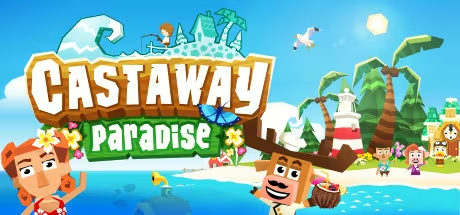
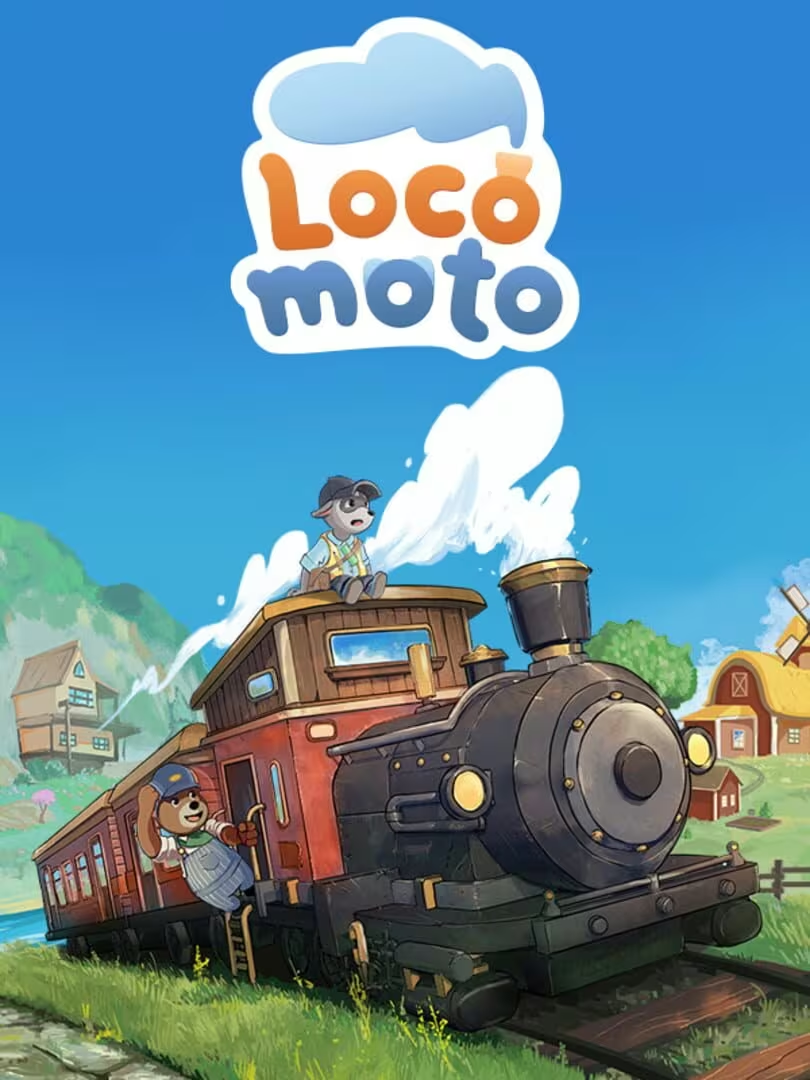
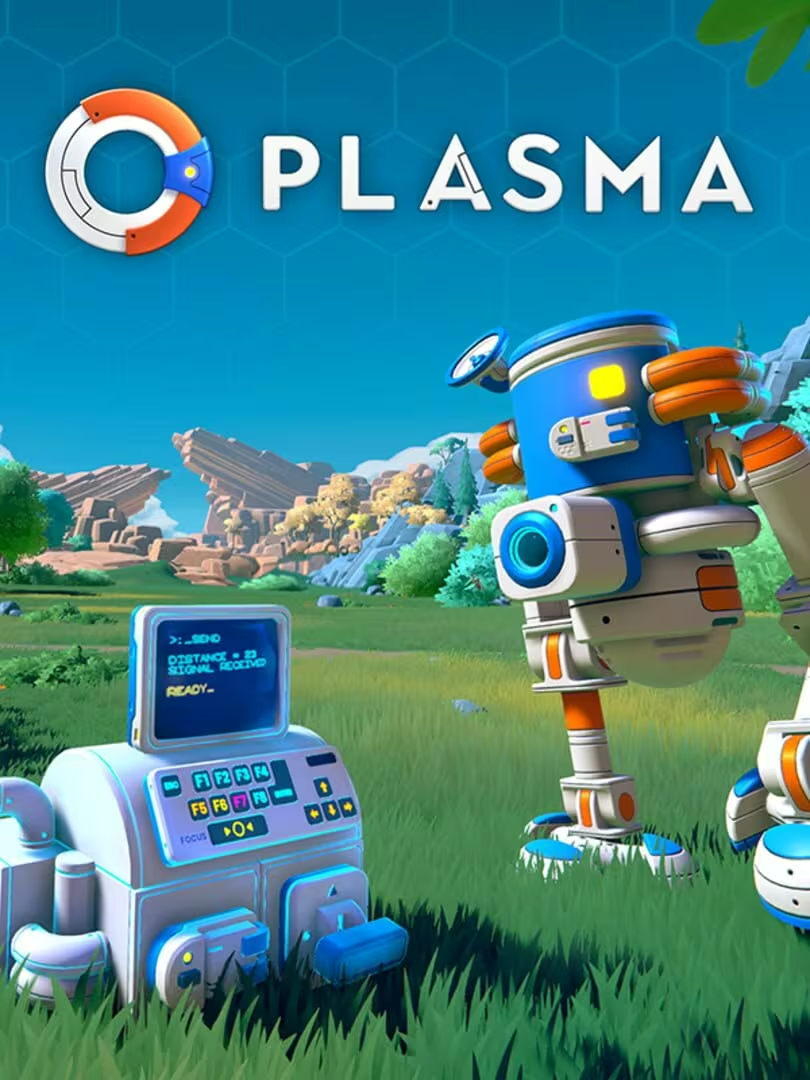
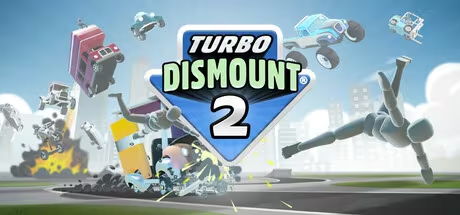
Similar games

    Pros

    • Extensive creative freedom
    • Large variety of objects and workshop mods
    • Relaxing and immersive vr experience
    • Free dlc content
    • Easy to learn controls

    Cons

    • Lack of developer updates and support
    • No multiplayer or cooperative play
    • Some bugs and glitches reported
    • Limited animation and dynamic features
    • Cluttered inventory and ui issues

    Analysis

    Less representative of its motivational profile, with noticeable differences. Motivations that often define this kind of title include Intimacy, Survival, Violence, Competition. Here, the score leans higher than usual among comparable games on Violence. It leans lower than usual among comparable games on Intimacy, Story.

    How to use the graph
    Similar games map

    Each dot is a game. They are arranged from the same motivation profile as in the “Motivations” section below. Closer dots usually mean more similar reasons to play (exploration, competition, relaxation, etc.)—not that one game is “better” than another.

    • Larger dot with a light outline: the game you are viewing.
    • Colour: groups of games with comparable motivation patterns (statistical clusters).
    • Hover a dot to see the game name; click to open its page.
    • Scroll or double-click the chart to zoom out and see more games.

    Why don’t the axes read like a score? This view uses t-SNE: it only keeps who is close to whom. The scales are not “good to bad” or hours played—they separate groups on the map. Read distance between dots, not the axis numbers.

    Motivations

    • Autonomy
      5

      "Players have almost full creative freedom to build and customize scenes, towns, and scenarios without preset goals or constraints."

    • Competence
      1

      "The game is easy to learn with some mastery in building and posing, but it lacks challenging skill tests or complex mechanics."

    • Competition
      -5

      "No competitive elements or player comparison; focus is on personal creative expression and casual play."

    • Continuation
      4

      "Many players report long play sessions and habitual engagement driven by creativity and imagination."

    • Cooperation
      -3

      "Primarily a single-player creative sandbox; some social interaction via workshop sharing but no in-game multiplayer."

    • Creativity
      5

      "Core motivation is creative building, posing, and storytelling with extensive object variety and mod support."

    • Domination
      -5

      "No elements of exerting control or superiority over others; interactions are non-competitive and collaborative at best."

    • Escapism
      4

      "Players use the game as a relaxing, imaginative escape from real life, with stress relief and immersion in creative worlds."

    • Expectation
      -4

      "Engagement is voluntary and intrinsically motivated by personal interest and creativity rather than obligation."

    • Experimenting
      4

      "Players frequently try new builds, scenarios, and workshop mods, exploring game possibilities and pushing creative limits."

    • Exploration
      2

      "Exploration is mostly of creative possibilities and object combinations rather than new physical areas."

    • Expression
      5

      "Strong emphasis on self-expression through customizing scenes, posing characters, and creating unique narratives."

    • Fantasy
      3

      "Players create imaginative, often fictional scenarios with zombies, disasters, and fantastical elements."

    • Fellowship
      -2

      "Limited social connection mainly through workshop content sharing; no multiplayer or strong community interaction in-game."

    • Growth
      2

      "Some learning and skill development in building and posing, but no formal progression or skill challenges."

    • Health
      -5

      "Sedentary VR gameplay with no physical activity or health-related features."

    • Idle
      -3

      "Requires active attention and interaction; not designed for passive or background play."

    • Intimacy
      -5

      "No close social or emotional relationships formed in-game; interactions are minimal and surface-level."

    • Leadership
      -5

      "No leadership or group management roles; purely individual creative play."

    • Progression
      2

      "Players accumulate and unlock objects via workshop mods but no structured progression or leveling."

    • Relaxation
      4

      "Many players find the game relaxing and stress-relieving, enjoying flow states during creative play."

    • Sensation
      2

      "Visual and auditory enjoyment from VR immersion and detailed scenes, though sensory stimulation is moderate."

    • Status
      -4

      "Little to no social recognition or status mechanics; focus is on personal satisfaction."

    • Story
      -3

      "No built-in narrative; players create their own stories through scene building and posing."

    • Strategy
      -2

      "Minimal strategic or problem-solving demands; gameplay centers on creative placement rather than planning."

    • Thrill
      -3

      "Low suspense or risk; gameplay is calm and controlled without tension or excitement from danger."

    • Value
      4

      "Players perceive good value for money due to extensive content, free DLCs, and mod support."

    • Violence
      1

      "Some players create violent or destructive scenes, but violence is fictional and part of creative scenarios."

    • Survival
      -5

      "No survival or threat mechanics; environment is stable and risk-free."

    Last update: 29/04/2026