Kind Words 2 (lofi city pop) Thumbnail

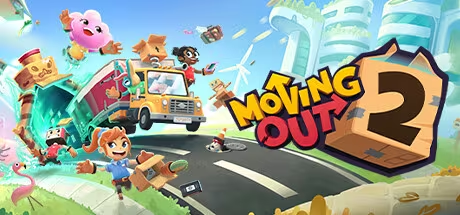
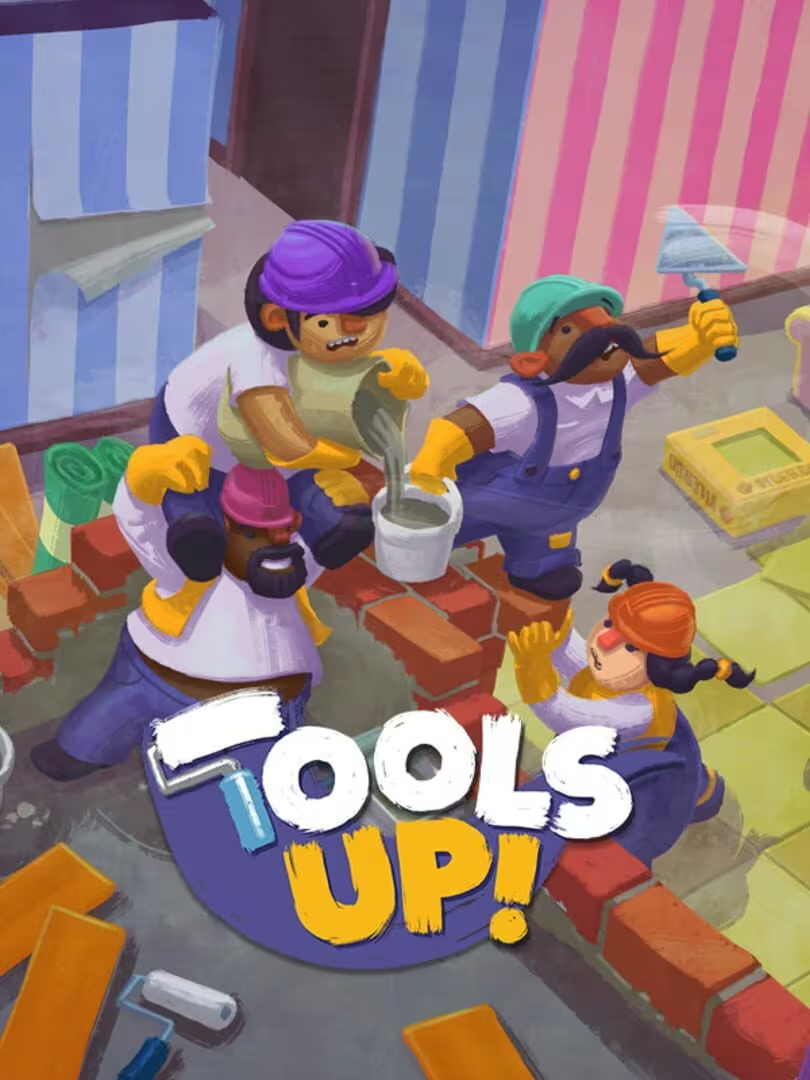
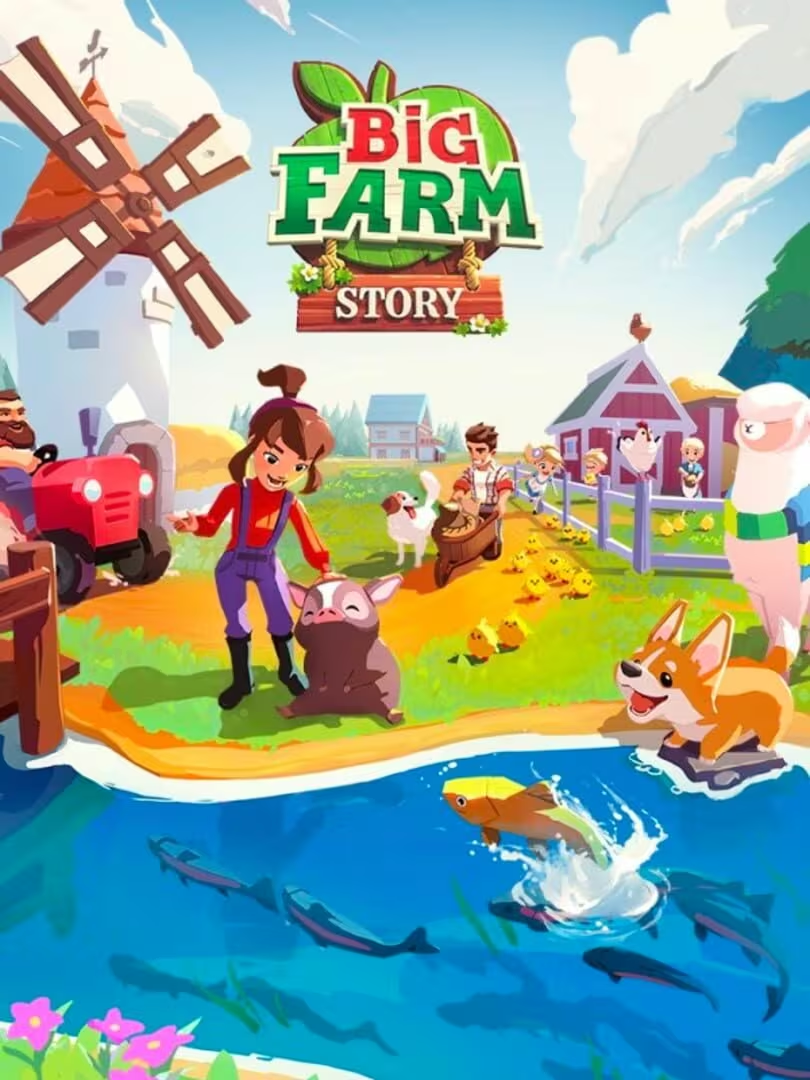
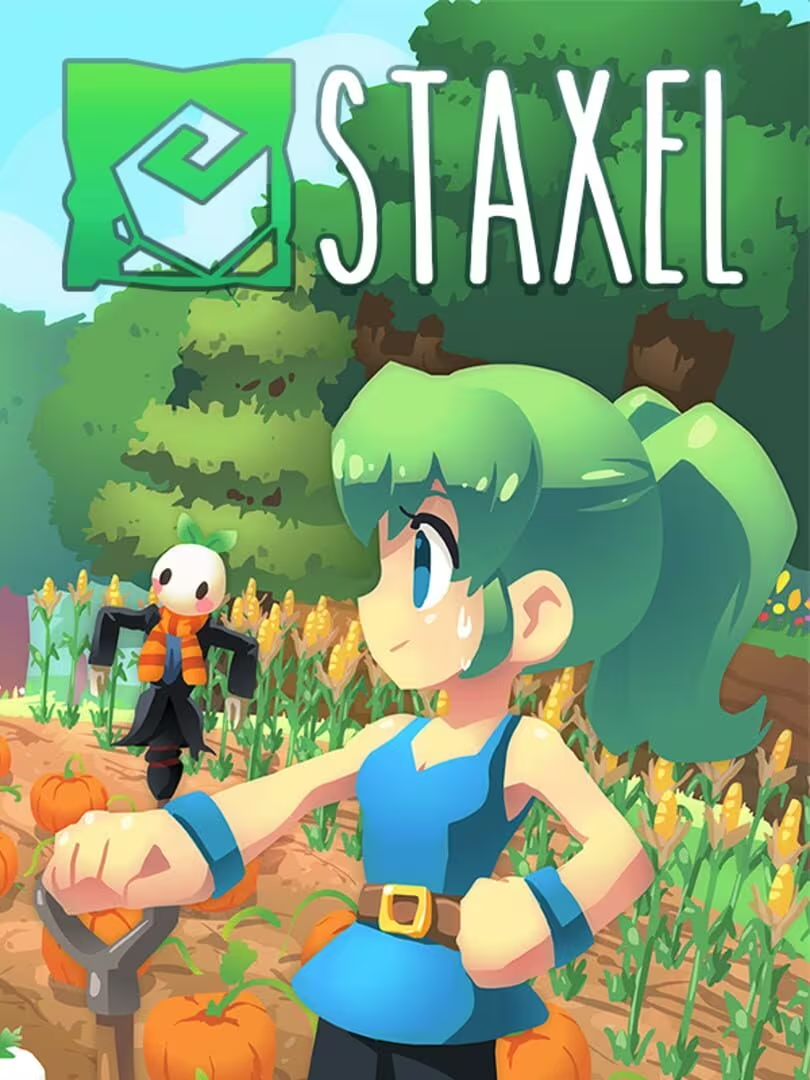
Kind Words 2 (lofi city pop) similar games & best alternatives

Kind Words 2 (lofi city pop)

PC (Microsoft Windows) • 2024

Related articles

Quick resume

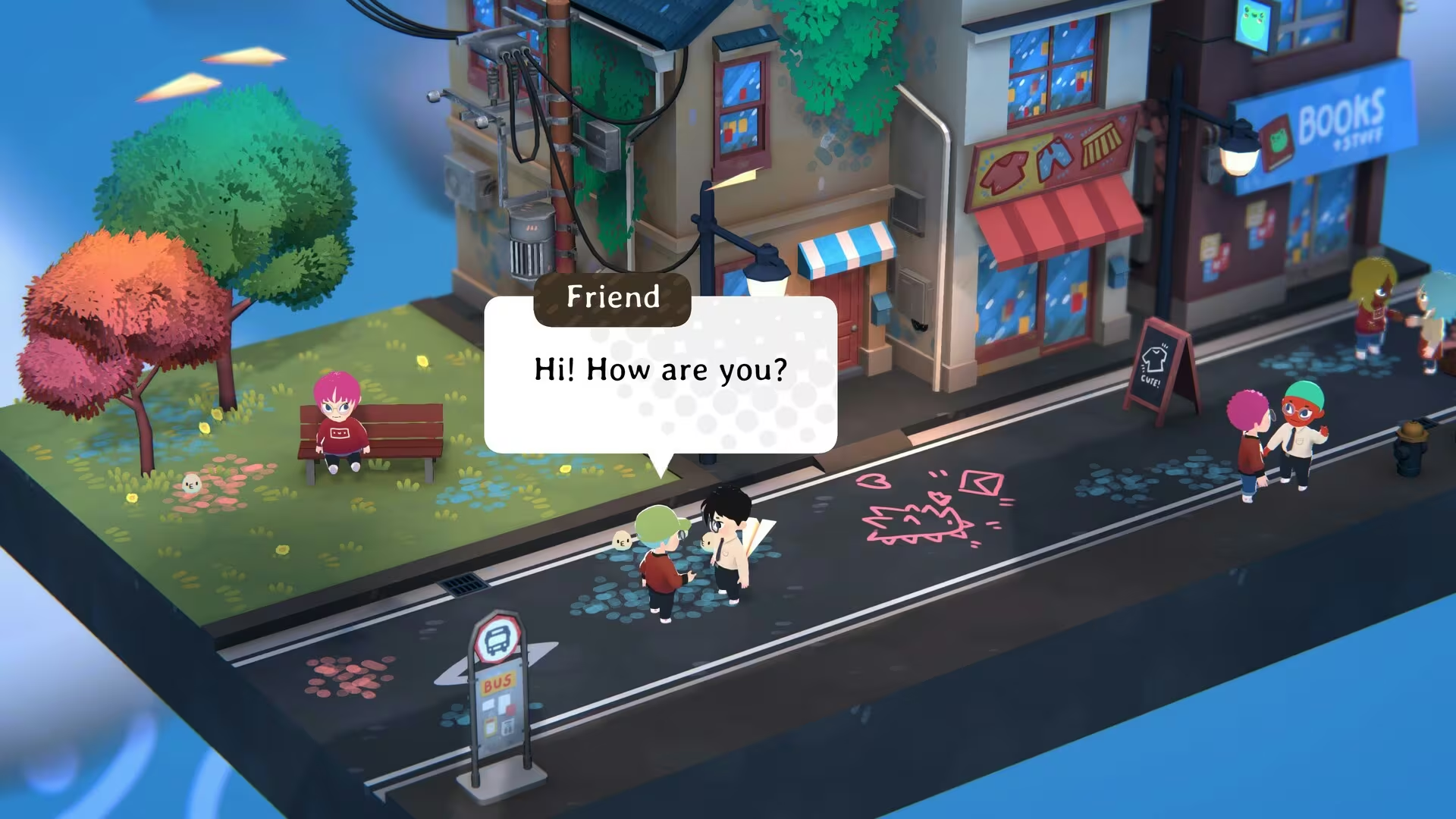
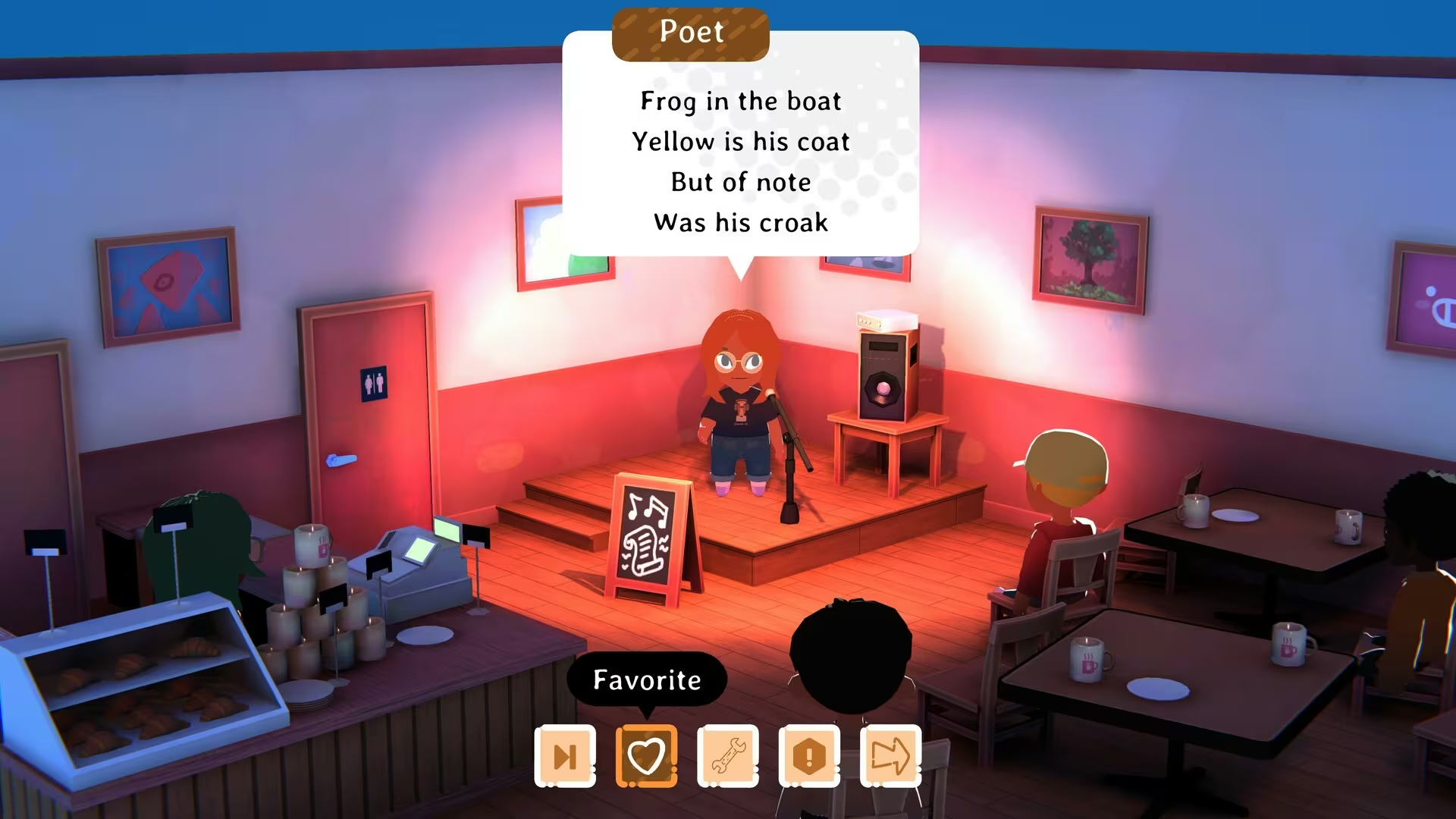
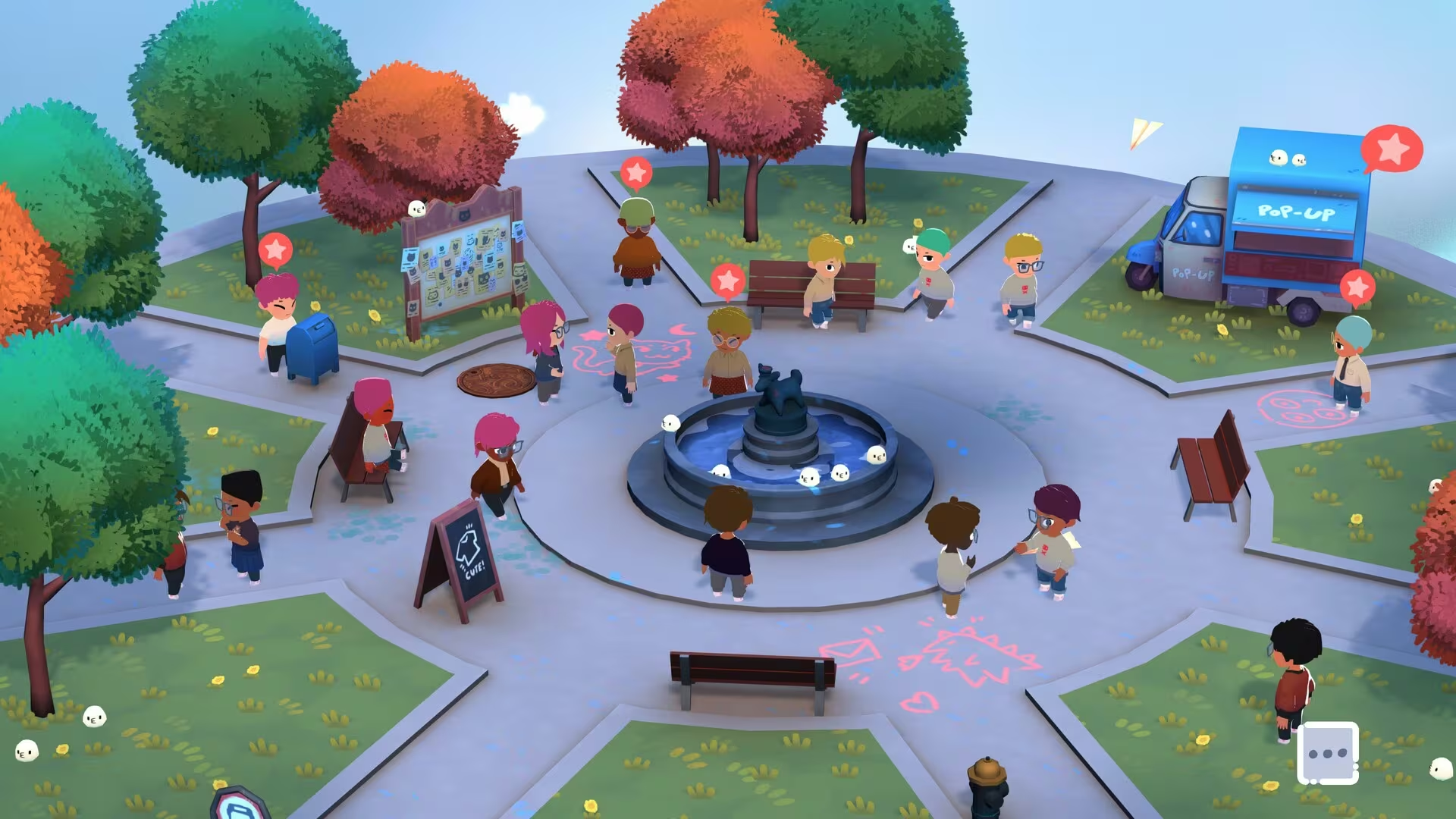
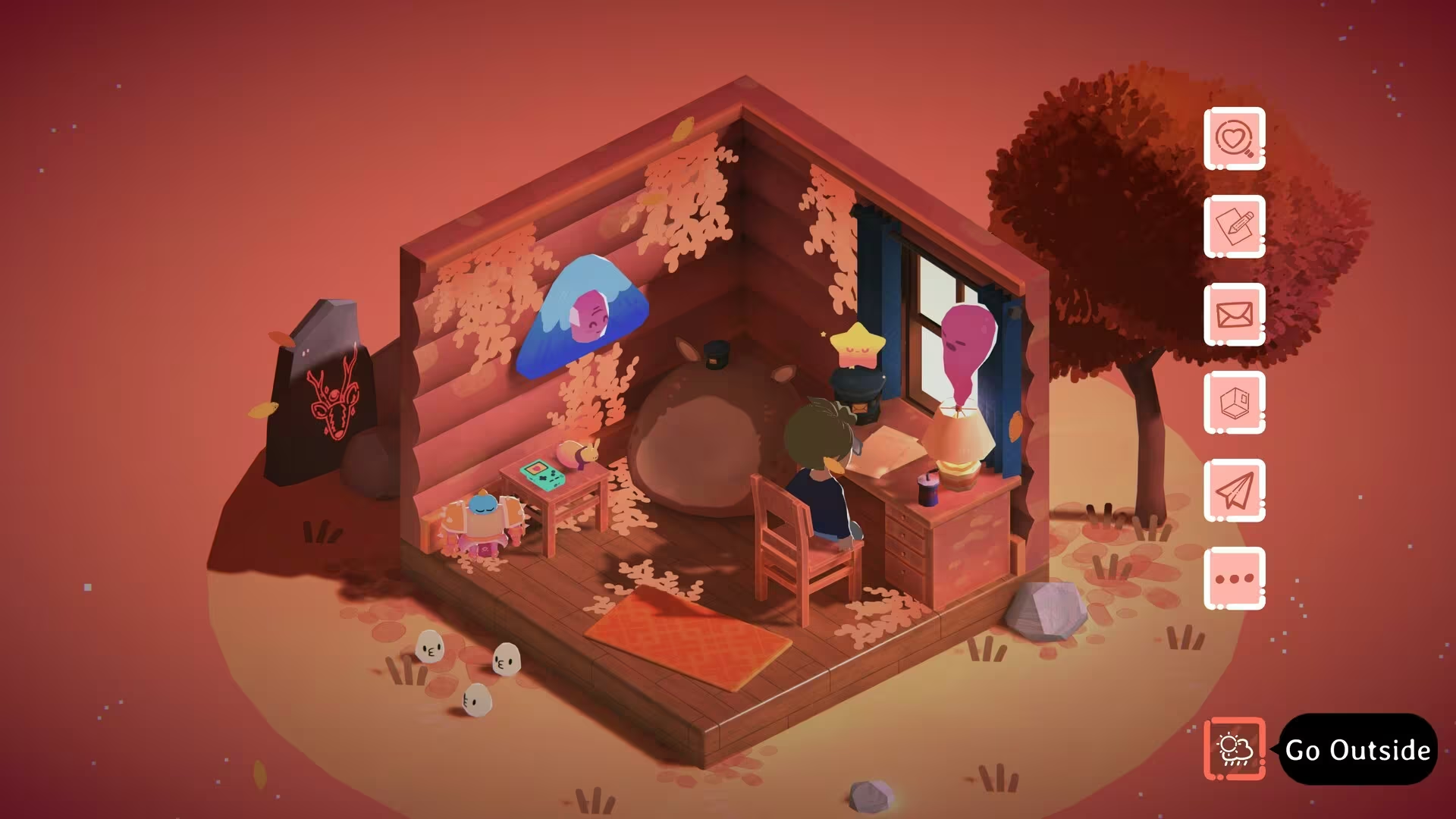
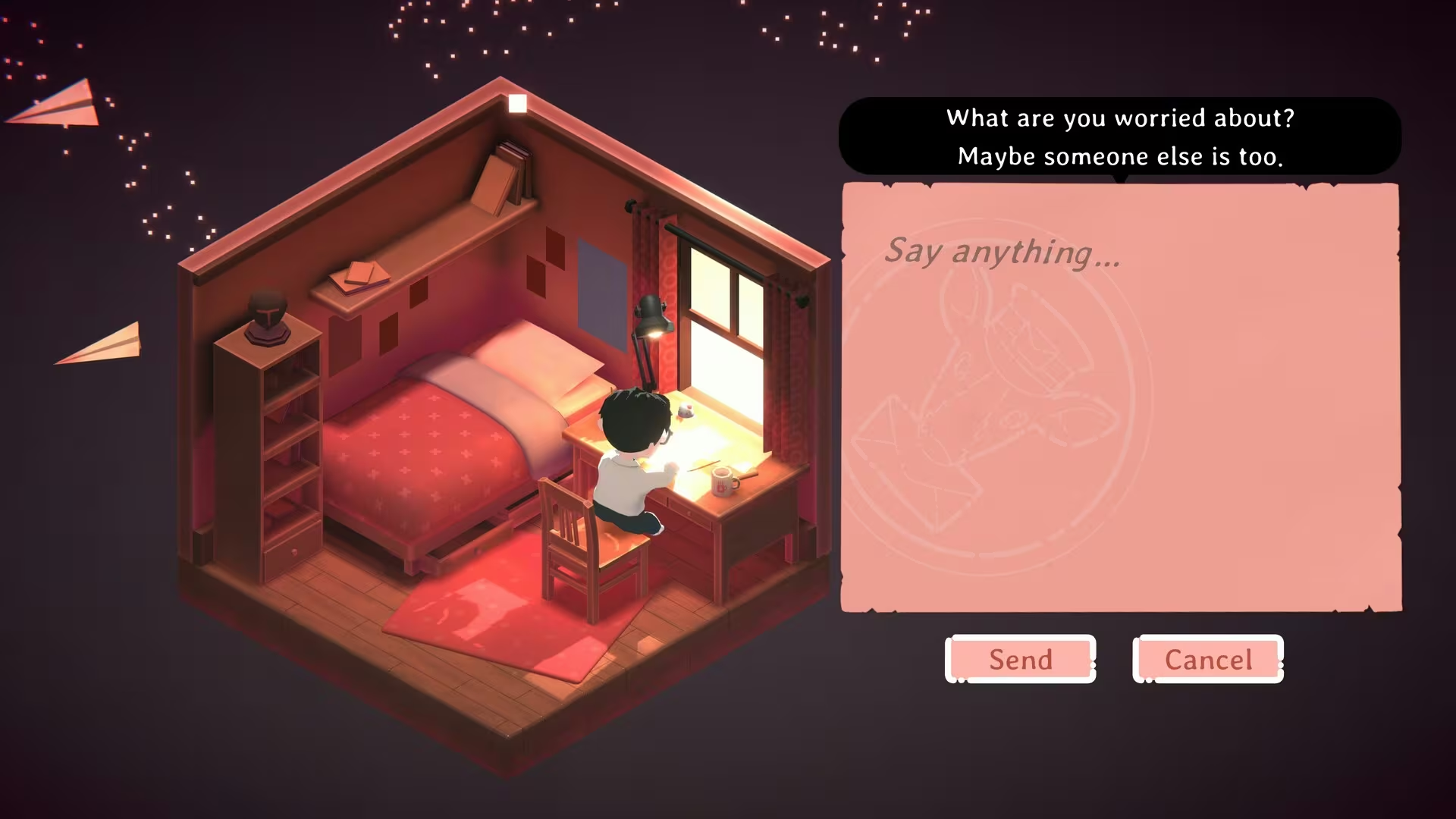
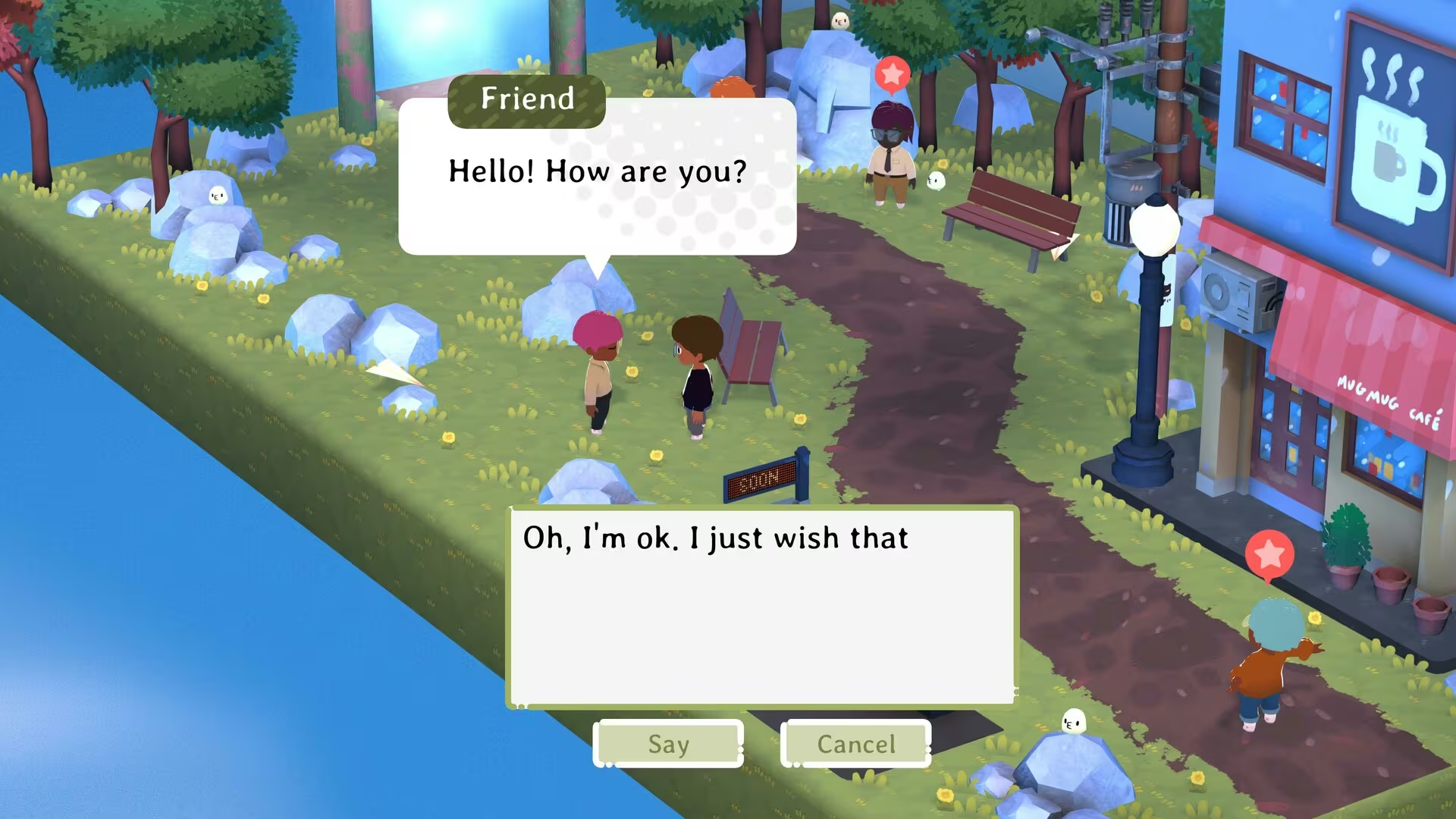
A game about being kind to real people. Send nice letters from your cozy room, go outside and say hi to your neighbors, swap recommendations, dress up for the poetry slam and add your dreams to a sky full of wishes. Join a community of real people with their hearts on their sleeves.

Global score

93/100

Genres

Casual, Indie, Massively Multiplayer

Similar games

    Pros

    • Wholesome and supportive community
    • Multiple ways to interact and express
    • Relaxing atmosphere and music
    • Anonymous and safe environment
    • Therapeutic and emotionally beneficial

    Cons

    • Slow-paced with asynchronous replies
    • Limited avatar customization
    • Some features feel underdeveloped
    • Price may be high for content volume
    • Lack of real-time interaction

    Analysis

    Less representative of its motivational profile, with noticeable differences. Motivations that often define this kind of title include Intimacy, Survival, Violence, Competition. Here, the score leans higher than usual among comparable games on Cooperation. It leans lower than usual among comparable games on Story, Fantasy.

    How to use the graph
    Similar games map

    Each dot is a game. They are arranged from the same motivation profile as in the “Motivations” section below. Closer dots usually mean more similar reasons to play (exploration, competition, relaxation, etc.)—not that one game is “better” than another.

    • Larger dot with a light outline: the game you are viewing.
    • Colour: groups of games with comparable motivation patterns (statistical clusters).
    • Hover a dot to see the game name; click to open its page.
    • Scroll or double-click the chart to zoom out and see more games.

    Why don’t the axes read like a score? This view uses t-SNE: it only keeps who is close to whom. The scales are not “good to bad” or hours played—they separate groups on the map. Read distance between dots, not the axis numbers.

    Motivations

    • Autonomy
      4

      "Players freely choose how and when to interact, what to write, and which activities to engage in across multiple locations."

    • Competence
      1

      "The game involves thoughtful writing and reading, but lacks technical skill challenges or complex mechanics."

    • Competition
      -5

      "No competitive elements; focus is on personal expression and mutual support without comparison."

    • Continuation
      3

      "Players report habitual, repeated visits for emotional support and community interaction."

    • Cooperation
      4

      "Strong emphasis on helping others, exchanging advice, and collaborative community activities."

    • Creativity
      3

      "Players create poems, write letters, name cats, and customize avatars, expressing themselves creatively."

    • Domination
      -5

      "Interactions are equal and anonymous, fostering mutual respect and kindness without power dynamics."

    • Escapism
      4

      "Players use the game as a therapeutic, calming space to escape real-life stress and loneliness."

    • Expectation
      -4

      "Engagement is voluntary and driven by intrinsic desire for kindness and connection."

    • Experimenting
      3

      "Multiple new interaction modes and areas encourage exploration and trying different ways to connect."

    • Exploration
      3

      "Players explore various in-game locations and activities beyond the original single-room format."

    • Expression
      4

      "Avatar customization, letter writing, poetry, and stickers allow personal expression."

    • Fantasy
      -3

      "Focus is on realistic, sincere human emotions and interactions rather than imaginative fiction."

    • Fellowship
      5

      "Strong sense of community and shared identity among players offering and receiving support."

    • Growth
      3

      "Players report personal development through reflection, advice giving, and emotional support."

    • Health
      -5

      "Sedentary, mental-emotional focus without physical activity or health-related gameplay."

    • Idle
      2

      "Can be played in short sessions or left open for asynchronous interaction and background listening."

    • Intimacy
      4

      "Anonymous but emotionally meaningful exchanges foster feelings of closeness and empathy."

    • Leadership
      -4

      "No leadership roles; players participate as equals in a supportive environment."

    • Progression
      1

      "Some collection of stickers and avatar customization, but no power or item accumulation."

    • Relaxation
      5

      "Highly relaxing, chill atmosphere with soothing music and gentle social interaction."

    • Sensation
      2

      "Pleasant audiovisuals and calm sensory input enhance the soothing experience."

    • Status
      -5

      "Anonymous interactions prevent social status or recognition dynamics."

    • Story
      -4

      "No overarching narrative; focus is on isolated, context-free personal exchanges."

    • Strategy
      -4

      "No strategic or problem-solving gameplay; interactions are straightforward and open-ended."

    • Thrill
      -5

      "No suspense or risk; the experience is calm and emotionally safe."

    • Value
      3

      "Players find emotional and therapeutic value, though some note the price may be high for content."

    • Violence
      -5

      "No violence; the game centers on kindness, support, and constructive communication."

    • Survival
      -5

      "No threats or survival mechanics; environment is stable and safe."

    Last update: 29/04/2026