Mashinky Thumbnail

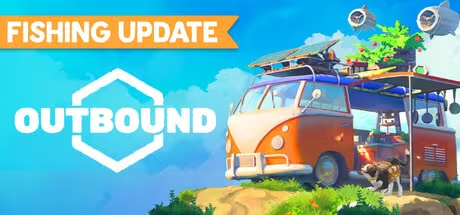
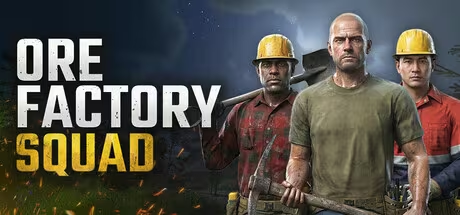
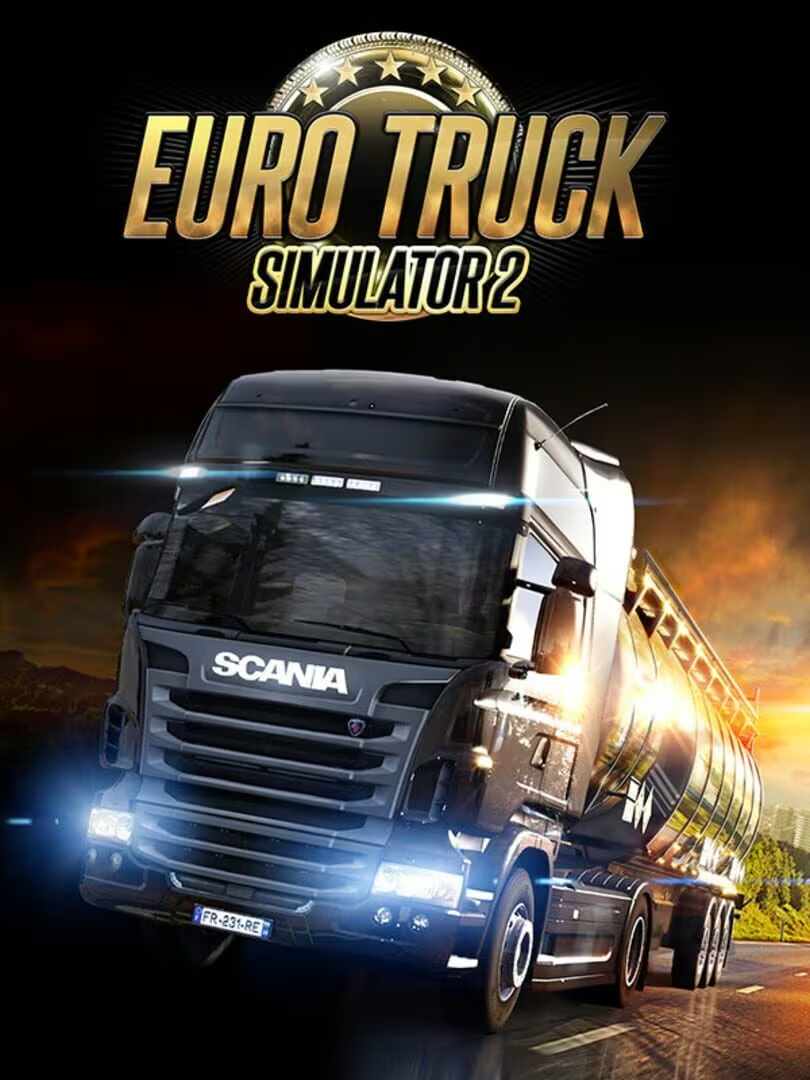
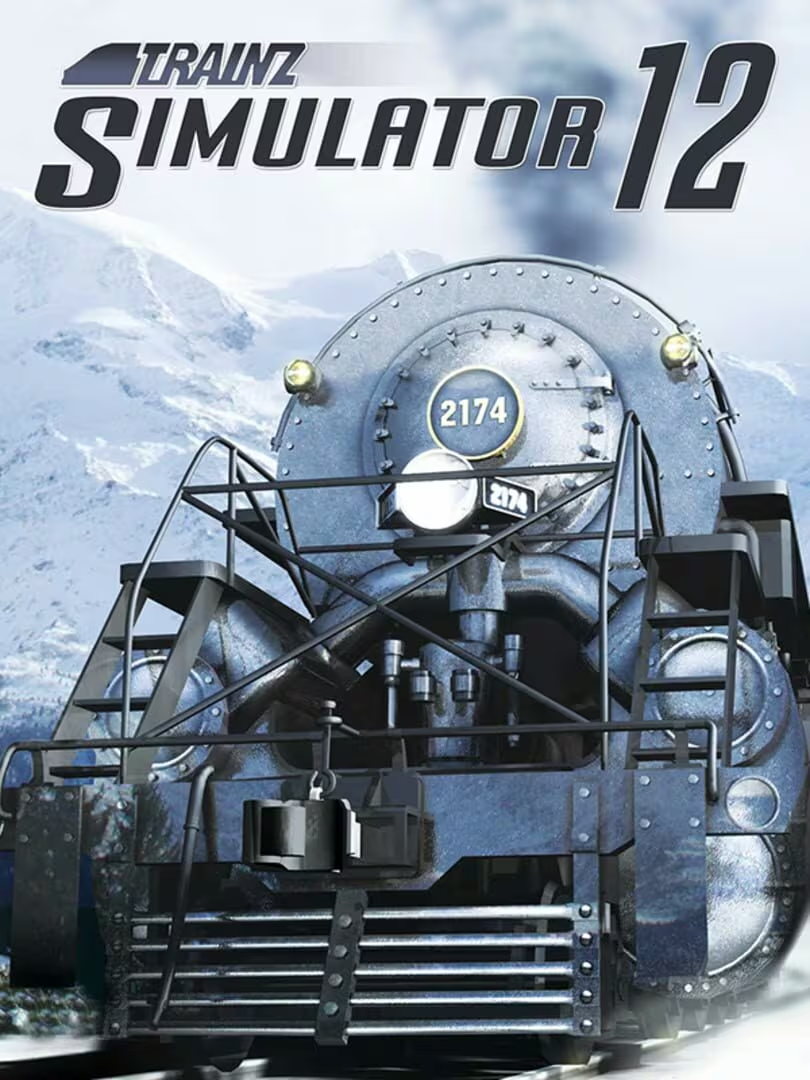
Mashinky similar games & best alternatives
Mashinky

PC (Microsoft Windows) • 2017

Related articles

Quick resume

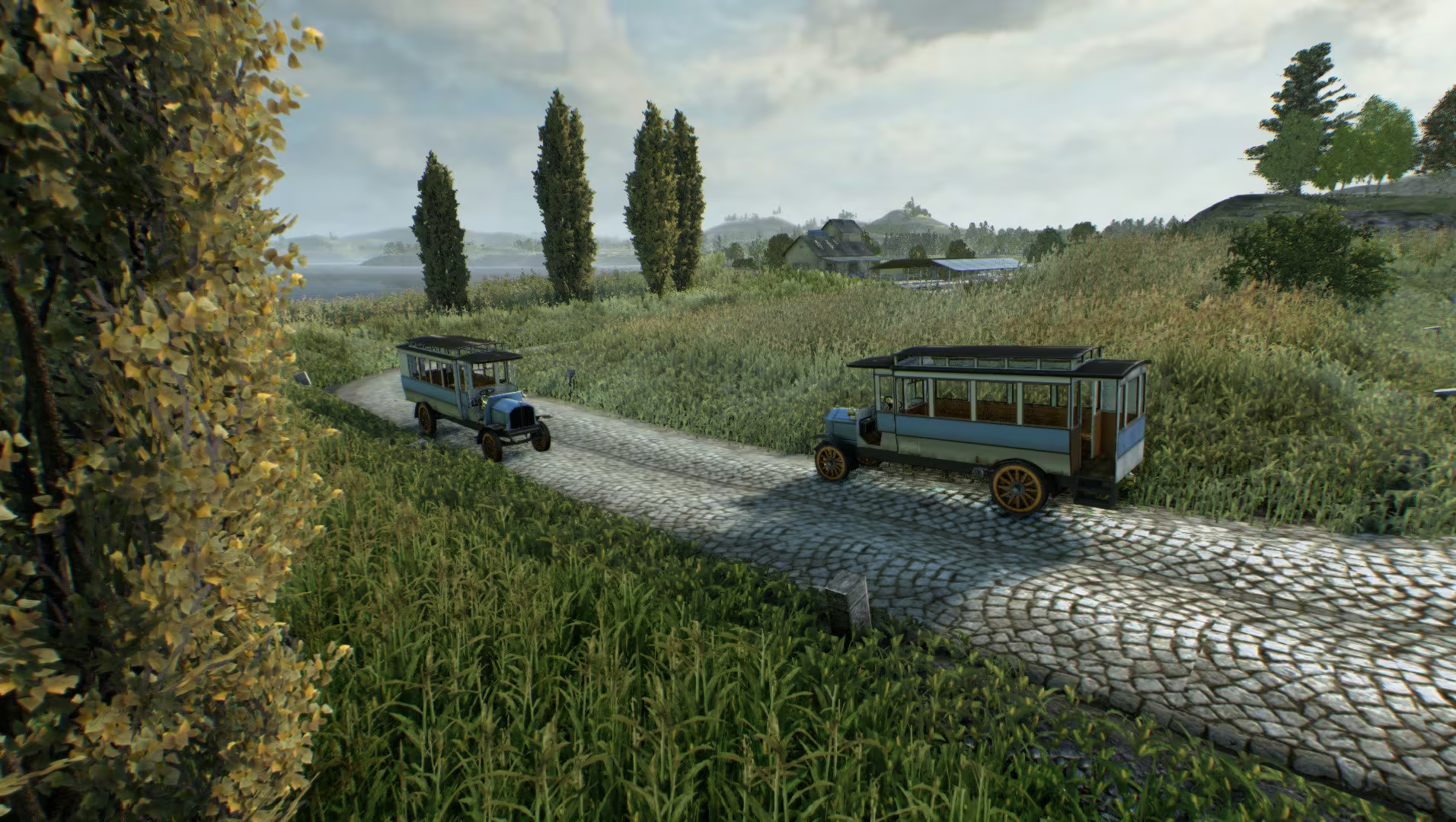
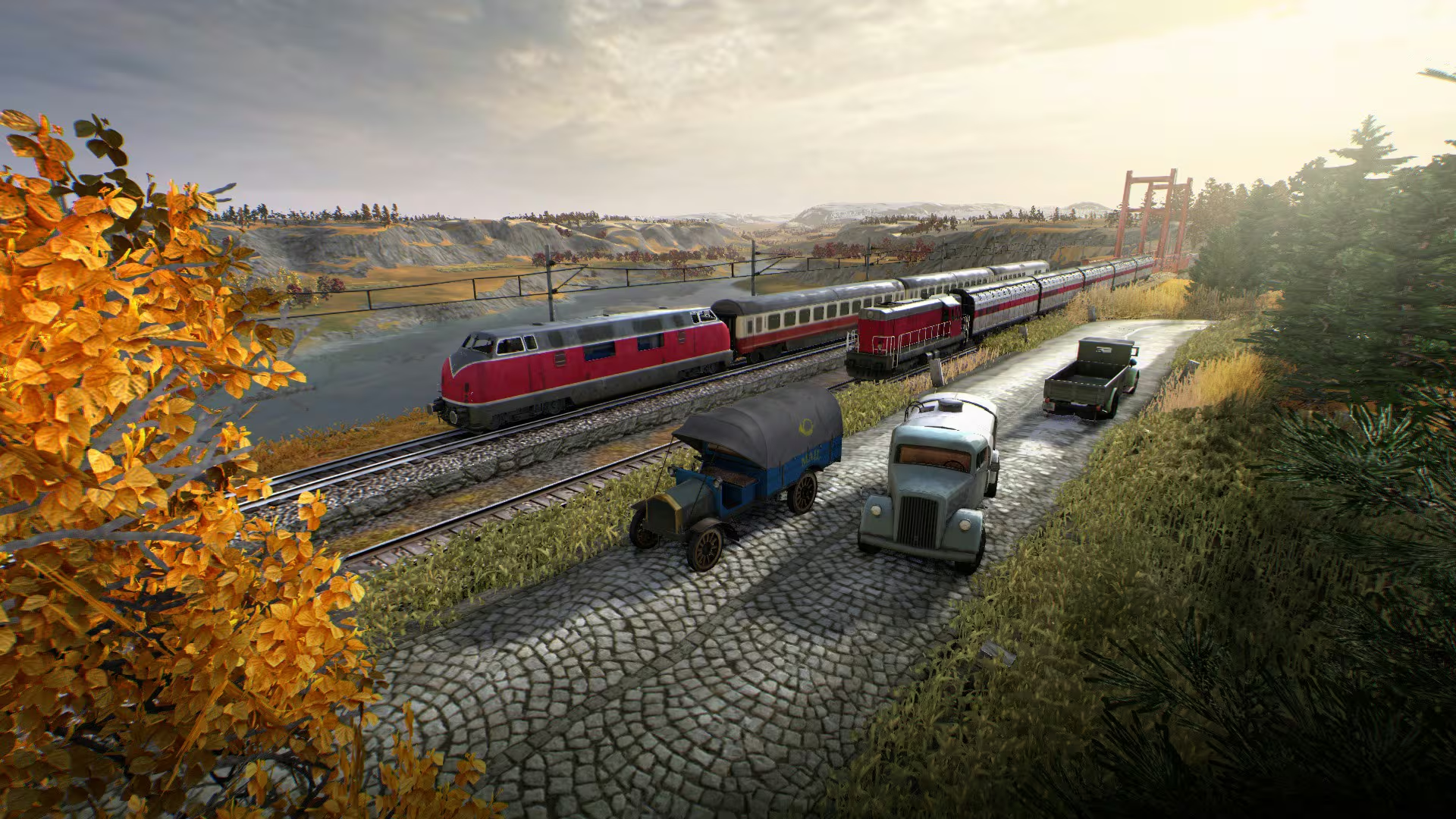
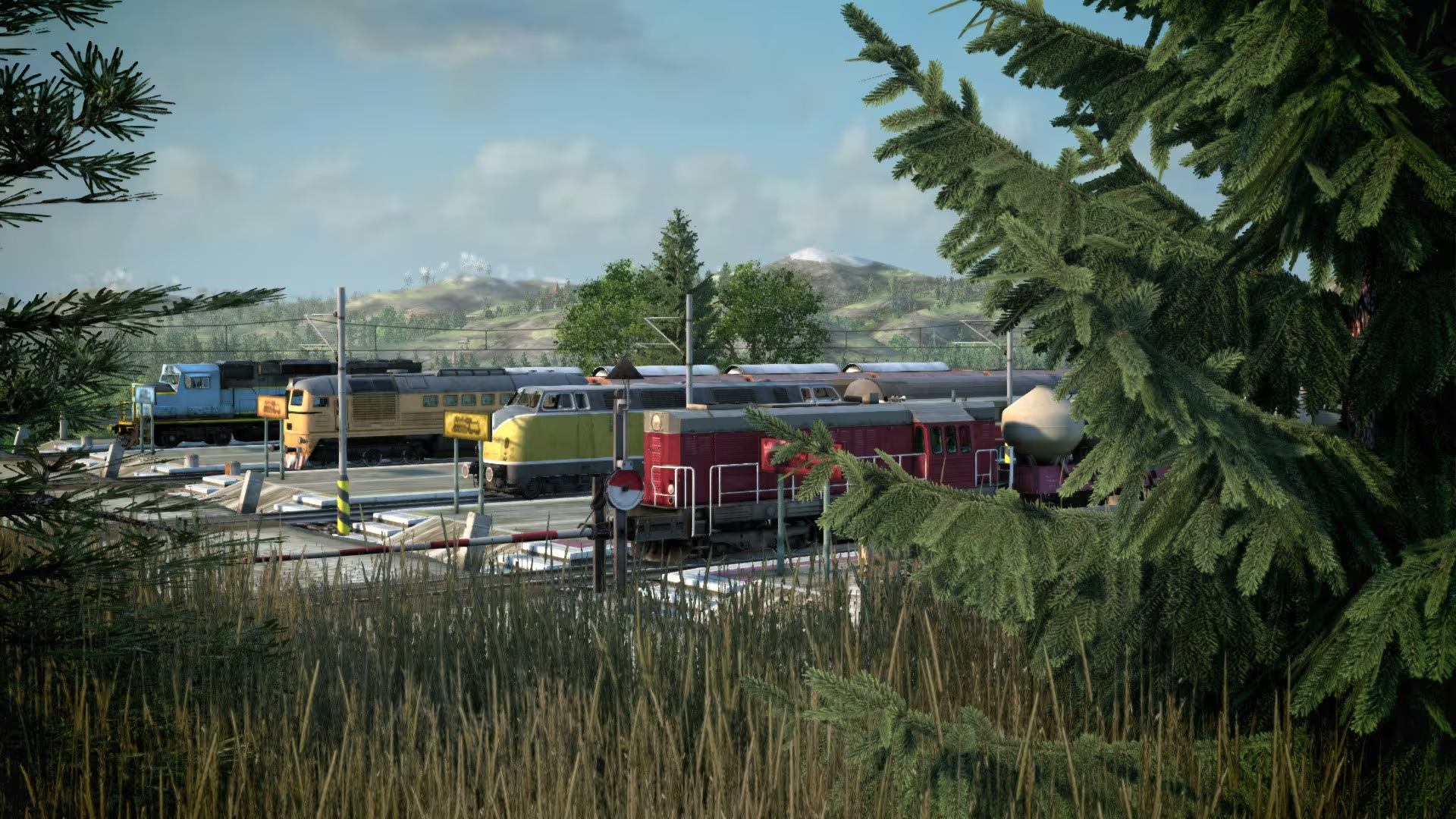
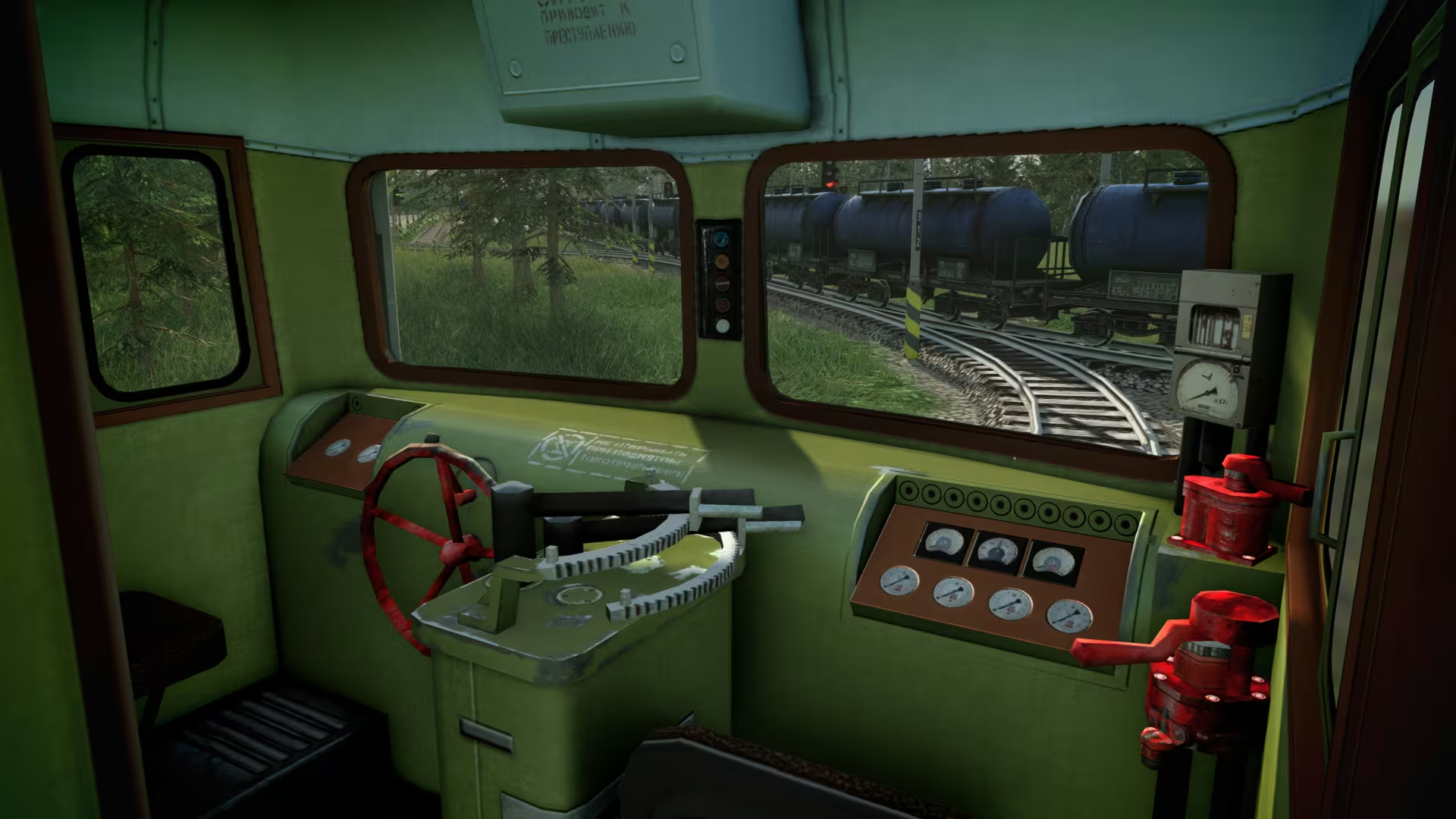
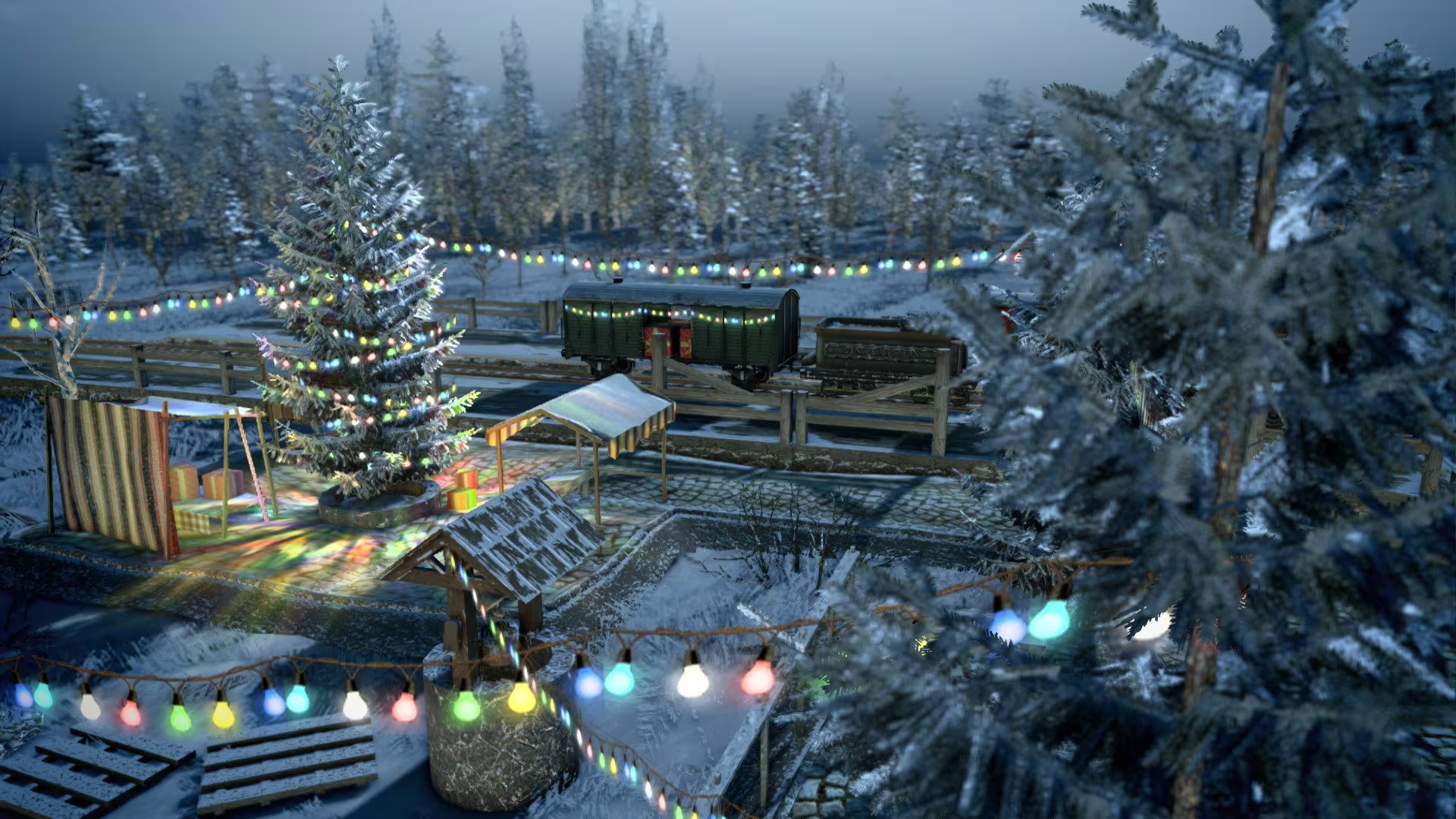
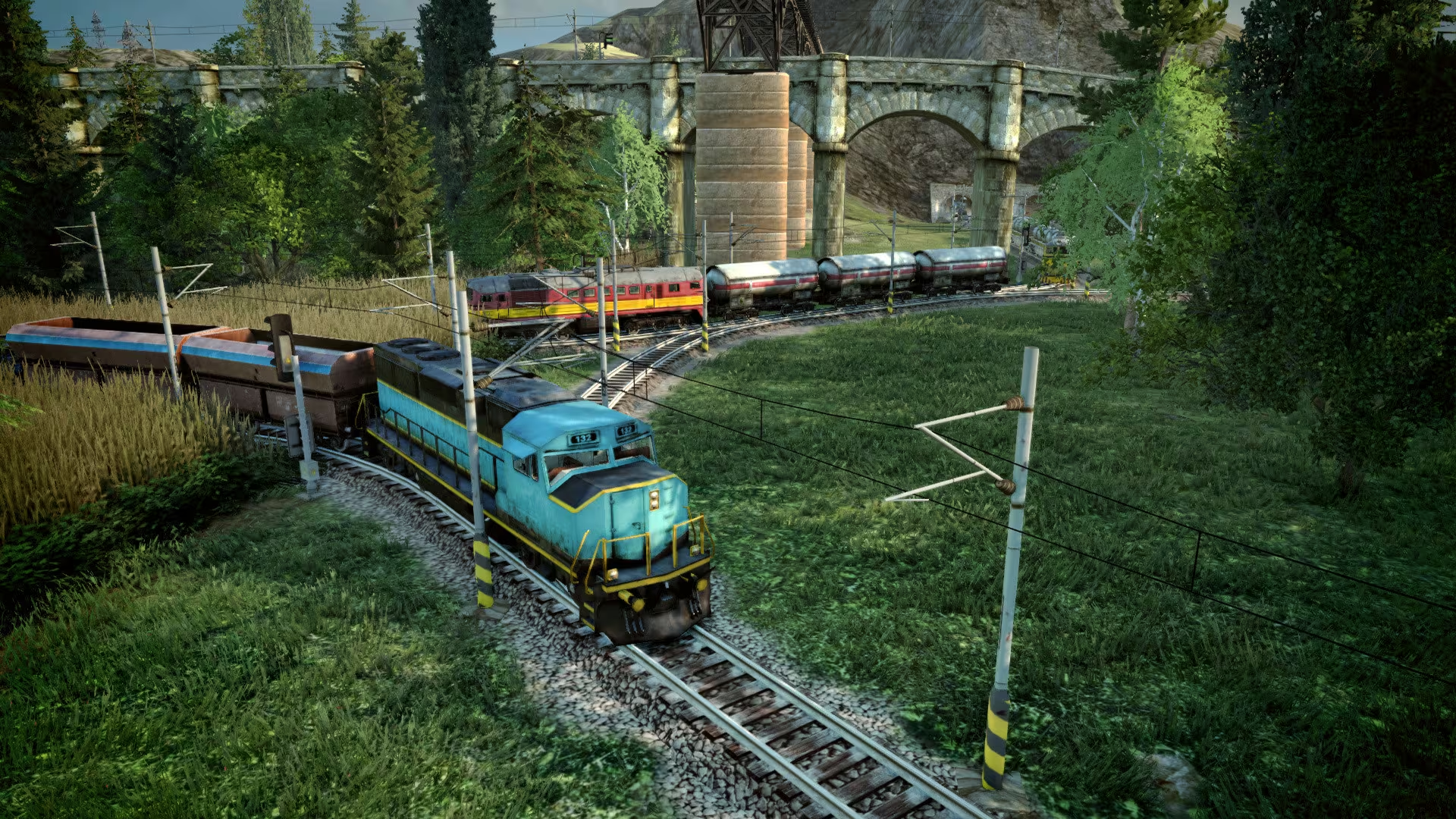
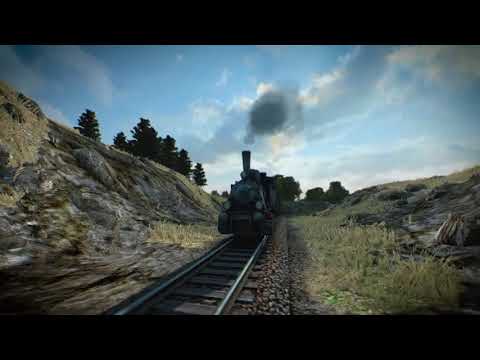
Mashinky is a transport strategy game about trains. The goal is to create your own transport empire on a procedurally generated map. It’s a unique blend of realistic graphics combined with an isometric construction mode and board game-like rules.

Global score

85/100

Genres

Indie, Simulator, Strategy, Early Access

Similar games

    Pros

    • Engaging and creative rail network building
    • Unique token-based economy and progression
    • Beautiful 3d graphics and immersive views
    • Active developer and community support
    • High replayability with random maps and eras

    Cons

    • Early access bugs and crashes
    • Limited content and missing features
    • Some ui clunkiness and learning curve
    • Performance issues on large maps
    • Lack of deep competition or narrative

    Analysis

    Broadly representative of its motivational profile, with a few distinct shifts. Motivations that often define this kind of title include Fantasy, Violence, Story, Thrill. Here, the score leans higher than usual among comparable games on Cooperation, Fellowship, Thrill.

    How to use the graph
    Similar games map

    Each dot is a game. They are arranged from the same motivation profile as in the “Motivations” section below. Closer dots usually mean more similar reasons to play (exploration, competition, relaxation, etc.)—not that one game is “better” than another.

    • Larger dot with a light outline: the game you are viewing.
    • Colour: groups of games with comparable motivation patterns (statistical clusters).
    • Hover a dot to see the game name; click to open its page.
    • Scroll or double-click the chart to zoom out and see more games.

    Why don’t the axes read like a score? This view uses t-SNE: it only keeps who is close to whom. The scales are not “good to bad” or hours played—they separate groups on the map. Read distance between dots, not the axis numbers.

    Motivations

    • Autonomy
      4

      "Players have freedom to build and manage complex rail networks, choose routes, upgrade stations and industries, and decide progression pace."

    • Competence
      4

      "Game requires skillful planning of track layouts, signaling, resource management, and train routing to avoid jams and optimize efficiency."

    • Competition
      -3

      "Focus is mostly on personal network building and progression; multiplayer exists but is cooperative or casual, no strong competitive modes."

    • Continuation
      4

      "Highly addictive gameplay with long sessions, replayability through random maps and progression through eras encourages habitual play."

    • Cooperation
      2

      "Multiplayer mode allows working together or competing on same map, but single player and solo management dominate experience."

    • Creativity
      5

      "Strong emphasis on creative building of rail networks, modular station upgrades, and custom layouts with workshop support."

    • Domination
      -4

      "Interactions are balanced with no strong dominance or trash talk; multiplayer is friendly and cooperative."

    • Escapism
      4

      "Immersive 3D views and relaxing music provide escape from real life; players enjoy scenic rides and building."

    • Expectation
      -4

      "Players engage voluntarily out of interest and passion for trains and tycoon games; no obligation or pressure reported."

    • Experimenting
      4

      "Players experiment with track layouts, signaling, resource chains, and train compositions to optimize network."

    • Exploration
      3

      "Randomly generated maps with different terrain and resource placement encourage discovery and adaptation."

    • Expression
      3

      "Customization of stations, trains, and layouts allows some self-expression, though cosmetic options are limited."

    • Fantasy
      -3

      "Game simulates realistic train operations and industrial logistics with plausible scenarios and historical eras."

    • Fellowship
      2

      "Active community and multiplayer foster social connection, but solo play remains primary mode."

    • Growth
      4

      "Players learn complex signaling, resource management, and network optimization, improving skills over time."

    • Health
      -5

      "Sedentary gameplay typical of PC tycoon games; no physical activity involved."

    • Idle
      -3

      "Requires sustained attention to manage trains and networks; some downtime when watching trains but mostly active play."

    • Intimacy
      -4

      "Social interactions are limited to casual multiplayer; no deep emotional or close relationship formation."

    • Leadership
      Insufficient data
    • Progression
      5

      "Strong progression through eras, unlocking new trains, industries, and upgrades; token economy drives advancement."

    • Relaxation
      3

      "Relaxing music and scenic views promote flow and tension release despite some challenging management aspects."

    • Sensation
      2

      "Visual and auditory enjoyment from detailed 3D models and train sounds, but sensory stimulation is moderate."

    • Status
      -4

      "Achievements and progress are mostly personal; limited social recognition or leaderboard competition."

    • Story
      -4

      "No narrative or plot; gameplay is open-ended and sandbox style with optional quests."

    • Strategy
      4

      "Requires strategic planning of logistics, signaling, and resource chains to optimize network efficiency."

    • Thrill
      1

      "Some thrill from managing complex networks and avoiding train crashes, but overall low risk and suspense."

    • Value
      3

      "Players feel good value from deep gameplay, frequent updates, and active developer engagement despite early access."

    • Violence
      -5

      "No combat or destruction; gameplay focuses on constructive building and management."

    • Survival
      -4

      "Stable environment with no threats or failure states; focus on growth and optimization."

    Last update: 29/04/2026