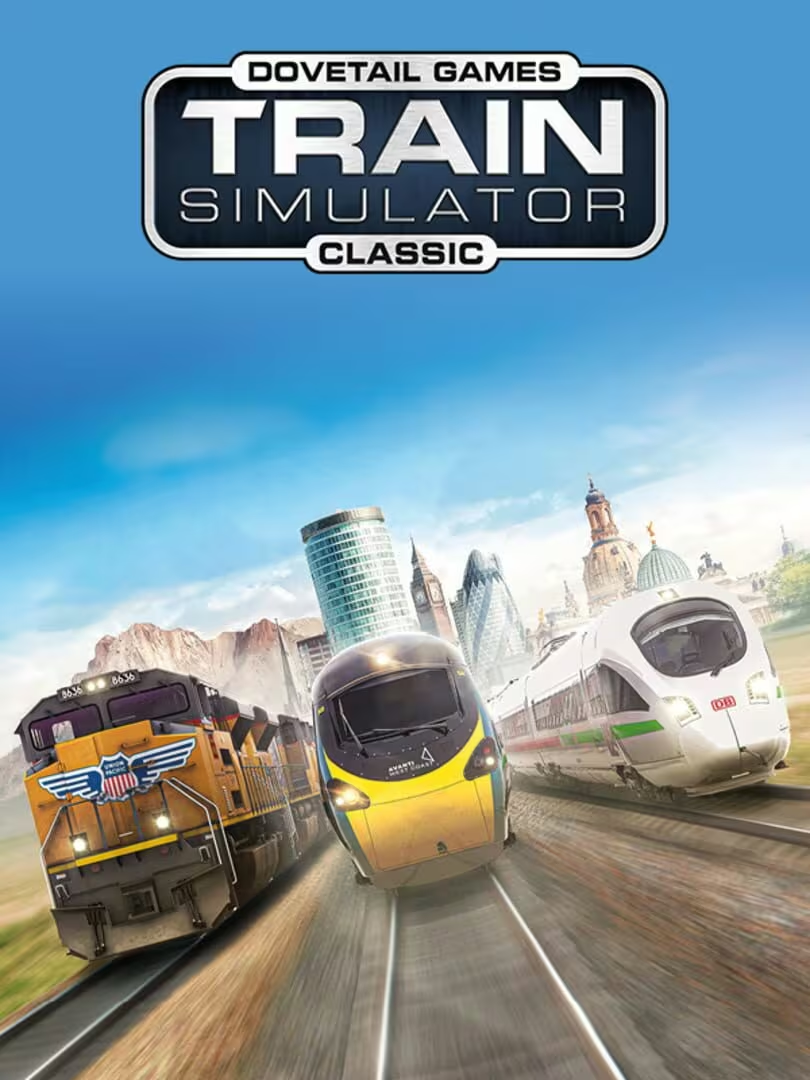
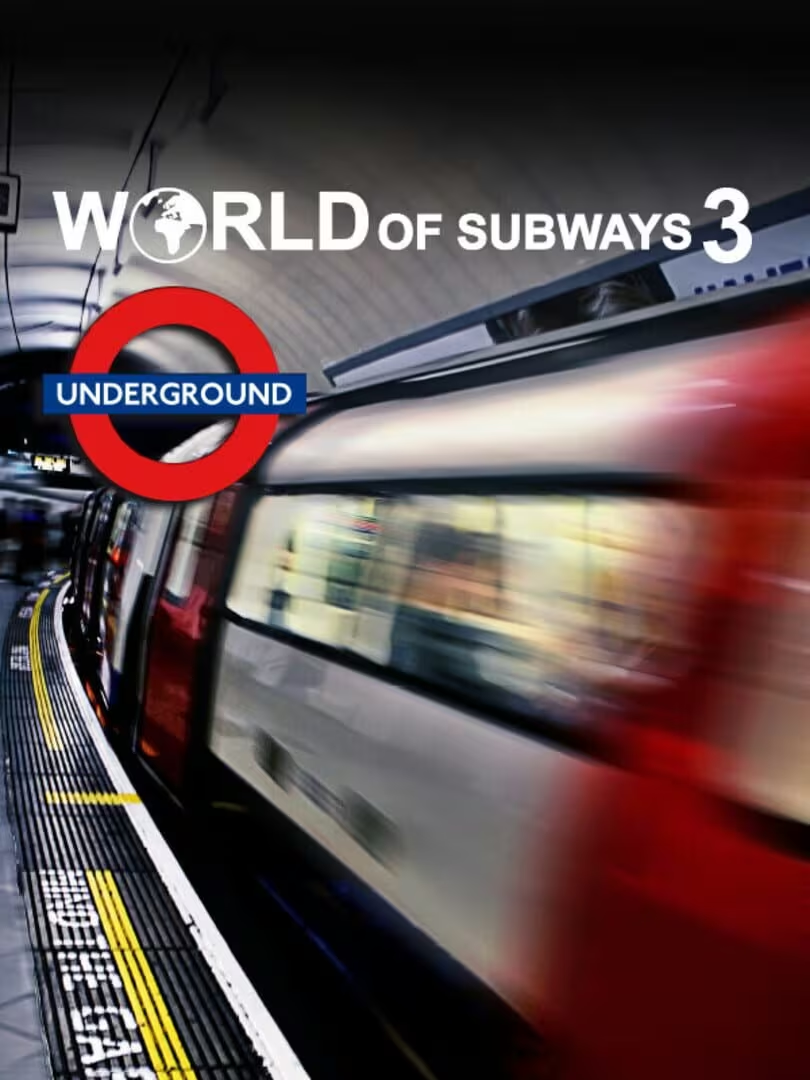
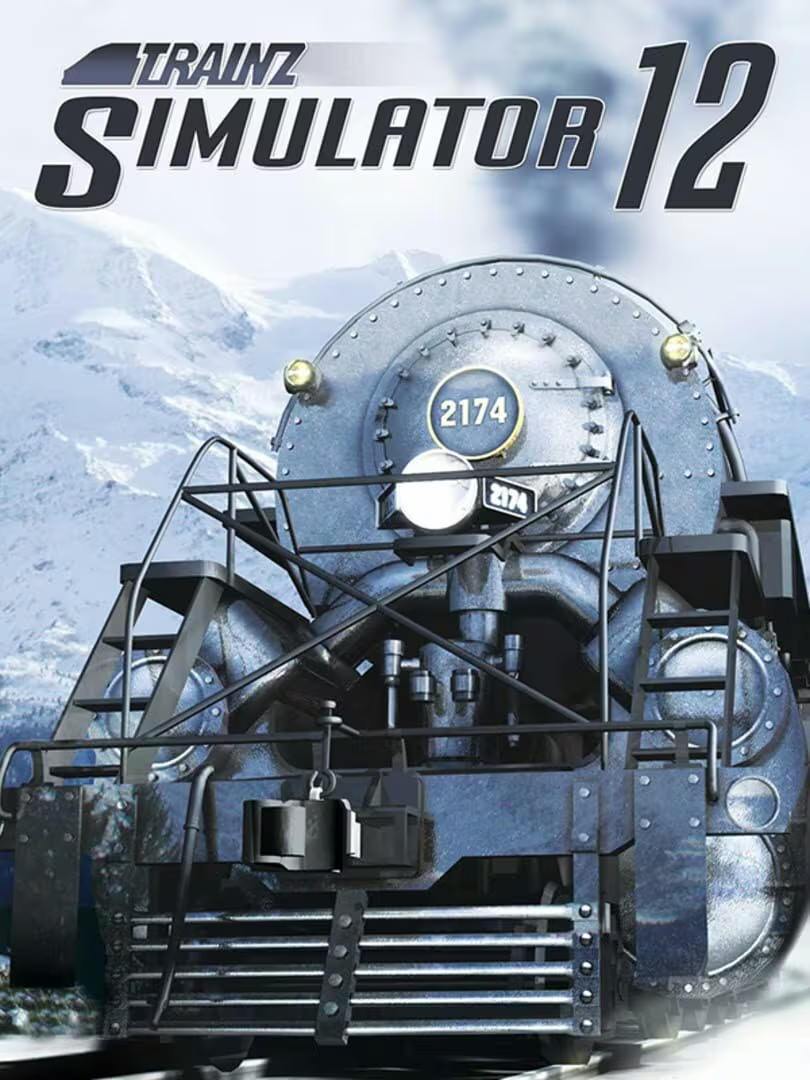
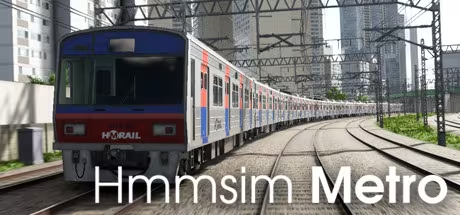
Diesel Railcar Simulator Thumbnail

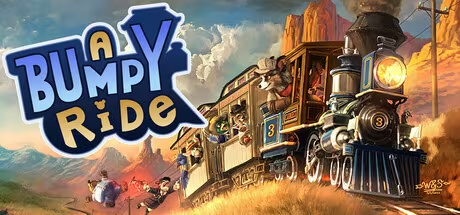
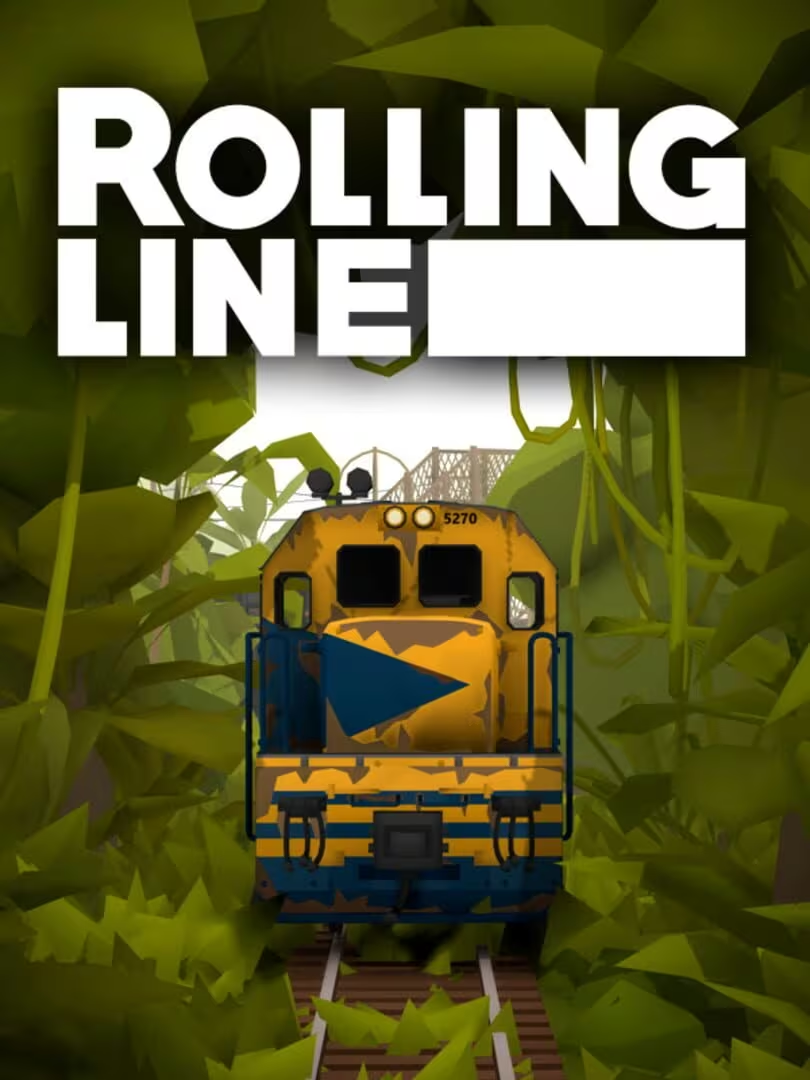
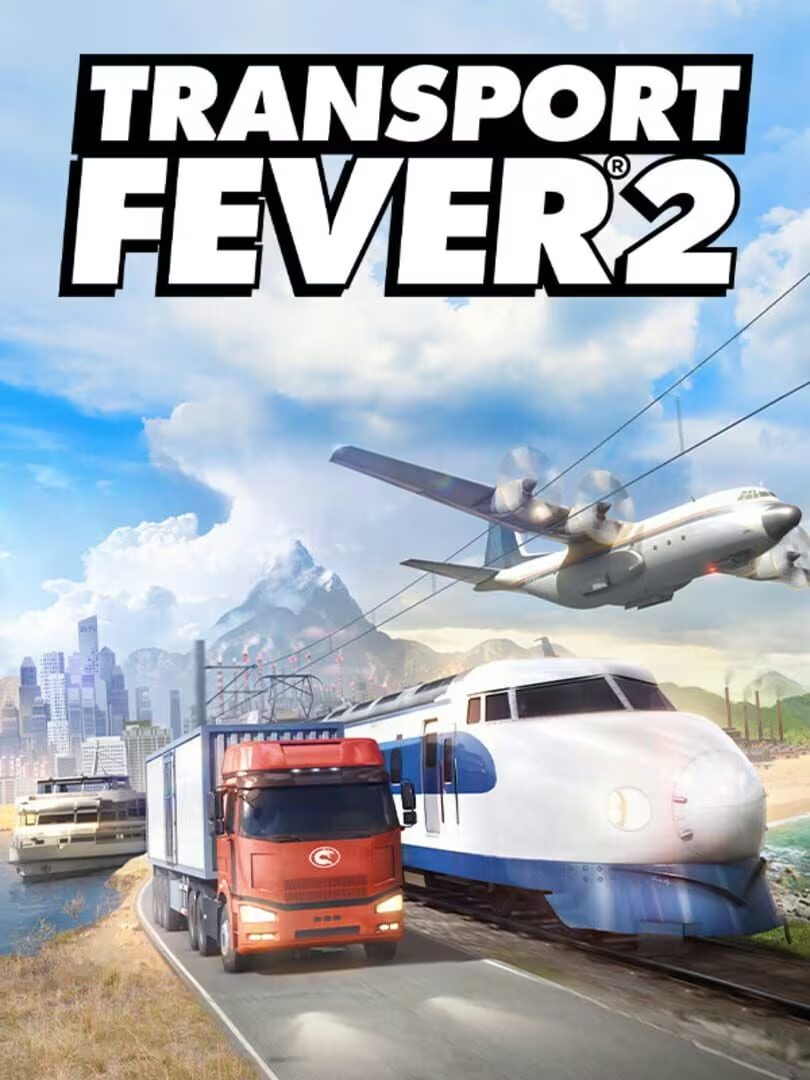
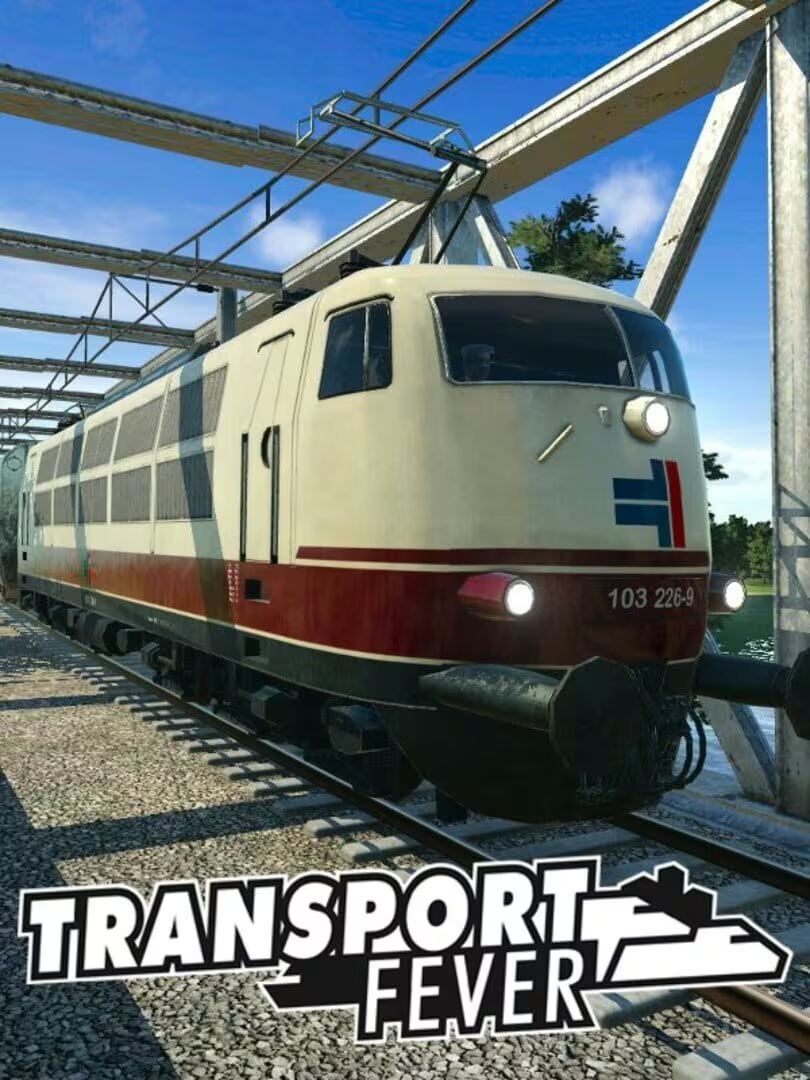
Diesel Railcar Simulator similar games & best alternatives
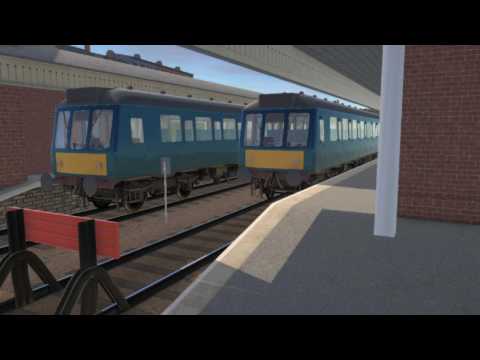
Diesel Railcar Simulator

PC (Microsoft Windows) • 2018

Related articles

Quick resume

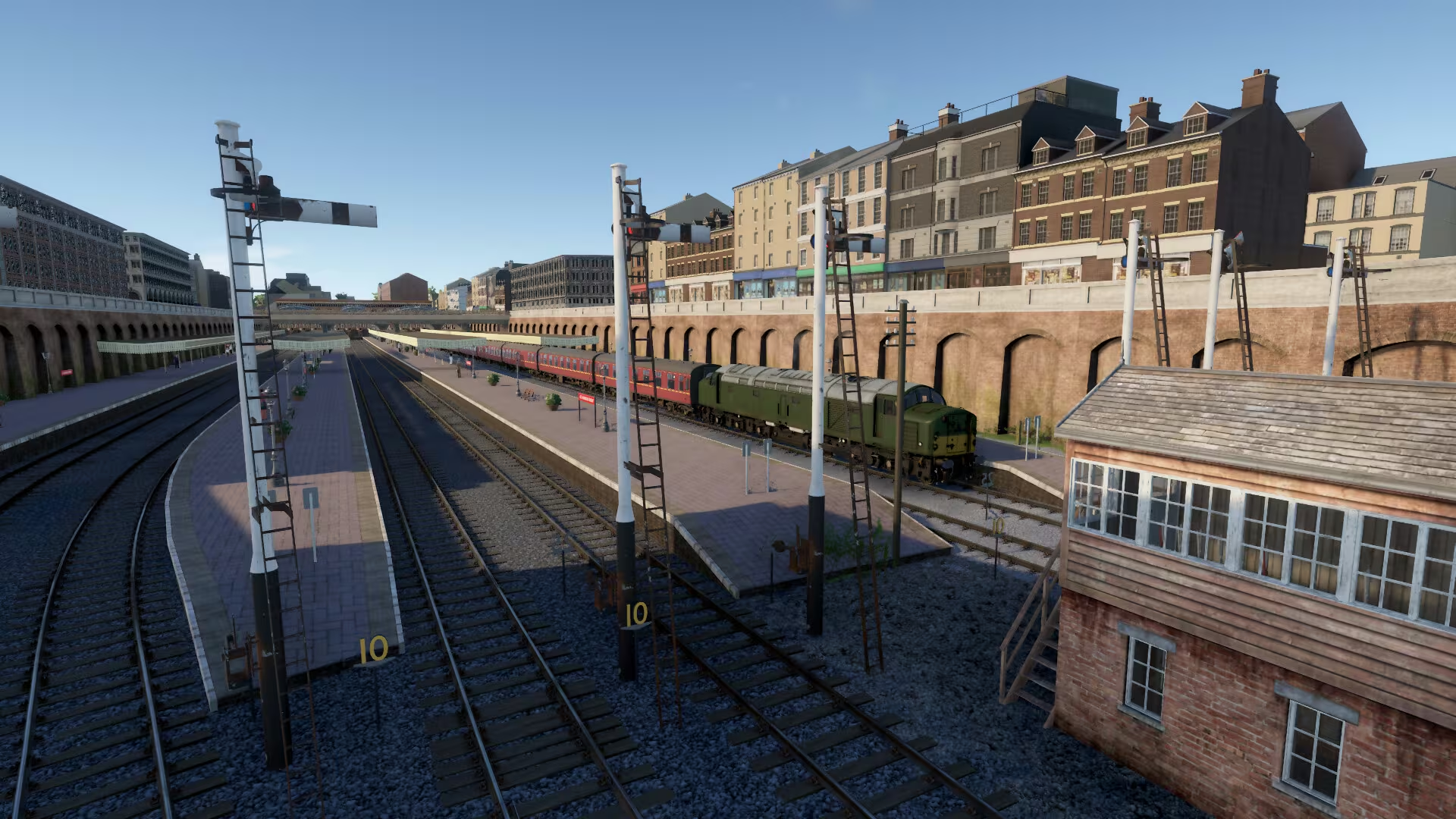
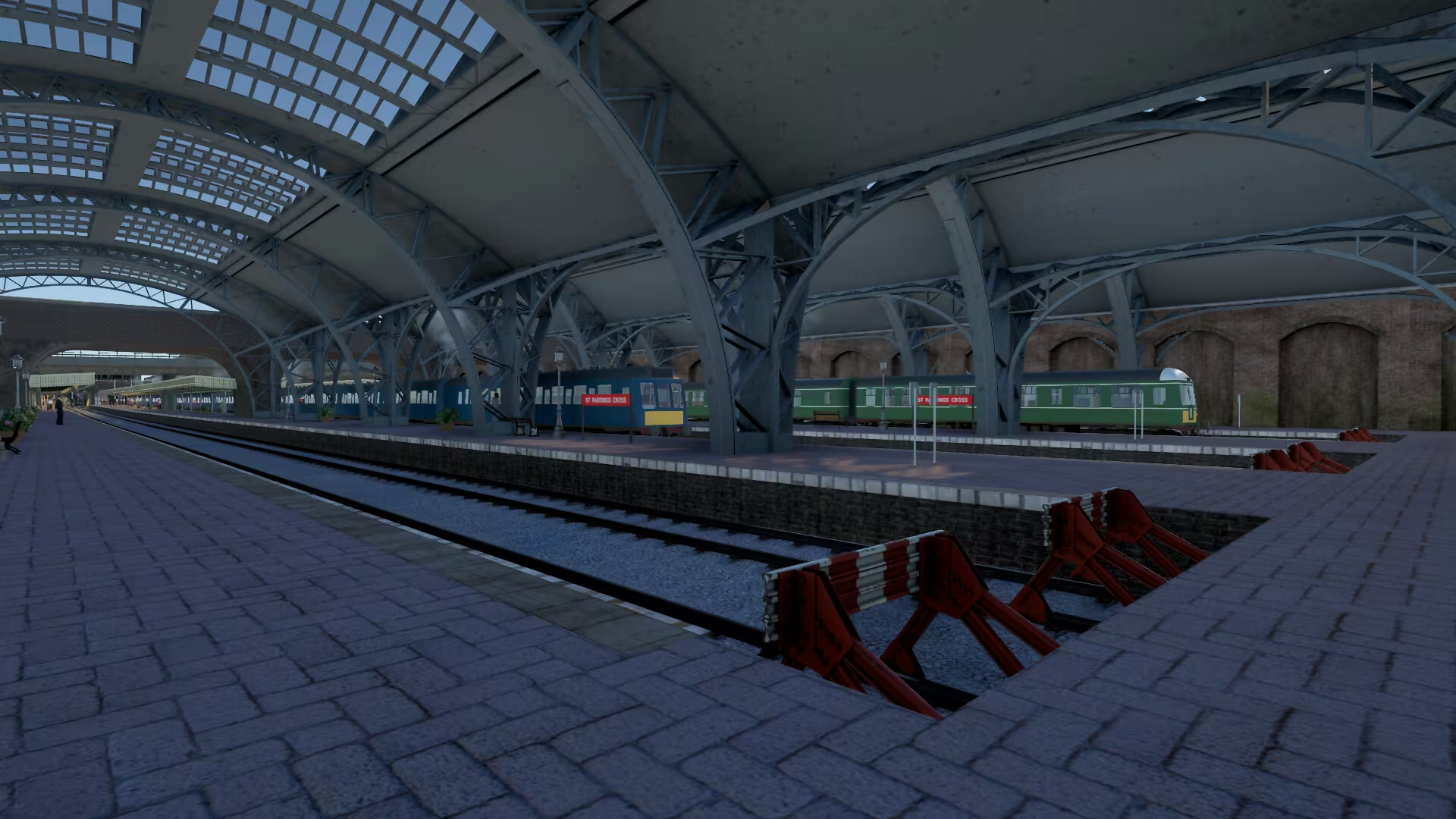
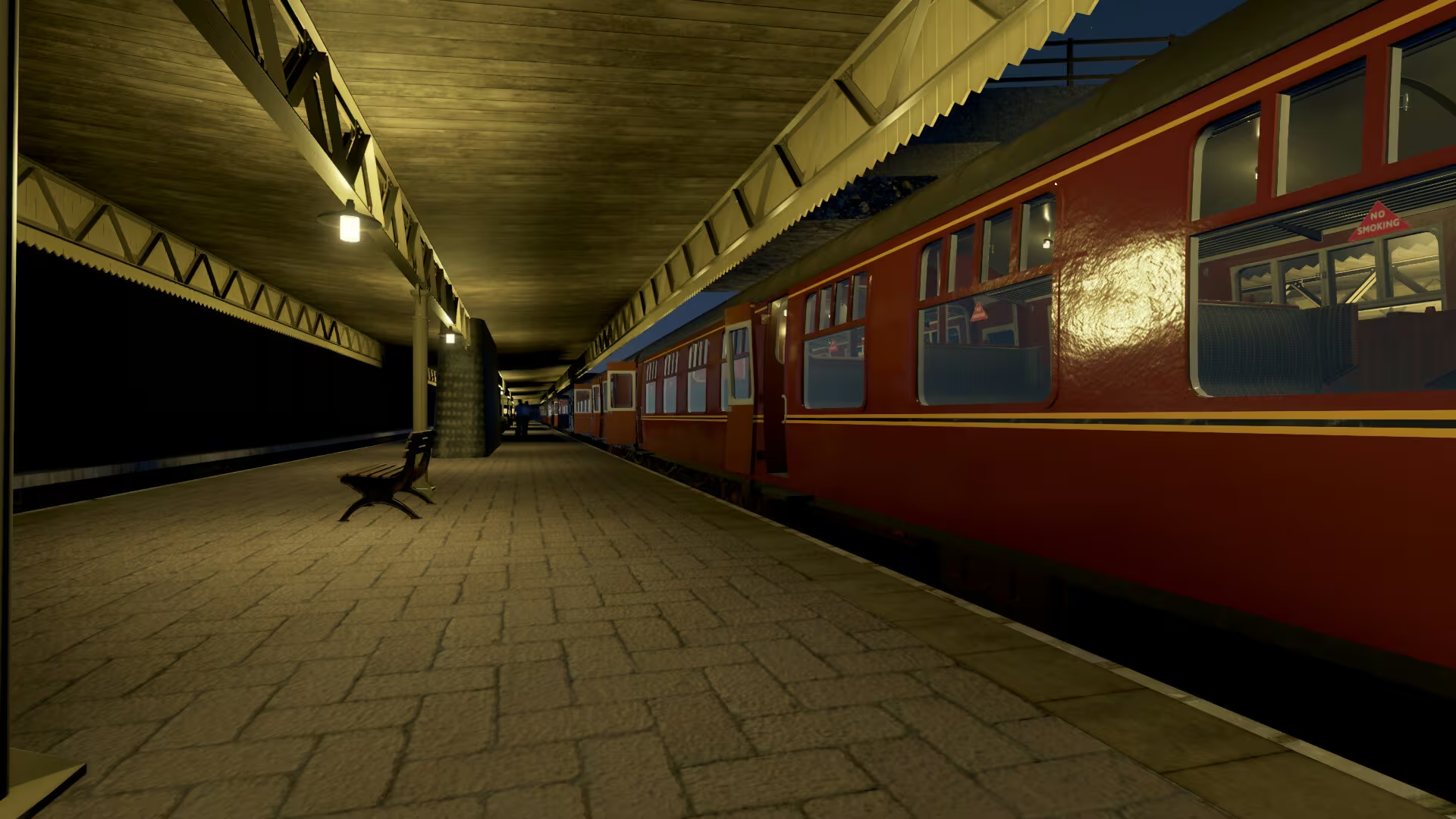
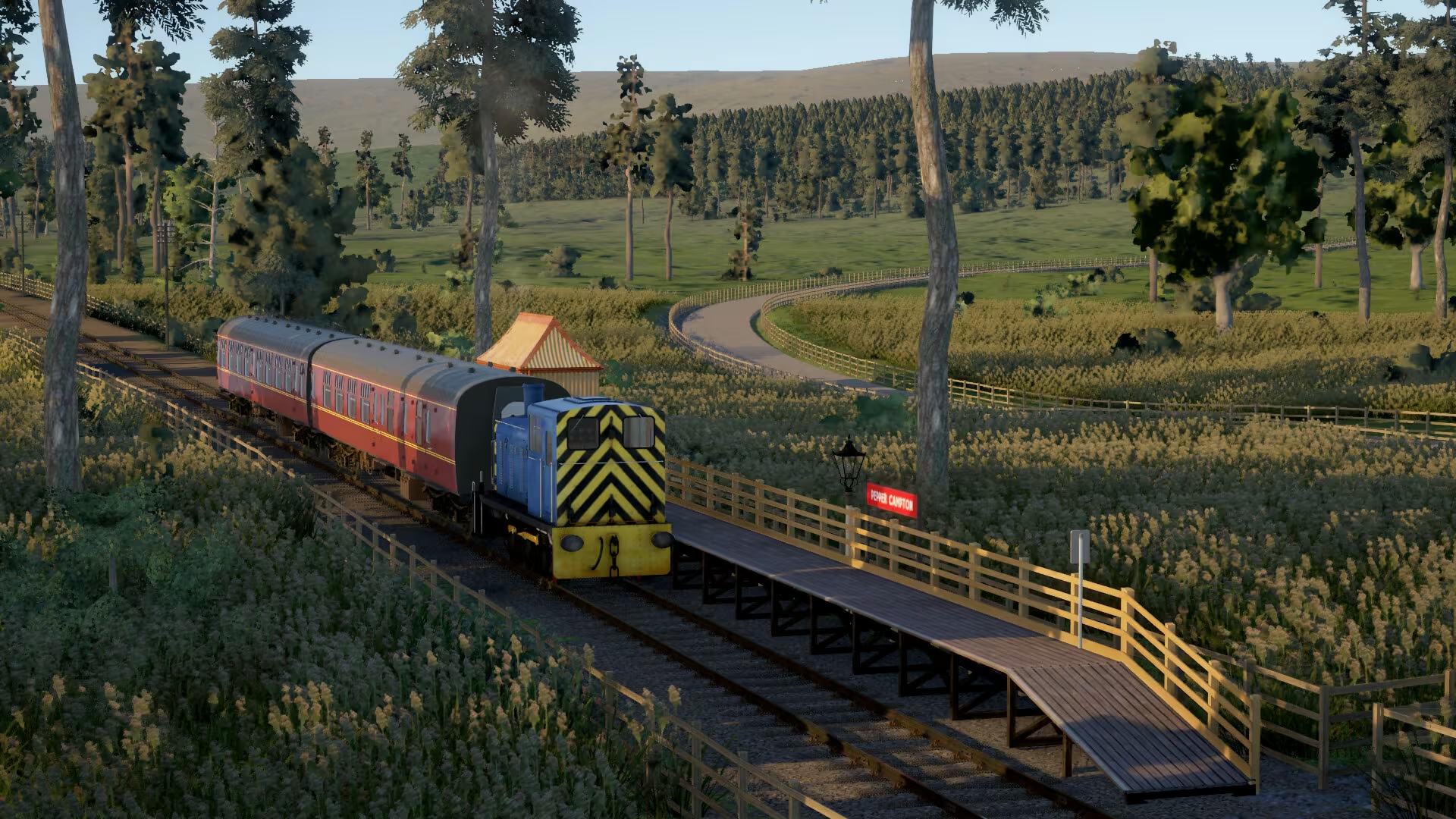
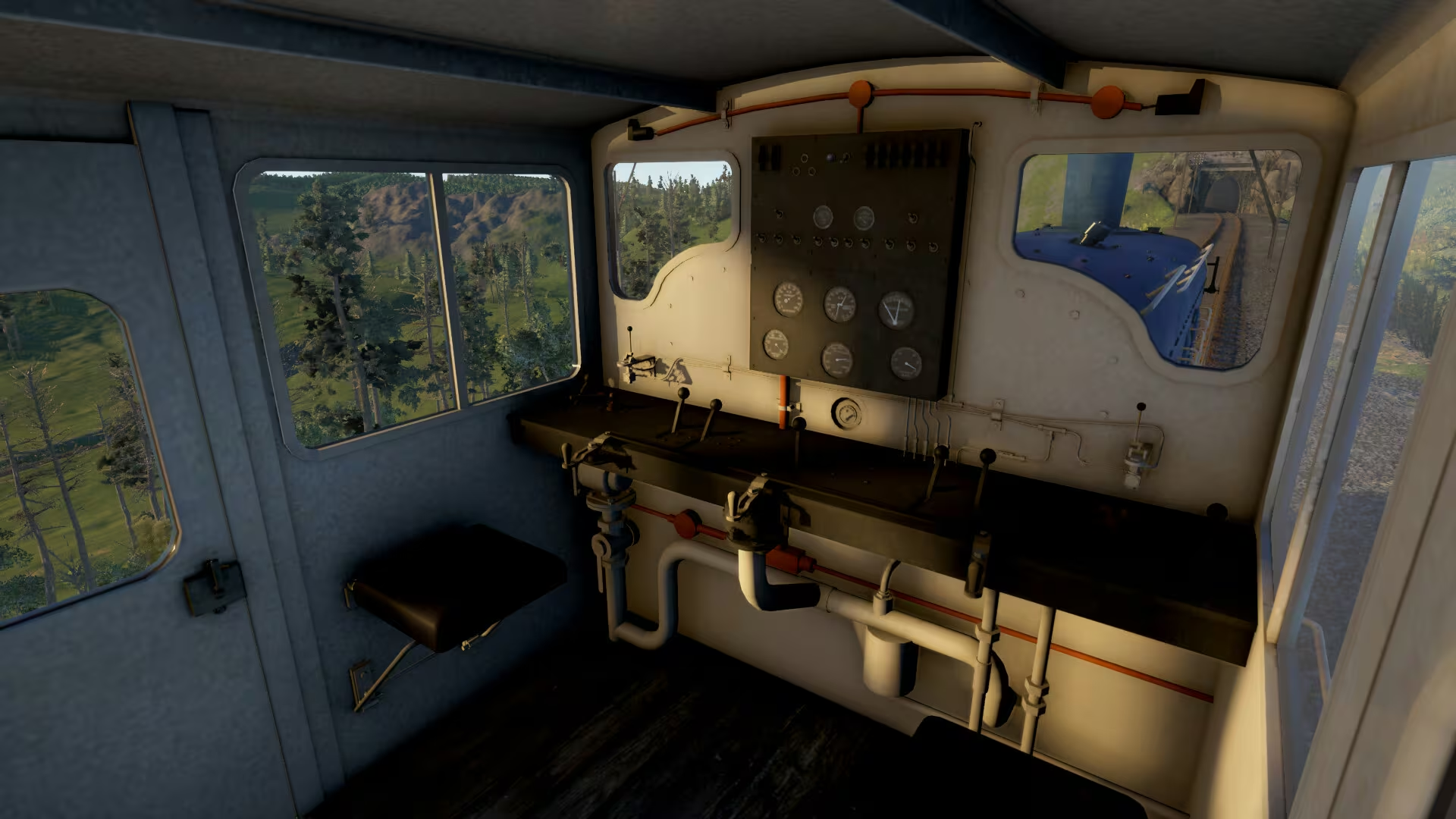
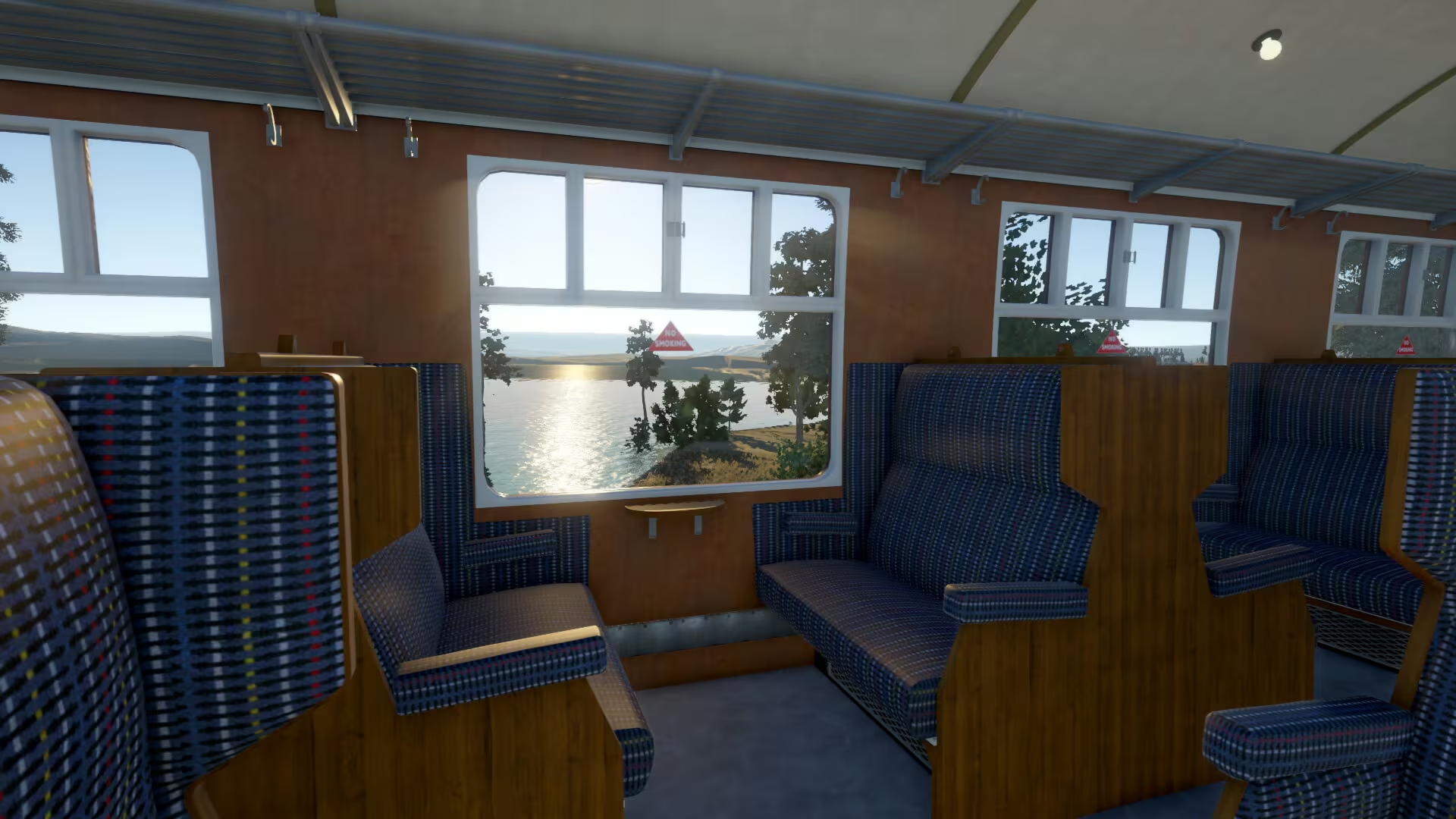
Drive vintage diesel trains, shifting gears manually and trying to reach a perfect score. Create new routes, trains and timetables. Share your creations and download new content from the Workshop.

Global score

95/100

Genres

Indie, Simulator, Early Access

Similar games

    Pros

    • Realistic physics and sound design
    • Accessible controls with tutorial support
    • Active developer and frequent updates
    • Modding support with route and train editors
    • Good value for price

    Cons

    • Limited graphical fidelity and scenery detail
    • Small number of base routes and trains
    • No multiplayer or cooperative features
    • Early access state with some rough edges
    • Sparse world and minimal passenger animation

    Analysis

    A very typical example of its motivational profile. Motivations that often define this kind of title include Fantasy, Violence, Story, Thrill. Here, the score leans higher than usual among comparable games on Thrill, Exploration, Expression.

    How to use the graph
    Similar games map

    Each dot is a game. They are arranged from the same motivation profile as in the “Motivations” section below. Closer dots usually mean more similar reasons to play (exploration, competition, relaxation, etc.)—not that one game is “better” than another.

    • Larger dot with a light outline: the game you are viewing.
    • Colour: groups of games with comparable motivation patterns (statistical clusters).
    • Hover a dot to see the game name; click to open its page.
    • Scroll or double-click the chart to zoom out and see more games.

    Why don’t the axes read like a score? This view uses t-SNE: it only keeps who is close to whom. The scales are not “good to bad” or hours played—they separate groups on the map. Read distance between dots, not the axis numbers.

    Motivations

    • Autonomy
      4

      "Players have control over driving style, gear shifting, and can choose simple or advanced controls; also can create own routes and timetables."

    • Competence
      4

      "Game challenges players with realistic physics, manual gearboxes, scoring system that rewards skillful driving and efficiency."

    • Competition
      -3

      "Focus is on personal performance and self-improvement via scoring, no mention of ranked modes or direct player competition."

    • Continuation
      4

      "Players report hundreds of hours of gameplay, replayability through different timetables, routes, and modding support."

    • Cooperation
      -4

      "Gameplay is primarily single-player with AI trains; no cooperative multiplayer or teamwork elements described."

    • Creativity
      4

      "Includes route and train editors, Steam Workshop support for user-created content and customization."

    • Domination
      -5

      "No evidence of exerting control over others; interactions are with AI and personal performance."

    • Escapism
      4

      "Players use the game for relaxation, immersion in a nostalgic and detailed train driving experience."

    • Expectation
      -4

      "Players engage voluntarily out of interest and enjoyment, no indication of obligation or external pressure."

    • Experimenting
      3

      "Players try different routes, timetables, and use editors to create new content, exploring game mechanics."

    • Exploration
      3

      "Players explore fictional routes with variety and branches; modding allows new areas and scenarios."

    • Expression
      3

      "Customization through train repaints, route creation, and modding enables self-expression."

    • Fantasy
      -4

      "Focus on realistic simulation of 1960s British diesel trains and operations, no fantasy or fictional elements."

    • Fellowship
      -3

      "Limited social interaction; community exists around modding and forums but gameplay is solo."

    • Growth
      4

      "Players learn train operations, signaling, and improve driving skills through tutorials and feedback."

    • Health
      -5

      "Sedentary gameplay with no physical activity involved."

    • Idle
      -3

      "Requires focused attention to drive trains properly; not a casual background game."

    • Intimacy
      -5

      "No evidence of close social relationships or emotional sharing in gameplay."

    • Leadership
      -5

      "No leadership or group management roles; gameplay is individual."

    • Progression
      3

      "Players accumulate scores, unlock routes and trains via workshop, and improve driving performance."

    • Relaxation
      4

      "Many players describe the game as relaxing and enjoyable, balancing challenge and flow."

    • Sensation
      3

      "Immersive sounds and physics provide sensory stimulation and emotional enjoyment."

    • Status
      -4

      "No social recognition or ranking systems; focus is on personal achievement."

    • Story
      -4

      "No narrative or plot; gameplay centers on realistic train driving without story elements."

    • Strategy
      3

      "Players plan driving to meet timetables, manage speed and braking, and respond to signals."

    • Thrill
      1

      "Some tension from managing schedules and signals, but overall a calm and controlled experience."

    • Value
      4

      "Players perceive good value for money given price, content, and ongoing updates."

    • Violence
      -5

      "No combat or destructive elements; focus on constructive train operation."

    • Survival
      -4

      "Stable environment with low risk; no survival or failure states beyond operational errors."

    Last update: 29/04/2026