Puck Thumbnail

Puck similar games & best alternatives
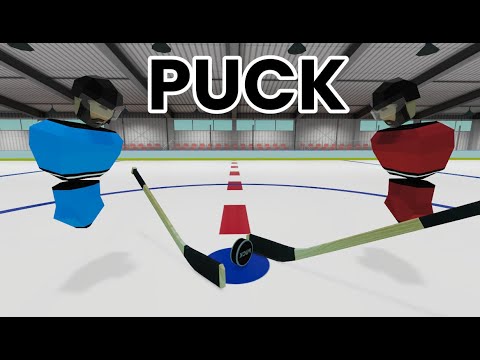
Puck

PC (Microsoft Windows) • 2025

Related articles

Quick resume

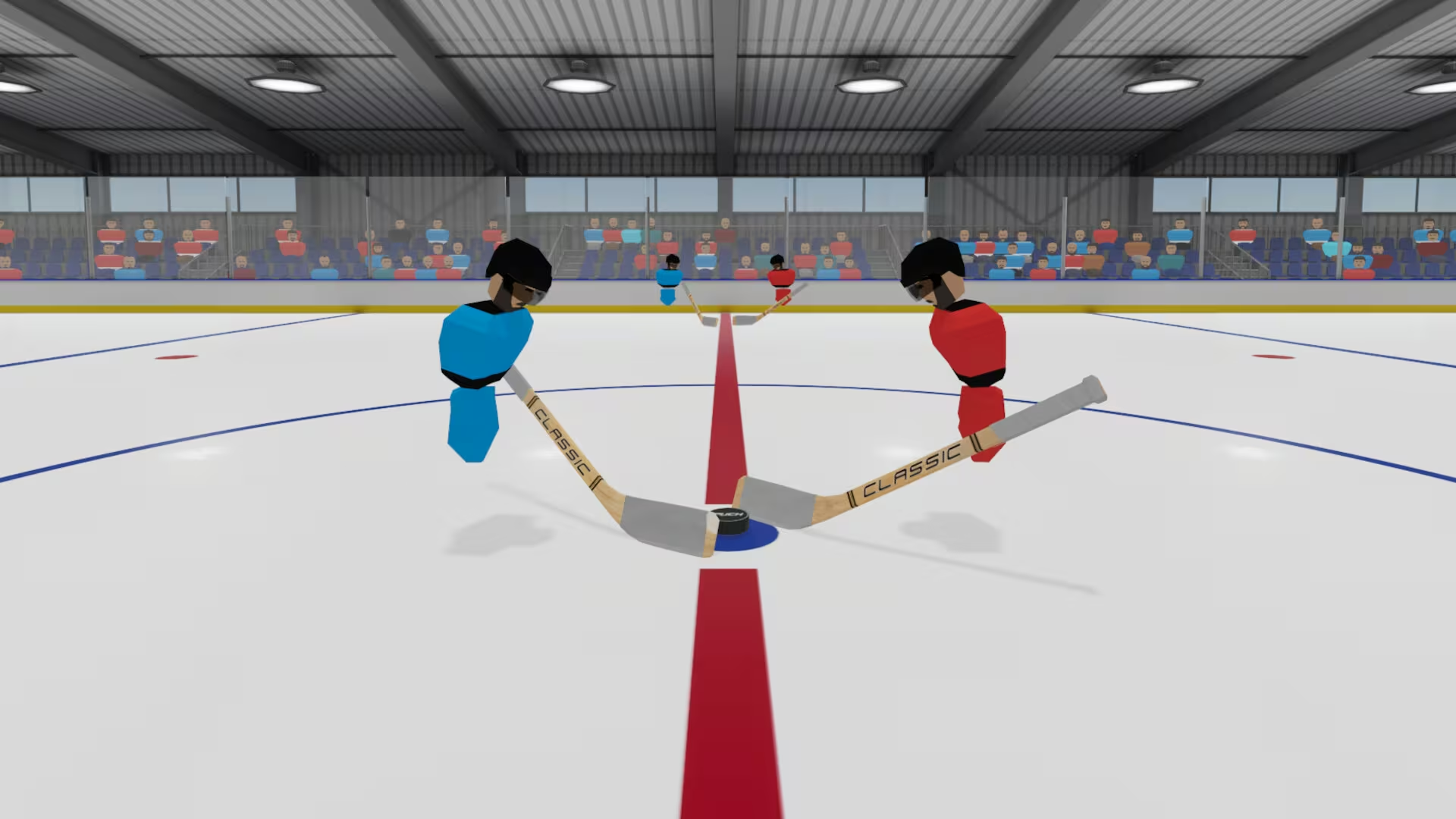
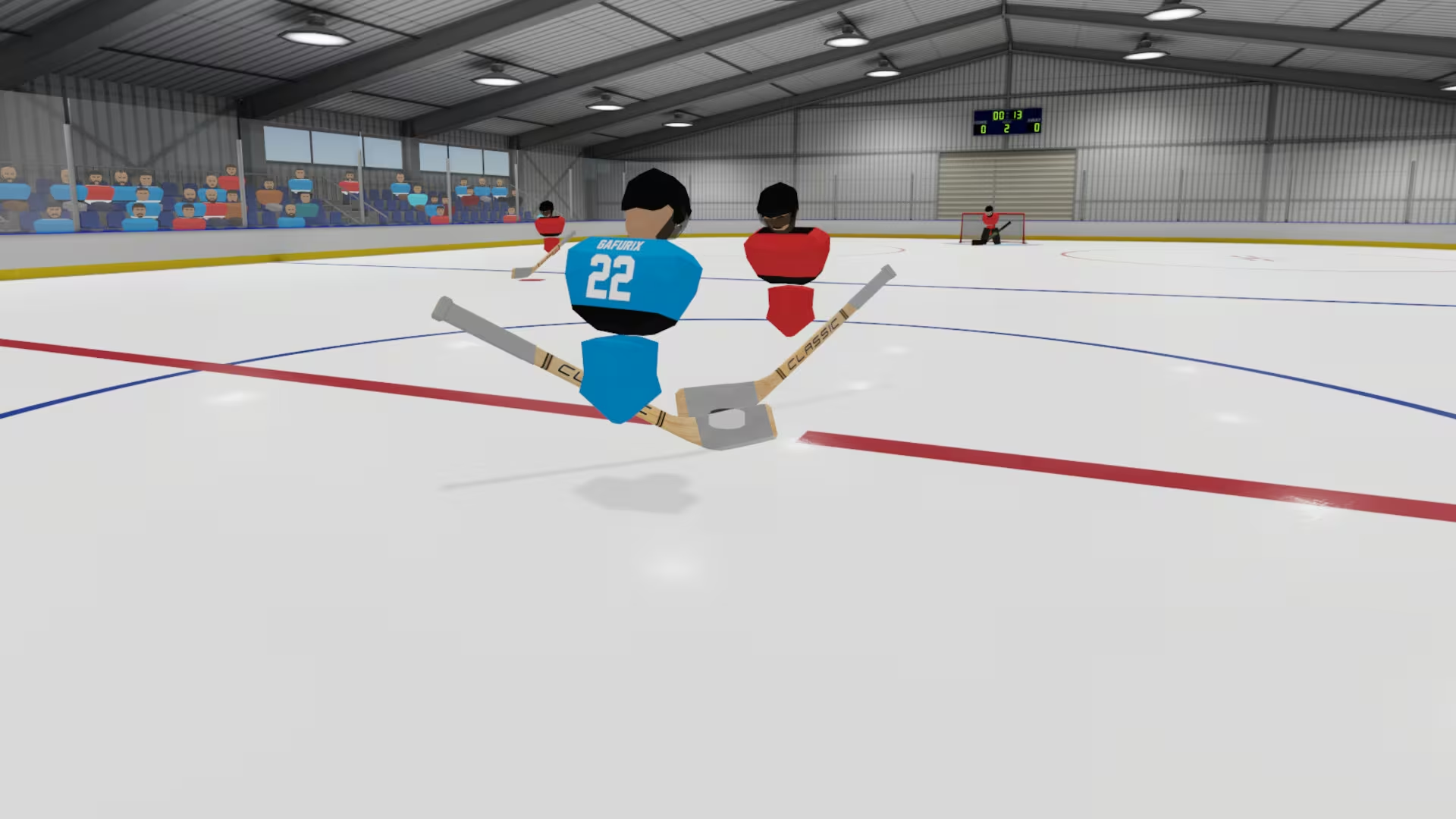
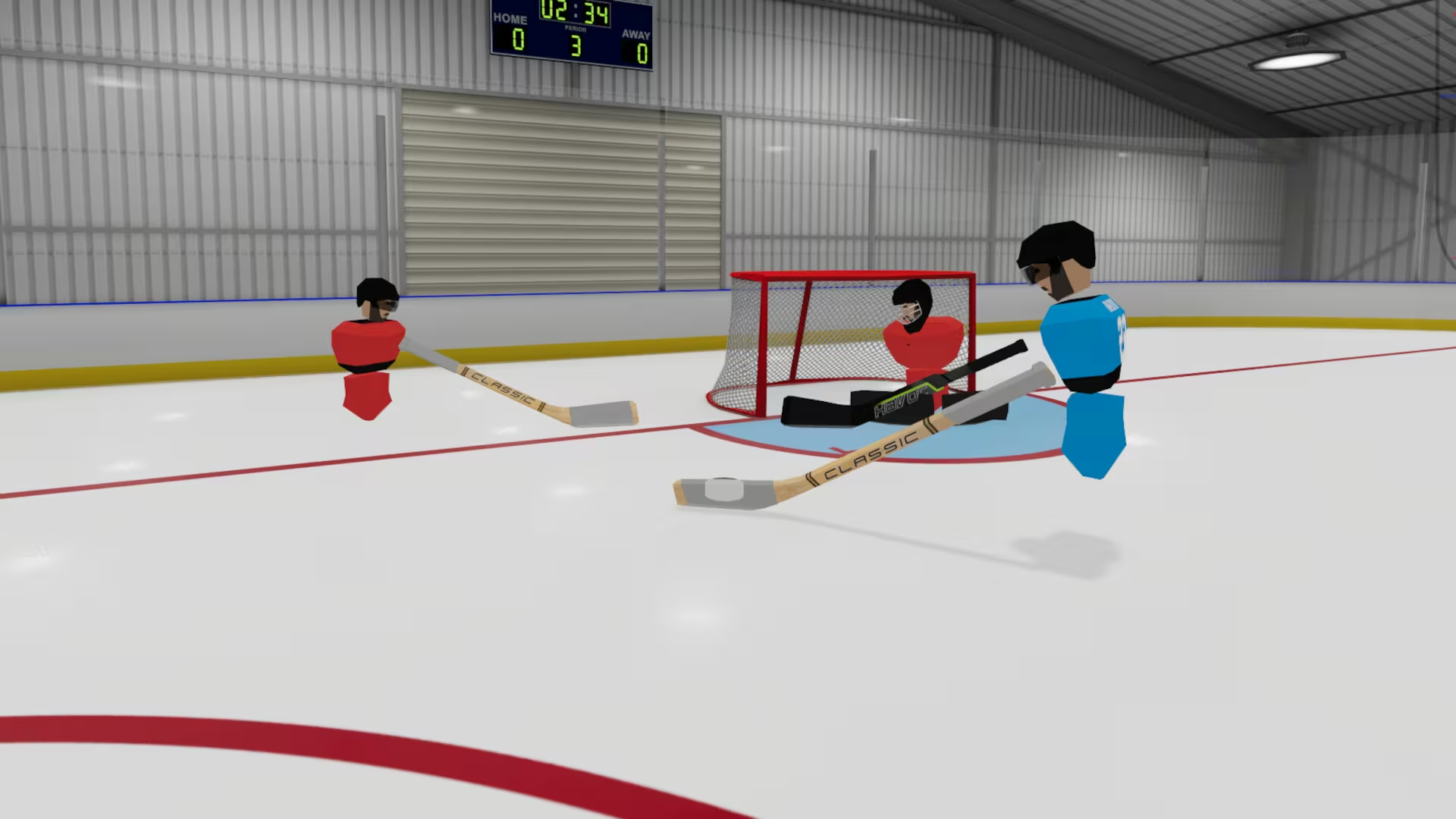
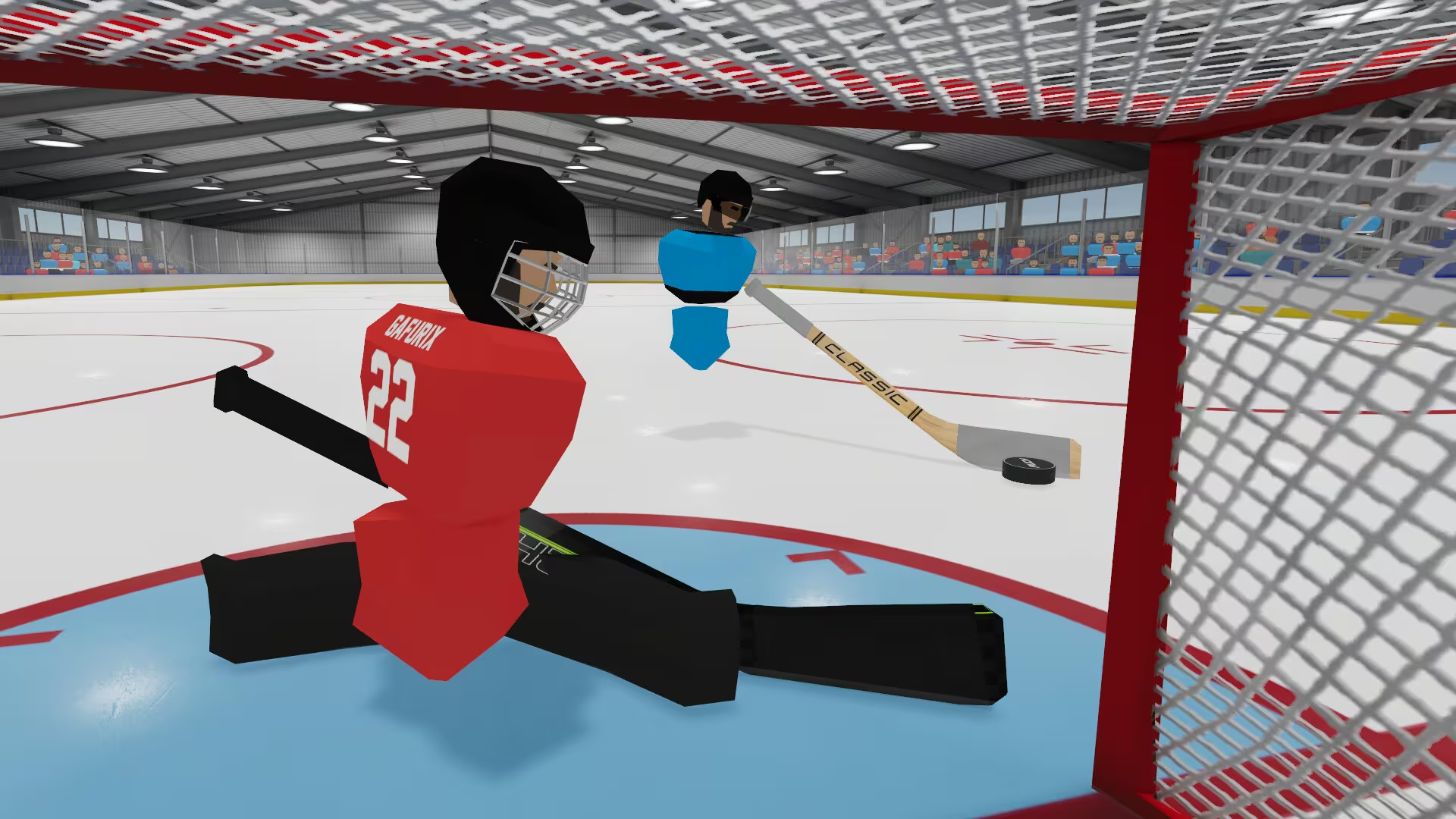
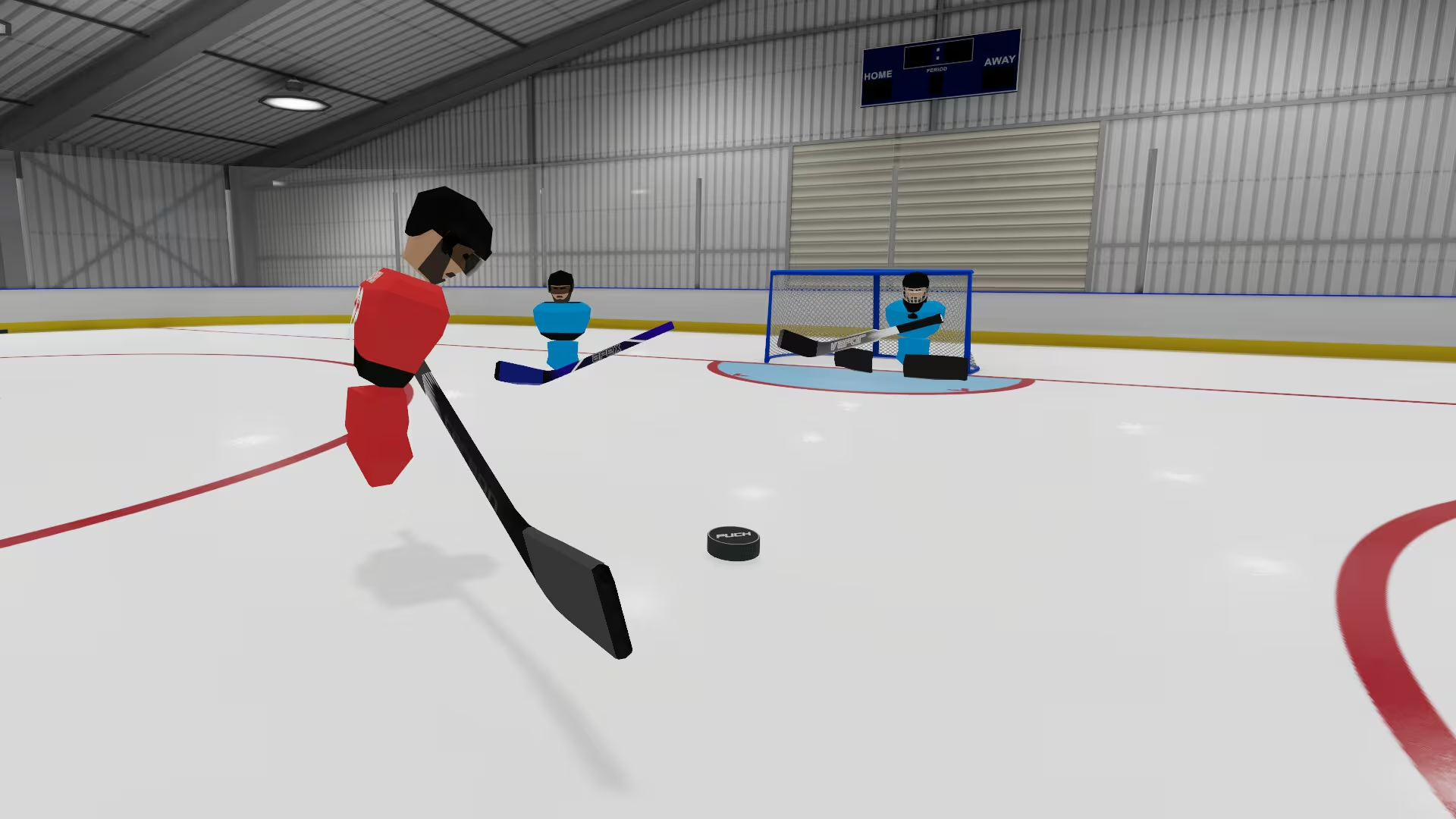
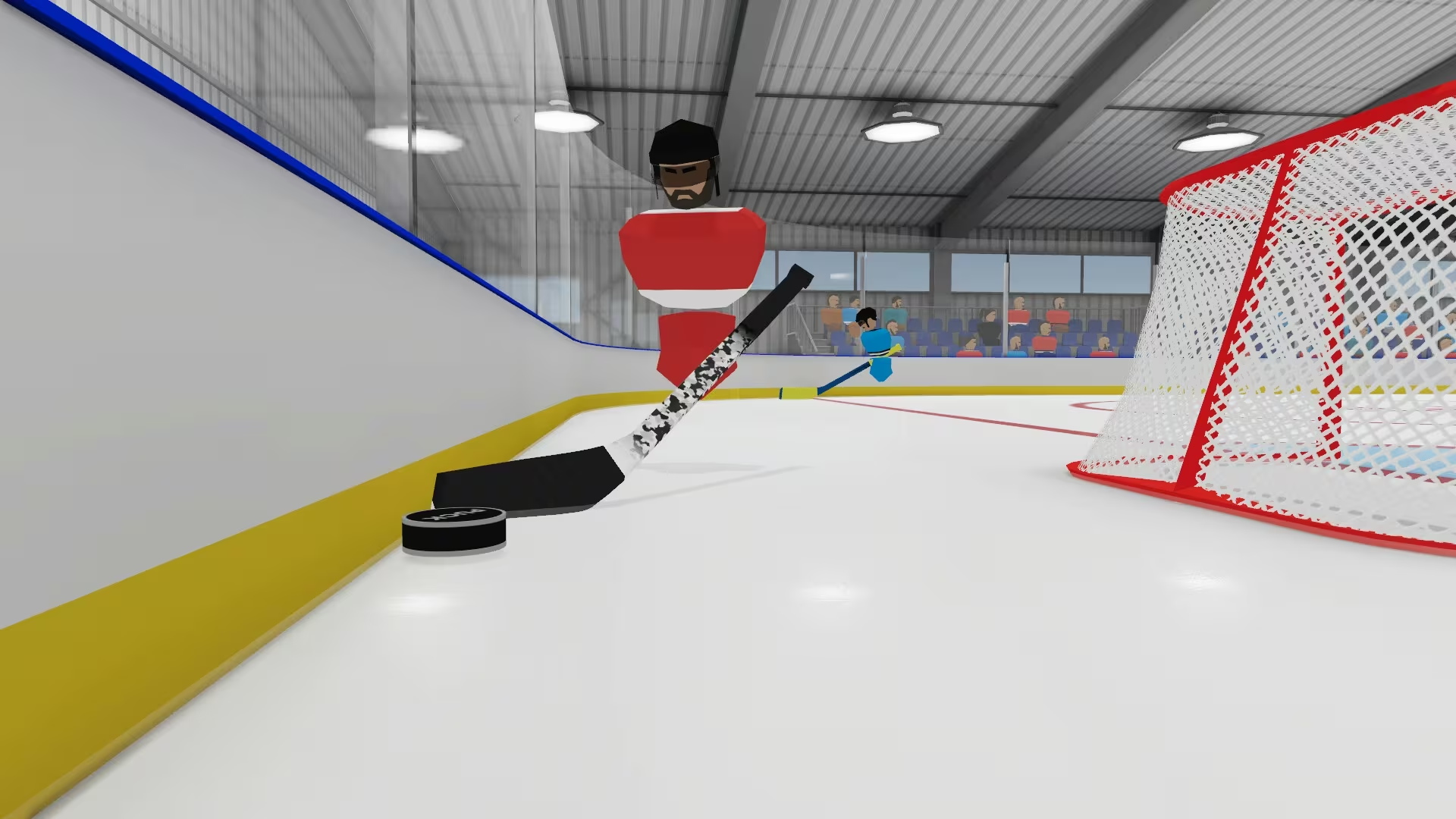
Fast-paced physics-based hockey simulation where precision, strategy, and chaos collide. Control every move, pass, and shot with realistic puck physics, dynamic player movement, and thrilling gameplay. Master the rink with friends or team up with other Puck players for ultimate hockey dominance!

Global score

86/100

Genres

Indie, Simulator, Sport, Free To Play

Similar games

    Pros

    • High skill ceiling and rewarding gameplay
    • Free to play with active developer support
    • Engaging physics-based hockey mechanics
    • Fun multiplayer with cooperative team play
    • Addictive and immersive experience

    Cons

    • Steep learning curve for new players
    • Lack of matchmaking and bots currently
    • Some server and technical issues reported
    • Limited customization and no narrative
    • Controls can feel wonky or janky at times

    Analysis

    Less representative of its motivational profile, with noticeable differences. Motivations that often define this kind of title include Competition, Status, Story, Expression. Here, the score leans higher than usual among comparable games on Cooperation, Intimacy. It leans lower than usual among comparable games on Exploration.

    How to use the graph
    Similar games map

    Each dot is a game. They are arranged from the same motivation profile as in the “Motivations” section below. Closer dots usually mean more similar reasons to play (exploration, competition, relaxation, etc.)—not that one game is “better” than another.

    • Larger dot with a light outline: the game you are viewing.
    • Colour: groups of games with comparable motivation patterns (statistical clusters).
    • Hover a dot to see the game name; click to open its page.
    • Scroll or double-click the chart to zoom out and see more games.

    Why don’t the axes read like a score? This view uses t-SNE: it only keeps who is close to whom. The scales are not “good to bad” or hours played—they separate groups on the map. Read distance between dots, not the axis numbers.

    Motivations

    • Autonomy
      4

      "Players have full control over stick handling, puck movement, and skating with a physics-based system allowing personal mastery and freedom."

    • Competence
      5

      "High skill floor and ceiling with challenging mechanics; players improve through practice and receive satisfying feedback on mastery."

    • Competition
      4

      "Multiplayer matches, lobbies, and emerging competitive leagues encourage player vs player competition and skill comparison."

    • Continuation
      4

      "Players report long sessions and addictive gameplay with a desire to keep improving and returning for more matches."

    • Cooperation
      3

      "Team-based modes (3v3, 5v5) and voice chat foster cooperation, though some matches have uncoordinated play."

    • Creativity
      2

      "Players experiment with puck control and movement techniques, but customization and creation features are limited."

    • Domination
      -2

      "Community described as mostly friendly and supportive; some trash talk exists but balanced by mutual respect."

    • Escapism
      4

      "Players use the game as a fun distraction and immersive experience away from real life, enjoying the physics and gameplay."

    • Expectation
      -4

      "Engagement is driven by intrinsic interest and enjoyment rather than obligation or external pressure."

    • Experimenting
      4

      "Players explore complex physics mechanics and try new puck handling techniques to improve and discover new moves."

    • Exploration
      -3

      "Game environments are limited to hockey rinks with little emphasis on discovering new areas or secrets."

    • Expression
      1

      "Some cosmetic customization exists but is minimal; self-expression mainly through gameplay style rather than visuals."

    • Fantasy
      -2

      "Focus on realistic hockey physics and simulation rather than imaginative or fictional elements."

    • Fellowship
      3

      "Active community and social interaction through voice chat and team play create a sense of belonging."

    • Growth
      5

      "Strong emphasis on learning, skill acquisition, and personal improvement over time."

    • Health
      -4

      "Sedentary gameplay with no physical activity or health-related features."

    • Idle
      -3

      "Requires focused attention and continuous engagement due to challenging controls and fast-paced gameplay."

    • Intimacy
      1

      "Some social interaction and friendly community but limited evidence of deep emotional connections."

    • Leadership
      -3

      "No strong leadership roles; gameplay emphasizes individual skill and team cooperation without formal leadership."

    • Progression
      3

      "Players progress by improving skills and unlocking cosmetics; no complex item or upgrade systems."

    • Relaxation
      1

      "Game is challenging and can be frustrating but also provides satisfying flow moments; not purely relaxing."

    • Sensation
      3

      "Enjoyable physics, sound effects, and energetic soundtrack provide stimulating sensory feedback."

    • Status
      3

      "Competitive play and emerging leagues offer recognition and social status within the community."

    • Story
      -5

      "No narrative or story elements; gameplay is context-free and focused on mechanics."

    • Strategy
      3

      "Players develop tactics and positioning in team play, though core gameplay focuses on skill execution."

    • Thrill
      3

      "Fast-paced matches and high skill challenges create suspense and excitement."

    • Value
      5

      "Free to play with active development and community support; players perceive high value for time invested."

    • Violence
      1

      "Includes physical checks and collisions but within sports context; no gratuitous violence."

    • Survival
      -3

      "Low risk gameplay focused on scoring and skill rather than survival or threat avoidance."

    Last update: 29/04/2026