The Ouroboros King Thumbnail

The Ouroboros King similar games & best alternatives
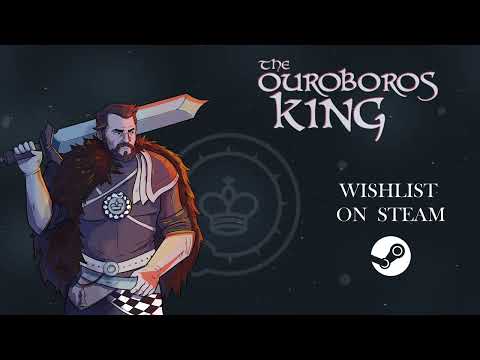
The Ouroboros King

PC (Microsoft Windows), PlayStation 4, Xbox One, Xbox Series X|S, Nintendo Switch, PlayStation 5, Linux • 2023

Related articles

Quick resume

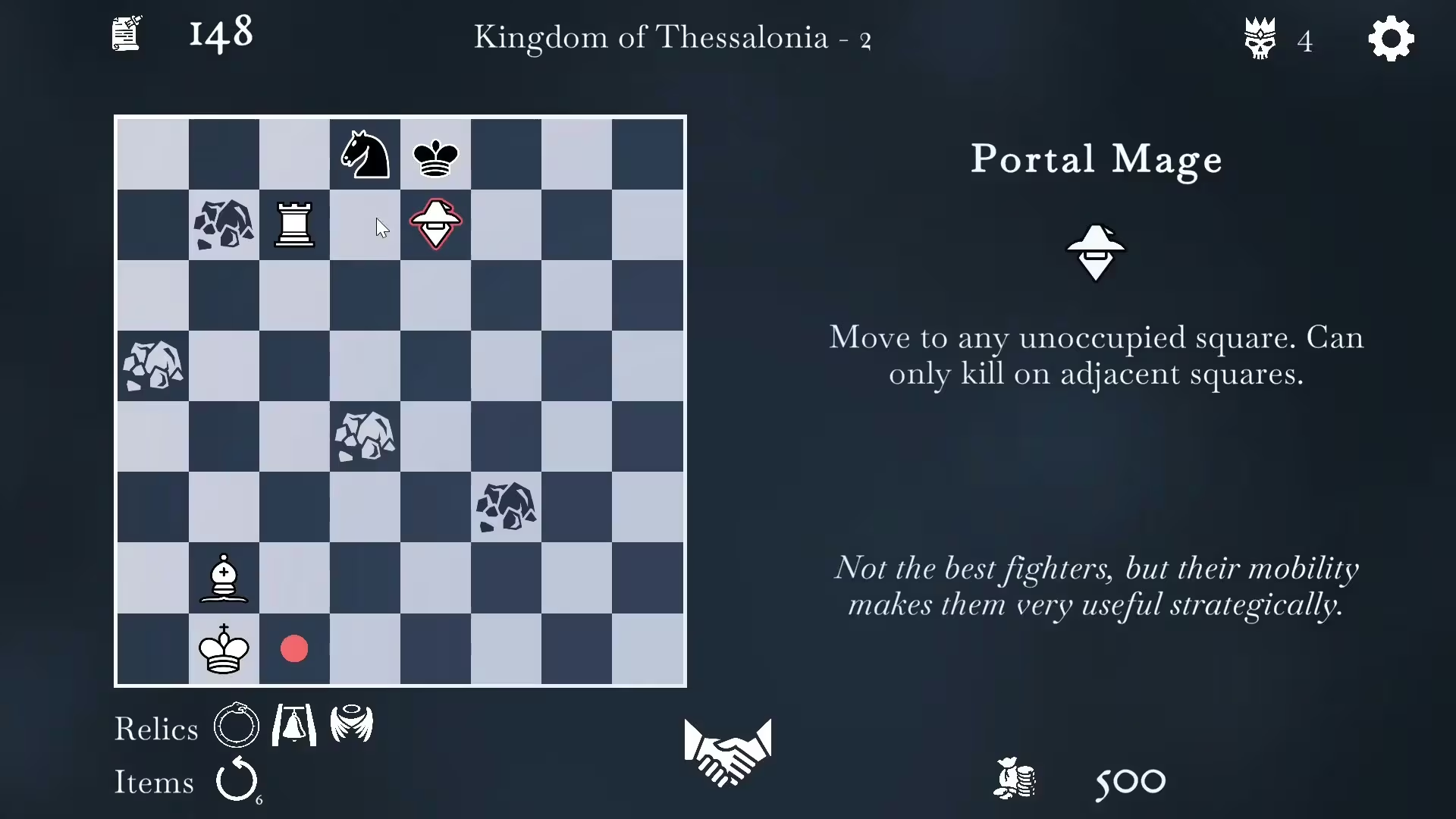
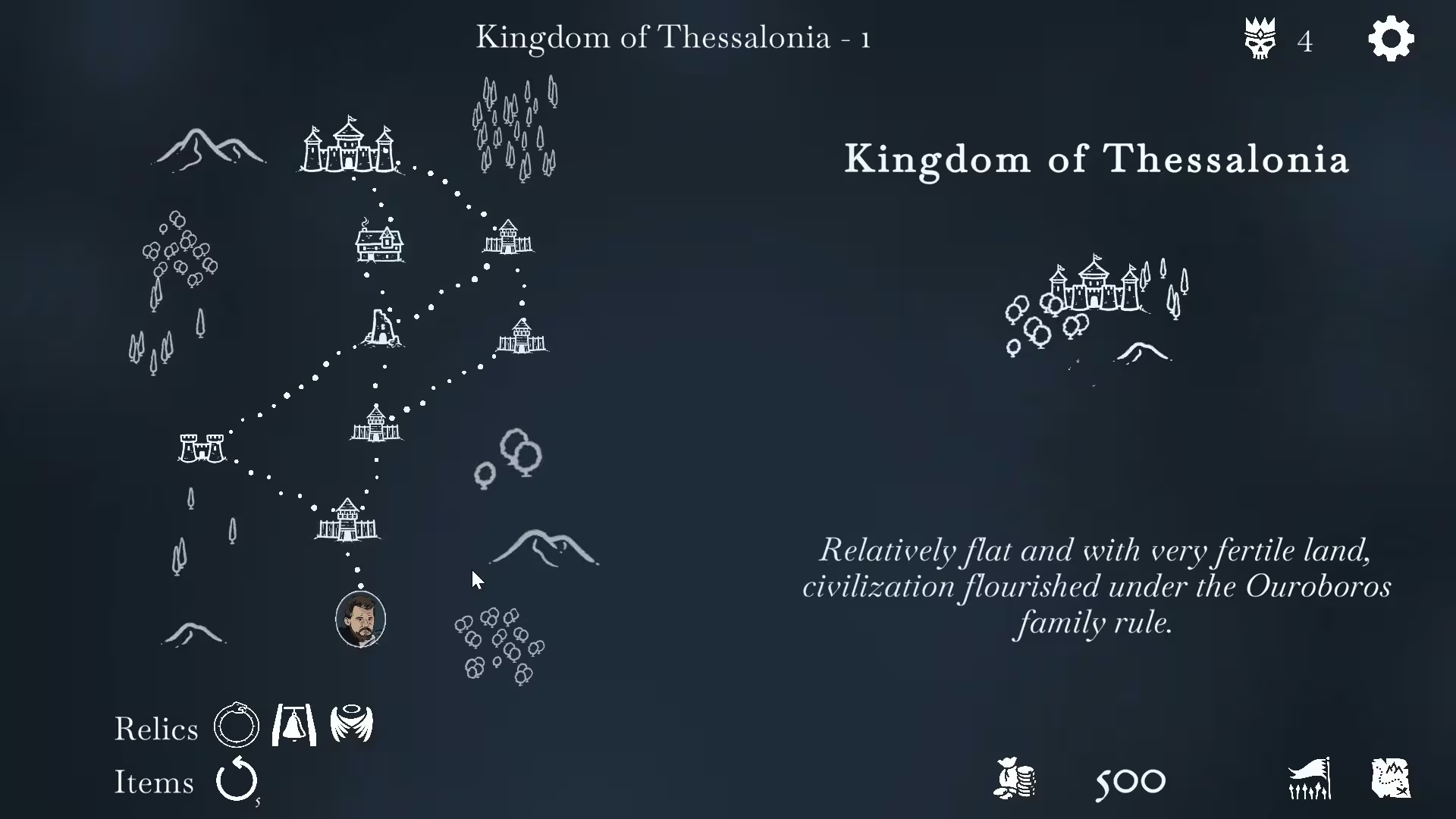
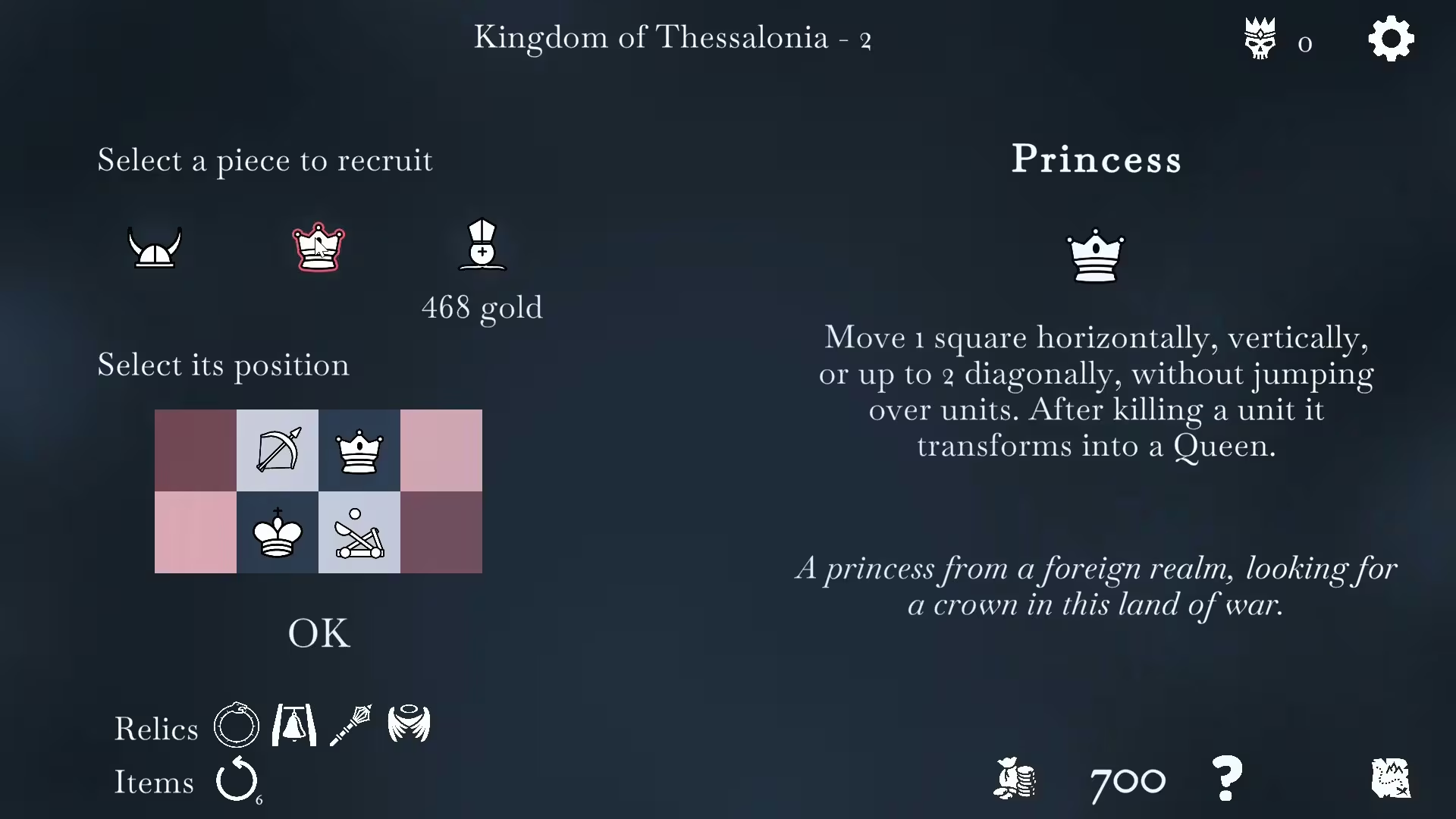
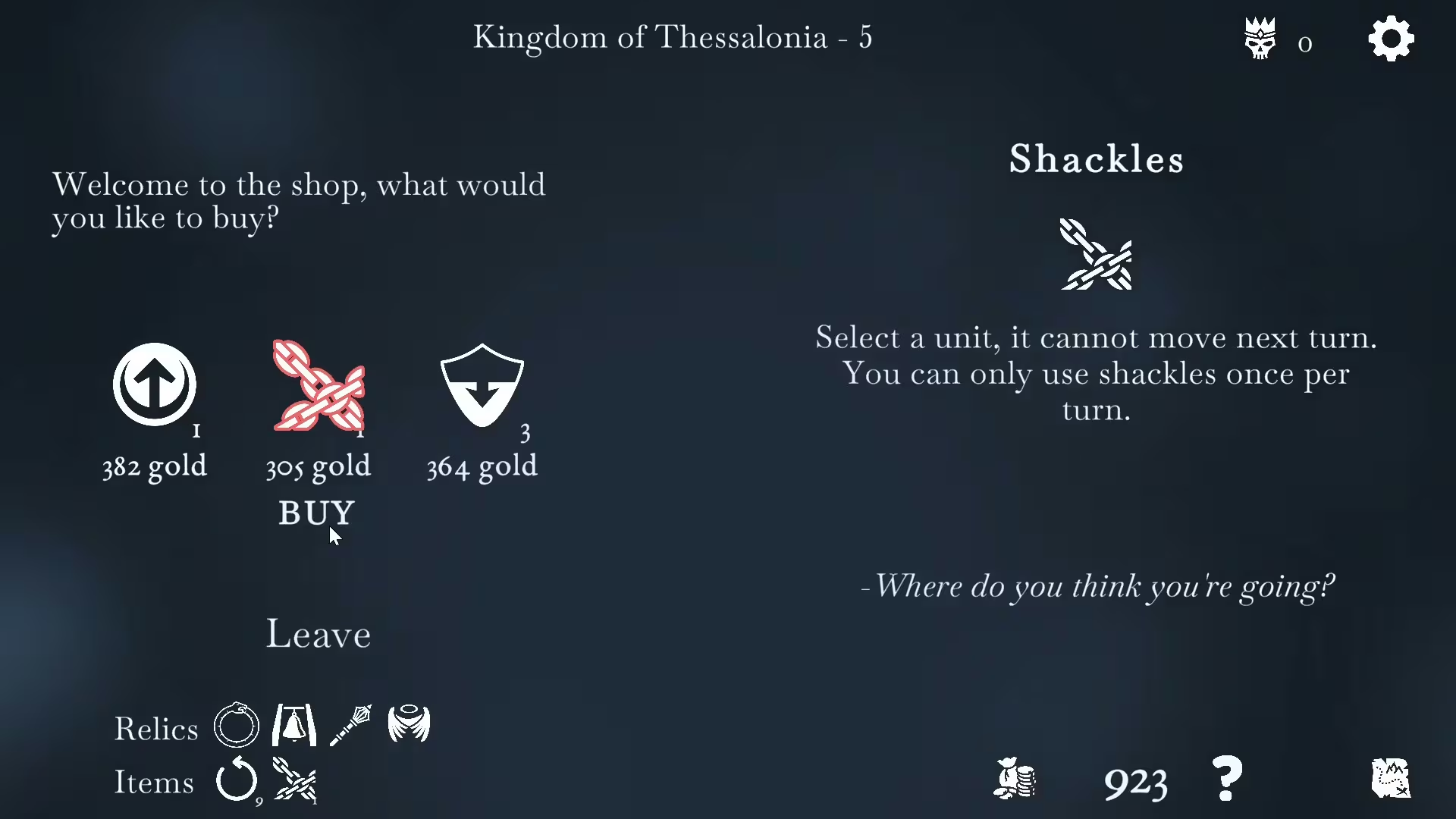
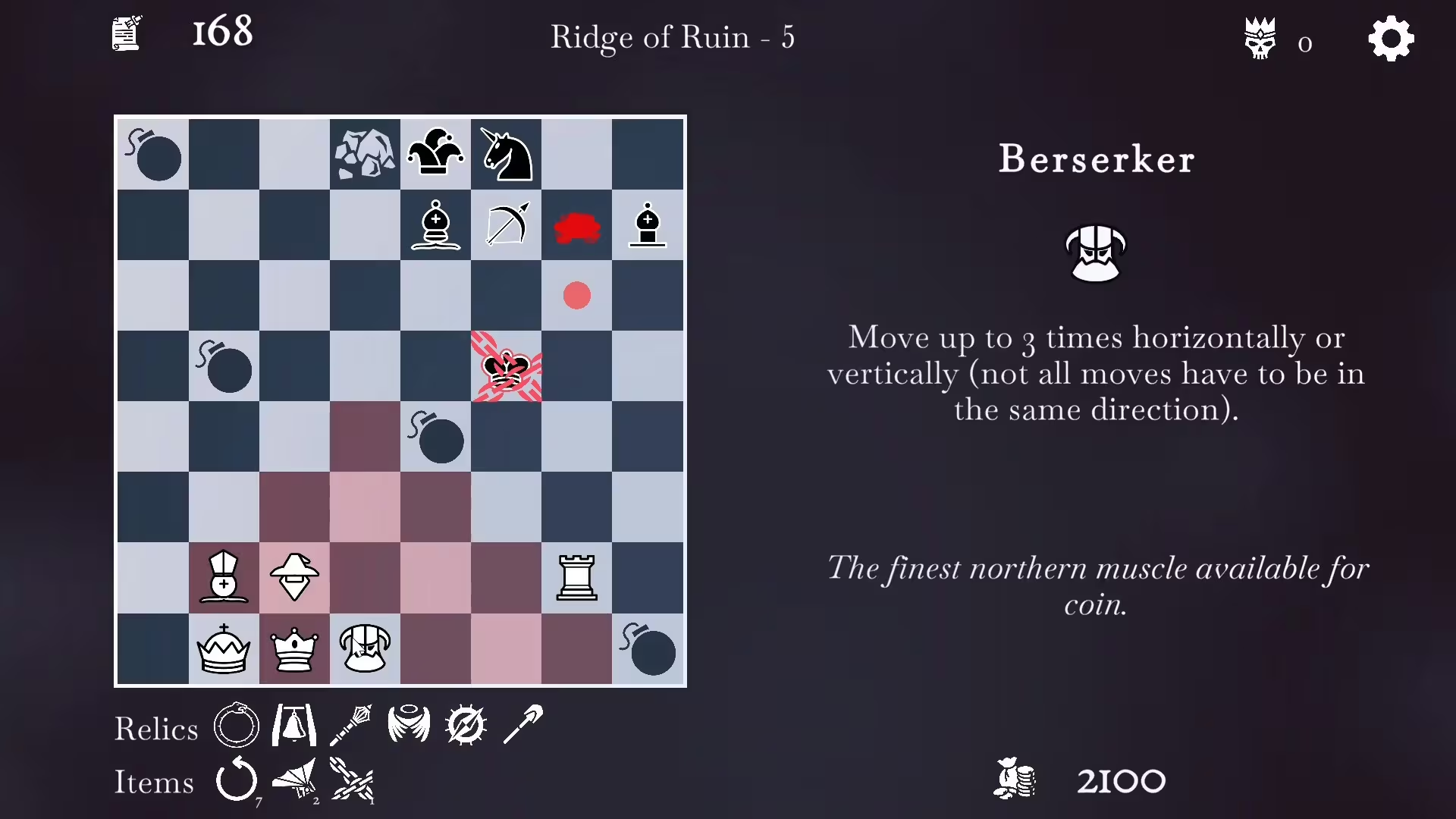
The Ouroboros King combines the strategic depth of chess with the build variety and replayability of roguelikes. Assemble a formidable army, discover powerful relics, and buy surprising gadgets to defeat the Coven.

Global score

81/100

Genres

Indie, Strategy, Puzzle, Card & Board Game

Similar games

    Pros

    • Unique and creative chess pieces
    • Challenging strategic gameplay
    • Adjustable difficulty settings
    • Good value for price according to some
    • Active developer support and updates

    Cons

    • Short game length and limited content
    • Unbalanced pieces and relics
    • Ai weaknesses and exploits
    • Lack of meta-progression or unlocks
    • Some frustrating or repetitive gameplay elements

    Analysis

    Broadly representative of its motivational profile, with a few distinct shifts. Motivations that often define this kind of title include Expression, Fellowship, Cooperation, Competition. Here, the score leans higher than usual among comparable games on Strategy. It leans lower than usual among comparable games on Story, Value.

    How to use the graph
    Similar games map

    Each dot is a game. They are arranged from the same motivation profile as in the “Motivations” section below. Closer dots usually mean more similar reasons to play (exploration, competition, relaxation, etc.)—not that one game is “better” than another.

    • Larger dot with a light outline: the game you are viewing.
    • Colour: groups of games with comparable motivation patterns (statistical clusters).
    • Hover a dot to see the game name; click to open its page.
    • Scroll or double-click the chart to zoom out and see more games.

    Why don’t the axes read like a score? This view uses t-SNE: it only keeps who is close to whom. The scales are not “good to bad” or hours played—they separate groups on the map. Read distance between dots, not the axis numbers.

    Motivations

    • Autonomy
      4

      "Players can choose and arrange their own pieces before battles and select relics and upgrades, allowing significant control over strategy and playstyle."

    • Competence
      3

      "The game challenges players with strategic decisions and difficult AI opponents, especially at higher difficulties, though some exploits reduce challenge."

    • Competition
      -4

      "Focus is on single-player experience against AI with no multiplayer or ranked modes; competition is against game challenges rather than other players."

    • Continuation
      1

      "Some players report replayability and enjoyment for a few hours, but many find the game short and lacking long-term engagement."

    • Cooperation
      -5

      "Entirely single-player with no cooperative or multiplayer elements."

    • Creativity
      4

      "Players experiment with many unique and custom chess pieces, relics, and upgrades, creating diverse strategies and combinations."

    • Domination
      -4

      "No evidence of player dominance over others; interactions are with AI and focus on balanced or fair play rather than superiority."

    • Escapism
      3

      "Players use the game as a challenging and engaging distraction, enjoying the fantasy chess roguelike setting."

    • Expectation
      -4

      "Players engage voluntarily out of interest and enjoyment; no indication of obligation or external pressure."

    • Experimenting
      4

      "High experimentation encouraged with many new pieces, relics, and strategies to try in each run."

    • Exploration
      2

      "Players explore different piece combinations and relic effects, though the map and environments are limited and repetitive."

    • Expression
      -3

      "Limited customization beyond piece selection and relics; no avatar or cosmetic personalization."

    • Fantasy
      4

      "Strong fantasy elements with imaginative chess pieces, relics, and roguelike mechanics creating a fictional chess variant."

    • Fellowship
      -5

      "No social or community features; purely solo play."

    • Growth
      3

      "Players learn new piece abilities, strategies, and improve skills over multiple runs, though limited by short game length."

    • Health
      -5

      "No physical activity or health-related features; typical sedentary gameplay."

    • Idle
      -3

      "Requires focused attention and strategic thinking; not suited for idle or background play."

    • Intimacy
      -5

      "No social or emotional connection features."

    • Leadership
      Insufficient data
    • Progression
      3

      "Players accumulate new pieces, relics, and upgrades during runs, though no meta-progression between runs."

    • Relaxation
      -1

      "Game can be tense and challenging, especially at higher difficulties, with some players finding it frustrating."

    • Sensation
      2

      "Visual and auditory elements are pleasant but not highly stimulating; focus is on strategic gameplay."

    • Status
      -5

      "No social recognition or status systems."

    • Story
      1

      "Minimal story elements present but largely context-free gameplay."

    • Strategy
      5

      "Core gameplay revolves around deep strategic thinking, planning, and problem solving with unique chess mechanics."

    • Thrill
      2

      "Some suspense from challenging AI and unpredictable relic effects, but overall controlled environment."

    • Value
      0

      "Mixed player opinions on value; some find it good for price, others feel content is too limited."

    • Violence
      2

      "Combat involves capturing and removing opponent pieces, consistent with chess-like violence."

    • Survival
      3

      "Players must protect their king and manage resources to avoid defeat, emphasizing survival elements."

    Last update: 29/04/2026