Max Manos Thumbnail

Max Manos similar games & best alternatives

Max Manos

PC (Microsoft Windows) • 2025

Related articles

Quick resume

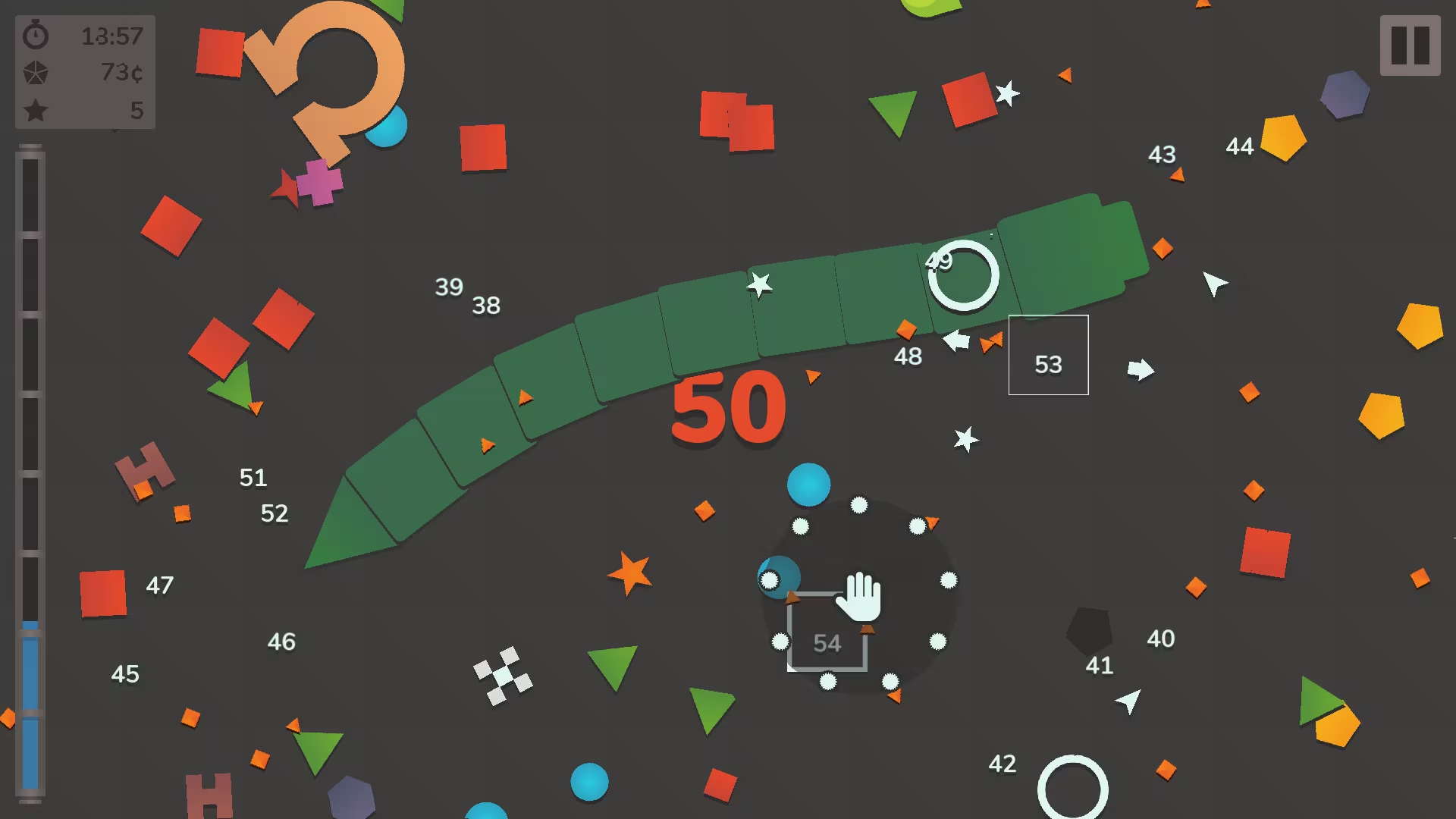
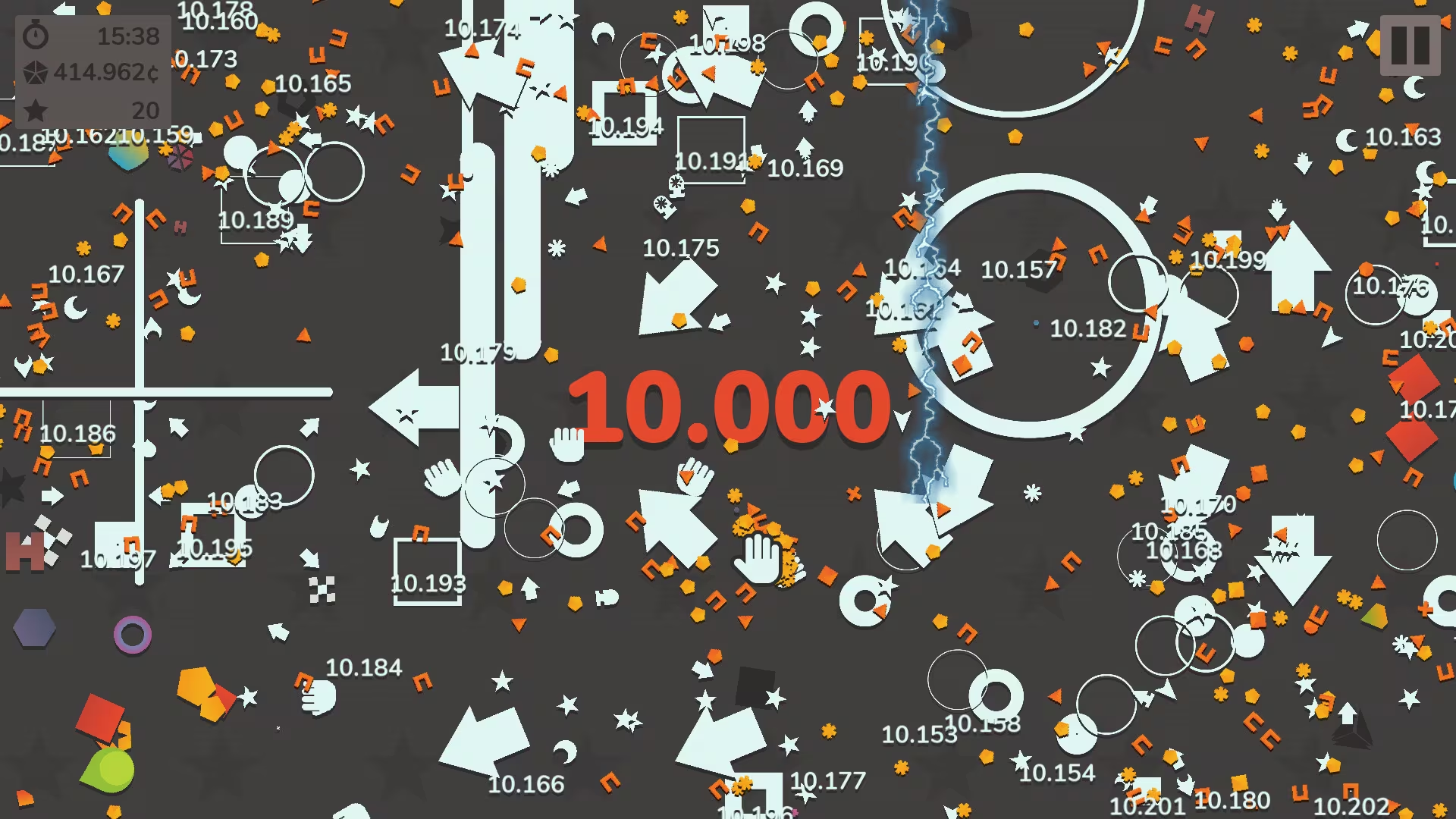
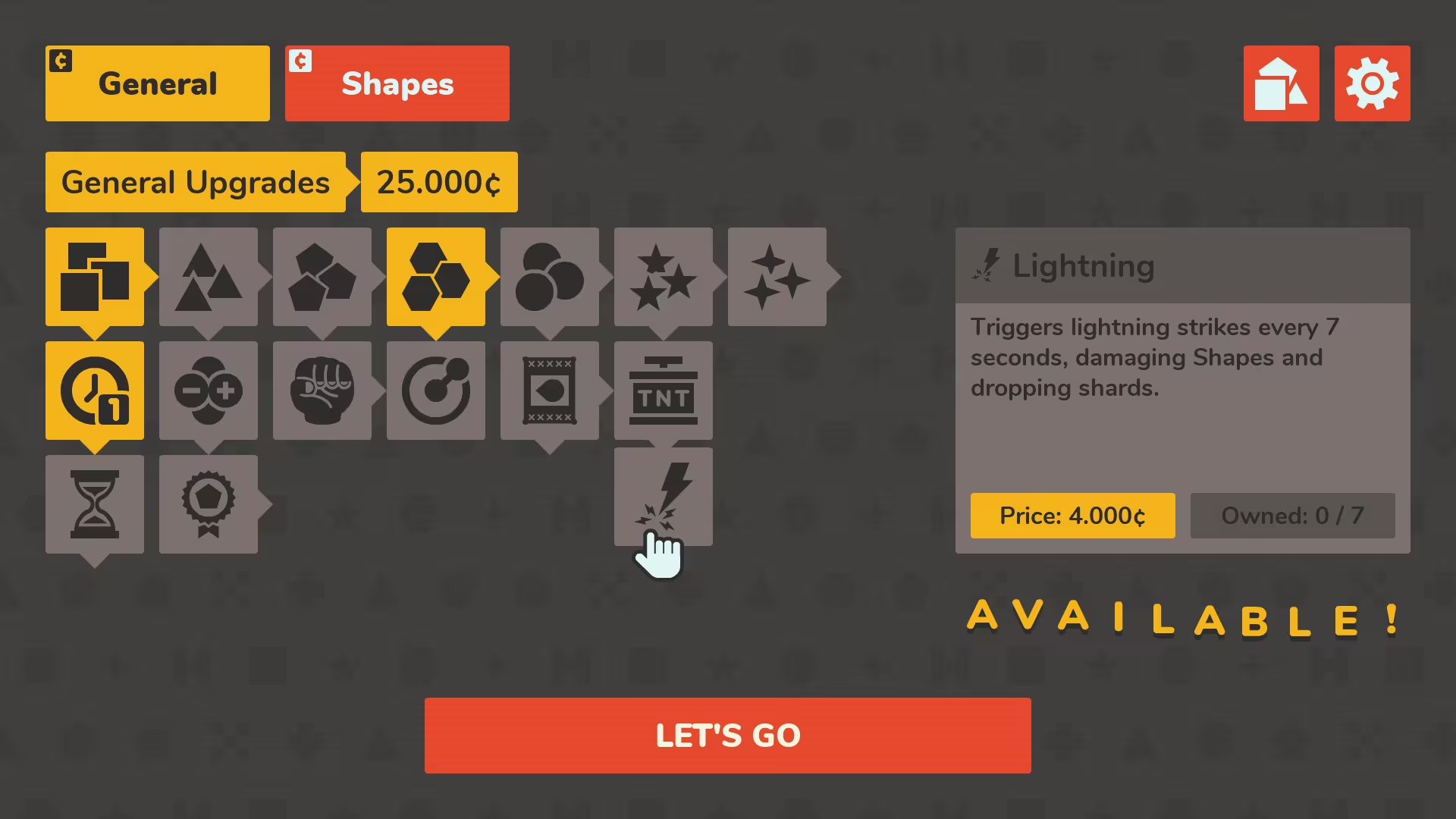
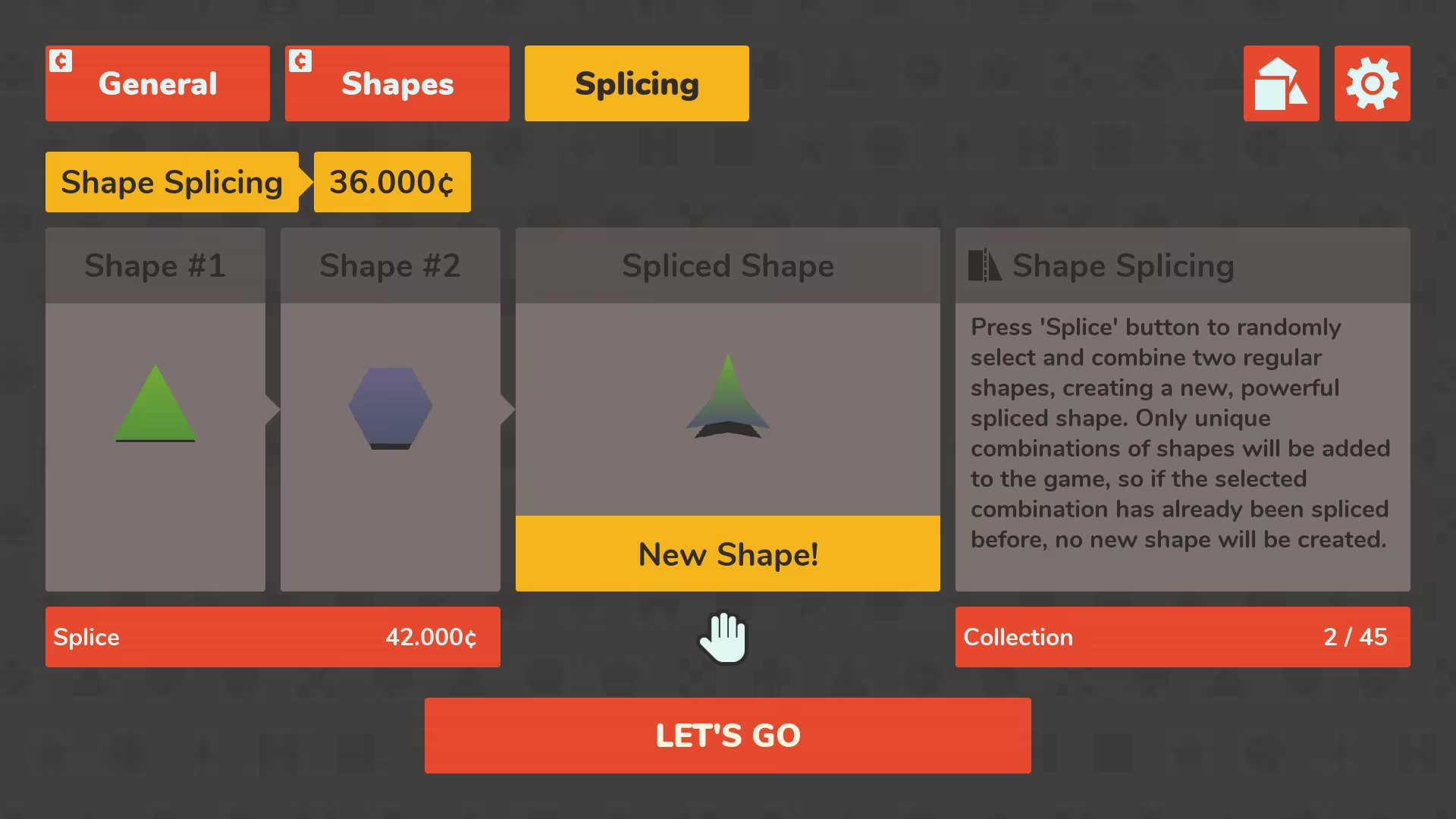
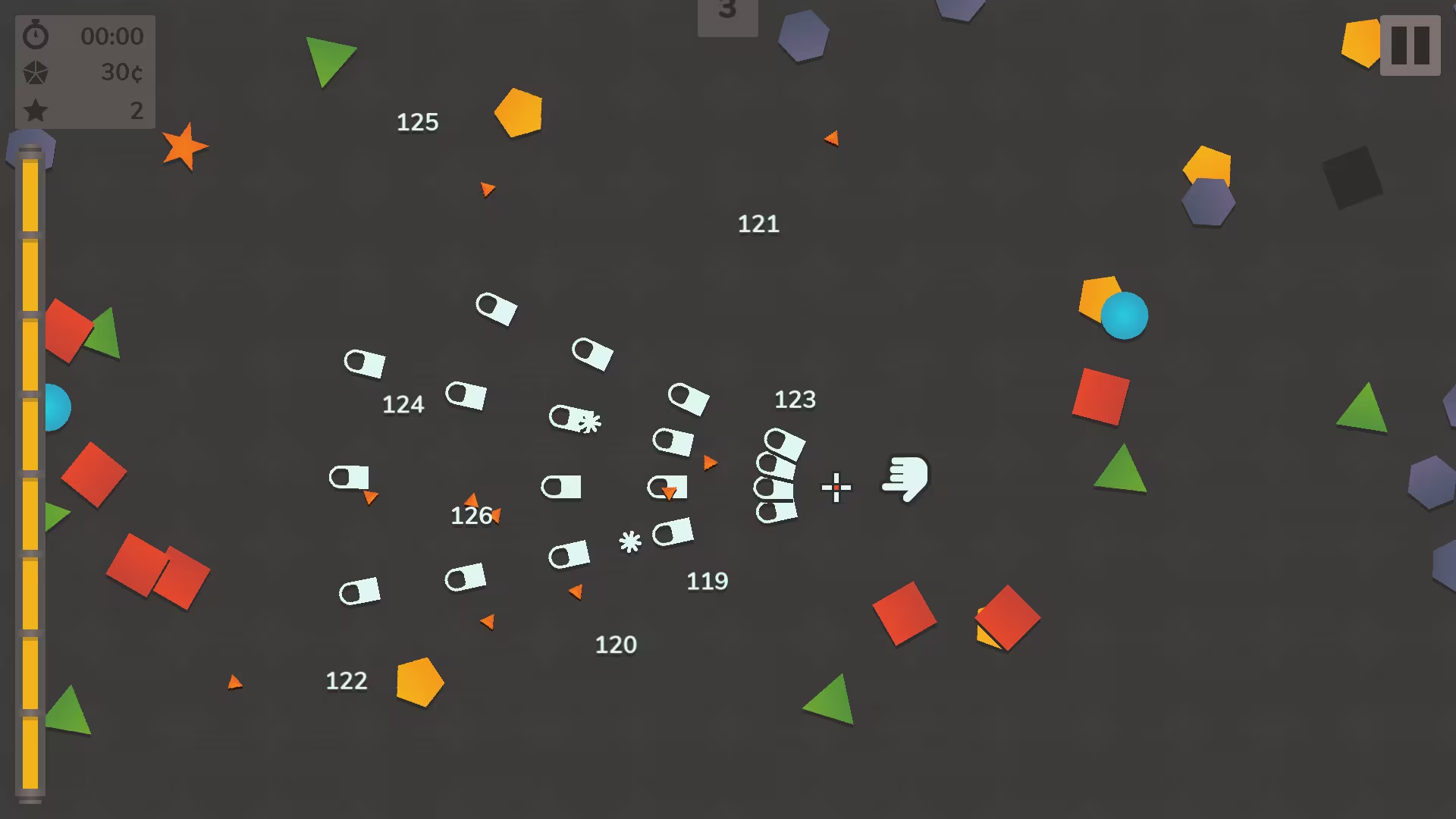
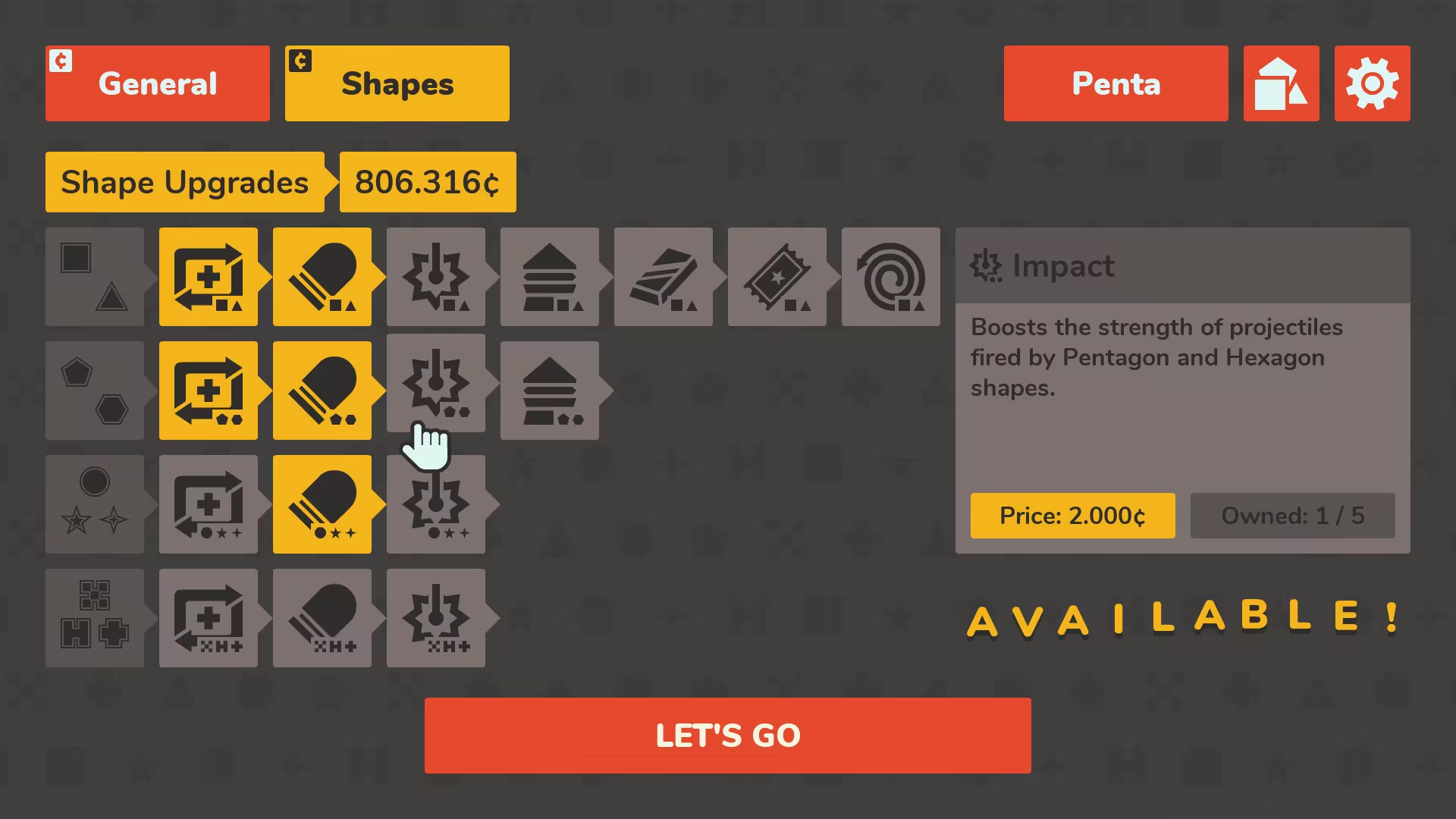
Max Manos is an incremental destruction game where you play as a powerful hand, known as Max Manos, eliminating shapes. Chain explosive reactions, collect shards, and upgrade your abilities to destroy shapes even faster.

Global score

93/100

Genres

Casual, Indie, Simulator

Similar games

    Pros

    • Satisfying sound design and visuals
    • Unique prestige system changing gameplay
    • Accessible and polished incremental mechanics
    • Short, engaging play sessions
    • Good value for price

    Cons

    • Becomes repetitive and grindy late game
    • Lack of replayability after completion
    • Some mechanics feel tedious or unimpactful
    • No multiplayer or social features
    • Visual overload and potential discomfort for some players

    Analysis

    Less representative of its motivational profile, with noticeable differences. Motivations that often define this kind of title include Fantasy, Violence, Story, Thrill. Here, the score leans higher than usual among comparable games on Violence. It leans lower than usual among comparable games on Expression, Exploration.

    How to use the graph
    Similar games map

    Each dot is a game. They are arranged from the same motivation profile as in the “Motivations” section below. Closer dots usually mean more similar reasons to play (exploration, competition, relaxation, etc.)—not that one game is “better” than another.

    • Larger dot with a light outline: the game you are viewing.
    • Colour: groups of games with comparable motivation patterns (statistical clusters).
    • Hover a dot to see the game name; click to open its page.
    • Scroll or double-click the chart to zoom out and see more games.

    Why don’t the axes read like a score? This view uses t-SNE: it only keeps who is close to whom. The scales are not “good to bad” or hours played—they separate groups on the map. Read distance between dots, not the axis numbers.

    Motivations

    • Autonomy
      4

      "Players have control over upgrade choices and can influence playstyle with each prestige, allowing personal decision-making."

    • Competence
      3

      "Game provides incremental skill and upgrade progression with feedback, though gameplay is simple and becomes repetitive."

    • Competition
      -3

      "Focus is on personal progression and self-set goals; no mention of leaderboards or direct player competition."

    • Continuation
      2

      "Players engage in multiple runs with prestige changes to keep gameplay fresh, but some find it repetitive and stop after completion."

    • Cooperation
      -5

      "Entirely single-player experience with no cooperative or multiplayer elements."

    • Creativity
      2

      "Some creativity in upgrade paths and prestige mechanics, but mostly follows predefined structures and incremental formulas."

    • Domination
      -5

      "No evidence of exerting control or superiority over others; purely individual gameplay."

    • Escapism
      4

      "Players use the game as a dopamine-inducing time-waster and stress relief with satisfying audiovisual feedback."

    • Expectation
      -4

      "Players engage voluntarily for fun and relaxation, not out of obligation or pressure."

    • Experimenting
      3

      "Prestige system changes gameplay mechanics each run, encouraging players to try new strategies and approaches."

    • Exploration
      -3

      "Game is mostly about repeated runs on known mechanics and environments with limited discovery."

    • Expression
      -4

      "Minimal customization or self-expression; players mainly interact with preset shapes and upgrade systems."

    • Fantasy
      -4

      "Game features abstract geometric shapes and simple mechanics without immersive fictional narrative or roleplay."

    • Fellowship
      -5

      "No social or community features; entirely solo play."

    • Growth
      4

      "Players experience steady learning and progression through upgrades and evolving gameplay mechanics."

    • Health
      -5

      "Sedentary gameplay requiring mouse movement; no physical activity or health-related features."

    • Idle
      -4

      "Requires active mouse movement and attention; not an idle or AFK game."

    • Intimacy
      -5

      "No social or emotional connections formed; purely individual experience."

    • Leadership
      -5

      "No leadership or group management elements present."

    • Progression
      4

      "Strong focus on accumulating upgrades and unlocking new abilities through repeated play and prestige."

    • Relaxation
      3

      "Game provides satisfying audiovisual feedback and flow, though some find late stages overwhelming or tedious."

    • Sensation
      5

      "Highly praised sound design and visual effects provide strong sensory stimulation and enjoyment."

    • Status
      -5

      "No social recognition or status systems; achievements are personal and not publicly ranked."

    • Story
      -4

      "Minimal narrative or plot; gameplay is context-free and focused on mechanics."

    • Strategy
      2

      "Some strategic choices in upgrade paths and adapting to prestige changes, but overall simple and repetitive gameplay."

    • Thrill
      1

      "Some excitement from chain reactions and upgrades, but no significant suspense or risk elements."

    • Value
      3

      "Generally considered good value for price and playtime, though some feel it is short and lacks replayability."

    • Violence
      3

      "Gameplay centers on destroying geometric shapes, providing a mild sense of combat and destruction."

    • Survival
      -4

      "No survival or threat avoidance mechanics; stable and predictable gameplay environment."

    Last update: 29/04/2026