Passant: A Chess Roguelike Thumbnail

Passant: A Chess Roguelike similar games & best alternatives
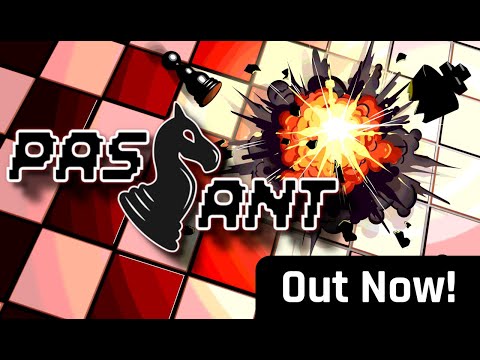
Passant: A Chess Roguelike

PC (Microsoft Windows) • 2025

Related articles

Quick resume

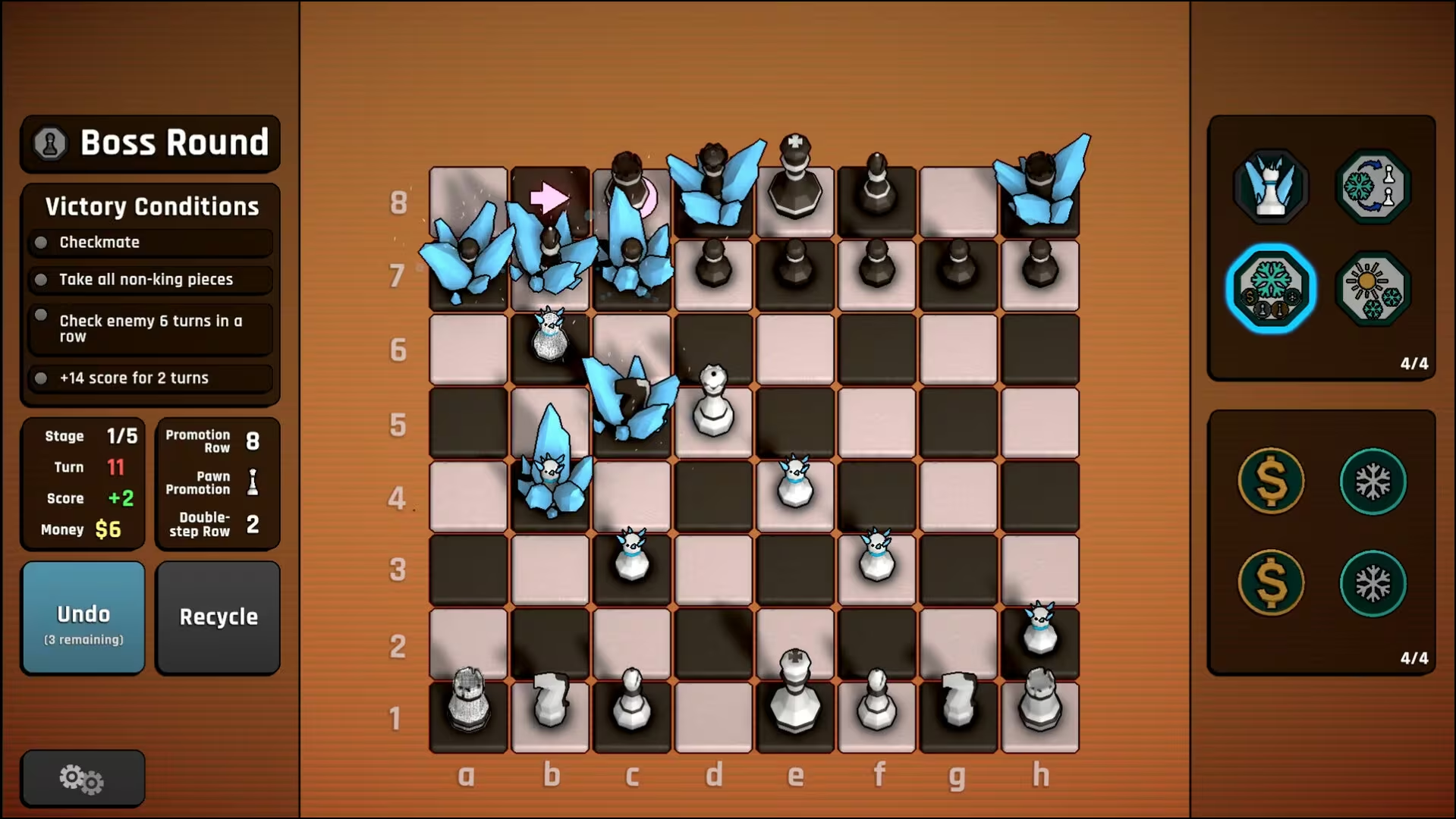
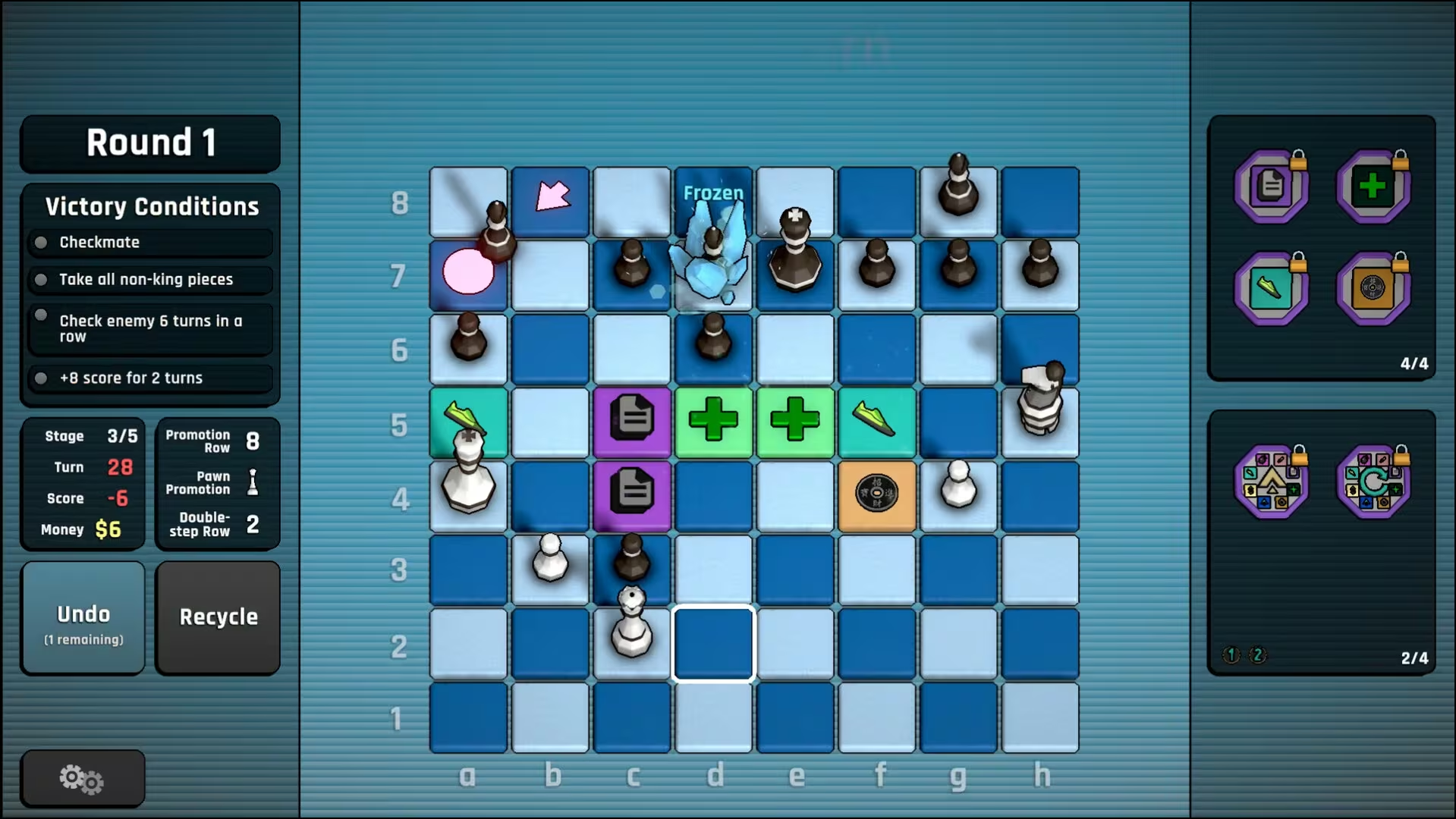
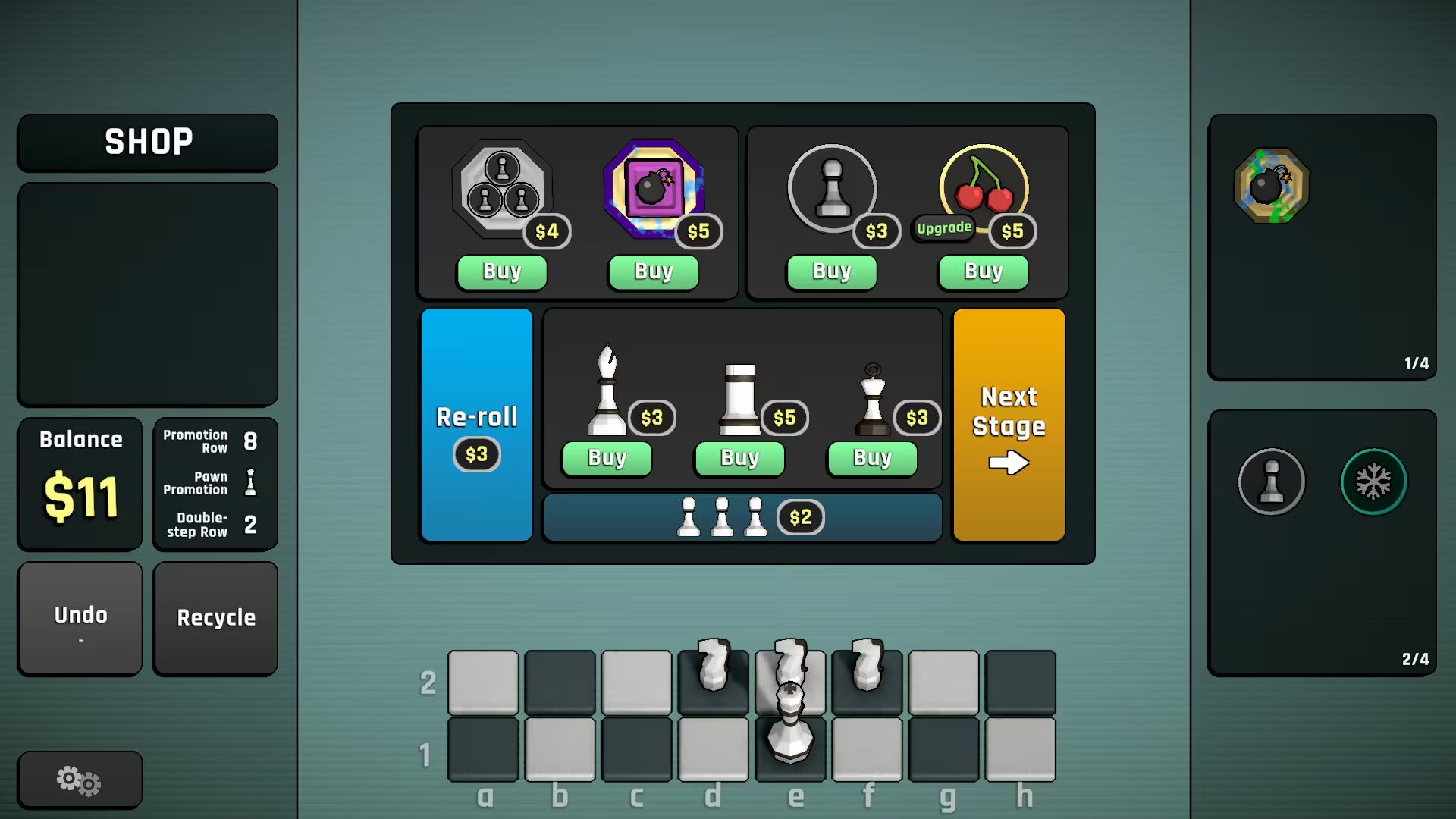
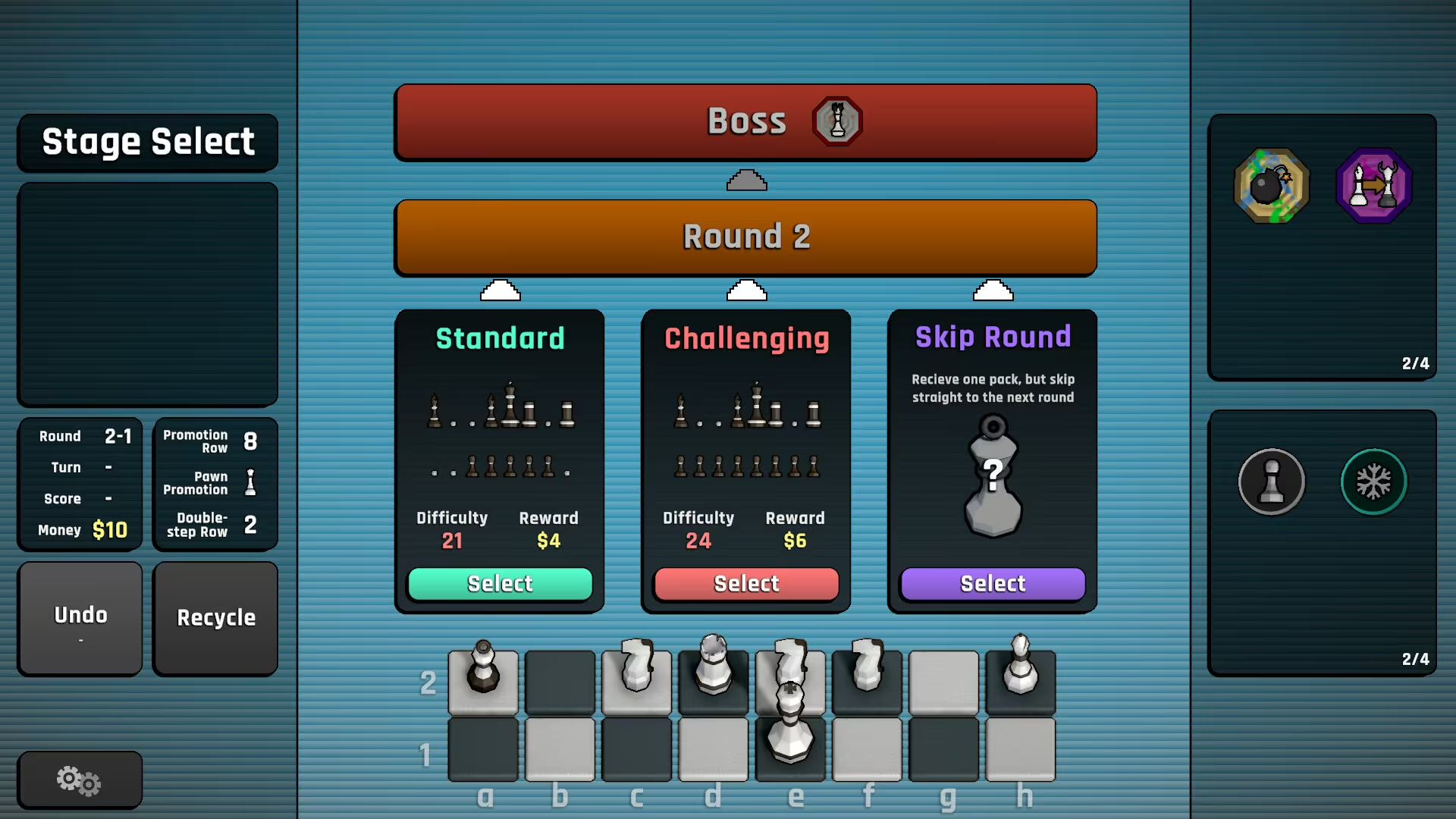
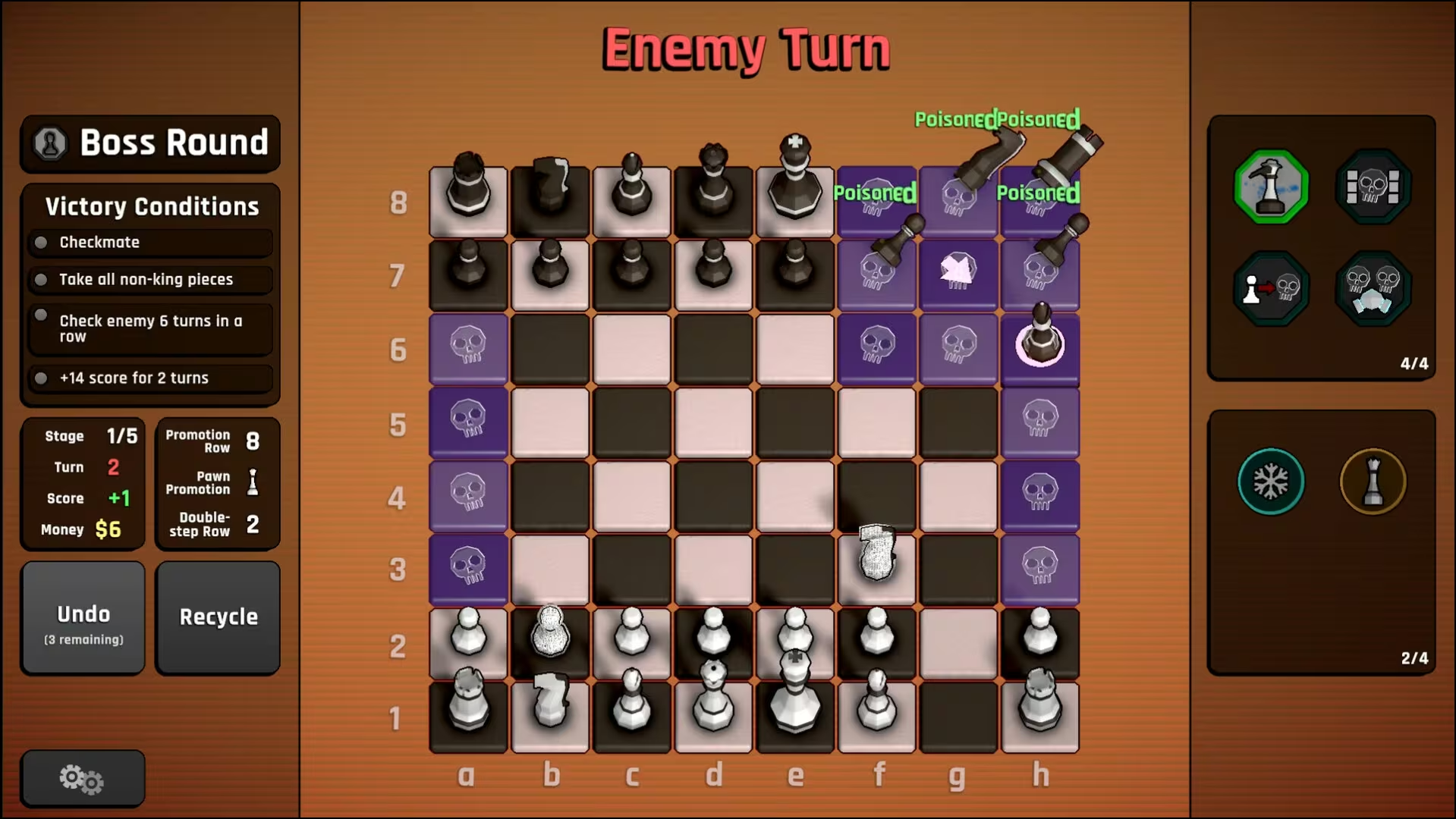
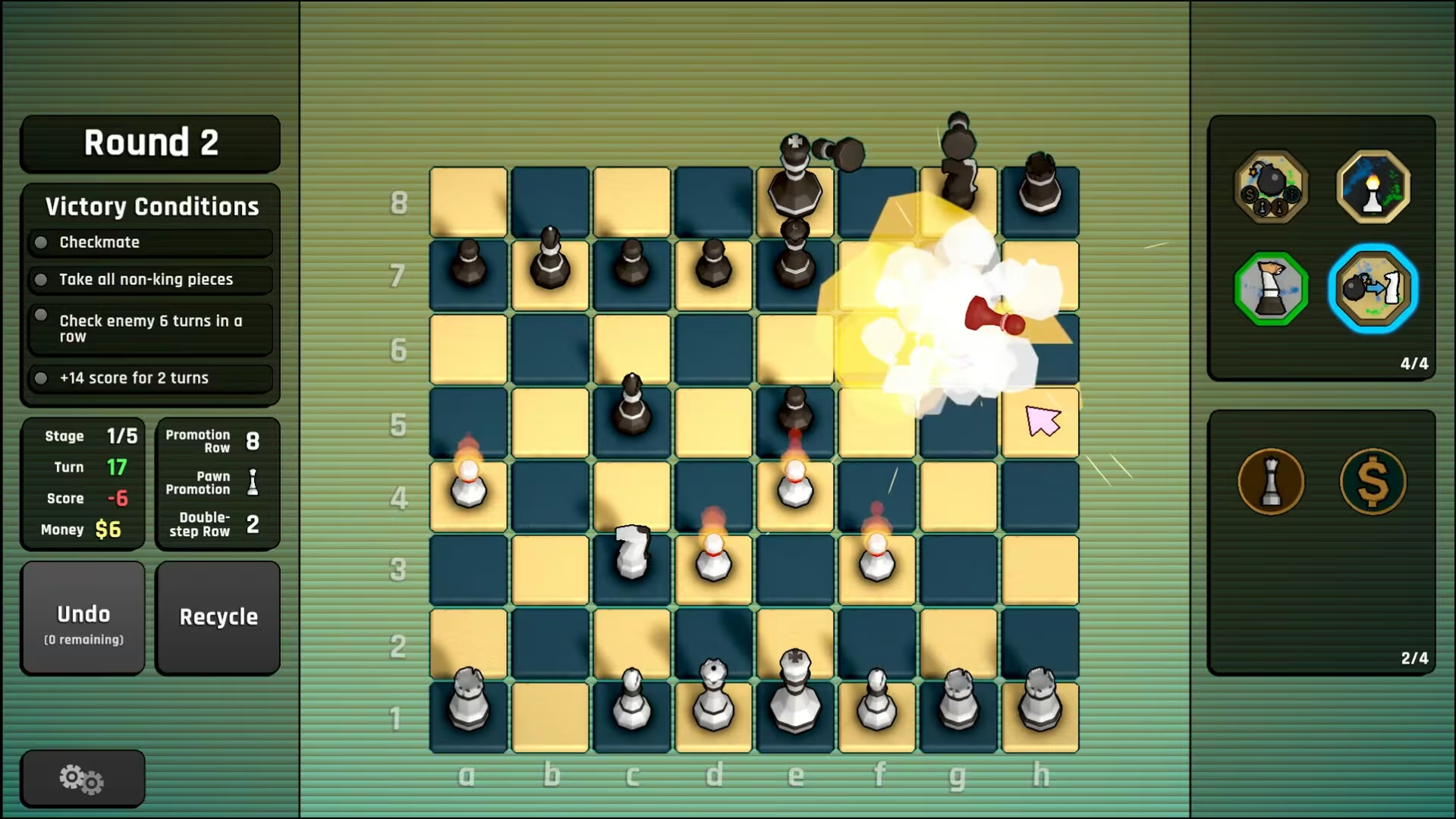
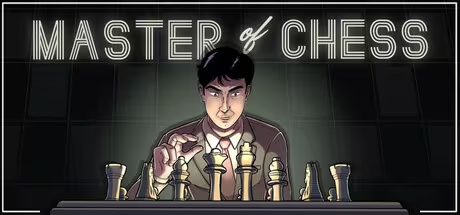
Passant is a chess roguelike that changes all the rules. Progress through challenging rounds while collecting powerful pieces and game-changing items to seize victory.

Global score

80/100

Genres

Casual, Indie, Strategy, Turn-based strategy (TBS)

Similar games

    Pros

    • Innovative blend of chess and roguelike mechanics
    • Highly customizable gameplay with many unique pieces and badges
    • Accessible to both casual and experienced chess players
    • Active developer support and frequent updates
    • Good value for price with substantial replayability

    Cons

    • Ui and visual presentation are minimal and sometimes confusing
    • Ai can be repetitive or exploitable, leading to frustration
    • Some balance issues with overpowered pieces and badges
    • Lack of multiplayer or social features
    • Long runs can become tedious or fatiguing

    Analysis

    Less representative of its motivational profile, with noticeable differences. Motivations that often define this kind of title include Fellowship, Cooperation, Leadership, Violence. Here, the score leans higher than usual among comparable games on Strategy. It leans lower than usual among comparable games on Story, Sensation.

    How to use the graph
    Similar games map

    Each dot is a game. They are arranged from the same motivation profile as in the “Motivations” section below. Closer dots usually mean more similar reasons to play (exploration, competition, relaxation, etc.)—not that one game is “better” than another.

    • Larger dot with a light outline: the game you are viewing.
    • Colour: groups of games with comparable motivation patterns (statistical clusters).
    • Hover a dot to see the game name; click to open its page.
    • Scroll or double-click the chart to zoom out and see more games.

    Why don’t the axes read like a score? This view uses t-SNE: it only keeps who is close to whom. The scales are not “good to bad” or hours played—they separate groups on the map. Read distance between dots, not the axis numbers.

    Motivations

    • Autonomy
      4

      "Players have significant control over their board setup, choice of pieces, badges, and playstyle, enabling personal freedom and strategic decision-making."

    • Competence
      4

      "The game challenges players to think strategically and adapt to complex chess variants and roguelike elements, rewarding skillful play and mastery."

    • Competition
      -3

      "Focus is on single-player against AI with no multiplayer or ranked modes; players compete against AI and themselves rather than others."

    • Continuation
      3

      "Many players report addictive gameplay with long sessions and repeated runs, though some mention frustration and fatigue in longer runs."

    • Cooperation
      -5

      "Entirely single-player experience with no cooperative or multiplayer elements."

    • Creativity
      5

      "Strong emphasis on creative customization of boards, pieces, badges, and modifiers, allowing unique and varied playstyles."

    • Domination
      -5

      "No evidence of domination or power over others; interactions are with AI and self-directed."

    • Escapism
      3

      "Players use the game as a mental challenge and distraction, enjoying the novelty and complexity as a break from real life."

    • Expectation
      -4

      "Players engage voluntarily out of personal interest and enjoyment; no obligation or external pressure noted."

    • Experimenting
      5

      "High encouragement for experimentation with new pieces, rules, and strategies; players explore many combinations and synergies."

    • Exploration
      3

      "Players discover new chess variants, pieces, and badges progressively, fostering curiosity and discovery within the game."

    • Expression
      3

      "Customization of board setups and piece arrangements allows some level of self-expression, though visual options are limited."

    • Fantasy
      3

      "Incorporates imaginative chess variants and fantastical pieces beyond traditional chess, blending fiction with realistic chess."

    • Fellowship
      -5

      "No social or community gameplay elements; strictly single-player experience."

    • Growth
      4

      "Players learn new chess strategies, piece interactions, and roguelike mechanics, improving skills over time."

    • Health
      -5

      "Typical sedentary gameplay with no physical activity or health-related features."

    • Idle
      -3

      "Requires focused attention and strategic thinking; not suited for idle or background play."

    • Intimacy
      -5

      "No social or emotional relationship-building features."

    • Leadership
      -5

      "No leadership or group management roles present."

    • Progression
      4

      "Strong progression through unlocking badges, pieces, and modifiers that enhance gameplay and strategy."

    • Relaxation
      1

      "Some players find the game relaxing and satisfying, though others report frustration and tension from difficulty spikes."

    • Sensation
      1

      "Visuals and audio are functional but minimal; sensory stimulation is moderate and focused on clarity over flair."

    • Status
      -5

      "No social recognition or status systems; achievements are personal and not widely visible."

    • Story
      -5

      "No narrative or story elements; gameplay is context-free and focused on chess challenges."

    • Strategy
      5

      "Core gameplay revolves around deep strategic thinking, planning, and problem solving with complex chess variants."

    • Thrill
      2

      "Some thrill from overcoming challenging AI and unpredictable chess variants, though not high suspense or risk."

    • Value
      4

      "Players feel the game offers good value for its price with substantial content and replayability."

    • Violence
      1

      "Combat is abstract and symbolic as chess captures; some explosive and chaotic effects add mild destructive flavor."

    • Survival
      3

      "Players must avoid losing pieces and survive threats on the board; strategic defense and resource management are important."

    Last update: 29/04/2026