Alina of the Arena similar games & best alternatives
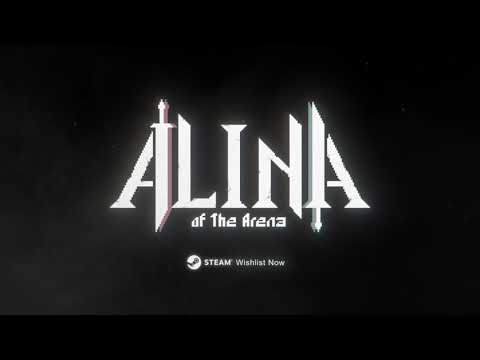
Alina of the Arena
2022
Related articles
Quick resume
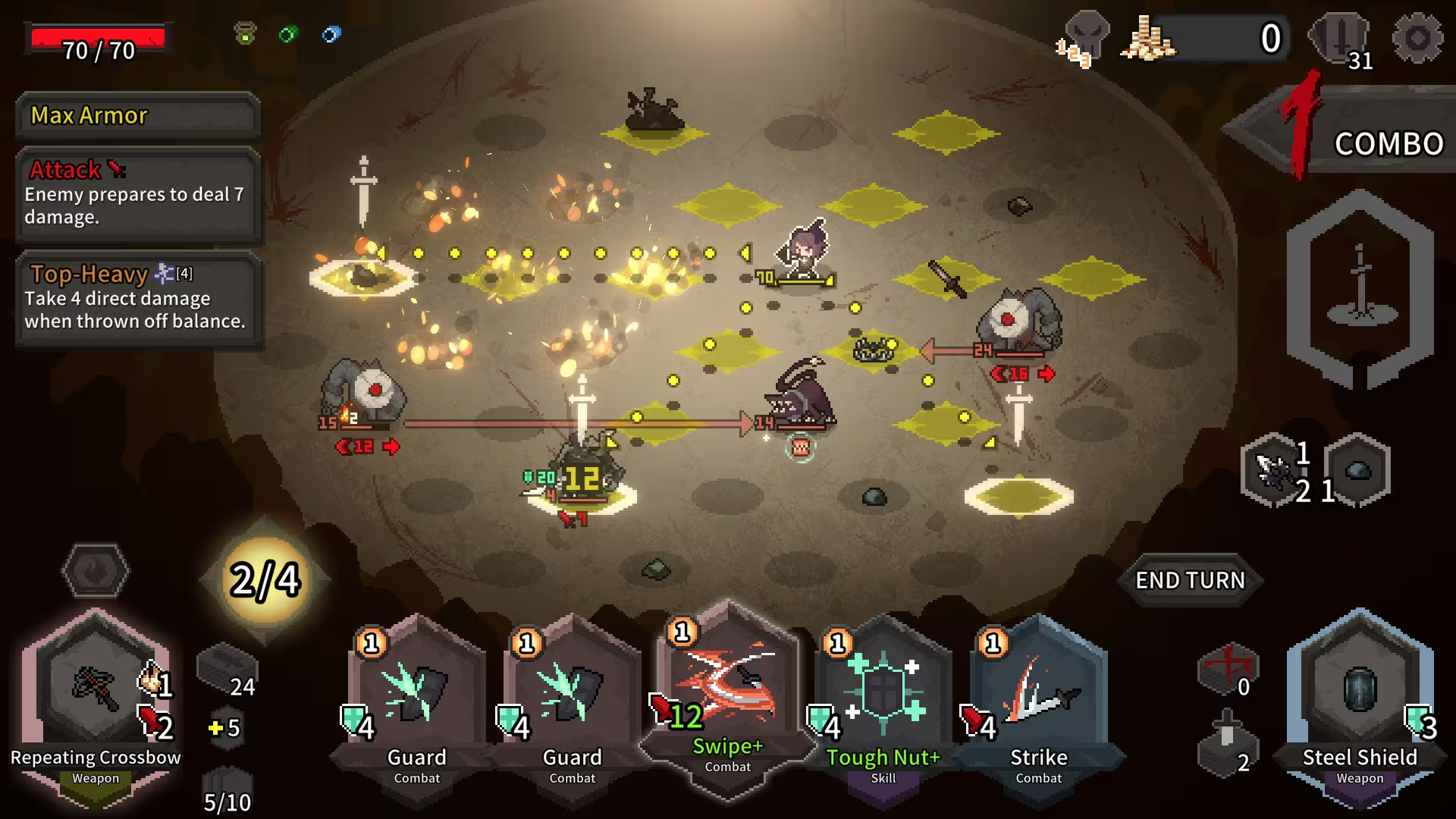
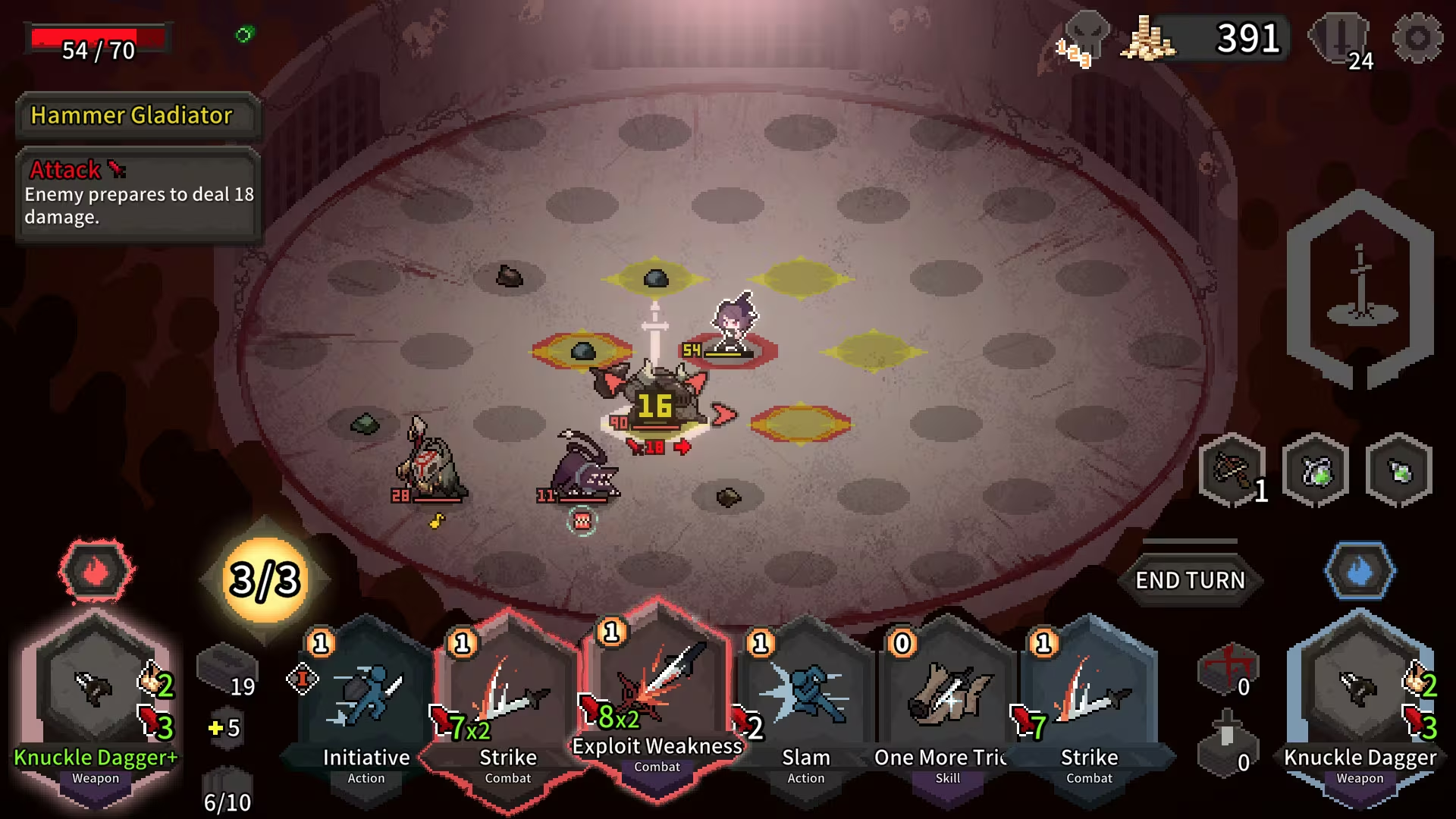
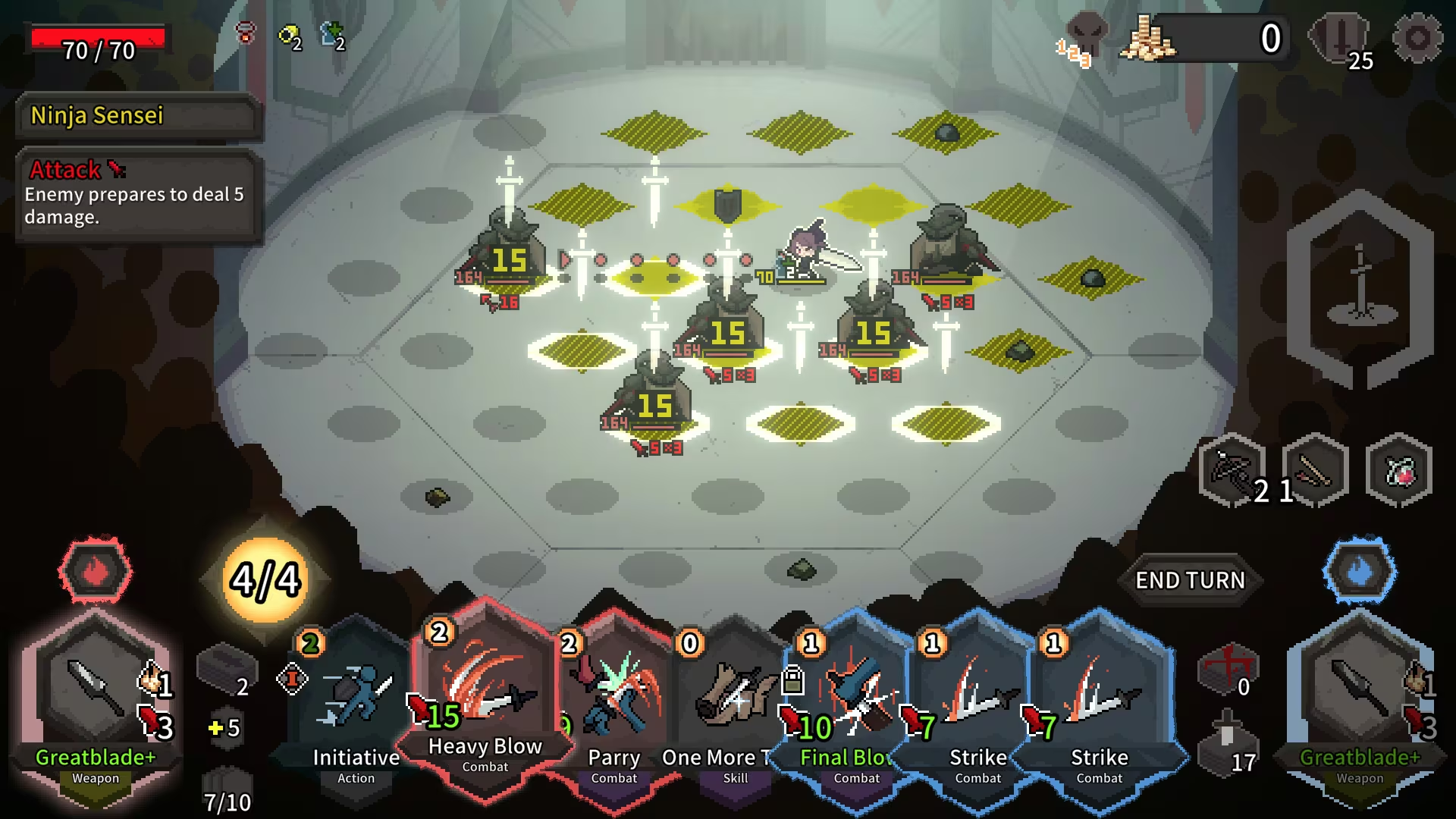
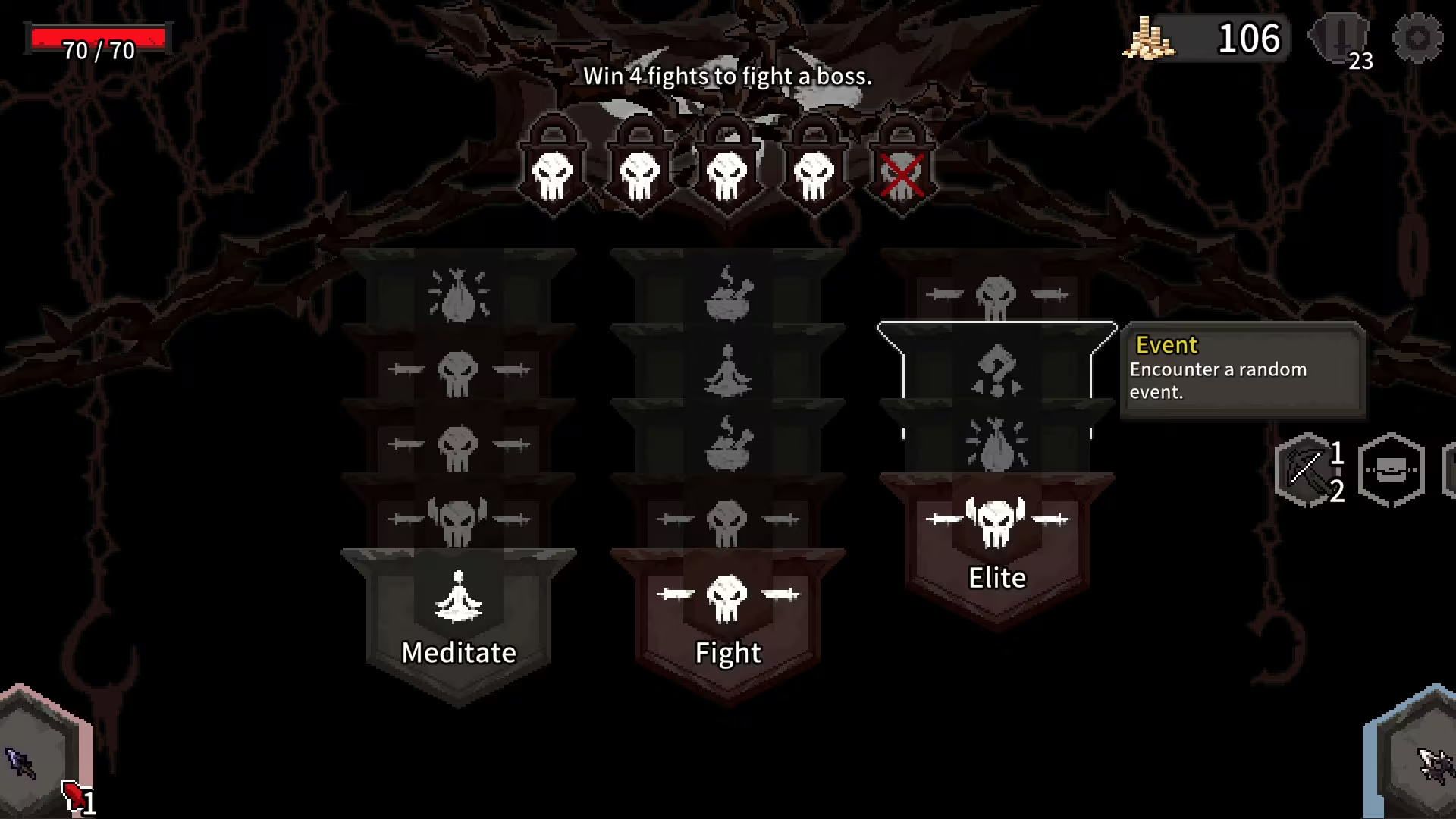
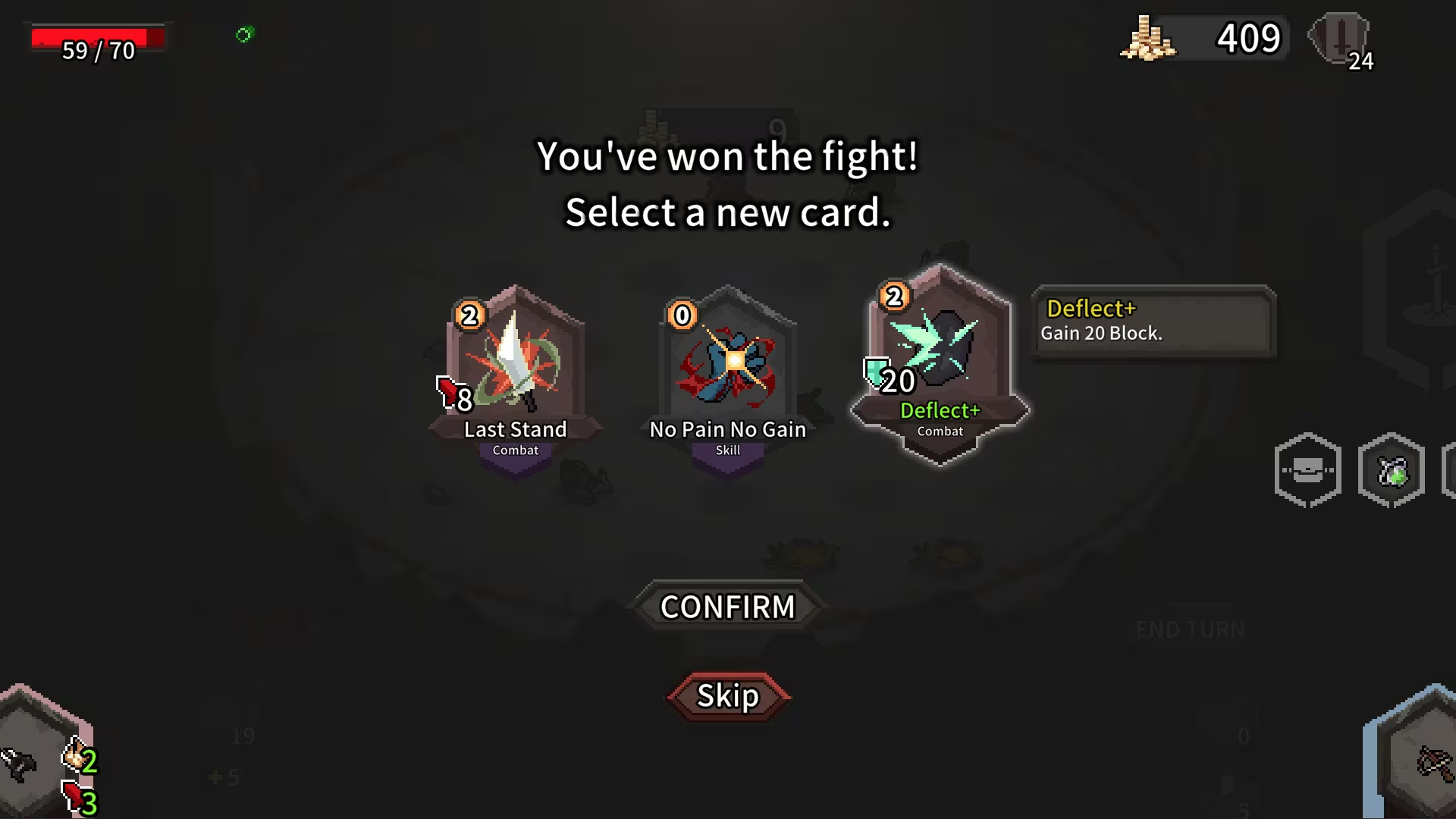
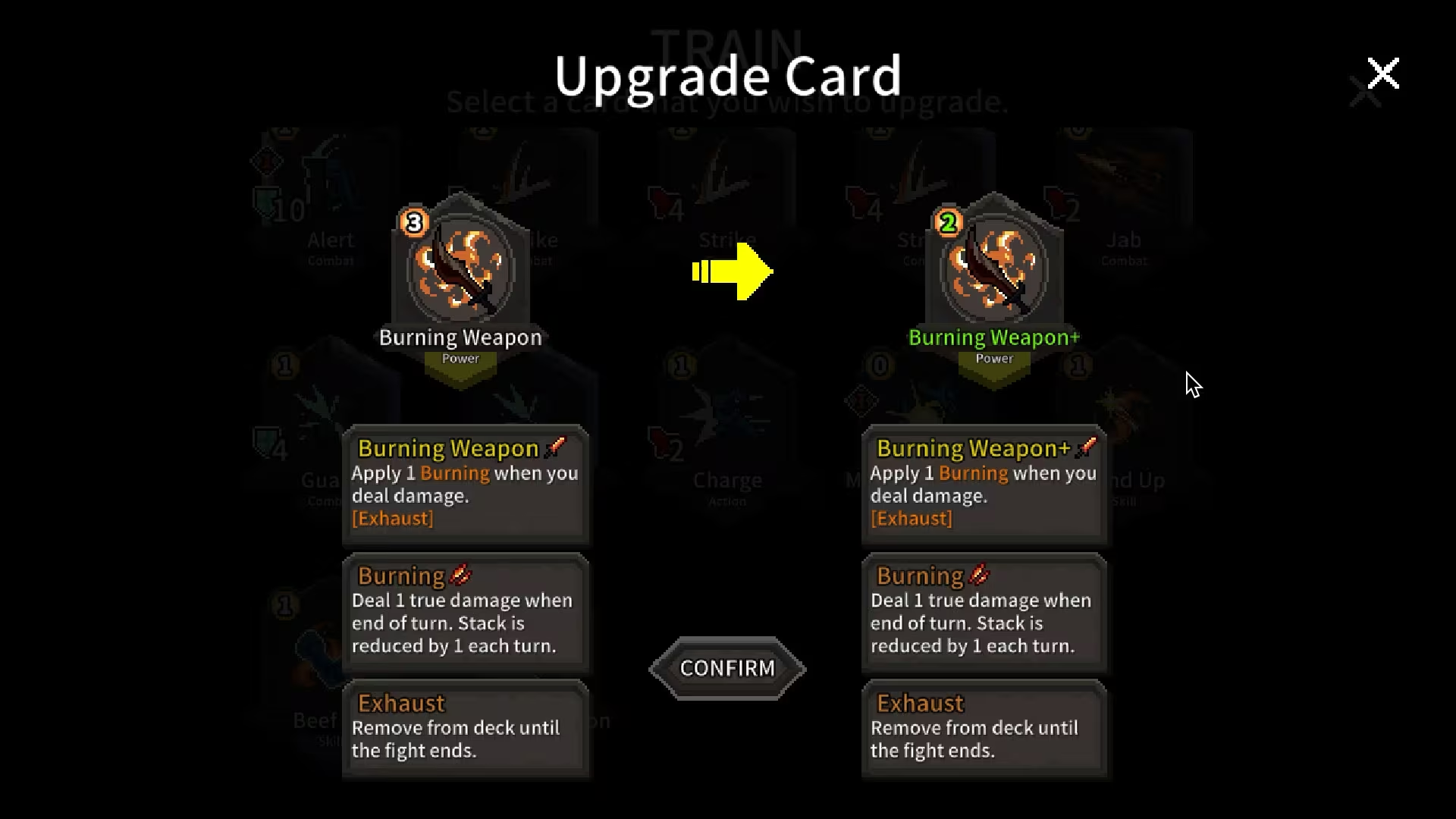
A roguelike deckbuilding tactics game that combines elements from 'Slay the Spire' and 'Into the Breach'. Play as a gladiator to survive. With roguelike deckbuilding and hex-based tactics, no longer bound by simple attack and defense. Make use of dodges and knockbacks to stay alive!
Global score
92/100
Genres
Indie, Strategy, Arcade, Fighting, Card & Board Game
Similar games
Pros
- Engaging tactical combat with positioning
- Varied deckbuilding and weapon combinations
- High replayability and addictive gameplay
- Challenging but fair difficulty
- Good value for price
Cons
- Limited content and zones
- Some balance issues with bosses and builds
- Minimal narrative and story depth
- Lack of multiplayer or social features
- Art style not appealing to all
Analysis
Less representative of its motivational profile, with noticeable differences. Motivations that often define this kind of title include Relaxation, Survival, Violence, Fellowship. Here, the score leans higher than usual among comparable games on Relaxation. It leans lower than usual among comparable games on Exploration, Expression.
How to use the graph
Similar games map
Each dot is a game. They are arranged from the same motivation profile as in the “Motivations” section below. Closer dots usually mean more similar reasons to play (exploration, competition, relaxation, etc.)—not that one game is “better” than another.
- Larger dot with a light outline: the game you are viewing.
- Colour: groups of games with comparable motivation patterns (statistical clusters).
- Hover a dot to see the game name; click to open its page.
- Scroll or double-click the chart to zoom out and see more games.
Why don’t the axes read like a score? This view uses t-SNE: it only keeps who is close to whom. The scales are not “good to bad” or hours played—they separate groups on the map. Read distance between dots, not the axis numbers.
Motivations
-
Autonomy4
"Players have significant control over deckbuilding, weapon choices, and movement strategies, enabling personal freedom in playstyle."
-
Competence4
"The game challenges players with skill-based tactical combat, requiring mastery of positioning, card combos, and resource management."
-
Competition-3
"Focus is on individual runs and personal progression rather than direct player-vs-player competition or leaderboards."
-
Continuation4
"Many reviews mention addictive gameplay, long play sessions, and repeated runs, indicating strong desire to keep playing."
-
Cooperation-5
"Gameplay is single-player focused with no cooperative multiplayer or teamwork elements."
-
Creativity4
"Players experiment with deckbuilding, weapon combos, and tactical positioning to create unique strategies and builds."
-
Domination-5
"Interactions are with AI enemies; no social dominance or power over other players is expressed."
-
Escapism3
"Players use the game as a challenging and engaging distraction, with immersive arena combat and fantasy setting."
-
Expectation-4
"Players engage voluntarily out of interest and enjoyment, with no indication of obligation or external pressure."
-
Experimenting4
"The game encourages trying new builds, weapon combinations, and tactical approaches to overcome challenges."
-
Exploration-2
"The game has limited zones and content; exploration is more about tactical options than discovering new areas."
-
Expression-3
"Customization is limited to gameplay elements like deck and weapons; little emphasis on cosmetic or avatar personalization."
-
Fantasy4
"The game features a fantasy gladiator arena setting with imaginative combat and abilities."
-
Fellowship-5
"The game is primarily a solo experience with minimal social or community interaction."
-
Growth3
"Players learn and improve skills over repeated runs, mastering mechanics and strategies."
-
Health-5
"The game is a sedentary digital experience with no physical activity or health-related features."
-
Idle-4
"Requires focused attention and strategic thinking; not designed for passive or background play."
-
Intimacy-5
"No evidence of close social relationships or emotional sharing within the game."
-
Leadership-5
"No leadership or group management roles; gameplay is individual and self-directed."
-
Progression4
"Players accumulate cards, weapons, and upgrades through runs, advancing their capabilities."
-
Relaxation1
"While some find it satisfying and fun, the game is generally challenging and can be tense."
-
Sensation3
"Engaging audio-visual feedback, crowd cheers, and satisfying combat animations provide sensory enjoyment."
-
Status-4
"Achievements and progress are personal; no social recognition or ranking systems."
-
Story1
"Minimal narrative present; focus is on gameplay rather than story immersion."
-
Strategy5
"High emphasis on tactical positioning, deckbuilding, and planning to overcome complex challenges."
-
Thrill3
"Players experience suspense and excitement from difficult fights and risk of failure."
-
Value4
"Players report good value for money with many hours of engaging gameplay."
-
Violence4
"Combat involves attacking, stunning, and defeating enemies in an arena setting."
-
Survival4
"Core gameplay revolves around avoiding damage, managing resources, and surviving tough encounters."
Last update: 29/04/2026