Town to City Thumbnail

Town to City similar games & best alternatives
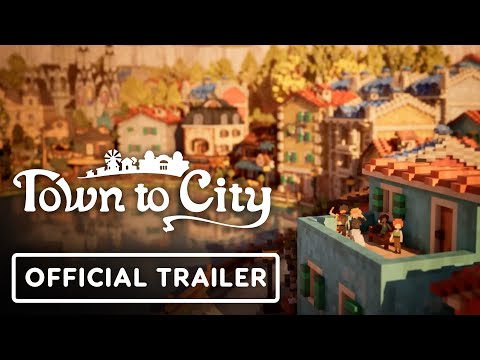
Town to City

PC (Microsoft Windows) • 2025

Related articles

Quick resume

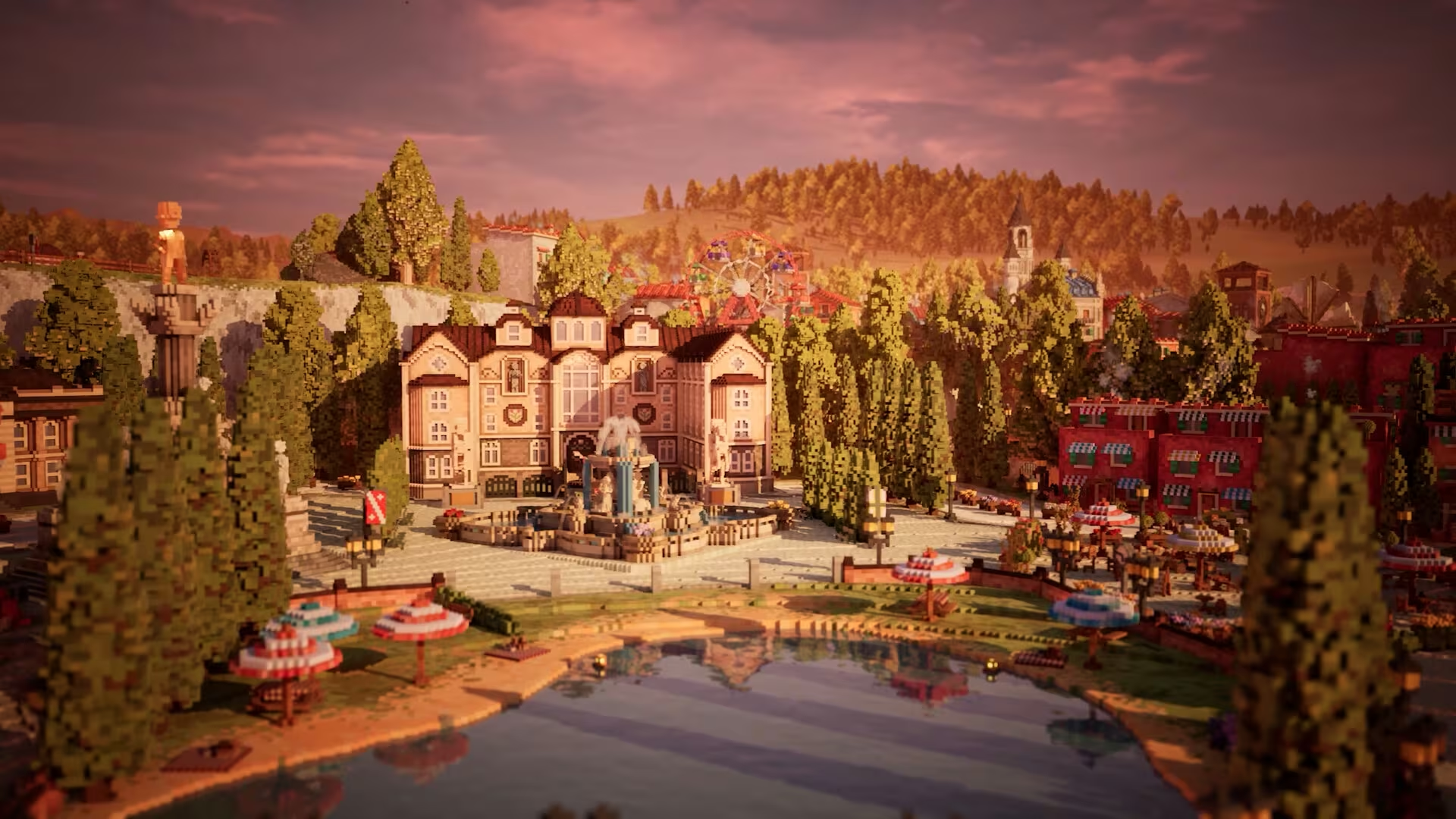
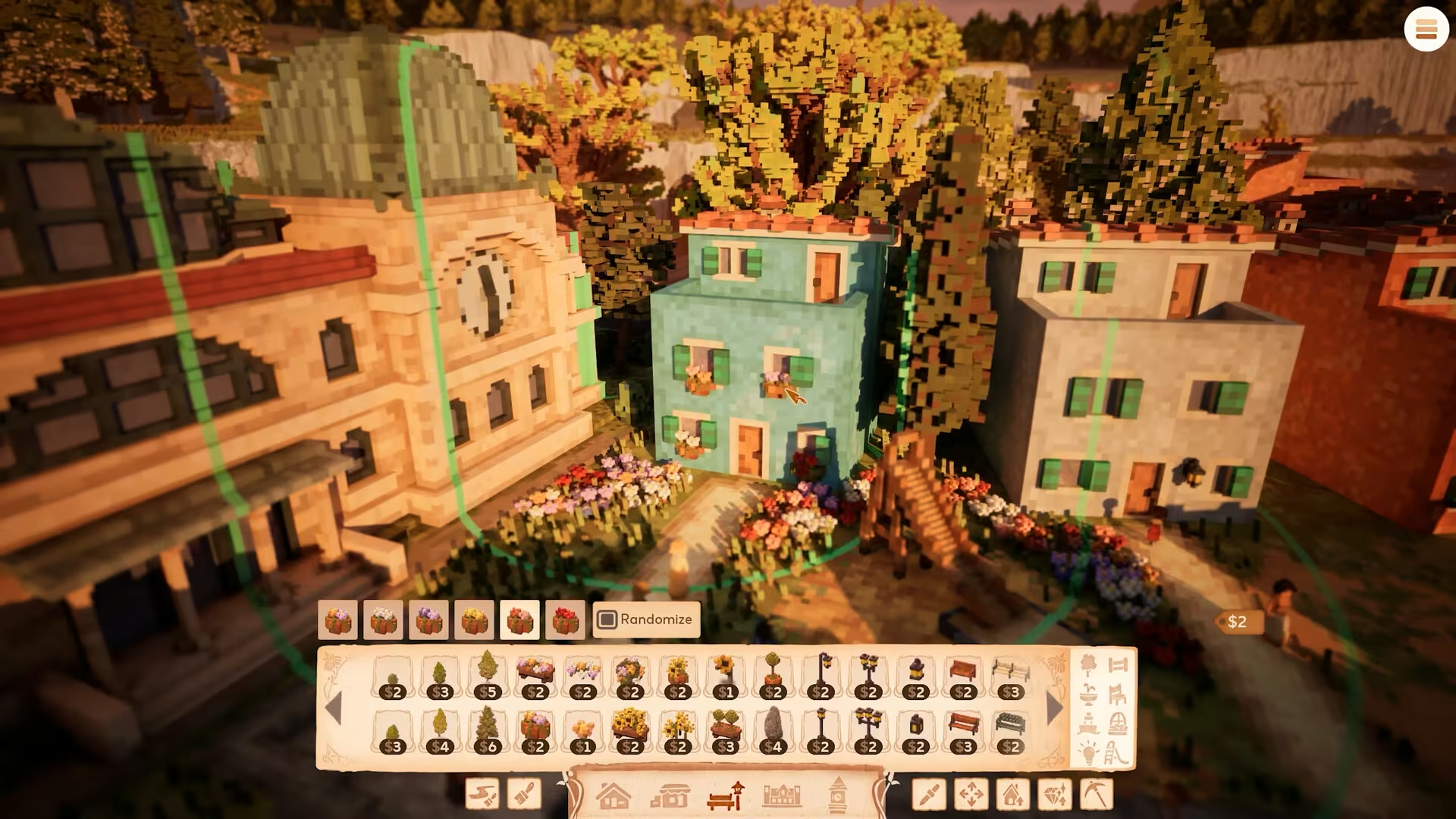
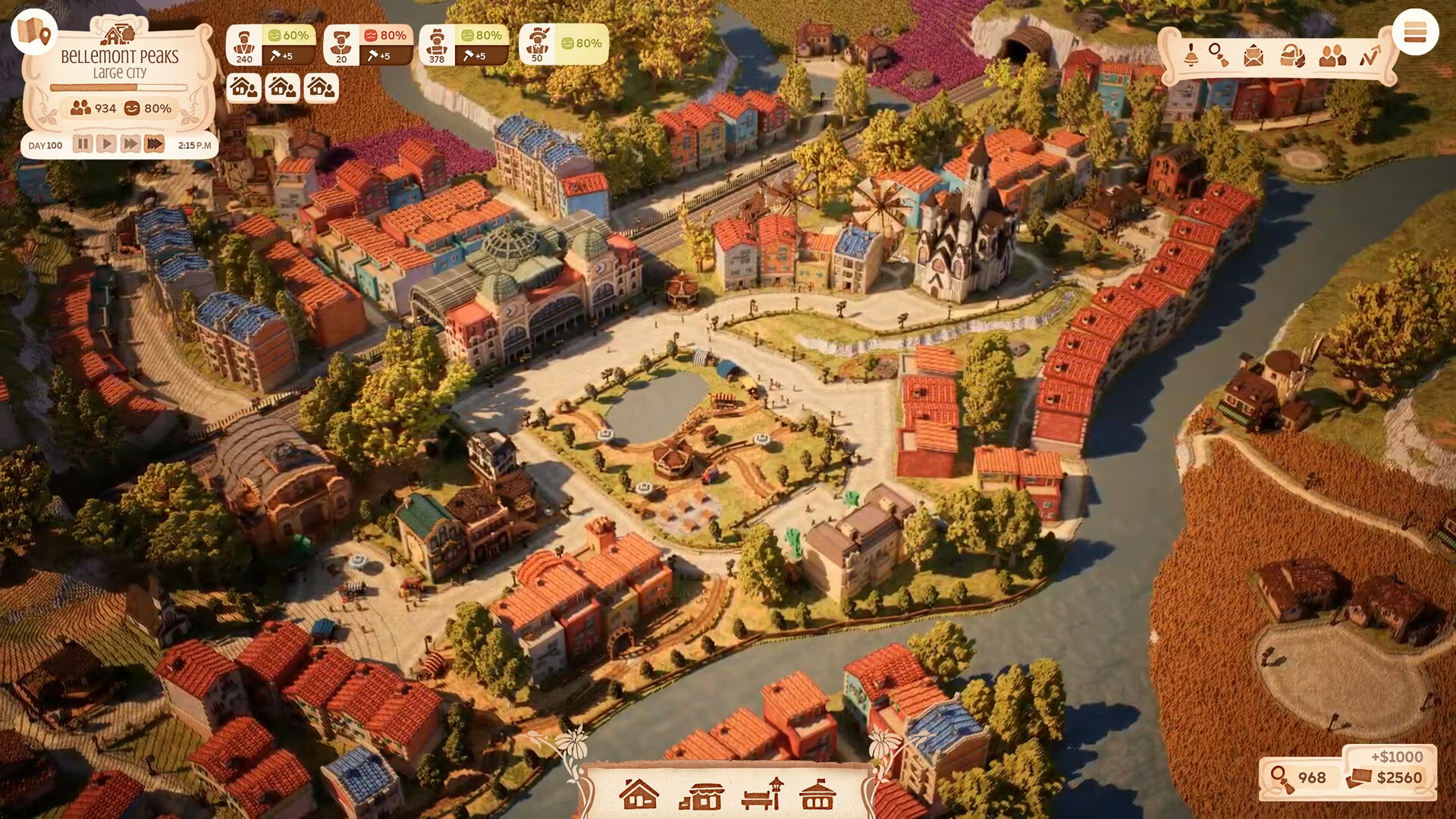
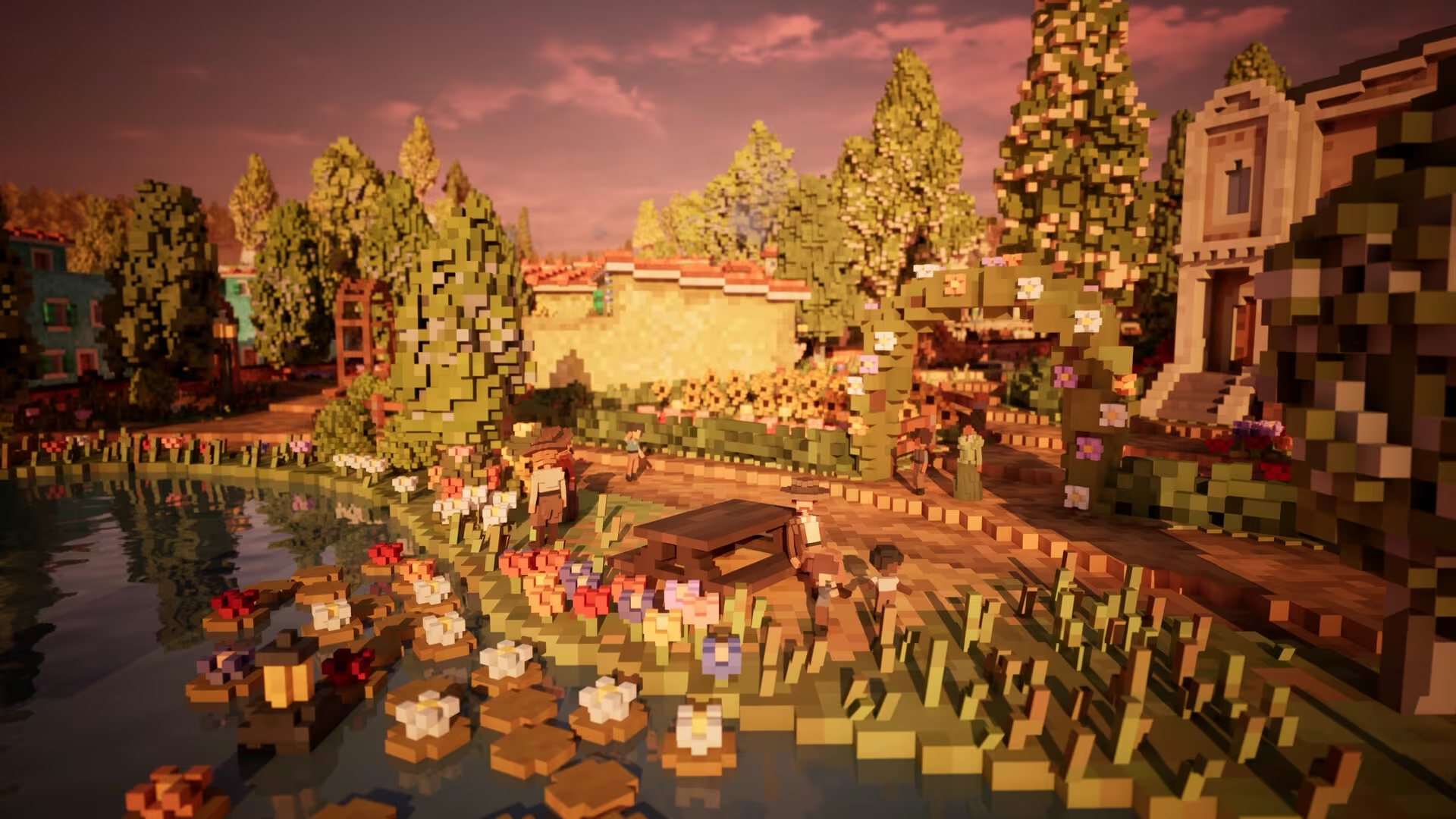
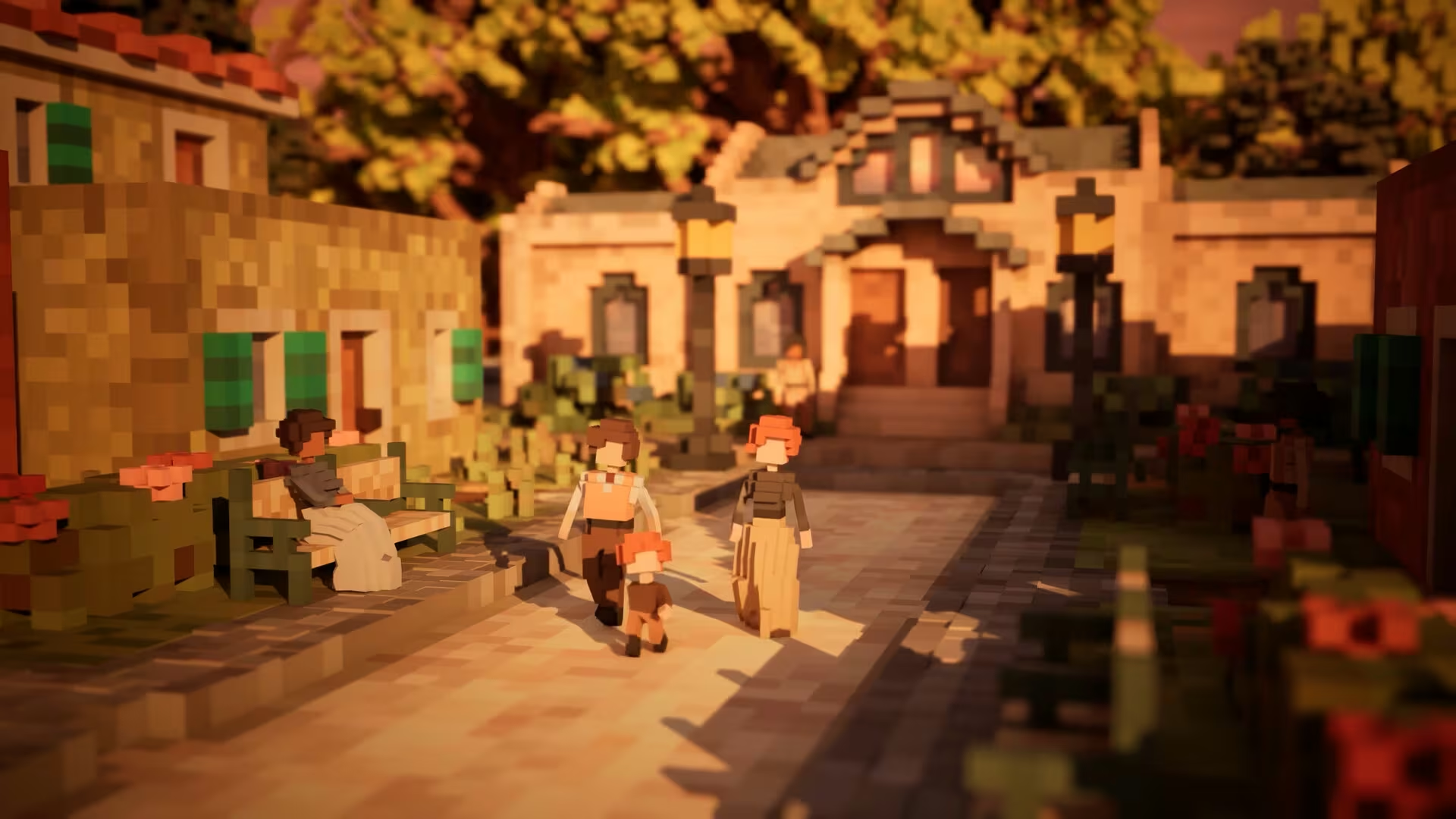
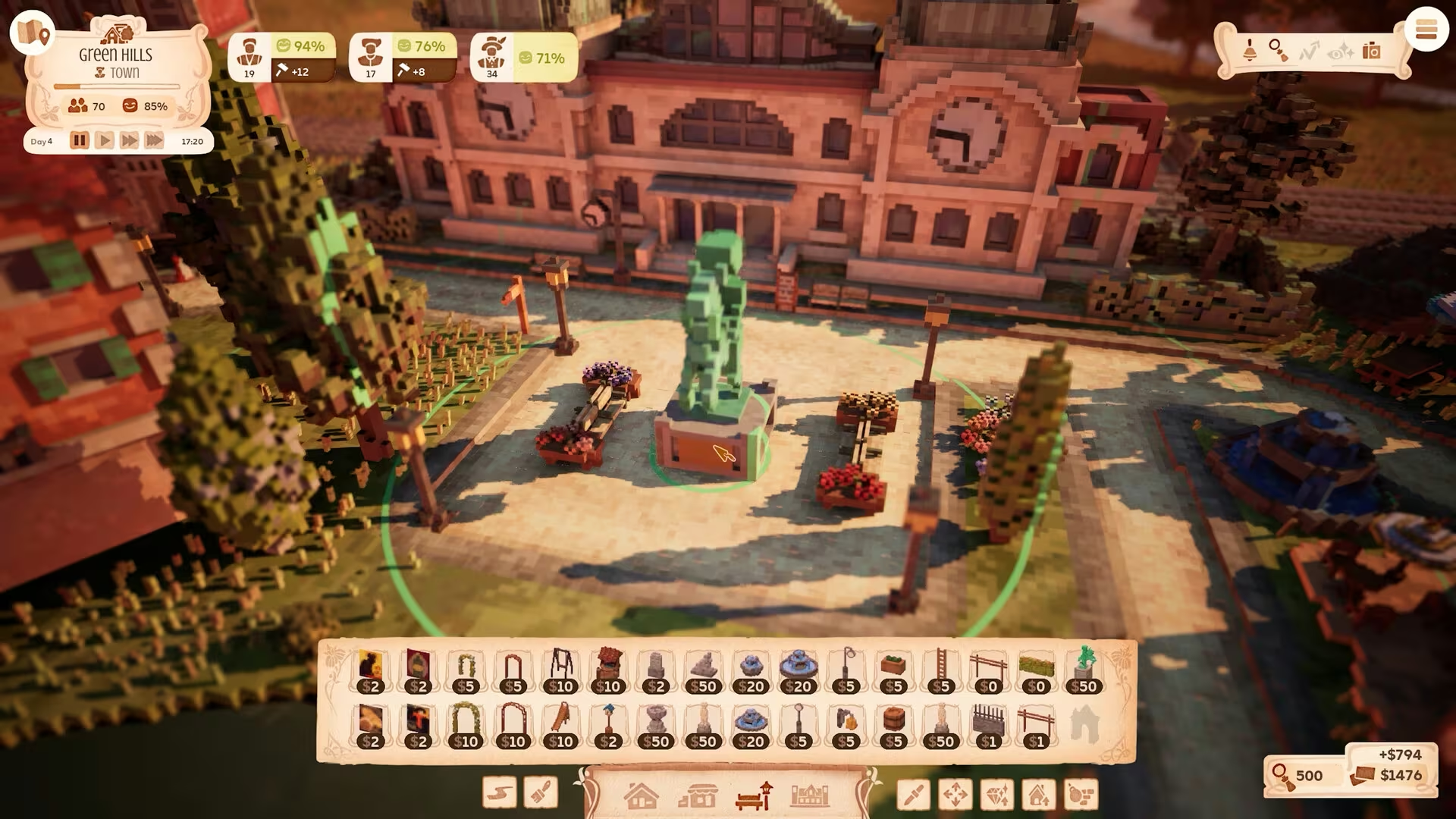
Build an idyllic 19th century Mediterranean town and help it flourish into a prosperous city. Freely place and customise each element to create the perfect home for your growing population in this cozy city builder from the creators of Station to Station.

Global score

98/100

Genres

Indie, Simulator, Strategy, Early Access

Similar games

    Pros

    • Highly relaxing and cozy gameplay
    • Extensive creative freedom and customization
    • Smooth progression and engaging city management
    • Polished visuals and soothing audio
    • Addictive and immersive experience

    Cons

    • Limited map size and terrain editing
    • Lack of multiplayer or social features
    • Some performance issues on lower-end pcs
    • No undo function and minor ui limitations
    • Early access with some missing qol tools

    Analysis

    Less representative of its motivational profile, with noticeable differences. Motivations that often define this kind of title include Fantasy, Violence, Story, Thrill. Here, the score leans higher than usual among comparable games on Story, Expression. It leans lower than usual among comparable games on Thrill.

    How to use the graph
    Similar games map

    Each dot is a game. They are arranged from the same motivation profile as in the “Motivations” section below. Closer dots usually mean more similar reasons to play (exploration, competition, relaxation, etc.)—not that one game is “better” than another.

    • Larger dot with a light outline: the game you are viewing.
    • Colour: groups of games with comparable motivation patterns (statistical clusters).
    • Hover a dot to see the game name; click to open its page.
    • Scroll or double-click the chart to zoom out and see more games.

    Why don’t the axes read like a score? This view uses t-SNE: it only keeps who is close to whom. The scales are not “good to bad” or hours played—they separate groups on the map. Read distance between dots, not the axis numbers.

    Motivations

    • Autonomy
      4

      "Players have high freedom to build and decorate their towns without rigid constraints, allowing personal pacing and creative choices."

    • Competence
      3

      "The game offers a balance of simple mechanics with some strategic depth in managing citizen needs and city layout, rewarding skillful planning."

    • Competition
      -4

      "Focus is on personal pace and relaxation without competitive elements or leaderboards."

    • Continuation
      5

      "Players report long sessions, addiction, and habitual play due to engaging and relaxing gameplay."

    • Cooperation
      -5

      "Gameplay is primarily single-player and focused on individual city building and management."

    • Creativity
      5

      "Extensive customization and decoration systems encourage creative expression and unique city designs."

    • Domination
      -5

      "Interactions are non-competitive and cooperative dominance or power over others is absent."

    • Escapism
      5

      "Strongly used as a relaxing, stress-relieving, and immersive escape from real-life pressures."

    • Expectation
      -5

      "Players engage voluntarily out of intrinsic interest and enjoyment without obligation or pressure."

    • Experimenting
      4

      "Players enjoy trying new layouts, decorations, and strategies, encouraged by flexible tools and forgiving gameplay."

    • Exploration
      2

      "Some exploration of new maps and unlocking new content, but limited by map size and lack of terrain editing."

    • Expression
      5

      "High level of self-expression through detailed customization of buildings, decorations, and town layout."

    • Fantasy
      -3

      "The game is stylized but grounded in plausible city building and management rather than imaginative fiction."

    • Fellowship
      -4

      "Minimal social or community features; mostly a solitary experience."

    • Growth
      3

      "Players learn city management, resource balancing, and unlock new content progressively."

    • Health
      -4

      "Primarily sedentary gameplay with no physical activity elements."

    • Idle
      -3

      "Requires active attention and planning rather than passive or background play."

    • Intimacy
      -4

      "Limited social interaction; focus is on individual play rather than close relationships."

    • Leadership
      -4

      "No leadership or group management roles; player manages their own city independently."

    • Progression
      4

      "Clear progression through unlocking new buildings, decorations, and citizen tiers."

    • Relaxation
      5

      "Highly relaxing and cozy experience with gentle pacing and soothing aesthetics."

    • Sensation
      3

      "Enjoyable visual style, ambient sounds, and music contribute to sensory pleasure."

    • Status
      -4

      "No social status or recognition systems; achievements are personal and private."

    • Story
      2

      "Light narrative through citizen requests and campaign mode, but mostly context-free city building."

    • Strategy
      3

      "Requires planning and problem solving to balance citizen needs, resource management, and city layout."

    • Thrill
      -4

      "Gameplay is calm and controlled with minimal risk or suspense."

    • Value
      4

      "Players perceive strong value for time and money due to engaging content and polish even in early access."

    • Violence
      -5

      "No combat or destructive elements; focus on constructive building and decoration."

    • Survival
      -4

      "Stable conditions with no threats or failure states; low-risk gameplay."

    Last update: 29/04/2026