Tumblestone Thumbnail

Tumblestone similar games & best alternatives
Tumblestone

PC (Microsoft Windows), Mac, Wii U, PlayStation 4, Xbox One, PlayStation Vita, Nintendo Switch, PlayStation 3, Linux • 2016

Related articles

Quick resume

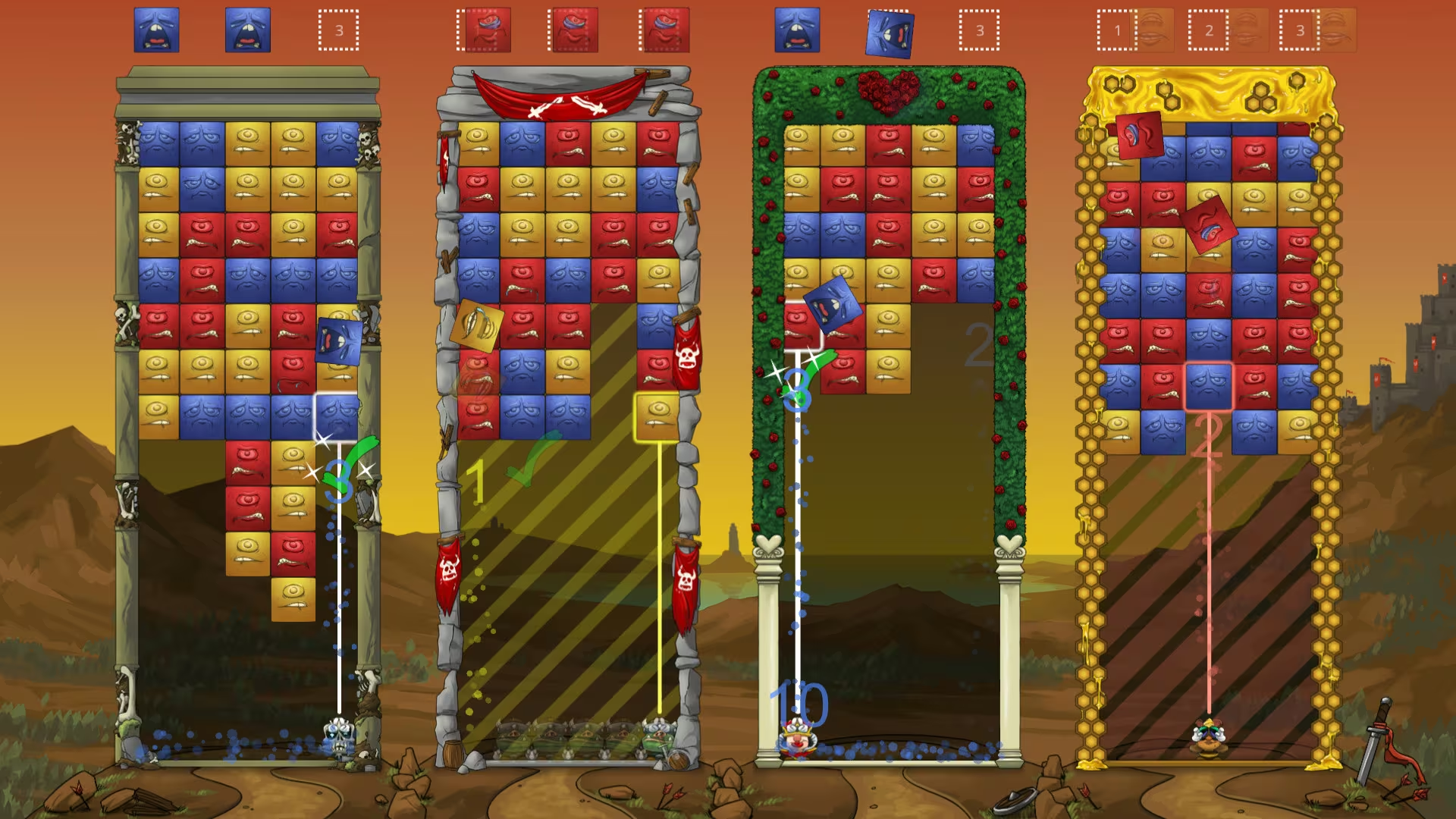
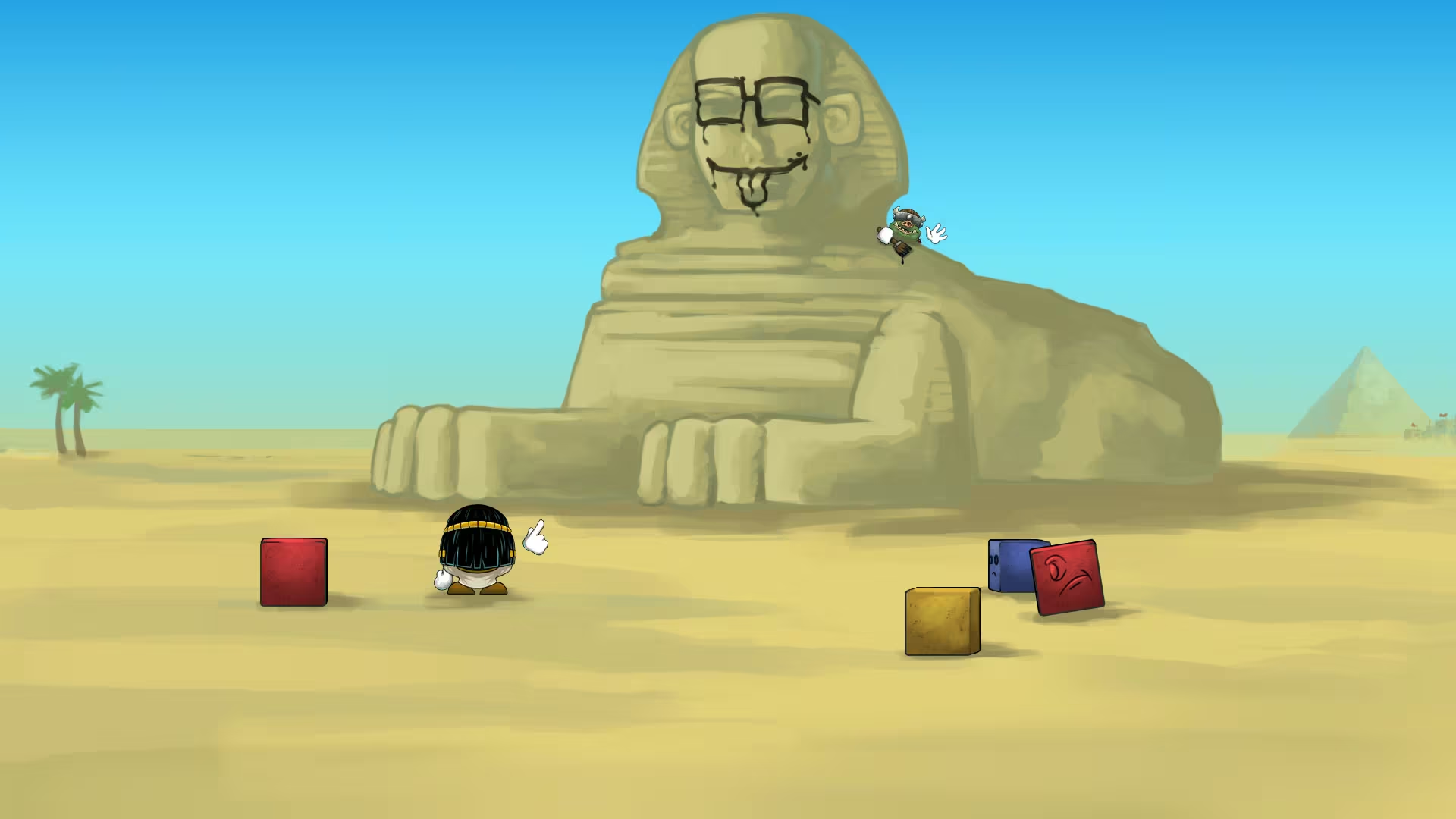
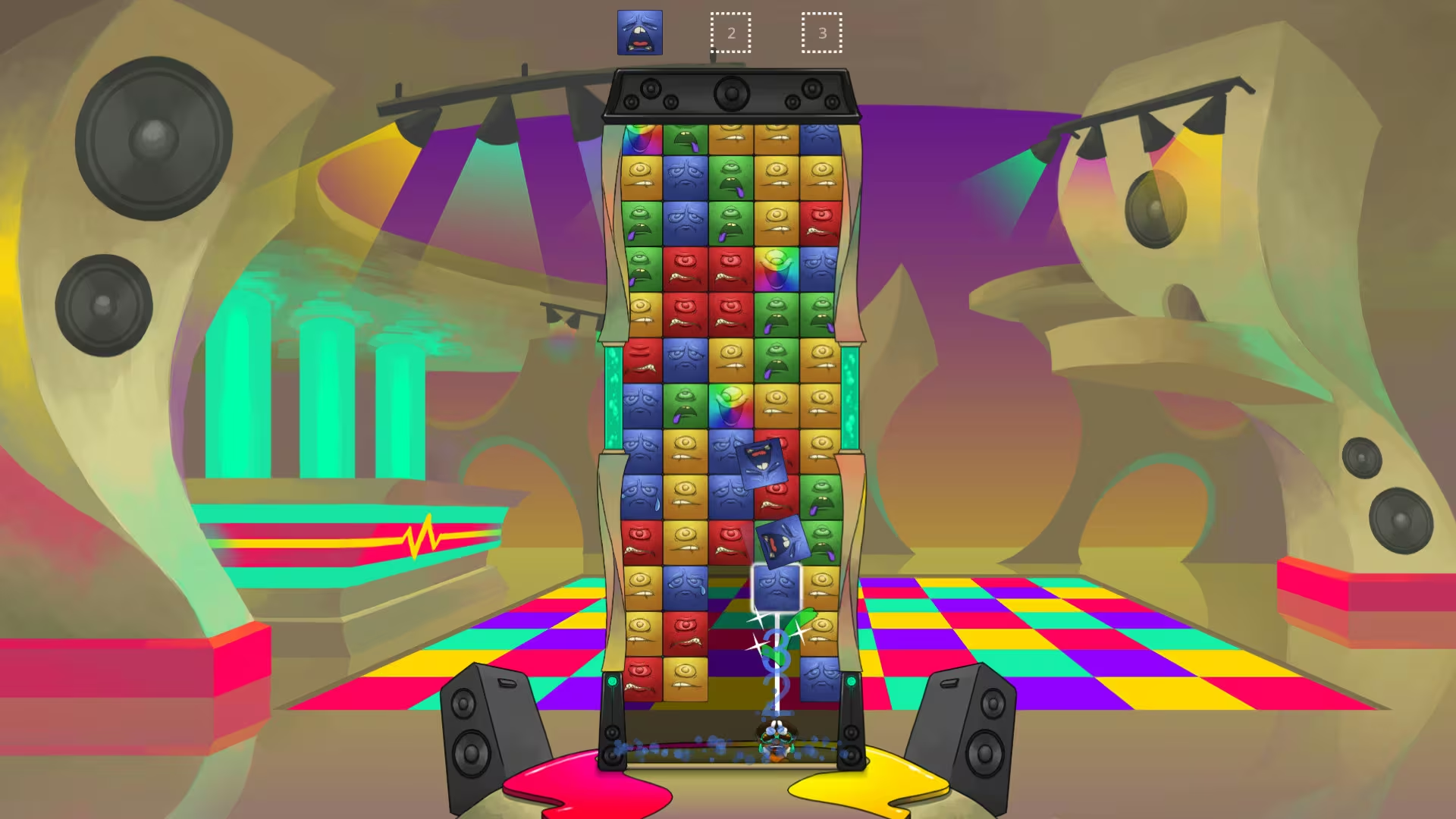
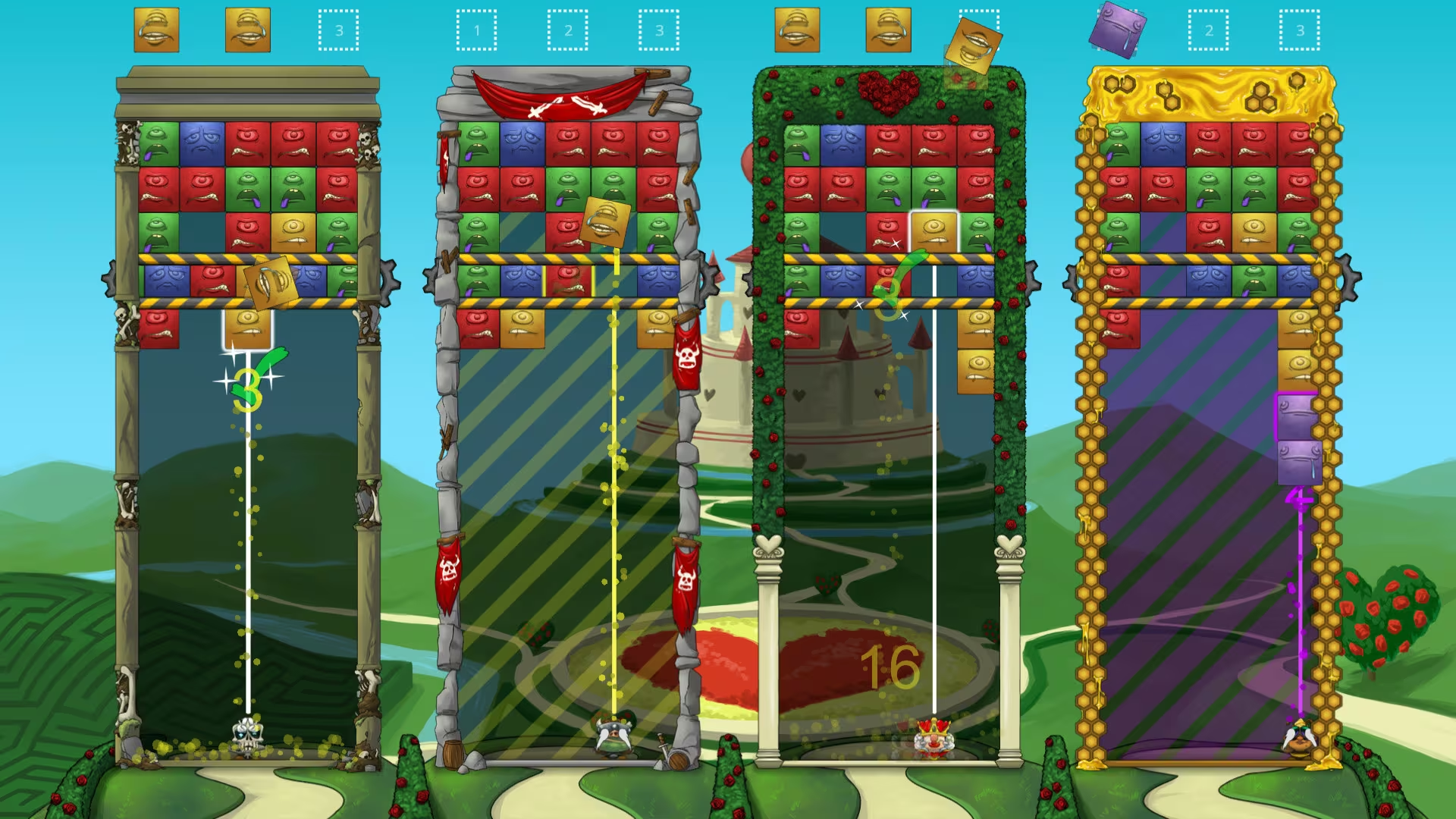
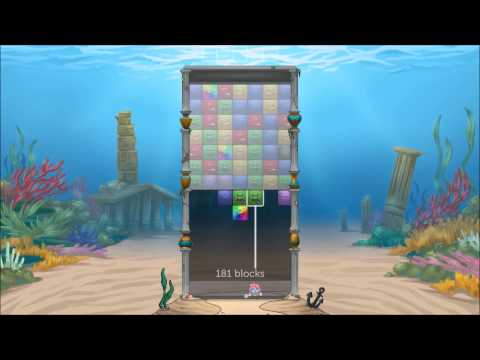
Tumblestone is the first original action-puzzle game of the past fifteen years -- completely reinventing the genre into a deep and cerebral puzzle solving experience that you won't forget.

Global score

78/100

Genres

Action, Casual, Indie, Strategy, Arcade, Puzzle, Fighting

Similar games

    Pros

    • Challenging and addictive puzzle gameplay
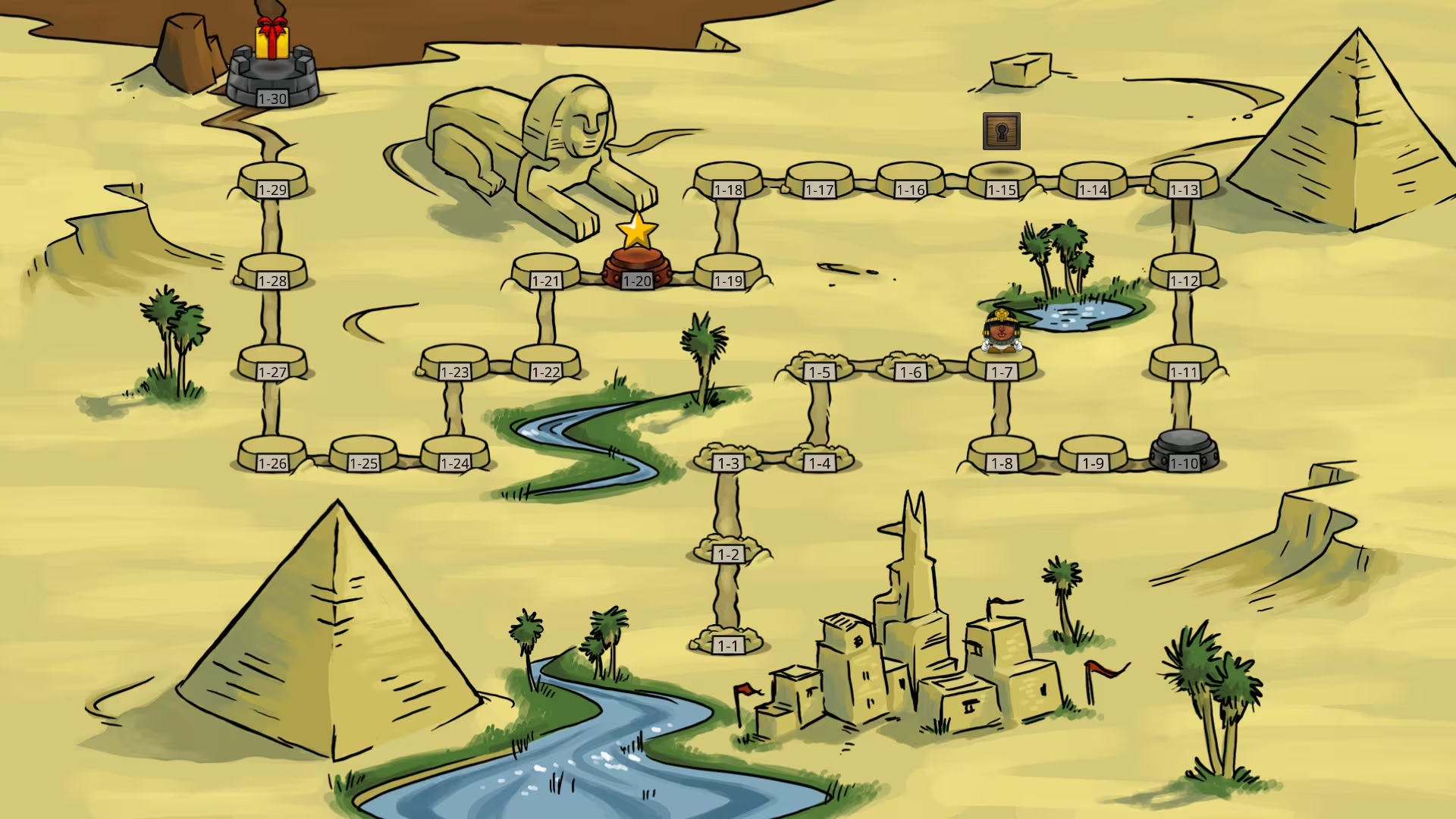
    • Extensive single-player campaign with 360+ levels
    • Multiple multiplayer modes with online and local play
    • Unique modifiers and game mechanics per world
    • Leaderboards and competitive ranking system

    Cons

    • Steep difficulty curve can frustrate some players
    • Story mode is weak and not engaging
    • Multiplayer playerbase is small and sometimes inactive
    • High full price compared to similar puzzle games
    • Repetitive music and some control issues with gamepads

    Analysis

    Less representative of its motivational profile, with noticeable differences. Motivations that often define this kind of title include Competition, Fellowship, Domination, Status. It leans lower than usual among comparable games on Violence, Value, Fantasy.

    How to use the graph
    Similar games map

    Each dot is a game. They are arranged from the same motivation profile as in the “Motivations” section below. Closer dots usually mean more similar reasons to play (exploration, competition, relaxation, etc.)—not that one game is “better” than another.

    • Larger dot with a light outline: the game you are viewing.
    • Colour: groups of games with comparable motivation patterns (statistical clusters).
    • Hover a dot to see the game name; click to open its page.
    • Scroll or double-click the chart to zoom out and see more games.

    Why don’t the axes read like a score? This view uses t-SNE: it only keeps who is close to whom. The scales are not “good to bad” or hours played—they separate groups on the map. Read distance between dots, not the axis numbers.

    Motivations

    • Autonomy
      4

      "Players have control over their moves and strategies, especially in multiplayer and arcade modes, requiring planning and decision-making."

    • Competence
      5

      "The game offers challenging puzzles that require skill, planning, and quick execution, with a steep difficulty curve and competitive multiplayer."

    • Competition
      5

      "Strong competitive multiplayer modes with leaderboards and ranked matches against players worldwide."

    • Continuation
      4

      "High replay value with 360+ story levels, multiple arcade modes, and addictive multiplayer leading to long play sessions."

    • Cooperation
      1

      "Some local and online multiplayer modes support group play, but mostly competitive rather than cooperative."

    • Creativity
      2

      "Players experiment with different strategies and modifiers, but gameplay follows set puzzle structures."

    • Domination
      3

      "Competitive multiplayer includes rubberbanding and handicap systems, with some players aiming to dominate others."

    • Escapism
      3

      "Players use the game as a distraction and stress relief, enjoying its addictive and immersive puzzle challenges."

    • Expectation
      -3

      "Players engage voluntarily out of interest and enjoyment rather than obligation or external pressure."

    • Experimenting
      3

      "Players try new modifiers, strategies, and game modes, exploring different puzzle mechanics and multiplayer setups."

    • Exploration
      2

      "Exploration of new puzzle mechanics and modifiers across worlds, though within a fixed set of levels."

    • Expression
      1

      "Some character customization and cosmetic choices exist but are limited."

    • Fantasy
      -2

      "The game is lighthearted and whimsical but grounded in puzzle mechanics rather than immersive fantasy."

    • Fellowship
      3

      "Community aspects via multiplayer and local co-op foster social interaction and shared experiences."

    • Growth
      4

      "Players develop skills in puzzle solving, strategic planning, and fast execution over many hours."

    • Health
      -5

      "Primarily sedentary gameplay with no physical activity component."

    • Idle
      -3

      "Requires focused attention and active engagement rather than passive or background play."

    • Intimacy
      1

      "Some social interaction in multiplayer but limited emotional or close relationship building."

    • Leadership
      -2

      "Multiplayer is competitive with no strong emphasis on leadership or group management roles."

    • Progression
      4

      "Extensive level progression, unlocking modifiers, characters, and achievements."

    • Relaxation
      2

      "Some players find the game relaxing and flow-inducing, though difficulty spikes can cause frustration."

    • Sensation
      2

      "Bright visuals and sound effects provide sensory stimulation, though music can be repetitive."

    • Status
      3

      "Leaderboards and multiplayer rankings provide social recognition and status."

    • Story
      1

      "There is a light, humorous story mode, but it is not the main focus and is considered weak by many players."

    • Strategy
      5

      "High emphasis on planning, problem solving, and strategic thinking to complete puzzles and compete."

    • Thrill
      3

      "Fast-paced multiplayer and timed modes provide excitement and tension."

    • Value
      -2

      "Some players feel the game is overpriced at full price but worth it on sale."

    • Violence
      -5

      "Non-violent puzzle gameplay focused on constructive problem solving."

    • Survival
      2

      "Certain modes involve survival elements like avoiding failure or clearing blocks before they reach the bottom."

    Last update: 29/04/2026