No Time to Relax Thumbnail

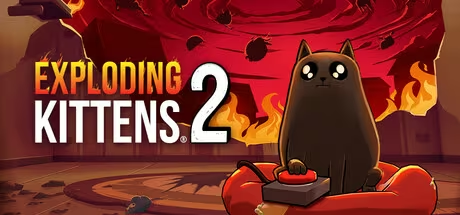
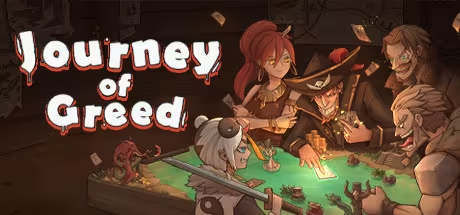
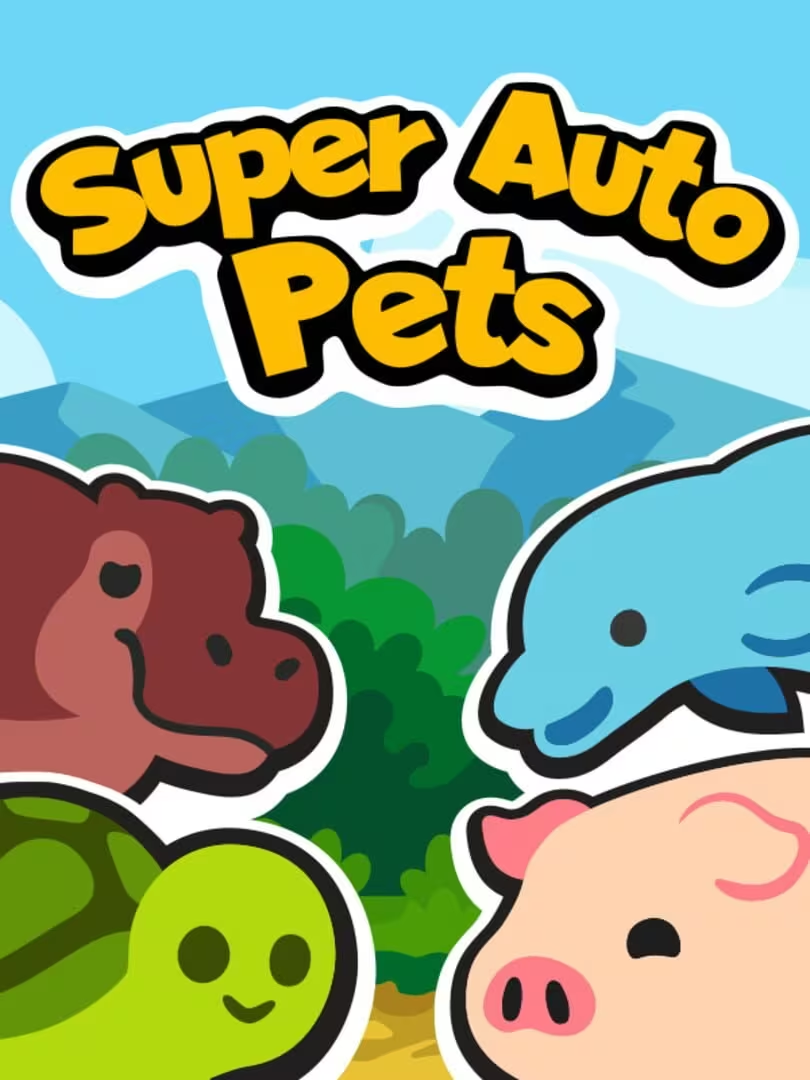
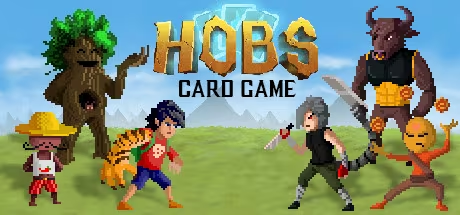
No Time to Relax similar games & best alternatives
No Time to Relax

PC (Microsoft Windows), Mac, Xbox One, Nintendo Switch, PlayStation 5 • 2019

Related articles

Quick resume

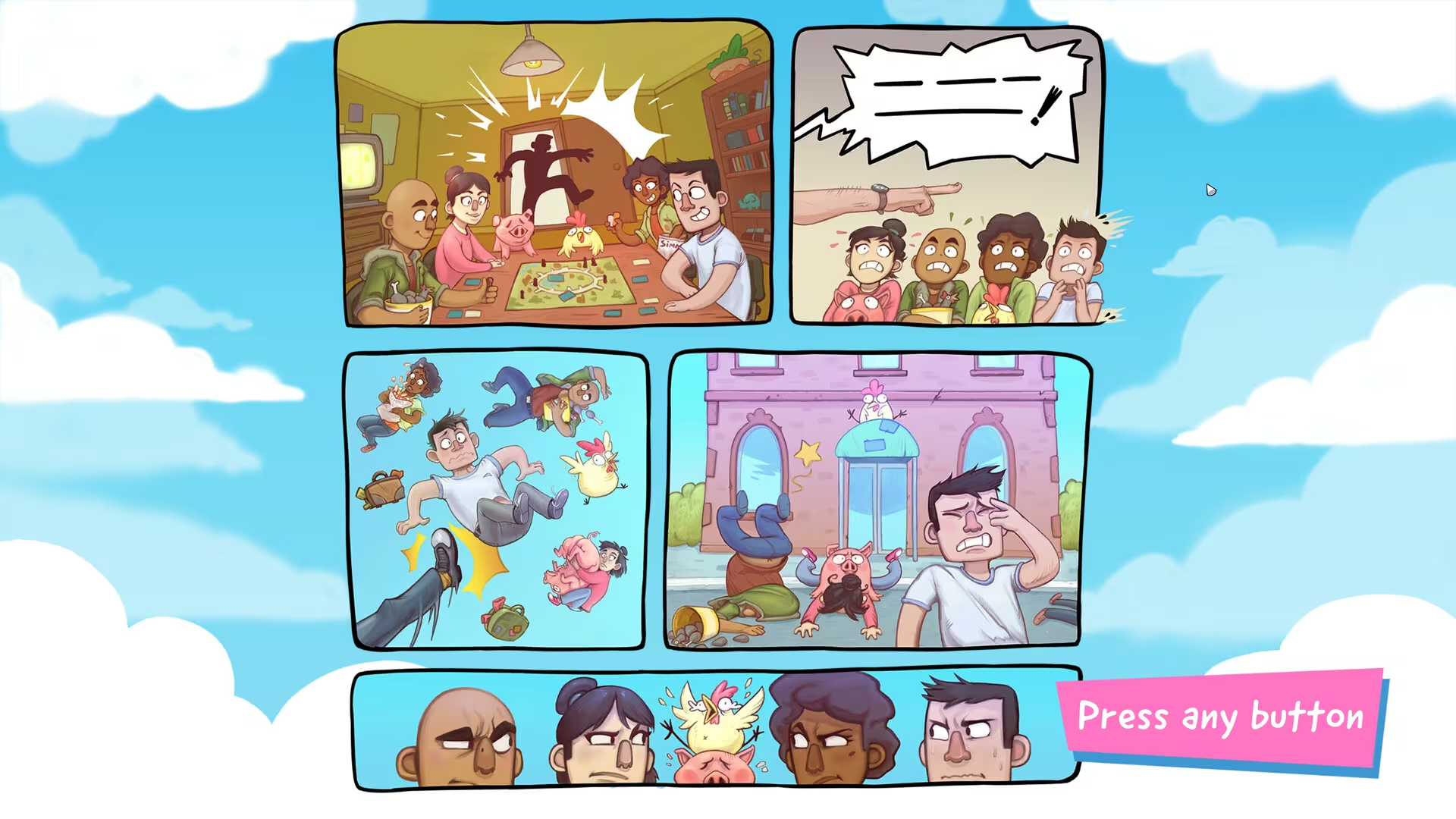
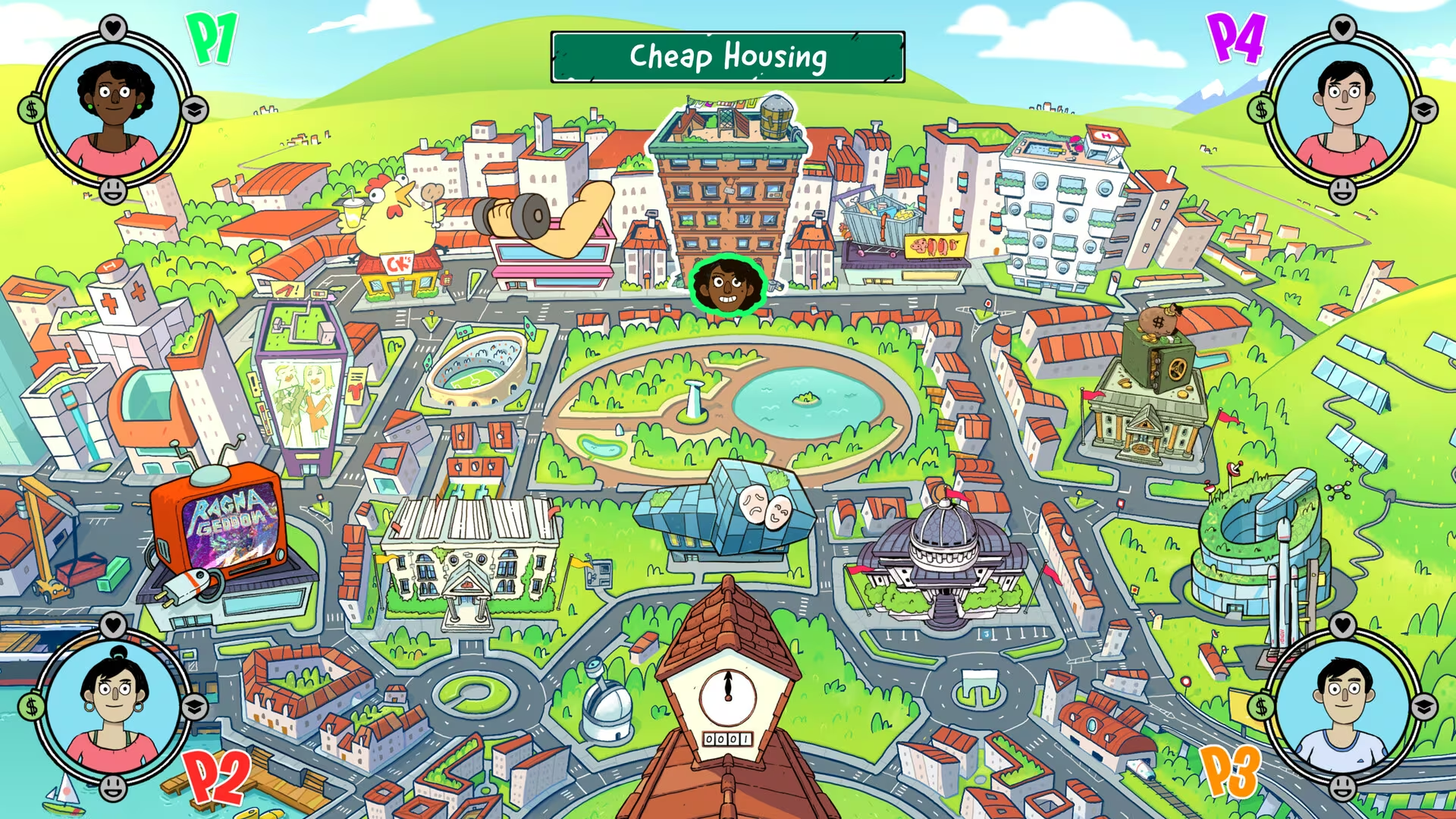
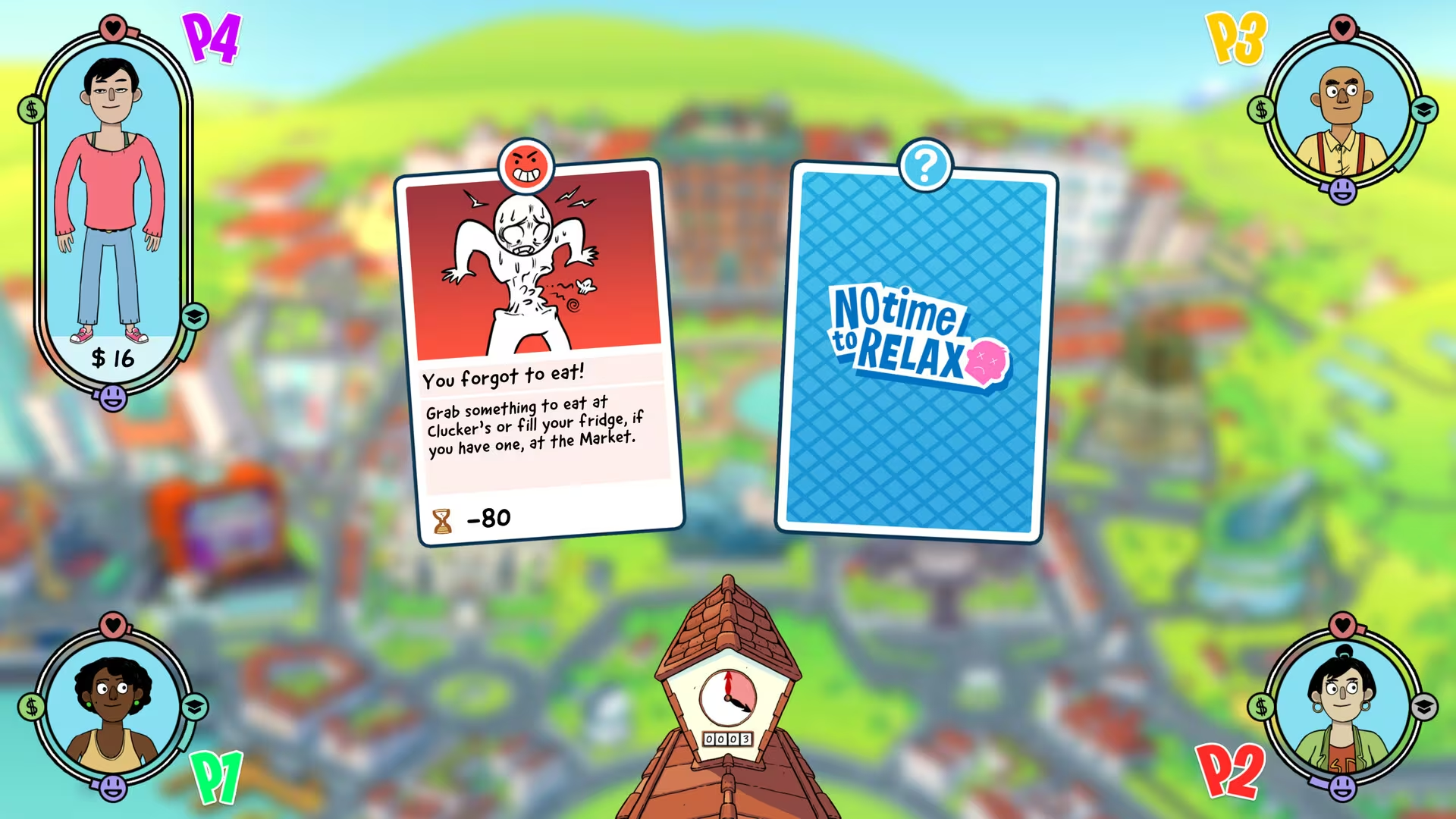
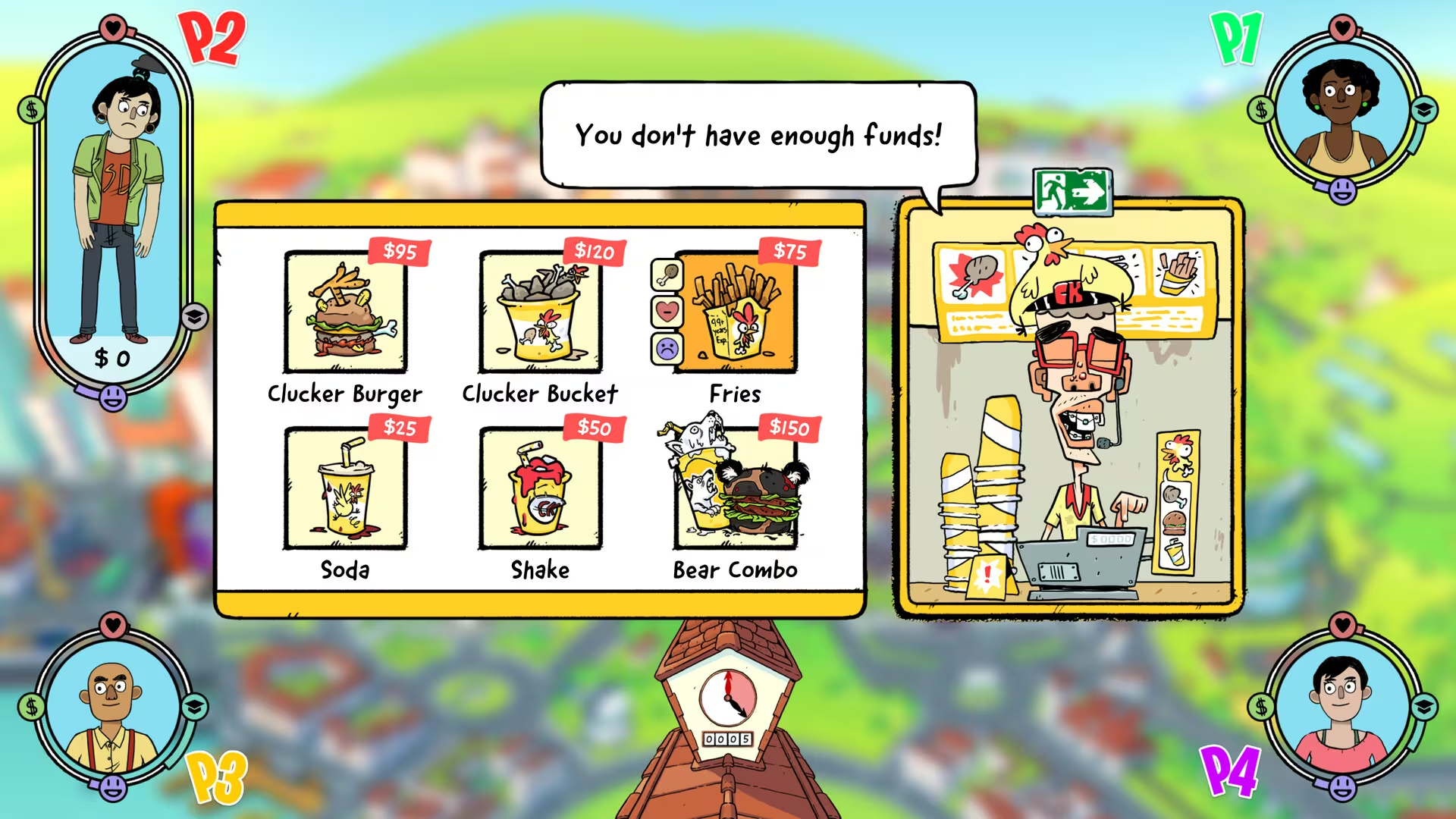
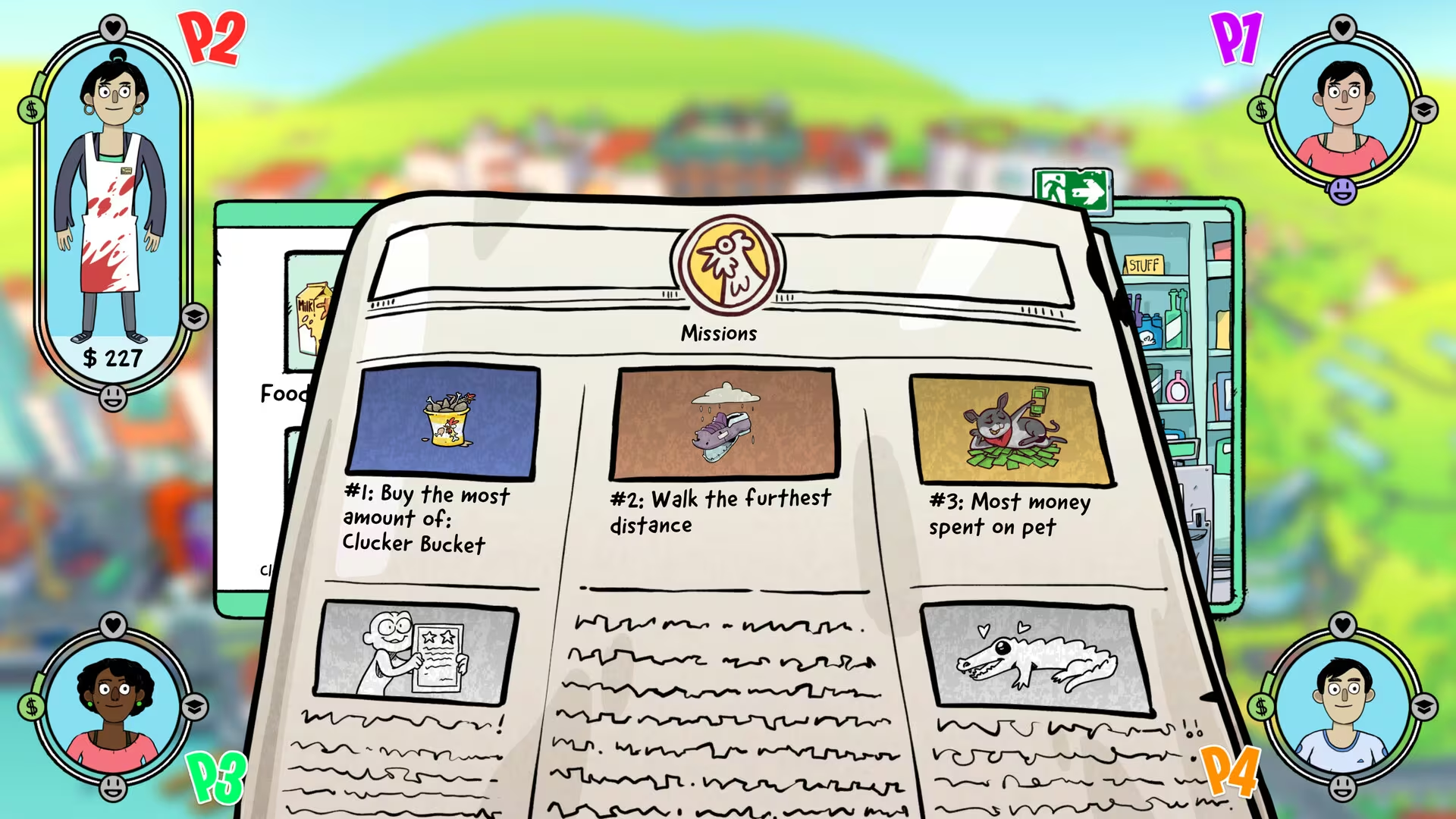
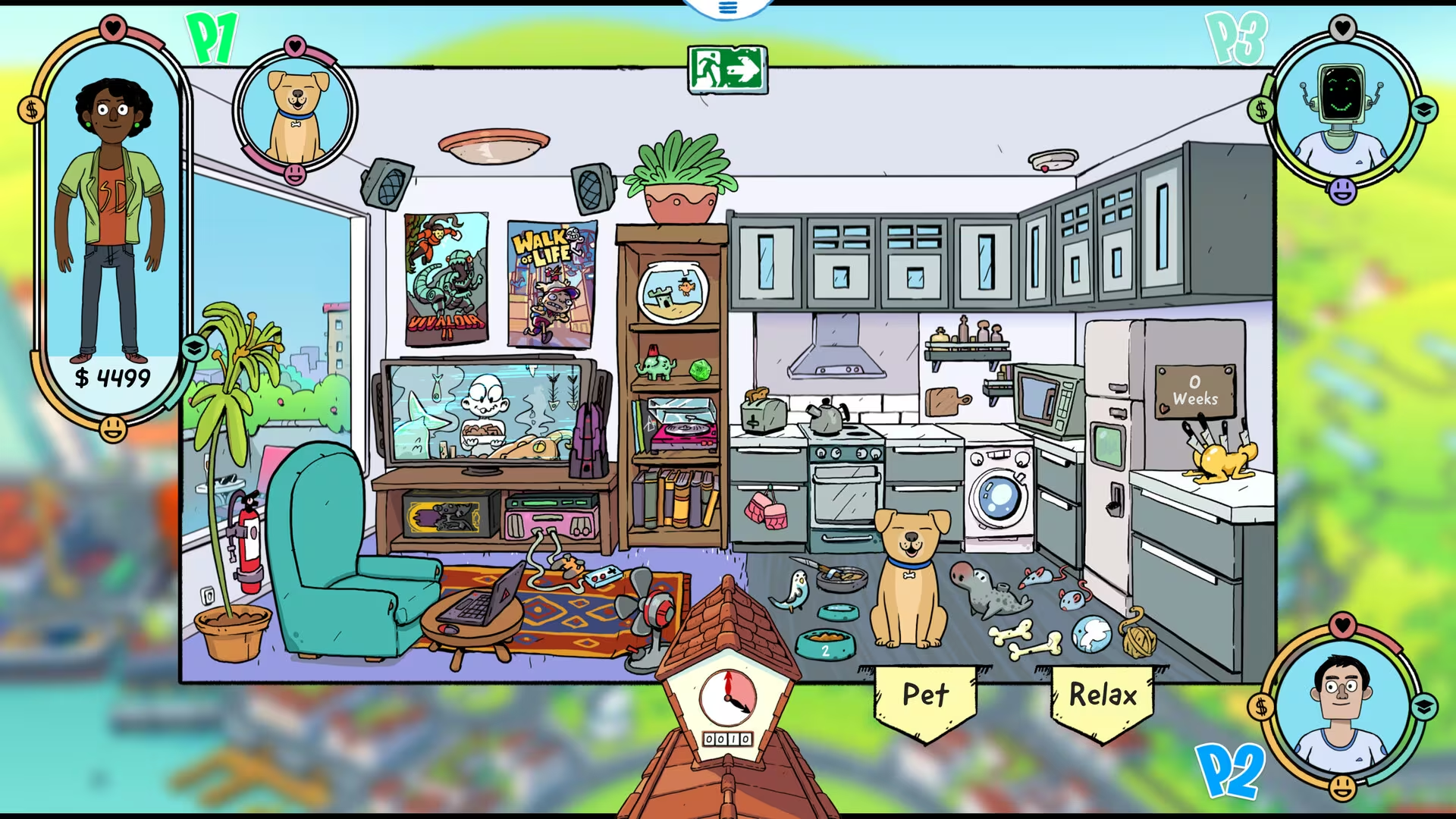
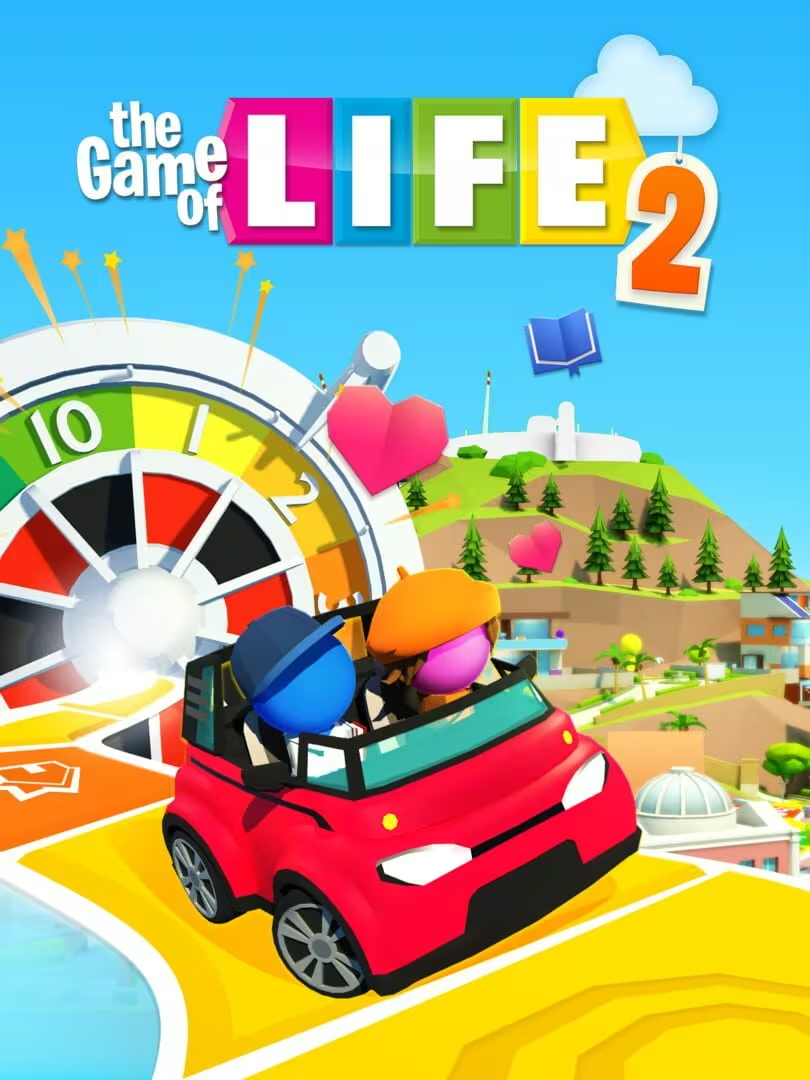
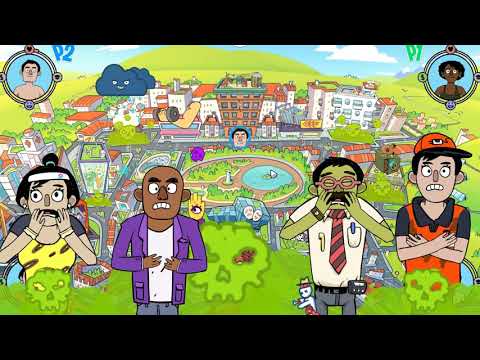
No Time to Relax is a life simulation game where up to 4 players online or locally compete against each other in the ultimate game of life.

Global score

92/100

Genres

Casual, Indie, Simulator, Strategy, Card & Board Game

Similar games

    Pros

    • Fun and engaging multiplayer
    • Humorous and relatable life simulation
    • Easy to learn with strategic depth
    • Charming art style and music
    • Active developer community and updates

    Cons

    • Late game can become repetitive and grindy
    • Limited variety in maps and events
    • Some bugs and connectivity issues reported
    • Lack of save feature for offline play
    • Small online player base

    Analysis

    Less representative of its motivational profile, with noticeable differences. Motivations that often define this kind of title include Competition, Fellowship, Domination, Status. It leans lower than usual among comparable games on Violence, Fantasy, Creativity.

    How to use the graph
    Similar games map

    Each dot is a game. They are arranged from the same motivation profile as in the “Motivations” section below. Closer dots usually mean more similar reasons to play (exploration, competition, relaxation, etc.)—not that one game is “better” than another.

    • Larger dot with a light outline: the game you are viewing.
    • Colour: groups of games with comparable motivation patterns (statistical clusters).
    • Hover a dot to see the game name; click to open its page.
    • Scroll or double-click the chart to zoom out and see more games.

    Why don’t the axes read like a score? This view uses t-SNE: it only keeps who is close to whom. The scales are not “good to bad” or hours played—they separate groups on the map. Read distance between dots, not the axis numbers.

    Motivations

    • Autonomy
      4

      "Players have control over their character's actions, decisions, and strategies in managing time, jobs, education, and purchases."

    • Competence
      3

      "Game involves skillful time management, strategic planning, and optimization to succeed, though some repetitive grinding occurs late game."

    • Competition
      4

      "Strong competitive multiplayer focus with leaderboards, achievements, and player vs player modes."

    • Continuation
      3

      "Players report long sessions and habitual play, especially with friends, though some find it repetitive after multiple rounds."

    • Cooperation
      1

      "Multiplayer is mostly competitive but some modes allow peaceful side-by-side play; limited direct cooperation."

    • Creativity
      -2

      "Gameplay follows established board game mechanics with limited customization or creation; some avatar skins available."

    • Domination
      2

      "Competitive modes include sabotage mechanics against other players, indicating some exertion of control."

    • Escapism
      3

      "Players enjoy the humorous, light-hearted simulation as a distraction from real life stress."

    • Expectation
      -4

      "Players engage voluntarily out of personal interest and enjoyment, not obligation."

    • Experimenting
      2

      "Some experimentation with strategies and different approaches to optimize play, though late game can become routine."

    • Exploration
      -3

      "Game map and mechanics are fixed with limited discovery or new areas; some random events add minor variety."

    • Expression
      1

      "Some character customization via skins and themes, but limited overall self-expression."

    • Fantasy
      -4

      "Game simulates realistic life scenarios and challenges, with no fantasy or improbable elements."

    • Fellowship
      4

      "Strong community aspect with multiplayer, Discord interaction, and social play."

    • Growth
      3

      "Players develop skills in time management and strategy; achievements encourage learning."

    • Health
      -3

      "Sedentary gameplay with no physical activity; health is a game stat rather than physical engagement."

    • Idle
      -4

      "Requires focused attention during turns; players desire more interactivity during others' turns."

    • Intimacy
      2

      "Some social interaction and friendly communication in multiplayer; no deep emotional connections described."

    • Leadership
      -2

      "Players mostly manage their own actions; no strong leadership or group management roles."

    • Progression
      4

      "Clear progression via education, jobs, money, and stats; achievements and upgrades reinforce growth."

    • Relaxation
      3

      "Game offers a casual, humorous experience that many find relaxing despite some stress elements."

    • Sensation
      2

      "Colorful art and cheerful music provide sensory enjoyment, though minimal intense stimulation."

    • Status
      3

      "Recognition through scores, achievements, and multiplayer rankings."

    • Story
      1

      "Light narrative flavor through humorous text and events, but no deep overarching plot."

    • Strategy
      4

      "Strong emphasis on planning, resource management, and tactical decision making."

    • Thrill
      2

      "Random events and competitive sabotage add suspense and excitement."

    • Value
      4

      "Players find good value for time and money, especially given price and replayability."

    • Violence
      -4

      "No combat or destruction; gameplay focuses on constructive life simulation."

    • Survival
      3

      "Players must manage threats like robbery and resource scarcity, adding survival elements."

    Last update: 29/04/2026