Wobbledogs Thumbnail

Wobbledogs similar games & best alternatives
Wobbledogs

PC (Microsoft Windows), Nintendo Switch • 2022

Related articles

Quick resume

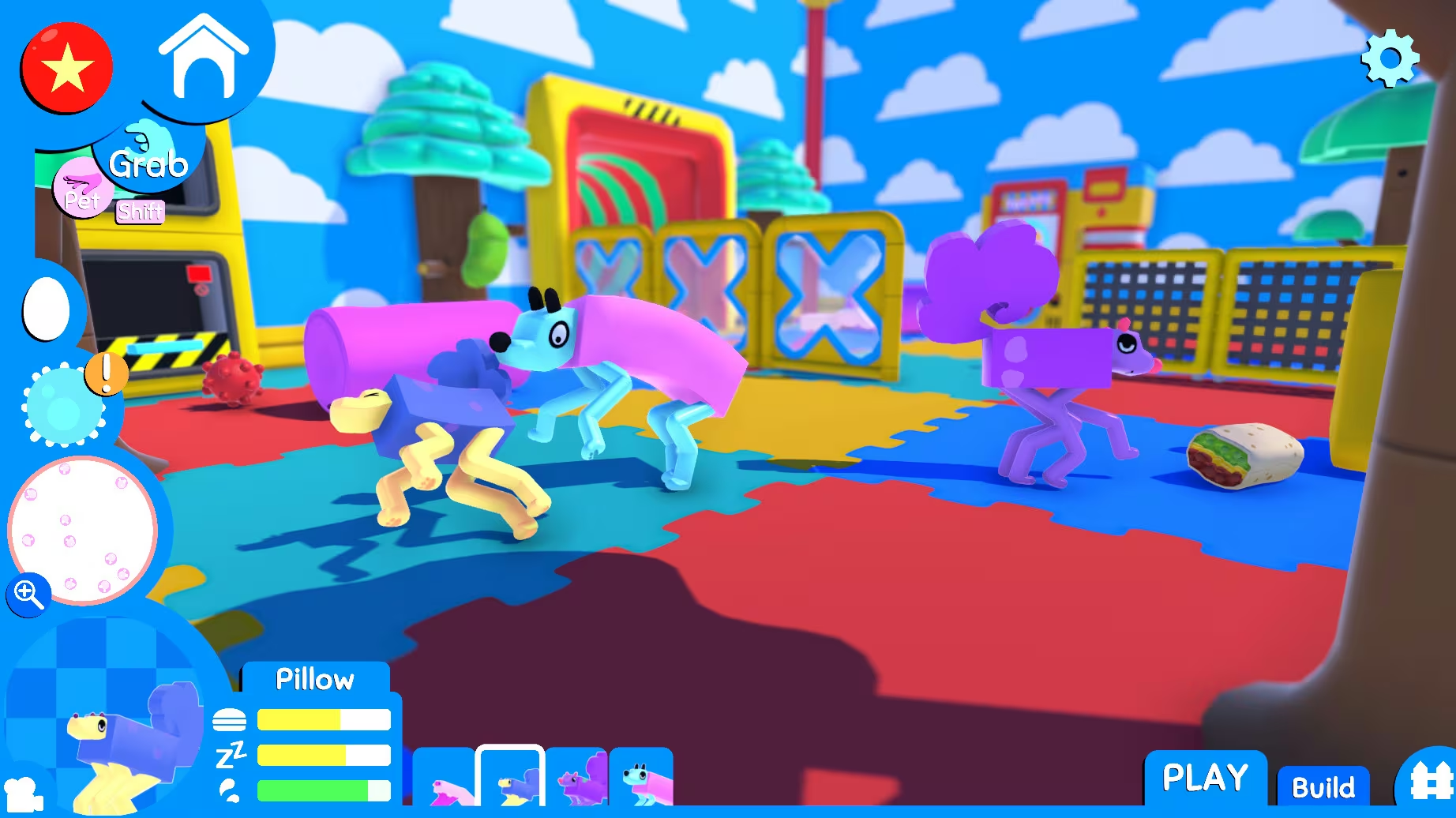
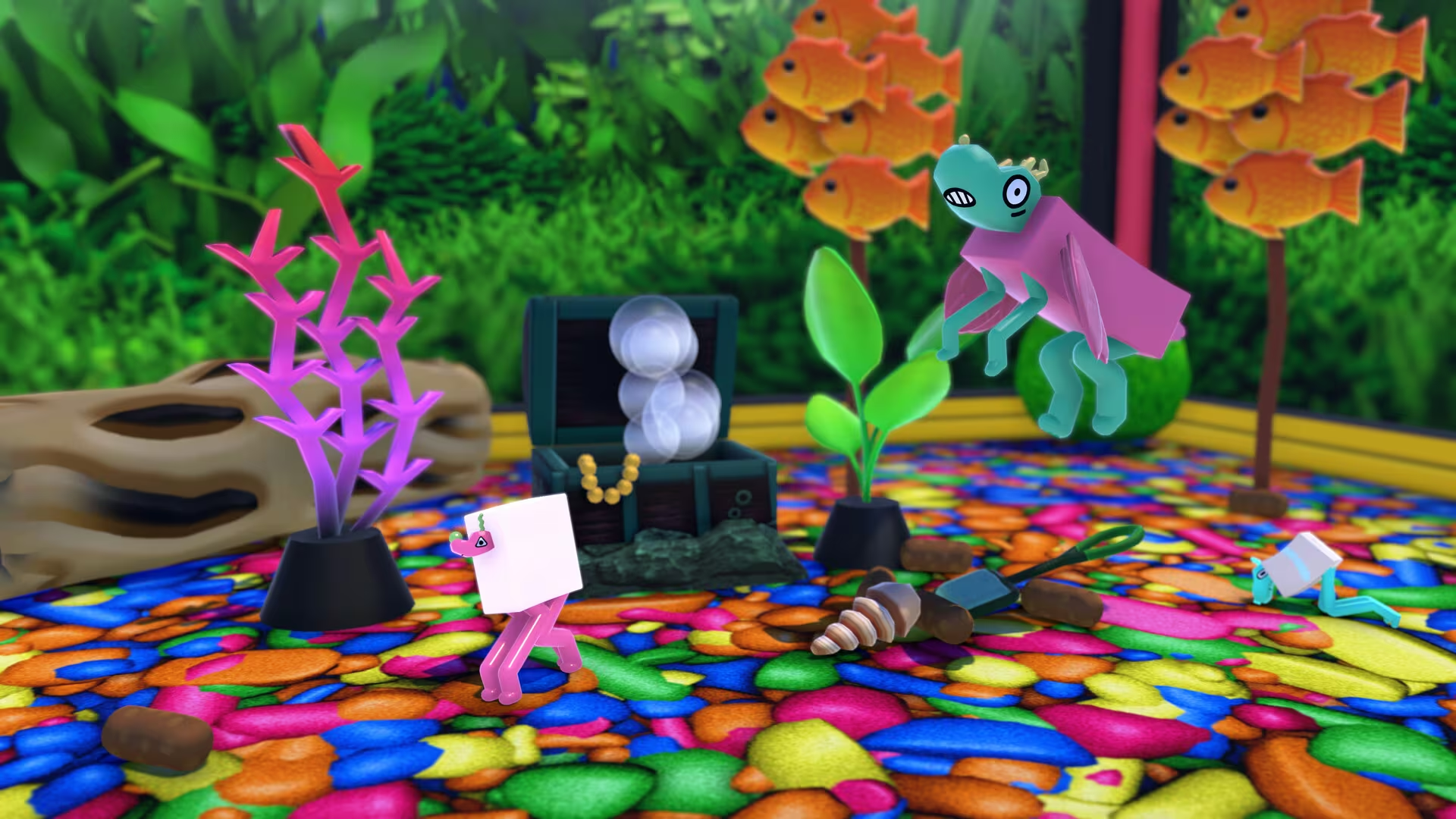
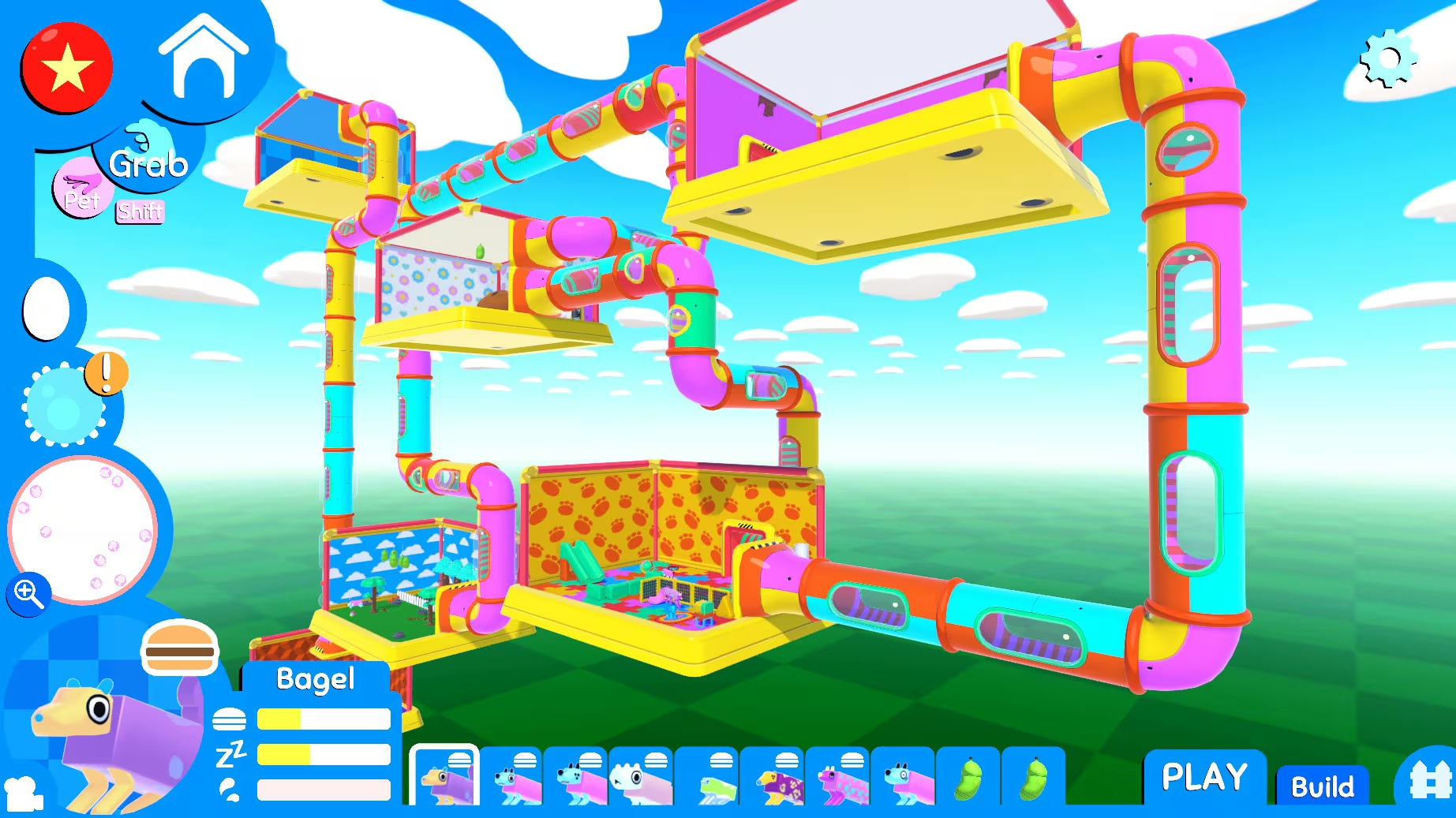
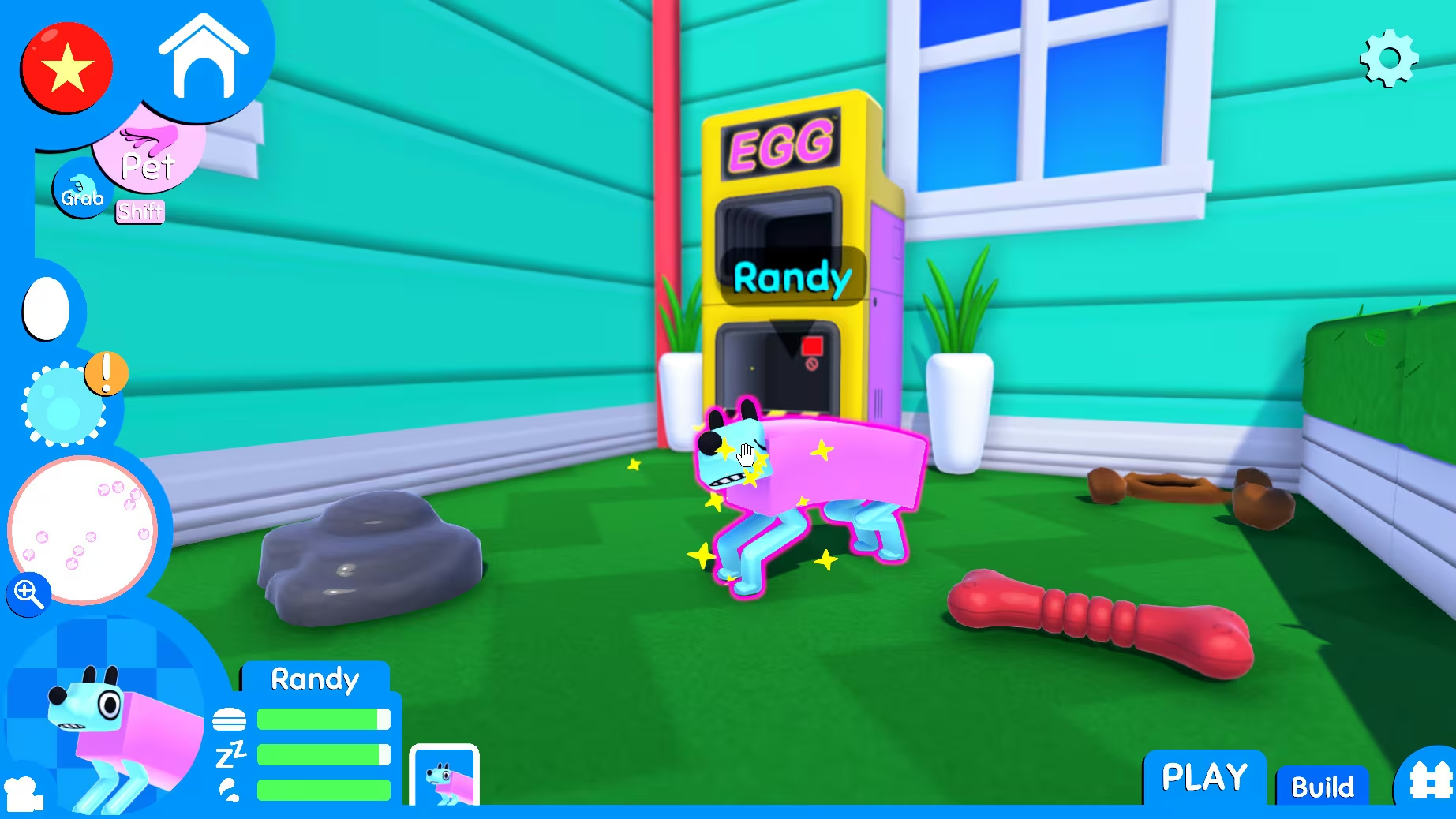
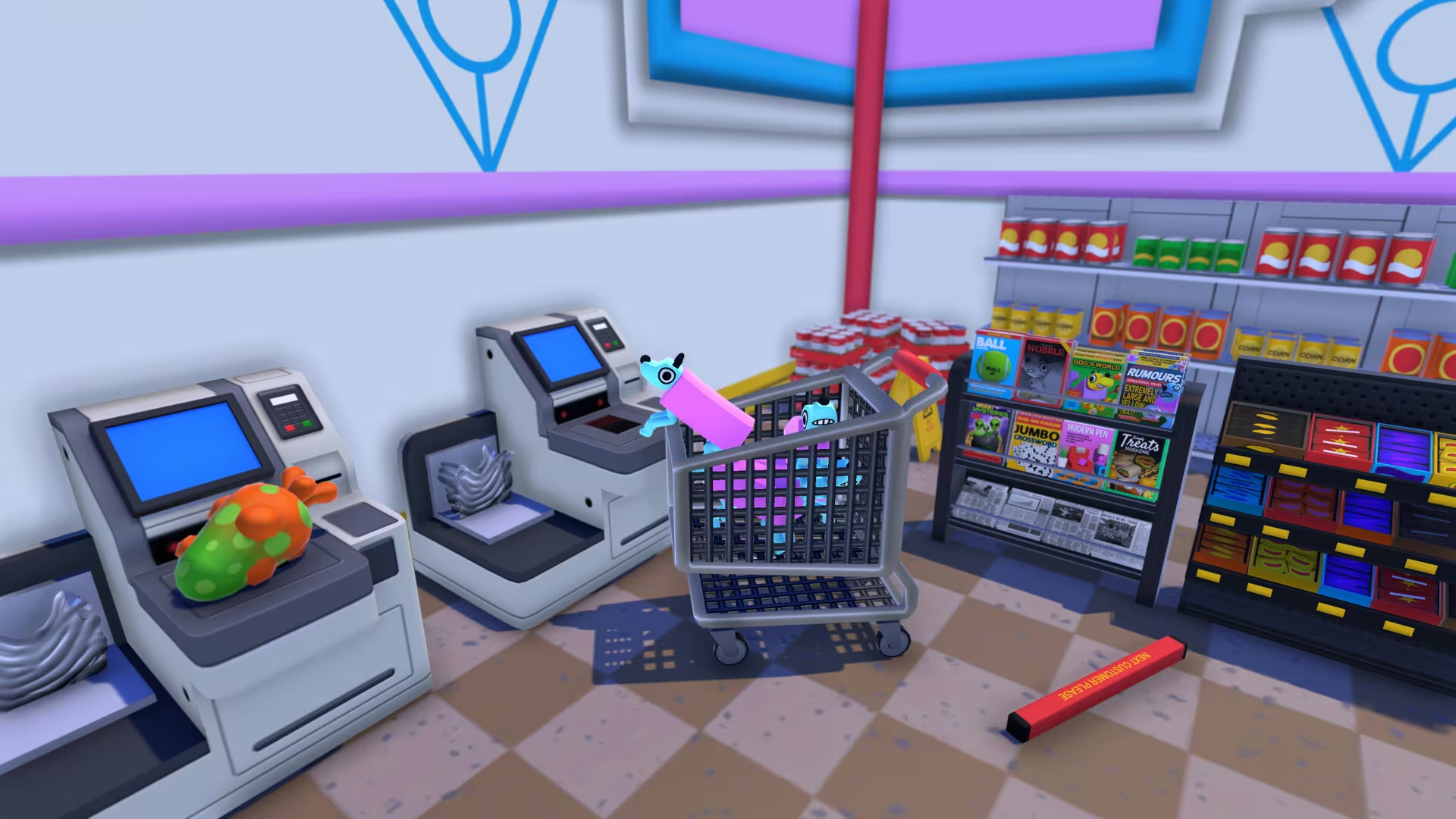
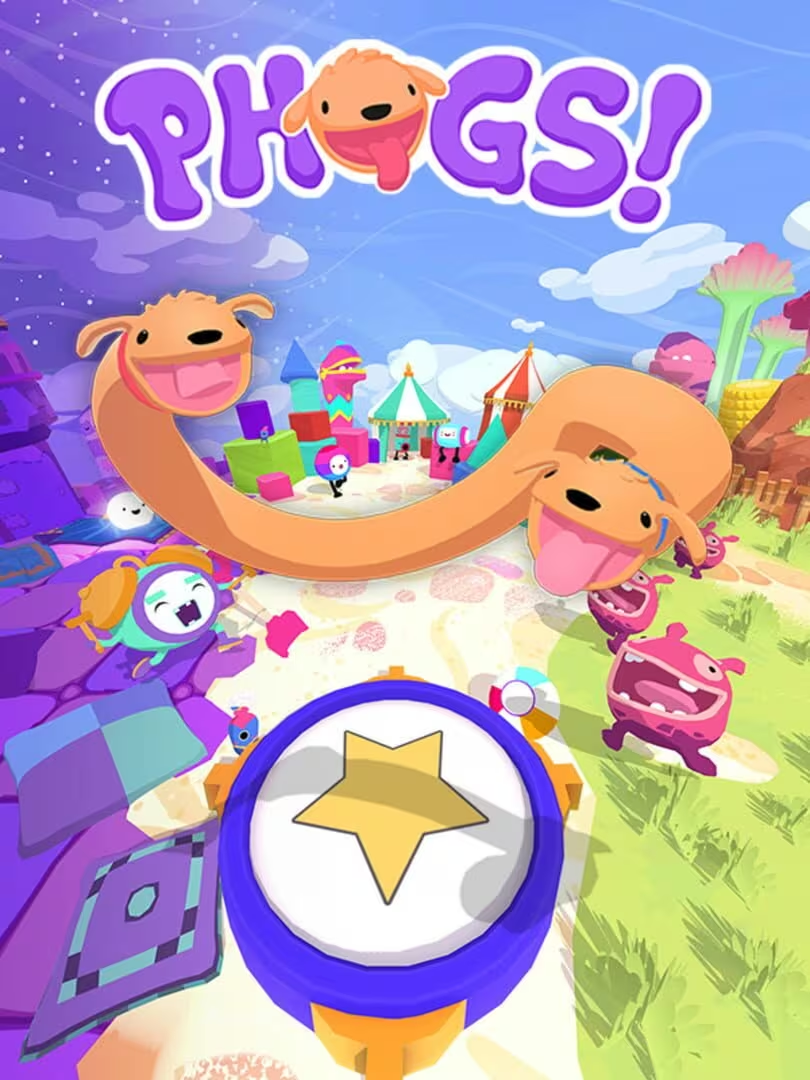
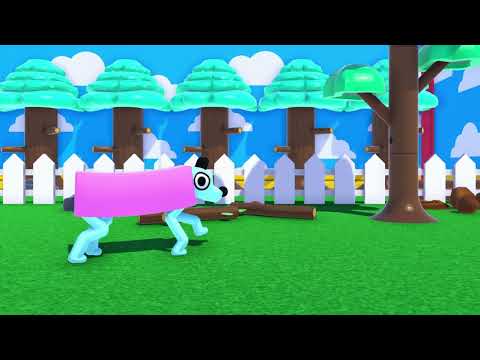
A 3D pet simulation where you raise your own personal hive of mutating dogs, physically simulated all the way down to their guts! Wobbledogs is a casual and chill sandbox for players of all ages who want to care for their very own virtual pets in a surprising, unique, and stress-free environment.

Global score

98/100

Genres

Casual, Indie, Simulator

Similar games

    Pros

    • Unique and deep genetics and breeding system
    • High creativity and customization
    • Emotional and engaging virtual pet care
    • Addictive and long-lasting gameplay
    • Quirky, charming art style and music

    Cons

    • Performance issues with many dogs
    • Lack of lineage/family tree feature
    • Some ui and tutorial gaps
    • No multiplayer or cooperative modes
    • Repetitive music and limited environment variety

    Analysis

    Less representative of its motivational profile, with noticeable differences. Motivations that often define this kind of title include Intimacy, Survival, Violence, Competition. Here, the score leans higher than usual among comparable games on Survival. It leans lower than usual among comparable games on Story, Thrill.

    How to use the graph
    Similar games map

    Each dot is a game. They are arranged from the same motivation profile as in the “Motivations” section below. Closer dots usually mean more similar reasons to play (exploration, competition, relaxation, etc.)—not that one game is “better” than another.

    • Larger dot with a light outline: the game you are viewing.
    • Colour: groups of games with comparable motivation patterns (statistical clusters).
    • Hover a dot to see the game name; click to open its page.
    • Scroll or double-click the chart to zoom out and see more games.

    Why don’t the axes read like a score? This view uses t-SNE: it only keeps who is close to whom. The scales are not “good to bad” or hours played—they separate groups on the map. Read distance between dots, not the axis numbers.

    Motivations

    • Autonomy
      4

      "Players have high control over breeding, feeding, and customizing dogs, directing their evolution and care."

    • Competence
      3

      "Players engage in skillful breeding and care strategies, learning genetics and managing dog wellbeing."

    • Competition
      -4

      "Focus is on personal experimentation and care without competitive or ranked elements."

    • Continuation
      5

      "Many players report long sessions, habitual play, and strong attachment to dogs."

    • Cooperation
      -3

      "Gameplay centers on individual management of dogs; some sharing of dogs occurs but no direct teamwork."

    • Creativity
      5

      "Extensive breeding, mutation, and room customization enable high creative expression."

    • Domination
      -5

      "Interactions are with virtual pets; no evidence of exerting control over other players."

    • Escapism
      4

      "Players use the game as a relaxing, whimsical escape with emotional engagement."

    • Expectation
      -4

      "Players engage voluntarily out of intrinsic interest and enjoyment."

    • Experimenting
      5

      "Strong emphasis on trying new genetic combinations and feeding strategies."

    • Exploration
      3

      "Players discover new mutations, decorations, and dog behaviors, though environment is limited."

    • Expression
      4

      "Customization of dogs’ appearance and habitats supports personal expression."

    • Fantasy
      4

      "Players create fantastical, often grotesque dog mutations beyond realistic biology."

    • Fellowship
      -3

      "Mostly solo play with minimal social interaction; some sharing of dogs but limited community focus."

    • Growth
      4

      "Players learn genetics, breeding mechanics, and dog care, showing personal development."

    • Health
      -5

      "Sedentary gameplay with no physical activity involved."

    • Idle
      -3

      "Requires regular attention to dog care and management; not suited for passive play."

    • Intimacy
      3

      "Emotional attachment to virtual dogs and their wellbeing creates a sense of closeness."

    • Leadership
      -5

      "No leadership or group management roles; focus is on individual care."

    • Progression
      4

      "Players accumulate dogs, mutations, and decorations, progressing through achievements."

    • Relaxation
      4

      "Many players find the game calming and stress-relieving despite some emotional moments."

    • Sensation
      3

      "Bright visuals, quirky animations, and music provide sensory enjoyment."

    • Status
      -4

      "No social status or ranking systems; achievements are personal milestones."

    • Story
      -3

      "No narrative or plot; gameplay is context-free simulation and sandbox play."

    • Strategy
      3

      "Players use reasoning and planning in breeding and care, but mechanics remain accessible."

    • Thrill
      -3

      "Low risk and tension; gameplay is predictable and relaxing rather than suspenseful."

    • Value
      4

      "Players report high enjoyment and replay value relative to game cost."

    • Violence
      -4

      "No combat; focus on care and breeding rather than destruction."

    • Survival
      2

      "Players manage dog survival and wellbeing, but threats are low and manageable."

    Last update: 29/04/2026