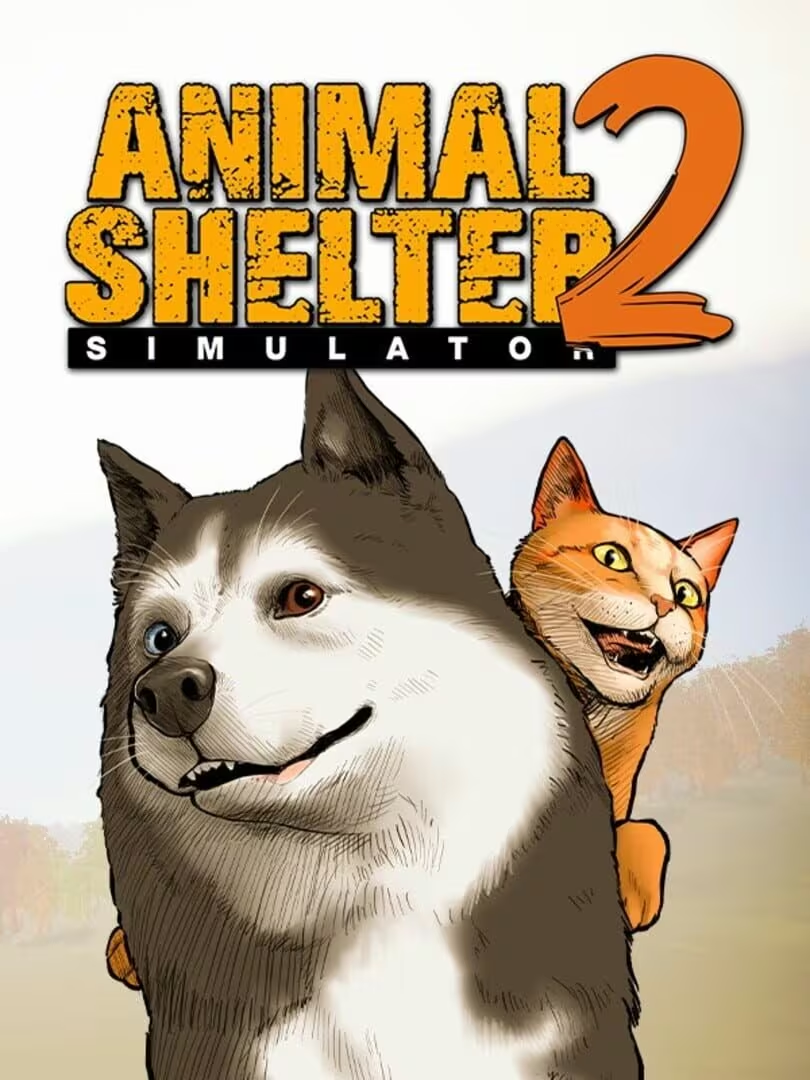
Animal Shelter Thumbnail

Animal Shelter similar games & best alternatives
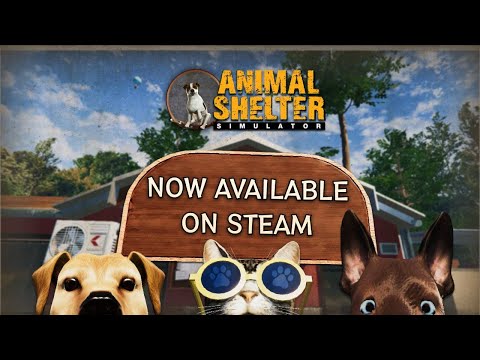
Animal Shelter

PC (Microsoft Windows), Web browser • 2022

Related articles

Quick resume

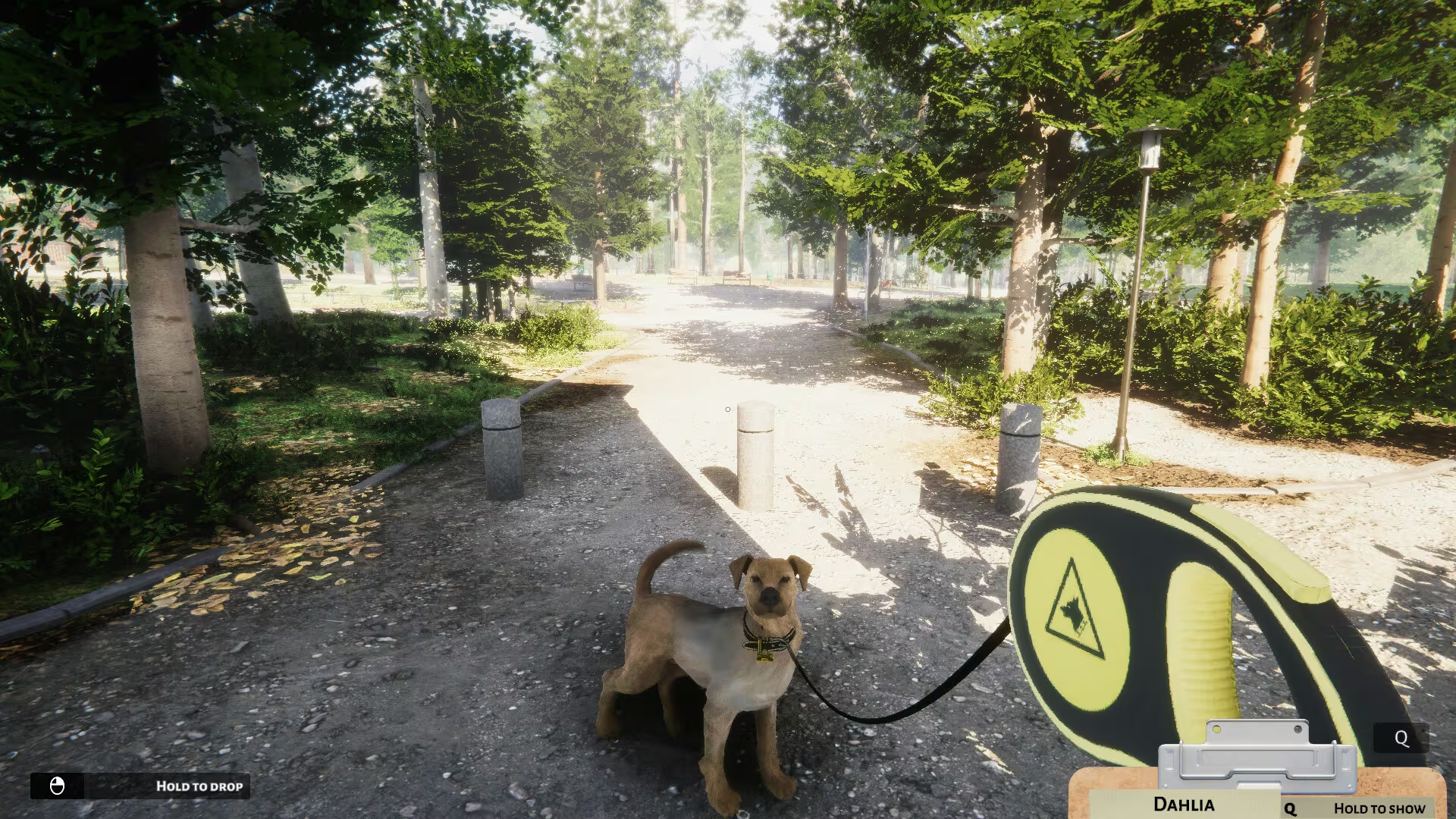
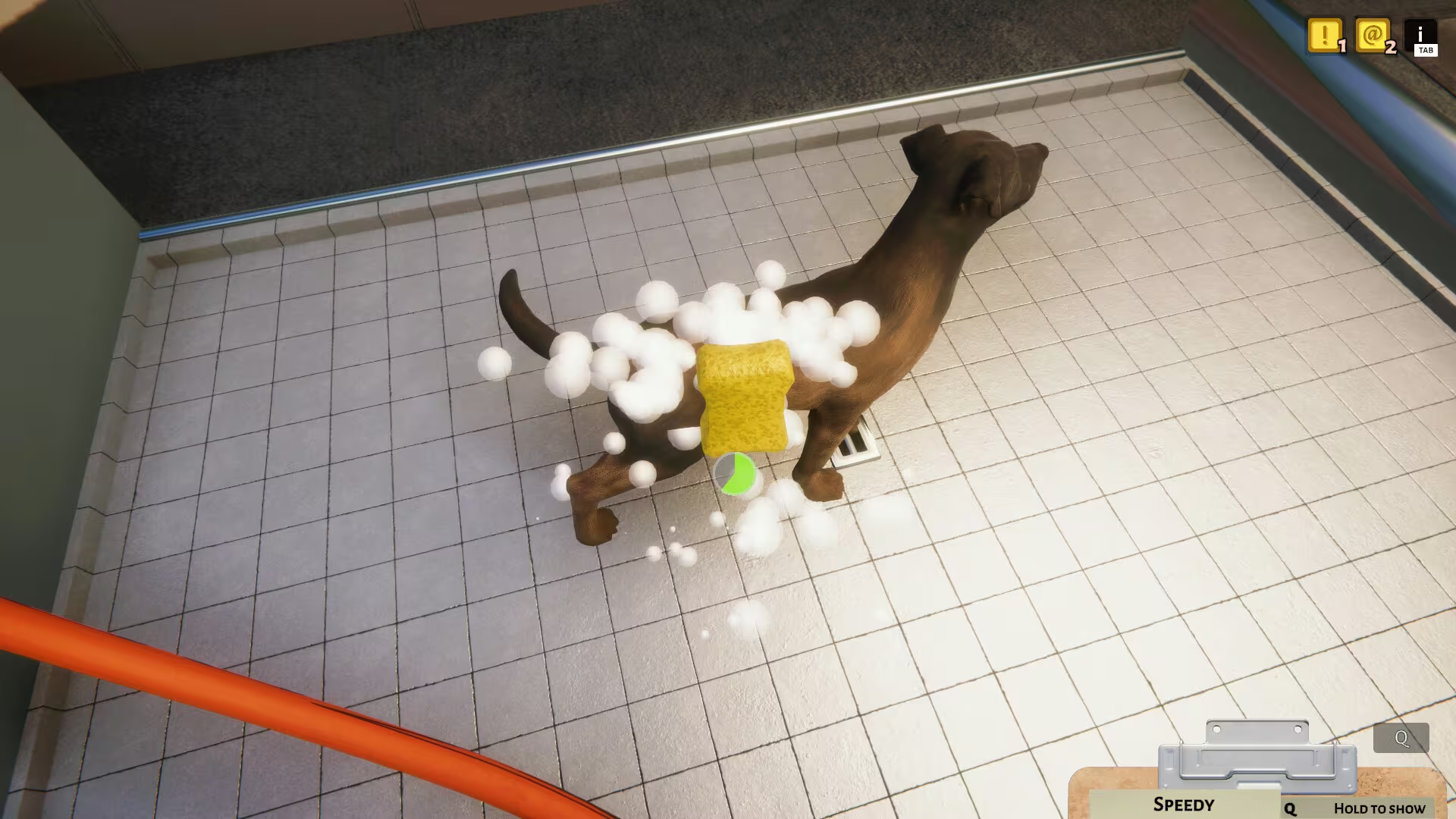
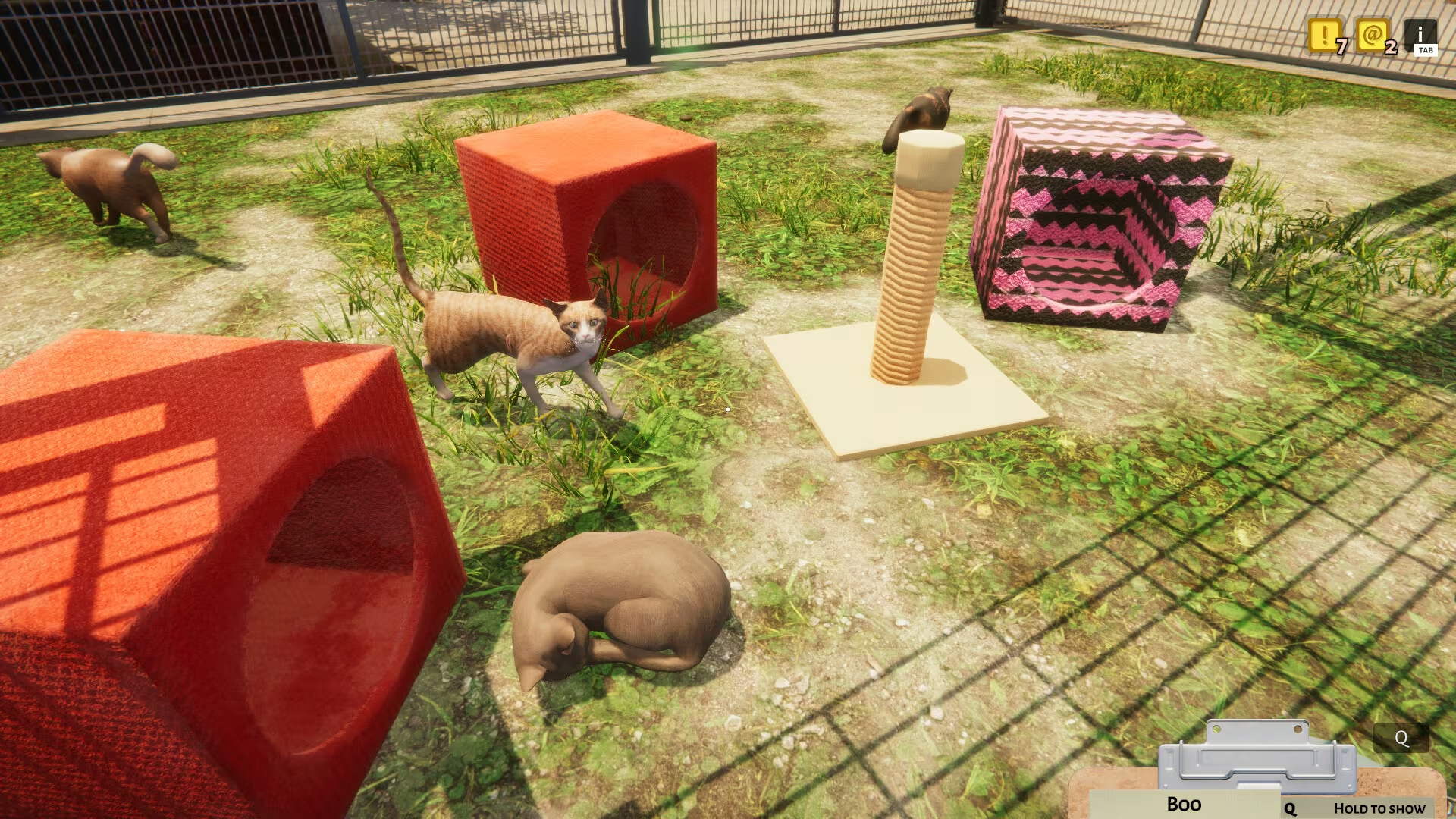
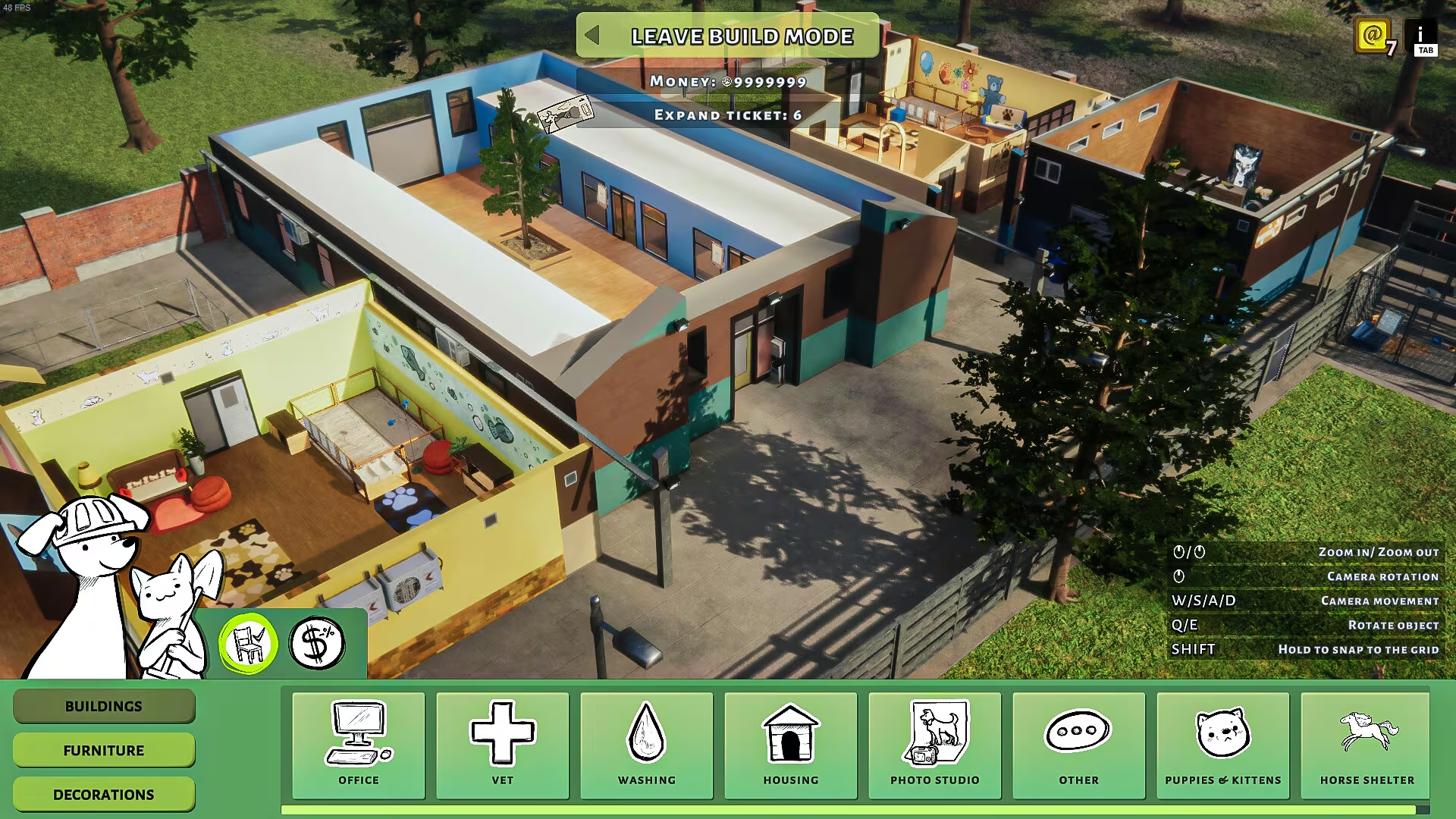
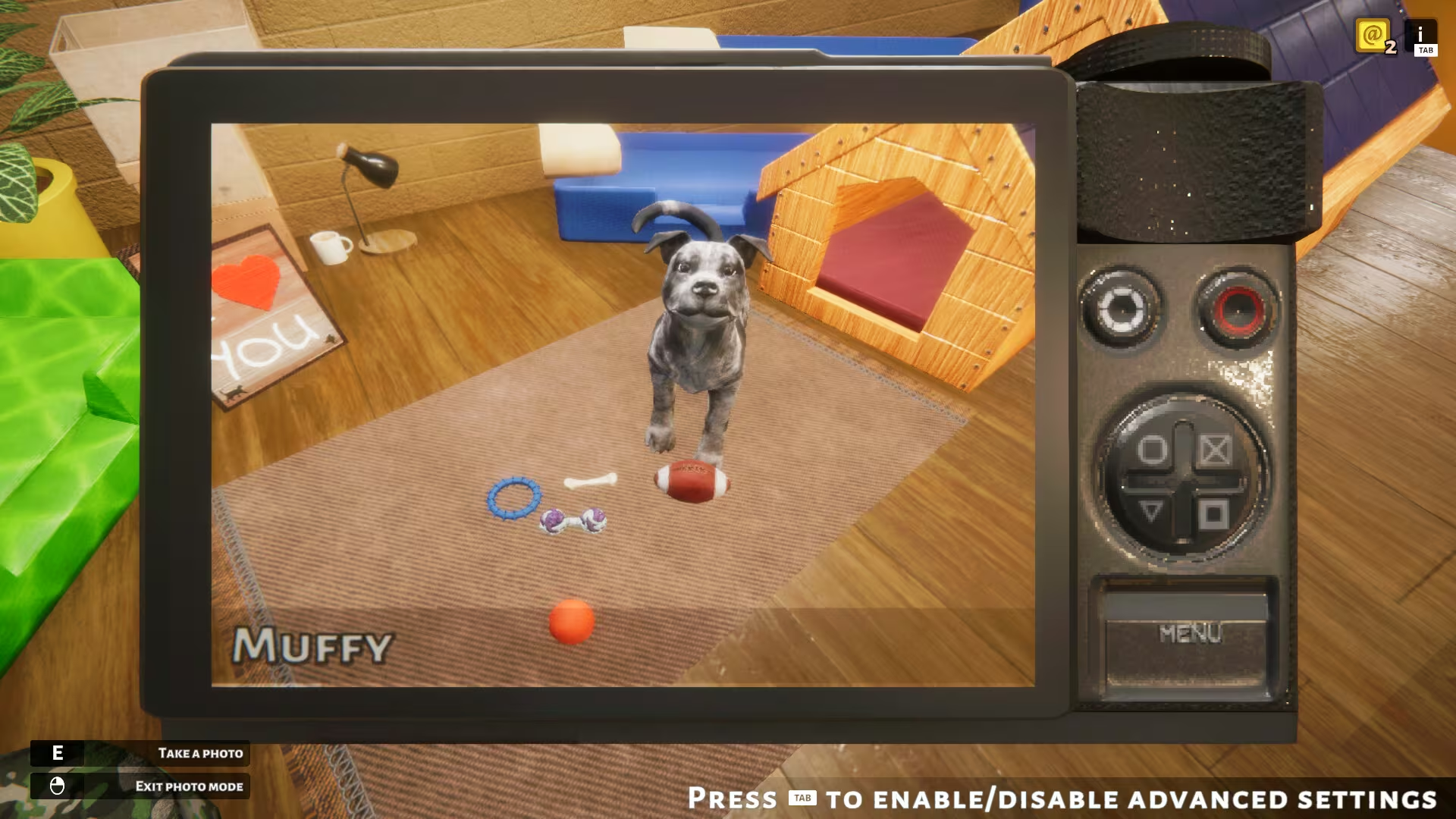
In Animal Shelter, your main target is to make your four-legged friends happy. Pet them, hand out treats, play with toys - and they will pay you back with great trust. Get to know the animals well enough to find them the best home! Don't wait any longer, open your animal shelter now!

Global score

88/100

Genres

Adventure, Casual, Indie, Simulator

Similar games

    Pros

    • Cute and wholesome animal care gameplay
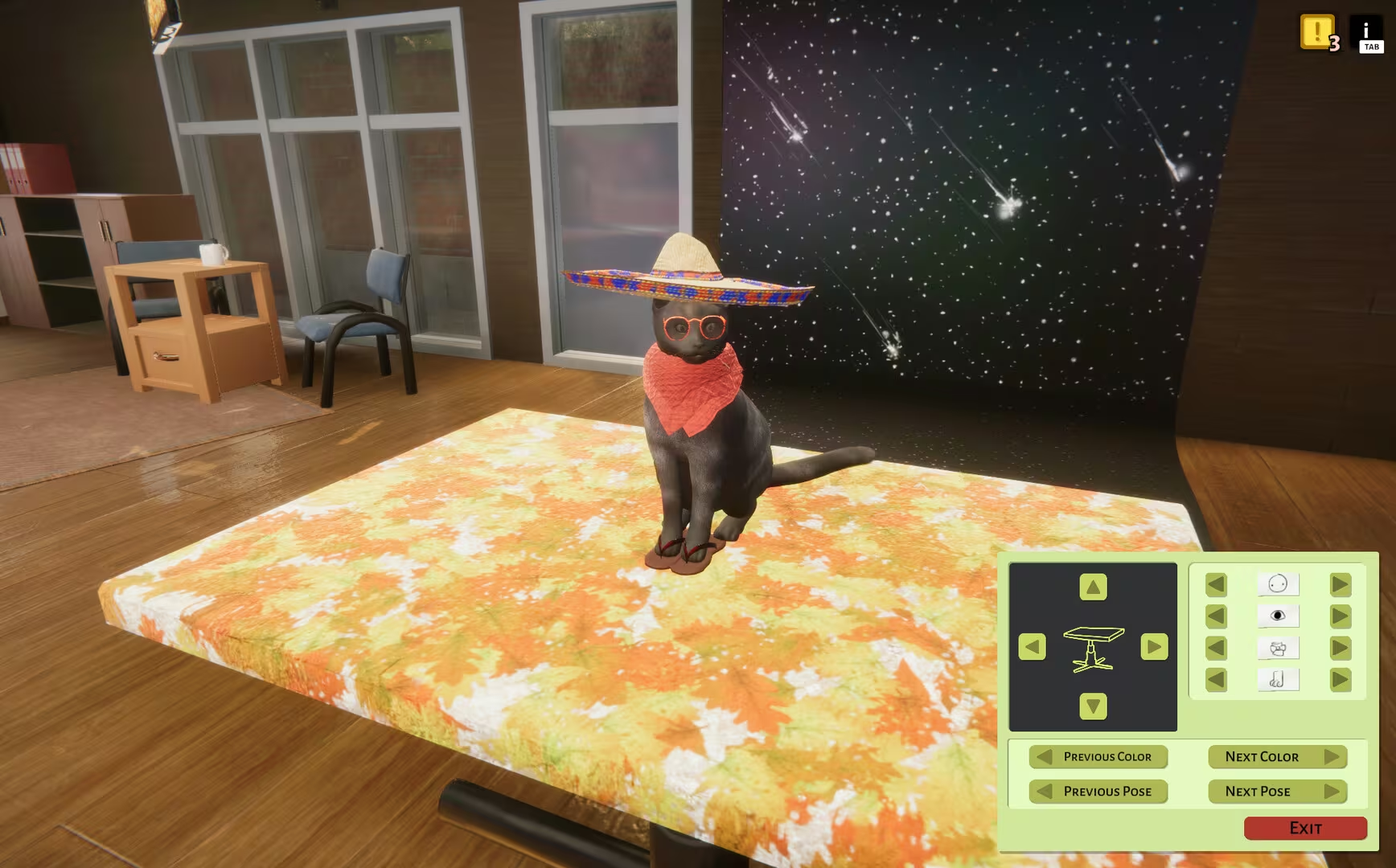
    • Customizable shelter and photo studio
    • Relaxing and emotionally rewarding
    • Active developer support and updates
    • Educational veterinary and management elements

    Cons

    • Repetitive gameplay over time
    • Bugs and glitches reported frequently
    • Limited animal variety and breeds
    • Lack of multiplayer or social features
    • Some ui and control clunkiness

    Analysis

    Broadly representative of its motivational profile, with a few distinct shifts. Motivations that often define this kind of title include Fantasy, Violence, Story, Thrill. Here, the score leans higher than usual among comparable games on Intimacy, Leadership. It leans lower than usual among comparable games on Exploration.

    How to use the graph
    Similar games map

    Each dot is a game. They are arranged from the same motivation profile as in the “Motivations” section below. Closer dots usually mean more similar reasons to play (exploration, competition, relaxation, etc.)—not that one game is “better” than another.

    • Larger dot with a light outline: the game you are viewing.
    • Colour: groups of games with comparable motivation patterns (statistical clusters).
    • Hover a dot to see the game name; click to open its page.
    • Scroll or double-click the chart to zoom out and see more games.

    Why don’t the axes read like a score? This view uses t-SNE: it only keeps who is close to whom. The scales are not “good to bad” or hours played—they separate groups on the map. Read distance between dots, not the axis numbers.

    Motivations

    • Autonomy
      4

      "Players have freedom to manage shelter layout, choose animals, and decide adoption matches."

    • Competence
      3

      "Game involves skillful management of animals' needs and matching traits to adopters, with some medical mini-games."

    • Competition
      -4

      "Focus is on personal pace and care, no competitive or ranked modes mentioned."

    • Continuation
      3

      "Many players report long sessions and addictive gameplay, though some find it repetitive over time."

    • Cooperation
      -3

      "Gameplay is mostly single-player with limited or no multiplayer or cooperative features."

    • Creativity
      3

      "Players can customize shelter layout and decorate buildings, showing creative expression."

    • Domination
      -5

      "No evidence of exerting control or superiority over others; interactions are non-competitive and respectful."

    • Escapism
      4

      "Players use the game for relaxation, stress relief, and emotional comfort, especially animal lovers."

    • Expectation
      -4

      "Players engage voluntarily out of personal interest and love for animals, not obligation."

    • Experimenting
      2

      "Some experimentation with shelter layout and animal care, but core gameplay can become repetitive."

    • Exploration
      -3

      "Game environments are familiar and limited; no open-world or discovery elements noted."

    • Expression
      3

      "Shelter customization and photo studio allow for personal expression and presentation."

    • Fantasy
      -4

      "Game simulates realistic animal shelter management and veterinary care without fantasy elements."

    • Fellowship
      -4

      "Minimal social connection; mostly solo play with little community interaction in-game."

    • Growth
      3

      "Players learn animal care, medical treatment, and shelter management skills."

    • Health
      -5

      "Game is sedentary with no physical activity or health-related gameplay."

    • Idle
      -3

      "Requires active attention to animal needs and shelter management; not a background or idle game."

    • Intimacy
      2

      "Emotional attachment to animals and caring interactions, but limited human social relationships."

    • Leadership
      2

      "Players manage shelter operations and make decisions, but no leadership over other players."

    • Progression
      3

      "Progression through shelter expansion, reputation, and unlocking buildings and animals."

    • Relaxation
      4

      "Game is described as relaxing, cozy, and stress-relieving by many players."

    • Sensation
      2

      "Visual and auditory enjoyment from cute animals and ambient sounds, but not highly stimulating."

    • Status
      -5

      "No social status or recognition systems; focus is on personal satisfaction."

    • Story
      -4

      "No overarching narrative; gameplay is context-free and task-oriented."

    • Strategy
      3

      "Requires planning and decision-making in matching animals to adopters and managing shelter."

    • Thrill
      -4

      "Gameplay is calm and predictable without suspense or risk elements."

    • Value
      3

      "Players find good value for price and content, though some mention bugs affecting experience."

    • Violence
      -5

      "No violent or destructive gameplay; focus is on care and nurturing."

    • Survival
      -4

      "Stable environment with no survival threats or resource scarcity."

    Last update: 29/04/2026