A Light in the Dark similar games & best alternatives
A Light in the Dark
2018
Related articles
Quick resume
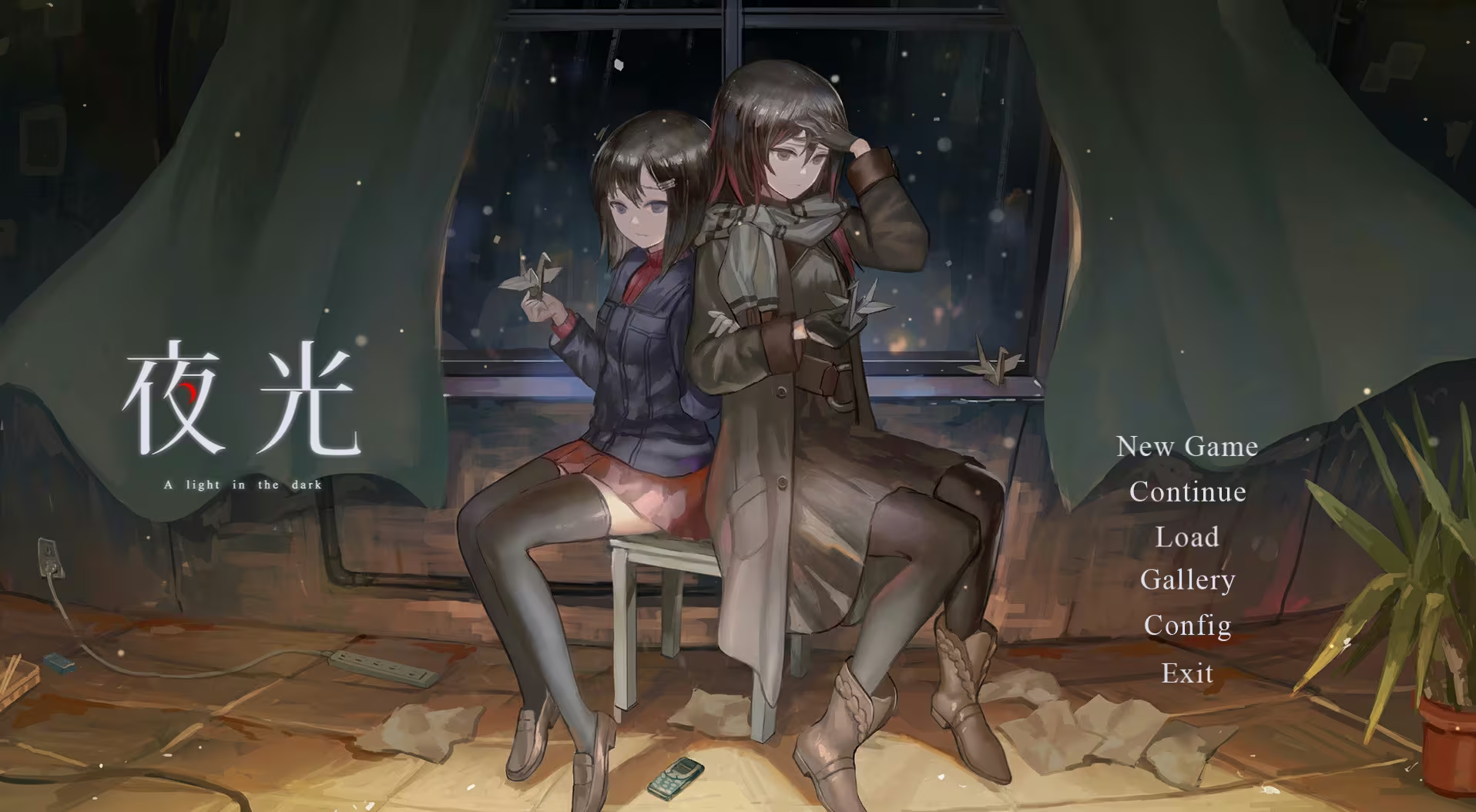
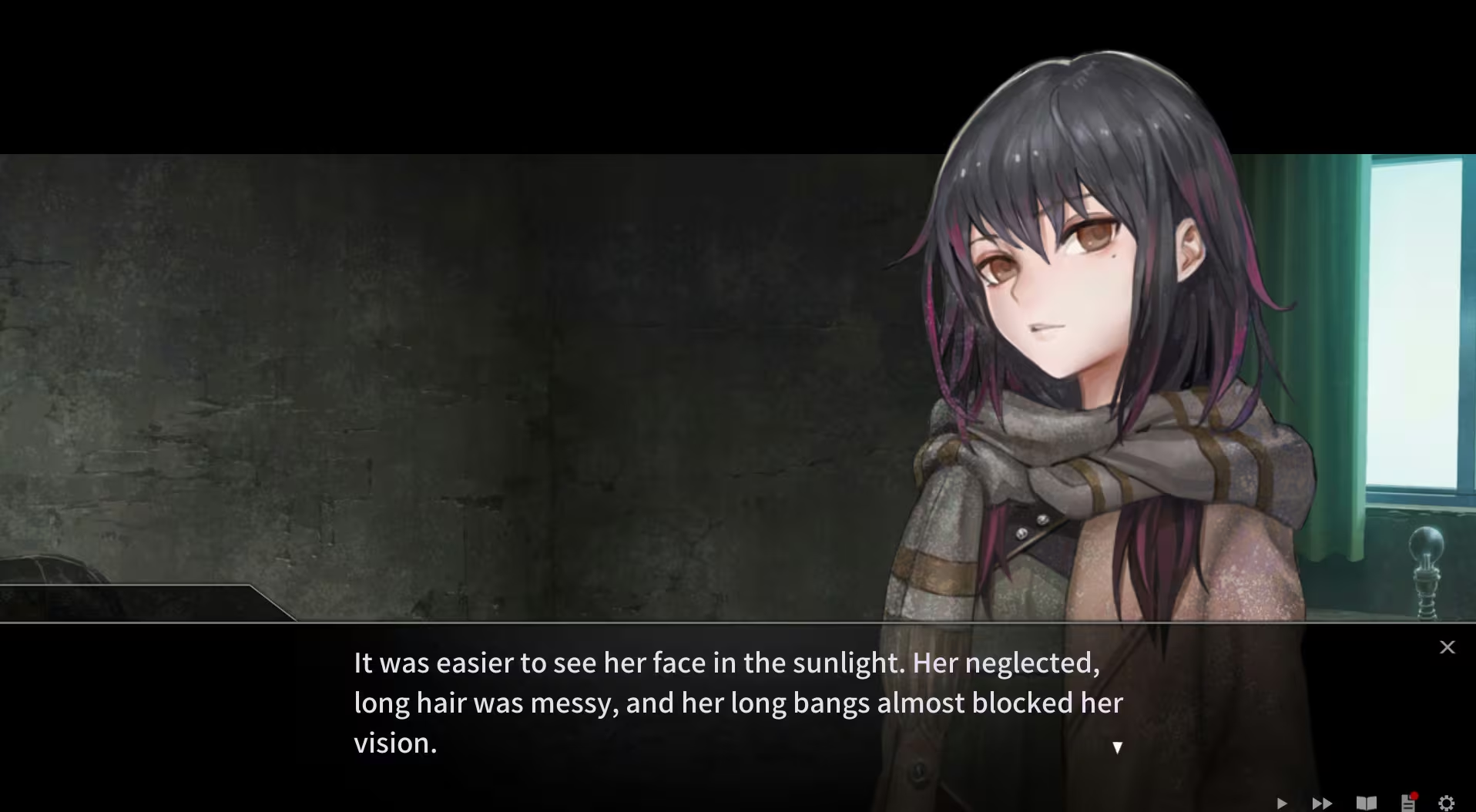
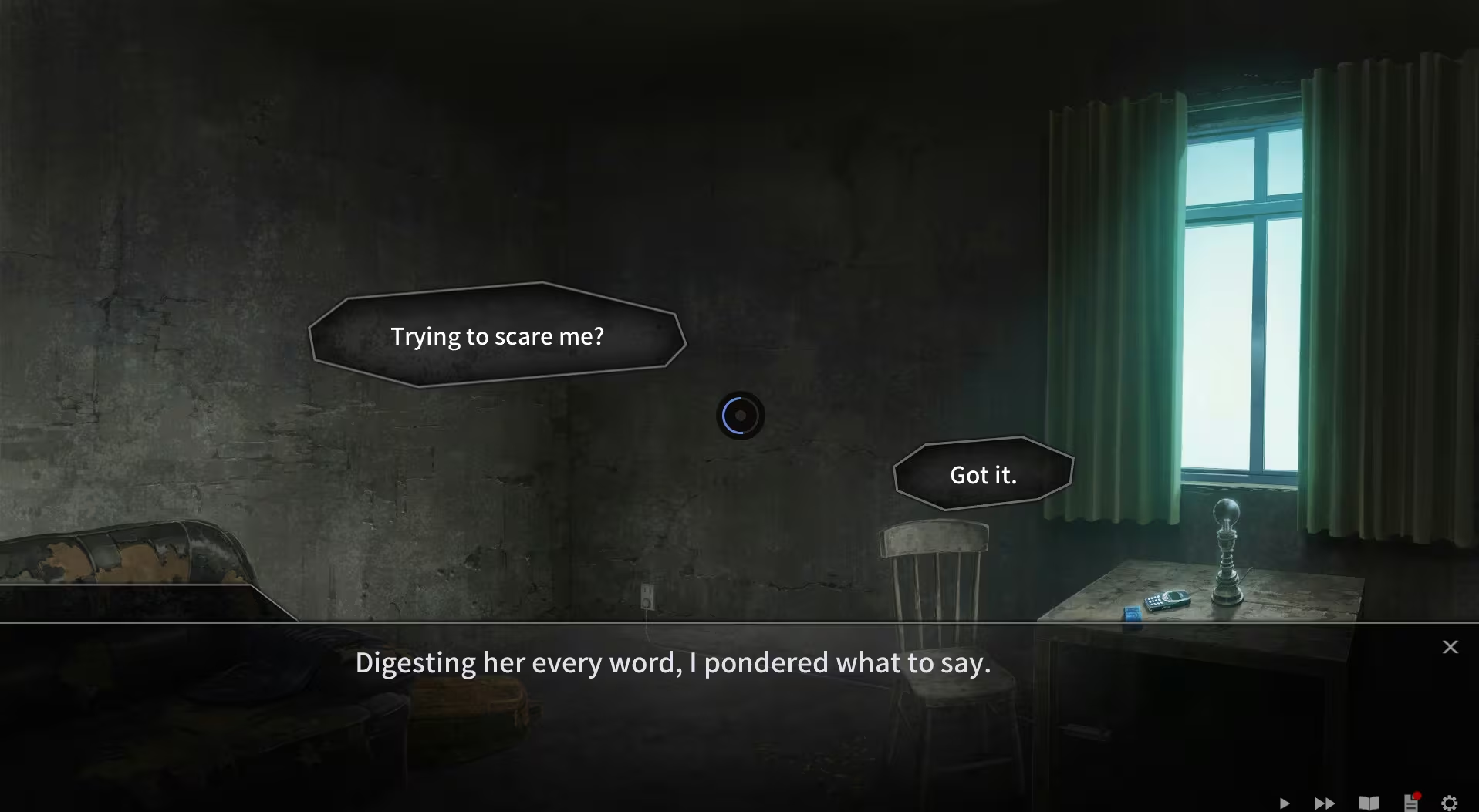
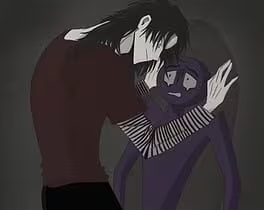
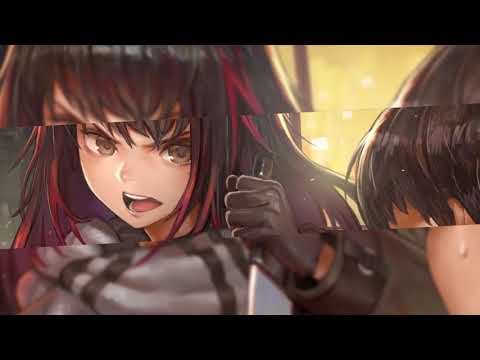
──We cannot choose in this unfair world.The rich boy stuck in his never changing daily life...The fierce girl struggling for survival...Two people in totally opposite positions in life.In the face of confusion and the choices before them, what will they find...?
Global score
93/100
Genres
Casual, Indie, Adventure
Similar games
Pros
- Compelling and realistic story with emotional depth
- Beautiful art and fitting melancholic music
- Meaningful player choices affecting multiple endings
- Thought-provoking social themes
- Well-executed tension and atmosphere
Cons
- Short length and limited replay value
- Some technical issues and translation errors
- Repetitive dialogue and heavy-handed messaging
- Lack of voice acting and limited content variety
- No multiplayer or social features
Analysis
Less representative of its motivational profile, with noticeable differences. Motivations that often define this kind of title include Expression, Fellowship, Cooperation, Competition. Here, the score leans higher than usual among comparable games on Intimacy. It leans lower than usual among comparable games on Fantasy, Relaxation.
How to use the graph
Similar games map
Each dot is a game. They are arranged from the same motivation profile as in the “Motivations” section below. Closer dots usually mean more similar reasons to play (exploration, competition, relaxation, etc.)—not that one game is “better” than another.
- Larger dot with a light outline: the game you are viewing.
- Colour: groups of games with comparable motivation patterns (statistical clusters).
- Hover a dot to see the game name; click to open its page.
- Scroll or double-click the chart to zoom out and see more games.
Why don’t the axes read like a score? This view uses t-SNE: it only keeps who is close to whom. The scales are not “good to bad” or hours played—they separate groups on the map. Read distance between dots, not the axis numbers.
Motivations
-
Autonomy3
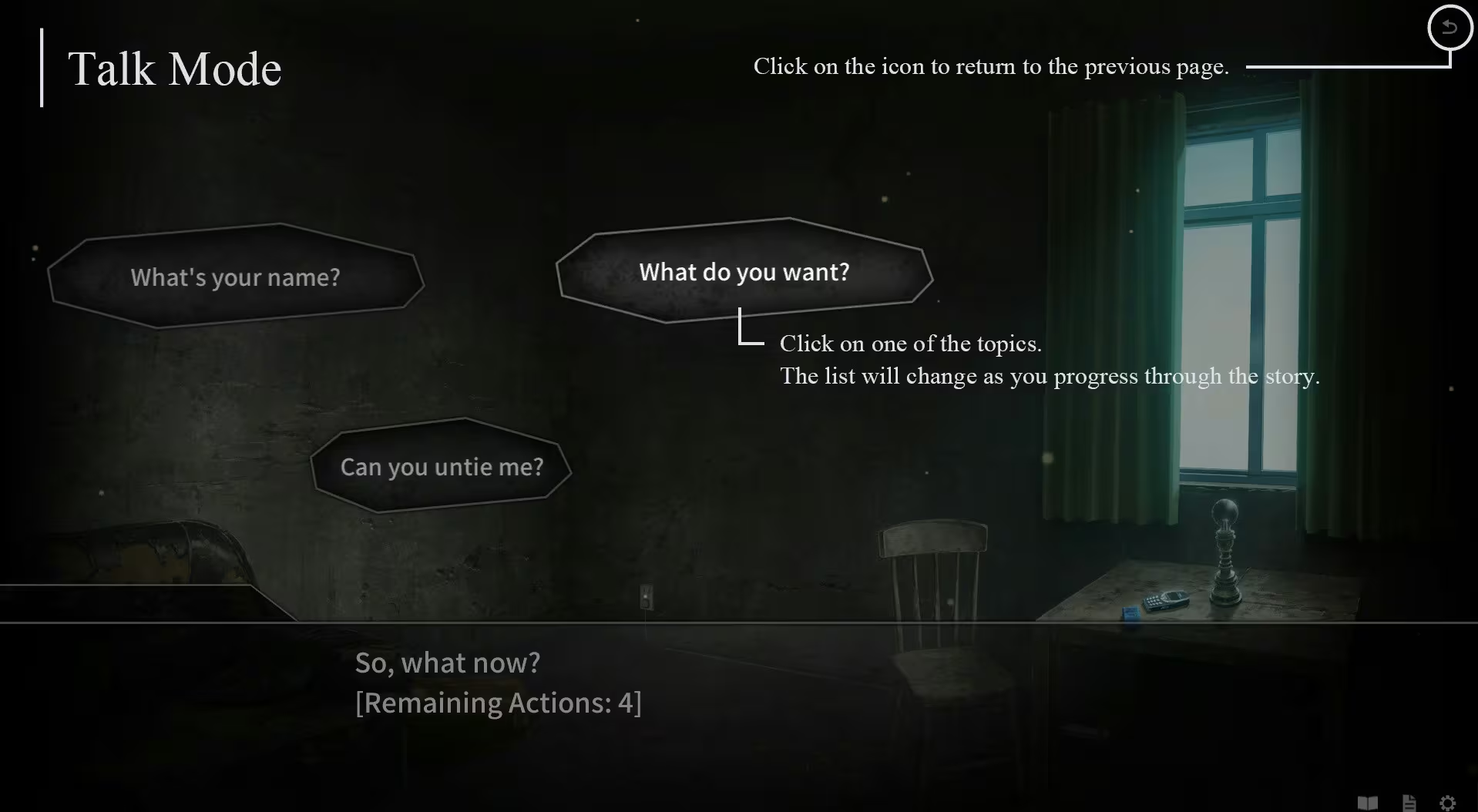
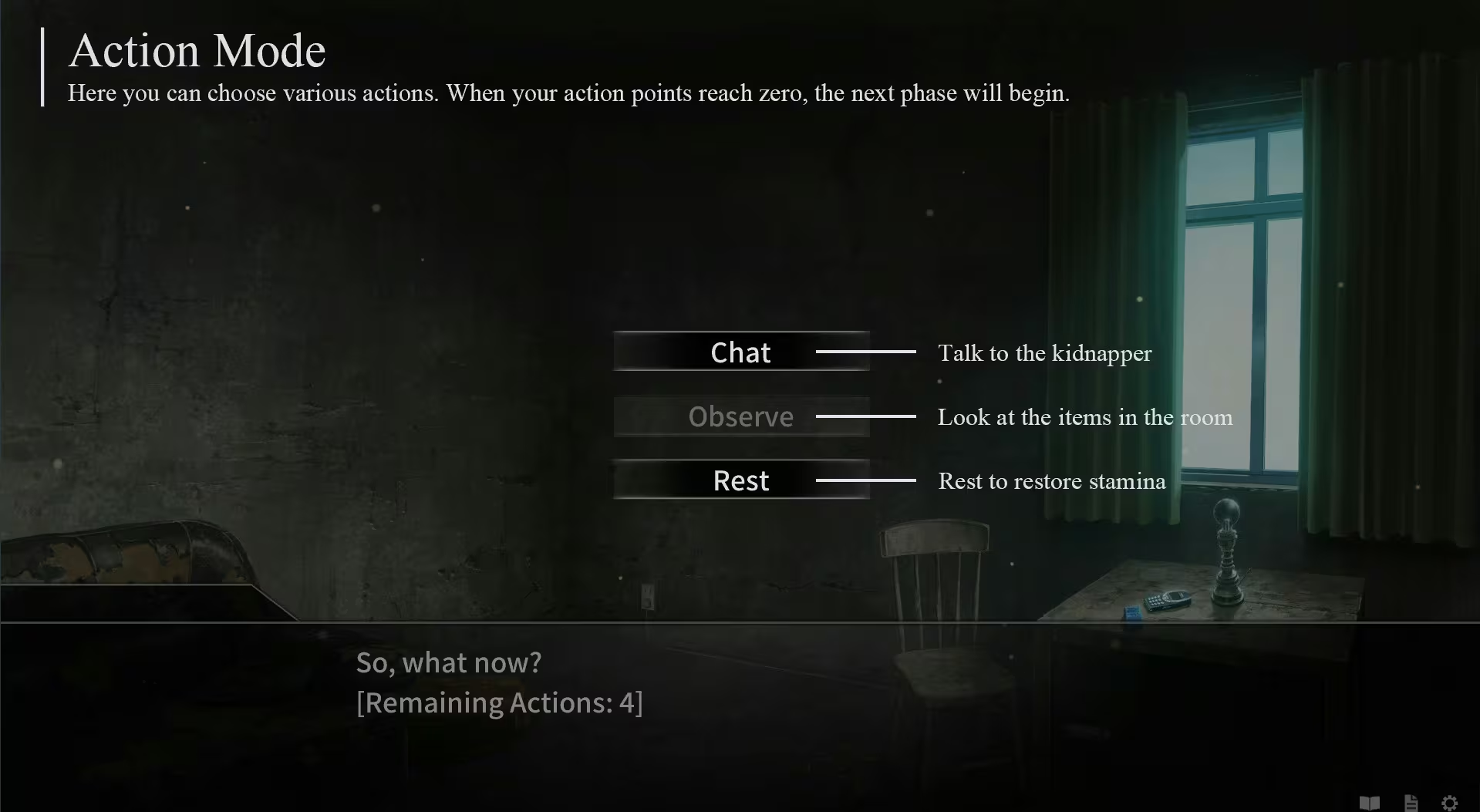
"Players make frequent, impactful choices affecting story outcomes and character interactions, including timed decisions and stamina management, reflecting significant control over actions."
-
Competence2
"The game involves decision-making under pressure and some quick time events, providing moderate skill challenge beyond simple reading."
-
Competition-5
"No evidence of competitive elements; focus is on personal narrative experience without comparison to others."
-
Continuation1
"Multiple endings encourage replay to explore different outcomes, but short length and some players report low replay value after completion."
-
Cooperation-5
"Single-player visual novel with no cooperative or multiplayer elements."
-
Creativity2
"Players explore different narrative paths and endings through choices, but within a predefined story structure."
-
Domination-5
"No indication of exerting control or superiority over others; interactions are narrative-driven and balanced."
-
Escapism3
"Players engage with a fictional but realistic and emotionally heavy story that offers distraction and emotional immersion from real life."
-
Expectation-4
"Players engage voluntarily out of personal interest in story and themes, with no indication of obligation or external pressure."
-
Experimenting3
"Multiple endings and branching choices encourage players to try different approaches and explore story variations."
-
Exploration1
"Exploration is narrative and choice-based rather than spatial; players discover story details and character backgrounds."
-
Expression-3
"Limited customization; players experience preset characters and environments with no avatar or cosmetic personalization."
-
Fantasy-4
"The story is grounded in realistic, socio-economic themes and plausible scenarios without fantasy or improbable events."
-
Fellowship-4
"The experience is solitary and narrative-focused with minimal social interaction or community engagement."
-
Growth3
"Players learn about complex social issues and character psychology through story progression and multiple endings."
-
Health-5
"No physical activity or health-related gameplay elements; sedentary visual novel experience."
-
Idle-4
"Requires focused reading and decision-making; timed choices demand continuous attention."
-
Intimacy1
"Emotional attachment to characters is reported, but social interaction is limited to narrative empathy rather than real relationships."
-
Leadership-5
"No leadership or group management elements; single-player story experience."
-
Progression2
"Progression is narrative-based through unlocking different endings and story revelations rather than item or power accumulation."
-
Relaxation-2
"The story is emotionally heavy and tense, with some players reporting feelings of anxiety and sadness rather than relaxation."
-
Sensation2
"Enjoyable art and melancholic music provide sensory and emotional stimulation enhancing the narrative experience."
-
Status-5
"No social recognition or status systems; focus is on personal story experience."
-
Story5
"Strong narrative immersion with complex characters, multiple endings, and meaningful themes central to the experience."
-
Strategy2
"Players must make strategic choices under time constraints affecting stamina and story outcomes, requiring planning and reasoning."
-
Thrill3
"Timed choices and survival elements create tension and suspense, contributing to emotional thrill."
-
Value1
"Generally considered worth the price by players, especially on sale, though some note short length limits value."
-
Violence1
"Some depiction of physical abuse and conflict in story, but violence is not glorified or central gameplay."
-
Survival4
"Survival elements are integrated into gameplay via stamina management and decision-making to avoid death and escape."
Last update: 29/04/2026