Blood Code Thumbnail

Blood Code similar games & best alternatives

Blood Code

PC (Microsoft Windows), Mac, Linux • 2015

Related articles

Quick resume

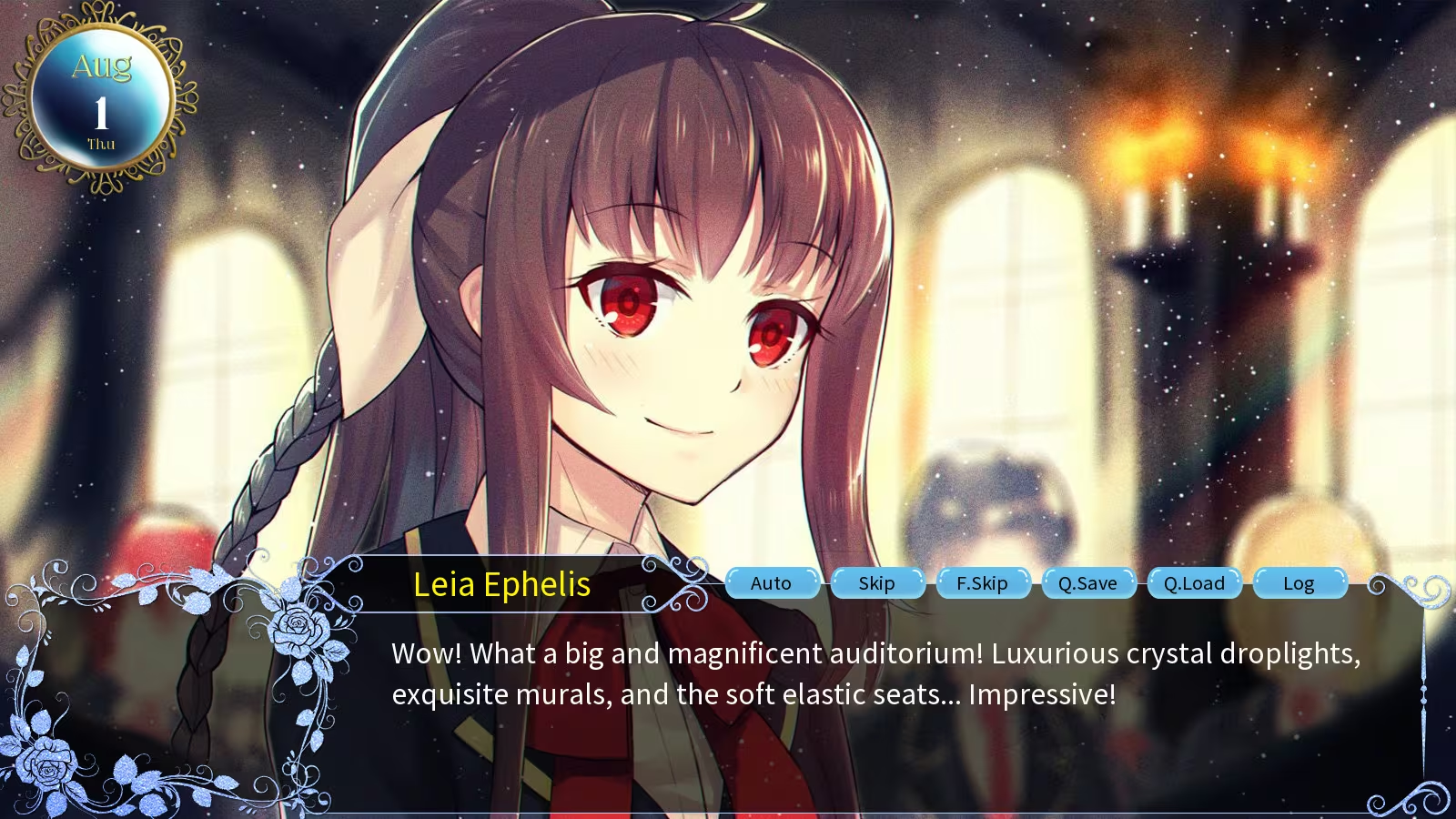
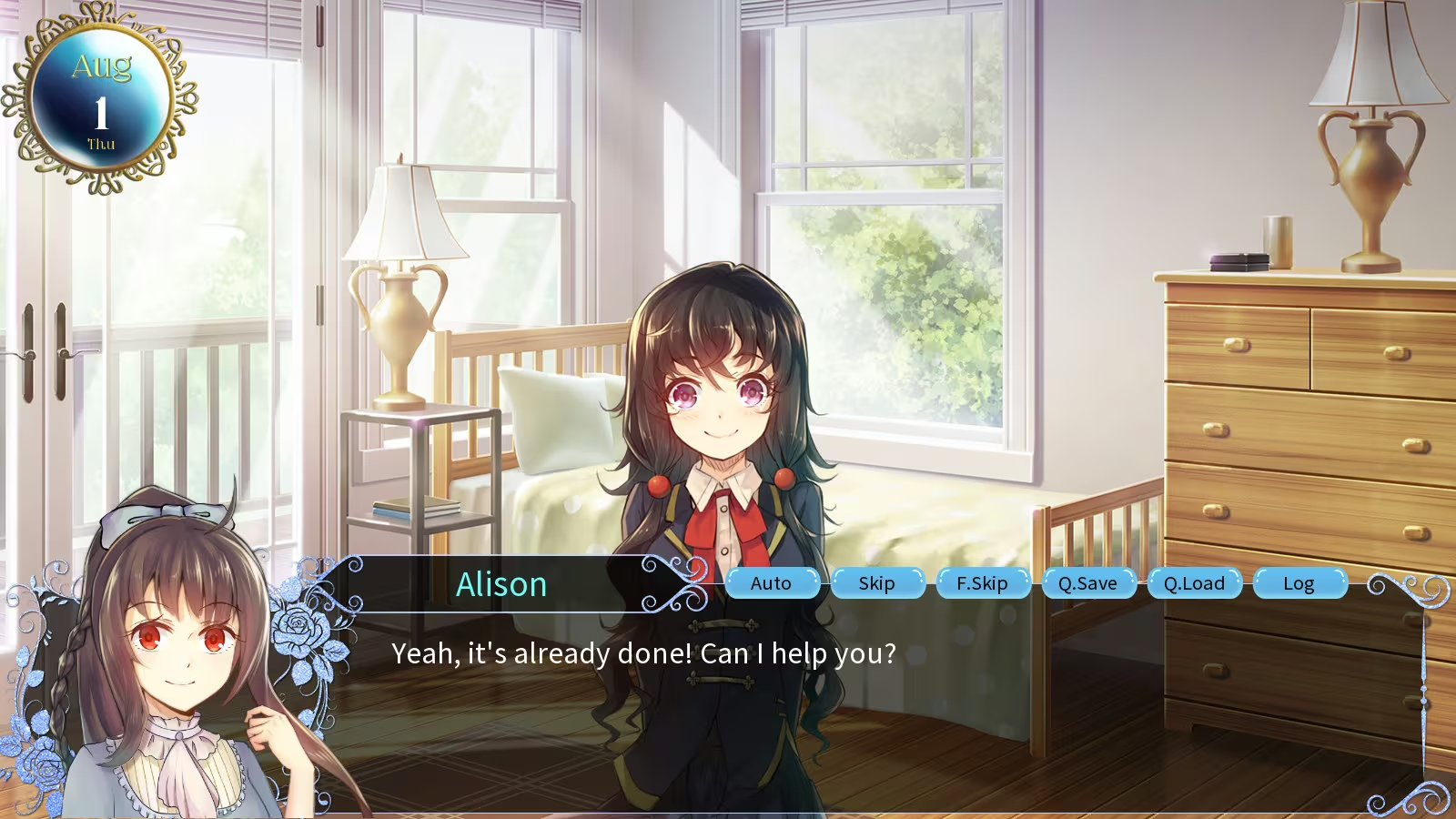
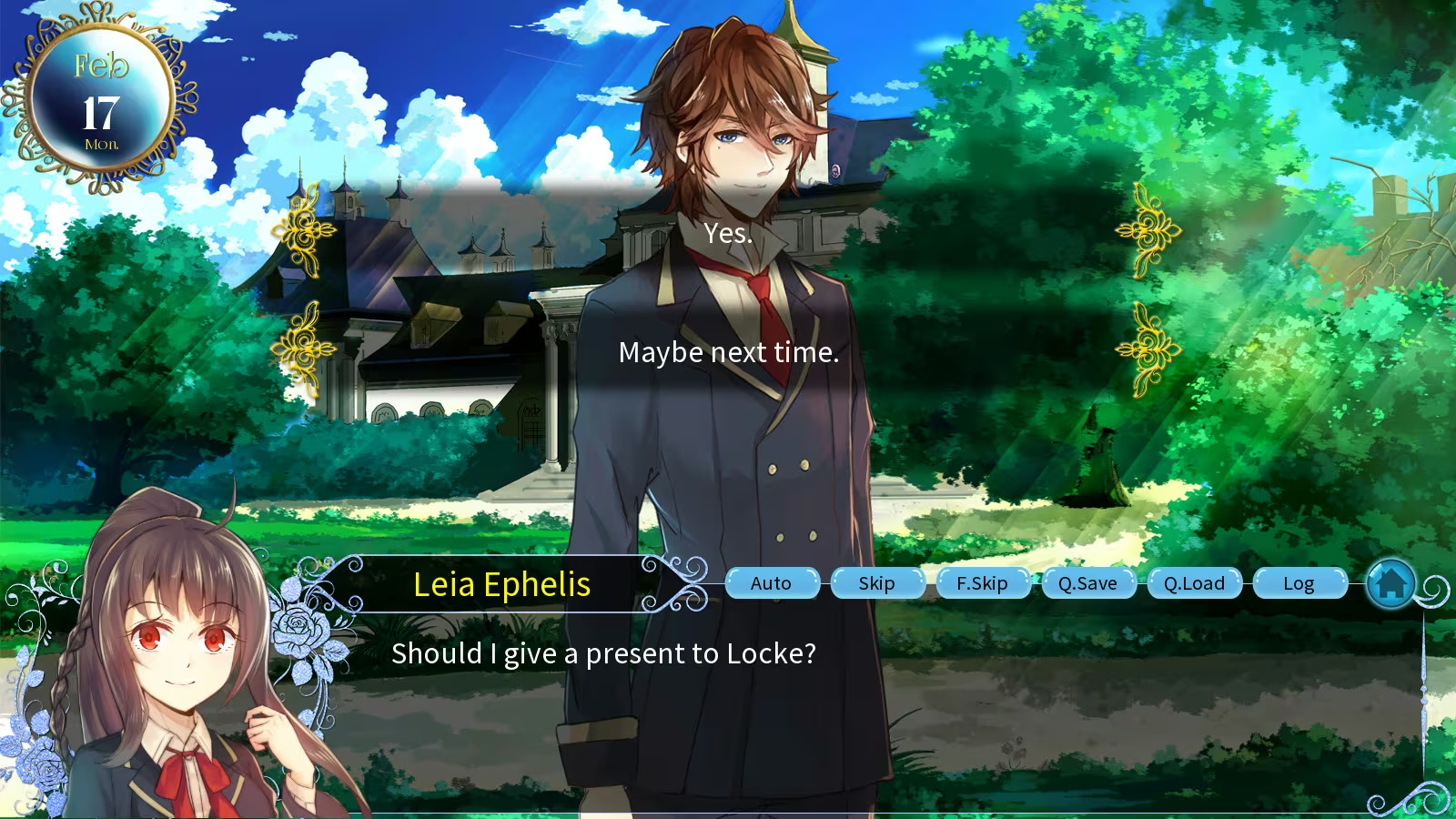
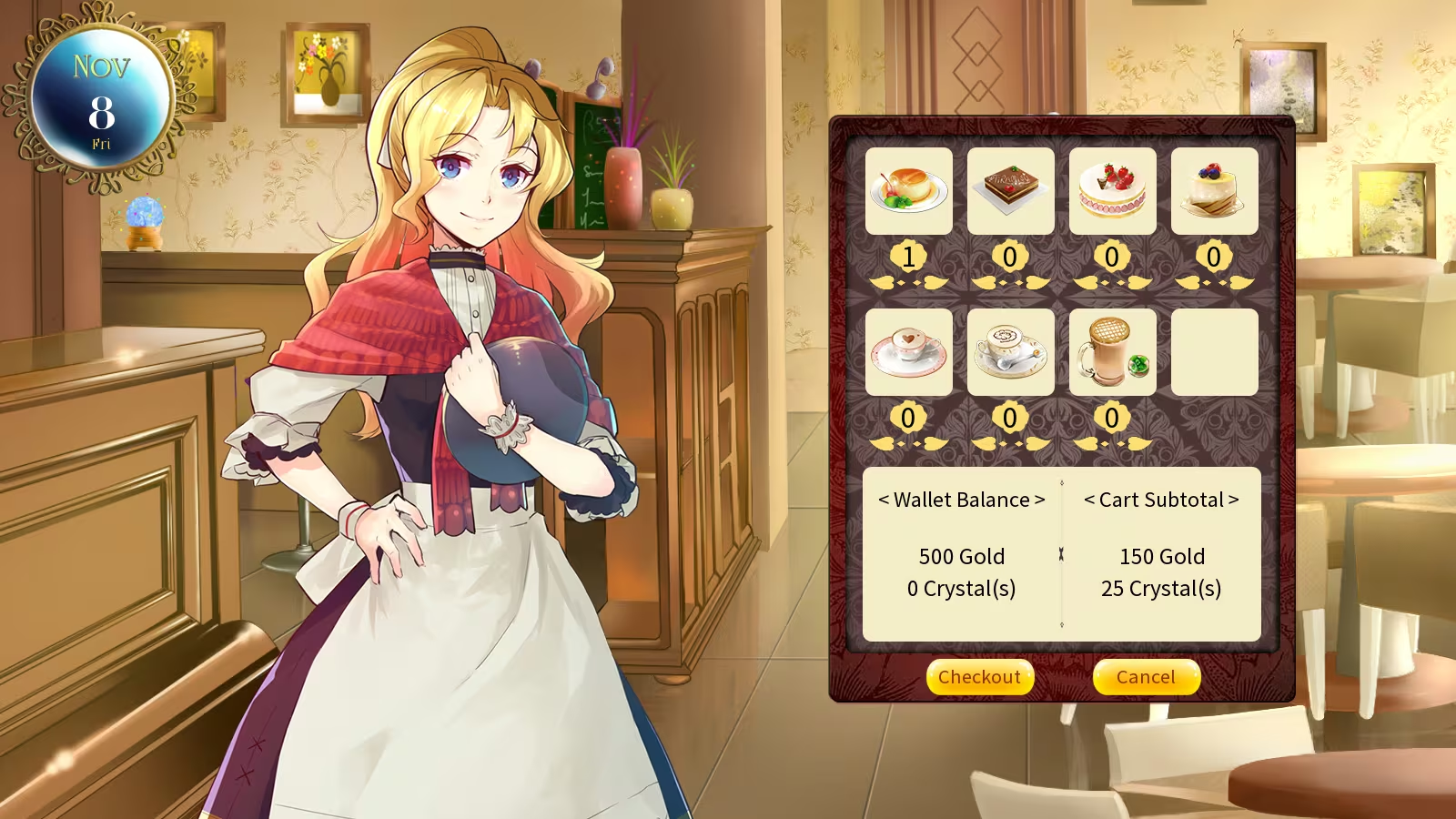
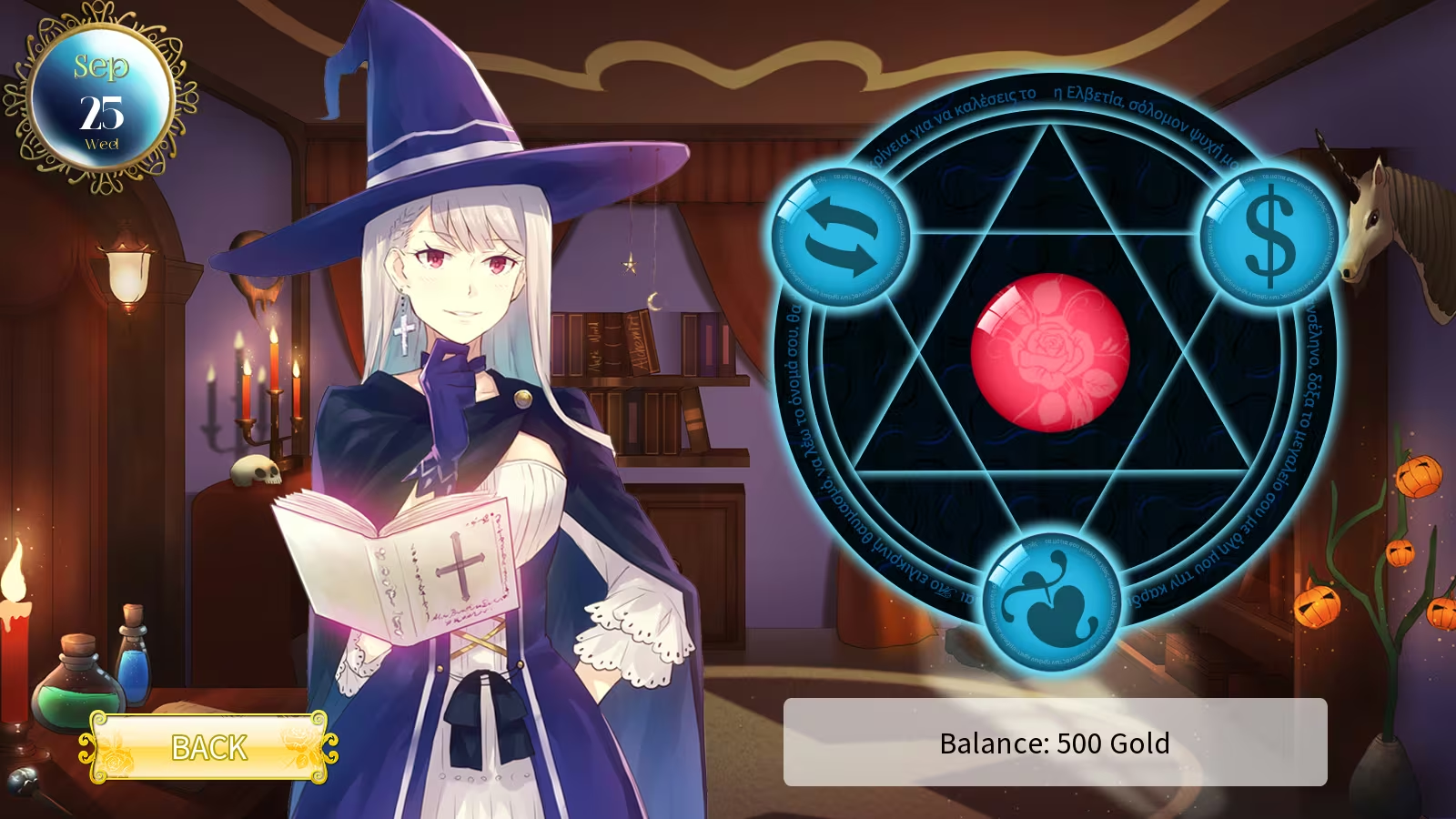
A story about an ordinary human girl and her romantic encounters with knights and princes. These characters may be gentle, passionate, considerate, or inhospitable. There are many character styles to suit a variety of individual player tastes.

Global score

73/100

Genres

Adventure, Casual, Indie, Simulator, Strategy

Similar games

    Pros

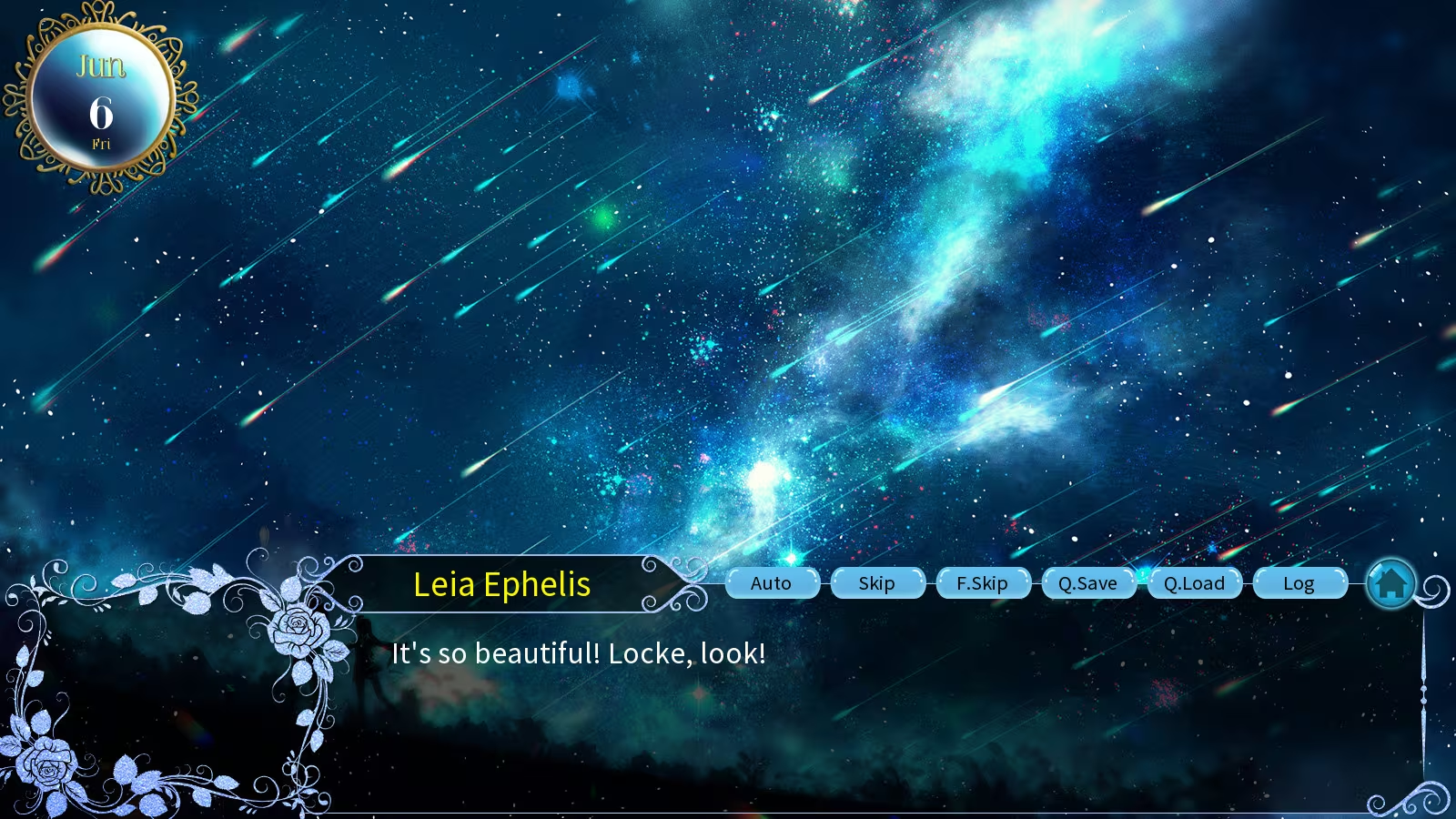
    • Beautiful artwork and cgs
    • Engaging romantic and mystery storylines
    • Multiple endings and replayability
    • Relaxing music and pleasant voice acting
    • Strategic scheduling and stat management gameplay

    Cons

    • Awkward english translation and grammar errors
    • Some voice acting volume inconsistencies
    • Repetitive dialogue and scheduling can be tedious
    • Story pacing issues and some plot incoherence
    • Lack of clear guidance requires use of walkthroughs

    Analysis

    A very typical example of its motivational profile. Motivations that often define this kind of title include Intimacy, Survival, Violence, Competition. Here, the score leans higher than usual among comparable games on Strategy. It leans lower than usual among comparable games on Fellowship, Cooperation.

    How to use the graph
    Similar games map

    Each dot is a game. They are arranged from the same motivation profile as in the “Motivations” section below. Closer dots usually mean more similar reasons to play (exploration, competition, relaxation, etc.)—not that one game is “better” than another.

    • Larger dot with a light outline: the game you are viewing.
    • Colour: groups of games with comparable motivation patterns (statistical clusters).
    • Hover a dot to see the game name; click to open its page.
    • Scroll or double-click the chart to zoom out and see more games.

    Why don’t the axes read like a score? This view uses t-SNE: it only keeps who is close to whom. The scales are not “good to bad” or hours played—they separate groups on the map. Read distance between dots, not the axis numbers.

    Motivations

    • Autonomy
      3

      "Players plan weekly schedules and make choices affecting stats and relationships, showing moderate control over actions."

    • Competence
      3

      "Stat-raising and scheduling require some skill and planning, with feedback through achievements and endings."

    • Competition
      -3

      "Focus is on personal progress and story routes without direct competition or leaderboards."

    • Continuation
      4

      "Multiple routes and endings encourage replay and extended engagement."

    • Cooperation
      -5

      "Single-player experience with no cooperative or multiplayer elements."

    • Creativity
      2

      "Customization of outfits and scheduling allows some creative expression within set structures."

    • Domination
      -5

      "No evidence of exerting control or superiority over others; interactions are narrative-driven."

    • Escapism
      4

      "Players engage in fantasy romance and mystery to escape real life, enjoying immersive storytelling."

    • Expectation
      -4

      "Players engage voluntarily for enjoyment and interest, not out of obligation."

    • Experimenting
      3

      "Players experiment with different schedules, stat builds, and dialogue choices to unlock various endings."

    • Exploration
      2

      "Some exploration of story branches and character routes, though environments are limited."

    • Expression
      2

      "Outfit changes and some customization options provide self-expression opportunities."

    • Fantasy
      5

      "Strong fantasy theme with vampires, magic, and supernatural elements."

    • Fellowship
      -4

      "Primarily a solo experience with minimal social or community interaction."

    • Growth
      4

      "Players develop skills in stat management and learn story mechanics through repeated play."

    • Health
      -5

      "Sedentary gameplay with no physical activity involved."

    • Idle
      -3

      "Requires focused attention on scheduling and decision-making, not suitable for idle play."

    • Intimacy
      3

      "Developing romantic relationships with characters provides emotional connection."

    • Leadership
      -5

      "No leadership or group management roles present."

    • Progression
      4

      "Progression through stat increases, relationship points, and unlocking story routes and endings."

    • Relaxation
      3

      "Relaxing music and art create a calming atmosphere despite some gameplay complexity."

    • Sensation
      2

      "Visual and auditory elements are pleasant but not highly stimulating or intense."

    • Status
      -4

      "Achievements exist but social recognition or popularity is not a core motivation."

    • Story
      4

      "Narrative immersion with multiple routes, character development, and mystery elements."

    • Strategy
      3

      "Requires planning weekly schedules and managing stats strategically to unlock desired outcomes."

    • Thrill
      1

      "Some suspense in story and outcomes, but overall controlled and predictable gameplay."

    • Value
      4

      "Players feel they get good content and hours of gameplay for the price, especially on sale."

    • Violence
      -5

      "No combat or destructive elements; focus on relationships and story."

    • Survival
      -3

      "Some risk of failing school or relationships, but overall low threat environment."

    Last update: 29/04/2026