Corpse Party: Book of Shadows Thumbnail

Corpse Party: Book of Shadows similar games & best alternatives
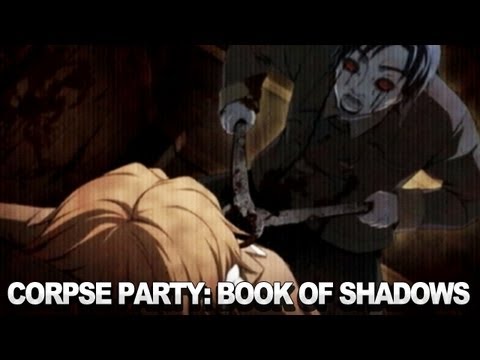
Corpse Party: Book of Shadows

PC (Microsoft Windows), iOS, PlayStation Portable • 2018

Related articles

Quick resume

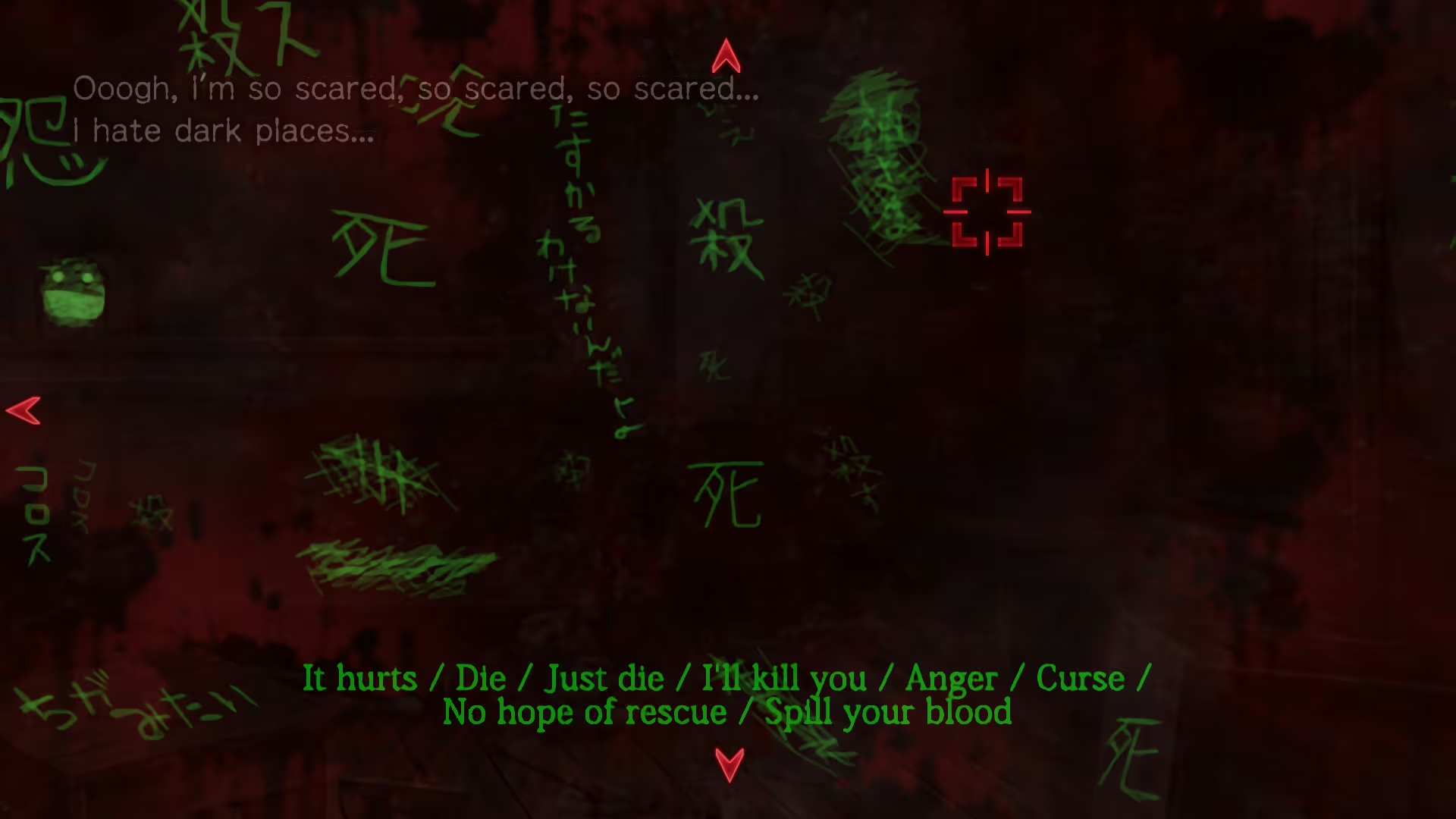
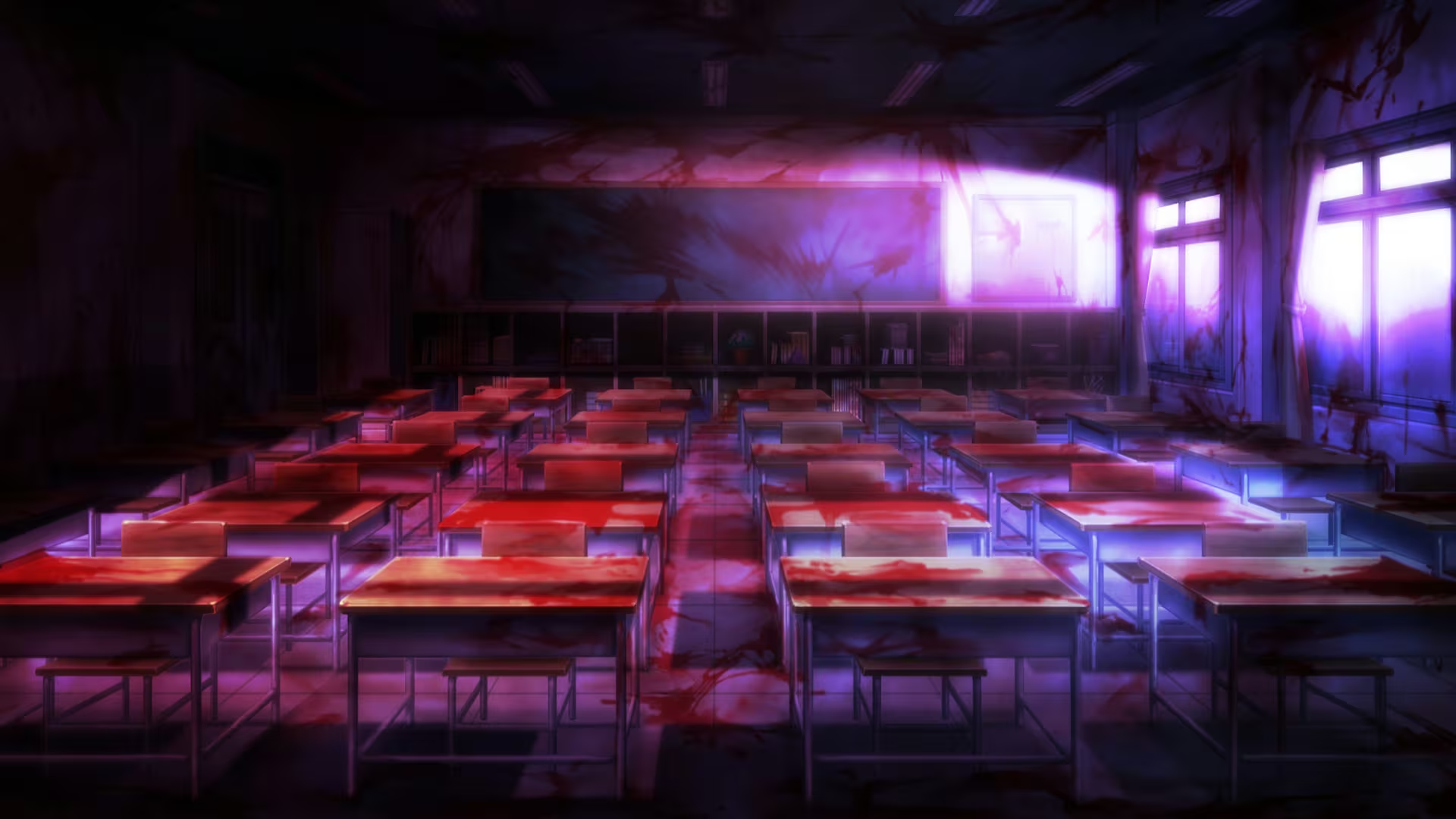
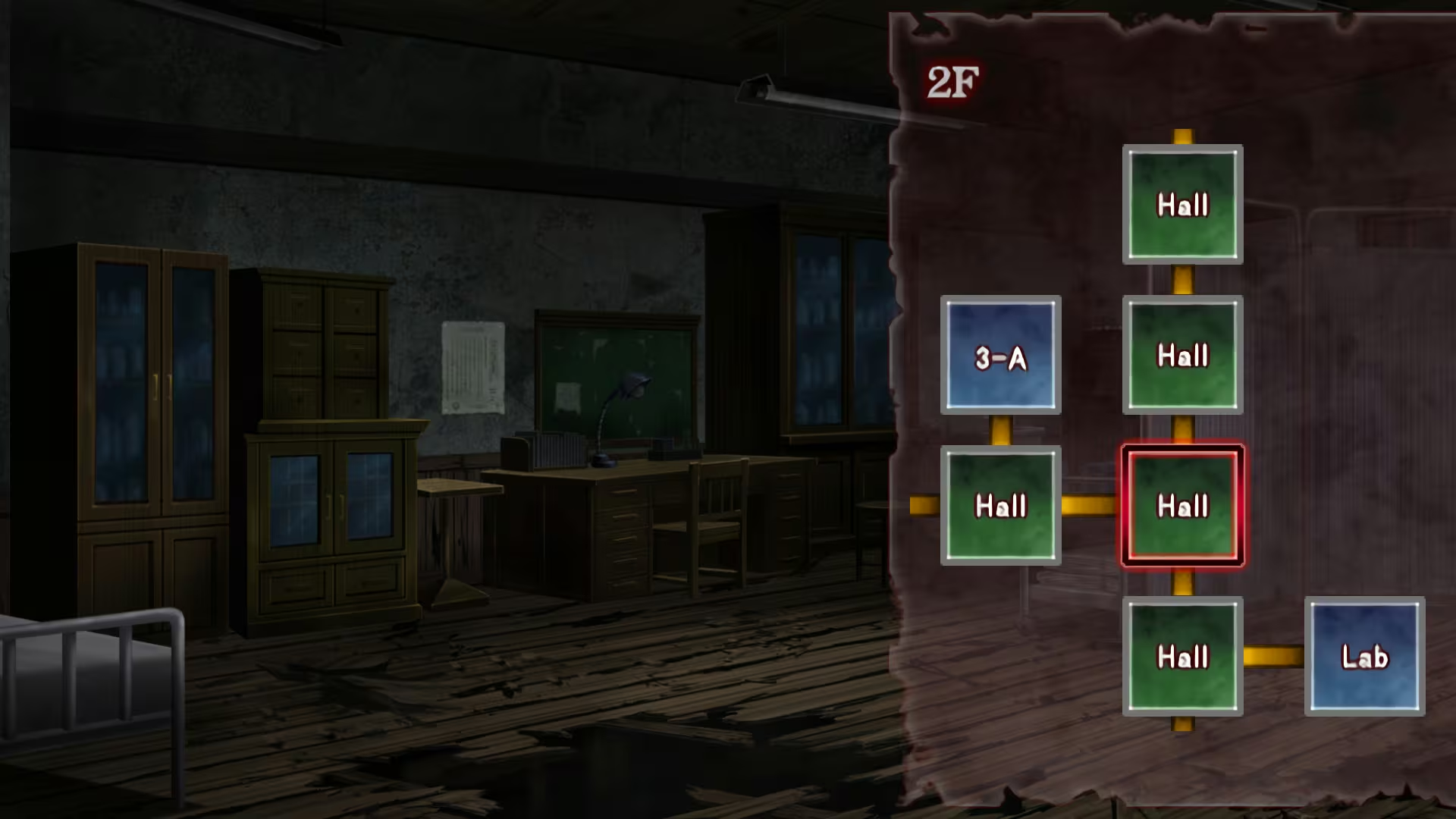
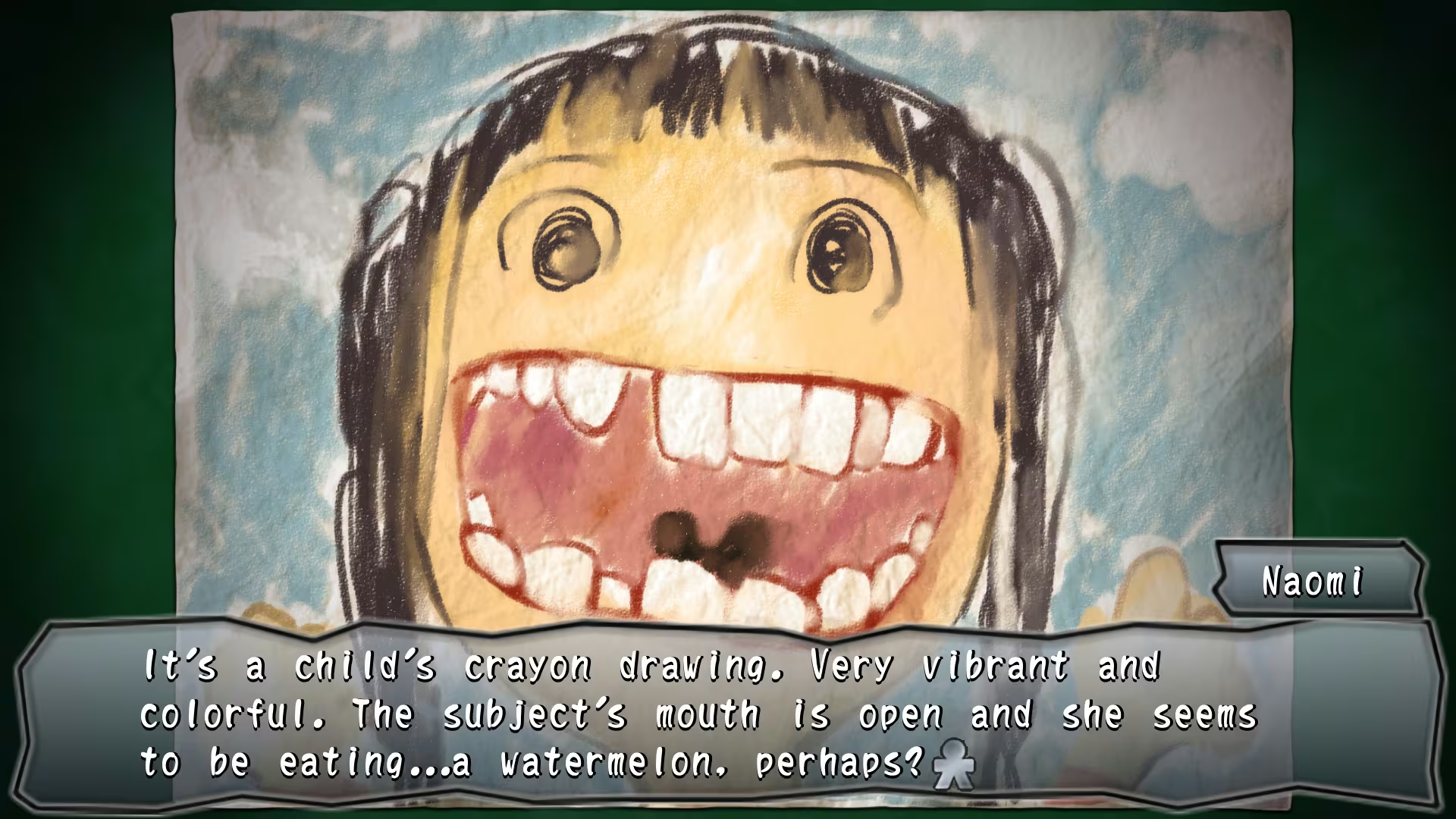
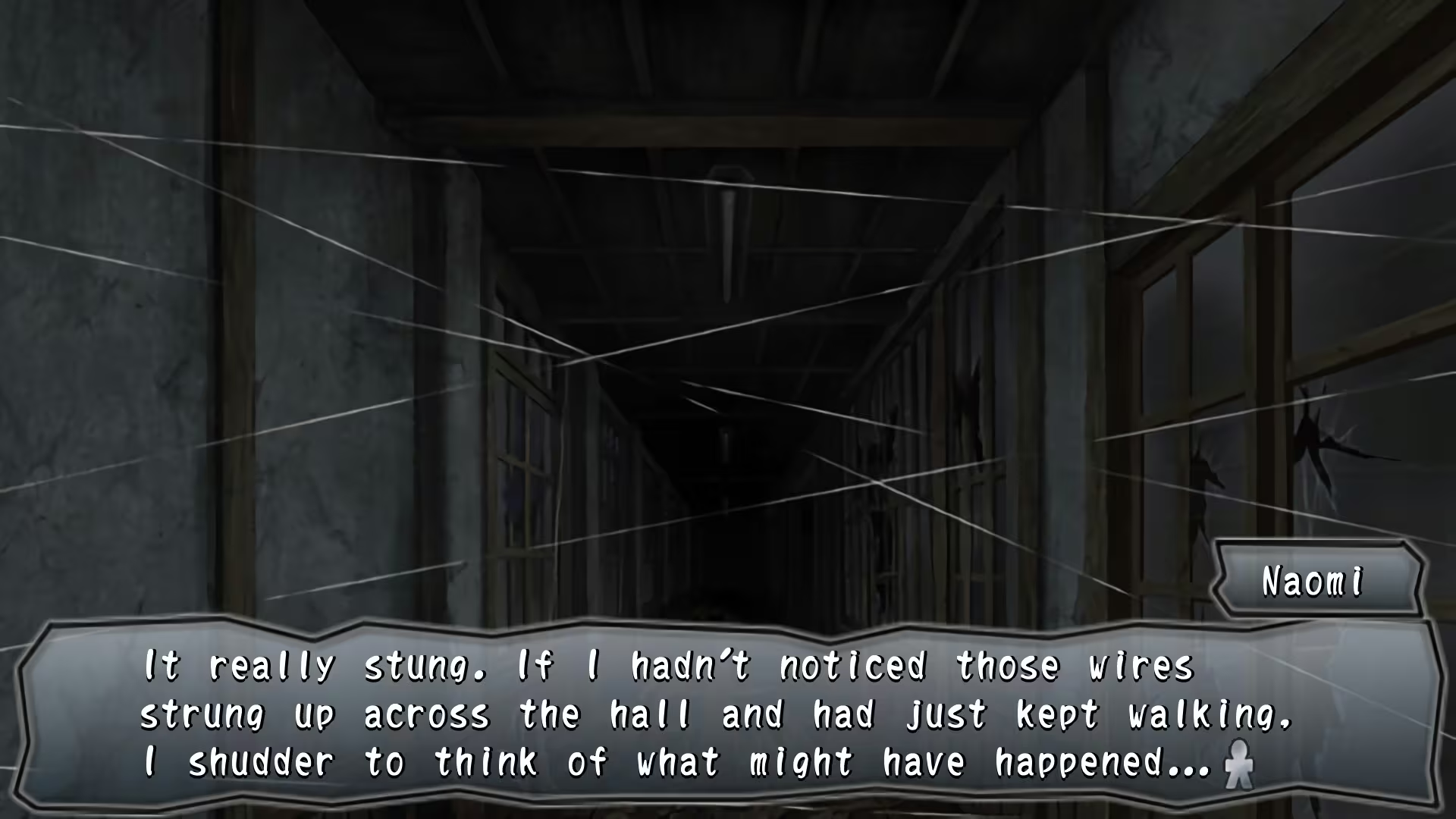
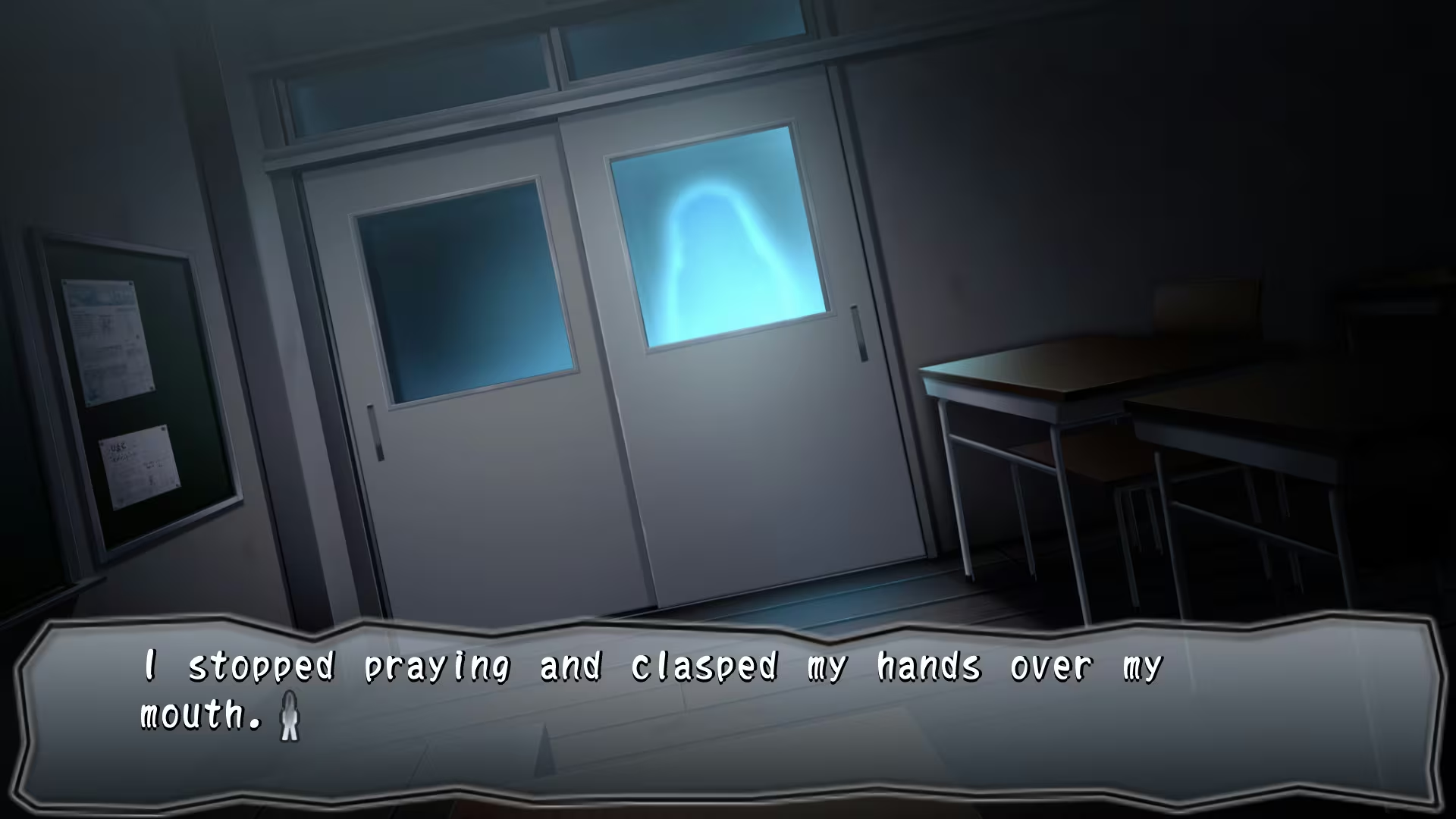
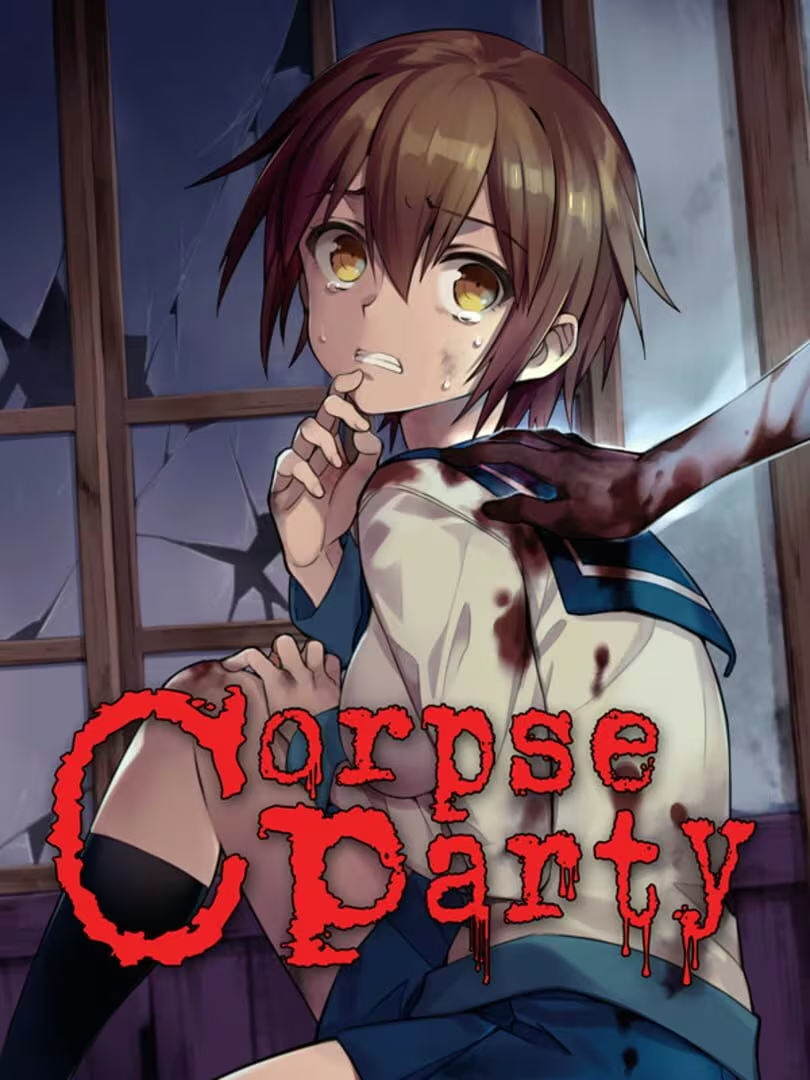
An anthology series that serves as a Corpse Party sequel, prequel, midquel, and alternate universe tale all in one. Rejoin old friends for a deeper dive into the haunted halls of Heavenly Host Elementary...

Global score

86/100

Genres

Adventure, Visual Novel, Point-and-click

Similar games

    Pros

    • Deep and engaging story
    • Strong voice acting and soundtrack
    • Expanded character development
    • Immersive horror atmosphere
    • Multiple endings and collectibles

    Cons

    • Slow and repetitive point-and-click gameplay
    • Limited interactivity and exploration
    • Somewhat confusing narrative structure
    • Game-breaking bugs reported
    • Fanservice elements may be off-putting

    Analysis

    Less representative of its motivational profile, with noticeable differences. Motivations that often define this kind of title include Expression, Fellowship, Cooperation, Competition. Here, the score leans higher than usual among comparable games on Idle, Violence. It leans lower than usual among comparable games on Relaxation.

    How to use the graph
    Similar games map

    Each dot is a game. They are arranged from the same motivation profile as in the “Motivations” section below. Closer dots usually mean more similar reasons to play (exploration, competition, relaxation, etc.)—not that one game is “better” than another.

    • Larger dot with a light outline: the game you are viewing.
    • Colour: groups of games with comparable motivation patterns (statistical clusters).
    • Hover a dot to see the game name; click to open its page.
    • Scroll or double-click the chart to zoom out and see more games.

    Why don’t the axes read like a score? This view uses t-SNE: it only keeps who is close to whom. The scales are not “good to bad” or hours played—they separate groups on the map. Read distance between dots, not the axis numbers.

    Motivations

    • Autonomy
      3

      "Players have some control over exploration via point-and-click and map navigation, but gameplay is largely linear and guided by story progression."

    • Competence
      1

      "Gameplay involves simple point-and-click exploration and decision making with some puzzle elements, but overall low mechanical challenge."

    • Competition
      -4

      "Focus is on personal story experience and exploration without competitive elements or player comparison."

    • Continuation
      3

      "Fans tend to engage deeply to unlock all endings and collectibles, showing habitual play and completionism."

    • Cooperation
      -5

      "Single-player experience focused on individual narrative without multiplayer or cooperative gameplay."

    • Creativity
      2

      "Players explore different story branches and alternate timelines, but within a fixed visual novel structure."

    • Domination
      -5

      "No social dominance or power over others; interactions are solitary and narrative-driven."

    • Escapism
      4

      "Strong horror atmosphere and immersive storytelling provide escape from reality and psychological engagement."

    • Expectation
      -3

      "Players engage voluntarily driven by interest in story and characters rather than obligation."

    • Experimenting
      1

      "Some exploration of different story paths and endings, but within a limited set of options and familiar mechanics."

    • Exploration
      2

      "Players explore different rooms and uncover story elements, though environments are repetitive and constrained."

    • Expression
      -2

      "Limited customization; players experience fixed character presentations and storylines."

    • Fantasy
      4

      "Strong supernatural horror and alternate universe themes provide imaginative fictional experience."

    • Fellowship
      -4

      "Minimal social interaction; experience is solitary without community or group play."

    • Growth
      3

      "Players learn more about story, lore, and character backgrounds, enhancing understanding and narrative knowledge."

    • Health
      -5

      "Sedentary gameplay with no physical activity or health-related engagement."

    • Idle
      2

      "Gameplay includes some waiting and slow navigation, but players remain engaged with story and exploration."

    • Intimacy
      -3

      "Limited emotional connection through narrative, but no social or close interpersonal interactions."

    • Leadership
      -5

      "No leadership or group management elements; purely single-player narrative."

    • Progression
      3

      "Players unlock multiple endings, collectibles, and story content, showing accumulation of narrative progress."

    • Relaxation
      -2

      "Tense and unsettling horror atmosphere creates sustained tension rather than relaxation."

    • Sensation
      3

      "Strong audio-visual horror elements and voice acting provide sensory stimulation and emotional impact."

    • Status
      -4

      "No social recognition or status systems; focus is on individual experience."

    • Story
      5

      "Highly narrative-driven visual novel with deep lore, character development, and multiple story branches."

    • Strategy
      0

      "Limited strategic challenge; gameplay mostly involves exploration and choice selection without complex planning."

    • Thrill
      4

      "Psychological horror and suspense create feelings of tension, fear, and relief."

    • Value
      2

      "Fans appreciate the story expansion and voice acting, though some find gameplay repetitive and slow."

    • Violence
      4

      "Graphic descriptions and implied gore are central to the horror experience."

    • Survival
      2

      "Darkening meter mechanic adds tension related to mental stability and avoiding failure."

    Last update: 29/04/2026